Why Wild Turkeys Are Tearing Up Michigan Lawns In Spring And How To Stop It
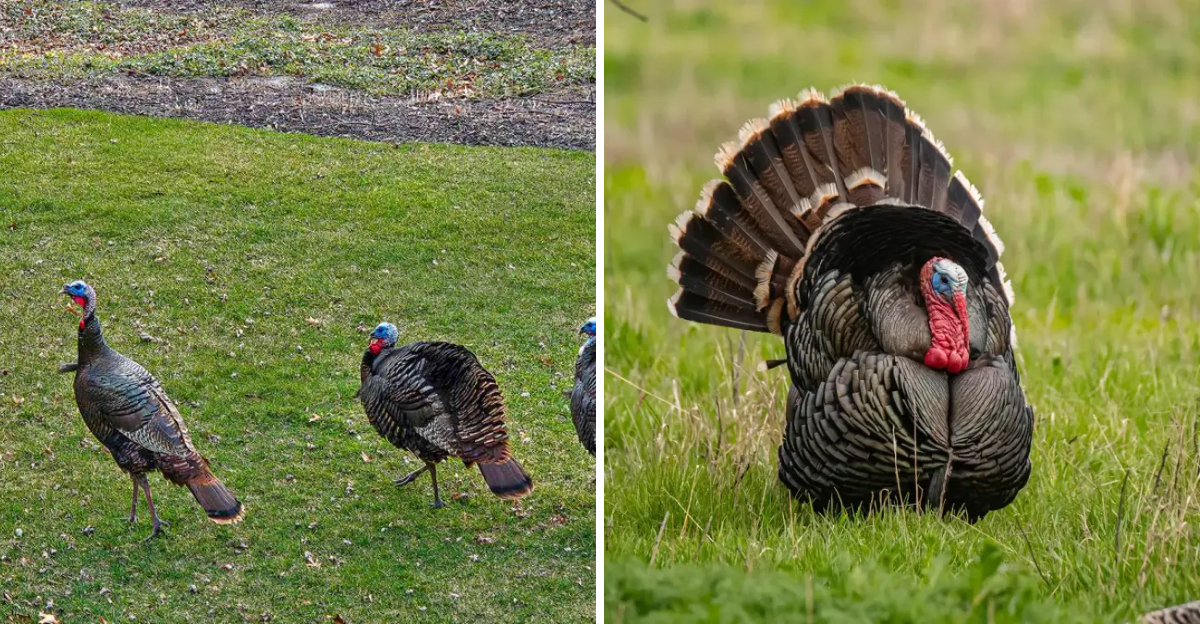
If you have stepped outside on a spring morning in Michigan and found your lawn scratched up and scattered, there is a good chance wild turkeys paid you a visit overnight or just before dawn.
These birds are big, surprisingly bold, and capable of doing a serious amount of damage to a yard in a short amount of time.
Spring brings them out in full force across Michigan, and residential areas have become increasingly common stops on their daily routes as turkey populations have grown steadily across the state.
What looks like random destruction is actually purposeful behavior driven by instinct and the specific needs of the season.
Turkeys are not tearing up your lawn out of spite. They are responding to exactly what spring triggers in them, and understanding that makes it a lot easier to figure out what will actually discourage them.
Whether they are hitting your garden beds, your grass, or your mulched areas, there are practical steps that work without causing any harm to the birds themselves.
1. Searching For Insects And Grubs
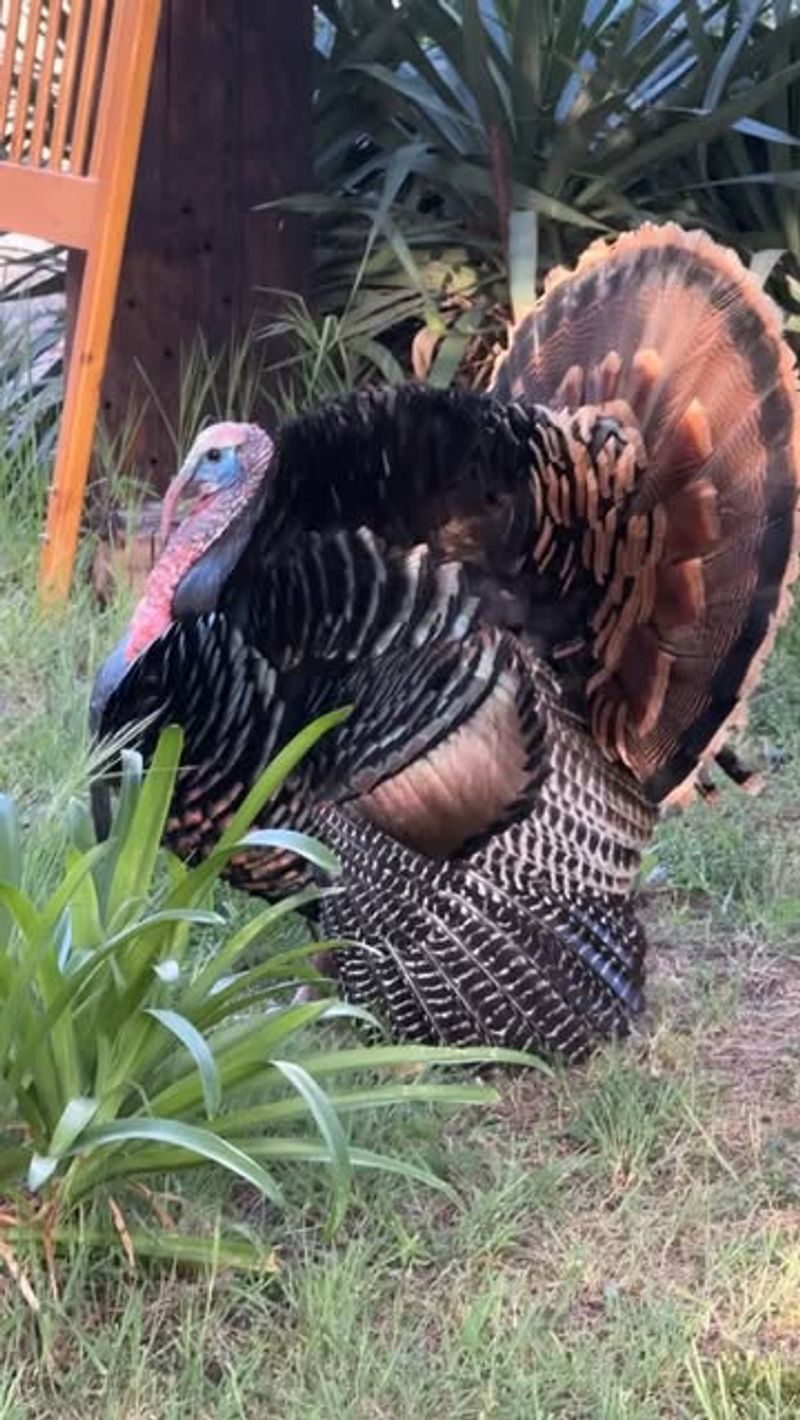
Few things are more frustrating than walking out to your Michigan yard and finding freshly torn-up patches of grass scattered across your lawn. Wild turkeys are some of the most determined foragers in nature, and spring is when their digging kicks into high gear.
They scratch through the turf with powerful feet, hunting for beetle larvae, earthworms, and other soil insects hiding just below the surface.
When spring arrives and soils warm up after a long Michigan winter, grubs and insects move closer to the surface to feed. Turkeys know this, and they follow the food trail right into your yard.
A single flock can scratch up dozens of patches in one morning, leaving your lawn looking roughed up and uneven.
One of the most practical steps you can take is treating your lawn for grubs in late summer or early fall. Products containing imidacloprid or chlorantranilipole are widely used and effective when applied correctly.
Fewer grubs in the soil means less reason for turkeys to dig around in the first place. Aerating your lawn regularly also helps, since healthy, dense turf is harder for turkeys to scratch apart.
Reducing the food source is not a complete fix, but it significantly cuts down on how often these birds visit your Michigan property each spring.
2. Soft Spring Soil Makes Digging Easy
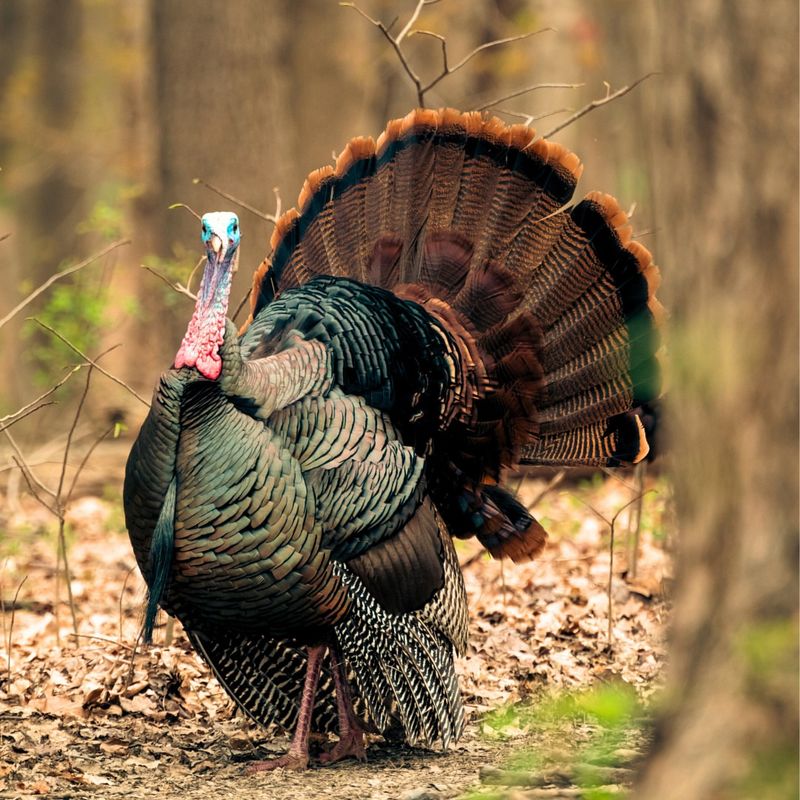
Michigan winters leave the ground frozen solid for months, but once that frost thaws out in spring, the soil turns soft, moist, and incredibly easy to dig through. That change in soil texture is like an open invitation for wild turkeys.
They can scratch apart soft turf with almost no effort, which is exactly why lawn damage spikes so much in March and April across the state.
Compacted or dry soil is much less attractive to turkeys because it takes more energy to scratch through. This is actually useful information for homeowners.
One surprisingly effective approach is core aeration followed by overseeding and light topdressing with compost. This builds a denser, firmer turf layer over time, making your lawn naturally less appealing to foraging birds.
Your Michigan Garden Changes Every Week. Your Plan Should Too.
Gardening in Michigan changes quickly throughout the season. Every Friday you’ll receive a simple weekly plan showing exactly what to plant, prune, fertilize, harvest, and protect so you never miss the right timing.
You can also try reducing irrigation in early spring when soils are already naturally moist from snowmelt and rain. Soggy lawns stay soft longer, which extends the window when turkeys find your yard easy to work through.
Letting the top layer dry out a bit between waterings can make the surface firmer and less rewarding for scratching.
It sounds simple, but small adjustments in how you manage your Michigan lawn in early spring can have a noticeable impact on how often turkeys decide your yard is worth the visit.
3. Natural Spring Feeding Behavior
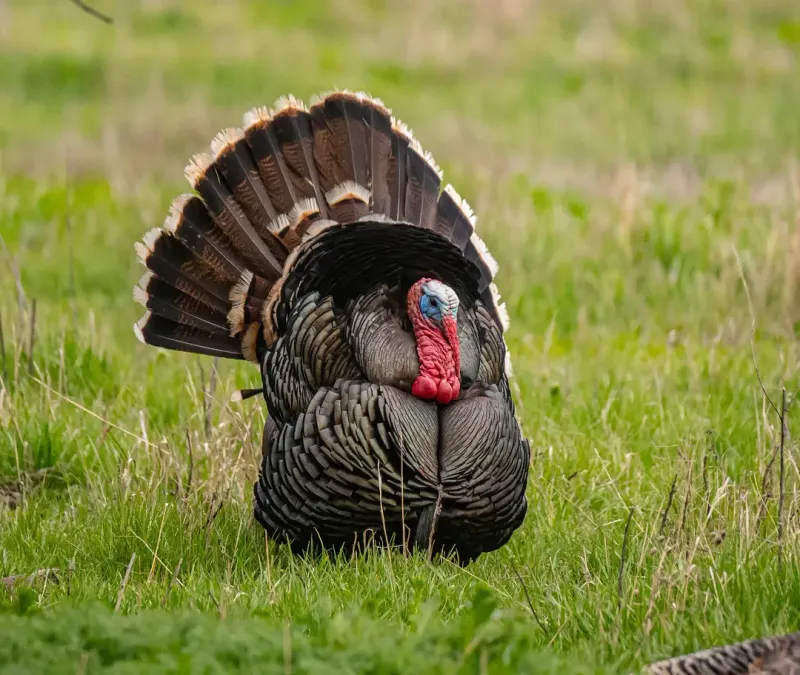
Spring is basically a feast season for wild turkeys, and Michigan yards often end up right in the middle of that feast. After spending the winter surviving on limited food sources, turkeys come out of the cold months hungry and ready to eat as much as possible.
Their feeding activity ramps up dramatically, and they cover a lot of ground searching for anything edible, including insects, seeds, berries, and fresh plant shoots.
On top of recovering from winter, turkeys are also getting ready for breeding season, which demands extra energy. This combination of recovery and preparation drives them to forage almost constantly during daylight hours.
Residential lawns in Michigan suburbs and rural areas offer an easy buffet with minimal obstacles, which makes them a go-to feeding spot for local flocks.
Understanding this natural behavior cycle helps you plan your response. Turkeys are most active in the early morning and late afternoon, so timing your deterrent efforts around those windows is smarter than random attempts throughout the day.
Motion-activated sprinklers set to run during peak feeding hours can interrupt their routine without requiring you to be outside. Reflective tape or pinwheels placed around the yard can also startle turkeys during those active periods.
Working with the timing of their natural behavior, rather than against it, makes your Michigan lawn protection strategy far more effective throughout the spring season.
4. Open Lawns Provide Visibility And Safety
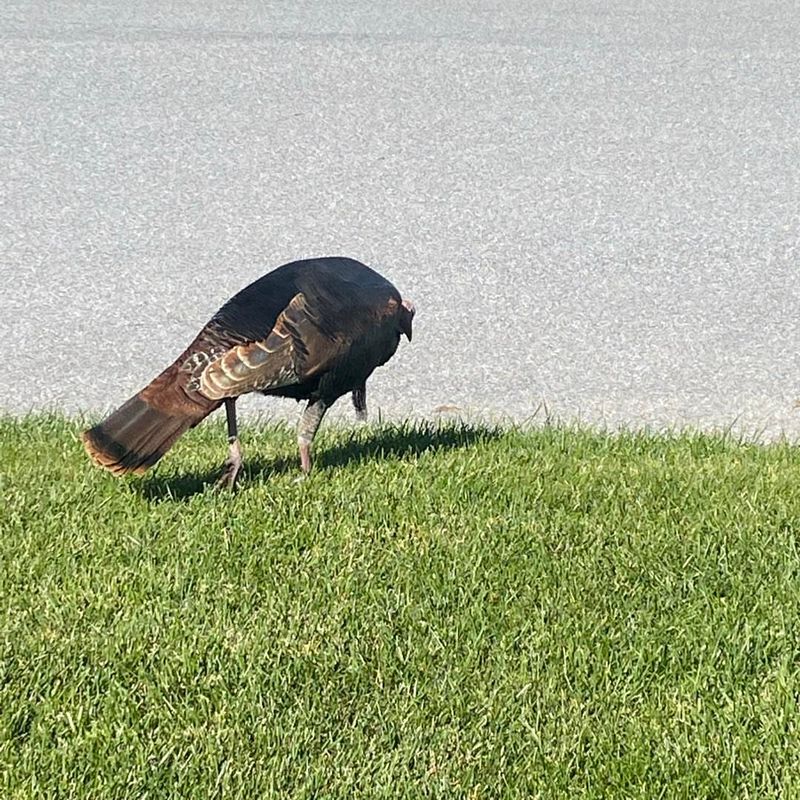
Wild turkeys are surprisingly cautious birds despite how bold they can seem when tearing up your lawn. They strongly prefer open spaces where they can see in every direction, giving them time to react if a predator shows up.
Large, open Michigan lawns are basically ideal real estate for a turkey looking for both food and safety at the same time.
This preference for visibility is something you can actually use to your advantage. Turkeys feel uncomfortable in areas with lots of movement, unexpected objects, or visual obstructions that block their sightlines.
Adding garden structures, decorative fencing, tall planters, or even dense ornamental grasses around the edges of your yard can break up the open feel that turkeys love so much.
Placing visual deterrents like reflective owl decoys, shiny mylar strips, or motion-activated light stakes throughout the yard also disrupts the open, safe feeling turkeys are looking for.
The key is to move these items around regularly, because turkeys are smart birds and they learn quickly that a stationary object is not a real threat.
Rotating deterrents every few days keeps them guessing and makes your Michigan yard feel less predictable and safe for a flock looking for a calm feeding zone.
A little creativity in how you arrange your outdoor space goes a long way toward making turkeys choose someone else’s yard instead.
5. Nearby Woodlands Or Roosting Areas
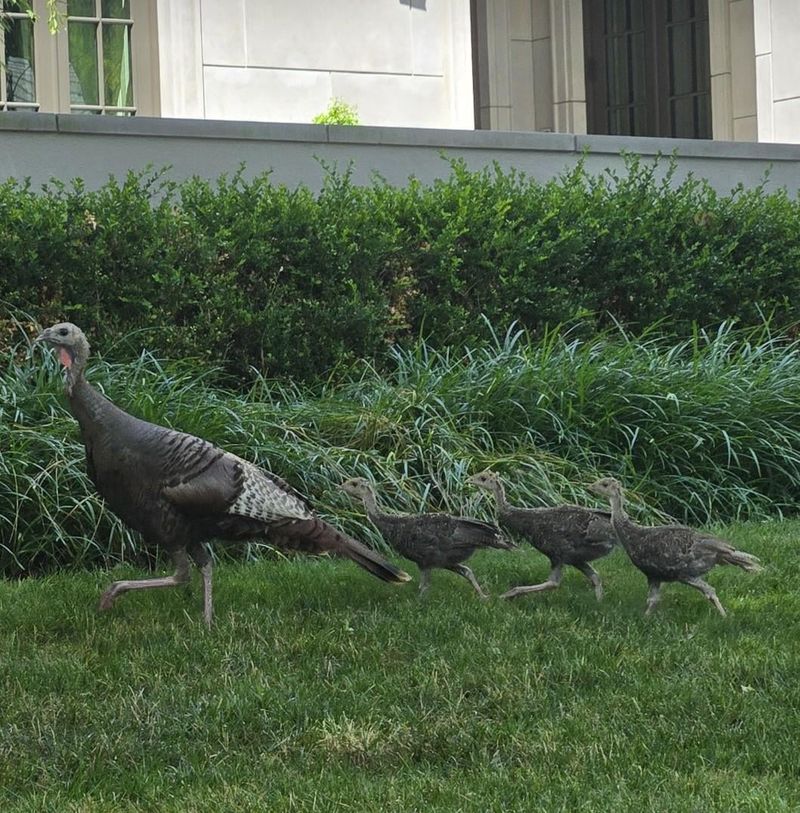
If your Michigan property backs up to a forest, a tree line, or any kind of natural wooded area, you are living right next to prime turkey territory. Wild turkeys roost in tall trees overnight and spend their days moving outward from those roost sites in search of food.
Yards that sit close to woodland edges are almost always the first stop on a turkey’s morning feeding route.
This geographic reality means some Michigan homeowners are simply dealing with a higher level of turkey traffic than others, no matter what they do. That said, there are still ways to create a buffer between the woods and your lawn.
Planting a dense hedge row or installing a low fence along the tree line can slow turkeys down and encourage them to stay in the wooded area rather than spilling into your turf.
Native shrubs like viburnums, elderberries, or dogwoods planted along the woodland edge serve double duty. They create a natural visual barrier that makes turkeys hesitant to cross into your open lawn, and they also support local wildlife in a healthy way.
Keeping brush piles, leaf litter, and low-hanging branches cleared away from the lawn edge also removes the transitional cover that turkeys use to move confidently from the woods into your yard.
Managing that woodland border is one of the most underrated strategies for protecting a Michigan lawn from repeated turkey visits each spring.
6. Lack Of Consistent Deterrents
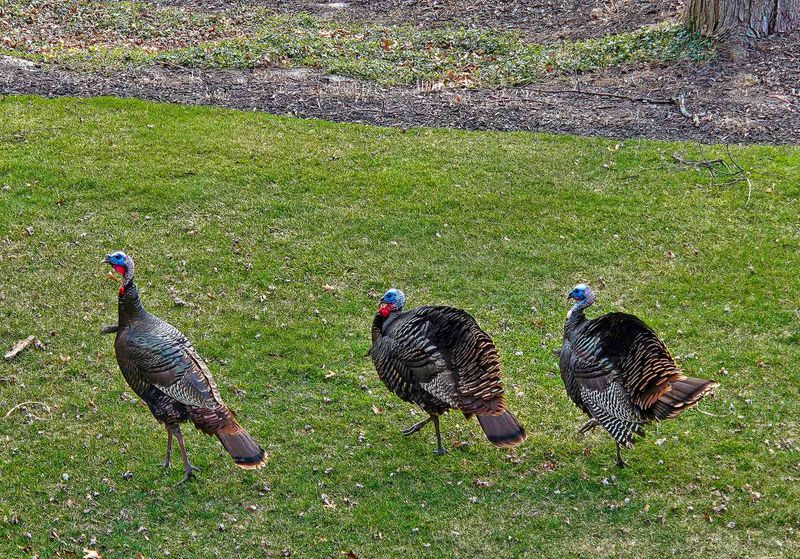
Here is something most Michigan homeowners do not realize until it is too late: turkeys are incredibly good at figuring out what is a real threat and what is not. If you scare them off once or twice and then stop, they will be back within days, acting like nothing happened.
Consistency is the single most important factor in any turkey deterrent strategy, and most people give up too soon.
Turkeys follow routines. They visit the same yards, at the same times, along the same paths, day after day.
Once a lawn becomes a regular stop on their circuit, breaking that habit requires repeated, persistent disruption over at least two to three weeks. A single loud noise or one spray from a hose is entertaining for them at best and forgettable at worst.
The most successful approach combines multiple deterrents used consistently over time. Motion-activated sprinklers, visual deterrents that get moved regularly, and occasional noise disturbances all work better together than any single method alone.
Some Michigan homeowners have had great results using a combination of a motion-activated sprinkler on one side of the yard and reflective tape on the other, rotating their positions every few days.
The goal is to make your yard feel unpredictable and mildly uncomfortable every single time turkeys show up, until they eventually decide the effort is not worth it and move on to easier feeding grounds.
7. Food Sources Like Bird Seed Or Feeders
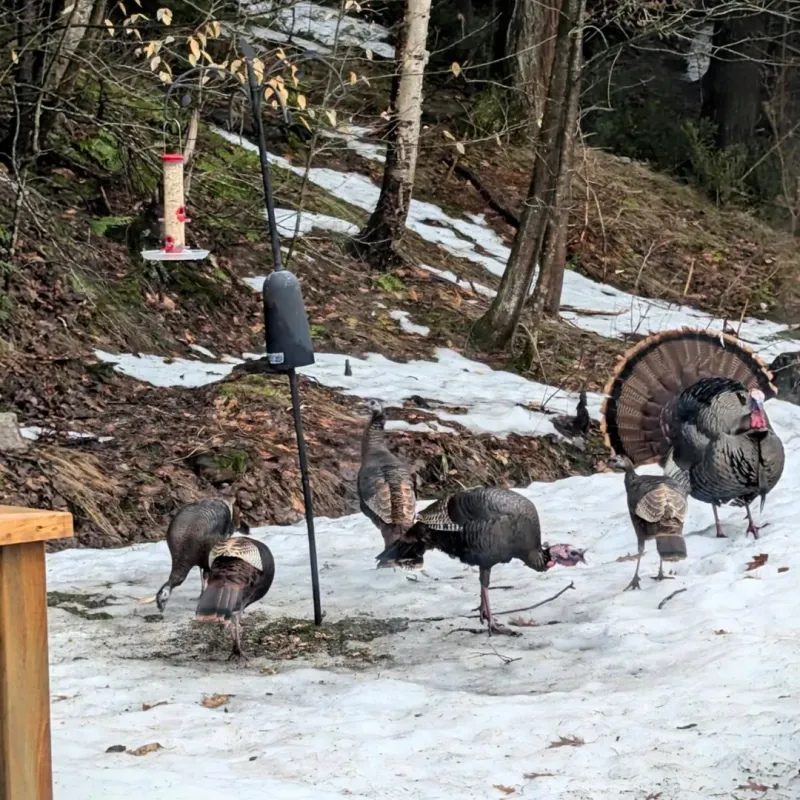
Bird feeders are one of the most common and overlooked reasons why wild turkeys keep coming back to the same Michigan yards spring after spring.
Spilled sunflower seeds, cracked corn, and millet that fall from feeders hit the ground and create a free, easy meal that turkeys absolutely cannot resist. Once they discover a reliable food source, they will return to it every single day.
Removing or relocating feeders is one of the fastest and most effective ways to reduce turkey traffic on your property.
If you love feeding songbirds but do not want turkeys around, switching to tube feeders with small perches that turkeys cannot access is a smart middle-ground solution.
Placing feeders on tall poles with baffles also limits how much seed hits the ground and stays accessible to large birds.
Cleaning up spilled seed daily makes a bigger difference than most people expect. Turkeys are opportunistic, and even small amounts of scattered seed are enough to keep them checking your yard regularly.
Some Michigan homeowners temporarily stop using feeders entirely during the peak spring foraging period, usually March through May, and then resume feeding once turkey activity naturally decreases.
Pairing feeder management with other deterrent strategies creates a much stronger defense for your lawn.
Cutting off the food supply sends a clear message that your Michigan yard is no longer the easy, rewarding stop it used to be.
8. Territorial And Breeding Season Activity
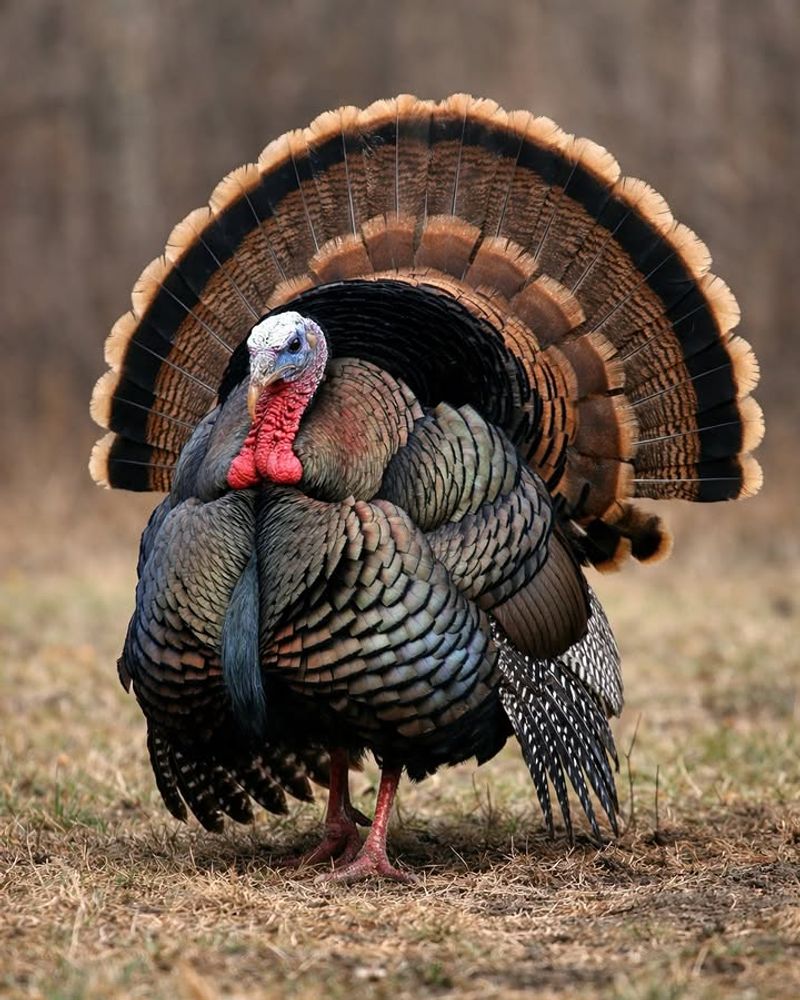
Spring in Michigan is turkey mating season, and that changes everything about how these birds behave. Male turkeys, called toms, spend a huge portion of their day strutting, fanning their tail feathers, and displaying for females across open ground.
Lawns become their stage, and the more time they spend performing on your turf, the more scratching and digging comes with it.
Toms are also territorial during this period and may return to the same spots repeatedly to display and compete with other males.
This territorial behavior means a single determined tom can cause ongoing damage to the same section of your Michigan lawn for weeks at a stretch. It is not random, it is intentional, and that makes it harder to address than typical foraging activity.
Disrupting the routine early is the most effective approach during breeding season. Motion-activated sprinklers aimed at the areas where toms tend to display can interrupt their patterns before they become deeply established habits.
Decoys shaped like predators, such as coyotes or hawks, placed near the display zones can also make toms nervous enough to move on.
Some Michigan wildlife experts suggest that addressing breeding season turkey activity in mid-March, before it fully ramps up, gives homeowners the best chance of reclaiming their lawns before significant damage sets in.
Acting early and staying consistent through April and into May is the smartest plan for keeping your yard intact.