What Michigan Gardeners In Zones 5b And 6a Should Do Differently This May

May is when Michigan gardens really start to take off, but what works in Zone 6a is not always the same for Zone 5b.
While the difference may seem small, even a slight shift in temperature and frost timing can affect when and how you plant.
Gardeners in Zone 6a often get a bit of a head start, while those in Zone 5b may need to wait a little longer before putting sensitive plants outdoors.
These small timing differences can influence planting schedules, watering habits, and early season care.
Michigan’s unpredictable spring weather makes it important to pay attention to your exact zone rather than following a general timeline. A few simple adjustments can help you avoid setbacks and give your plants a stronger start.
Knowing what to do differently in each zone can lead to healthier growth and a more successful garden as the season moves forward.
1. Adjust Planting Timing By About 1 To 2 Weeks
Timing is everything in a Michigan garden, and May is the month where zone differences really start to show.
Zone 6a, which covers southern Michigan, tends to warm up about one to two weeks earlier than Zone 5b in the central and northern parts of the state.
That gap might sound small, but it gives 6a gardeners a meaningful head start on warm-season crops.
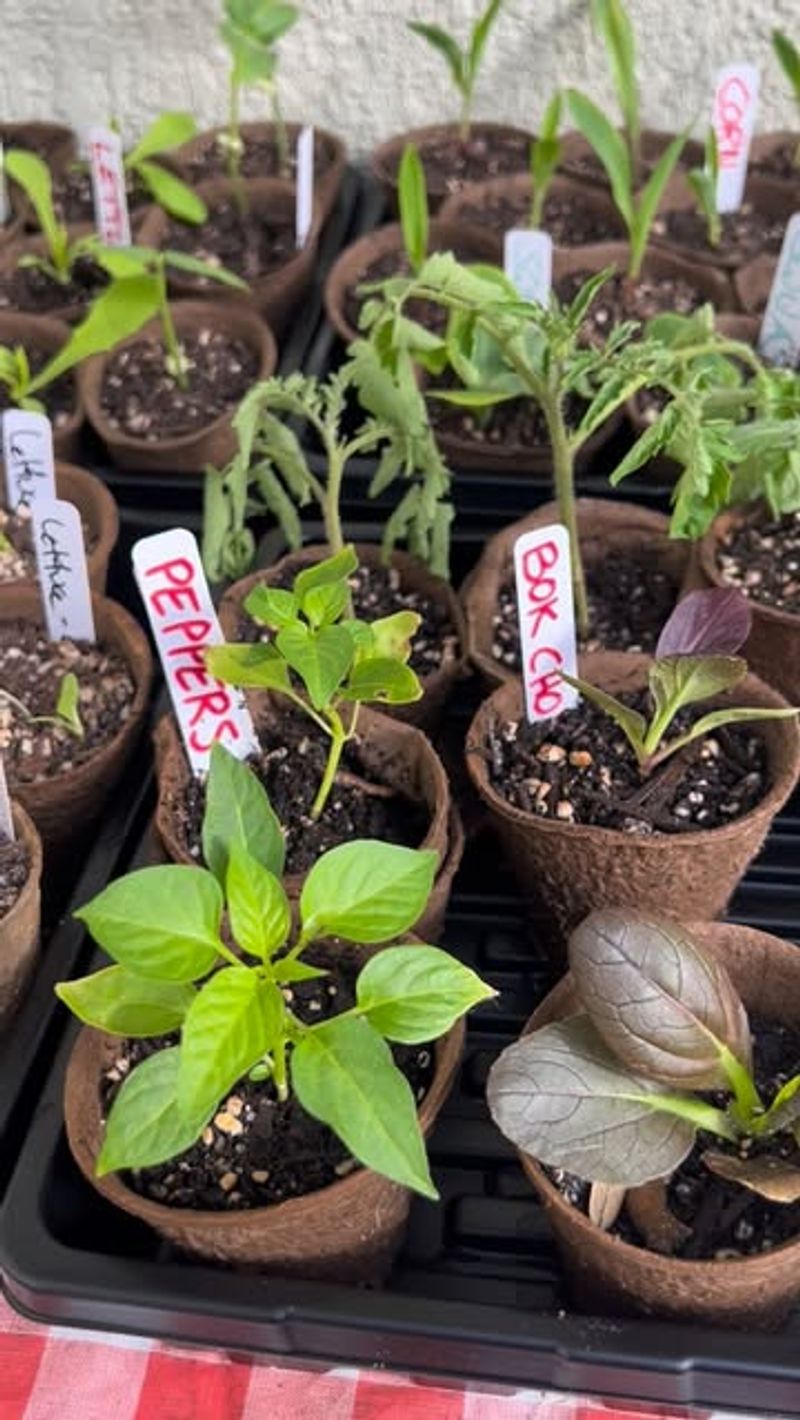
If you garden in Zone 6a, you can usually begin transplanting tomatoes, peppers, and squash in early to mid-May once nighttime temperatures stay consistently above 50 degrees.
Zone 5b gardeners, on the other hand, should hold off until the second half of May to reduce the risk of cold soil slowing plant growth.
Cold soil does not just delay sprouting, it can also stress young roots and set plants back for weeks. A simple soil thermometer is one of the most useful tools a Michigan gardener can own.
Warm-season crops generally want soil temperatures of at least 60 degrees before going in the ground. Checking your soil instead of just watching the calendar gives you real data to work with.
Both zones benefit from this habit, but it matters most in 5b where conditions stay cooler longer into the season.
2. Watch Frost Risk More Closely In Zone 5b

Frost in May sounds surprising, but it is a very real concern for Zone 5b gardeners across central and northern Michigan.
While Zone 6a typically sees its last frost by late April or very early May, Zone 5b can experience freezing overnight temperatures well into the middle of the month.
Keeping an eye on the forecast is not just a good idea, it is a must.
Even a single night of frost can seriously damage tender transplants like basil, cucumbers, or young tomato plants.
Having frost cloth, old bedsheets, or row covers ready to toss over your beds on cold nights can save weeks of growing time.
The good news is that once you get past mid-May in Zone 5b, the risk drops significantly and you can start planting more freely.
Zone 6a gardeners are not completely off the hook either. An unexpected cold snap can still sneak through southern Michigan in early May.
Your Michigan Garden Changes Every Week. Your Plan Should Too.
Gardening in Michigan changes quickly throughout the season. Every Friday you’ll receive a simple weekly plan showing exactly what to plant, prune, fertilize, harvest, and protect so you never miss the right timing.
Checking a local weather app that shows overnight lows in your specific area gives you the best chance of catching a risky night before it catches you off guard.
Staying alert during the first two weeks of May is the smartest move for gardeners in both zones, but especially those in 5b.
3. Start Warm-Season Crops Earlier In Zone 6a
Southern Michigan gardeners in Zone 6a have a real advantage when it comes to warm-season vegetables, and May is the perfect time to use it.
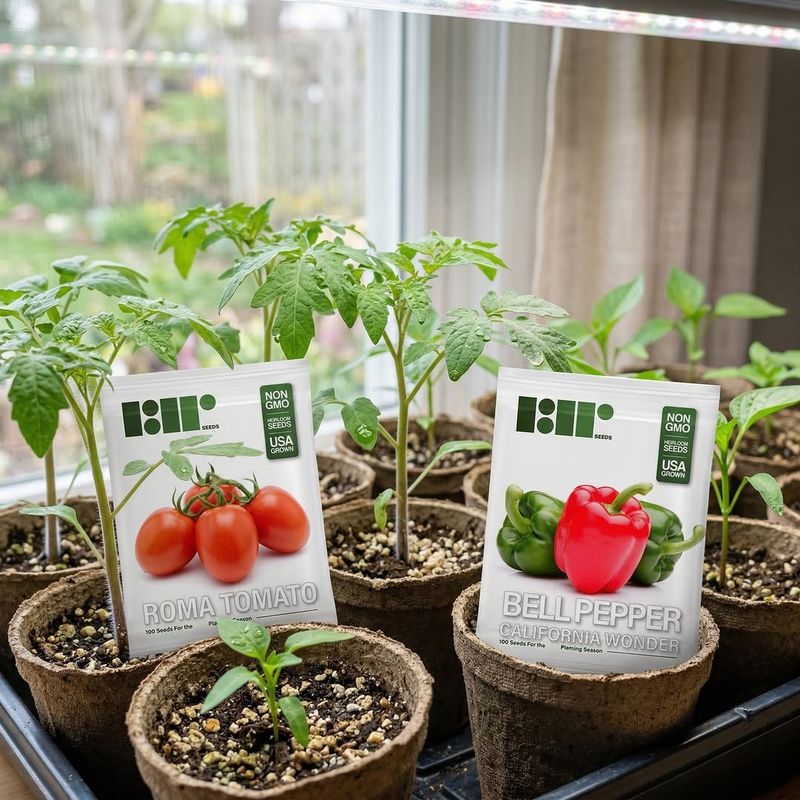
Crops like tomatoes, peppers, beans, and summer squash thrive in warm soil, and Zone 6a tends to reach those ideal temperatures earlier than anywhere else in the state.
Getting these plants in the ground sooner means a longer growing window and often a bigger harvest.
By early May in Zone 6a, soil temperatures in sunny, well-drained beds can already be hovering around 60 to 65 degrees.
That is the sweet spot for transplanting tomatoes and peppers, and for direct sowing beans and squash seeds.
Starting even a week earlier than a Zone 5b neighbor can translate into earlier fruiting and more time for a second round of fast-growing crops.
One tip worth following is to warm your soil even faster by laying black plastic mulch or dark garden fabric over your beds a week or two before planting.
This trick works especially well in Zone 6a because the sun is already strong enough in early May to make a noticeable difference.
Michigan gardeners in this zone who take full advantage of their earlier spring can enjoy tomatoes on the table weeks ahead of those in cooler zones up north.
4. Delay Direct Sowing Heat-Lovers In Zone 5b
Cool soil in central and northern Michigan can fool even experienced gardeners into planting too early.
Beans, cucumbers, and squash all need warm soil to germinate well, and in Zone 5b, the ground often stays too cold for these crops well into May.
Planting them before the soil is ready does not speed things up, it usually just causes the seeds to sit dormant or struggle with poor germination.
Most heat-loving crops want soil temperatures of at least 60 degrees, and ideally closer to 65 degrees for cucumbers and squash.
In Zone 5b, that usually does not happen consistently until mid to late May, depending on the year and your specific microclimate.
Waiting those extra days or weeks is genuinely worth it because seeds sown into warm soil can catch up quickly and often surpass seeds that were planted too early in cold ground.
If you are eager to get going, use that extra time in early May to prepare your beds, add compost, and get your watering systems in place.
You can also warm your planting area faster by covering it with clear plastic for a week before sowing.
Michigan Zone 5b gardeners who work with their climate rather than against it tend to have fewer frustrations and stronger plants all the way through the growing season.
5. Time Fertilizing With Soil Warmth
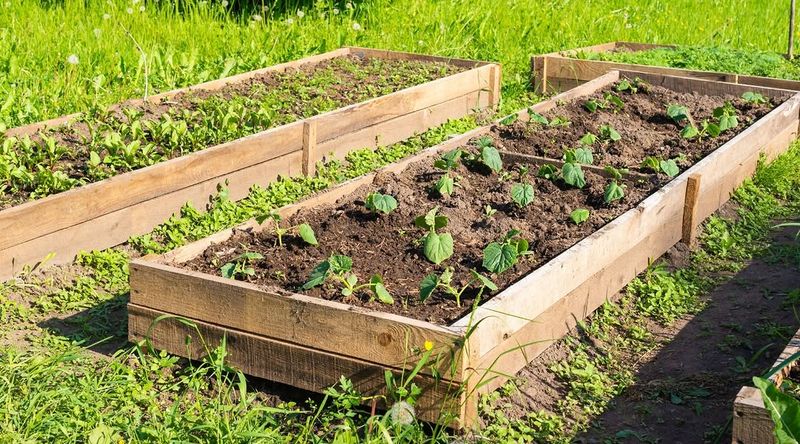
Fertilizing at the wrong time is one of the most common mistakes Michigan gardeners make in May. Nutrients applied to cold, barely active soil do not get absorbed the way you might expect.
Plants need warm soil to fuel active root growth, and it is that active root system that actually takes up the nutrients you are adding.
In Zone 5b, fertilizing too early in May can mean your efforts are mostly wasted. Zone 6a gardeners have an edge here because their soil warms up faster, making early May fertilizing more productive.
A balanced granular fertilizer or a gentle liquid feed works well once plants show signs of steady new growth.
For leafy greens and cool-season crops already in the ground, a nitrogen-rich fertilizer applied in early May can give them a noticeable boost before summer heat slows them down.
In Zone 5b, the smarter move is to wait until mid-May or until you see clear signs that your plants are actively growing before you feed them.
Watching your garden carefully and responding to what you see is always more effective than following a strict calendar date.
Michigan gardeners in both zones can benefit from a soil test this spring, which tells you exactly what your garden actually needs rather than guessing and over-applying products that may not help at all.
6. Plan Succession Planting Differently By Zone
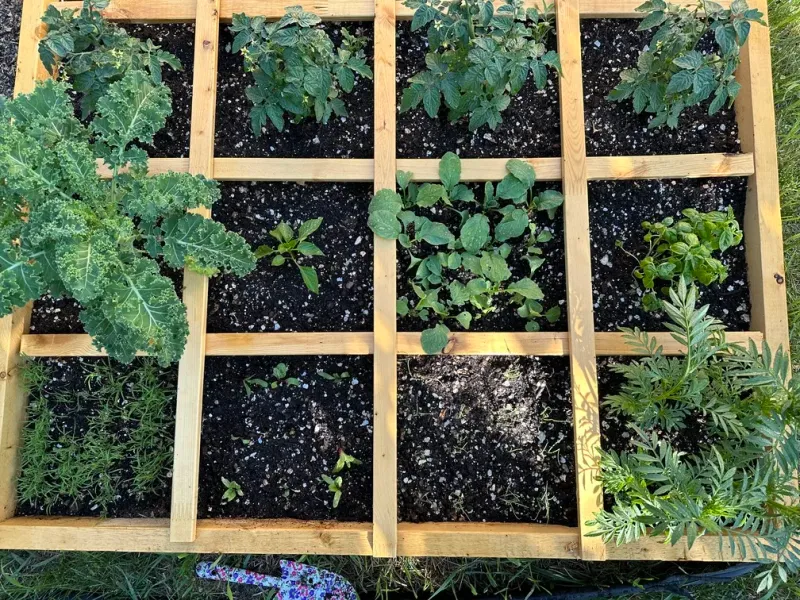
Succession planting is a smart strategy for stretching your harvest across the whole season, but how you plan it should depend on which Michigan zone you are gardening in.
Zone 6a gardeners have more total growing days, which means they can fit in more rounds of fast-maturing crops like lettuce, radishes, and bush beans from May all the way through early fall.
That extra time opens up a lot of creative planting options. In Zone 5b, the growing window is shorter, so every planting needs to be timed with more intention.
Rather than spacing out multiple successions of the same crop, Zone 5b gardeners should focus on getting their most important crops in at the right moment and making sure those crops have enough time to fully mature before fall temperatures arrive.
Choosing shorter-season varieties also helps a lot in this zone. A simple planning trick is to count backward from your average first fall frost date to figure out when each crop needs to be in the ground.
Zone 6a in southern Michigan typically has a first fall frost around mid-October, while Zone 5b often sees frost earlier in the month.
Writing out a quick planting calendar in early May keeps you on track and helps you avoid the common mistake of starting a new round of crops too late to actually enjoy the harvest.
7. Harden Off Seedlings More Carefully In Zone 5b
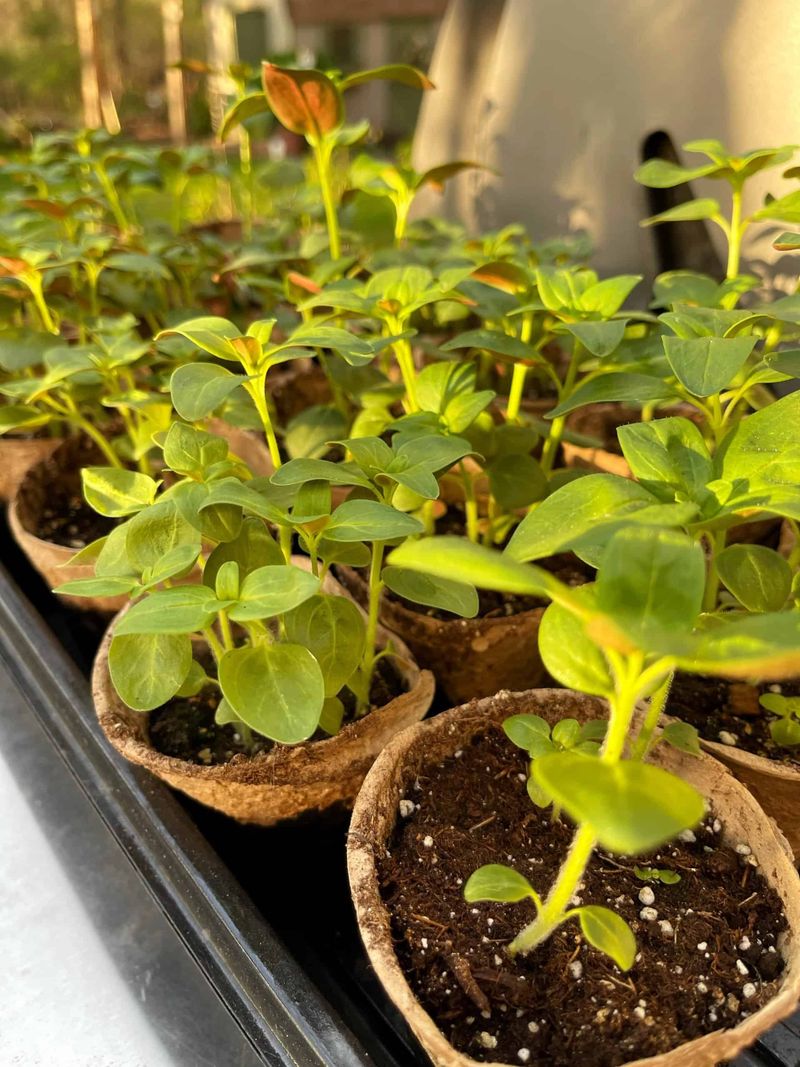
Moving seedlings from a warm indoor space to the outdoor garden is always a bit of a shock for young plants, but in Zone 5b, that transition needs to happen more gradually than most gardeners realize.
Cooler nights, stronger winds, and unpredictable spring weather across central and northern Michigan can stress seedlings that have only ever known the controlled comfort of a grow light setup indoors.
The hardening-off process works best when you take it slow over seven to ten days.
Start by setting your seedlings outside in a sheltered spot for just a couple of hours on the first day, then gradually increase their outdoor time each day while also exposing them to more direct sunlight and breeze.
Bringing them back inside if temperatures drop below 45 degrees at night protects them during the most vulnerable stage of their transition.
Zone 6a gardeners in southern Michigan have a slightly easier time with this process because their outdoor conditions in May are generally milder and more forgiving.
Still, rushing hardening off in any zone can lead to sunscald, wilting, or stunted growth that slows your whole season down.
Taking the extra time to properly introduce your seedlings to real Michigan weather, especially in Zone 5b, is one of the best investments you can make for a healthy and productive summer garden.