8 Flowers That Naturally Repel Garden Pests In Michigan Gardens
Some flowers do more than add color to a garden. In Michigan, certain varieties can actually help keep common pests away while still looking beautiful throughout the season.
Instead of relying only on sprays or treatments, many gardeners are turning to flowers that act as a natural defense. These plants can release scents that discourage unwanted insects or attract beneficial ones that help keep pests under control.
In a climate where bugs can become active quickly as temperatures warm, this added protection can make a big difference. The best part is you do not have to sacrifice appearance for function.
Many of these flowers are bright, eye catching, and easy to grow. By choosing the right ones, you can create a garden that looks great and stays healthier with less effort from spring through summer.
1. Marigolds (Tagetes spp.)
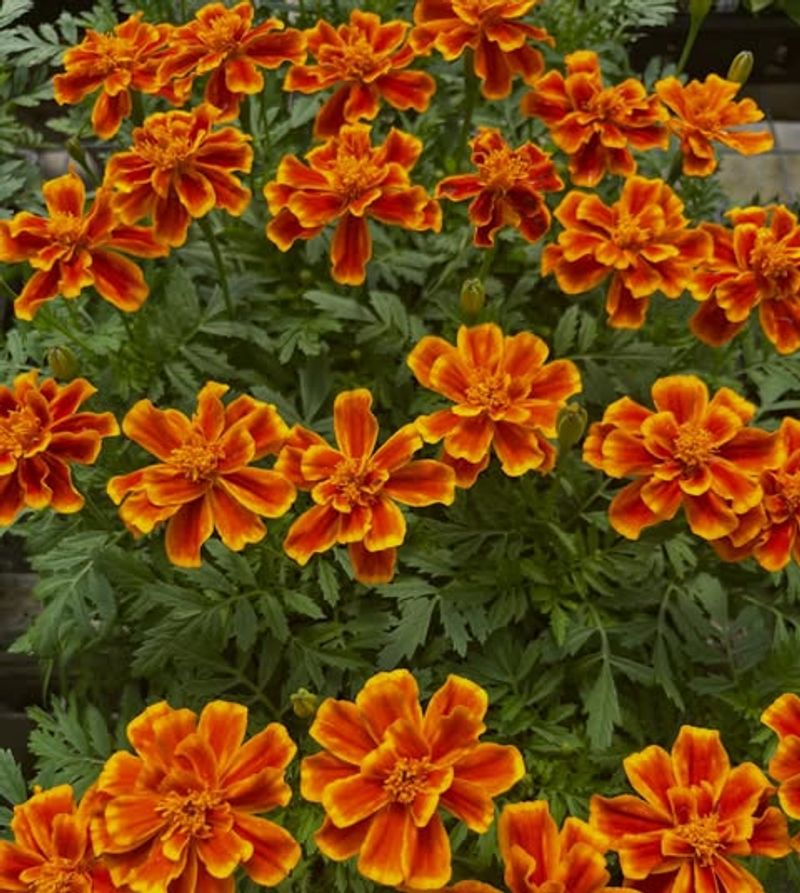
Few flowers have earned their reputation in the garden quite like marigolds. Gardeners across Michigan have been tucking these cheerful orange and yellow blooms between tomatoes, peppers, and other vegetables for generations, and for good reason.
Their roots release natural compounds that suppress soil nematodes, and their strong scent is known to deter many common insect pests.
Marigolds are incredibly easy to grow, even for beginners. They thrive in Michigan’s warm summer months, prefer full sun, and handle dry spells better than most flowers.
You can start them from seed indoors in early spring and transplant them outside once the last frost has passed, usually around mid-May in most parts of the state.
Plant them around the border of your vegetable beds or tuck them directly between rows of crops for the best effect. French marigolds, in particular, are well-known for their pest-deterring properties and stay compact enough to fit in smaller spaces.
African marigolds grow taller and make a bold visual statement while still doing the hard work of protecting nearby plants.
Beyond pest control, marigolds attract pollinators like bees and butterflies, which helps boost fruit and vegetable production throughout the season.
They bloom from early summer right through the first frost, giving your Michigan garden both beauty and protection for months at a stretch.
2. Calendula (Calendula officinalis)
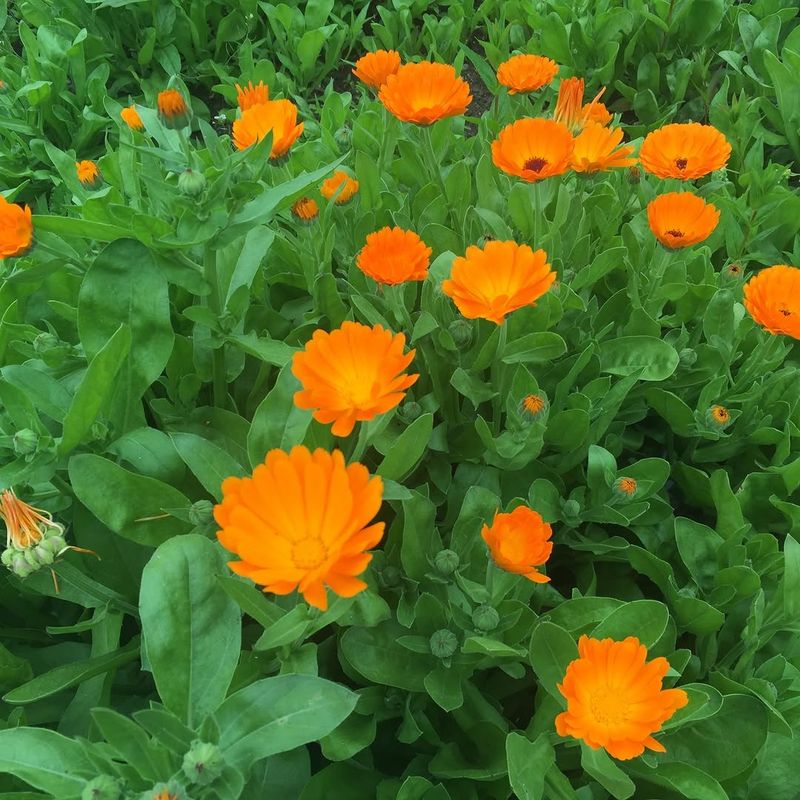
Calendula has a warm, sunny personality that matches its golden-orange petals perfectly. Also called pot marigold, this flower has been used in gardens for centuries, and Michigan growers are rediscovering just how useful it really is.
Rather than directly repelling pests, calendula works by attracting beneficial insects that do the pest control work for you.
Hoverflies are one of the best examples. Adult hoverflies feed on calendula nectar, but their larvae are fierce predators of aphids.
Planting calendula near aphid-prone crops like lettuce, roses, and peppers essentially invites a natural cleanup crew into your garden. Lacewings and parasitic wasps also show up regularly where calendula grows, adding even more pest-fighting power.
Calendula grows easily in Michigan from direct-sown seed in early spring. It actually prefers cooler temperatures and will bloom heavily in late spring and early fall, making it perfect for extending the pest-protection season on both ends.
Your Michigan Garden Changes Every Week. Your Plan Should Too.
Gardening in Michigan changes quickly throughout the season. Every Friday you’ll receive a simple weekly plan showing exactly what to plant, prune, fertilize, harvest, and protect so you never miss the right timing.
Deadhead spent blooms regularly to keep new flowers coming all season long.
Beyond its garden benefits, calendula has a rich history as a medicinal and culinary herb. The petals are edible and often used to add color to soups, salads, and teas.
Michigan gardeners who appreciate plants that serve multiple purposes will find calendula one of the most rewarding flowers to grow, offering visual beauty, ecological value, and a little kitchen creativity all in one compact plant.
3. Nasturtiums (Tropaeolum majus)
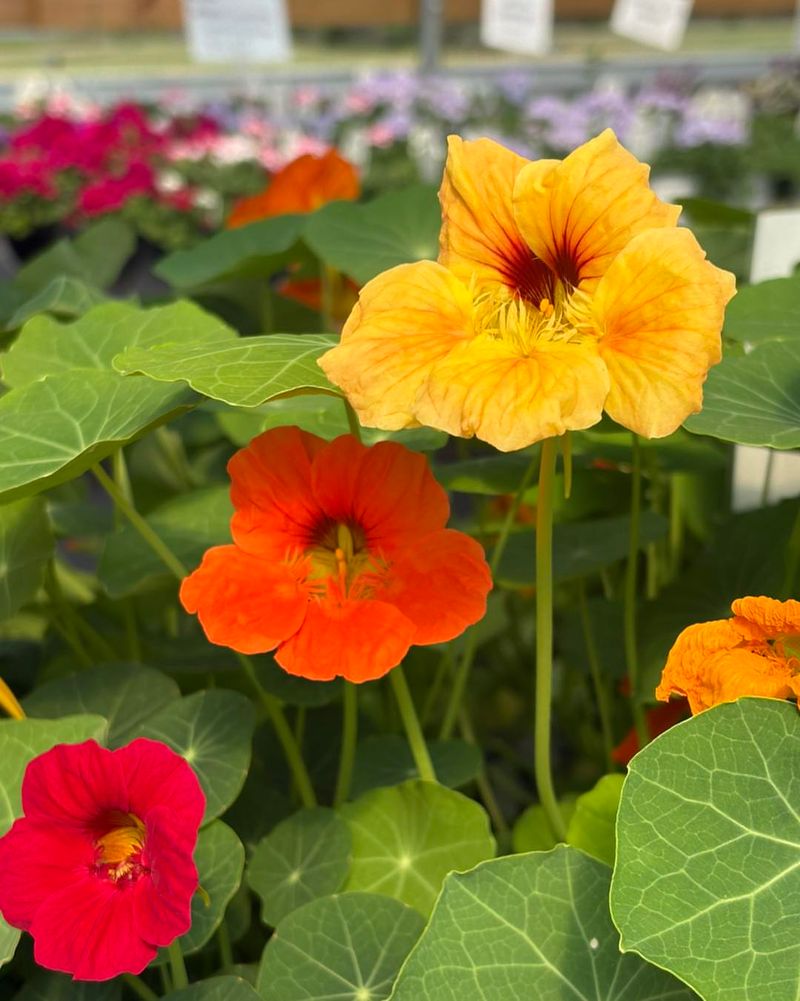
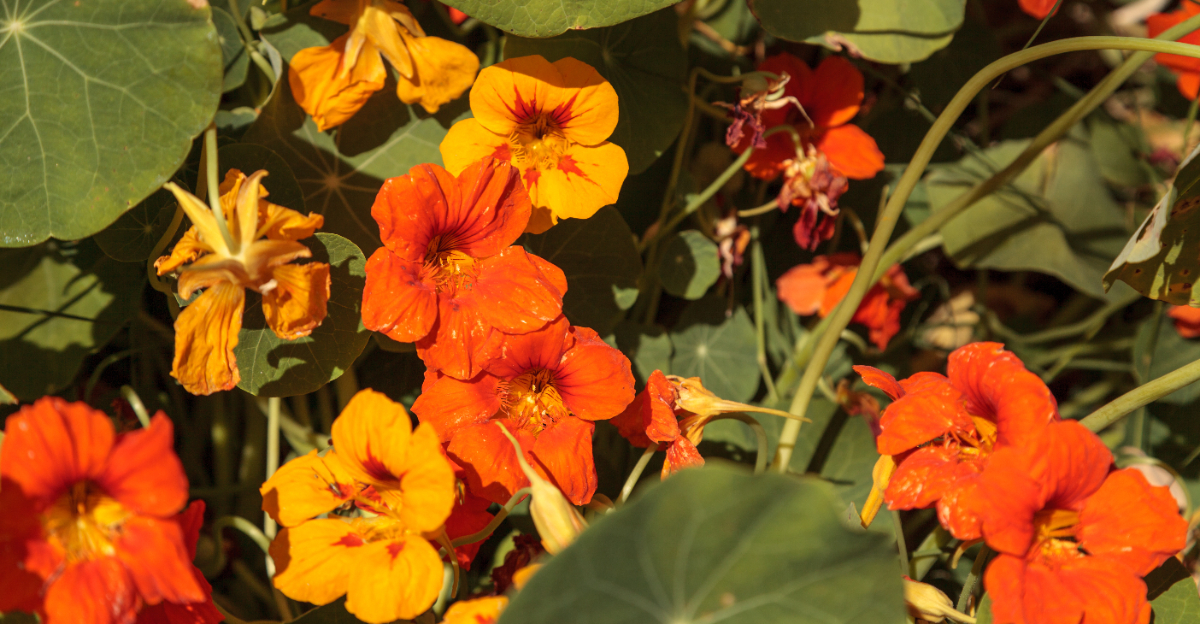
Nasturtiums play a clever trick in the garden that most people never expect. Rather than simply repelling pests, they act as a trap crop, drawing aphids, whiteflies, and certain beetles toward themselves and away from your prized vegetables.
Think of them as a decoy system that actually works beautifully in Michigan gardens during the warm growing months.
These bright, round-leafed plants come in trailing and bushy varieties and grow fast from seed. Direct sow them into your garden after the last frost, and they will take off quickly.
Michigan summers give nasturtiums plenty of warmth to produce their bold orange, yellow, and red blooms from early summer through fall.
Place nasturtiums near crops like kale, broccoli, cucumbers, and squash to pull aphids and other soft-bodied insects away from the plants you want to protect.
Once pests cluster on the nasturtium leaves, you can simply remove and dispose of the affected stems, keeping the pest population manageable without any chemicals.
Bonus: every part of the nasturtium plant is edible. The peppery leaves and flowers add a spicy kick to salads and garnishes, making them one of the most versatile plants you can grow.
Michigan gardeners who want beauty, pest management, and something tasty on the table will find nasturtiums an incredibly rewarding addition to any backyard plot.
4. Lavender (Lavandula angustifolia)
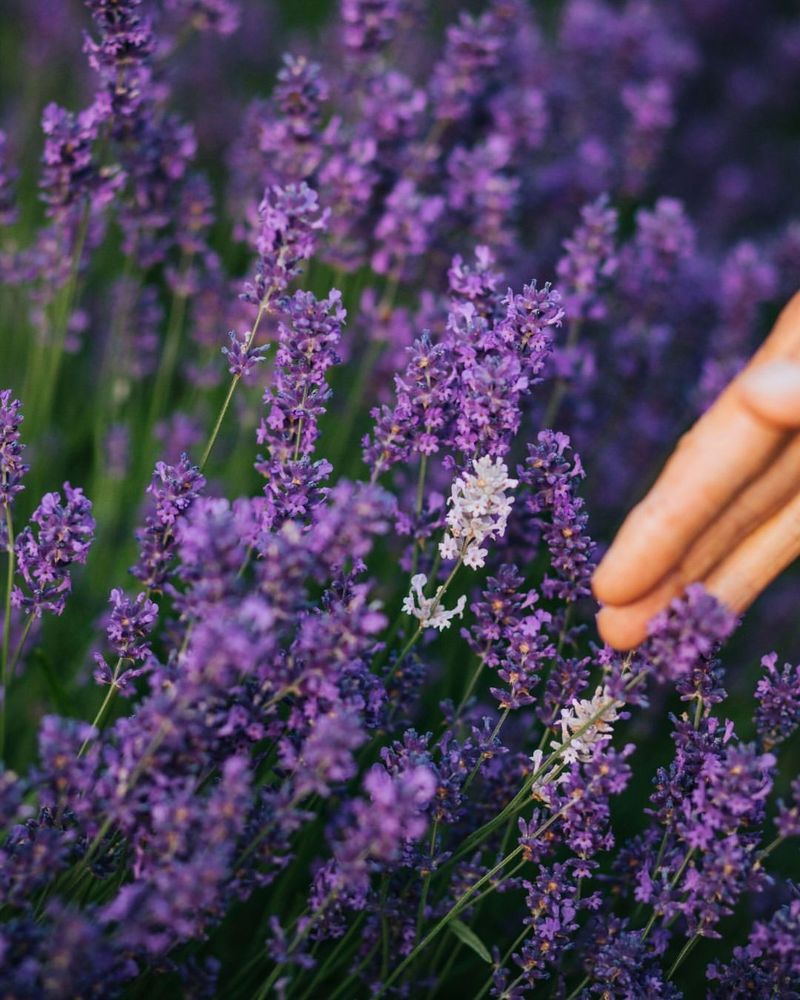
Walk past a blooming lavender plant on a warm Michigan afternoon and the scent alone will stop you in your tracks. That same powerful fragrance that humans find so relaxing is actually quite off-putting to many common garden pests.
Moths, fleas, flies, and certain beetles tend to steer clear of areas where lavender grows, making it a smart addition to any Michigan garden layout.
Lavender thrives in full sun and well-drained soil, which makes it a natural fit for many parts of Michigan, especially in areas with sandy or loamy ground. It does not love heavy clay or consistently wet conditions, so raised beds or sloped areas work especially well.
Once established, lavender is surprisingly drought-tolerant and requires very little maintenance to keep going year after year.
Plant lavender near the entrance of your garden, along pathways, or beside outdoor seating areas where its scent can spread freely. It also works well planted near vegetable beds, roses, and fruit trees to help reduce pest pressure in those spots.
Some Michigan gardeners even dry lavender bundles and hang them in storage sheds to keep moths away from stored seeds and fabrics.
English lavender is the hardiest variety for Michigan winters and can survive with proper mulching in most zones across the state.
The purple flower spikes also bring in bees and butterflies by the dozen, adding lively pollinator activity to your garden from early to midsummer and giving the whole space a fresh, fragrant energy.
5. Bee Balm (Monarda fistulosa)
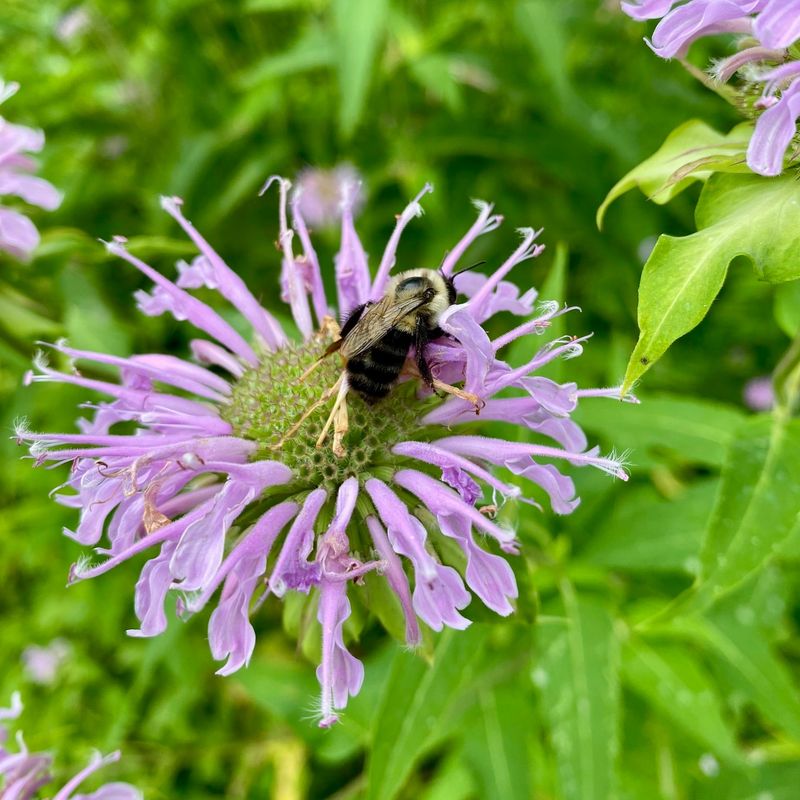
Bee balm is one of Michigan’s own native wildflowers, and it brings serious ecological muscle to any garden. Wild bergamot, as it is sometimes called, grows naturally across open meadows and forest edges throughout the state.
Bringing it into a cultivated garden space means welcoming a plant that is perfectly adapted to Michigan’s climate and deeply connected to the local ecosystem.
What makes bee balm so valuable from a pest management perspective is the community of beneficial insects it attracts.
Predatory wasps, parasitic flies, and ground beetles all visit bee balm regularly, and these insects are natural enemies of many common garden pests including caterpillars, aphids, and beetle larvae.
More pollinators mean healthier crops, and more predatory insects mean fewer pest problems over time.
Bee balm grows best in full sun to partial shade and prefers moist, well-drained soil. It spreads through underground rhizomes, so give it room to roam or divide clumps every few years to keep it tidy.
Michigan gardeners who want a low-maintenance native plant that genuinely earns its place in the garden will find bee balm hard to beat.
The lavender-pink blooms appear in midsummer and last for several weeks, drawing hummingbirds as well as bees and butterflies. The leaves have a mild oregano-like scent that some pests find unappealing, adding another layer of deterrent effect.
Planted near vegetables or fruit bushes, bee balm creates a lively, buzzing habitat that keeps your Michigan garden ecosystem balanced and productive.
6. Chrysanthemums (Chrysanthemum spp.)
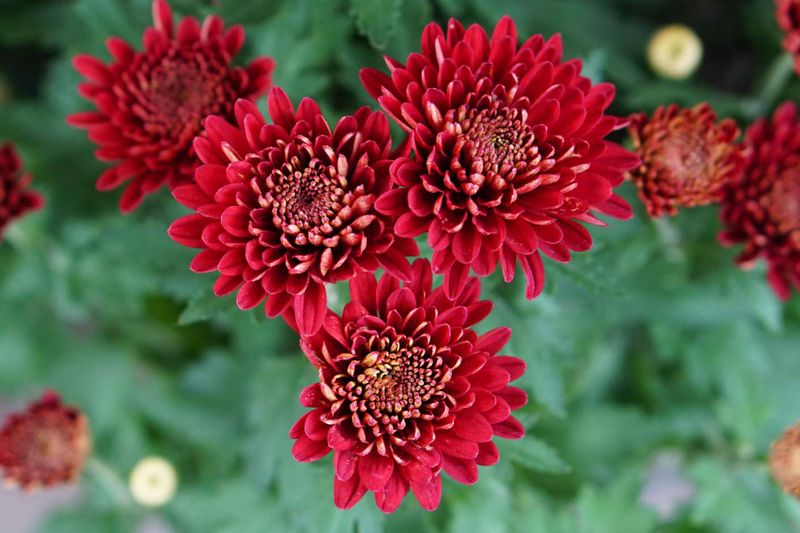
Chrysanthemums are hiding something powerful beneath those cheerful, densely packed petals. These popular fall flowers contain natural compounds called pyrethrins, which are actually used as the basis for many commercial insect-repelling products.
Having chrysanthemums growing in your Michigan garden means you have a built-in source of one of nature’s most effective pest-deterring substances.
Pyrethrins affect the nervous systems of insects on contact, which is why chrysanthemum extracts and sprays made from the flowers have been used in organic gardening for decades.
Even the presence of the plants can discourage certain insects from settling nearby. Common pests like roaches, ticks, spider mites, Japanese beetles, and aphids are among the insects most sensitive to these natural compounds.
In Michigan, chrysanthemums are best known as fall bloomers, showing up in garden centers and front porches every September and October. However, many varieties can be planted in spring and will bloom reliably through the growing season if given full sun and good drainage.
Hardy mum varieties can even overwinter in Michigan with proper mulching after the first frost.
Plant chrysanthemums along the edges of vegetable beds, near entryways, or mixed into flower borders where pest pressure tends to be highest.
They work especially well paired with late-season crops like kale, cabbage, and broccoli that are often targeted by caterpillars and aphids in fall.
Beyond pest control, their rich autumn colors add gorgeous visual drama to any Michigan garden right when the season winds down.
7. Petunias (Petunia x hybrida)
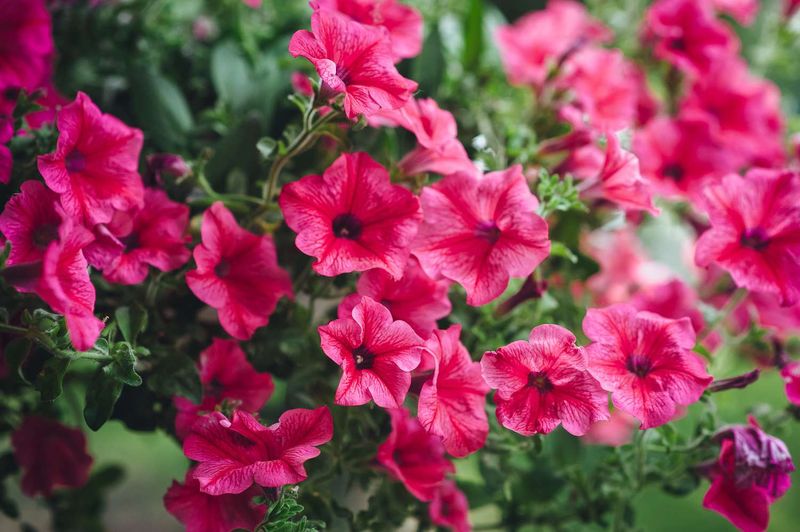
Petunias are one of the most familiar sights in Michigan gardens, hanging from baskets, spilling out of window boxes, and lining front walkways all summer long.
What many gardeners do not realize is that petunias are also a surprisingly effective companion plant when it comes to managing certain pests.
Their sticky stems and slightly musky scent make them unappealing to aphids, leafhoppers, and asparagus beetles.
Research and longtime gardening experience both support petunias as a helpful companion for vegetables like squash, beans, tomatoes, and peppers.
Planting them in containers near raised beds or directly in the ground alongside crops gives those vegetables a little extra protection throughout Michigan’s growing season.
The sticky texture of petunia stems can even trap small insects physically, preventing them from moving freely through the garden.
Petunias are heat-loving plants that thrive in Michigan from late May through early October. They prefer full sun and regular watering, especially during dry summer stretches.
Deadheading spent blooms keeps them flowering continuously and looking their best all season long without much extra effort.
One of the biggest advantages of petunias is their versatility. They work equally well in containers on patios, in raised beds, or in traditional garden borders.
Michigan gardeners who want a low-cost, widely available flower that pulls double duty as both a colorful showpiece and a natural pest deterrent will find petunias one of the smartest choices they can make for summer planting.
Their range of colors also means you can coordinate them beautifully with any garden style.
8. Allium Flowers (Allium spp.)
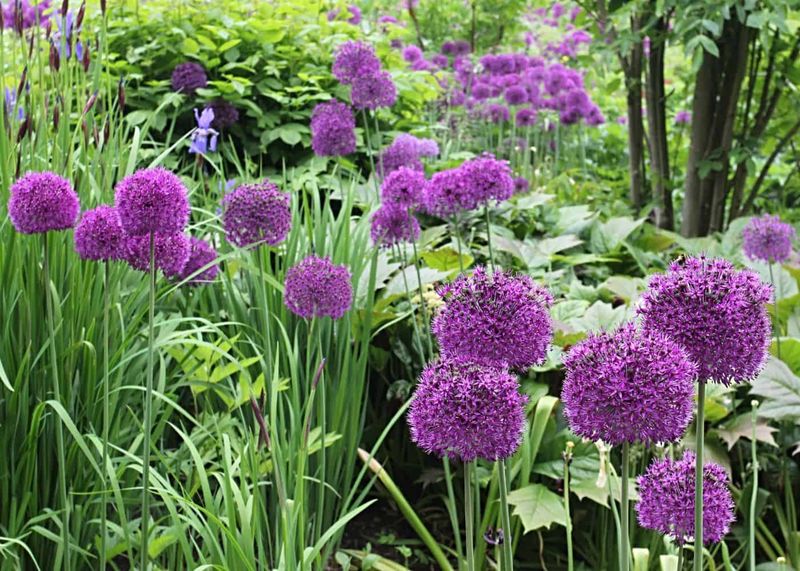
There is something almost magical about a row of allium flowers rising up from a garden bed on tall, slender stems, topped with perfect purple globes.
Beyond their striking appearance, these flowering members of the onion family bring a powerful, pungent scent that many common garden pests find completely unbearable.
Aphids, carrot flies, cabbage loopers, and even some deer tend to avoid areas where alliums grow.
Chives are the most accessible allium for Michigan gardeners and can be tucked between nearly any vegetable or herb.
Ornamental alliums like Allium giganteum and Allium christophii grow taller and make bold statements in mixed borders while still providing the same pest-deterring benefits.
All allium species produce the same sulfur-based compounds responsible for their sharp scent and their reputation as a natural insect deterrent.
Alliums are extremely cold-hardy and well-suited to Michigan’s climate. Ornamental varieties are planted as bulbs in fall and emerge reliably each spring, while chives can be grown as perennials that return year after year with almost no attention.
Both thrive in well-drained soil and full sun, though chives will tolerate a bit of shade without much fuss.
Interplanting alliums with roses, carrots, brassicas, and fruit trees is a classic companion planting strategy that Michigan gardeners have used successfully for years.
The flowers also attract beneficial pollinators when they bloom in late spring and early summer, adding even more ecological value.
For a plant that asks so little and delivers so much, alliums deserve a permanent spot in every Michigan garden.