10 Fruit Plants Michigan Gardeners Should Grow In Their Backyards
In Michigan, backyard gardens have a way of drawing everyone outside. Neighbors chat over fences, kids chase each other across the lawn, and the smell of soil and greenery fills the air.
Gardening isn’t just a pastime – it’s part of life, a way to grow both food and memories.
Certain fruit plants thrive in Michigan’s climate and can turn your backyard into a small orchard. Sweet cherries for desserts, juicy blueberries for breakfast, or plump raspberries for snacking – choosing the right plants makes harvesting simple and rewarding.
Picture reaching into your own garden to grab fresh fruit for pies, jams, or a quick snack. Here’s a list of plants that make Michigan gardeners’ backyards a little more fruitful and fun this year.
1. Apple Trees That Bring Classic Michigan Flavor To Your Backyard
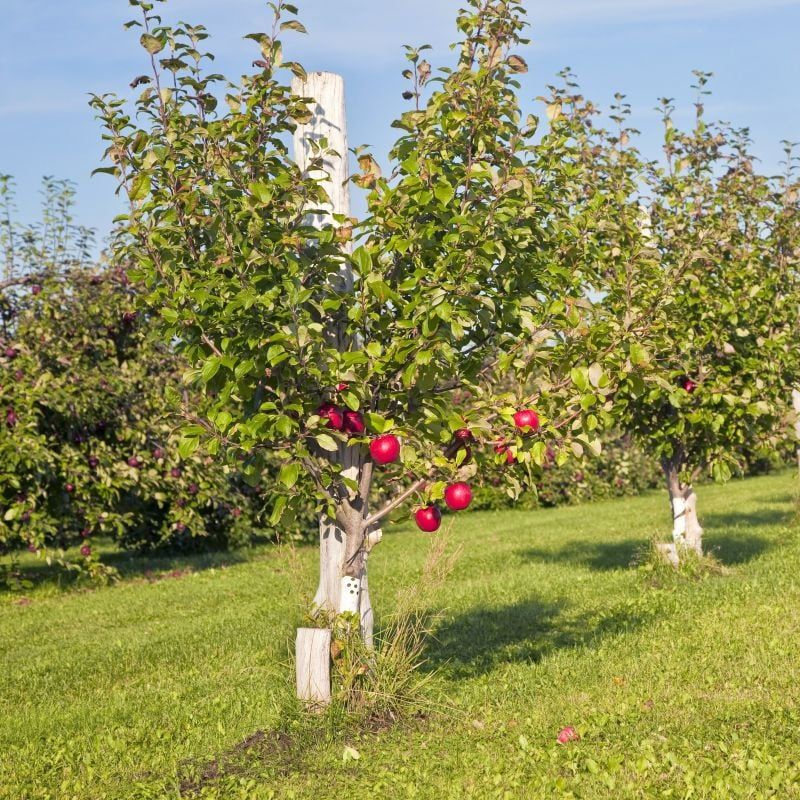
Few things say “Michigan backyard” quite like a mature apple tree heavy with fruit in early fall. Apple trees are one of the most popular choices for home gardeners across the state, and it is easy to see why.
Varieties like Honeycrisp, Gala, and McIntosh were practically made for Michigan’s climate, thriving in the cool nights and warm days that the region offers.
Planting an apple tree is a long-term investment that pays off in a big way. Most trees begin producing fruit within three to five years, and once established, they can keep producing for decades.
You will want to choose a spot with full sun, meaning at least six hours of direct sunlight each day, and well-drained soil so the roots do not sit in water.
One important thing to keep in mind is that most apple varieties need a second tree nearby for cross-pollination to produce fruit. Planting two compatible varieties close together gives both trees the best chance of a full harvest.
Michigan State University Extension recommends checking local nurseries for varieties that are specifically rated for Michigan’s hardiness zones.
With a little pruning each spring and some attention to common pests, your apple tree will reward you with bushels of fresh fruit season after season.
2. Pear Trees With Their Sweet, Smooth, And Versatile Fruit
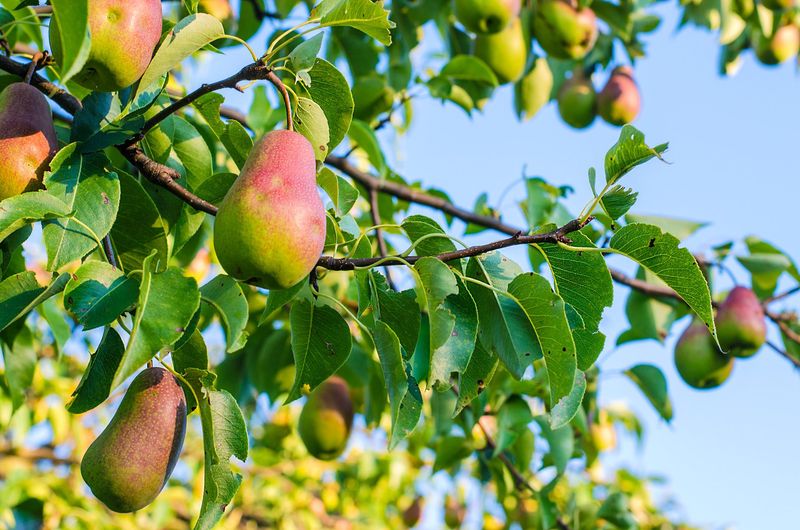
Although they don’t always get the attention they deserve, many Michigan gardeners who try growing pears quickly become fans. Smooth, sweet, and versatile in the kitchen, these fruits make a wonderful addition to any backyard orchard.
Bartlett and Bosc are two of the most reliable varieties for Michigan, producing generous harvests when given the right conditions.
Like apple trees, pears prefer full sun and well-drained soil. They are also a bit more forgiving when it comes to soil type, tolerating slightly heavier clay soils better than many other fruit trees.
That said, standing water around the roots is still something you want to avoid. Most pear trees in Michigan are best planted in spring after the last frost has passed.
Cross-pollination matters here too. Planting at least two pear trees of different varieties nearby will significantly improve your fruit production.
Your Michigan Garden Changes Every Week. Your Plan Should Too.
Gardening in Michigan changes quickly throughout the season. Every Friday you’ll receive a simple weekly plan showing exactly what to plant, prune, fertilize, harvest, and protect so you never miss the right timing.
Pears are also somewhat resistant to the cold snaps Michigan can throw at gardeners in early spring, making them a solid choice for the state. Harvest time usually falls between late summer and early fall, depending on the variety.
Once picked, pears continue to ripen off the tree, so you can bring them inside and enjoy them at peak sweetness. Fresh pears from your own yard taste nothing like what you find at the store.
3. Plum Trees Offering Big Taste In A Compact Space
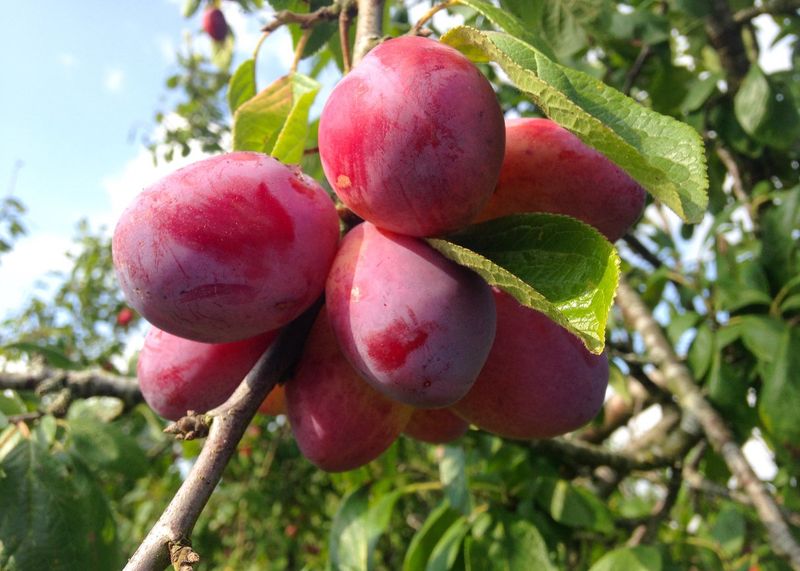
A bit of a hidden gem in Michigan backyards, plum trees tend to be smaller than apple or pear trees, making them a fantastic option for gardeners working with limited space.
Despite their compact size, they can produce an impressive amount of fruit each season, and the plums themselves are sweet, juicy, and perfect for eating fresh or turning into jams and preserves.
European plum varieties like Stanley and Damson tend to perform especially well in Michigan’s climate. They are cold-hardy, able to handle the state’s sometimes harsh winters without too much trouble.
Japanese plum varieties can also work in Michigan, though they tend to bloom earlier in spring, making them slightly more vulnerable to late frosts in certain parts of the state.
Plum trees thrive in full sun and well-drained soil, much like other fruit trees. They typically begin bearing fruit within three to five years of planting.
One nice advantage of plums is that some varieties are self-fertile, meaning you do not always need a second tree for pollination, though having two trees nearby generally improves yields.
Pruning each year helps keep the tree healthy and the fruit production strong. If you want a low-maintenance fruit tree that still delivers a satisfying harvest, a plum tree belongs in your Michigan garden.
4. Sweet Cherry Trees That Deliver Homegrown Summer Treats
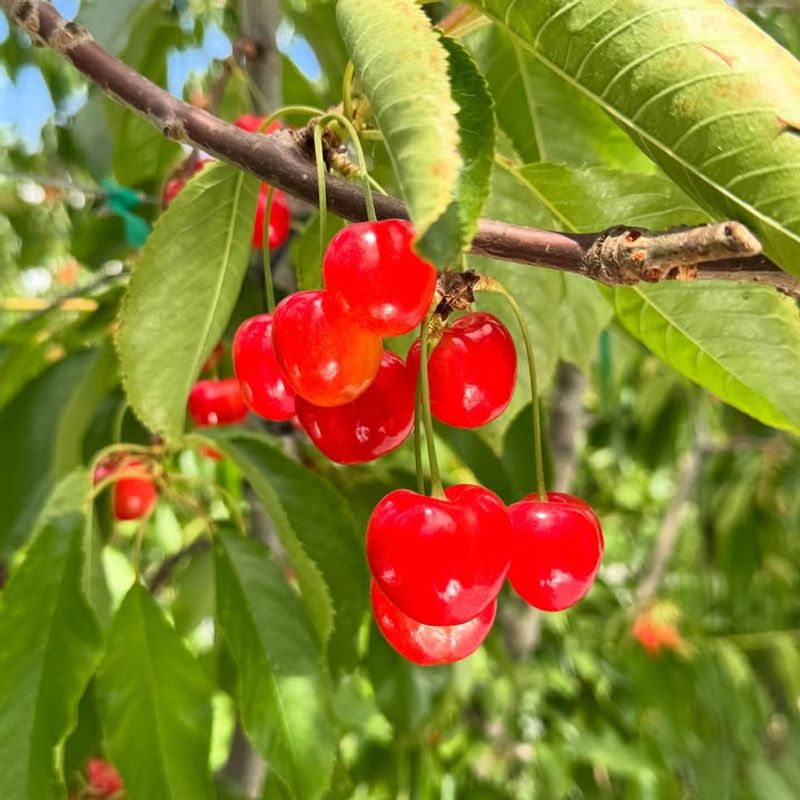
Michigan is a leading cherry-producing state in the U.S., so growing sweet cherries at home fits the regional climate well. The Bing variety is the most well-known sweet cherry, producing large, dark red fruits with a rich, almost candy-like sweetness.
Lapins and Stella are two other popular choices that perform reliably well in Michigan conditions.
Sweet cherry trees love full sun and need well-drained soil to stay healthy. They tend to do best in the southern parts of Michigan, where winters are slightly milder and the growing season is a bit longer.
However, cold-hardy varieties have made it increasingly possible for gardeners in other parts of the state to grow them successfully as well.
One challenge with sweet cherry trees is that birds absolutely love the fruit. Many Michigan gardeners use netting over their trees during harvest season to protect their crop.
Sweet cherries also tend to need cross-pollination from a compatible variety, so plan to plant at least two trees if you want a full harvest. Home gardeners may need patience for the first harvest, but small amounts of fruit can appear after the first few years.
Imagine stepping into your backyard on a warm Michigan summer morning and picking a handful of sweet, sun-warmed cherries straight from the tree. Not much in the garden beats that feeling.
5. Tart Cherry Trees With Bright Red Cherries Perfect For Baking
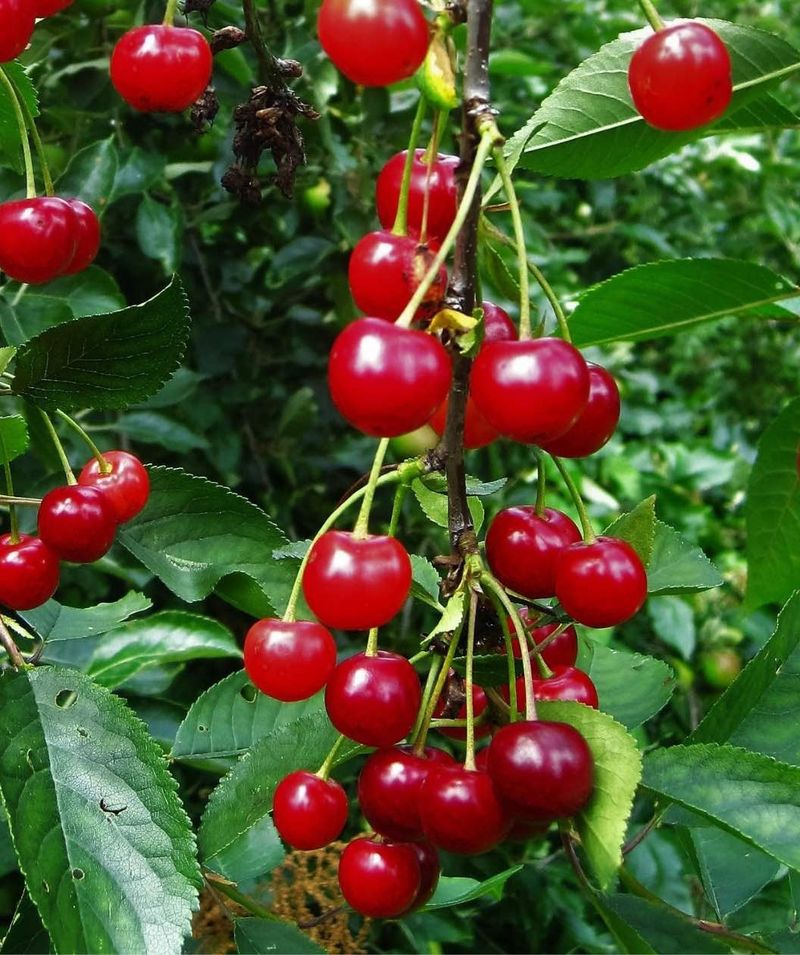
Tart cherries thrive in the state, and Michigan produces a large portion of the nation’s crop, making it well-suited for these trees. Montmorency is by far the most popular variety, and for good reason.
It is cold-hardy, productive, and produces bright red cherries that are perfect for pies, jams, and juices.
Compared to sweet cherries, tart cherry trees are generally easier to grow in Michigan. They are more tolerant of cold temperatures and can handle the unpredictable late spring frosts that catch gardeners off guard across the state.
Tart cherry trees also tend to be self-fertile, which means you only need one tree to get a solid harvest, making them an excellent option for smaller backyards.
Full sun is a must for tart cherry trees, and they prefer well-drained soil with a slightly acidic to neutral pH. Once established, these trees are relatively low-maintenance compared to some other fruit trees.
Expect your first real crop within three to four years of planting. The fruit ripens in midsummer, usually around July in Michigan, and picking goes quickly since the cherries tend to ripen all at once.
Freezing extra tart cherries allows you to enjoy their fresh flavor well beyond harvest season.
6. Blueberries With Tiny Bushes And Big, Flavorful Berries
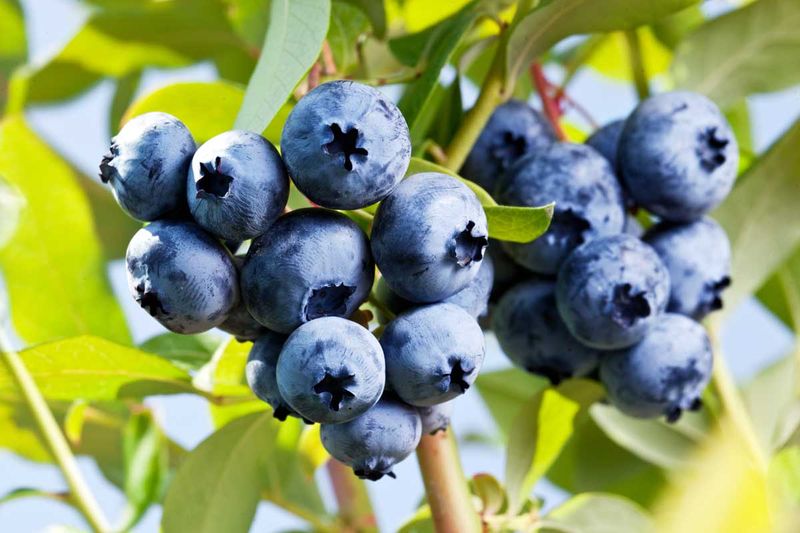
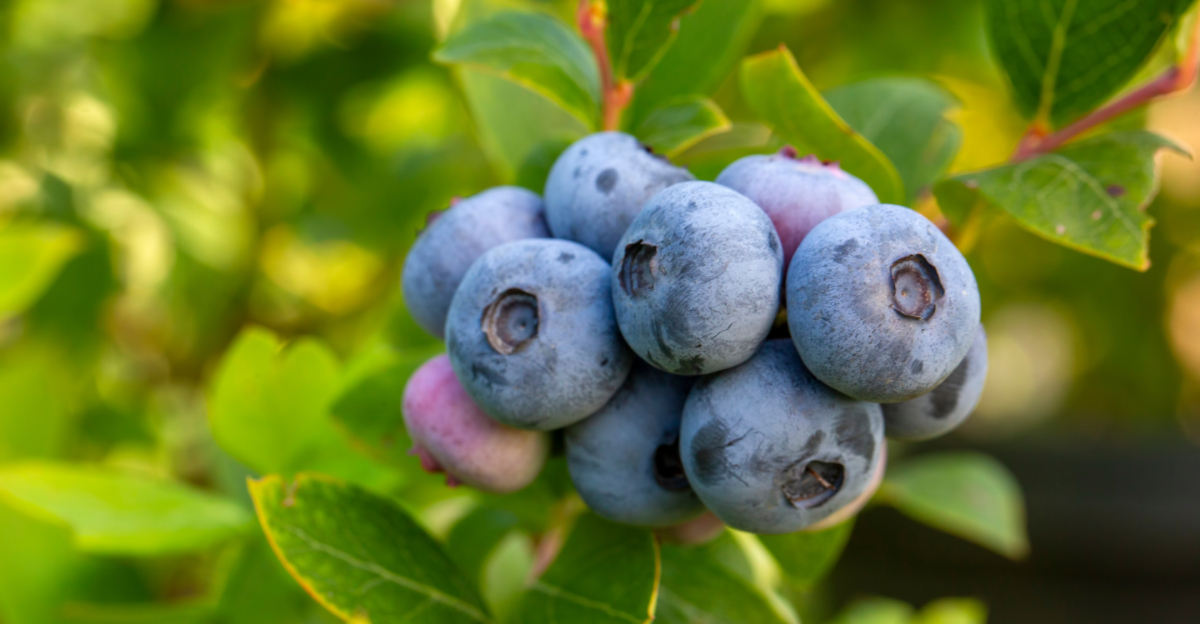
Michigan is one of the top blueberry-producing states in the U.S., thanks to its sandy, acidic soils. For backyard gardeners, highbush blueberry varieties like Bluecrop, Jersey, and Patriot are excellent choices that produce large, flavorful berries year after year.
Growing blueberries at home is one of the most satisfying things a Michigan gardener can do.
Soil preparation is the most important step when planting blueberries. These plants need acidic soil with a pH between 4.5 and 5.5.
If your soil is not naturally acidic enough, you can amend it with sulfur or use an acidic planting mix. Raised beds filled with a peat-based mix work wonderfully for blueberries in Michigan backyards where the native soil might not be ideal.
Blueberry bushes need full sun for the best fruit production, and they benefit greatly from a thick layer of wood chip mulch around their base to retain moisture and keep the soil cool.
Planting at least two different varieties close together improves pollination and boosts your overall harvest.
Blueberries are slow to get established, sometimes taking two to three years before producing well, but once they hit their stride, a single bush can produce several pounds of berries each summer. For fresh eating, smoothies, or baking, homegrown Michigan blueberries are hard to beat.
7. Raspberries That Reward Fast And Sweet For Michigan Gardens
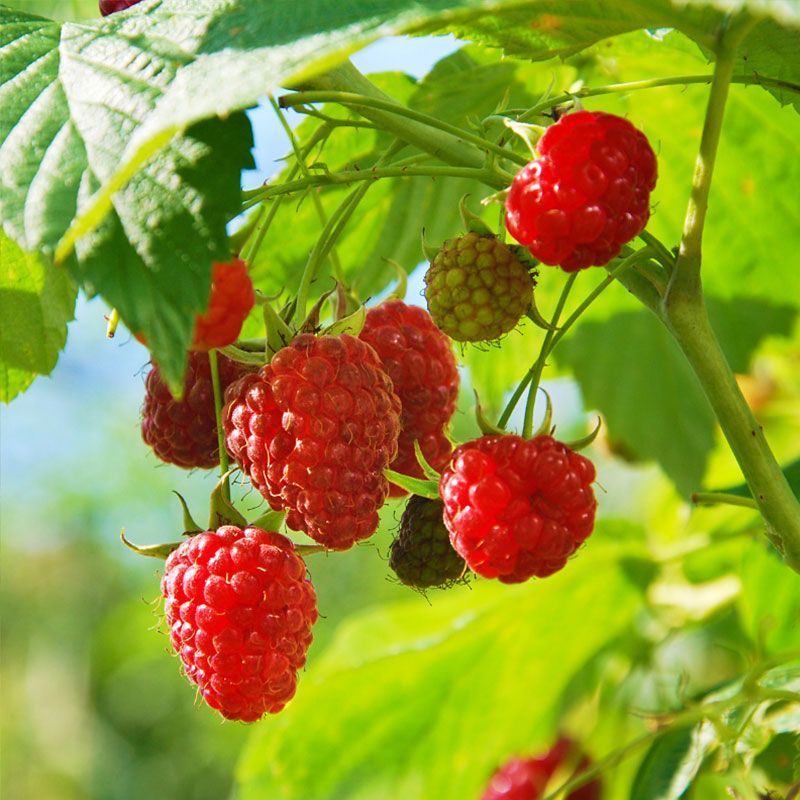
One of the fastest-rewarding fruit plants for a Michigan backyard, raspberries can begin producing fruit in their first or second season with a little care.
Red varieties like Heritage and Boyne are especially well-suited to the state’s climate, handling cold winters with ease and bouncing back strong each spring.
These plants grow on canes, which are long, arching stems that produce fruit and then need to be managed after harvest.
Summer-bearing raspberries produce one big crop in early to midsummer, while fall-bearing varieties like Heritage produce two smaller crops, one in summer and one in early fall.
Having both types in your garden means you can enjoy fresh raspberries over a much longer stretch of the season.
Raspberries do best in full sun with well-drained soil that has been amended with compost. They spread through underground runners, so planting them along a fence or in a dedicated raised bed helps keep them contained.
A simple trellis system makes managing the canes much easier and keeps the fruit off the ground. In Michigan, the biggest threat to raspberries is usually winter cane damage or fungal issues caused by wet weather.
Good airflow between plants and proper pruning each year goes a long way toward keeping your raspberry patch healthy and productive for many seasons.
8. Strawberries With Juicy, Fresh Fruit Straight From Your Garden
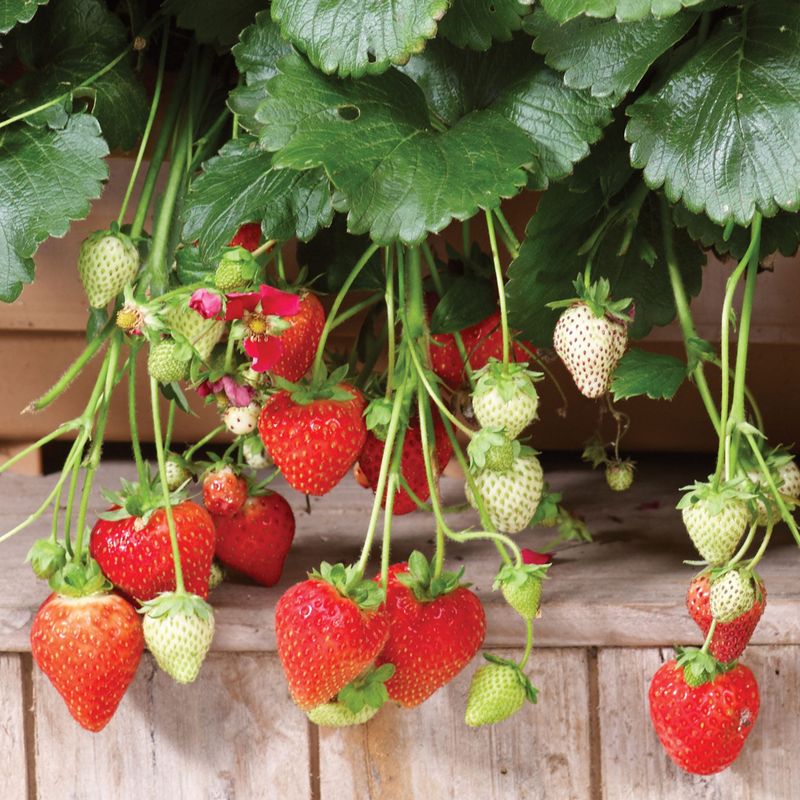
Nothing says summer in Michigan quite like a bowl of fresh-picked strawberries. These beloved berries are one of the easiest fruit plants for beginners to grow, and they thrive beautifully in Michigan’s climate.
June-bearing varieties like Earliglow and Honeoye produce a big, concentrated harvest in early summer, while everbearing types like Albion keep producing smaller flushes of berries throughout the growing season.
Strawberries are flexible enough to grow in traditional garden beds, raised beds, or even containers on a patio. They prefer full sun and well-drained soil with a slightly acidic pH.
One key to success is keeping the bed weeded, since strawberries do not compete well with aggressive weeds. A layer of straw mulch between the plants helps suppress weeds, retain moisture, and keep the fruit clean and off the soil.
Strawberry plants spread by sending out runners, which are long stems that root themselves and create new plants. Managing these runners helps keep your patch organized and productive.
Most gardeners in Michigan renovate their strawberry beds every few years to keep the plants vigorous and the harvests strong. Slugs and birds can be a challenge, but a little netting and some iron phosphate slug bait handle most problems naturally.
Once your patch is established, you will have more sweet Michigan strawberries than you know what to do with, and that is a wonderful problem to have.
9. Blackberries With Bold Flavor That’s Surprisingly Easy To Grow
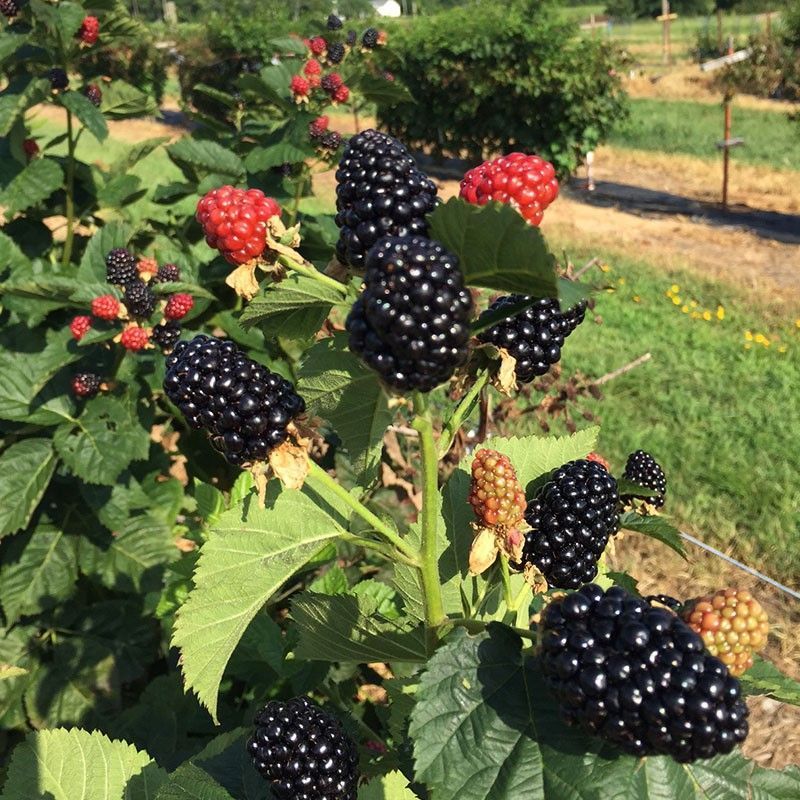
Bold, flavorful, and surprisingly easy to grow once established, blackberries thrive in a Michigan backyard. They produce large, glossy black fruit that is rich in antioxidants and delicious eaten fresh, baked into cobblers, or made into jam.
Triple Crown and Chester are two thornless varieties that are especially popular with home gardeners because they are easier to manage at harvest time.
Unlike some fruit plants, blackberries are vigorous growers and can take over a garden bed if not managed properly. Giving them a dedicated space with a trellis or fence to grow along keeps things tidy and makes picking much more enjoyable.
They prefer full sun and well-drained soil, and they respond well to an annual top dressing of compost in early spring.
Blackberries are generally hardy enough to handle Michigan winters, though some varieties benefit from a little extra protection in the northern parts of the state. Mulching around the base of the canes in late fall helps insulate the roots during cold snaps.
Like raspberries, blackberries produce fruit on second-year canes, so cutting out the old canes after harvest keeps the patch healthy and productive.
A mature blackberry patch in Michigan can produce an impressive amount of fruit, often more than a family can eat fresh, which makes them perfect for freezing and preserving throughout the year.
10. Currants With Underrated Fruit That Adds A Pop To Your Yard
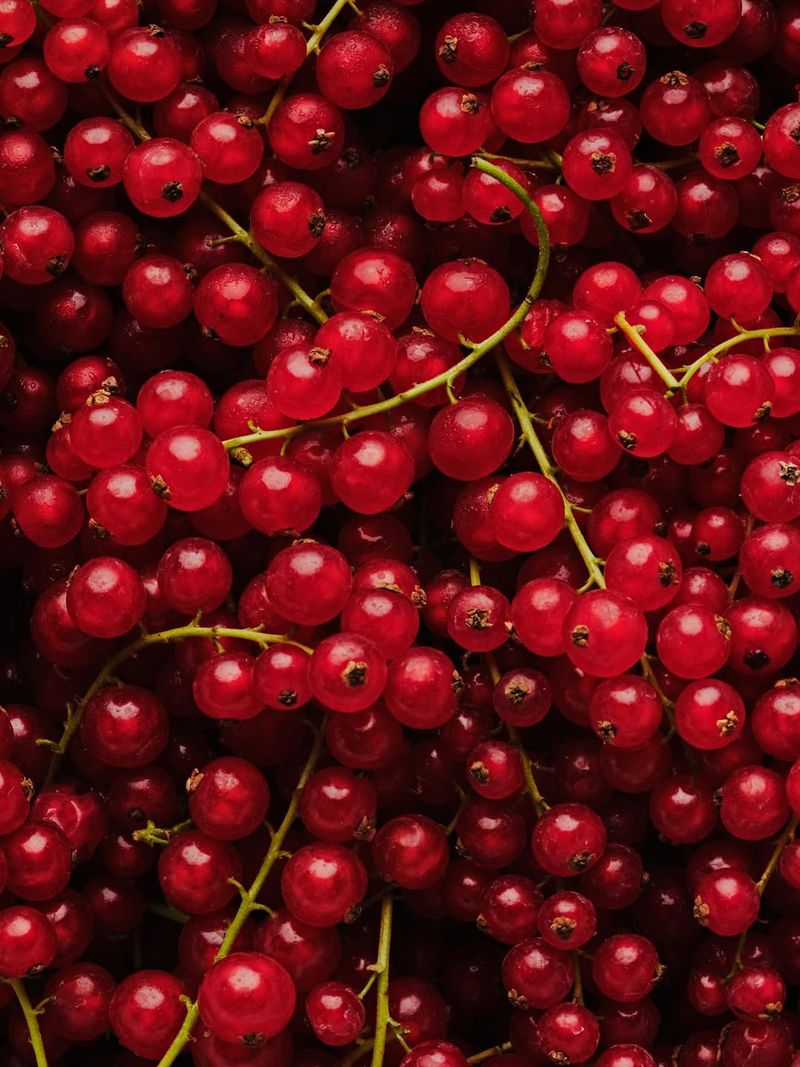
Currants are one of those underrated gems that most Michigan gardeners have never tried growing, but once they do, they wonder why they waited so long. These compact, cold-hardy shrubs produce clusters of small, jewel-bright berries in red, black, or white varieties.
Red Lake is a classic red currant that performs exceptionally well across Michigan, while Ben Sarek is a popular black currant known for its rich, intense flavor.
One of the biggest advantages of growing currants in Michigan is their incredible cold hardiness. They are very cold-hardy and can tolerate lower temperatures better than many other fruiting plants.
Currants also tolerate partial shade better than most fruiting plants, making them a smart choice for spots in your yard that do not get full sun all day long. They prefer moist, well-drained soil and benefit from a yearly application of compost.
Currant shrubs usually start producing fruit a few years after planting, and with proper care, they can continue producing for many years. The berries are high in vitamin C and antioxidants, and they are fantastic for making jelly, juice, syrup, and baked goods.
Fresh currants have a tart, bright flavor that is unlike anything you can buy at most grocery stores in Michigan. Growing your own gives you access to a truly special fruit that deserves far more attention than it gets from backyard gardeners across the state.