Why Michigan Homeowners Should Stop Cutting Grass Too Short Before Winter
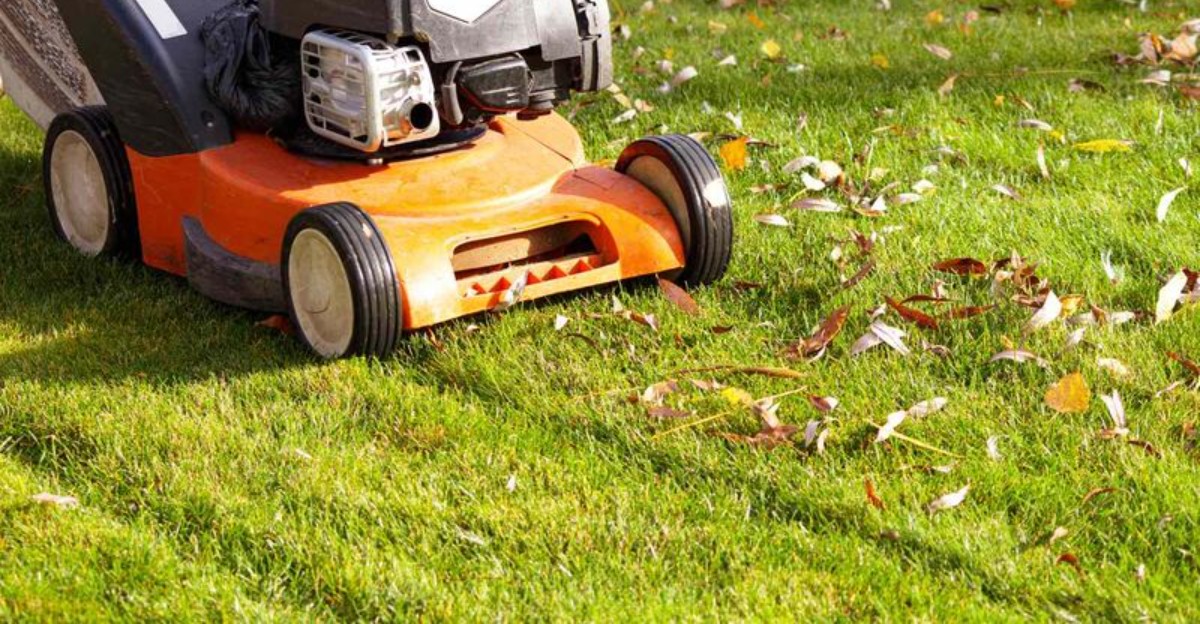
Cutting grass too short heading into a Michigan winter is a common mistake that can leave lawns more vulnerable than homeowners realize.
Grass blades play an important role in protecting the crown of the plant and insulating roots from extreme cold, so cutting too low removes that natural buffer right when it’s needed most.
Overly short grass is also more prone to matting under snow cover, which can create conditions favorable for fungal diseases like snow mold to develop over winter.
Because grass needs some leaf surface to continue photosynthesizing and storing energy before dormancy, cutting too aggressively can weaken the plant’s overall reserves heading into the coldest months.
Adjusting mowing height appropriately in the weeks before winter can mean a healthier, faster-greening lawn once spring arrives.
1. Short Grass Has Less Energy For Winter Survival
Grass blades act like tiny solar panels. They soak up sunlight and turn it into food the plant stores for later. When you cut cool-season Michigan grasses too short, you take away much of that leaf surface.
With less green blade left, the plant simply cannot make as much food. That matters a lot in fall, because this is when grass works hard to fill its roots and crown with energy before the cold sets in.
Think of it like packing snacks for a long road trip. A lawn with enough leaf area stores plenty of fuel to last through Michigan’s icy months. A lawn scalped down to the dirt heads into winter with a nearly empty pantry.
Kentucky bluegrass, fescue, and ryegrass all grow best when they keep a healthy amount of top growth in autumn. A good target is around three inches during the fall season. That extra height keeps the food factory running longer.
Roots also benefit from taller blades above them. Deeper, stronger roots pull in more water and nutrients, and they anchor the plant against harsh weather. Short grass tends to grow shallow roots that struggle when spring arrives.
By leaving more blade in fall, you basically hand your lawn a bigger lunchbox. It rests all winter with the energy it needs and wakes up ready to grow. That single habit change protects your yard without any extra cost or fancy tools.
2. Taller Turf Handles Cold Stress Better
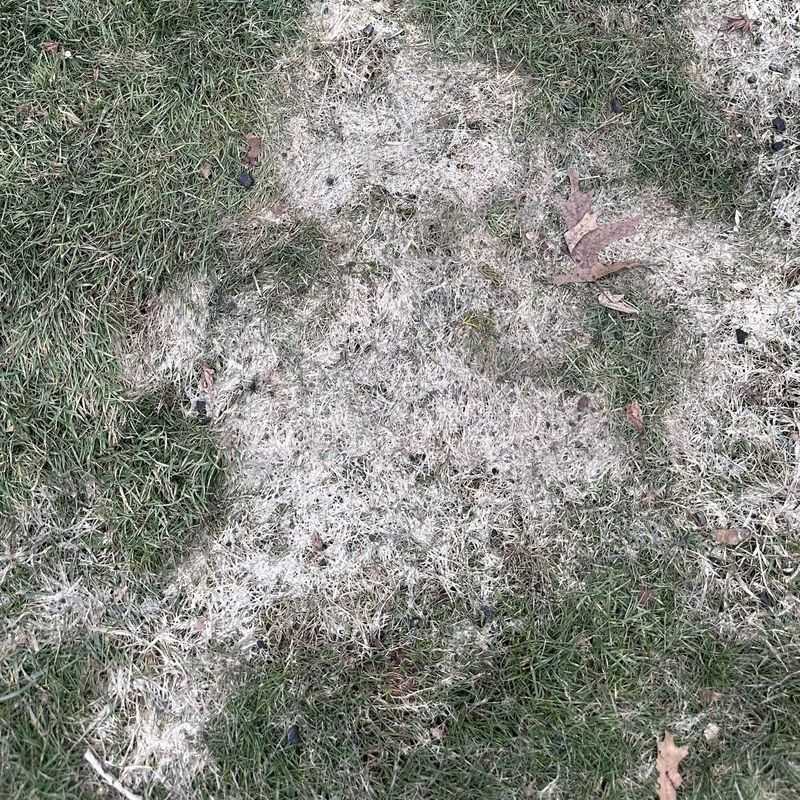
The most important part of a grass plant sits right at the base, where the blades meet the roots. This spot is called the crown, and it holds the growing point that lets your lawn recover each spring.
Keeping turf at the proper fall height helps maintain healthy leaf area and protects the crown from stress, while avoiding the problems caused by scalping. A scalped lawn leaves the crown exposed to every cold blast.
Michigan winters swing between hard freezes, thaws, and freezing again. That constant change is rough on turf. Grass with proper fall height stays steadier through those ups and downs because the crown stays protected and insulated.
Taller blades also trap a bit of warmth near the soil surface. Warmer soil freezes slower and thaws more gently, which reduces the damage to roots. Your lawn spends less energy fighting the cold and more energy simply resting.
Your Michigan Garden Changes Every Week. Your Plan Should Too.
Gardening in Michigan changes quickly throughout the season. Every Friday you’ll receive a simple weekly plan showing exactly what to plant, prune, fertilize, harvest, and protect so you never miss the right timing.
Around two and a half to three inches works well for most cool-season lawns heading into the season. That height gives protection without inviting other problems that come from grass left way too long.
Picture the difference between standing outside in a t-shirt versus wearing a warm coat. The lawn with proper height wears the coat. It shrugs off cold snaps that would stress a shorter, more exposed yard.
Giving your grass that little bit of cover now means fewer thin, brown patches to fix later. It is one of the easiest ways to help your turf stay tough all winter long.
3. Avoid The Scalping Mistake
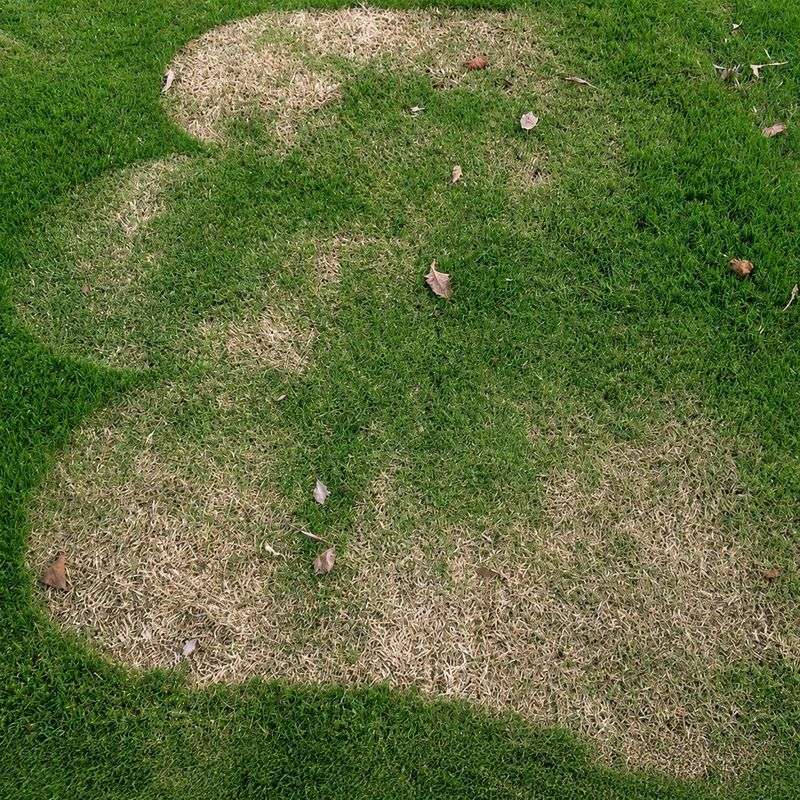
Scalping happens when you chop off way too much grass in a single pass. The lawn ends up looking pale, ragged, and often shows patches of bare soil. It is one of the most common fall mowing slip-ups.
Cutting off a huge chunk at once shocks the plant. Grass suddenly loses most of its food-making blades, and it has to scramble to recover. That stress right before winter is the last thing your yard needs.
Lawn experts often suggest the one-third rule. Never remove more than a third of the blade height in any single mowing. If your grass is tall, bring it down slowly over a couple of cuts instead of one drastic buzz.
Say your grass stands at four and a half inches and you want it near three. Trim a little, wait a few days, then trim again. Each gentle step lets the plant adjust without going into panic mode.
Scalped lawns also open the door to weeds. Bare spots and thin turf give weed seeds plenty of sunlight and room to move in. A steady, even mowing routine keeps the grass thick enough to crowd those invaders out.
Patience really pays off here. A slow, careful approach keeps your lawn green and even, while a rushed low cut leaves you staring at brown streaks for weeks.
Treat your final fall cuts like small trims at the barber, not a full shave. Your grass will thank you with a smoother, healthier look come spring.
4. Do Not Let Grass Become Too Tall Either
There is a flip side to this whole thing. Leaving grass way too long before winter causes just as much trouble as cutting it too short. Balance is the goal here.
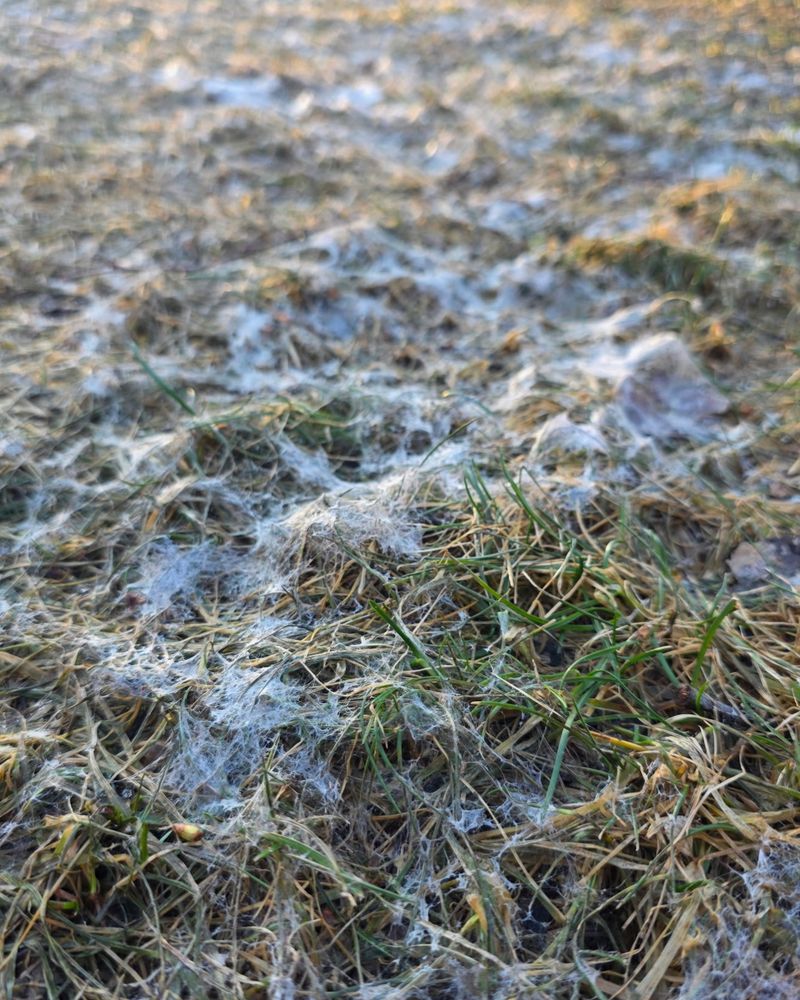
When tall grass gets buried under Michigan snow, the blades flatten and mat together. That thick, soggy layer stays damp and dark for weeks, and it becomes the perfect hideout for lawn problems.
One big issue is snow mold. This fungus loves cool, wet, matted grass. When the snow finally melts, you might find grayish or pinkish circles of tangled, slimy turf across your yard. Nobody wants that spring surprise.
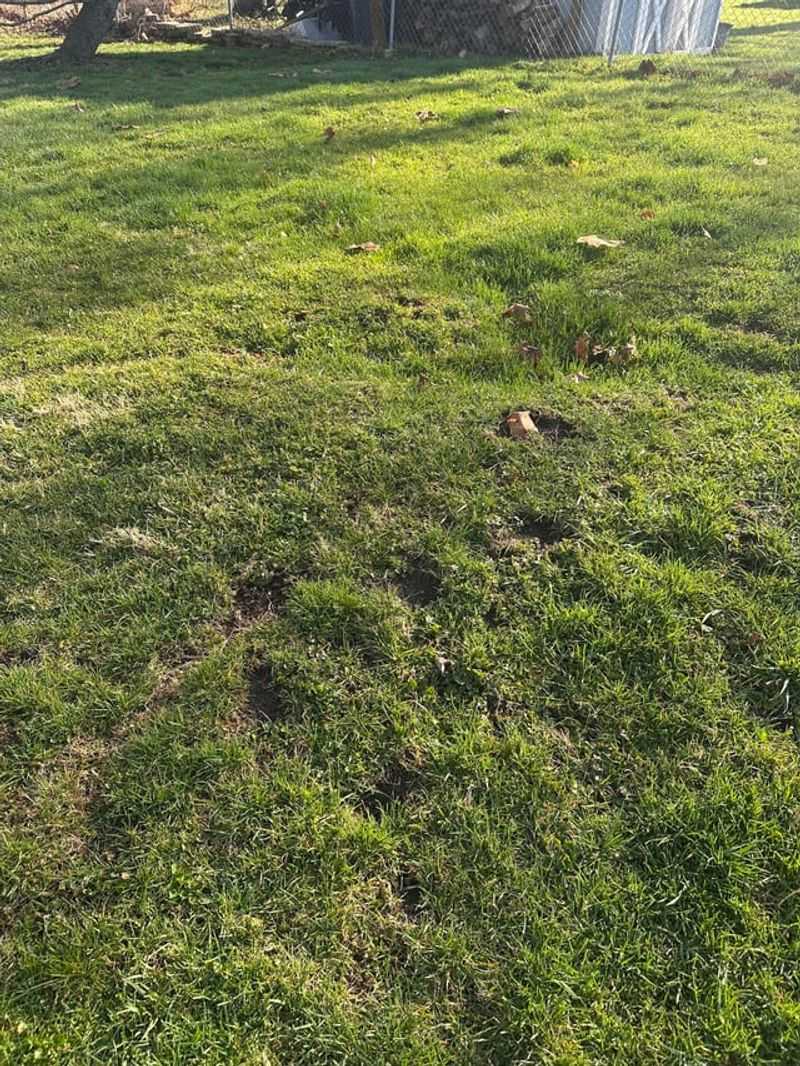
Long grass also invites small critters like voles to tunnel underneath the snow. They chew paths through the overgrown blades and leave messy trails once things warm up.
The sweet spot for most Michigan lawns sits right around two and a half to three inches going into winter. That height protects the crown while staying short enough to avoid matting and mold.
So resist the urge to skip that last mow just because the weather turned chilly. If your grass is still standing tall late in the season, give it one final trim to bring it into that safe range.
Getting the height just right is a bit like Goldilocks. Not too short, not too long, but just right. Aim for that middle ground and your lawn heads into the cold months in great shape, ready to green up without those frustrating trouble spots.
5. Keep Mowing Until Growth Slows
Lots of folks pick a date on the calendar and call it their last mow of the year. The trouble is, grass does not read calendars. It responds to weather instead.
Some Michigan autumns stay mild well into November. During warm, wet stretches, cool-season grass keeps right on growing. If you park the mower too early, your lawn can shoot up taller than you want before real winter arrives.
The smarter move is to watch your grass, not the date. As long as it keeps growing and needs a trim, keep mowing. When growth clearly slows to a crawl and the blades stop stretching upward, you can put the mower away.
Pay attention to soil temperature too. Once the ground cools and frost becomes regular, grass naturally goes dormant and stops growing. That is your real signal that mowing season has wrapped up.
Try to do your final cuts on dry grass whenever you can. Mowing wet turf leaves clumps, tears blades, and can spread problems around the yard. A dry lawn gives you a cleaner, healthier result.
Aim to finish the season with your grass at that steady fall height, somewhere near three inches. That way it goes dormant at a length that protects the crown without matting down.
Staying flexible with your schedule keeps your lawn in the right shape no matter what the weather does. A little attention now means fewer surprises when the snow melts away.
6. Mulch Or Remove Fall Leaves
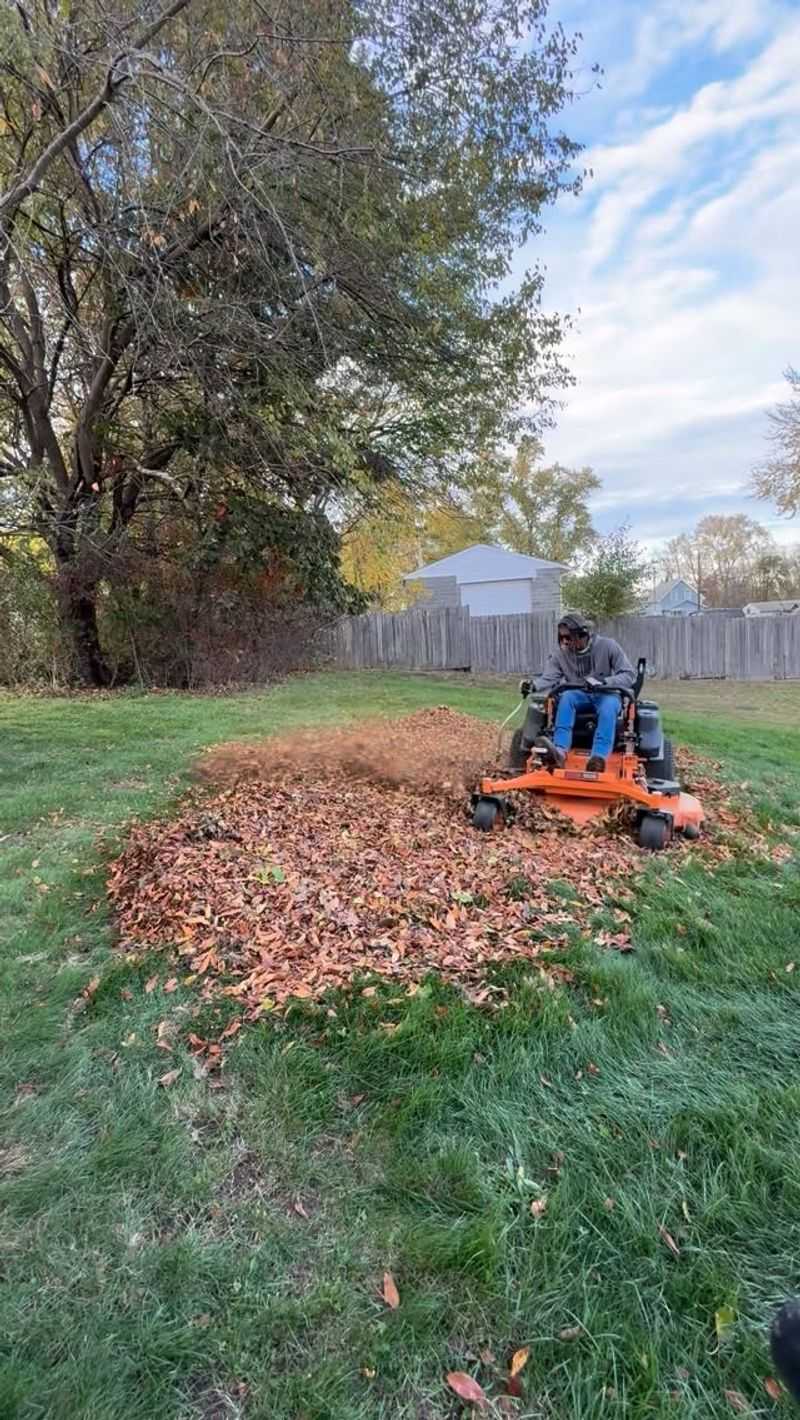
Autumn in Michigan brings gorgeous colors, but all those leaves eventually land on your grass. A thick, soggy blanket of them can cause real headaches for your lawn.
Piled-up leaves block sunlight from reaching the grass below. Without light, the turf cannot make food, and it starts to weaken and thin out. The layer also traps moisture against the soil, creating a damp mess that invites mold.
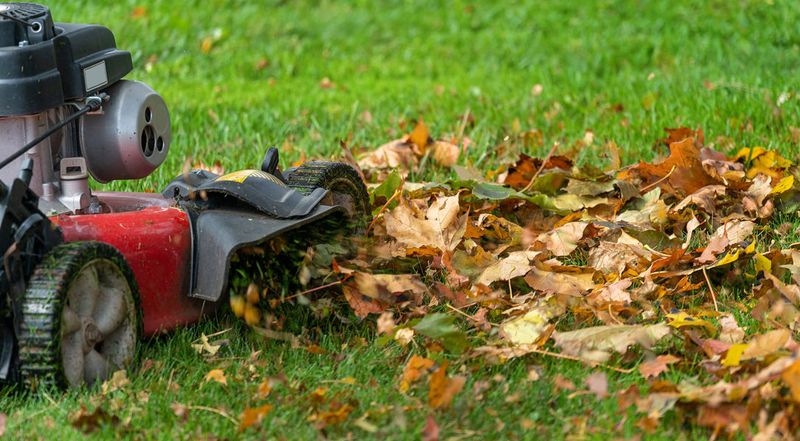
You have two solid options. The first is mulching. A mulching mower chops leaves into tiny bits that fall between the blades and break down into the soil. Those little pieces add nutrients and feed your lawn for free.
Mulching works best when leaf cover is light to moderate. Run the mower over the leaves while they are dry, and let the chopped flakes settle into the turf. It saves you the backache of raking, too.
When leaves pile up heavy and deep, mulching alone will not cut it. In that case, rake or bag the excess so you do not smother the grass. A quick cleanup now prevents ugly patches later.
Try not to let wet leaves sit for long stretches. They stick together fast and form a mat that is tough on turf. Staying on top of them throughout the season keeps things easy.
Handling leaves the right way protects your grass and gives it a clear path to sunlight and air. Come spring, you will notice a thicker, greener lawn thanks to a little fall effort.
7. Sharpen Mower Blades Before The Final Cuts
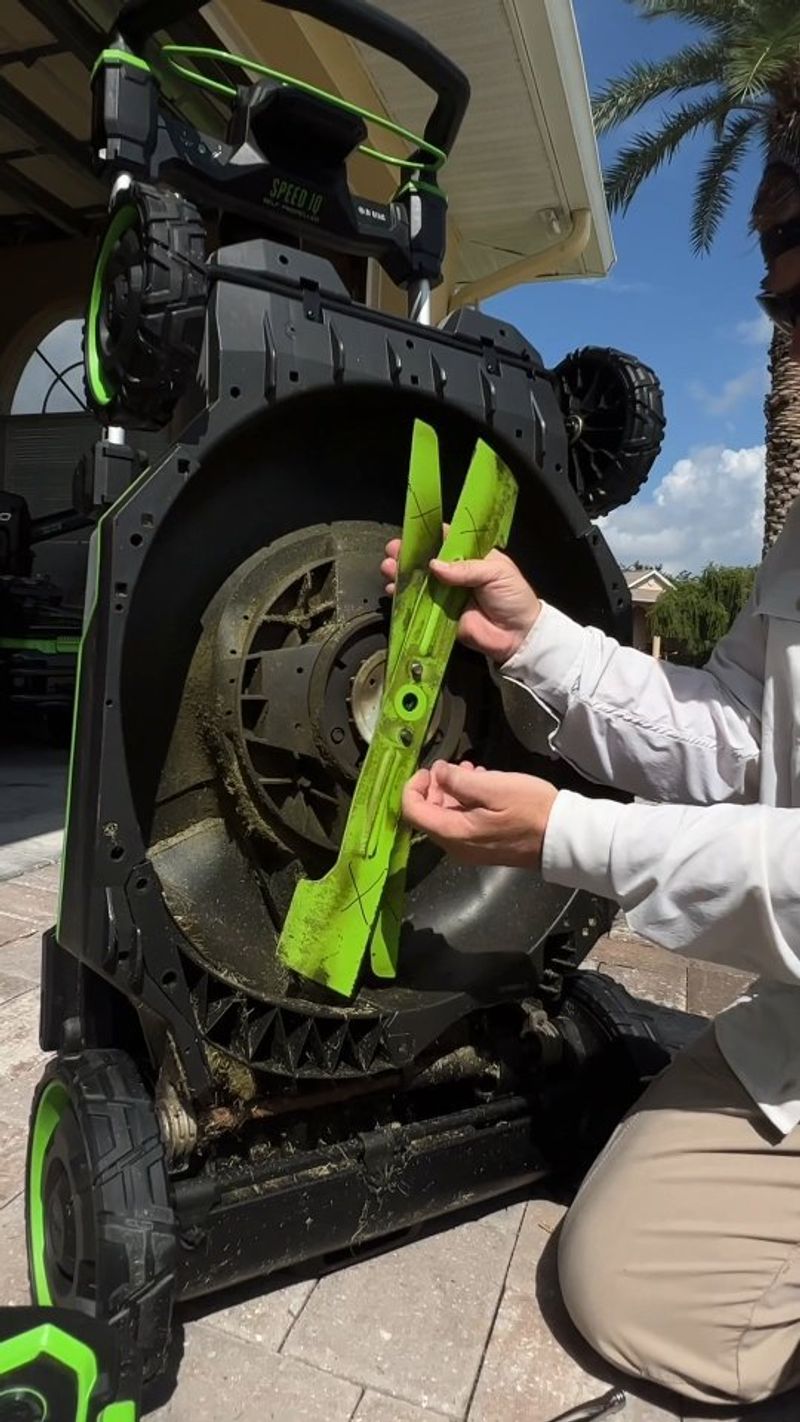
Here is a detail most people forget about. The sharpness of your mower blade changes how healthy your grass stays. A dull blade does more harm than you might guess.
When the blade is dull, it does not slice the grass cleanly. Instead, it rips and tears the tips, leaving ragged, shredded edges. Those torn ends turn brown and give your whole lawn a dull, unhealthy look.
Torn grass also loses moisture faster and opens the door to disease. The frayed tips are like little wounds, and they let problems sneak in right when your lawn should be toughening up for winter.
A sharp blade, on the other hand, makes a clean, quick cut. The grass heals faster, holds its color, and faces less stress. That clean slice is exactly what your turf needs before the cold arrives.
Sharpening a blade is not hard. You can use a metal file at home, take it to a hardware shop, or swap in a fresh blade. Doing it before your final fall cuts sets your lawn up nicely.
A good rule is to sharpen the blade at least once or twice each mowing season. If you hit rocks or roots often, check it more frequently for nicks and dull spots.
Run your finger along the edge, carefully, to feel for dullness. A little maintenance goes a long way. Sharp blades mean cleaner cuts, a nicer looking lawn, and grass that heads into winter in far better shape.
8. Prepare The Lawn For Spring Recovery
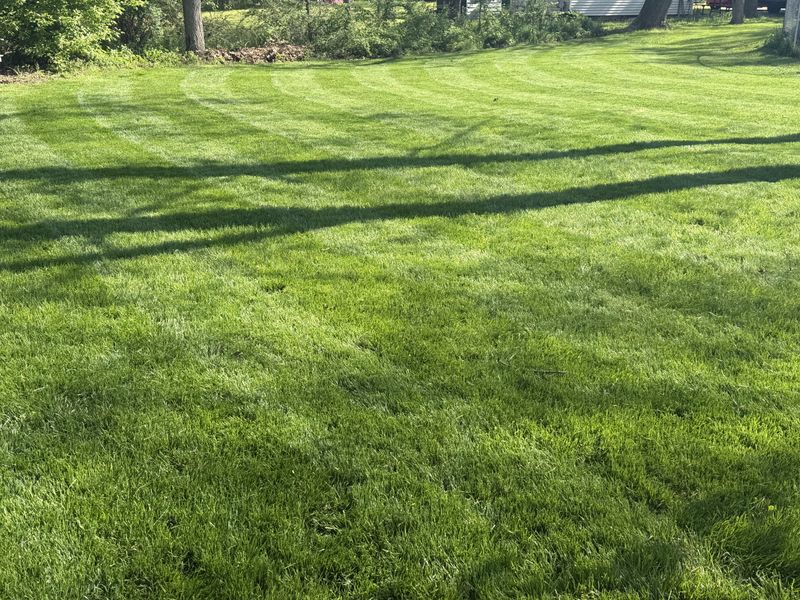
Everything you do in fall sets the stage for how your lawn looks in spring. Think of autumn care as planting the seeds of next year’s success, even though you will not see the payoff for months.
Proper mowing height tops the list. Grass left near three inches protects its crown and stores energy, so it wakes up strong instead of thin and stressed. That single habit shapes your whole spring.
Leaf management matters just as much. A lawn cleared of heavy, soggy layers breathes easily and greets spring sunlight without mold or bare patches slowing it down.
Feeding your lawn wisely helps too. A fall fertilizer, chosen based on what your soil actually needs, gives roots the nutrients to grow deep and steady. A quick soil test tells you what to add instead of guessing.
Avoiding needless stress rounds out the plan. Skip the scalping, keep your blade sharp, and mow on dry days when you can. Each gentle choice saves your grass energy for the recovery ahead.
All these steps work together like a team. Height, leaves, feeding, and careful mowing each play a part, and together they build a lawn that shrugs off winter.
When the snow melts and warmth returns, a well-prepped lawn greens up faster, fills in thicker, and needs less repair. You will spend less time patching problems and more time enjoying your yard. A little care now makes spring feel like a reward.