This Heat-Loving Flower Keeps Blooming Through Georgia’s Hottest Weeks
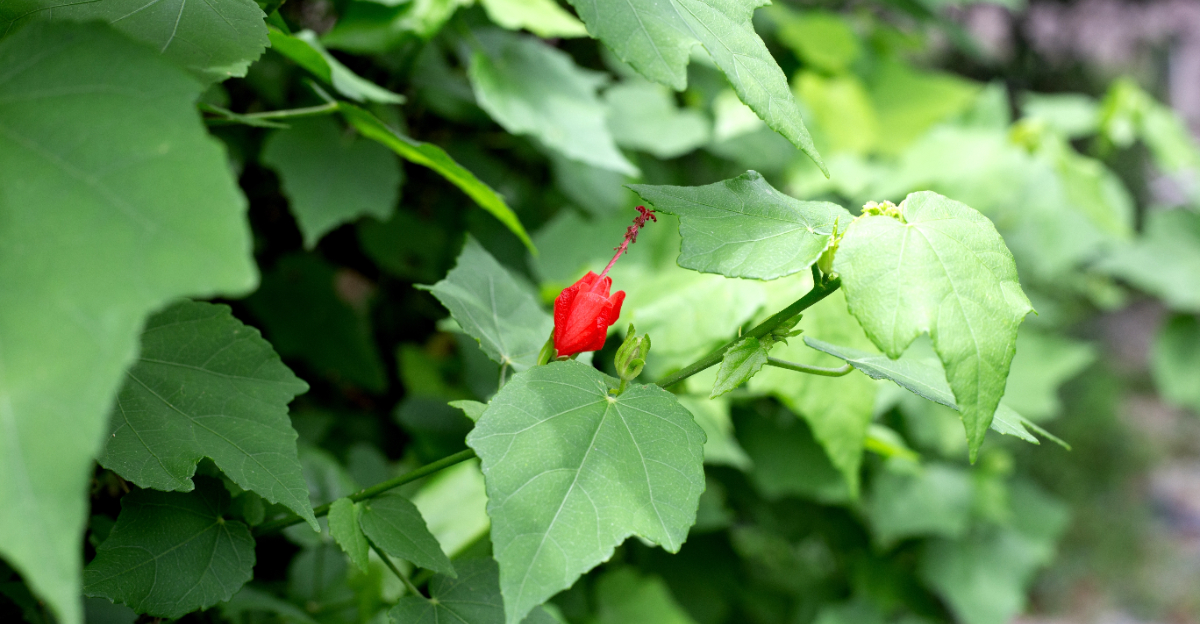
Some flowers give up when the hottest part of summer arrives. Others seem to keep going without missing a beat.
You have probably noticed gardens that still look colorful while everything nearby starts fading. That is not just good luck or perfect timing.
Some plants are simply built for long stretches of heat. They keep producing fresh blooms even when the weather refuses to cool down.
Gardeners in Georgia appreciate flowers that can handle demanding summer conditions.
Choosing the right one means enjoying color when many plants have already slowed down.
Do not assume every flowering plant struggles in extreme heat. A few actually perform their best during the toughest weeks of summer.
One standout flower continues putting on an impressive display when many others begin fading. It is easy to see why so many gardeners keep making room for it year after year.
1. Turk’s Cap Hibiscus Loves Hot Summer Weather
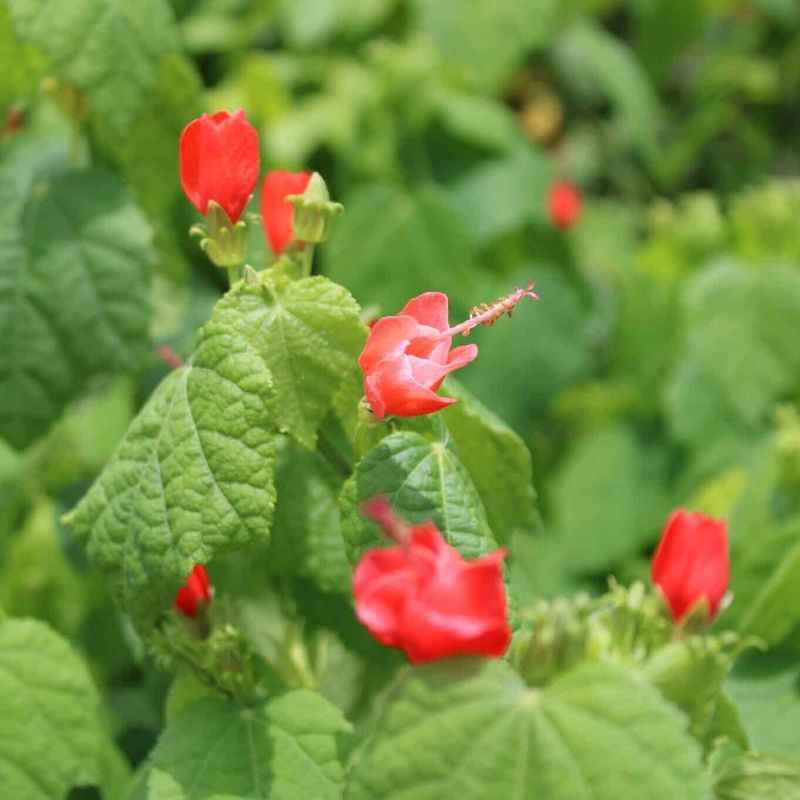
Hot, humid summers would flatten most flowering plants, but Turk’s Cap Hibiscus practically thrives on the pressure.
Native to the Gulf Coast and southeastern regions, this plant evolved alongside scorching summers and barely flinches when temperatures spike.
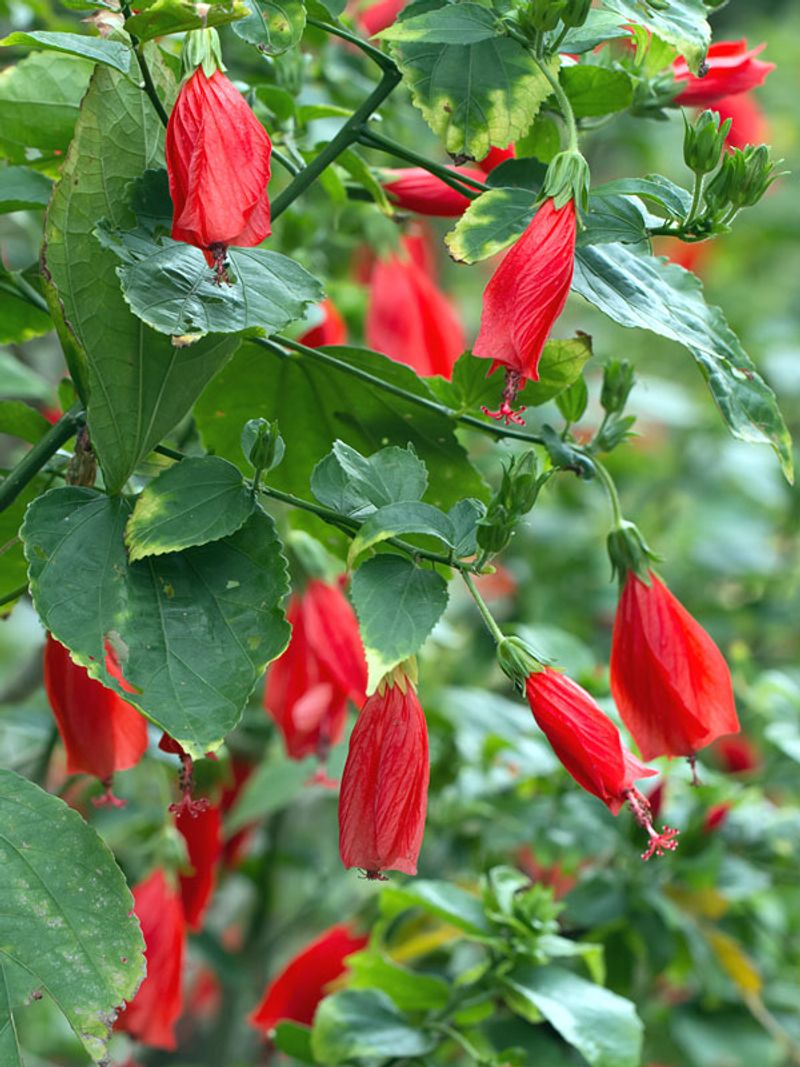
Botanically known as Malvaviscus arboreus, it belongs to the mallow family. Its twisted, never-fully-opening blooms are what set it apart visually from other hibiscus varieties.
Flowers stay curled into a tube shape, which is actually a smart design that protects pollen from intense heat and sudden afternoon rain.
Planted in a Georgia yard, it tends to start blooming in early summer and keeps going strong through the most brutal weeks. Gardeners who have struggled with heat-sensitive flowers often find Turk’s Cap to be a welcome change.
No wilting, no scorched petals, no disappointment after a heat wave rolls through.
Mature plants can reach six to nine feet tall in warm climates, though most stay more compact in drier or shadier spots. Growth rate is moderate to fast depending on soil moisture and sun exposure.
Expect noticeable size increases each season once the plant settles in during its first year.
2. Full Sun Brings More Bright Red Flowers
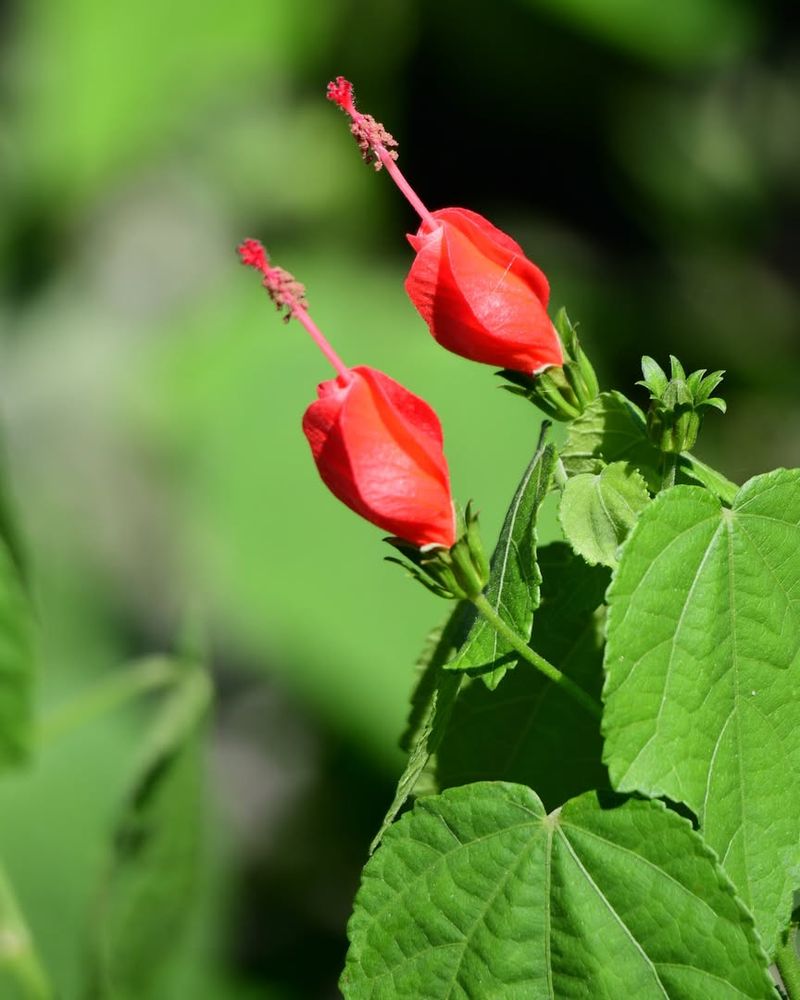
Sunlight is the real fuel behind Turk’s Cap’s flowering power. Give it a spot with at least six hours of direct sun daily, and the bloom count goes up noticeably compared to plants stuck in partial shade.
Shade does not shut it down completely. Turk’s Cap can survive and even bloom moderately in dappled light, which makes it more flexible than many sun-loving plants.
However, fewer hours of direct sun typically means fewer flowers and a slightly looser, more open growth habit.
South-facing beds and open garden areas with minimal tree cover tend to produce the best results. Morning sun with some afternoon shade can work well in the hottest parts of the season, reducing stress without cutting bloom production too much.
Positioning matters more than most gardeners expect. Planting near a south or west-facing wall, for example, can amplify heat and light exposure.
In already hot climates, that extra reflected warmth may push flowering even harder through midsummer.
Your Georgia Garden Changes Every Week. Your Plan Should Too.
Gardening in Georgia changes quickly throughout the season. Every Friday you’ll receive a simple weekly plan showing exactly what to plant, prune, fertilize, harvest, and protect so you never miss the right timing.
Consistent light exposure also helps the plant develop a fuller, bushier shape. Stems reaching toward limited light tend to grow leggy over time.
Rotating sunlight throughout the day encourages balanced branching and a more attractive overall form through the growing season.
3. Well-Drained Soil Supports Strong Growth
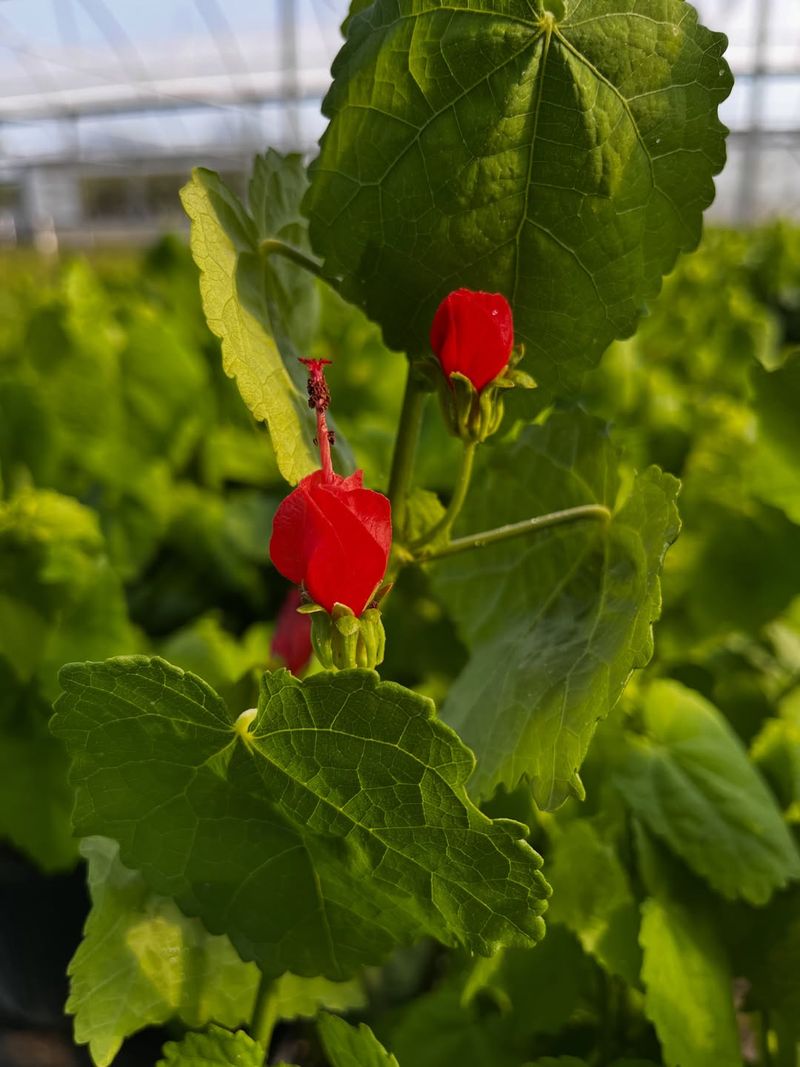
Roots sitting in soggy ground for too long create problems that no amount of sunlight can fix. Turk’s Cap prefers soil that drains reasonably well after rain, even though it can tolerate occasional wet periods better than many shrubs.
Sandy loam and loamy garden soils tend to suit it well. Heavy clay, which is common across much of Georgia, can hold too much moisture during rainy stretches.
Mixing in compost or coarse material before planting helps clay-heavy beds drain more efficiently without requiring a full overhaul.
Raised beds offer another practical solution in areas with notoriously poor drainage. Even a few inches of elevation can make a significant difference in how quickly water moves away from the root zone after heavy summer storms.
Soil pH is less critical than drainage, but slightly acidic to neutral conditions, roughly 6.0 to 7.0, tend to support healthy growth.
Extreme pH levels in either direction can limit nutrient uptake, though Turk’s Cap is generally forgiving compared to fussier flowering shrubs.
Mulching around the base after planting helps regulate soil temperature and retain just enough moisture without causing waterlogging.
A two to three inch layer of shredded bark or pine straw works well and breaks down gradually to improve soil structure over time.
4. Established Plants Need Very Little Attention
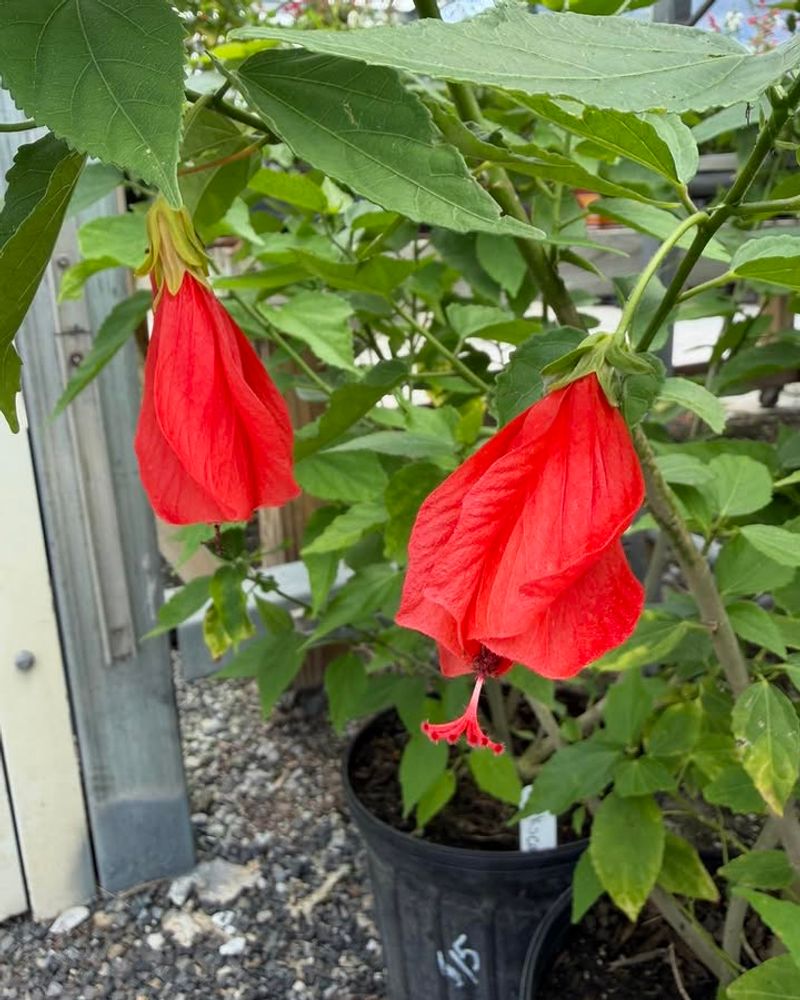
Once Turk’s Cap settles in after its first season, the care routine gets surprisingly simple. Established plants develop deep enough root systems to handle dry stretches without constant watering from the gardener.
Watering during the first growing season matters more than anything else. New plantings need consistent moisture to push roots outward and downward.
After that foundation is built, supplemental watering becomes optional in most cases, though extended droughts may still call for occasional deep soaking.
Fertilizing is not required to keep the plant blooming.
Turk’s Cap grows in relatively lean soils without much complaint.
A light application of balanced, slow-release fertilizer in spring can encourage stronger growth, but heavy feeding is unnecessary and may push excessive leafy growth at the expense of flowers.
Pest pressure tends to be low. Whiteflies and spider mites occasionally appear during hot, dry stretches, but healthy plants usually outpace minor infestations without chemical intervention.
Checking leaves occasionally and rinsing them with water is often enough to manage small populations before they spread.
Weeding around the base during the first year helps young plants compete more effectively. After establishment, the plant’s dense canopy shades out many weeds on its own.
Consistent mulching further reduces weed pressure and simplifies maintenance through the entire growing season.
5. Hummingbirds Visit The Bright Red Blooms
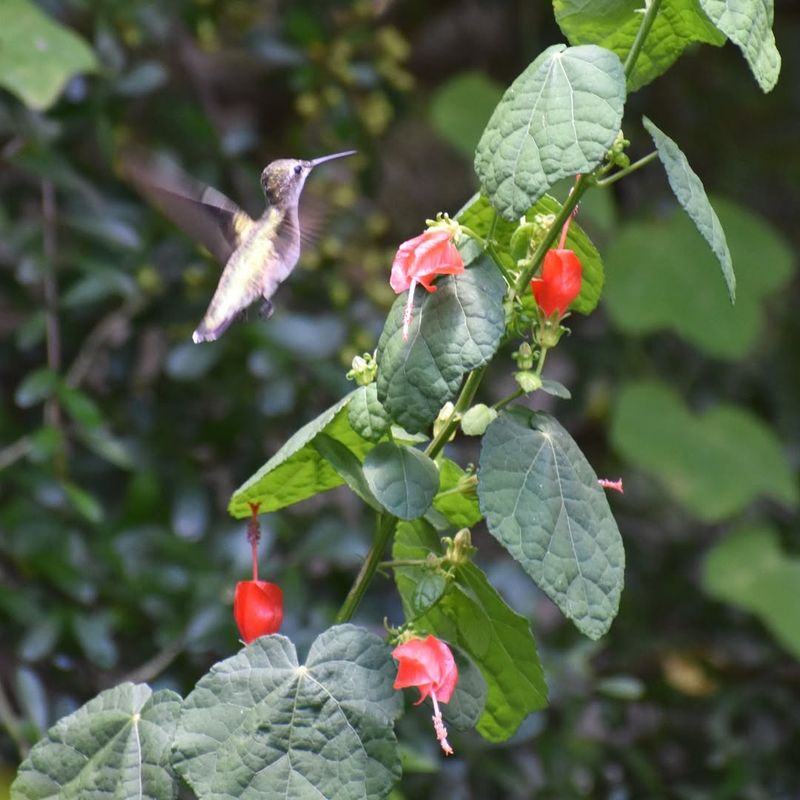
Few garden moments beat watching a ruby-throated hummingbird hover inches from a cluster of bright red Turk’s Cap blooms. That tubular flower shape is practically a custom design for hummingbird feeding, and the birds seem to know it immediately.
Ruby-throated hummingbirds are the most common species across the Southeast during summer months.
Turk’s Cap fits perfectly into their foraging pattern because the flower holds nectar deep inside its twisted tube, accessible mainly by long-billed visitors rather than competing insects.
Planting near a window or patio creates a front-row seat for regular visits.
Hummingbirds are territorial and will return to reliable food sources repeatedly throughout the day.
A single mature Turk’s Cap shrub can attract multiple visits within a single afternoon during peak bloom periods.
Butterflies also show interest, though they access the flowers differently than hummingbirds. Some butterfly species land on the outer petals and probe for nectar around the base.
Adding Turk’s Cap to a pollinator garden alongside other native plants builds a more diverse and active outdoor space.
Planting in groups rather than as single specimens tends to attract more wildlife overall.
A cluster of three or more plants creates a larger visual target and a more consistent nectar source, which keeps hummingbirds returning to the same garden area throughout the season.
6. Flowers Continue Opening Into Early Fall
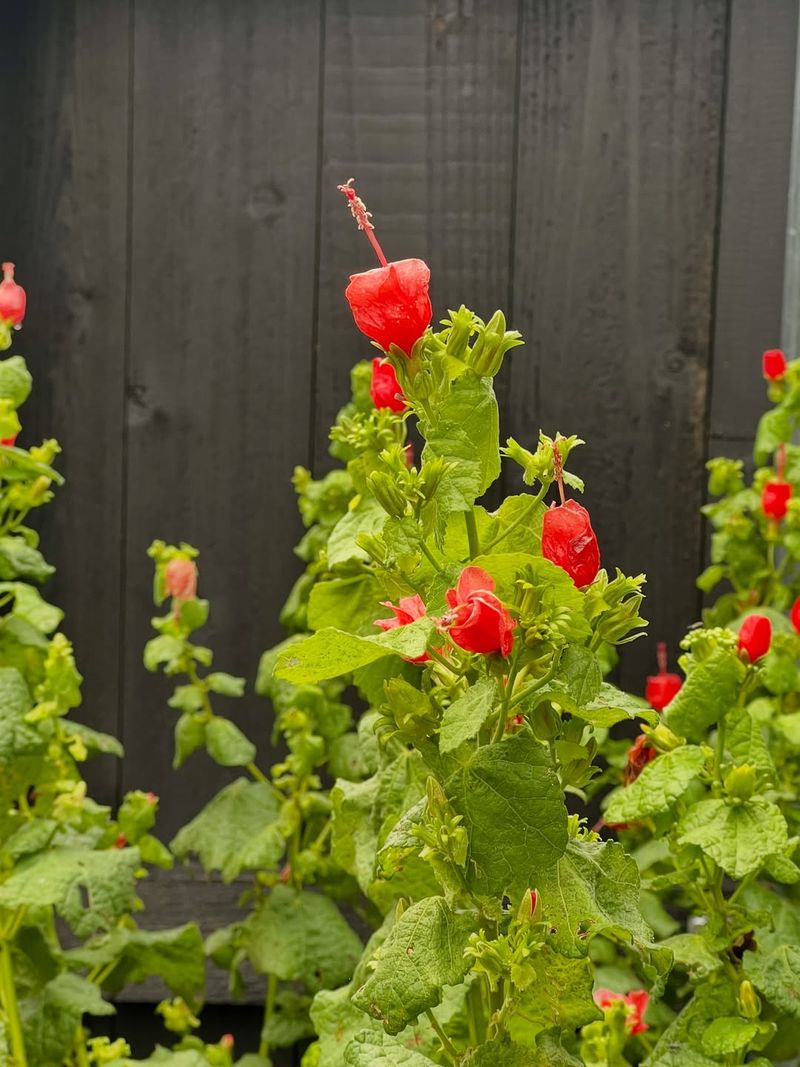
Most summer-blooming plants start winding down by late August. Turk’s Cap keeps going.
Flowers continue opening through September and often into October in the warmer parts of the Southeast, which extends the garden’s color well past what most other shrubs offer.
That extended bloom window makes it especially useful in mixed garden beds. When neighboring plants start fading, Turk’s Cap fills the gap with consistent color.
Pairing it with fall-blooming natives like goldenrod or native asters creates a smooth seasonal transition without bare patches.
Cooler nights in September can actually refresh the plant slightly after the intense heat of July and August. Bloom production sometimes increases as temperatures moderate, pushing out a final strong flush before the first frost arrives.
In Georgia’s warmer zones, Turk’s Cap may hold leaves and even a few blooms into November during mild years.
Frost will eventually cut back the top growth, but the root system survives and pushes new growth again the following spring in most cases.
Tracking bloom timing helps gardeners plan better for next season.
Noting when flowers peak and when production slows gives useful information for adjusting placement, companion planting choices, or supplemental watering schedules to maximize the plant’s natural bloom cycle in future years.
7. Cut Back Old Stems Before Spring Growth
Late winter is the right window for cutting Turk’s Cap back hard.
Waiting until just before new growth emerges, typically late February through early March in the South, gives the plant a clean start without removing fresh shoots that have already pushed out.
Cutting stems back to about six to twelve inches from the ground is a common approach for gardeners who want a tidier, more compact plant.
Leaving more height produces a larger shrub faster, while harder cuts encourage a denser, bushier shape from the base upward.
Sharp, clean pruning tools make a real difference. Ragged cuts from dull blades leave more surface area exposed to moisture and potential disease pressure.
Wiping blades with a disinfecting solution between plants reduces the chance of spreading any pathogens from one shrub to another.
Removing old, woody stems entirely encourages the plant to push vigorous new growth from the base. Older canes that have become thick and unproductive take energy without contributing many flowers.
Clearing them out redirects that energy into fresh, bloom-producing stems for the coming season.
After pruning, a light layer of compost around the base gives the plant a nutrient boost right as new growth begins. Avoid covering the crown directly with heavy mulch.
Keeping the immediate base clear helps new shoots emerge without obstruction as temperatures warm in early spring.