This Is How To Fertilize Geraniums In Ohio For Stronger Plants And Brighter Blooms
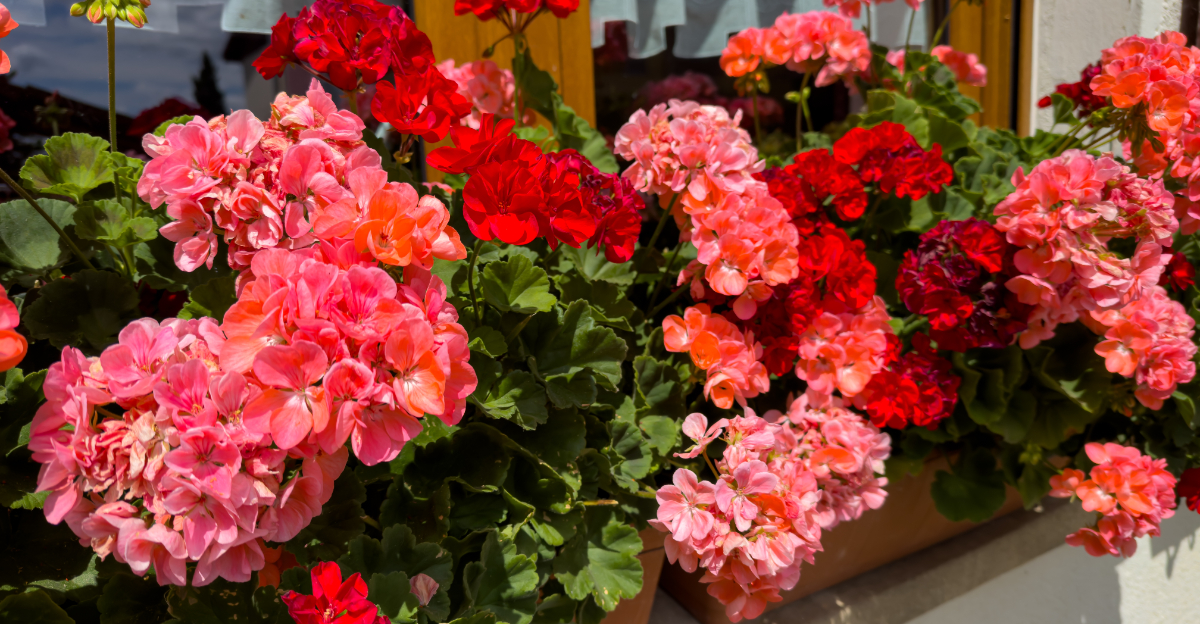
Geraniums are forgiving plants. They can handle a few beginner mistakes and still look decent through a long Ohio summer.
That forgiveness is exactly why most gardeners never bother learning how to feed them properly. But there is a real difference between a geranium that survives and one that genuinely takes off.
The color gets deeper, the stems get stronger, and the blooms keep coming instead of petering out by August. Fertilizing is where that gap lives, and Ohio’s weather, spring timing, and container conditions add a layer that generic advice tends to skip over.
Getting it right is not complicated. It just requires knowing what the plant actually needs, when it needs it, and what Ohio’s growing season demands from both of you.
1. Feed Lightly Because Geraniums Are Not Heavy Eaters
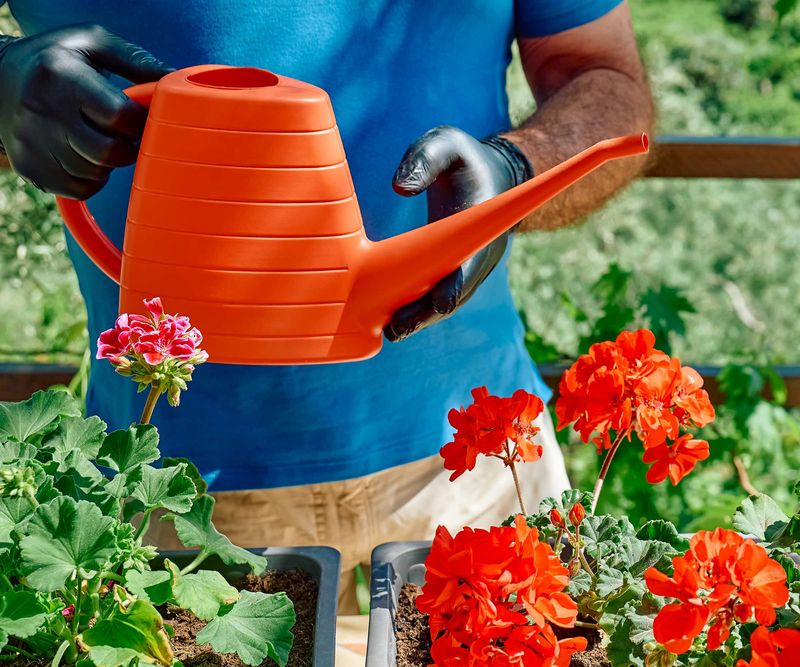
Most gardeners assume that more fertilizer means more flowers, but with geraniums, that logic can actually work against you.
These plants are considered light feeders compared to many popular annuals, which means they perform well with modest, consistent nutrition rather than aggressive or frequent doses.
Ohio State University Extension guidance points to feeding zonal geraniums every two to four weeks with a balanced, all-purpose fertilizer during active growth. That kind of steady, light routine keeps the plant nourished without pushing it into overdrive.
A slow, reliable schedule beats dumping extra fertilizer on a struggling plant and hoping for a quick fix.
Overfeeding can actually cause more problems than it solves. You might end up with lush, bushy foliage but very few flowers, or worse, salt buildup in containers that stresses the roots.
The goal is to support the plant, not overwhelm it.
A practical first step is to start with the lowest recommended rate on your fertilizer label. Watch how the plant responds over a few weeks before adjusting anything.
If the leaves look healthy and green and new blooms are forming, your routine is working. Resist the urge to add more just because the bag is sitting there.
Keeping feeding light and consistent is the single most important rule for geraniums in Ohio gardens.
2. Start With Fresh Potting Mix That Already Has A Boost
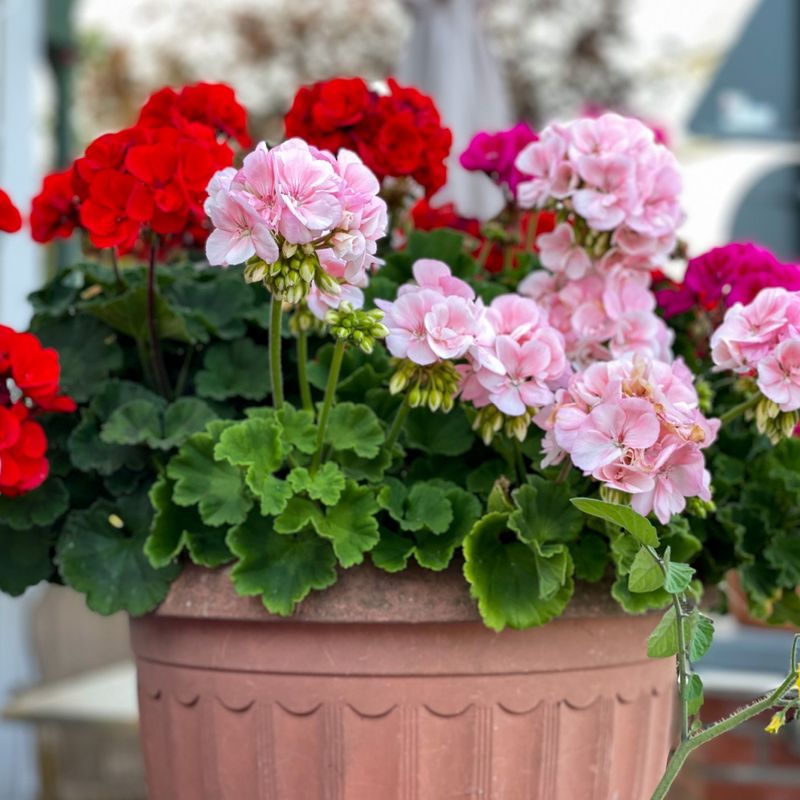
Before you ever open a bag of fertilizer, take a look at what your geraniums are actually growing in. The growing medium matters just as much as what you feed the plant, especially for container geraniums in Ohio pots, window boxes, and hanging baskets.
Fresh, loose, well-drained potting mix gives roots room to breathe, pulls moisture away from the crown of the plant, and often comes with a starter charge of nutrients already built in.
Old, compacted potting mix from last season breaks down over time, loses its structure, and can hold too much moisture around the roots.
Starting fresh each spring is a simple habit that pays off quickly.
Check the bag before you start adding fertilizer on top of everything else. Many commercial potting mixes already contain slow-release granules or a starter fertilizer blend that feeds the plant for several weeks after planting.
Your Ohio Garden Changes Every Week. Your Plan Should Too.
Gardening in Ohio changes quickly throughout the season. Every Friday you’ll receive a simple weekly plan showing exactly what to plant, prune, fertilize, harvest, and protect so you never miss the right timing.
Adding more fertilizer on top of that right away can push the plant harder than it needs to go.
Always use containers with drainage holes. Heavy garden soil from your yard does not belong in pots because it compacts too easily and holds water in ways that stress geranium roots.
A light, well-draining mix gives your plants the best possible foundation before the first drop of liquid fertilizer ever touches the soil.
3. Wait Until Ohio Nights Warm Up Before Pushing Growth
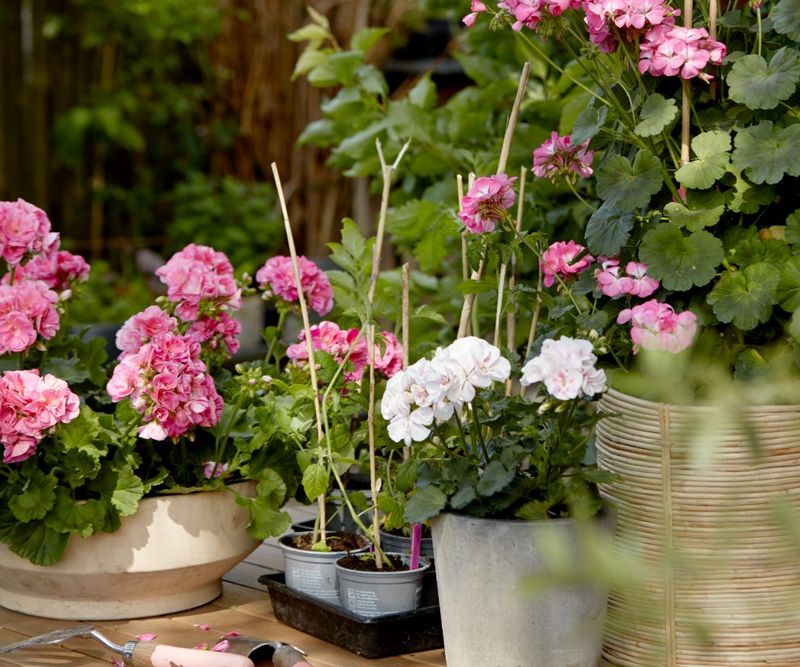
Timing matters more than most Ohio gardeners realize. Geraniums love warmth, and they respond to fertilizer best when the weather is actually cooperating with growth.
Pushing a plant hard with fertilizer while spring nights are still dipping into the low 40s or colder is not going to produce the results you want.
Cold-stressed geraniums often look stalled or slightly off even when soil, water, and fertilizer are all in decent shape. The plant is not struggling because it is hungry.
It is struggling because the temperature is telling it to slow down. Feeding a cold-stressed plant can actually make things worse by creating nutrient imbalances the roots cannot process efficiently in cool conditions.
Ohio frost risk varies by region. Gardeners in northern Ohio near Lake Erie or in rural inland counties may see frost risk well into mid-May, while gardeners in southern Ohio near Cincinnati often have a slightly longer growing window.
Check your local Ohio Extension county office or a local Ohio frost-date resource before committing to a full feeding schedule.
Give newly planted geraniums a week or two to settle into their containers or garden beds before starting a regular fertilizer routine.
Once nights are mostly staying above about 50 degrees and the plant is clearly pushing new growth, that is a sensible time to begin steady, light feeding.
4. Use A Diluted Fertilizer For Pots And Window Boxes
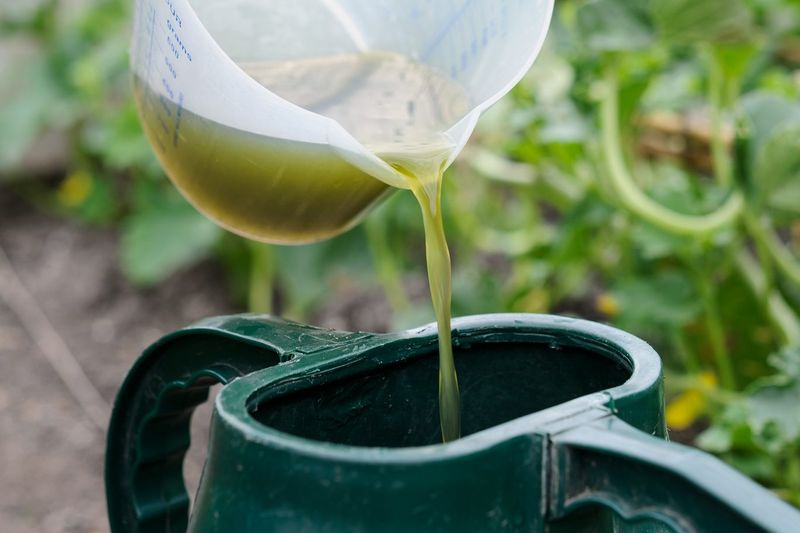
Pots, window boxes, and hanging baskets create a different feeding situation than garden beds. Every time you water a container plant, a small amount of nutrients washes out through the drainage holes along with the excess water.
Over a full Ohio summer, that adds up to a real loss of available nutrition for your geraniums.
That is why container geraniums generally benefit from more consistent feeding than their in-ground counterparts.
A diluted liquid fertilizer applied on a steady schedule during active growth, roughly every two to four weeks, keeps the nutrient level steady without shocking the plant.
Always follow the label directions and resist the urge to mix it stronger than recommended. Concentrated fertilizer does not help the plant absorb more nutrition faster.
One practical tip that often gets skipped: water your containers thoroughly before applying fertilizer if the potting mix is very dry. Fertilizing a drought-stressed plant can actually intensify stress and cause root damage.
A well-moistened root zone absorbs nutrients more evenly and gently.
Choose a balanced fertilizer, something close to a 10-10-10 or 20-20-20 ratio, or look for a formula designed for flowering annuals. Some gardeners in Ohio use a water-soluble fertilizer weekly at half strength instead of full strength every two weeks.
Both approaches can work well as long as the total amount stays moderate and consistent throughout the growing season.
5. Feed Garden Bed Geraniums Before They Beg For Help
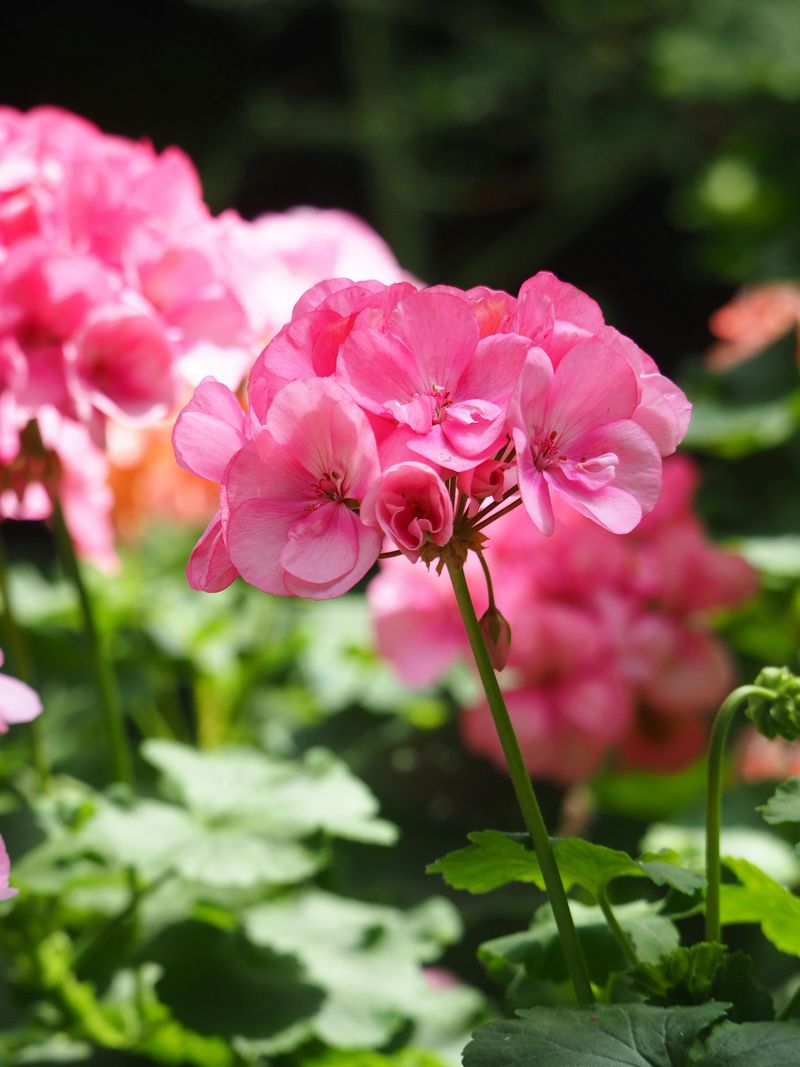
Geraniums growing directly in the ground have a big advantage over container plants: access to a much larger volume of soil. That means garden-bed geraniums generally do not need the same frequent liquid feeding routine that potted geraniums depend on.
A proactive approach works better than a reactive one.
Preparing the bed well before planting sets the stage for a strong season. Working a modest amount of balanced granular fertilizer into fertile, well-drained soil at planting time gives roots a steady supply of nutrition right from the start.
After that, occasional light feeding during active growth, often every three to four weeks if plants seem to need it, is usually enough to keep plants performing well.
Soil quality and drainage matter just as much as what you apply on top. Ohio soils vary widely by county and region.
Clay-heavy soils common in many parts of central and western Ohio can hold too much moisture around geranium roots, which weakens the plant regardless of how much fertilizer you add.
Mixing in compost and preparing the bed so water drains well makes a real difference.
Crowded planting is another common mistake in garden beds. Geraniums need good airflow to stay healthy, and plants jammed too close together compete for nutrients and stay wetter longer.
Give them appropriate spacing according to the plant tag, and your feeding routine will go a lot further toward producing strong, blooming plants all summer.
6. Watch The Leaves Before Adding More Fertilizer
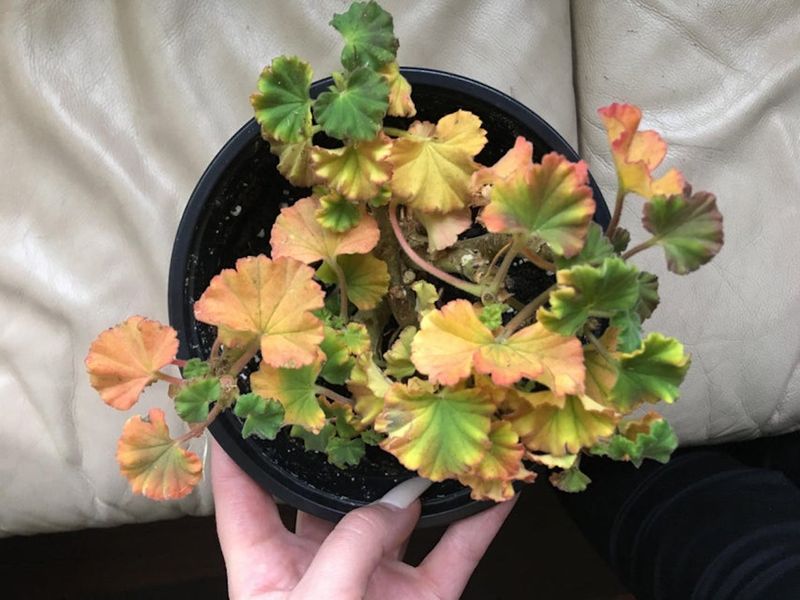
Pale leaves, weak stems, or a noticeable slowdown in blooming can send a gardener straight to the fertilizer shelf. Before you reach for the bag, slow down and look at the whole picture.
Yellowing or lackluster foliage can come from a long list of causes that have nothing to do with nutrient deficiency.
Overwatering is one of the most common reasons Ohio container geraniums look off. Roots sitting in soggy potting mix cannot take up nutrients efficiently even when fertilizer is present.
Poor drainage, compacted soil, inconsistent watering, or a container sitting in a shady spot can all mimic the symptoms of a hungry plant. Adding more fertilizer to a plant already struggling with one of these issues will not help and may make things worse.
Healthy geranium foliage should look sturdy, a rich medium green, with firm stems and a steady supply of new growth pushing from the center of the plant.
A plant that looks stalled in deep shade or is sitting in waterlogged soil needs a change in conditions, not a heavier feeding schedule.
Take a moment to check the basics first. Is the plant getting at least six hours of direct sun?
Is the pot draining freely after watering? Has the weather been unusually cold or rainy?
Answering those questions before adding more fertilizer saves you time, money, and the extra stress that overfeeding can put on an already struggling plant.
7. Skip The Heavy Hand That Burns Roots And Blooms
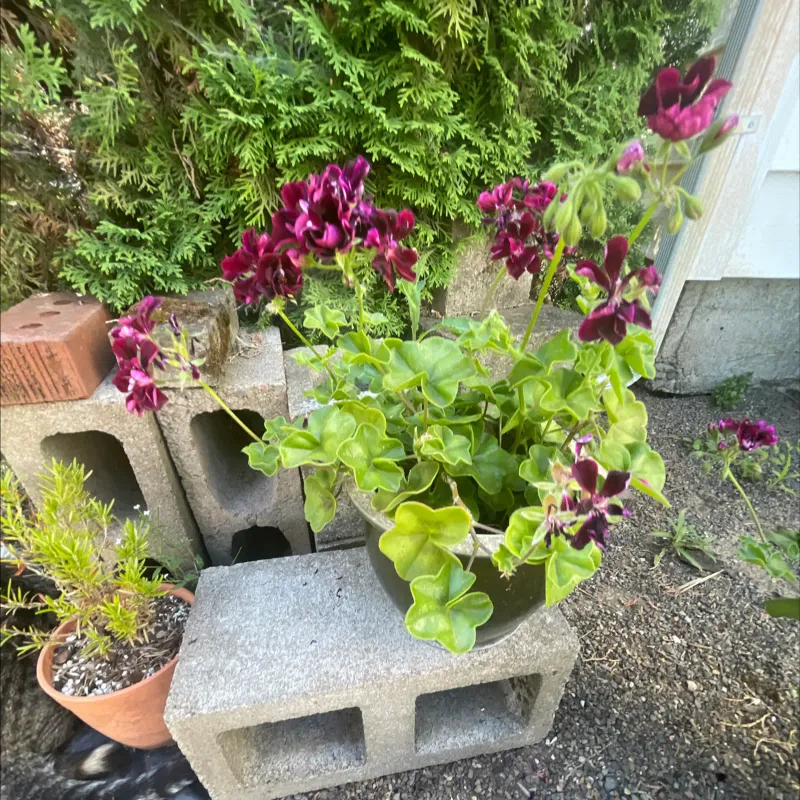
More is not better when it comes to fertilizing geraniums.
Pushing plants with heavy or overly frequent doses of fertilizer can lead to salt buildup in containers, stressed root systems, and a frustrating flip where the plant produces lots of leafy growth but very few flowers.
That lush green look might seem promising at first, but sparse blooms are not what Ohio gardeners are going for.
Salt accumulation is a real concern in containers that are fertilized heavily and watered frequently through a long Ohio summer. Over time, mineral salts from fertilizer concentrate in the potting mix and around the root zone.
You might notice a white or crusty residue forming on the surface of the soil or along the rim of a clay pot. That is a warning sign worth taking seriously.
The fix is straightforward. Flush containers occasionally by watering slowly until water runs freely from the drainage holes, which helps carry excess salts out of the mix.
This helps carry excess salts out of the mix and gives roots a cleaner environment. Returning to a moderate, label-directed feeding schedule after flushing is the right move.
Always follow the directions on your fertilizer label. Doubling the rate to speed things up is a common mistake that rarely produces better blooms and often sets the plant back.
Consistent, moderate care over a full growing season beats any short-term heavy feeding strategy every single time.
8. Pair Feeding With Sun, Water, And Deadheading
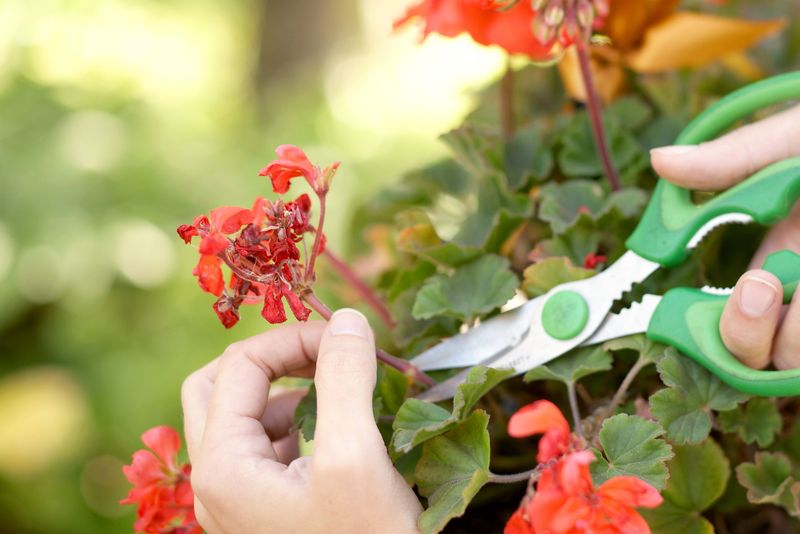
A solid fertilizer routine is only one part of keeping Ohio geraniums looking their best. No matter how well you feed your plants, they will not perform at their peak without the right combination of sunlight, consistent watering, and regular removal of old flowers.
Fertilizer supports growth, but it cannot carry the whole load on its own.
Geraniums bloom best with at least six hours of direct sun per day. Plants sitting in too much shade stretch toward the light, produce fewer flowers, and look leggy no matter what you put in the soil.
If a container plant is struggling on a shaded porch, moving it even a few feet to a sunnier spot can make a visible difference within a week or two.
Watering consistently matters just as much. Geraniums prefer to dry out slightly between waterings rather than sitting in constantly moist soil.
Check containers by pressing a finger into the top inch of potting mix. If it still feels damp, wait another day before watering again.
Deadheading, which means pinching or cutting off spent flower clusters before they go to seed, keeps the plant looking fresh and signals it to keep producing new blooms. Make it a habit every few days during peak season.
Brighter, longer-lasting geraniums in Ohio come from a balanced routine built on sun, water, feeding, and deadheading working together, not from fertilizer alone carrying all the weight.