Oregon Gardeners Should Keep These Plants Away From A Neighbor’s Yard
Oregon is genuinely one of the most beautiful states to garden in, but it also happens to be prime territory for some of the most aggressively spreading plants on the planet. Things grow fast here.
Like, suspiciously fast. And while a lush, thriving garden is absolutely the goal, there’s a fine line between a gorgeous yard and accidentally becoming the neighbor who launched a botanical invasion on the entire street.
Good fences might make good neighbors, but good plant choices make even better ones. Some plants spread through underground runners, others fling their seeds everywhere, and a few will straight up push through barriers like they have something to prove.
Before you put another thing in the ground near your property line, it’s worth knowing which plants have a serious habit of overstaying their welcome in someone else’s yard. Your neighbors will thank you, and honestly, so will your own sanity.
1. Running Bamboo
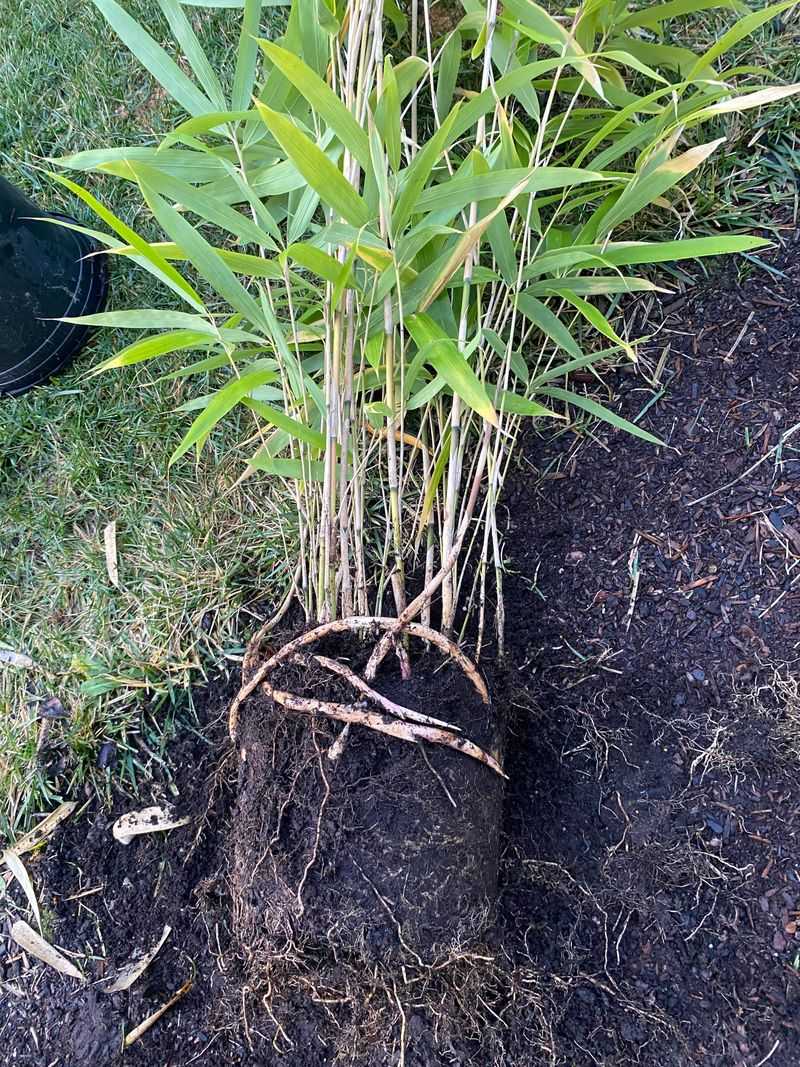
Few plants can cause neighborhood drama quite like running bamboo. What starts as a classy, tropical-looking addition to your Oregon backyard can quietly turn into a full-scale invasion within just a few seasons.
Unlike clumping bamboo, the running variety spreads through underground stems called rhizomes that can travel surprisingly far.
Those rhizomes can push under fences, crack concrete pathways, and pop up in your neighbor’s flower beds without any warning. In Oregon’s wet climate, growth happens fast.
A small planting can spread dozens of feet in a single year if left unchecked.
Removing established running bamboo is exhausting work. It often requires digging up deep root systems repeatedly over several years.
Many Oregon homeowners have faced costly removal projects because of this plant.
If you love the look of bamboo, choose a clumping variety instead. Clumping bamboo stays in a tidy, manageable group and won’t sneak into neighboring properties.
You can also install a rhizome barrier at least 18 inches deep around running bamboo to slow its spread. Being proactive now saves everyone a lot of headaches later.
2. English Ivy
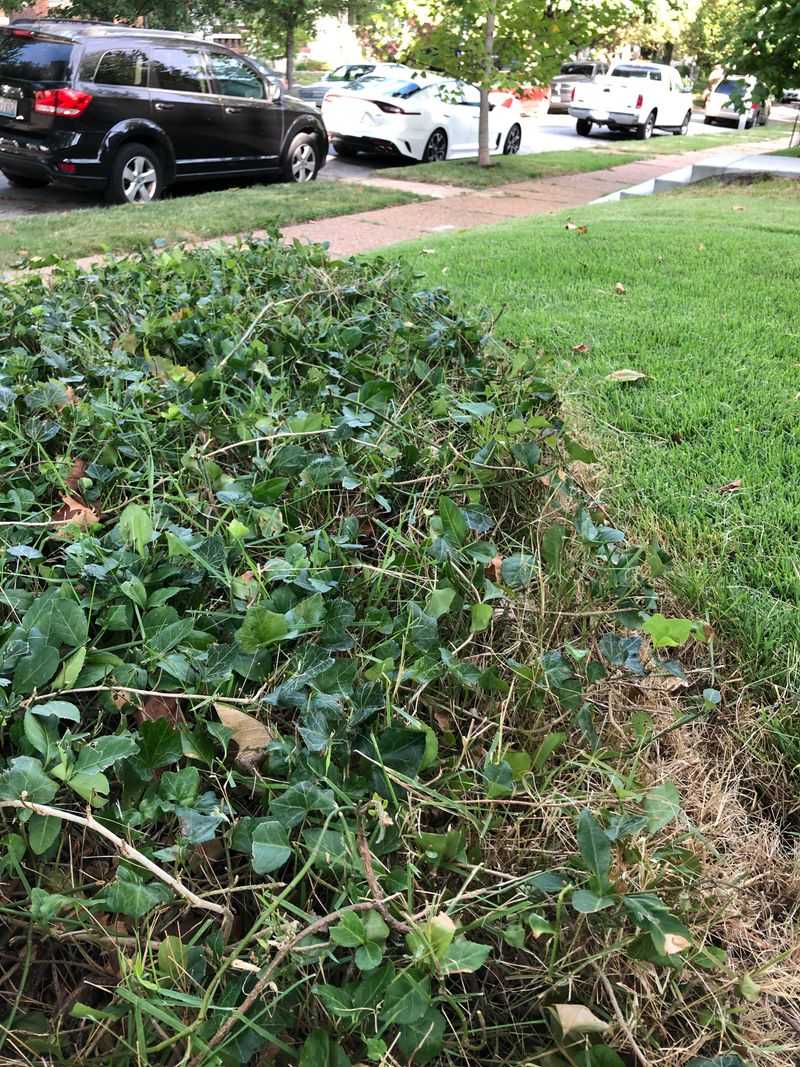
Walk through almost any older Oregon neighborhood and you’ll spot English ivy climbing fences, smothering shrubs, and blanketing the ground under trees. It’s been popular for decades because it looks lush and covers bare ground quickly.
But behind that pretty green carpet is a seriously aggressive plant with a talent for taking over.
English ivy spreads both along the ground and up into trees. When it climbs trees, it adds extra weight and blocks sunlight, which weakens the tree over time.
Oregon’s Department of Agriculture lists it as one of the most problematic invasive plants in the state.
Once it crosses into your neighbor’s yard, it’s extremely hard to remove. The vines root wherever they touch soil, creating a dense mat that smothers native plants underneath.
Birds also eat the berries and spread seeds into nearby natural areas.
Regularly cutting back ivy and removing any vines heading toward property lines is a smart habit. If you want a ground cover, consider Oregon-friendly native alternatives like wild ginger or low-growing ferns.
Your Oregon Garden Changes Every Week. Your Plan Should Too.
Gardening in Oregon changes quickly throughout the season. Every Friday you’ll receive a simple weekly plan showing exactly what to plant, prune, fertilize, harvest, and protect so you never miss the right timing.
These options give you beautiful coverage without the invasive headache that English ivy almost always brings along.
3. Mint
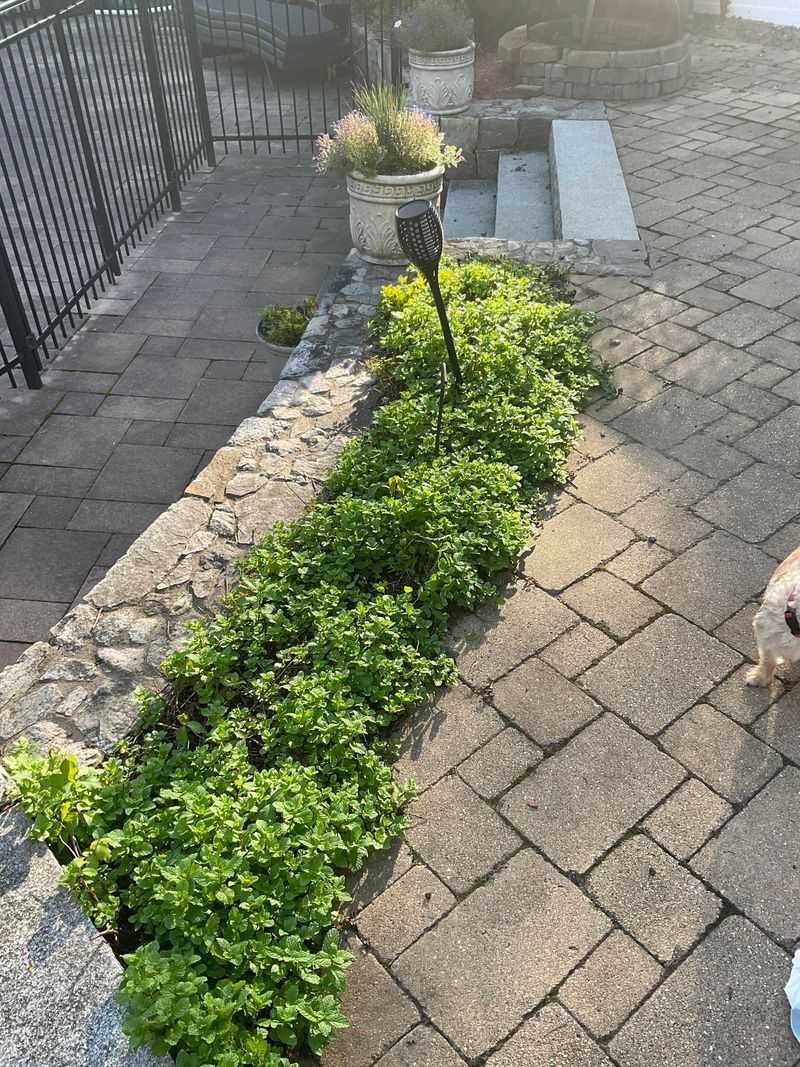
Mint smells amazing, tastes great in lemonade, and grows like it has something to prove. Seriously, this herb is one of the sneakiest spreaders in any Oregon garden.
Plant it directly in the ground and you’ll be pulling it out of places you never expected within just one growing season.
Mint travels through underground runners called stolons. These runners move in every direction, popping up new plants as they go.
Before long, mint can appear in your neighbor’s vegetable garden, their flower beds, and even through cracks in patios.
The tricky part is that mint is genuinely useful and fun to grow. Most Oregon gardeners don’t want to give it up entirely, and that’s totally fair.
The solution is simple: always grow mint in containers.
Planting mint in a buried pot or a raised container with no drainage holes touching the soil keeps it contained beautifully. You still get all the fresh mint you want for cooking and drinks without the plant going rogue.
Check containers regularly for any runners sneaking over the edges. A little attention goes a long way toward keeping mint a welcome guest rather than a garden bully in your Oregon backyard.
4. Lemon Balm
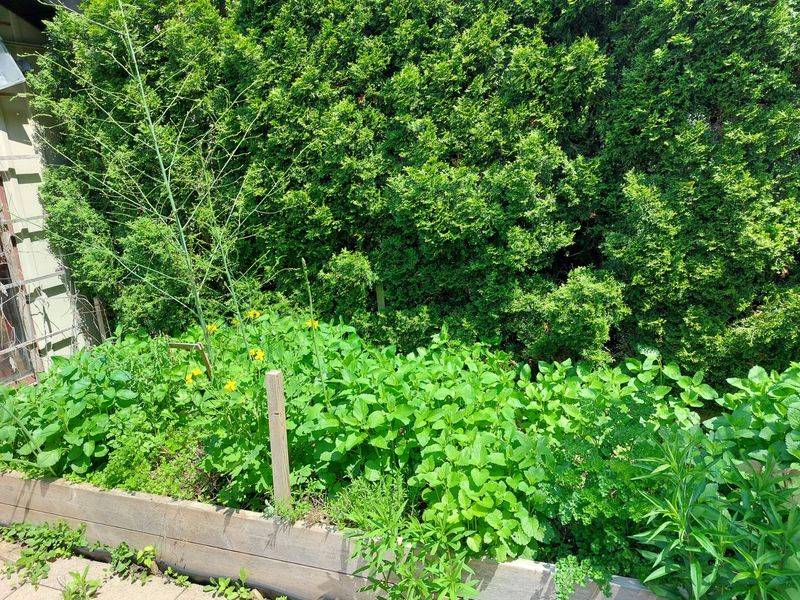
Lemon balm has a reputation as a gentle, calming herb, and in tea form, that’s absolutely true. In the garden, though, it’s anything but relaxed.
Left to its own devices in Oregon’s favorable growing conditions, lemon balm self-seeds aggressively and spreads into neighboring spaces with surprising speed.
Each plant produces hundreds of tiny seeds that scatter easily in the wind or when brushed against. Once those seeds find bare soil in a nearby yard, they germinate quickly and establish new clusters.
Within a couple of seasons, what started as one small plant can become a sprawling colony.
Lemon balm also regrows vigorously from root fragments left in the soil. Even partial removal can leave enough behind to restart the whole process.
Oregon gardeners who have dealt with established lemon balm know how stubborn it can be.
Cutting plants back before they flower and set seed is the best way to keep lemon balm from spreading. Deadheading regularly through the growing season makes a real difference.
Growing it in containers, just like mint, is another smart approach. With a bit of management, lemon balm stays a delightful herb garden addition without becoming a neighborhood nuisance that nobody asked for.
5. Himalayan Blackberries
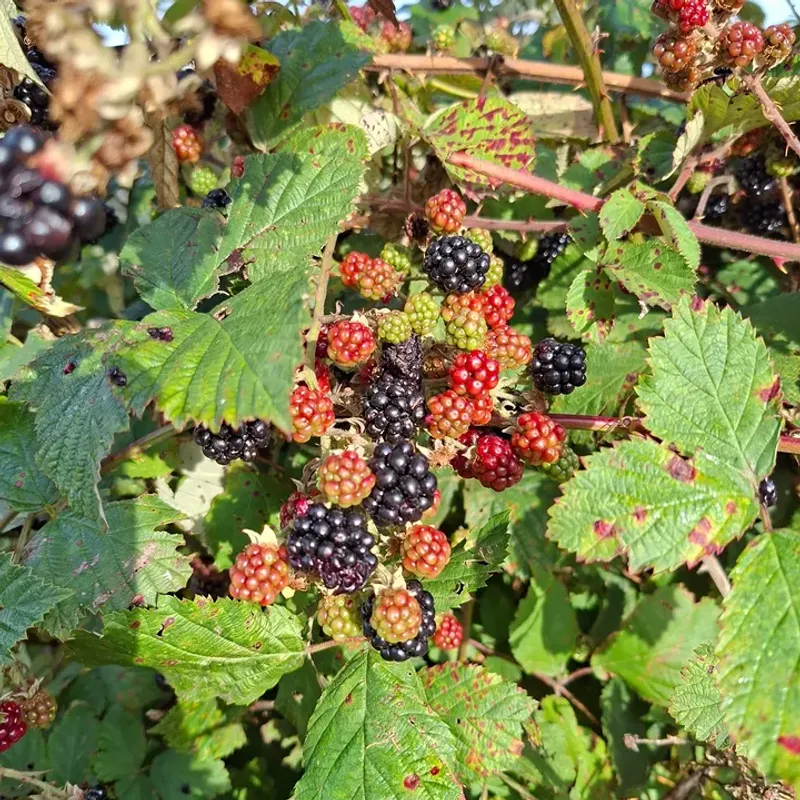
Oregon and blackberries have a complicated relationship. On one hand, wild blackberry picking is practically a summer tradition in the Pacific Northwest.
On the other hand, Himalayan blackberry is one of the most aggressively invasive plants in the entire state, and Oregon’s Department of Agriculture takes it very seriously.
Those long, arching canes grow fast and root wherever their tips touch the ground. A single plant can spread many feet in a single season.
The thick, thorny canes are tough to remove and can easily overwhelm neighboring yards, fences, and native vegetation in a hurry.
Birds love blackberry fruits and spread the seeds widely across Oregon’s landscapes. New plants sprout up far from the original source, making control an ongoing challenge for homeowners and land managers alike.
If you want to grow blackberries in Oregon, choose a thornless, cultivated variety and keep it trellised and trimmed. Regular pruning prevents canes from rooting into new spots.
Remove any wild Himalayan blackberry starts as soon as you spot them, before they establish deep roots. Your neighbors will genuinely appreciate the effort, and you’ll spend a lot less time wrestling with thorny canes on hot summer afternoons.
6. Wisteria
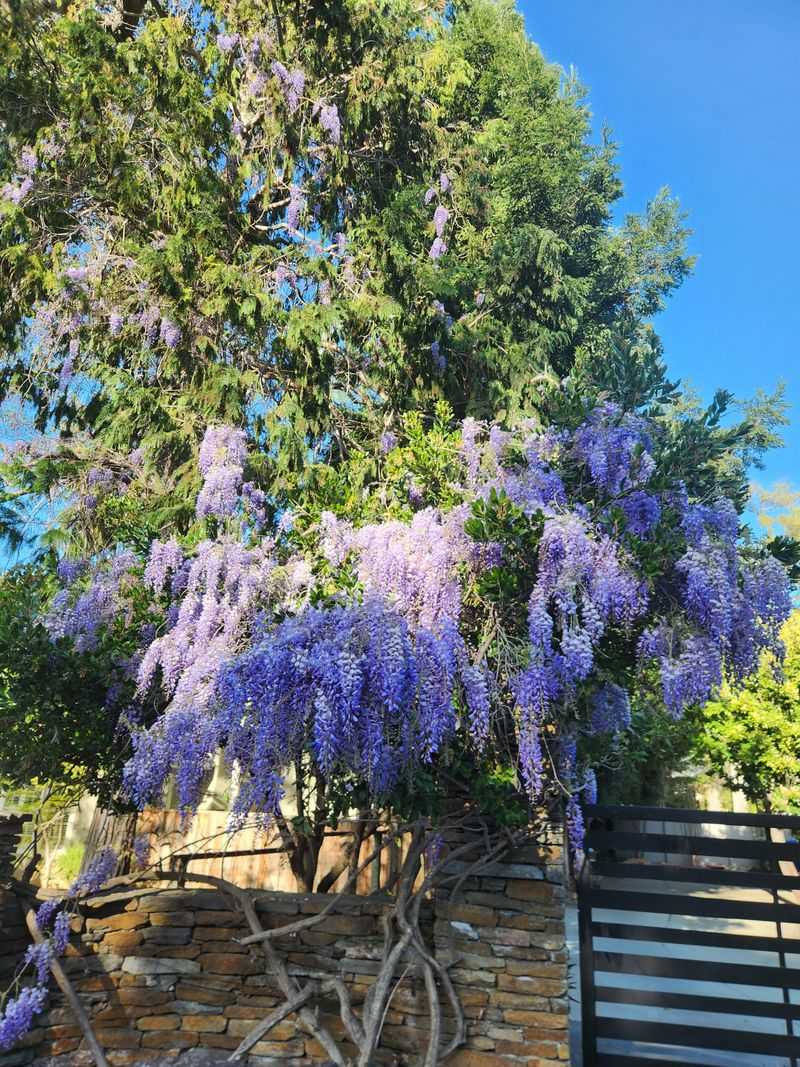
Wisteria in full bloom is genuinely one of the most spectacular sights in any garden. Those cascading purple or white flower clusters have inspired gardeners for generations.
But beneath that showstopping beauty is a plant with serious strength and a stubborn will to expand far beyond where you planted it.
Wisteria vines grow thick and woody over time. They can wrap around gutters, lift roof shingles, and pull apart wooden fences and trellises.
In Oregon’s mild climate, wisteria grows vigorously from early spring through fall, adding significant length each season.
When wisteria reaches a neighbor’s property, it doesn’t politely stop at the fence line. It climbs whatever it touches, including trees, structures, and utility lines.
Removing mature wisteria requires serious effort and often professional help.
Keeping wisteria under control means pruning it hard twice a year, once after flowering in spring and again in late summer. Cutting it back to just a few buds each time keeps growth manageable.
Some Oregon gardeners opt for the less aggressive native wisteria species, which offers beautiful blooms without the same overwhelming growth habit. Choosing the right variety from the start makes a big difference for you and your neighbors.
7. Morning Glory
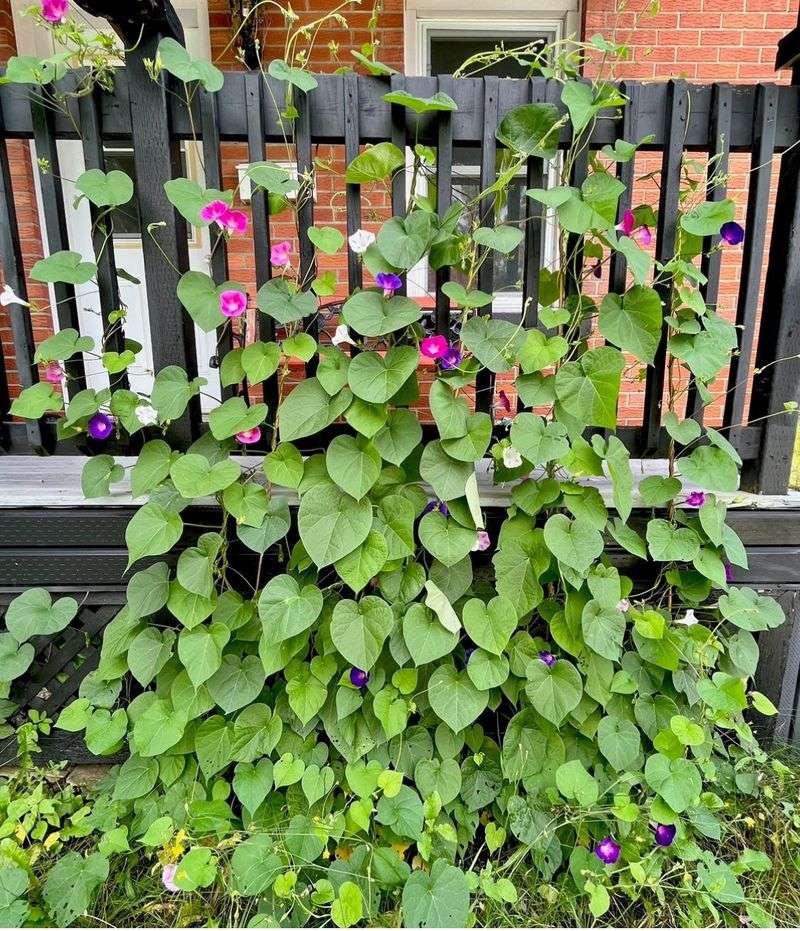
There’s something cheerful and nostalgic about morning glory’s bright, trumpet-shaped flowers opening up each morning. Many Oregon gardeners grow it on trellises and fences for a quick, colorful summer display.
The problem is that morning glory is a prolific self-seeder that doesn’t stay where you put it for long.
One plant can produce a large number of seeds before the season ends. Those seeds scatter across the yard and into neighboring spaces, sprouting the following spring in spots you never intended.
In warmer parts of Oregon, morning glory can even behave like a perennial, coming back year after year from root fragments.
The vines also twine tightly around other plants, potentially strangling smaller shrubs and garden flowers. Once morning glory wraps around something, it’s tedious to untangle without causing damage to the host plant underneath.
Deadheading spent flowers before seed pods form is the most effective way to manage morning glory. Removing seed pods promptly prevents the next generation from scattering across your yard and your neighbor’s.
Growing it in containers is another option that limits how far seeds can travel. Oregon gardeners who stay on top of seed management can enjoy morning glory’s beauty without turning it into a neighborhood problem.
8. Creeping Jenny
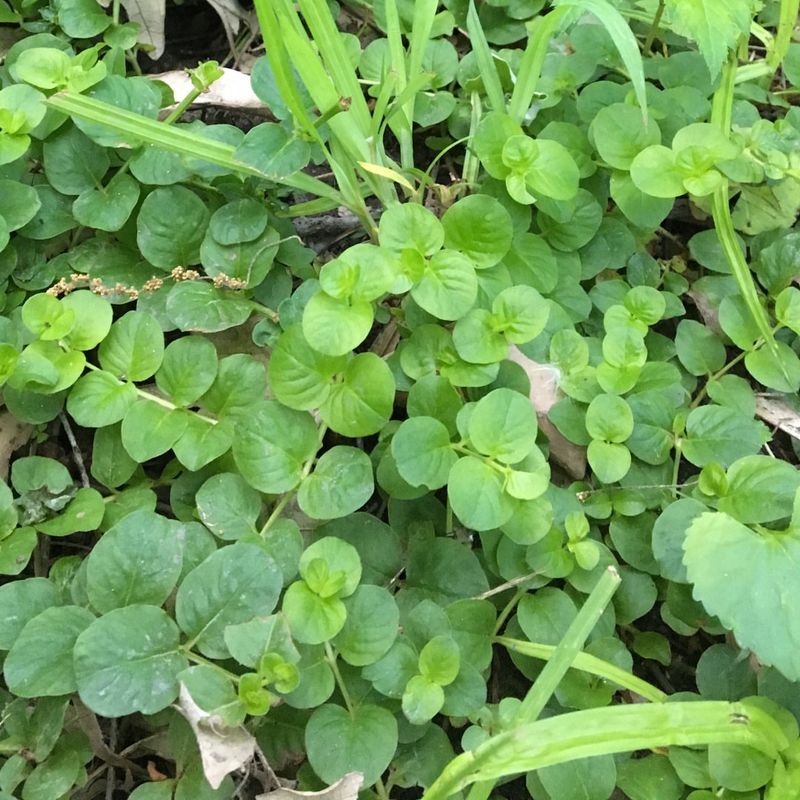
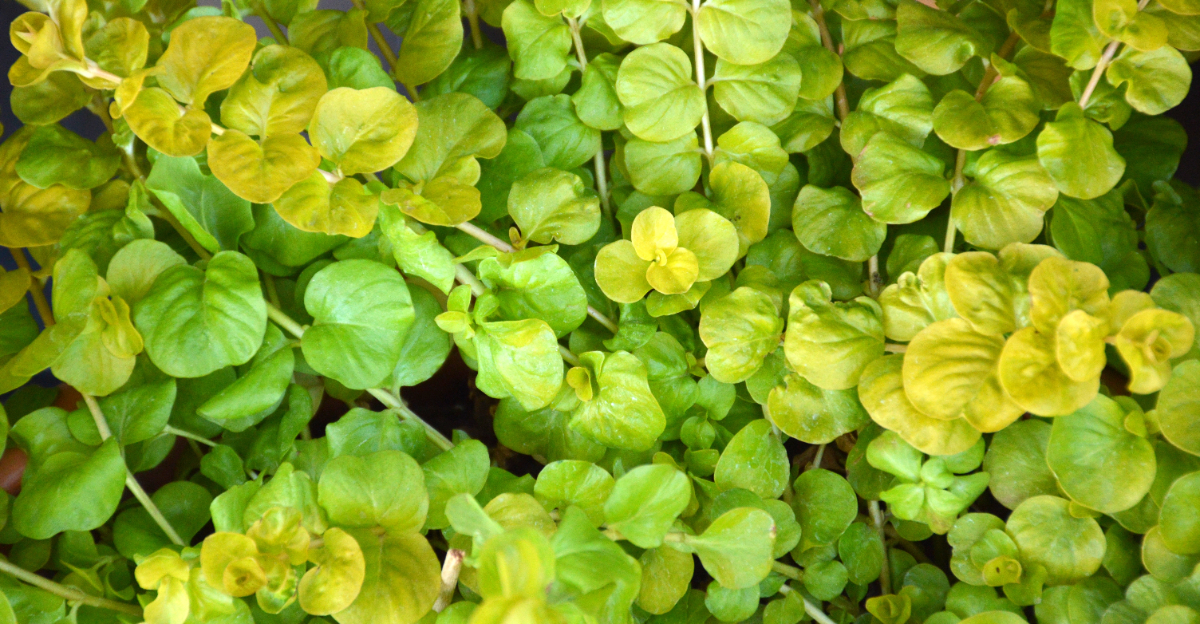
Creeping Jenny looks charming in hanging baskets and container gardens, with its bright yellow-green trailing stems and cheerful little leaves. Many Oregon gardeners use it as a ground cover because it fills in bare spaces quickly.
That fast-filling habit, though, is exactly what makes it a potential problem near property lines.
Once planted in the ground, Creeping Jenny spreads by runners that root easily wherever they contact soil. It moves low to the ground, slipping under fences and edging without much notice.
By the time you realize it’s in your neighbor’s yard, it may already be well established.
It thrives particularly well in Oregon’s cool, moist conditions, especially in shaded and partially shaded spots. Wet winters give it a strong head start before anyone notices how far it has traveled since the previous season.
Keeping Creeping Jenny contained is much easier when it’s grown in pots or raised planters rather than directly in garden beds. If you do plant it in the ground, install a solid edging barrier at least four inches deep around the planting area.
Check borders regularly and trim back any runners heading in the wrong direction. A little routine maintenance keeps this pretty plant from overstaying its welcome in your Oregon garden.
9. Horsetail
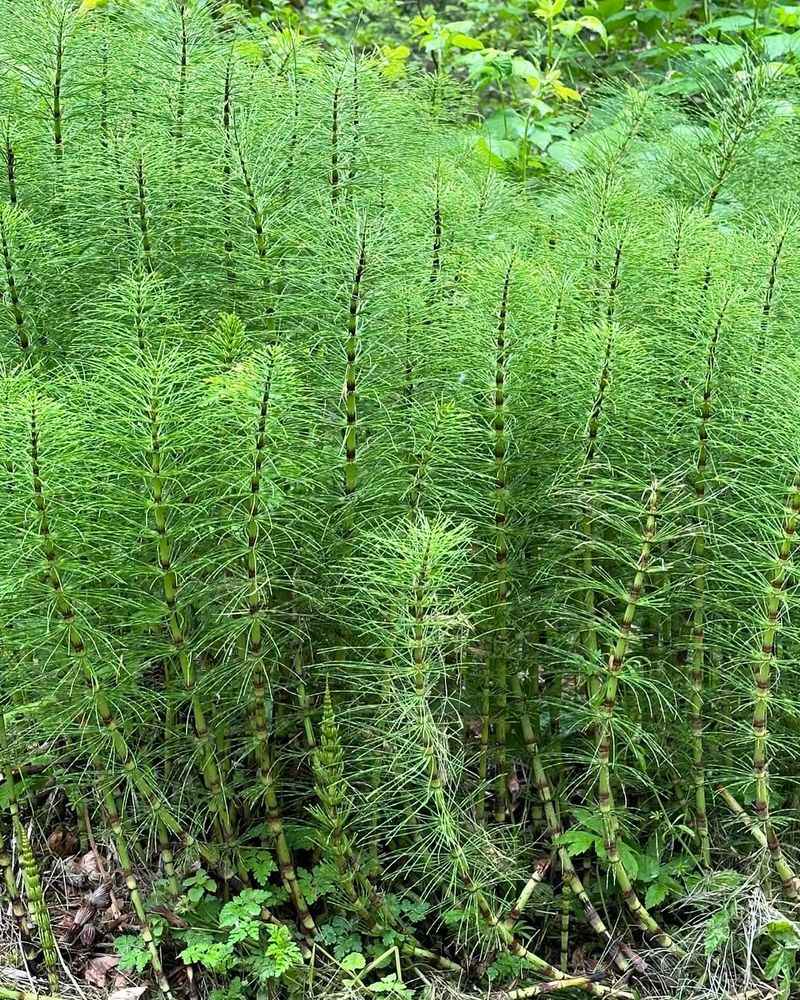
Horsetail is one of the oldest plant families on Earth, with relatives dating back hundreds of millions of years. That ancient toughness is part of what makes it such a challenge in modern Oregon gardens.
Once horsetail gets established, removing it is one of the most stubborn garden tasks you’ll ever face.
It spreads through deep, branching rhizomes that can reach several feet below the soil surface. Cutting or pulling the above-ground stems does very little because the roots remain fully intact underneath.
Even small root fragments left in the soil will regrow into new plants quickly.
Horsetail thrives in Oregon’s wet conditions and is especially common in low-lying or poorly drained areas. It moves steadily under fences and into neighboring properties, often appearing in a neighbor’s yard before the original gardener even realizes how far the roots have traveled.
Improving soil drainage can make an area less hospitable for horsetail over time. Persistent removal of new growth weakens the root system gradually, though it takes real commitment across multiple seasons.
Some Oregon gardeners use deep root barriers to prevent spread toward property lines. Being upfront with neighbors about horsetail in your yard is a kind and practical step that helps everyone manage the problem together.
10. Bishop’s Weed
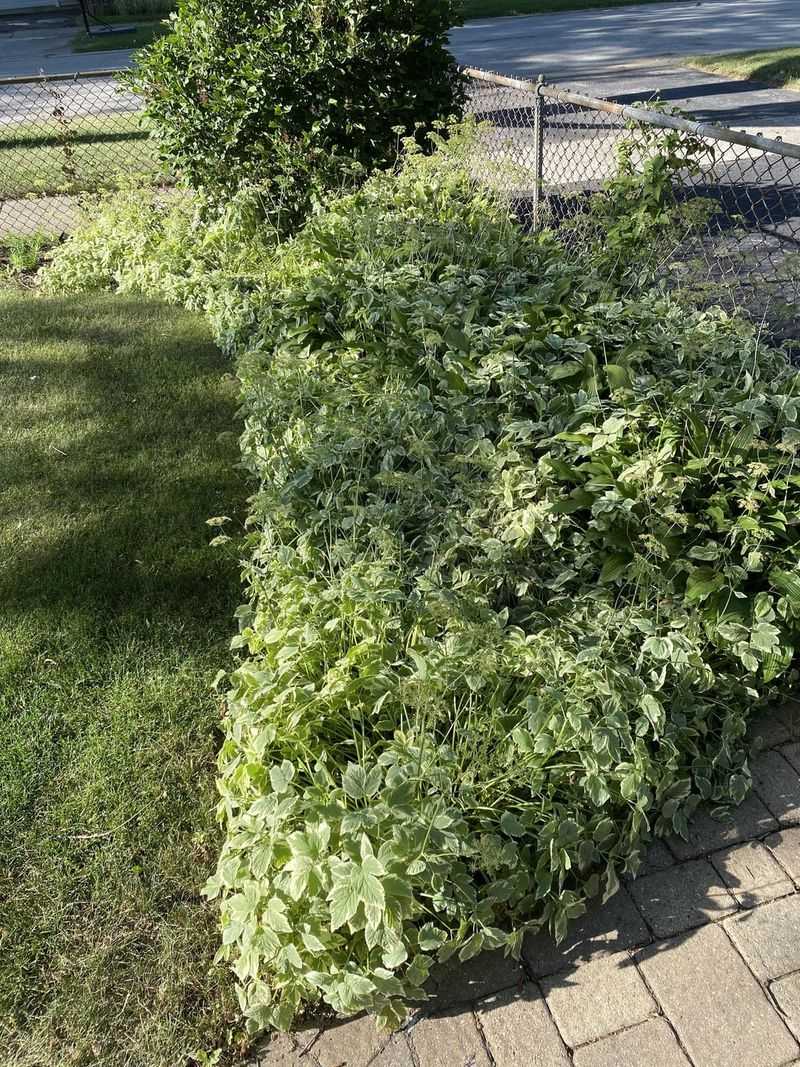
Bishop’s weed, also called goutweed, was once popular as a low-maintenance ground cover because it grows in deep shade where other plants struggle. Oregon gardeners have planted it under trees and along shaded fence lines for years.
Unfortunately, easy-growing and invasive often go hand in hand, and bishop’s weed proves that point very well.
It spreads through underground rhizomes and by seed, covering ground quickly and choking out native plants and garden flowers along the way. The variegated form is slightly less aggressive than the all-green type, but both versions can become serious problems if left unmanaged in Oregon’s moist climate.
Once bishop’s weed crosses into a neighbor’s yard, it’s genuinely hard to eradicate. The roots break apart easily during removal, and any small piece left behind will sprout a new plant.
Many Oregon homeowners have spent years fighting patches that started from just a few stray pieces.
Removing bishop’s weed from garden beds entirely is the safest long-term approach. If you want to keep it, grow it only in containers that are checked regularly for escaping roots.
Planting native shade-tolerant ground covers like Oregon oxalis or foam flower gives you beautiful, low-maintenance alternatives that won’t cause trouble across the property line.