These Plants Help Oregon Gardeners Hide Ugly Fences Fast
Every Oregon garden has that one fence. You know the one. Maybe it’s weathered wood that’s seen better days, a chain link situation that somehow made it to 2026, or a neighbor’s side that could generously be described as “eclectic.”
Whatever the case, staring at an ugly fence season after season is nobody’s idea of a good time, especially when the rest of your garden is looking absolutely gorgeous. The fastest and most satisfying fix isn’t a fresh coat of paint or an expensive replacement.
It’s plants. The right plants can take an eyesore fence from embarrassing to envy-worthy in a single growing season, and Oregon’s lush climate makes it almost unfairly easy to pull off.
Between the reliable rainfall, mild temperatures, and long growing windows, things climb, spread, and fill in incredibly fast here. You just need to know which plants are actually built for the job.
1. Clematis
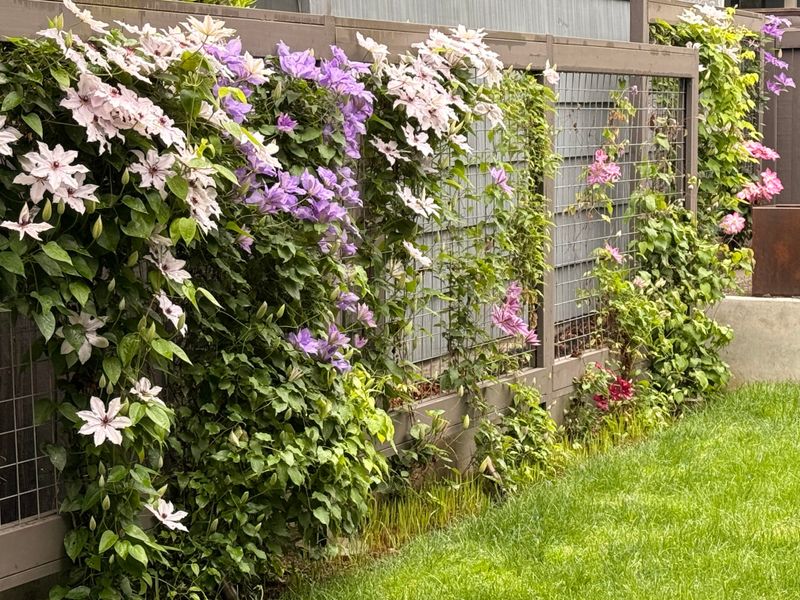
Few plants put on a show quite like clematis. This vine is a superstar in Oregon gardens because it loves the mild, moist climate of the Pacific Northwest.
It grabs onto fences fast and can grow several feet in a single season.
Clematis comes in dozens of colors, from deep purple to soft pink to bright white. You can pick one variety or mix several for a rainbow effect along your fence line.
Most types bloom in spring or summer, and some even bloom twice a year.
Planting clematis is simple. Give it a sunny spot with well-drained soil.
Water it regularly during dry summers, especially in inland Oregon areas. Mulch the base to keep roots cool, since clematis likes its feet in the shade and its head in the sun.
Pruning is the trickiest part, but once you learn your variety’s pruning group, it gets easy fast. With a little care, clematis will reward you with years of gorgeous blooms.
It is one of the most reliable fence-covering plants available to Oregon gardeners.
2. Honeysuckle
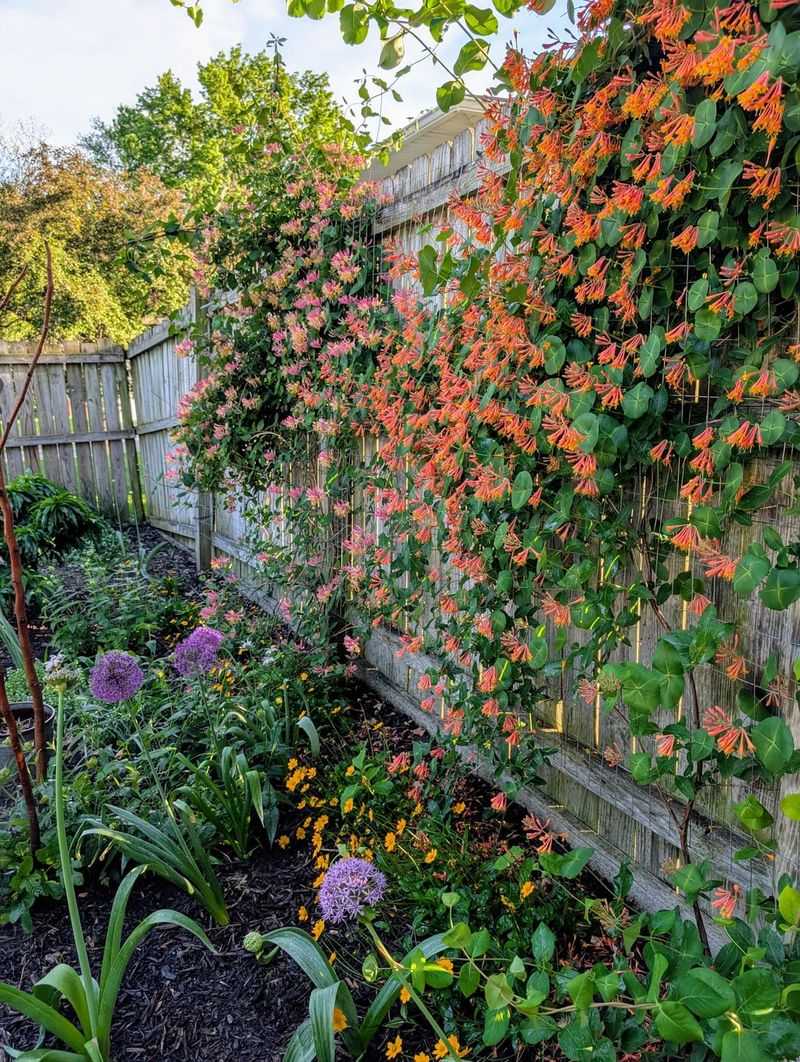
Sweet, fast-growing, and loved by hummingbirds, honeysuckle is a classic choice for hiding fences in Oregon. The vine twists and climbs eagerly, filling in gaps along chain-link and wooden fences with thick, leafy growth.
It can cover a large stretch of fence in just one or two growing seasons.
The flowers are tubular and come in shades of red, orange, yellow, and cream. They smell amazing, especially in the evening.
Oregon’s mild summers keep honeysuckle blooming for months, giving you long-lasting color and fragrance all at once.
Plant honeysuckle in full sun to partial shade. It is not picky about soil, which makes it easy for beginner gardeners.
Regular watering during the first year helps it establish strong roots. After that, it is surprisingly tough and low-maintenance.
One thing to watch: some honeysuckle species can spread aggressively in Oregon. Stick with native or non-invasive varieties like coral honeysuckle to keep things manageable.
With the right choice, you will have a fence covered in color, scent, and wildlife activity all summer long. It is a win for your yard and the local ecosystem.
Your Oregon Garden Changes Every Week. Your Plan Should Too.
Gardening in Oregon changes quickly throughout the season. Every Friday you’ll receive a simple weekly plan showing exactly what to plant, prune, fertilize, harvest, and protect so you never miss the right timing.
3. Climbing Hydrangea
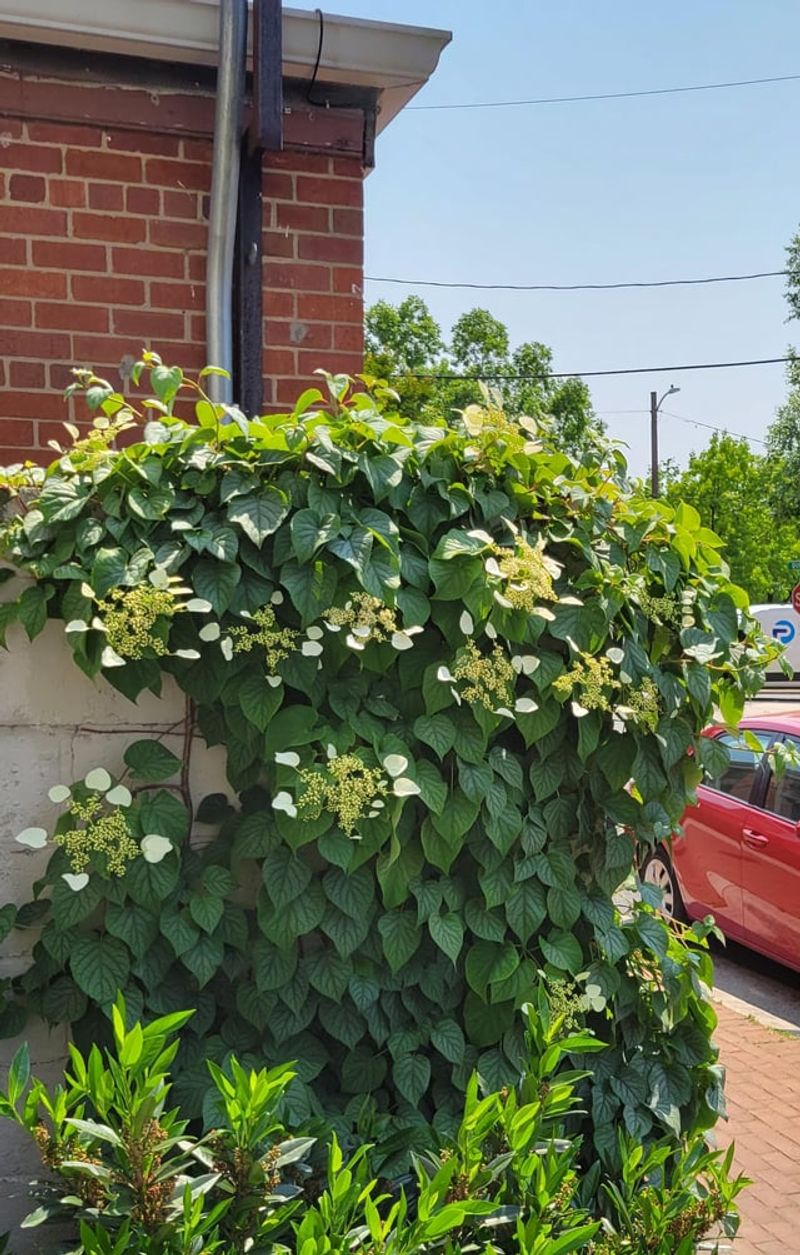
Shaded fence? No problem.
Climbing hydrangea is one of the few vigorous climbers that actually thrives in low-light spots, making it a favorite in Oregon’s forested neighborhoods and north-facing yards. It clings to surfaces using tiny aerial roots, so it needs no extra support to climb.
The flowers are stunning. Large, flat clusters of white blooms appear in early summer and last for weeks.
Even after the flowers fade, the peeling, cinnamon-colored bark adds winter interest. This plant looks good all year long, not just when it is blooming.
Climbing hydrangea is slow to get started. The first couple of years, it mostly builds its root system and does not climb much.
But by year three or four, it takes off with serious energy. Oregon gardeners who are patient are always rewarded handsomely.
Plant it in rich, moist soil with good drainage. It does best on the wetter side of Oregon, like the Willamette Valley or the coast.
Water it consistently during dry spells. Once established, it is a long-lived, low-maintenance plant that will cover your fence for decades.
Few plants offer this kind of staying power.
4. Evergreen Huckleberry
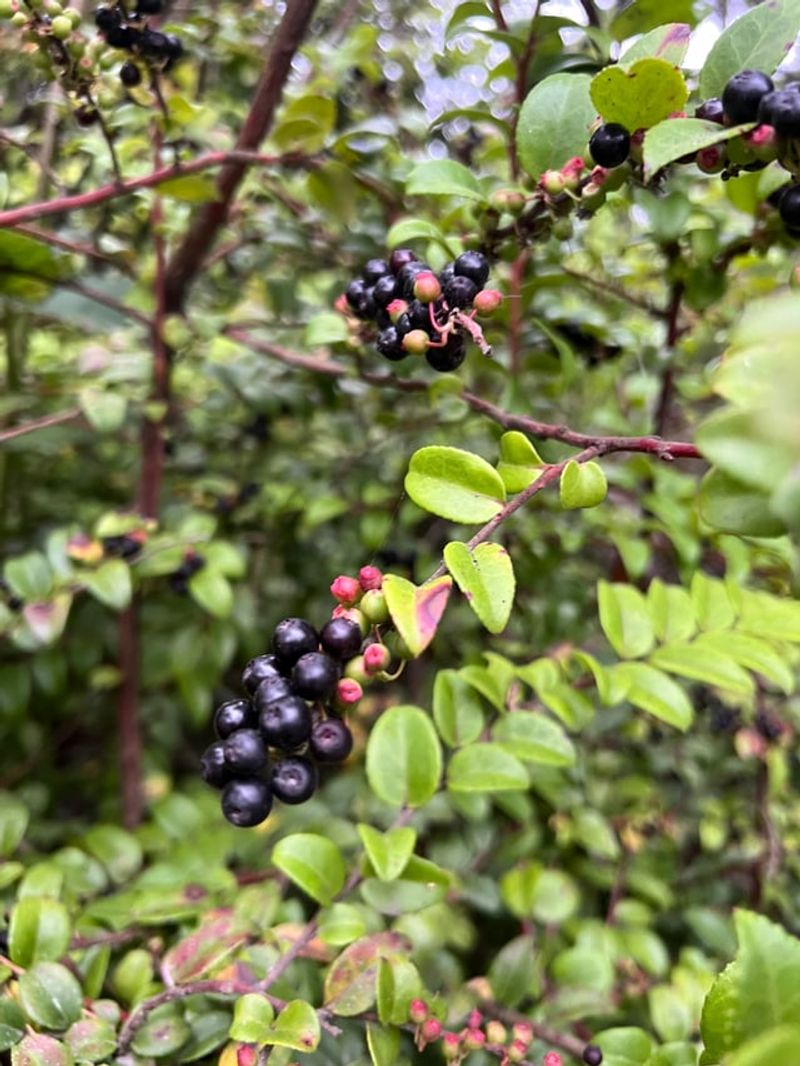
Oregon’s own native evergreen huckleberry is a shrub that does double duty: it hides your fence and feeds local wildlife at the same time. Growing naturally along the Oregon coast and in shaded inland forests, this plant is perfectly adapted to the Pacific Northwest climate.
It stays green all year, which means your fence stays hidden even in winter.
The leaves are small, glossy, and deep green. In spring, tiny pink bell-shaped flowers appear, followed by dark purple berries in late summer.
Those berries are edible and absolutely delicious, tasting like a wild blueberry with extra punch. Birds go crazy for them too.
Evergreen huckleberry grows slowly but steadily, eventually reaching six to eight feet tall. Plant it along your fence line in partial to full shade with acidic, well-drained soil.
It thrives without much fuss once established, making it ideal for low-maintenance Oregon gardens.
Because it is a native plant, it supports local pollinators and songbirds far better than many exotic options. If you want a fence screen that feels natural, looks beautiful, and gives back to the Oregon ecosystem, this shrub belongs at the top of your planting list.
5. Star Jasmine
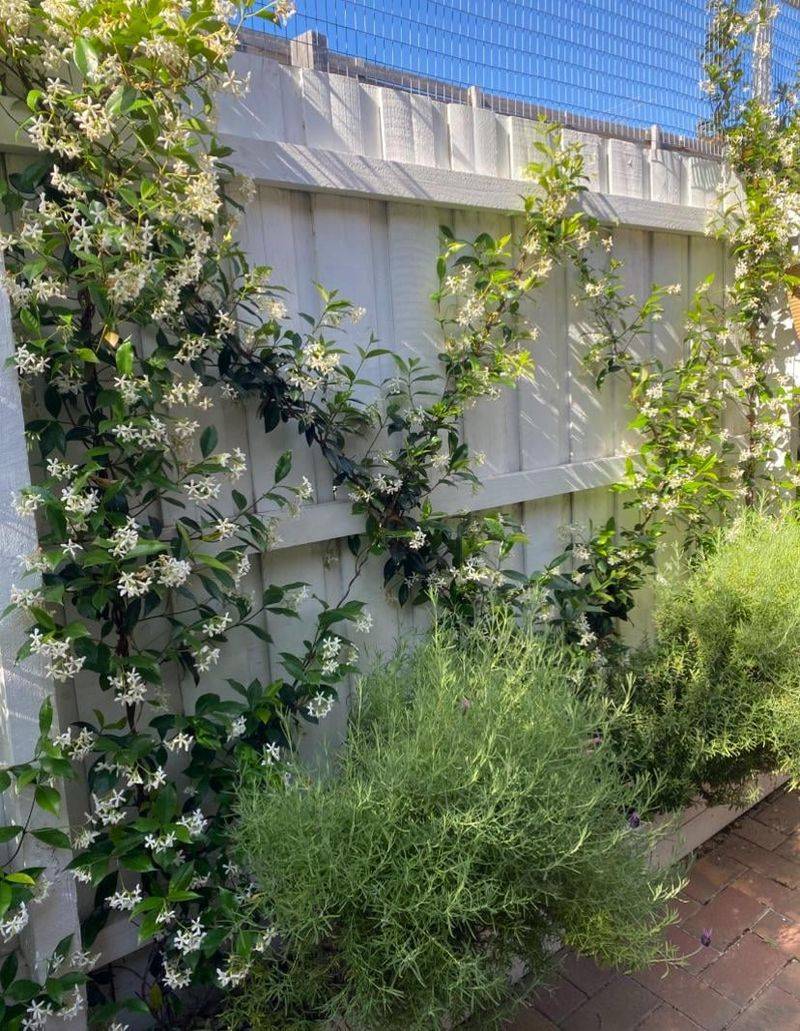
Close your eyes and imagine the sweetest scent drifting through your backyard on a warm summer evening. That is what star jasmine brings to your Oregon fence line.
This evergreen vine produces masses of small, pinwheel-shaped white flowers that smell absolutely incredible. It is one of those plants that makes neighbors stop and ask what is growing on your fence.
Star jasmine is not a true jasmine, but it earns the name with its fragrance. It grows at a moderate pace, twining its way up fences, trellises, and walls with glossy, dark green leaves that stay attractive year-round.
In Oregon’s warmer zones, like the southern Willamette Valley and Rogue Valley, it performs especially well.
It prefers full sun to partial shade and well-drained soil. Water it during the dry summer months, and give it a light trim after flowering to keep it tidy.
Star jasmine is more cold-sensitive than some other options, so in northern Oregon, plant it against a south-facing fence for extra warmth.
Over time, it creates a thick, lush wall of green dotted with white flowers every spring and summer. Few vines offer this combination of beauty, fragrance, and year-round coverage for Oregon gardens.
6. Pacific Wax Myrtle
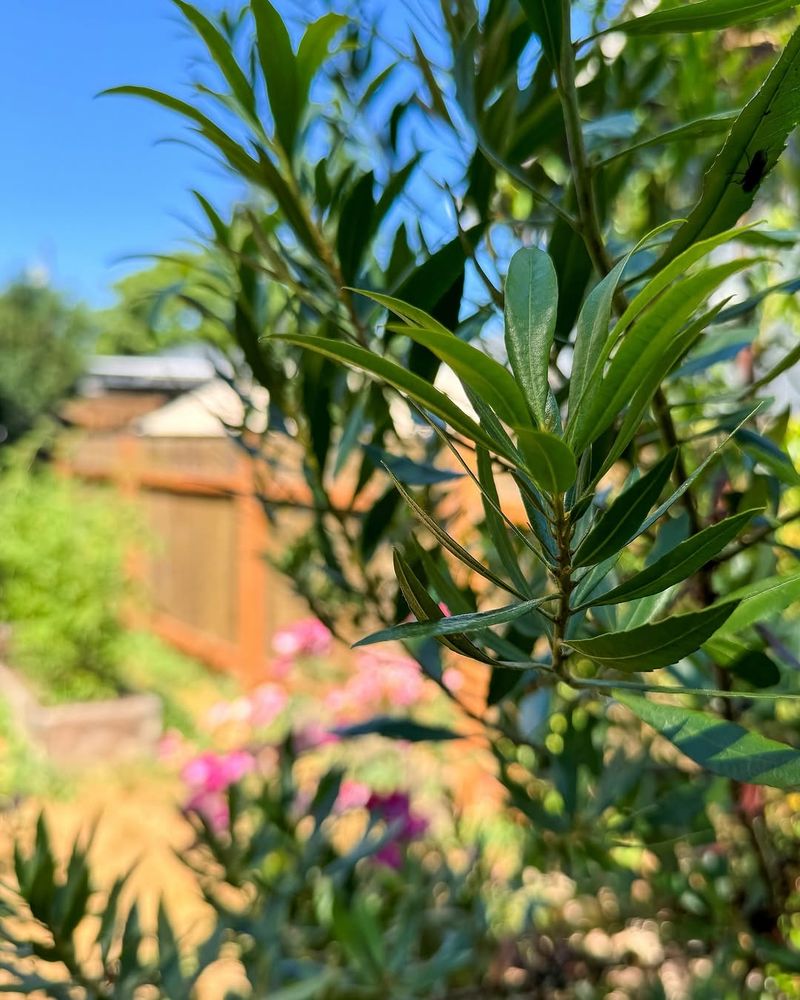
Built tough and ready for Oregon’s wild coastal weather, Pacific wax myrtle is a native evergreen shrub that grows fast and screens fences like a champ. It can reach fifteen feet or more, creating a tall, dense wall of fragrant, waxy green leaves.
Coastal Oregon gardeners especially love it because it handles wind, salt spray, and heavy rain without complaint.
The leaves have a pleasant, spicy aroma when crushed. Small blue-gray berries appear in fall and attract birds throughout the winter.
Because it is native to Oregon, it fits naturally into the local landscape and supports native wildlife better than most imported plants.
Pacific wax myrtle grows in sun or partial shade and tolerates a wide range of soils, including wet and poorly drained spots where other plants struggle. This makes it incredibly useful in Oregon’s rainy western regions.
Plant several in a row for a fast-growing privacy hedge that doubles as a fence cover.
It can also be pruned and shaped to stay smaller if your space is limited. With minimal care, Pacific wax myrtle delivers year-round coverage, wildlife value, and that distinctly Pacific Northwest feel that makes Oregon gardens so special.
It is a powerhouse plant in every sense.
7. Hardy Fuchsia
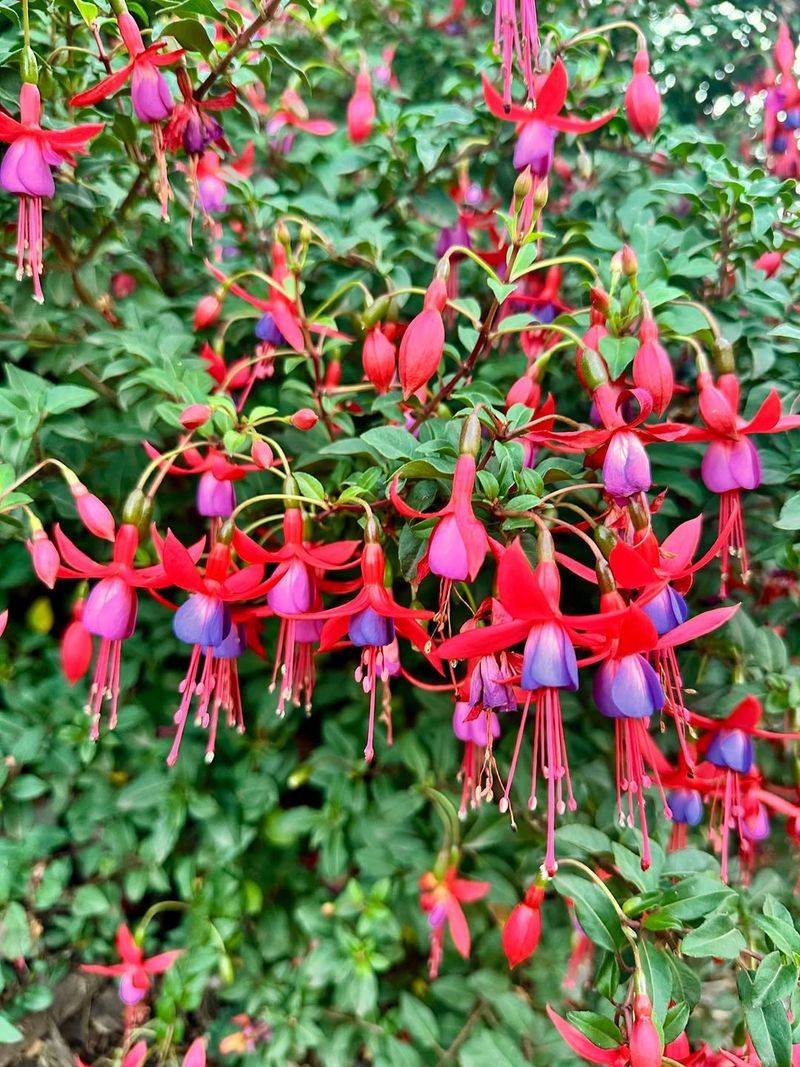
There is nothing quite as eye-catching as a hardy fuchsia in full bloom. Those dangling, two-toned flowers in shades of red, pink, and purple look almost tropical, yet this plant handles Oregon winters with ease.
It is one of the most reliable flowering shrubs for covering fences in the Pacific Northwest.
Hardy fuchsia grows quickly into a rounded, arching shrub that can reach four to six feet tall and wide. Planted along a fence, it creates a soft, colorful curtain of foliage and flowers from early summer all the way through fall.
Hummingbirds are absolutely obsessed with the blooms, so expect plenty of feathered visitors.
It thrives in partial shade, making it perfect for those tricky fence spots that do not get much direct sun. Oregon’s mild, rainy winters suit it well, though it may die back to the ground in colder areas.
No worries though, it bounces back vigorously each spring.
Plant hardy fuchsia in moist, well-drained soil and water regularly during summer dry spells. Cut it back in early spring to encourage fresh, full growth.
With very little effort, this plant delivers months of spectacular color and turns even the ugliest fence into a garden highlight.
8. Tall Oregon Grape
Oregon grape is literally named after this state, and for good reason. It is one of the toughest, most adaptable native plants in the Pacific Northwest.
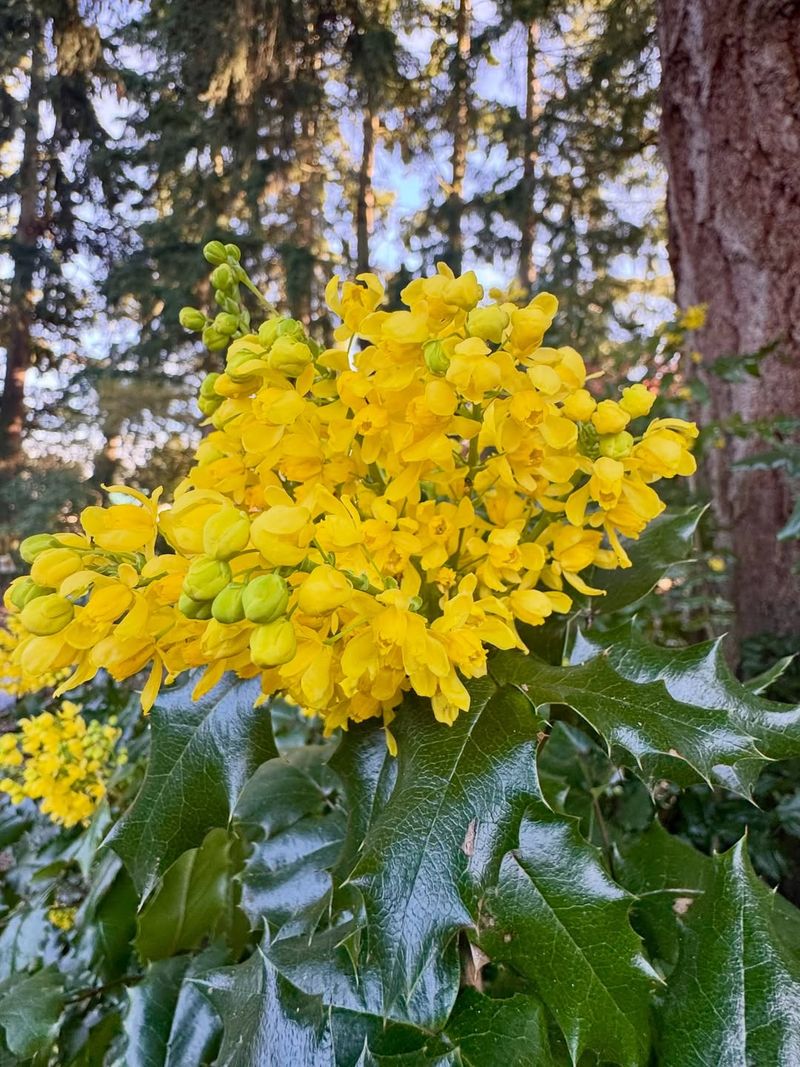
The tall variety, Mahonia aquifolium, grows upright and bold, reaching six feet or more, making it an excellent choice for hiding fences with year-round structure and interest.
The leaves look like holly, dark green and spiky, turning beautiful shades of red and bronze in winter. Bright yellow flowers bloom in early spring, filling the air with a light fragrance.
By late summer, clusters of blue-purple berries appear. Those berries attract birds and can even be used to make jelly.
Tall Oregon grape handles shade beautifully, which makes it perfect for north-facing fences or spots under tree canopies. It also tolerates drought once established, a real bonus during Oregon’s dry summers.
Plant it in well-drained soil and let it do its thing with very little intervention.
Because it is a native plant, tall Oregon grape supports native bees, birds, and other wildlife throughout the year. It is low-maintenance, long-lived, and deeply connected to the identity of Oregon’s natural landscape.
If you want a plant that truly belongs here, this is it.
9. Espalier Apple Trees
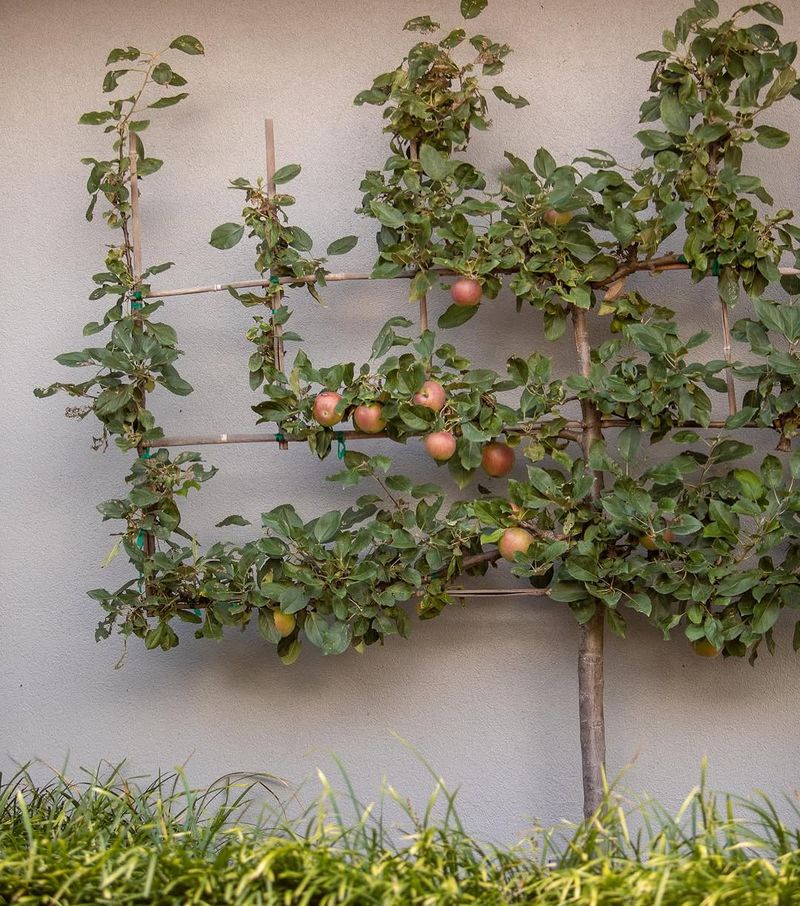
Turning a fence into a fruit-producing work of art sounds ambitious, but espalier apple trees make it completely doable. Espalier is the technique of training a tree to grow flat against a wall or fence in a structured, decorative pattern.
The result looks stunning and actually produces real, edible apples right off your fence.
Oregon’s climate is fantastic for apple growing, especially in the Willamette Valley and Hood River regions. Apple varieties like Honeycrisp, Fuji, and Gravenstein do beautifully when trained as espalier along a sunny south-facing fence.
You get beautiful spring blossoms, summer foliage coverage, and fall fruit all from the same fence.
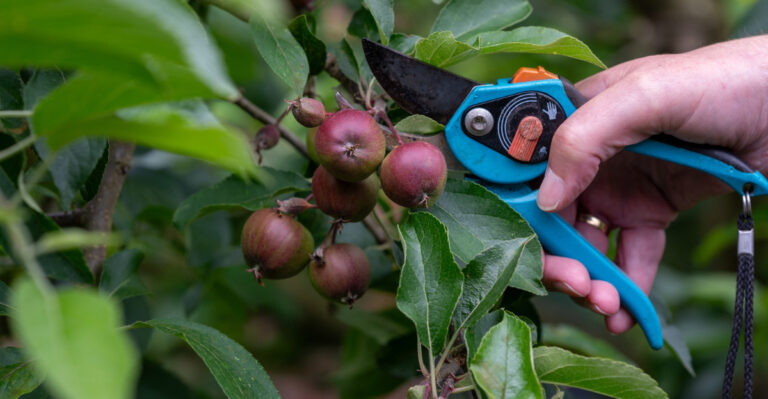
The technique requires some patience and regular pruning, but it is not as hard as it sounds. Start with a young, flexible tree.
Use horizontal wires attached to your fence to guide the branches into place. Prune each winter to maintain the shape and encourage fruit production.
Over three to five years, the tree fills out into a living fence covering.
Beyond the practical benefits, an espalier apple tree is a genuine conversation starter. Guests always want to know how you did it.
Oregon gardeners who try this technique almost never go back to boring fence solutions again. It is functional, beautiful, and deeply satisfying.