A Practical Guide To Using Baking Soda In Your North Carolina Garden
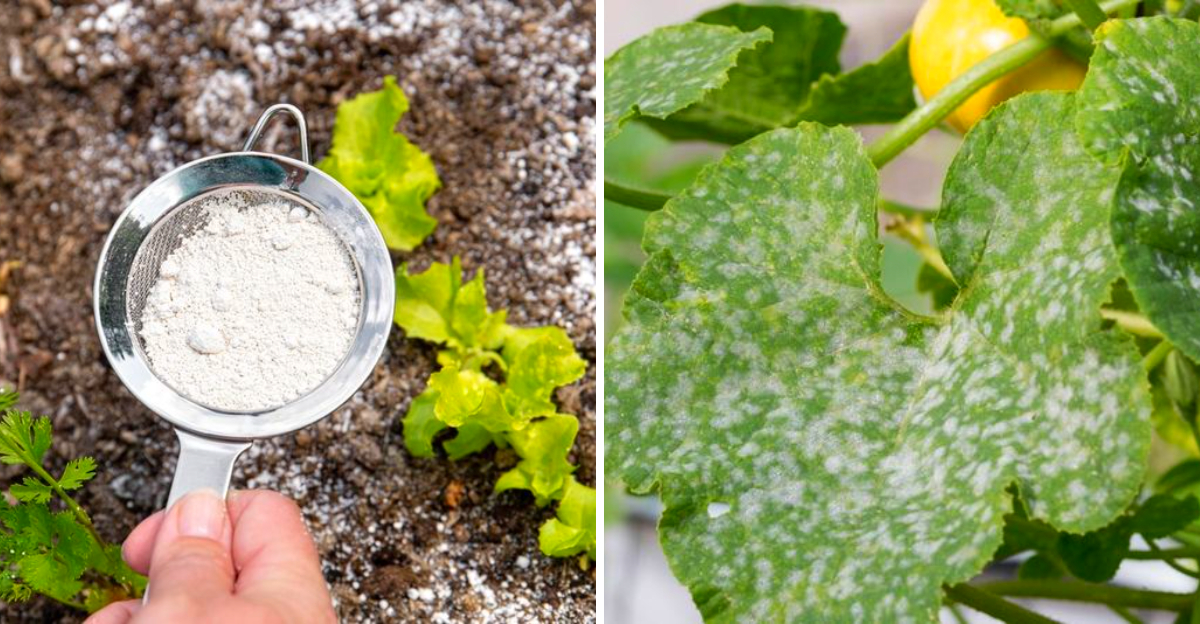
If you garden in North Carolina, chances are you have heard the old baking soda tip at least once. Maybe twice.
Maybe from a neighbor who swears it fixes everything short of a broken wheelbarrow. It sounds wonderfully simple: grab a box from the pantry, mix up a quick spray, and head out to rescue your roses or squash.
In a state where warm, humid weather can make fungal problems show up fast, that kind of easy solution is hard to ignore. The catch is that baking soda is not magic dust for the garden.
It does have a few practical uses, but it also has limits, and those limits matter quite a bit in North Carolina gardens. Used the right way, it may help in certain situations.
Used carelessly, it can add one more problem to the pile. A little know-how goes a long way here, and your plants will likely appreciate the restraint.
1. Baking Soda Has A Place In North Carolina Gardens
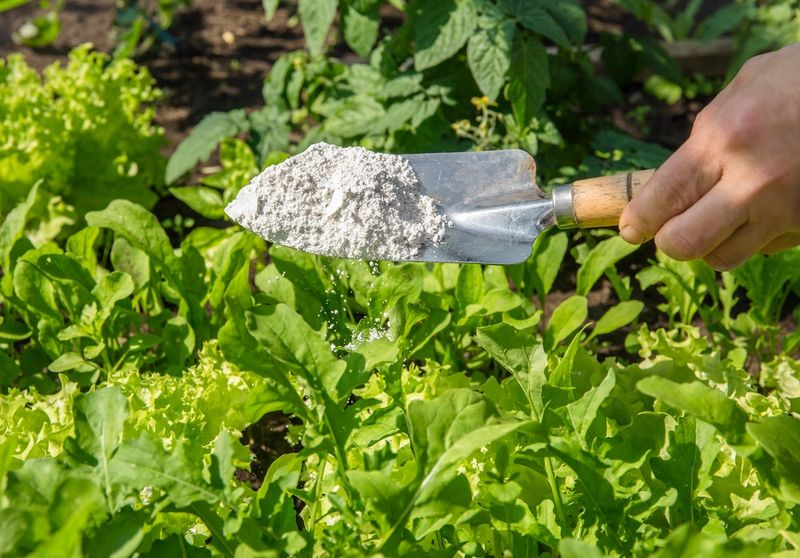
Pantry remedies have been passed around in gardening circles for generations, and baking soda is one of the most talked-about. Gardeners across North Carolina have used it in vegetable plots, flower beds, and rose gardens with mixed results.
Understanding why it gets so much attention helps you figure out whether it belongs in your own garden routine.
Baking soda, or sodium bicarbonate, is mildly alkaline. When applied to plant surfaces, it can raise the pH of the leaf surface slightly, which may make conditions less favorable for certain fungal spores.
Some university research suggests it has limited antifungal activity, particularly against powdery mildew. However, the results vary quite a bit depending on plant type, disease pressure, weather, and spray concentration.
North Carolina’s climate adds some complexity here. The state’s hot, humid summers and unpredictable rainfall create heavy fungal pressure, especially in eastern and Piedmont regions.
A light baking soda spray might offer some support during early disease stages, but it tends to fall short when conditions are persistently wet or when infections are already established.
Thinking of it as a mild, preventive option rather than a treatment works better than expecting dramatic results.
Used thoughtfully alongside good cultural practices like proper spacing, sanitation, and careful watering, baking soda can be one small part of a broader plant care approach in North Carolina gardens.
2. Why North Carolina Gardeners Should Test Their Soil First
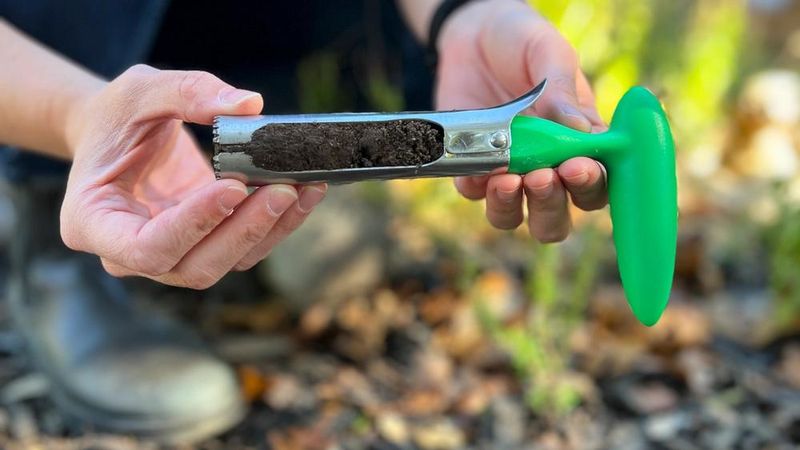
Soil testing might seem unrelated to baking soda, but it is actually one of the most important steps before using it in your garden. Baking soda is alkaline, and repeated use can gradually shift soil pH upward.
In North Carolina, where many native soils already lean acidic, that might sound like a benefit at first glance.
However, most vegetables and ornamentals prefer a slightly acidic to neutral pH range, and pushing it too high can lock out nutrients like iron, manganese, and phosphorus.
Affordable soil testing is available through the North Carolina Department of Agriculture and Consumer Services. A basic test tells you your current pH, nutrient levels, and what amendments your soil actually needs.
Your North Carolina Garden Changes Every Week. Your Plan Should Too.
Gardening in North Carolina changes quickly throughout the season. Every Friday you’ll receive a simple weekly plan showing exactly what to plant, prune, fertilize, harvest, and protect so you never miss the right timing.
Many North Carolina gardeners are surprised to find their soil is already well within the right range, which means adding baking soda directly to the ground could do more harm than good over time.
Repeated spraying of baking soda solutions near the soil line or on the ground surface can cause sodium to build up over time. High sodium levels can affect soil structure and make it harder for roots to absorb water.
Testing your soil before experimenting with baking soda gives you a clear starting point and helps you avoid unintended consequences.
It takes only a few weeks to get results back, and the information you receive can genuinely shape smarter gardening decisions for the entire season.
3. How To Mix A Baking Soda Spray For Garden Plants
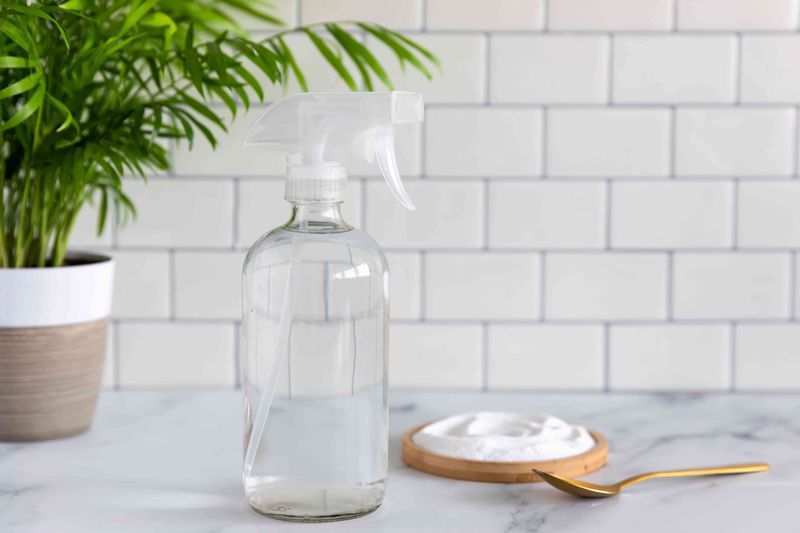
Getting the concentration right matters more than most gardeners realize. A spray that is too strong can scorch leaves, especially during hot North Carolina summers when temperatures climb into the upper 80s and 90s.
A spray that is too weak may offer little to no benefit at all. Most horticultural guidance suggests using about one teaspoon of baking soda per quart of water as a starting point.
Many recipes also include a small amount of horticultural oil or a few drops of liquid dish soap to help the solution stick to leaf surfaces. Without something to help it adhere, the spray tends to bead up and run off quickly, reducing its effectiveness.
A light horticultural oil works well for this purpose and adds some additional antifungal benefit on its own. Be cautious with soap concentration since too much can cause leaf burn, particularly in full sun.
Mix your spray fresh each time you use it rather than storing it for later. Older mixed solutions can lose effectiveness and may separate unevenly.
Always spray in the early morning or late afternoon to reduce the risk of leaf scorch from sunlight hitting wet foliage. Test the spray on a small section of leaves first and wait a day or two to check for any signs of stress before applying it more broadly.
North Carolina’s intense summer sun makes this test step especially worth the extra caution.
4. Managing Powdery Mildew In North Carolina Gardens
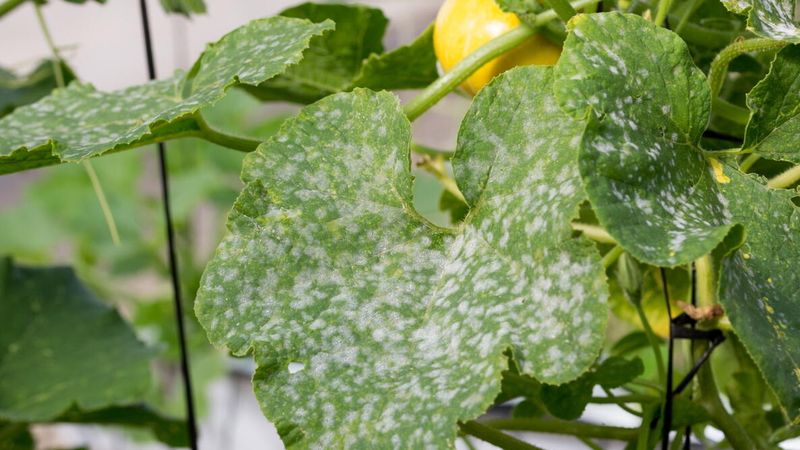
White, dusty-looking patches spreading across squash, cucumber, or zinnia leaves are a familiar sight in North Carolina gardens come midsummer.
Powdery mildew is one of the most common fungal problems home gardeners encounter, and unlike many other fungal diseases, it tends to thrive in warm, dry conditions with high humidity at night rather than during wet spells alone.
That pattern fits North Carolina summers quite well.
Baking soda has been studied as a potential option for managing powdery mildew, and some research does support limited effectiveness when used early in the disease cycle.
Applying a diluted spray before symptoms become widespread gives it the best chance of offering some benefit.
Once the infection has spread across most of the leaf surface, a baking soda spray is unlikely to reverse the damage or significantly slow the spread.
Good cultural practices remain the foundation of powdery mildew management in North Carolina.
Choosing resistant varieties of squash, cucumbers, and ornamentals, improving airflow through proper plant spacing, and avoiding overhead watering in the evening all reduce disease pressure meaningfully.
Removing heavily infected leaves and disposing of them away from the garden helps prevent spores from spreading further.
Baking soda can be a reasonable supplemental step in mild cases, but relying on it alone during a heavy powdery mildew season in North Carolina’s humid climate is likely to leave gardeners disappointed with the outcome.
5. Baking Soda And Black Spot On Roses
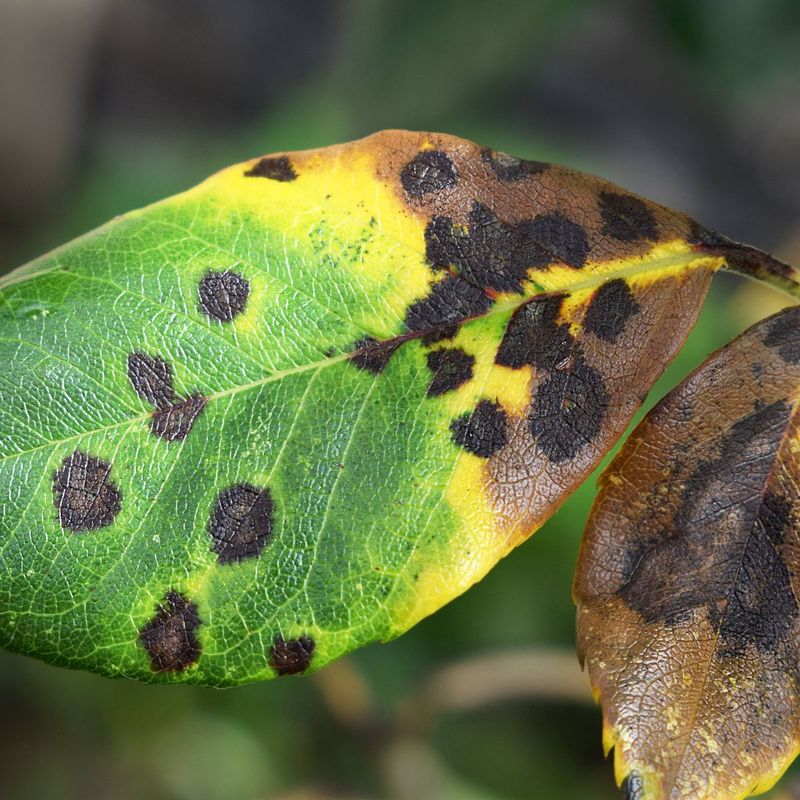
Rose growers in North Carolina know the frustration of black spot all too well. This fungal disease, caused by Diplocarpon rosae, spreads rapidly in warm, wet conditions and can strip a rose bush of most of its foliage by late summer if left unchecked.
The humid climate across much of the state creates near-ideal conditions for the disease to establish and spread from plant to plant.
Baking soda has long been discussed as a home remedy for black spot, and some gardeners report modest results when using it as a preventive spray early in the season.
The idea is that the alkaline surface it creates may slow spore germination before infection takes hold.
However, research on its effectiveness against black spot specifically shows inconsistent results, and it tends to perform better as a preventive measure than as a response to an active infection.
For North Carolina rose gardeners, a more dependable approach includes selecting disease-resistant rose varieties, mulching to reduce soil splash onto lower leaves, watering at the base of plants rather than overhead, and removing and bagging infected leaves promptly.
When disease pressure is high, fungicide products labeled for black spot may be necessary to protect the plant through the growing season.
Baking soda can serve as a supplemental step in a broader care routine, but counting on it as a primary defense against black spot in a humid North Carolina summer is not a reliable strategy.
6. How To Apply Baking Soda Safely In The Garden
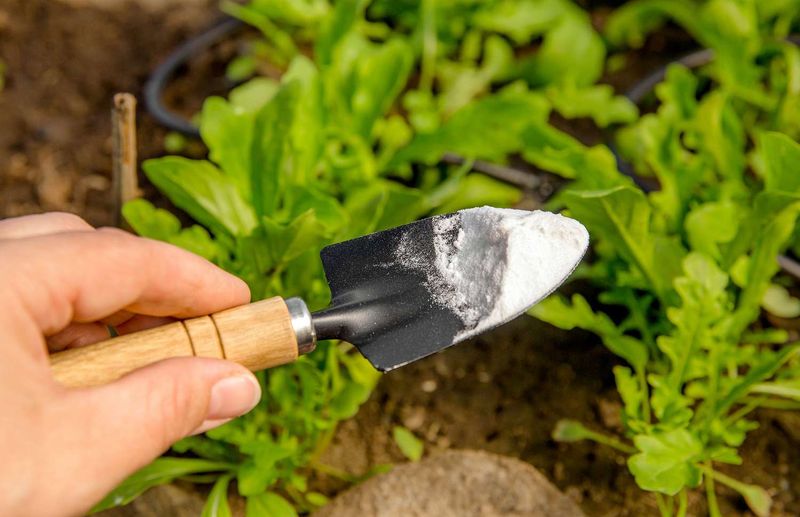
Applying baking soda in the garden sounds simple, but a few key steps can mean the difference between a helpful spray and one that causes leaf damage. Timing is one of the most critical factors.
Spraying during the heat of the day, especially in North Carolina’s summer sun, raises the risk of leaf scorch significantly. Early morning application gives the solution time to dry before temperatures peak.
Coverage matters too. Aim to coat both the upper and lower surfaces of leaves lightly, since fungal spores often develop on the undersides of leaves as well as the tops.
A fine mist works better than a heavy drench, which can pool in leaf axils, encourage moisture-related problems, and wash off the plant before it has any effect.
Using a clean sprayer that has not previously held herbicide or pesticide residue helps avoid accidental plant stress.
Frequency is another consideration. Applying baking soda spray too often can lead to sodium accumulation on the soil surface over time, which may affect plant health and soil quality.
Limiting applications and rinsing the soil lightly after a few treatments can help reduce that risk. Always observe how your plants respond after the first application before continuing.
Some sensitive plants may show slight leaf tip discoloration even at low concentrations. Keeping notes on what you spray, when you spray it, and what results you observe helps you make smarter decisions as the growing season continues.
7. When Baking Soda Can Hurt More Than Help
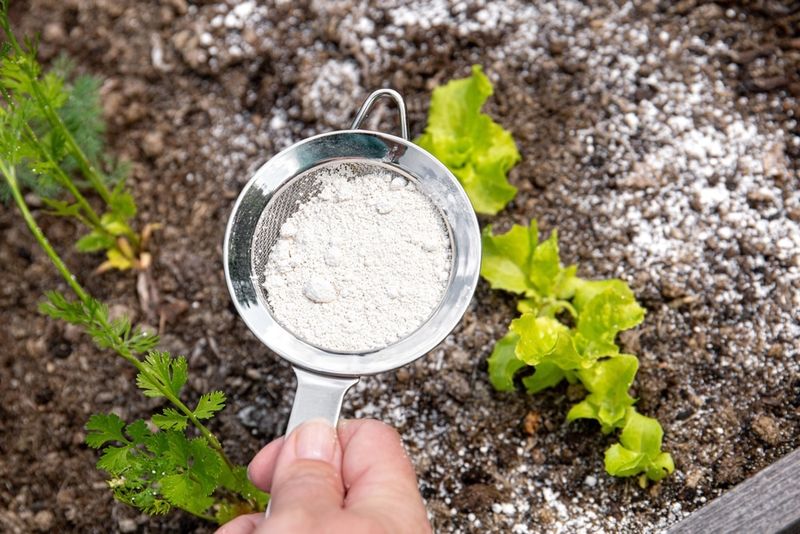
Well-intentioned garden remedies can sometimes cause the very problems they are meant to solve. Baking soda is generally considered low-risk when used correctly, but there are real situations where it can stress plants or create new issues in the garden.
Recognizing those situations ahead of time helps you avoid a frustrating experience.
One of the most common problems is applying the spray at too high a concentration. Even slightly above the recommended amount can cause leaf tip burn or marginal leaf scorch, especially on plants with thinner or more delicate foliage.
Herbs like basil, younger seedlings, and plants already under heat stress from North Carolina’s summer temperatures are particularly vulnerable.
Waiting until temperatures cool and sticking to lower concentrations with these plants is a practical precaution.
Applying baking soda directly to the soil repeatedly can also raise sodium levels over time, which may compact soil structure and reduce its ability to hold water and nutrients properly.
Sandy soils common in parts of eastern North Carolina may be more vulnerable to this effect than heavier clay soils.
Additionally, raising soil pH beyond the preferred range for acid-loving plants like blueberries, azaleas, or camellias can interfere with nutrient uptake and cause noticeable decline in plant health.
If you are growing any of these plants nearby, keep baking soda sprays well away from the root zone and avoid letting runoff reach those beds.
8. When To Skip Baking Soda And Try Something Stronger
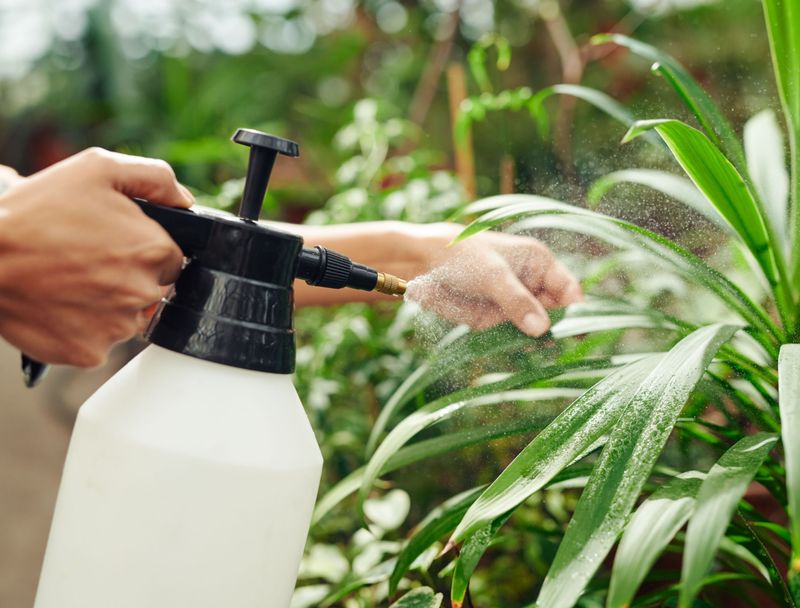
Fungal problems in North Carolina gardens can escalate quickly when weather conditions favor them, and there are times when baking soda simply is not enough to manage the situation.
Recognizing those moments early can save plants from serious decline and help you avoid losing an entire season of growth to a disease that needed a stronger response from the start.
When powdery mildew, black spot, or downy mildew has already spread across a significant portion of the plant, moving to a product specifically labeled for that disease makes more practical sense.
Copper-based fungicides, sulfur sprays, and neem oil are commonly recommended options for home gardeners and are widely available at garden centers across North Carolina.
Each has its own application timing, safety considerations, and plant compatibility, so reading the label carefully before use is essential.
Severe or recurring fungal pressure may also signal that cultural changes are needed alongside any treatment.
Overcrowded plantings, poor drainage, compacted soil, or consistently damp conditions create environments where fungal diseases return season after season regardless of what spray is applied.
Improving airflow by pruning and thinning plants, switching to drip irrigation, and removing plant debris from beds at the end of the season can reduce disease pressure over time more reliably than any spray alone.
North Carolina’s long growing season gives gardeners plenty of opportunities to adjust their approach and build healthier garden conditions that support strong, resilient plants year after year.