Start These Flower Seeds In May For Steady Summer Blooms In Florida
May has a way of turning up the volume in a Florida garden. The soil warms fast, the days stretch out, and that familiar humidity starts to settle in like an uninvited but predictable guest.
The sun feels stronger than it did in March, yet Florida gardens do not all heat up at the same pace.
North Florida, Central Florida, South Florida, coastal spots, and inland yards can each tell a different story.
That is why May can be such a smart month for heat-loving flower seeds.
Choose varieties that suit Florida’s warm, humid spring, and your garden has a better shot at steady summer color.
1. Zinnias For Fast Summer Color
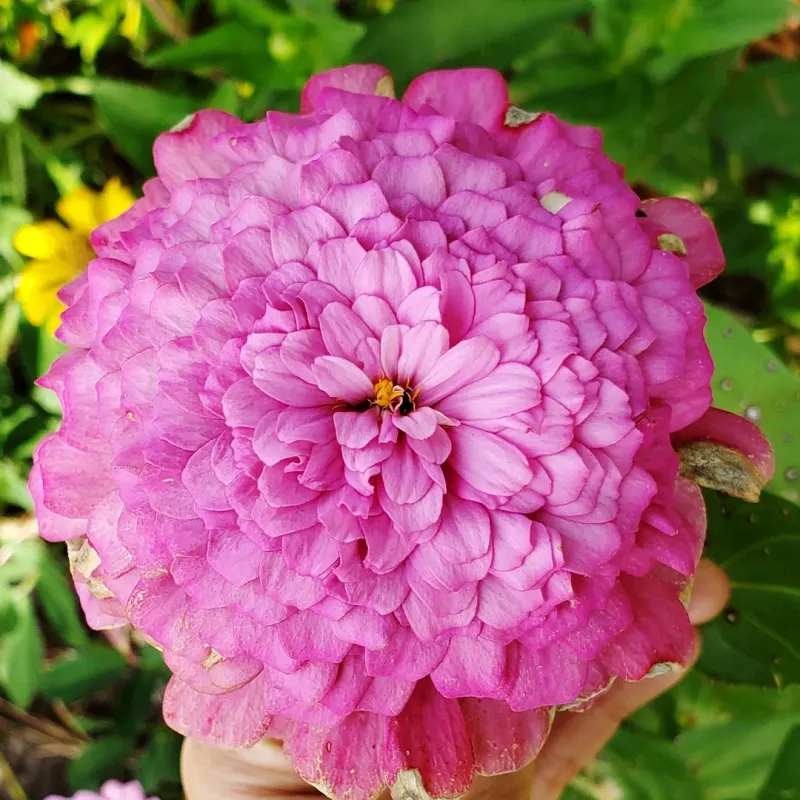
Few flowers match the speed and boldness of zinnias once they get going in warm Florida soil.
When you direct sow zinnia seeds in May, the combination of heat, long days, and strong sun gives them exactly what they need to sprout quickly and push toward their first blooms.
Most varieties go from seed to flower in about 45 to 60 days, which means you could be seeing color by mid to late summer.
Zinnias grow best in full sun and well-drained soil, which makes them a natural fit for Florida’s sandy garden beds. They can handle the heat surprisingly well, though they do appreciate consistent watering during dry stretches.
In South Florida, starting seeds early in May gives plants time to establish before the rainy season fully kicks in.
For containers and borders alike, compact zinnia varieties like Zahara or Profusion tend to hold up better against Florida humidity and are more resistant to powdery mildew than older types.
Spacing seeds about 6 inches apart and thinning as they grow helps improve airflow, which matters a lot in humid Florida summers.
Deadheading spent blooms encourages fresh flowers to keep coming through the season.
2. Celosia For Heat-Loving Texture
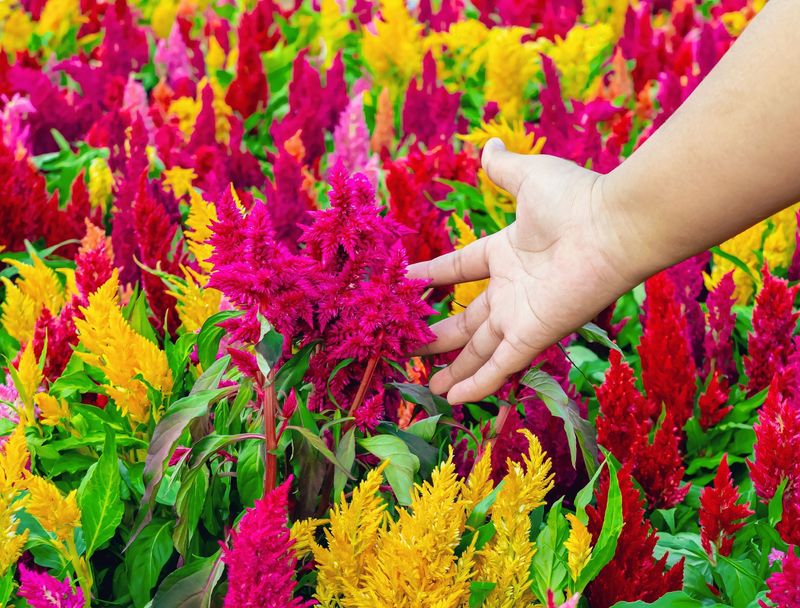
Celosia might just be one of the most underrated flowers for Florida gardeners who want summer color with real visual interest. Its feathery plumes and crested cockscomb shapes add texture that most other summer flowers simply cannot match.
Starting celosia seeds in May works well because this plant genuinely loves heat and does not slow down when temperatures rise into the 90s.
In Florida, celosia thrives in full sun with well-drained soil and moderate moisture. It does not like sitting in soggy ground, so raised beds or slightly elevated planting areas work nicely.
Sandy Florida soils with some added compost give celosia the nutrition it needs without holding too much water around the roots.
One thing worth knowing is that celosia can be a little slow to germinate if the soil is not warm enough, so waiting until mid-May in North Florida gives better results than rushing in early spring.
Once established, celosia is quite low-maintenance and tends to hold its color even during Florida’s intense summer sun.
It works beautifully in mixed borders, pollinator gardens, and patio containers where its bold shapes can really stand out against green foliage.
Your Florida Garden Changes Every Week. Your Plan Should Too.
Gardening in Florida changes quickly throughout the season. Every Friday you’ll receive a simple weekly plan showing exactly what to plant, prune, fertilize, harvest, and protect so you never miss the right timing.
3. Marigolds For Bright Garden Edges
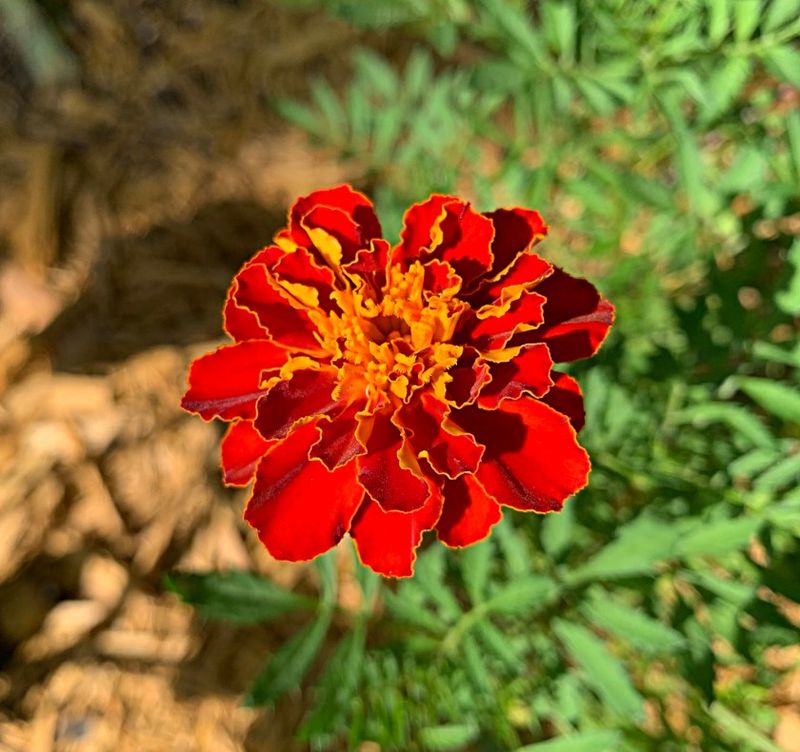
Warm soil and long sunny days bring out the best in marigolds, and May in Florida offers both in generous amounts. These cheerful flowers are a reliable choice for edging garden beds, lining walkways, or filling containers on sunny patios.
French marigold varieties tend to perform especially well in Florida because they stay compact, handle humidity better than African types, and keep blooming even through the heat of summer.
Starting marigold seeds directly in the garden in May is straightforward. Seeds germinate quickly in warm Florida soil, usually within a week, and seedlings establish fast when they get plenty of direct sun.
Spacing them about 8 to 10 inches apart helps with airflow, which reduces the chance of fungal issues during Florida’s humid rainy season.
Marigolds are also known for attracting beneficial insects while discouraging certain garden pests, which makes them a practical and pretty choice near vegetable beds or pollinator spaces.
In Central and South Florida, marigolds planted in May can bloom steadily through summer and into fall with regular deadheading and occasional fertilizing.
North Florida gardeners may notice blooming slow slightly during the hottest weeks, but plants generally recover once temperatures ease toward late summer.
4. Portulaca For Sunny Dry Spots
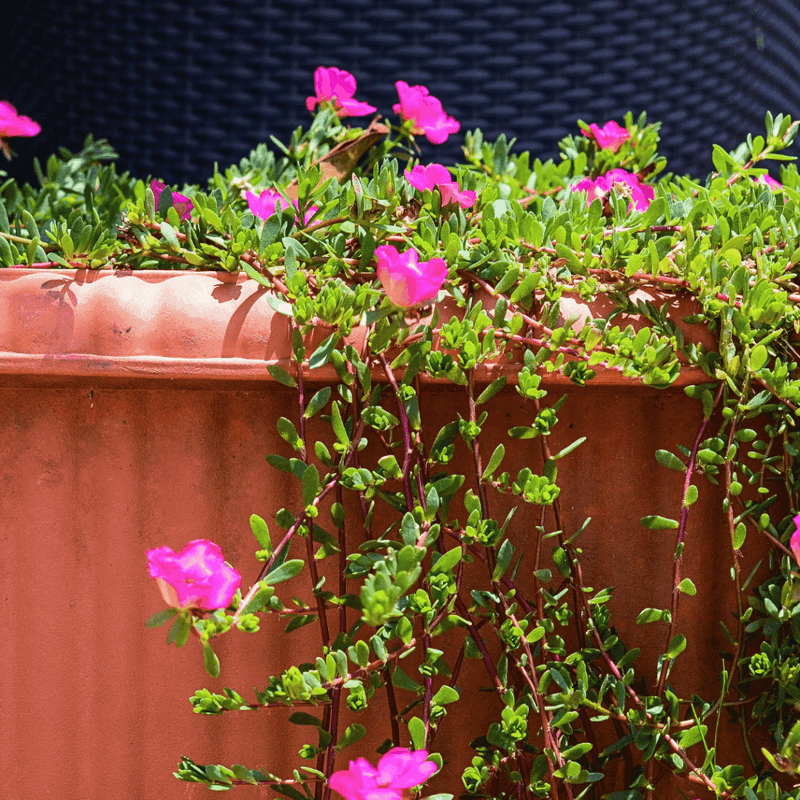
Sandy, dry spots that bake in the Florida sun all day are exactly where portulaca feels most at home.
Also called moss rose, this low-growing flower produces cheerful blooms in shades of pink, yellow, orange, red, and white, and it asks for very little in return.
Starting portulaca seeds in May takes advantage of the warm soil and strong sun that Florida provides at this time of year.
Portulaca is one of the most drought-tolerant flowering plants you can grow in Florida, which makes it ideal for spots where irrigation is limited or rainfall is unpredictable.
It spreads gently along the ground, filling in gaps in rock gardens, edging pathways, or spilling over the sides of containers.
The flowers tend to open fully on sunny mornings and may close on cloudy days, which is completely normal behavior for this plant.
Seeds need light to germinate, so press them lightly onto the soil surface rather than covering them.
In South Florida, portulaca can thrive through the entire summer with almost no extra care beyond occasional watering during dry spells.
In North and Central Florida, giving plants a spot with at least six hours of direct sun each day helps them bloom more consistently through the season.
5. Salvia For Pollinator-Friendly Blooms
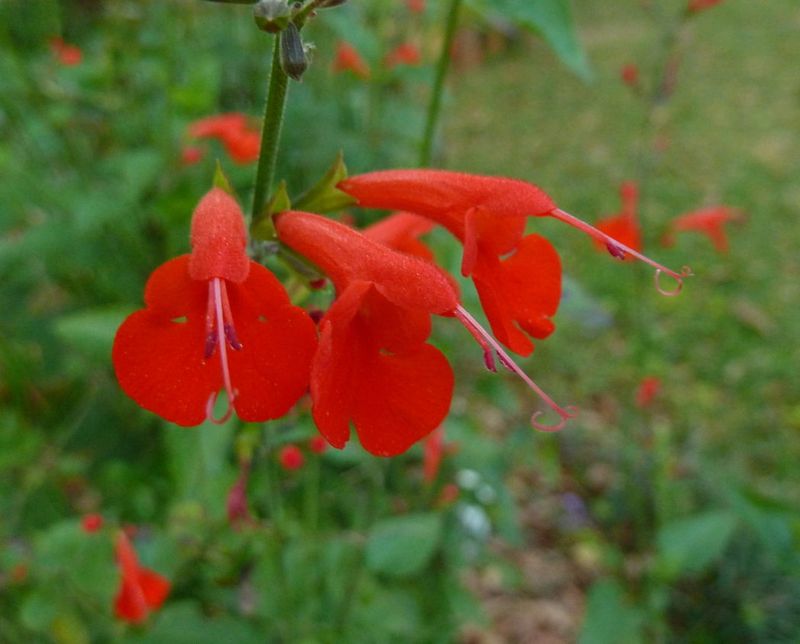
Watch any Florida garden on a warm May morning and you will likely spot butterflies and bees moving from flower to flower.
Salvia is one of the plants that draws them in most reliably, and starting seeds in May gives this flower time to establish before the full heat of summer arrives.
Tropical salvia varieties, in particular, are well suited to Florida’s climate and can bloom for months once they get going.
Salvia prefers full sun and well-drained soil, though some varieties can tolerate a bit of afternoon shade, which can actually help them during Florida’s most intense summer heat.
The tubular flowers come in vivid shades of red, purple, blue, and coral, offering strong visual color while also supporting pollinators throughout the season.
Regular watering during dry periods helps seedlings establish, but established plants are fairly resilient once rooted.
In Central and South Florida, salvia started in May can put on a solid show through summer and into fall. North Florida gardeners may find that starting seeds in the first half of May gives plants a longer runway before the hottest weeks arrive.
Removing spent flower spikes encourages fresh blooms to develop and keeps the plant looking tidy in borders and pollinator garden spaces.
6. Vinca For Long-Lasting Summer Color
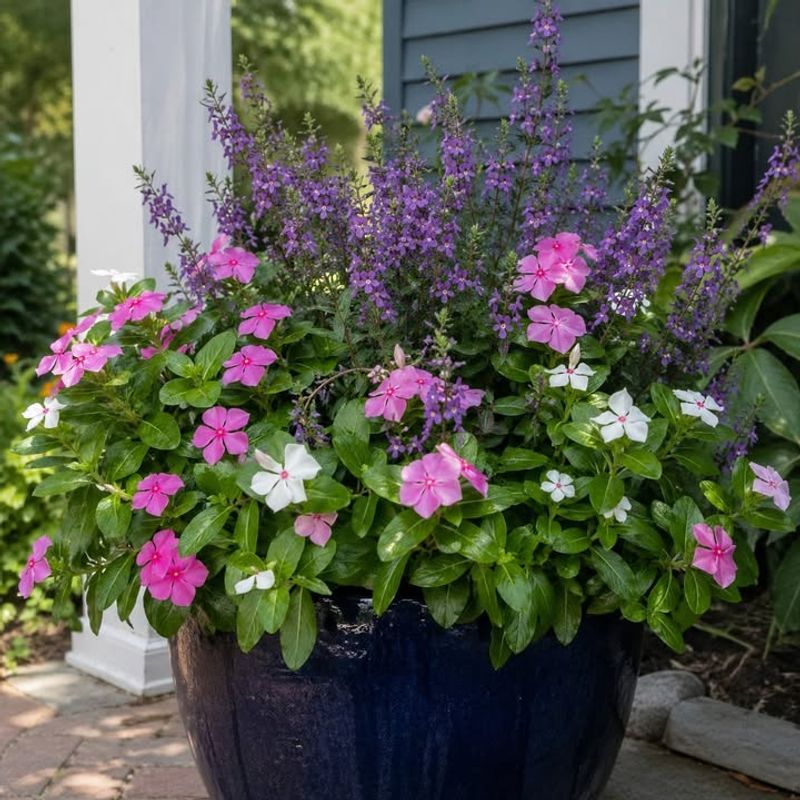
Catharanthus roseus, commonly called vinca or periwinkle, is practically built for Florida summers. It shrugs off heat and humidity that would stress most other flowering annuals, and it keeps producing blooms steadily through the season without much fuss.
Starting vinca seeds in May works well in Florida, though it is worth knowing that seeds can take two to three weeks to germinate and prefer warm, consistently moist starting conditions.
Vinca grows well in full sun but can also manage in spots with light afternoon shade, which is helpful in parts of Florida where midday sun is especially intense. Well-drained soil is important because vinca does not tolerate standing water around its roots.
Sandy Florida soils work fine as long as some organic matter is mixed in to help retain a bit of moisture between waterings.
Once established, vinca is one of the more reliable performers in Florida summer gardens. It works well as a bedding plant, in containers, or along sunny borders where consistent color is the goal.
Varieties like Cora and Titan have been developed with Florida’s humid conditions in mind and tend to show better disease resistance than older types.
Keeping plants watered during dry stretches and feeding lightly through summer supports steady blooming.
7. Torenia For Bright Color In Partial Shade
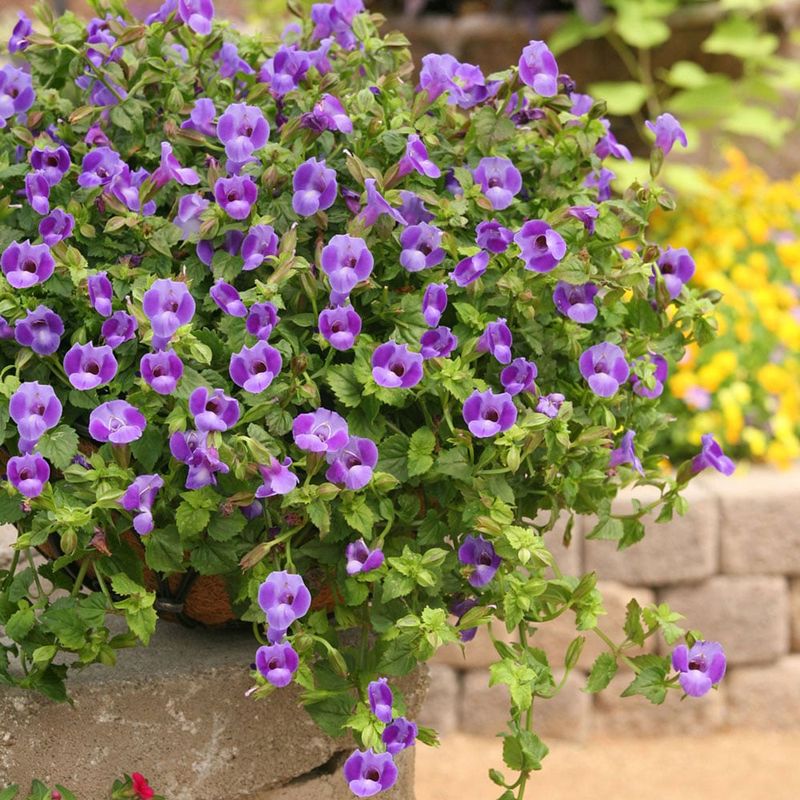
Not every Florida garden gets full sun all day, and that is where torenia earns its spot on the list.
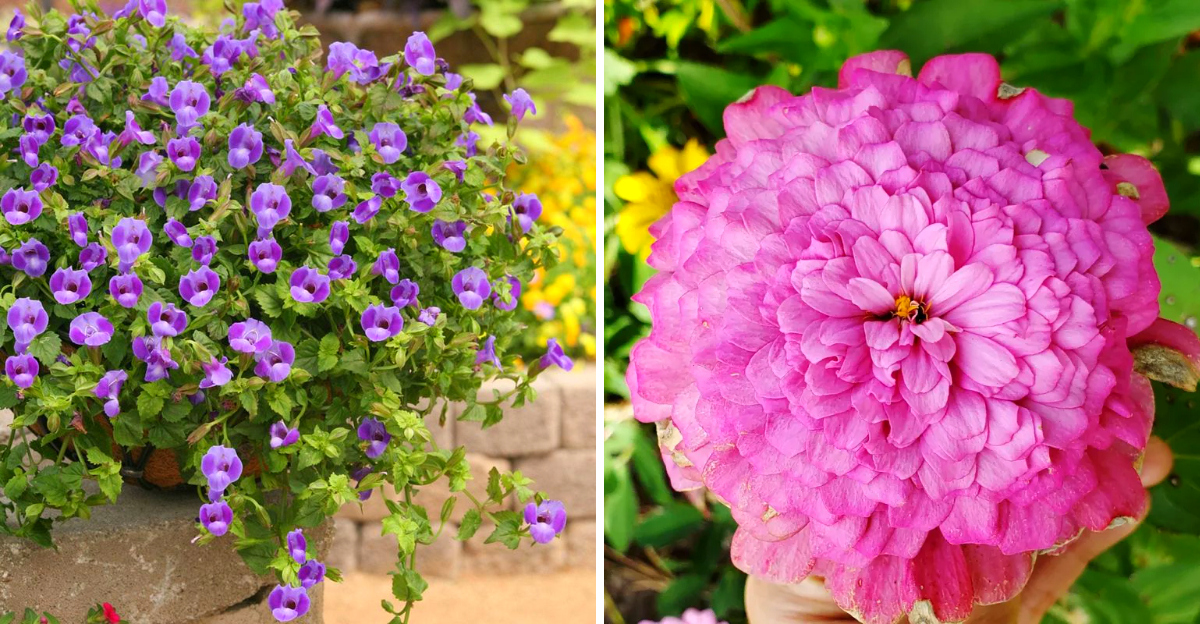
Sometimes called wishbone flower, torenia thrives in partial shade and produces cheerful two-toned blooms in shades of purple, pink, white, and lavender through the summer months.
Starting seeds in May gives torenia time to grow into blooming plants just as the summer season settles in.
In Florida, spots under trees, along shaded fences, or on covered porches can be challenging for flowering plants, but torenia handles these conditions well.
It prefers consistently moist soil and does not do well when the ground dries out completely between waterings.
Adding some compost to Florida’s sandy soil helps retain moisture and gives young seedlings a better start.
Torenia seeds are tiny, so mixing them with a bit of sand before scattering them over the soil surface can help distribute them more evenly. Lightly pressing the seeds into the surface without covering them works best since they need light to germinate.
In South and Central Florida, torenia can bloom from summer well into fall when given the right conditions.
It pairs nicely with caladiums, impatiens, and other shade-tolerant Florida garden plants for a layered, colorful look in low-light areas.
8. Crossandra For A Tropical Florida Look
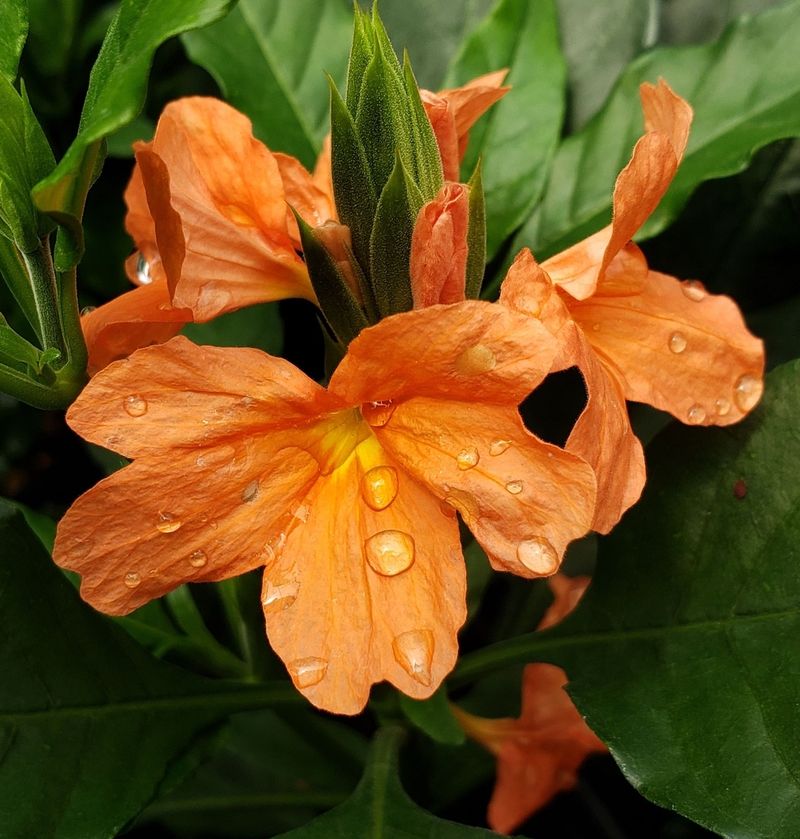
Orange crossandra flowers against glossy dark green leaves have a look that feels right at home in Florida’s tropical landscape. Native to tropical regions, crossandra brings a warmth and richness to garden beds that few other summer flowers can match.
May is a good time to start crossandra seeds in Florida because this plant genuinely needs heat to grow well and does not appreciate cool temperatures.
Crossandra grows well in partial shade to full sun, which gives Florida gardeners some flexibility when choosing planting spots.
It prefers rich, moist, well-drained soil and benefits from regular watering, especially during dry spells before the summer rains arrive.
In South Florida, crossandra can behave almost like a perennial, returning year after year in frost-free areas. In Central and North Florida, it is typically grown as a warm-season annual.
Starting crossandra from seed takes patience since germination can be slow and uneven, sometimes taking three to four weeks. Keeping the soil consistently warm and moist during germination helps improve results.
Once plants are established, they reward that patience with continuous blooms from summer through fall.
Crossandra works beautifully in tropical-themed garden beds, container arrangements on sunny patios, and borders where you want something a little less common than the usual summer annuals.
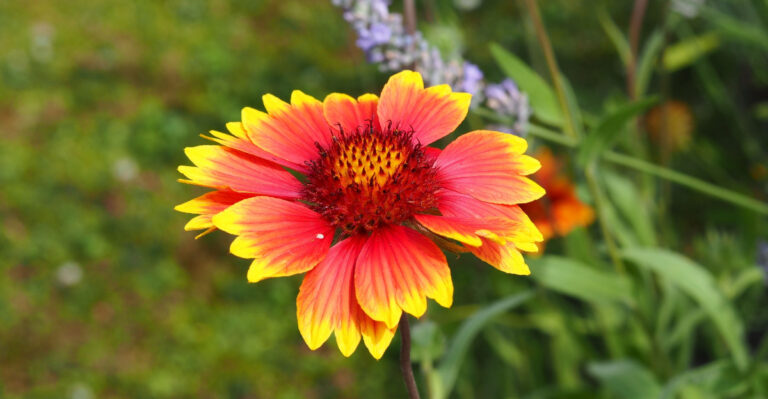
9. Gaillardia For Sunny Wildflower Charm
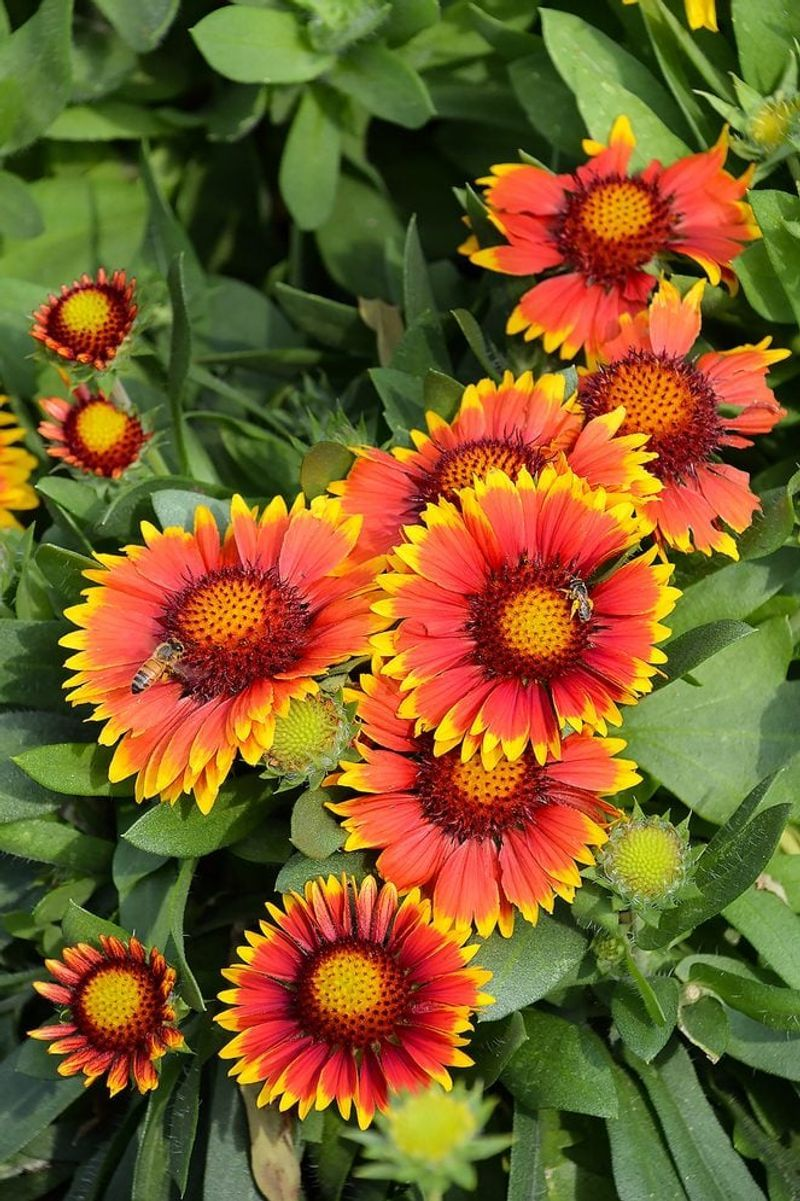
There is something effortlessly cheerful about gaillardia blooming in a sunny Florida garden, with its bold red and yellow petals that look like they belong in a wildflower meadow.
Also known as blanket flower, gaillardia is well adapted to Florida’s heat and can handle the kind of dry, sunny conditions that challenge less tough plants.
Starting seeds in May gives this flower a solid head start on the summer season.
Gaillardia does best in full sun and well-drained soil, which makes it a natural fit for Florida’s sandy garden beds.
It is more drought-tolerant than many summer flowers once established, though young seedlings still benefit from regular watering until their roots settle in.
Avoid heavy clay-like soils or areas that stay wet after rain, as gaillardia prefers conditions on the drier side.
One of the appealing things about gaillardia is how attractive it is to bees and butterflies, making it a smart choice for pollinator gardens across Florida.
Seeds germinate relatively quickly in warm May soil, and plants can begin blooming within about 60 to 70 days.
Deadheading spent flowers regularly encourages fresh blooms and extends the flowering period well into summer. In North Florida, starting seeds in the first half of May tends to give the best results before peak summer heat arrives.
10. Sunflowers For Big Summer Energy
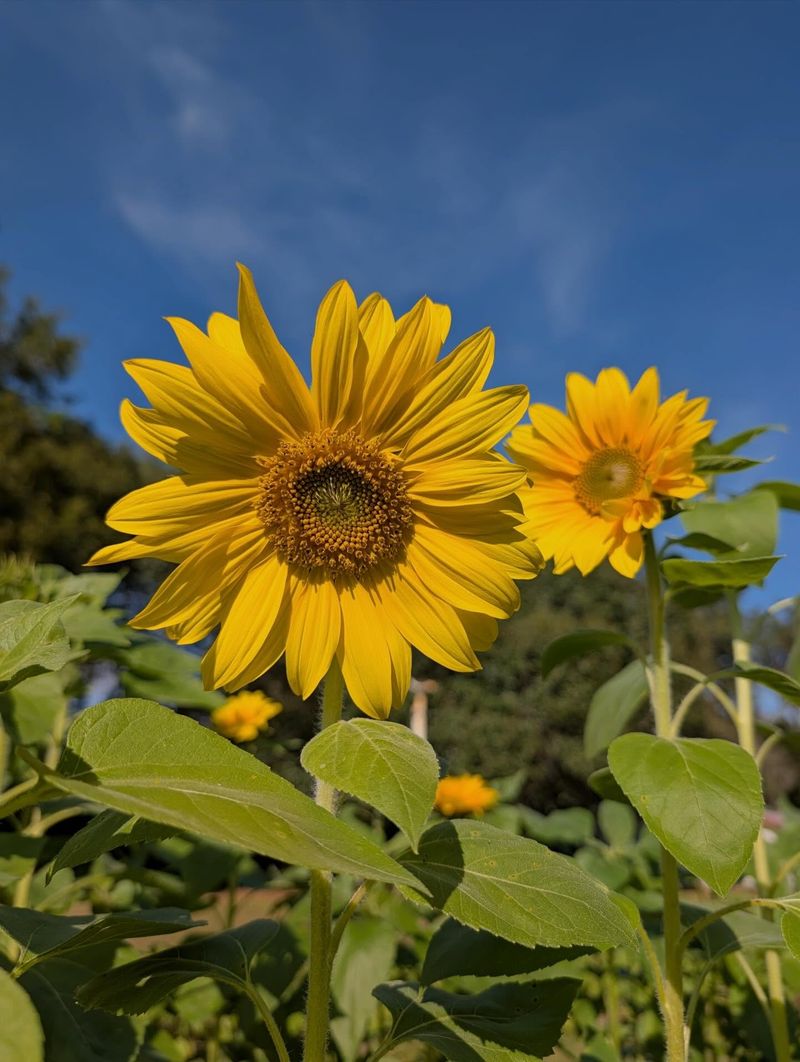
Big, bold, and impossible to ignore, sunflowers bring a kind of joyful energy to Florida gardens that is hard to replicate with any other plant.
Starting sunflower seeds in May works well across much of Florida because the warm soil speeds up germination, often producing sprouts within a week.
Sunflowers grow quickly once they are up, and many varieties go from seed to bloom in 60 to 80 days.
Sunflowers need full sun and well-drained soil, and they are surprisingly tolerant of Florida’s heat as long as they get enough water during their early growth stages.
Sandy Florida soils drain well, which sunflowers appreciate, but this also means they may need more frequent watering than in heavier soils.
Adding a layer of mulch around the base of young plants helps keep moisture in and roots cooler during hot stretches.
For Florida gardens with limited space, dwarf sunflower varieties like Sunspot or Teddy Bear fit well in containers and smaller beds without taking over the whole garden.
Taller varieties make great backdrops for mixed summer borders or cut flower gardens.
In Central and South Florida, sunflowers planted in May can bloom through June and July, and a second sowing in late summer can extend the show into fall when temperatures begin to ease.