The Hydrangea Alternative Florida Gardeners Are Choosing This April
If you have ever tried growing hydrangeas in Florida, you already know the frustration. The heat rolls in, the blooms fade fast, and no matter how much you water, those plants just never seem happy.
Many Florida gardeners have spent years chasing the look of a hydrangea only to end up with leggy, stressed shrubs that need constant attention.
Even native hydrangea varieties, while better suited to the state, can still be particular about soil moisture and sun exposure, leaving some homeowners feeling like they are fighting an uphill battle.
But there is a shrub quietly making its way into Florida yards that delivers soft, pretty blooms, handles the heat without complaint, and asks for very little in return.
It grows well from the Panhandle down to Miami, looks full and attractive all season, and fits naturally into the kinds of landscapes Florida homeowners actually have.
Gardeners who have made the switch are not looking back, and once you learn what this plant can do, you will understand exactly why April is the perfect time to bring one home.
1. Meet The Button Sage
Not every great garden plant gets the attention it deserves, but button sage is finally having its moment across Florida.
Known botanically as Lantana involucrata, this native Florida shrub has been growing quietly in coastal thickets and sandy uplands for generations.
Now, more homeowners are noticing it and bringing it into their own yards as a reliable, low-effort alternative to finicky flowering shrubs.
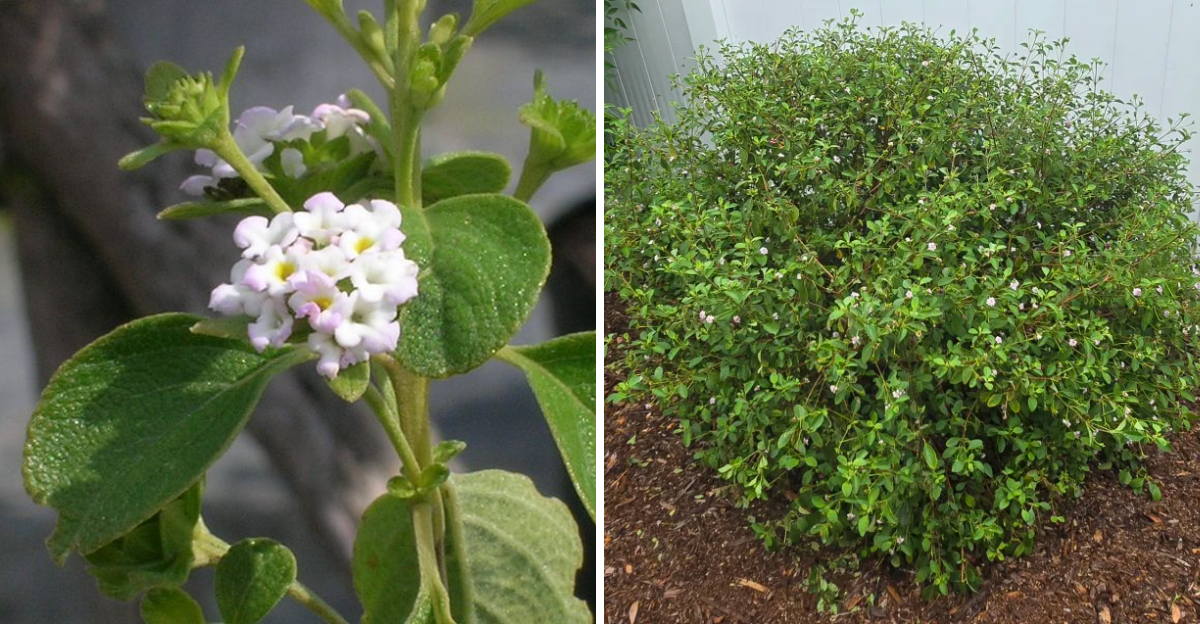
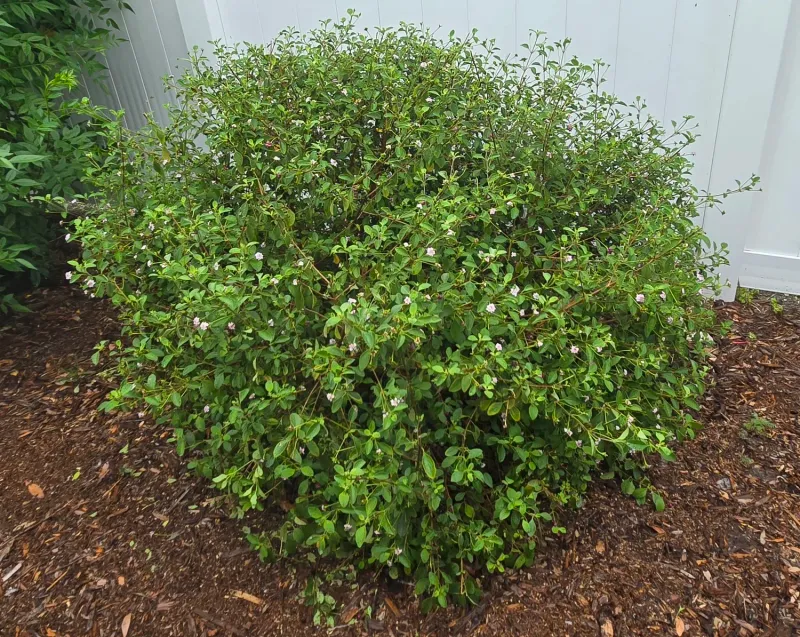
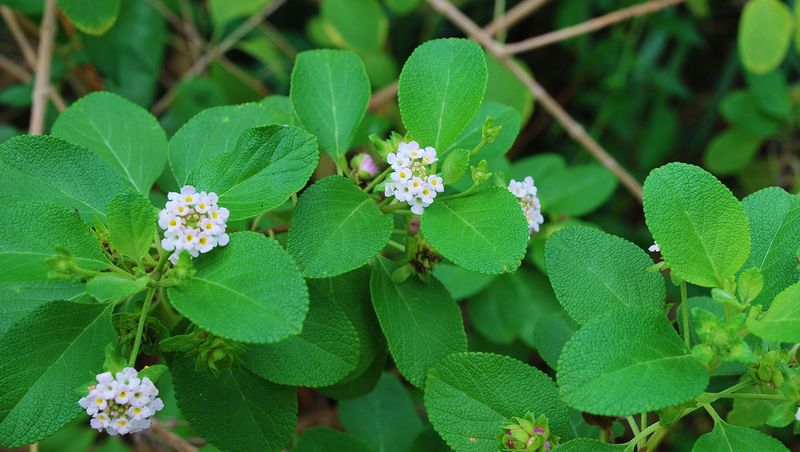
Button sage typically grows between three and six feet tall, forming a rounded, bushy shape that works well in a variety of landscape roles. Gardeners use it as an informal hedge, a foundation planting along home exteriors, or simply as a freestanding shrub in a mixed border.
Its natural growth habit is tidy enough to look intentional without needing constant shaping.
Across most of Florida, button sage performs consistently well. Central and South Florida offer the most favorable conditions, where the plant stays evergreen year-round and blooms reliably through warm months.
In North Florida, it can also thrive, though gardeners in colder zones should be aware that light frost may cause some leaf damage.
Protecting button sage in cooler regions is straightforward. Planting near a south-facing wall or structure helps buffer against cold air.
Applying a few inches of mulch around the base of the plant helps insulate the root zone during cold snaps.
Covering the plant with a frost cloth on nights when temperatures are expected to drop below freezing gives it extra protection and helps it recover more quickly once warmer weather returns.
Button sage is not a tropical novelty or a trendy import. It belongs here, and Florida landscapes look better for it.
For gardeners who want something that fits the climate naturally, this shrub is one of the most sensible choices available right now.
2. Soft White Blooms That Fit Right Into Spring Landscapes
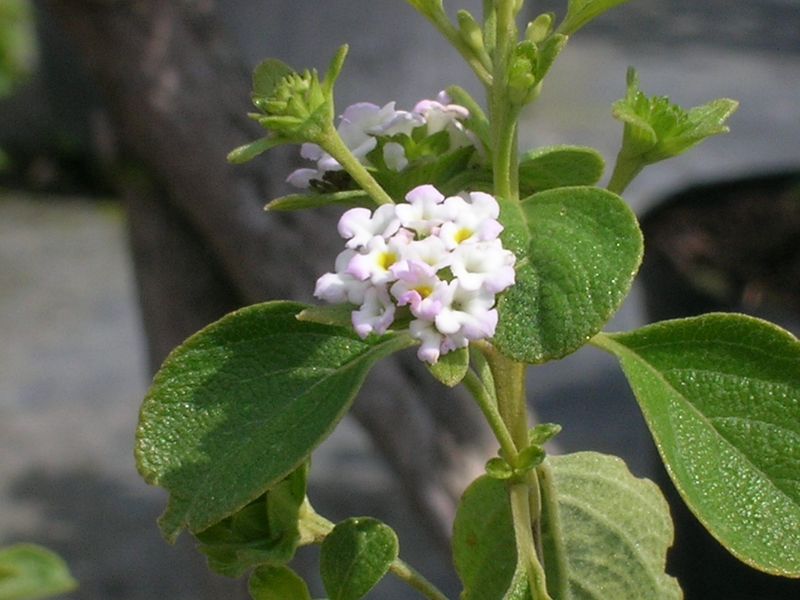
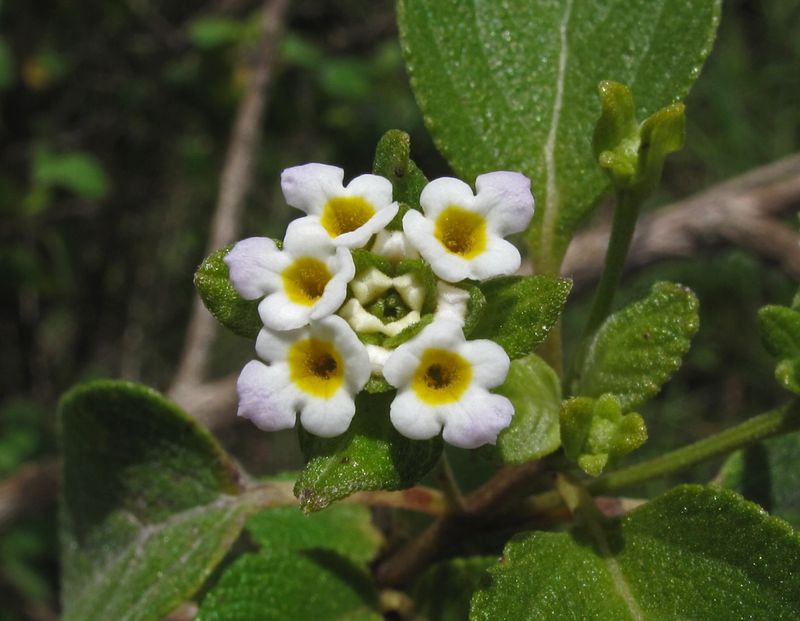
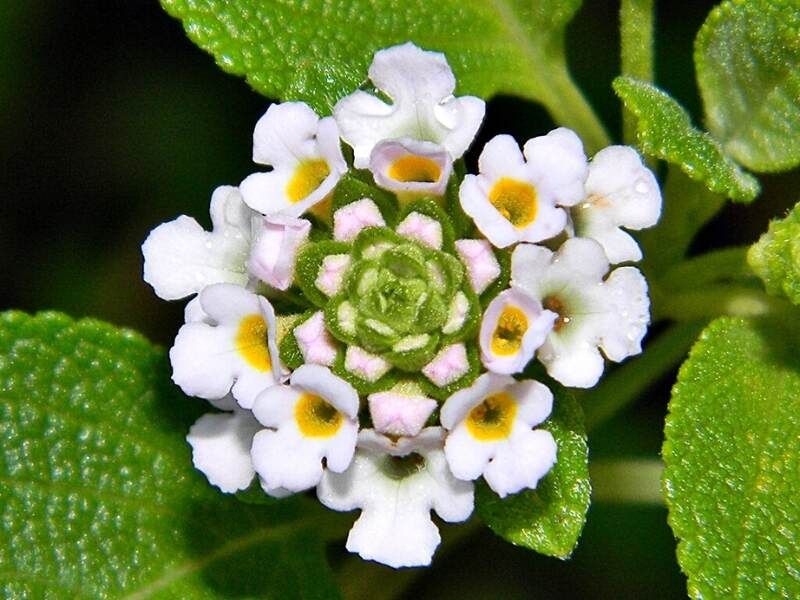
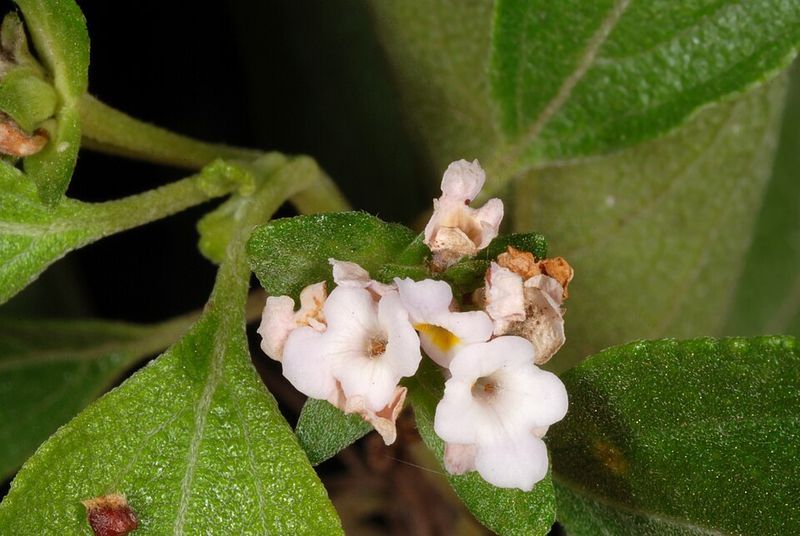
Walking past a button sage in full bloom, the first thing you notice is how effortlessly it fits into the landscape. The flowers are small, clustered together in rounded heads, and each one features a white petal arrangement with a soft yellow center.
Your Florida Garden Changes Every Week. Your Plan Should Too.
Gardening in Florida changes quickly throughout the season. Every Friday you’ll receive a simple weekly plan showing exactly what to plant, prune, fertilize, harvest, and protect so you never miss the right timing.
The overall effect is airy and delicate, similar in feel to a hydrangea but scaled down to something more proportionate for Florida yards.
Spring is when button sage really shows off. In South Florida, blooming can begin as early as late February or March, when temperatures are already warm and the growing season is well underway.
In Central Florida, expect flowers to appear through March and into April. North Florida gardeners will typically see blooms a few weeks later, usually picking up in April and continuing into the warmer months ahead.
One thing worth keeping in mind is that button sage blooms are modest rather than showy. They are not the large, dramatic flower heads that hydrangeas are known for.
Instead, the charm here is in the abundance and continuity of the blooms, which tend to appear steadily through the warm season rather than in one big flush that fades quickly.
The white and yellow color combination is versatile and easy to work with in a garden design. Button sage pairs naturally with purple or blue flowering plants, warm-toned mulch, and the light green of native grasses.
It also looks right at home against a white or neutral-colored home exterior, where the soft blooms add texture without competing for attention.
For Florida gardeners who want reliable spring color without the drama of high-maintenance flowering shrubs, button sage offers a genuinely satisfying seasonal display that continues well beyond the first warm weeks of the year.
3. Handles Florida Heat And Humidity Without Struggle
Florida summers are not easy on most plants. Temperatures regularly climb into the nineties, humidity stays high for months, and afternoon thunderstorms can soak the soil one day while the sun bakes it dry the next.
Most hydrangeas simply cannot keep up with that kind of stress, and they show it through wilted leaves, dropped blooms, and slow recovery.
Button sage handles these conditions without missing a beat. As a Florida native, it evolved alongside the state’s heat and humidity, which means it is genuinely adapted to the environment rather than just tolerating it.
Once established in the ground, it draws on deep roots to stay hydrated through dry spells and sheds excess moisture efficiently during wet periods.
Getting a button sage established does require some attention in the early weeks. After planting, water the shrub two to three times per week for the first month, making sure the root zone stays consistently moist but not waterlogged.
During the second month, you can taper off to once or twice a week, and by the time the plant has been in the ground for two to three months, it typically needs supplemental irrigation only during extended dry stretches.
Once roots are fully established, button sage is genuinely drought-tolerant. Many Florida gardeners find that rainfall alone is enough to sustain it through most of the year, especially in Central and South Florida where summer rains are frequent and reliable.
This is a meaningful advantage over hydrangeas, which often require consistent moisture even after years in the ground.
The ability to thrive in Florida’s heat and humidity without demanding constant watering is one of the main reasons button sage is earning a spot in so many yards this spring. It simply works where other shrubs wear out.
4. Grows Well Across North And South Florida
One of the most practical things about button sage is how well it adapts to different parts of Florida. The state spans nearly 500 miles from north to south, and the climate differences between Pensacola and Miami are significant.
A plant that performs beautifully in one region can struggle in another, which is why statewide adaptability is such a valuable trait.
In South Florida, button sage behaves as a true evergreen. It holds its foliage year-round, continues to grow steadily through the mild winters, and blooms reliably across multiple seasons.
Gardeners in Miami-Dade, Broward, and Palm Beach counties can expect consistent performance with very little seasonal interruption.
Central Florida gardeners also see strong results. The plant stays evergreen through most winters, though a cold snap can occasionally cause some leaf drop.
Recovery is typically quick once temperatures rebound, and most plants fill back in within a few weeks of warmer weather returning.
In North Florida, including areas around Gainesville, Tallahassee, and Jacksonville, winters can bring occasional frost or brief freezes. Button sage may experience dieback of the upper growth during these events, particularly in USDA hardiness zones 8a and 8b.
The good news is that the root system usually remains healthy and the plant pushes out fresh new growth once spring arrives.
If you are gardening in North Florida, prune back any frost-damaged growth in early spring, once you are confident that cold weather has passed. Cut the affected stems back to where you see healthy green tissue beginning.
New shoots will emerge from the base and lower branches, and by late spring the plant will look full and vigorous again.
Across every region of Florida, button sage proves itself as a dependable, adaptable shrub worth planting.
5. A Low Maintenance Shrub That Still Looks Full
Some shrubs look great in the nursery and fall apart the moment you plant them in your yard. They grow unevenly, produce bare patches, or require constant trimming just to stay presentable.
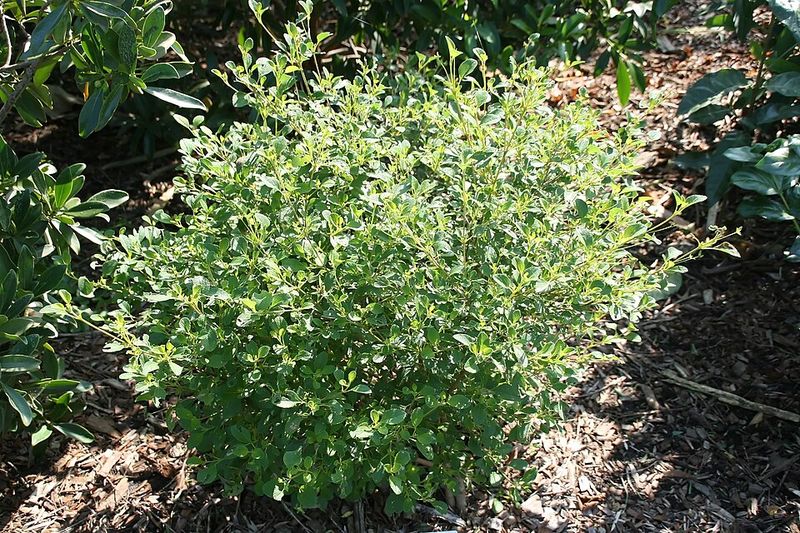
Button sage is not that kind of plant. Its natural growth habit is rounded and full, filling in evenly from the base upward without much encouragement.
Left to grow on its own, button sage maintains an attractive shape through most of the year. The branching is dense enough that it looks full even between bloom cycles, and the foliage stays green and healthy-looking through Florida’s long warm seasons.
For homeowners who want a shrub that looks good without a lot of hands-on involvement, this natural fullness is a real selling point.
Occasional shaping is still a good idea, especially if you are using button sage as a hedge or foundation planting where a consistent size and shape matter. Light pruning once or twice a year is usually enough to keep it tidy.
The best times to prune are in late winter before new growth begins and again in midsummer if needed to control size.
Avoid cutting button sage back too hard. Heavy pruning that removes most of the canopy can stress the plant and slow its recovery, especially during hot summer months.
Instead, aim to remove no more than one-third of the plant at a time, focusing on any long or uneven stems that break the natural outline.
Spacing also plays a role in how well button sage maintains its shape. Planting shrubs about four to five feet apart gives each one enough room to develop its full natural form without crowding.
When plants are spaced too closely, they compete for light and tend to grow unevenly, which creates more pruning work over time.
6. Works In The Ground Or Large Containers
Most shrubs this reliable in the ground tend to be overlooked as container plants, but button sage is more flexible than people expect. While it is most commonly planted directly in the landscape, it can adapt to container growing when given the right setup.
This makes it a useful option for renters, condo owners with patio space, or anyone who wants to add a native flowering shrub to a lanai or courtyard.
Container size matters more than almost anything else when growing button sage in a pot. Choose a container that holds at least 15 to 20 gallons of soil.
Anything smaller tends to restrict root development and dry out too quickly in Florida’s heat, leading to stressed plants that bloom poorly and grow unevenly. A large, stable container also helps anchor the plant as it grows taller and fuller over time.
Soil selection is equally important. Use a high-quality, well-draining potting mix rather than garden soil, which can compact in containers and reduce drainage.
Adding perlite to the mix at a ratio of about one part perlite to four parts potting mix improves drainage further and helps prevent waterlogging during heavy rain events.
Place the container in a spot that receives full sun for at least six hours per day. Button sage needs strong light to bloom well and maintain its dense, full shape.
Shaded patios will result in leggy growth and fewer flowers.
Watering frequency is higher for container-grown plants than for those in the ground. During warm months, check the soil every day or two and water when the top inch feels dry.
In-ground plants can go longer between waterings once established, so be prepared to stay a little more attentive with a potted button sage.
7. Why More Gardeners Are Choosing It This April
April might be the single best month on the Florida gardening calendar for putting new shrubs in the ground.
Soil temperatures have warmed up from the cooler winter months, afternoon thunderstorms are starting to return in many parts of the state, and the long stretch of hot summer weather ahead gives newly planted shrubs plenty of time to establish strong roots before any stress sets in.
Button sage responds especially well to April planting.
When you put it in the ground during this window, it has the benefit of warm soil to encourage root growth, moderate temperatures before the intense heat of June and July, and the natural increase in rainfall that comes with the approaching wet season.
That combination gives it a strong start and reduces the amount of supplemental irrigation you need to provide.
Beyond the timing, the shift toward button sage reflects a broader change in how Florida gardeners think about their landscapes.
More homeowners are moving away from plants that require constant intervention and toward shrubs that are built for the environment they live in.
Button sage checks every practical box: it is native, it handles heat and drought once established, it blooms reliably, and it stays full and attractive without demanding much from the gardener.
The comparison to hydrangeas is not just about looks. It is about how much effort a plant requires to stay healthy and presentable over the long term.
Button sage simply asks less while delivering consistent results through Florida’s challenging growing conditions.
For anyone standing in a nursery this April, trying to decide what to bring home, button sage is the kind of plant that earns its place in the landscape quickly and keeps earning it season after season.