How To Grow Healthy Magnolias In Georgia That Actually Thrive
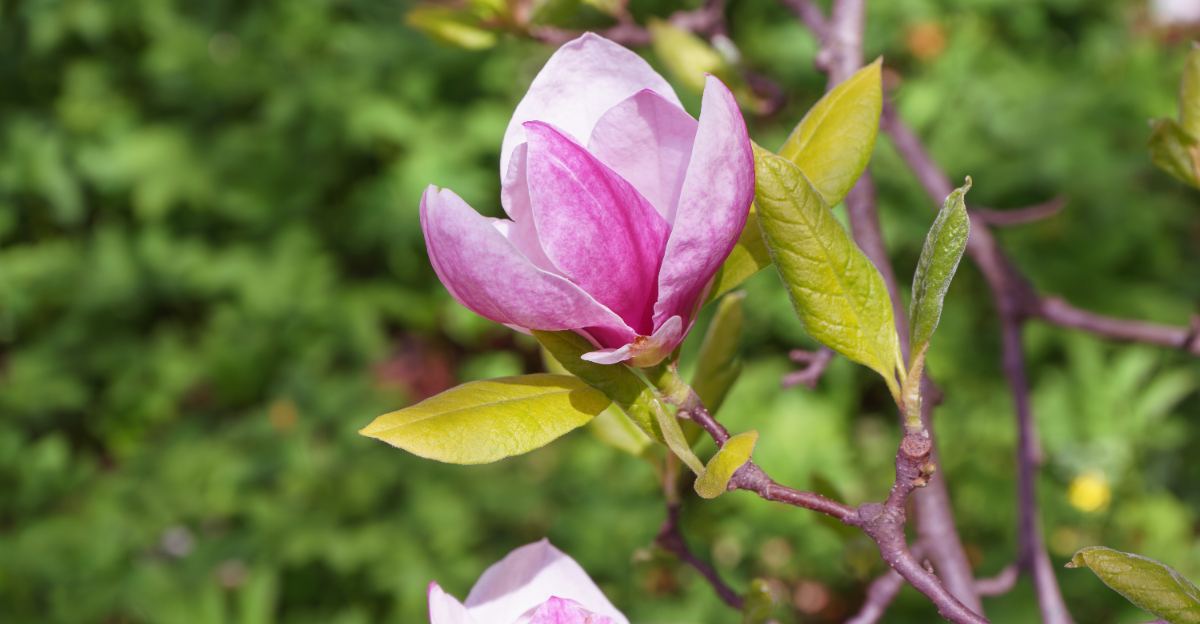
Magnolias can look effortless in Georgia when they are in the right spot, yet plenty of trees struggle to get established or never reach that full, glossy look people expect.
Growth slows down, leaves lose their shine, and blooms become rare, even though everything seemed fine at planting time.
Small details often make the biggest difference with these trees. Soil conditions, moisture levels, and even slight changes in exposure can shift how well a magnolia settles in.
What works for one yard may not carry over to another just a few miles away.
Getting that strong, steady growth is not about doing more, it comes down to doing a few things at the right time and avoiding the setbacks that hold these trees back early on.
Once those pieces fall into place, everything starts to look more natural and consistent.
1. Choose Varieties That Handle Heat And Humidity Well
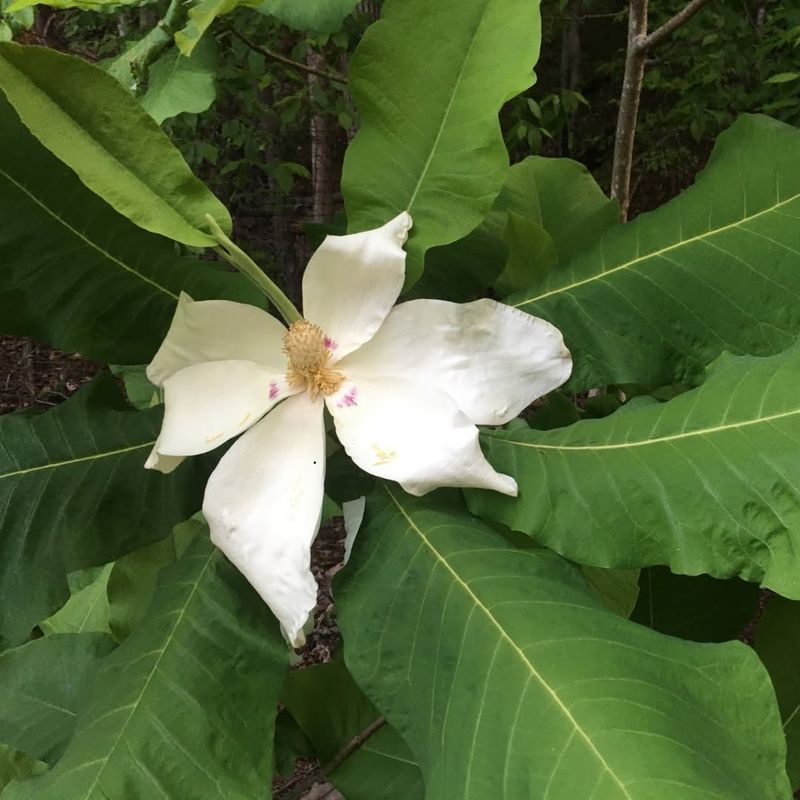
Not every magnolia was built for a Georgia summer. Picking the wrong variety is one of the most common mistakes homeowners make, and it shows up fast when July heat rolls in and the tree starts struggling.
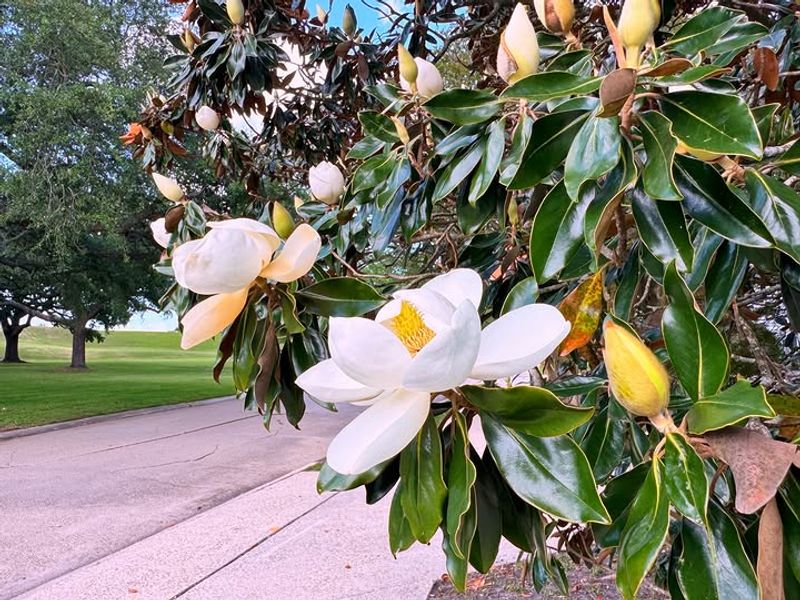
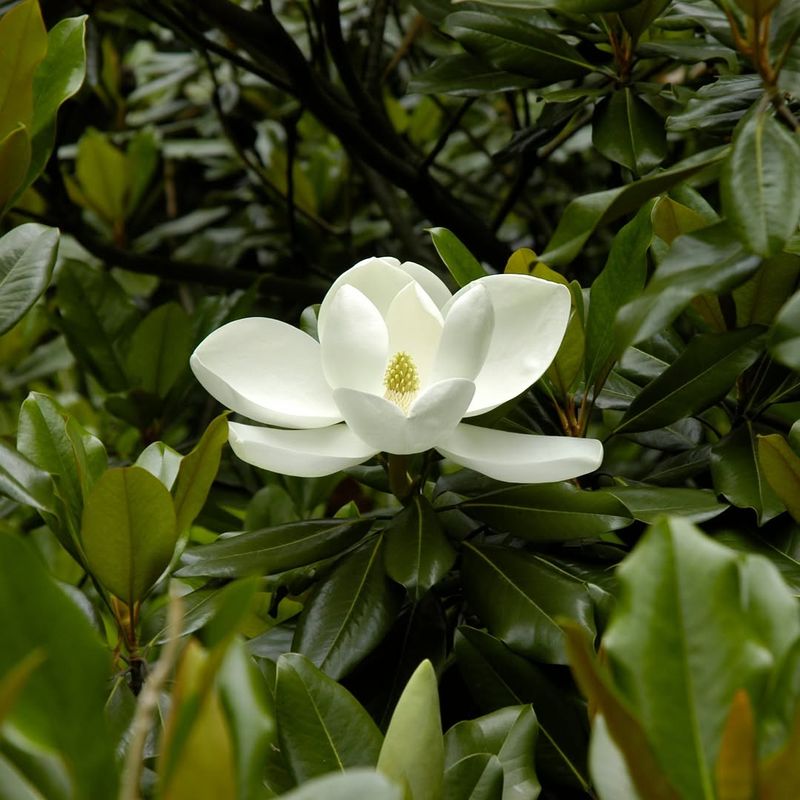
Southern magnolia (Magnolia grandiflora) is the classic choice across Georgia, and it earns that reputation honestly. It handles the heat, tolerates humidity, and keeps its deep green leaves year-round.
Varieties like ‘Little Gem’ work well in smaller yards, while ‘Bracken’s Brown Beauty’ offers extra cold hardiness for north Georgia winters.
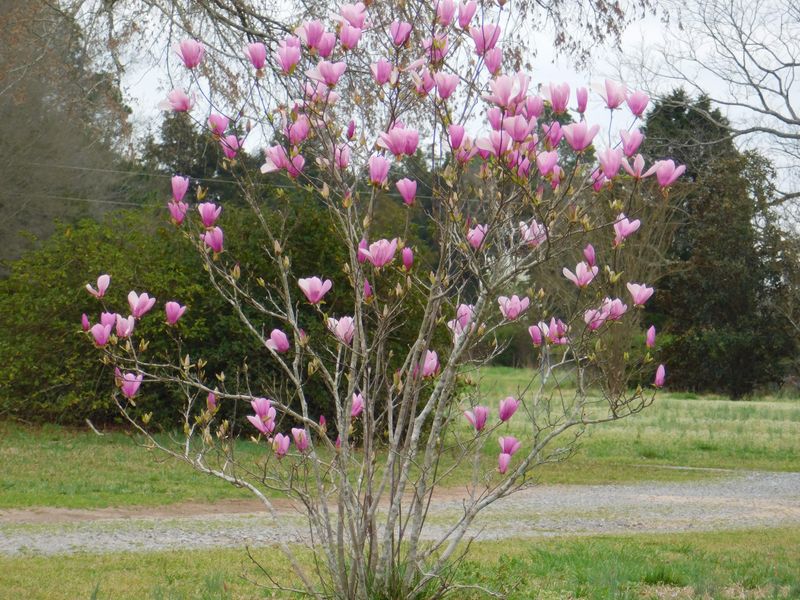
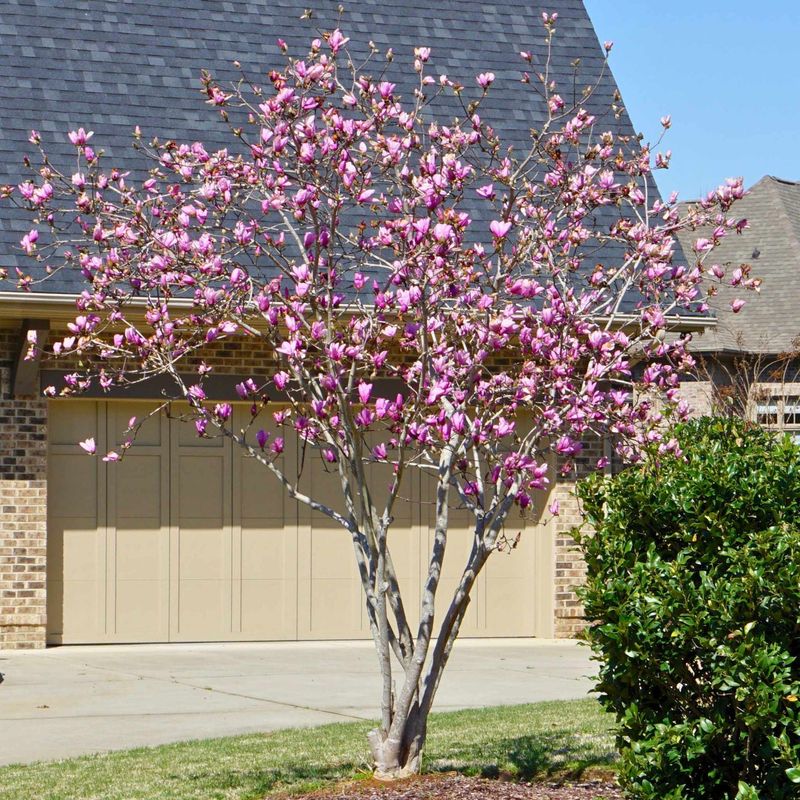
Saucer magnolias (Magnolia x soulangeana) are also popular in Georgia, especially for spring color, but they bloom early and late frosts in the northern parts of the state can damage flowers.
Sweetbay magnolia (Magnolia virginiana) is worth considering if your yard stays wet or has poor drainage, since it tolerates moist soil better than most.
Before buying, check whether the variety was trialed in the Southeast. University of Georgia Extension regularly evaluates trees for regional performance, and their recommendations are worth reading before you spend money on something that struggles here.
Local nurseries in Georgia often carry regionally tested stock, which gives you a better starting point than big box stores.
2. Plant Shallow To Protect The Root Flare
Planting depth is one of those things that sounds simple but gets ignored constantly. A magnolia planted too deep will struggle for years and never quite look right, even with good fertilizer and regular watering.
Root flare is the widened base where the trunk transitions into the root system. In Georgia’s heavy clay soils, that flare needs to sit at or just slightly above ground level.
When it gets buried, the bark stays wet, oxygen cannot reach the roots properly, and the tree slowly weakens over time.
You might not notice the damage right away, but it shows up eventually in yellowing leaves, poor growth, or trunk rot.
When you dig the planting hole, make it wide rather than deep. A hole two to three times the width of the root ball gives roots room to spread outward into looser soil.
Avoid digging deeper than the root ball itself. If you accidentally dig too deep, add firm backfill and let it settle before placing the tree.
Your Georgia Garden Changes Every Week. Your Plan Should Too.
Gardening in Georgia changes quickly throughout the season. Every Friday you’ll receive a simple weekly plan showing exactly what to plant, prune, fertilize, harvest, and protect so you never miss the right timing.
Georgia’s red clay compacts easily, so loosening the sides of the hole with a garden fork helps roots push outward. After planting, step back and look at the base.
You should be able to see a slight flare where the trunk meets the soil. If the trunk goes straight into the ground like a telephone pole, it is almost certainly planted too deep.
3. Use Acidic Soil To Keep Leaves Healthy
Yellow leaves on a magnolia are not always a watering problem. Across much of Georgia, the real culprit is soil pH, and it is something that gets overlooked far too often.
Magnolias prefer a soil pH between 5.0 and 6.5. Georgia soils vary widely, but many areas, especially in the Piedmont region, have naturally acidic soil that falls right in that range.
However, soil near foundations, driveways, or areas that have been heavily amended can drift alkaline, which locks up iron and manganese. When those nutrients become unavailable, leaves turn yellow between the veins in a pattern called chlorosis.
Getting a soil test through your local Georgia Cooperative Extension office is the smartest first step. Tests run cheaply and give you specific numbers rather than guesswork.
If pH needs adjustment, elemental sulfur worked into the soil gradually lowers it over several months. Avoid quick fixes that promise immediate results but disrupt soil biology.
Fertilizers formulated for acid-loving plants, like azalea and camellia blends, can support magnolias in Georgia when used carefully. Apply in early spring before new growth pushes out, and follow label rates closely.
Overfertilizing with nitrogen pushes excessive leafy growth at the expense of root development, which creates a less stable tree overall.
4. Water Deeply During Dry Spells To Prevent Stress
Georgia summers can turn brutal fast. A week without rain in July or August puts real pressure on magnolias, especially ones planted within the last two or three years that have not fully established their root systems yet.
Shallow, frequent watering does more harm than good. It trains roots to stay near the surface where soil dries out fastest.
Deep, infrequent watering pushes roots downward into cooler, more stable soil layers. Aim for slow, deep soaks that wet the soil at least twelve inches down rather than quick sprinkles that barely reach the upper few inches.
A good rule of thumb for established magnolias in Georgia is to water thoroughly once a week during dry stretches, giving the soil time to partially dry between sessions. Newly planted trees need more attention, roughly two to three times per week for the first growing season, tapering off as roots spread.
Drip irrigation or a slow-running hose works better than overhead sprinklers because it delivers water directly to the root zone without wetting foliage unnecessarily.
Morning watering is always better than evening watering in humid Georgia summers. Wet leaves overnight in high humidity invite fungal problems.
5. Mulch Wide To Keep Roots Cool In Summer
Few things protect a magnolia’s root system in Georgia’s summer heat better than a generous layer of mulch. Soil temperatures under pavement or bare ground can spike well above 100 degrees Fahrenheit, and magnolia roots sitting in that kind of heat do not perform well.
Pine bark mulch is a natural fit for Georgia landscapes because it is widely available, breaks down slowly, and slightly acidifies the soil as it decomposes. Apply a layer two to three inches deep across a wide circle, ideally extending out to the drip line of the tree or as far as you can reasonably manage.
Wider is genuinely better when it comes to mulch coverage.
Pull mulch back a few inches from the trunk itself. Mulch piled against the bark stays damp and creates conditions where rot and pests can establish.
You want coverage over the root zone, not a volcano of mulch smothering the base of the tree. That common mistake shows up in Georgia yards constantly and does real damage over time.
Beyond temperature regulation, mulch suppresses weeds that compete with magnolia roots for moisture and nutrients. It also slows water evaporation from the soil surface, which matters a lot during Georgia’s dry stretches in late summer.
Refresh mulch each spring before temperatures climb, topping it up to maintain that two to three inch depth.
6. Avoid Heavy Pruning That Reduces Flowering
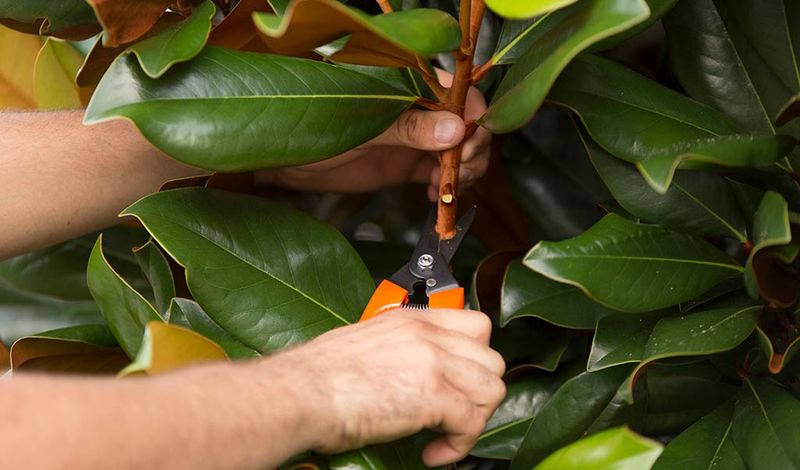
Grabbing the pruning shears and going heavy on a magnolia is a fast way to end up with a tree that barely blooms for the next several years. Magnolias set their flower buds on growth from the previous season, which means aggressive cuts remove the very wood that carries next year’s flowers.
Light, targeted pruning is the right approach.
Magnolias have a naturally graceful form, and most of the time the tree looks best when left to grow on its own terms without heavy intervention.
Timing matters significantly in Georgia. Prune right after flowering ends in spring, before the tree begins setting buds for the following year.
Pruning in late summer or fall in Georgia cuts off buds that are already formed and waiting for next spring. Winter pruning also removes buds and delays the natural bloom cycle.
Large wounds on magnolias are slow to compartmentalize, meaning the tree takes longer than many other species to seal over cuts. Avoid removing large limbs unless there is a clear structural reason to do so.
Smaller cuts made with clean, sharp tools cause far less stress than big removal jobs.
7. Give Space For Airflow To Prevent Leaf Issues
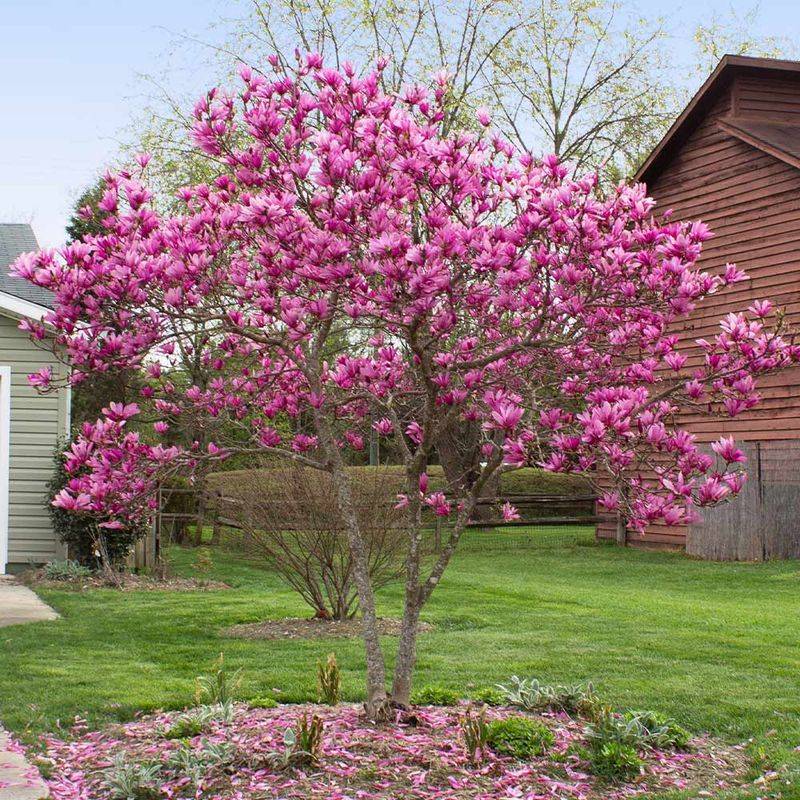
Crowding a magnolia is a setup for trouble. Georgia’s humidity creates the perfect conditions for fungal leaf diseases, and poor airflow around the canopy makes those problems significantly worse.
Giving the tree room to breathe is not just about aesthetics.
Southern magnolias can spread thirty to forty feet wide at maturity. Planting too close to structures, fences, or other trees means the canopy stays dense and humid even after the dew burns off in the morning.
Algal leaf spot, a common issue in Georgia landscapes, spreads more aggressively when leaves stay wet and air movement is restricted.
When choosing a planting location, factor in mature size rather than current size. A young magnolia in a container looks manageable, but give it ten years in Georgia’s growing conditions and it becomes a substantial tree.
Spacing it at least fifteen to twenty feet from structures and other large trees allows the canopy to develop naturally without crowding.
Understory planting around magnolias should be kept low and open. Dense shrubs planted right up against the trunk trap moisture and reduce airflow at ground level.
Groundcovers, low ornamental grasses, or simply a wide mulch ring are better choices for the area directly under the canopy.