The Best Flowers For Natural Insect Control In Georgia Gardens
Warm weather in Georgia always brings more life into the garden, and not all of it is welcome. One week everything looks healthy, then small problems start showing up on leaves, buds, and stems.
Reaching for sprays becomes the usual reaction, even when results feel short lived.
Some gardens stay more balanced without relying on constant treatments, and it often comes down to what is planted alongside everything else.
Certain flowers quietly support that balance by attracting helpful insects that keep problem pests in check.
Placement matters just as much as the plants themselves, especially once temperatures rise and activity picks up.
When the right flowers settle in, the whole garden begins to feel more stable, with fewer sudden outbreaks and less effort spent trying to fix them.
1. Marigolds Help Reduce Soil Nematodes When Used Properly
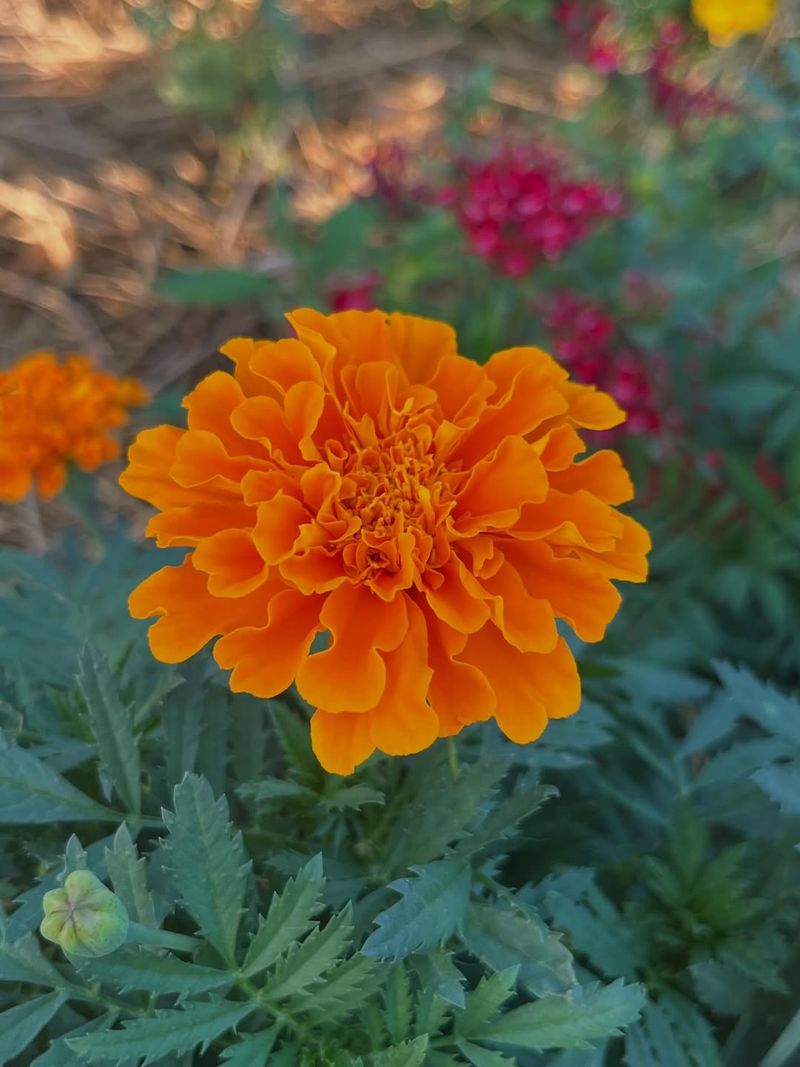
Root-knot nematodes are one of the sneakiest problems in Georgia soil, and marigolds have a real track record of helping manage them.
For best results in Georgia gardens, plant French marigolds as a dense cover crop and let them grow for at least 60 to 90 days before turning them under. Scattered plants here and there won’t move the needle much.
You need enough root mass to actually affect the soil chemistry in a meaningful way.
Beyond the soil benefits, marigolds also attract predatory insects like parasitic wasps and ground beetles that feed on a range of common garden pests. Their strong scent can deter whiteflies and aphids from nearby vegetable beds too.
Planted along the borders of tomato or pepper rows, they pull double duty all season long. Georgia’s long growing season gives marigolds plenty of time to establish and do their job well, making them one of the most practical flowers you can add to any productive garden space.
Turn the plants into the soil while they are still actively growing for the strongest effect. Rotate planting areas each season to avoid buildup of pests in the same spots.
Pairing marigolds with other soil-friendly practices like crop rotation and organic matter gives more consistent results.
2. Nasturtiums Attract Aphids Away From Nearby Plants
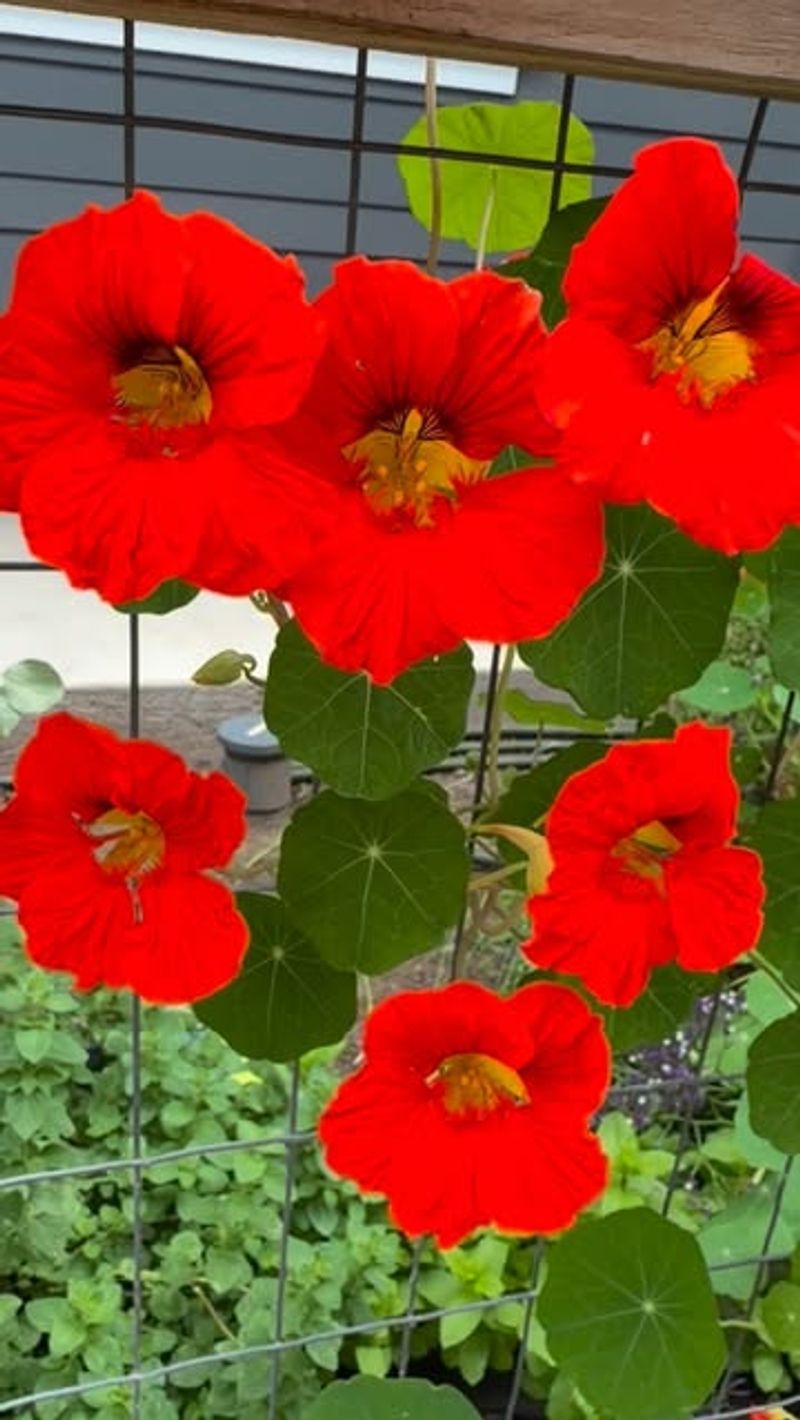
Nasturtiums are one of the few flowers where getting covered in aphids is actually the point. Aphids love nasturtiums so much that they will abandon nearby vegetables to cluster on them instead, which is exactly what you want.
Gardeners across Georgia use nasturtiums as trap crops, planting them near squash, beans, and kale to pull aphid pressure away from the harvest.
Once aphids pile onto the nasturtiums, you can remove those infested stems or let beneficial insects like ladybugs and lacewings find the easy meal. Either way, your main crops stay cleaner.
It’s a low-effort strategy that works well in Georgia’s spring and fall growing seasons when aphid populations tend to spike.
Nasturtiums are also remarkably easy to grow in Georgia. They prefer full sun and well-drained soil, and they don’t need much fertilizer.
Actually, too much nitrogen makes them produce more leaves and fewer flowers, so lean soil suits them just fine. Both climbing and bush varieties work well, and they reseed readily in many parts of the state.
Your Georgia Garden Changes Every Week. Your Plan Should Too.
Gardening in Georgia changes quickly throughout the season. Every Friday you’ll receive a simple weekly plan showing exactly what to plant, prune, fertilize, harvest, and protect so you never miss the right timing.
The edible flowers and leaves are a bonus, adding a peppery kick to salads. Few plants offer this level of pest management combined with low maintenance and actual food value, making nasturtiums a genuinely smart choice for Georgia gardeners.
Plant them close to the crops you want to protect so they pull aphids in quickly and effectively. Check plants often so you can remove heavily infested stems before populations spread.
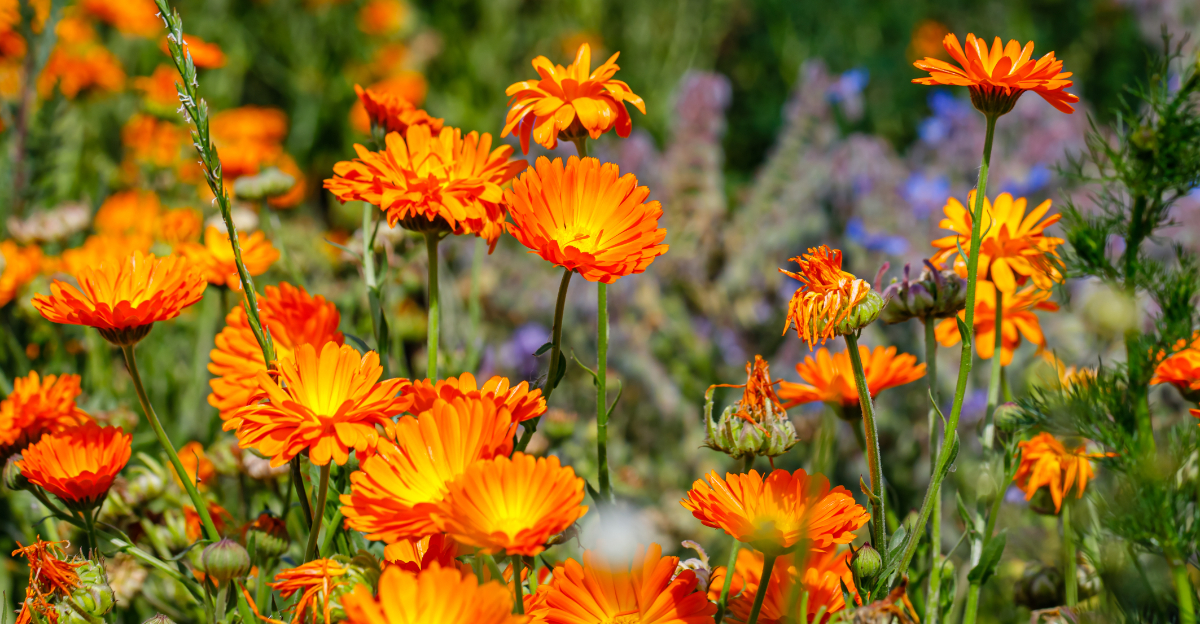
3. Calendula Draws In Beneficial Insects That Feed On Pests
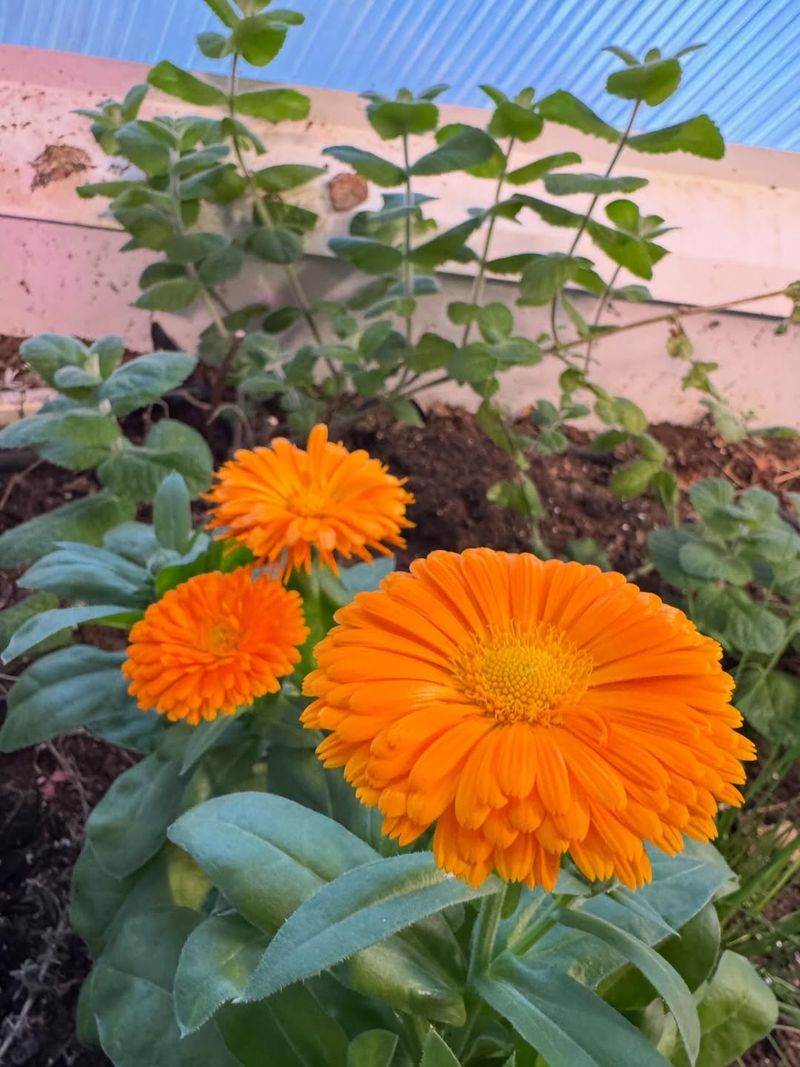
Calendula might look like a simple daisy, but it functions like a magnet for beneficial insects. Hoverflies, parasitic wasps, and lacewings are all drawn to its open, pollen-rich blooms, and every one of those insects helps manage pests that would otherwise work through your vegetables unchecked.
In Georgia, calendula thrives in the cooler shoulder seasons, making it especially valuable in fall and spring gardens.
Planting calendula near brassicas, lettuce, or herbs gives beneficial insects a reliable food source right where you need them most. The sticky stems also physically trap small insects like whiteflies and aphids, acting as a kind of passive pest monitor.
You’ll often notice pest buildup on calendula before it reaches your food crops, which gives you time to respond.
Calendula is not a fan of Georgia’s intense summer heat, so timing your planting matters. Start seeds in late summer for fall blooms, or plant transplants in late winter for spring color.
In North Georgia’s cooler zones, calendula can push well into May before the heat shuts it down. Deadhead regularly to keep flowers coming and beneficial insects engaged.
It’s a short-season workhorse that rewards consistent attention with a long parade of blooms and a noticeably healthier garden ecosystem around it all season long.
Sow seeds every couple of weeks during the cool season to keep fresh plants coming as older ones slow down.
Let a few blooms go to seed at the end so they can drop and come back on their own the next season.
4. Yarrow Supports Beneficial Insects That Control Pest Populations
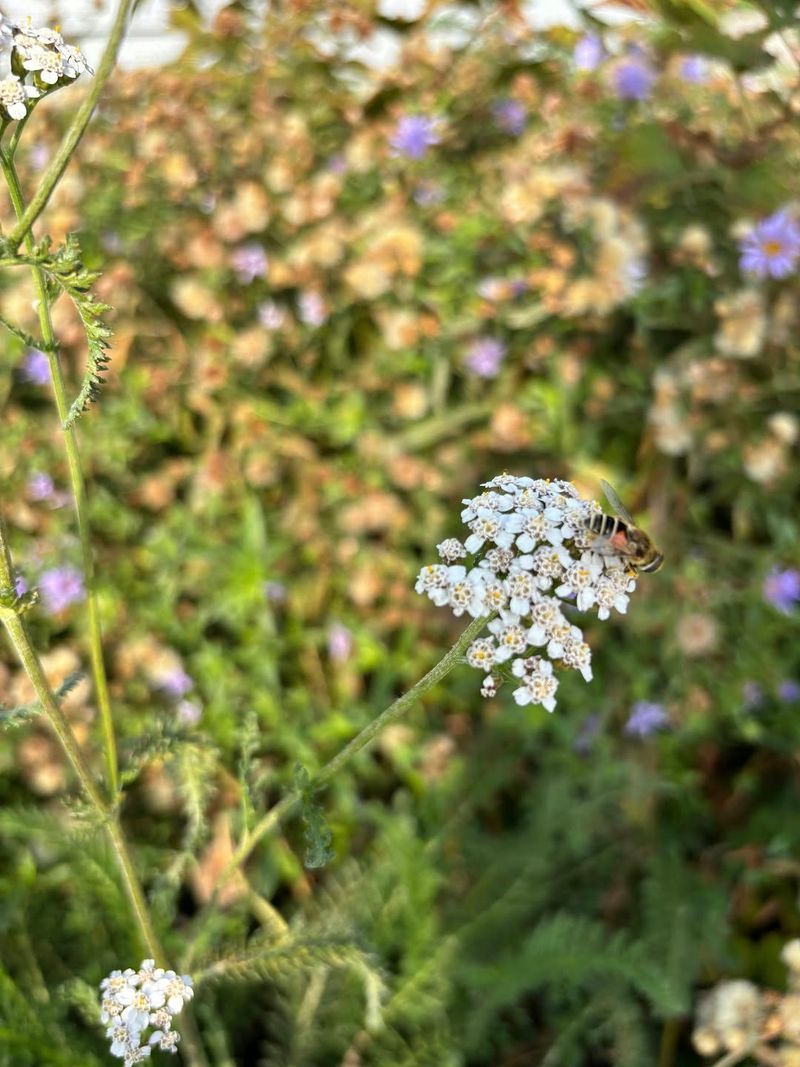
Yarrow’s flat-topped flower clusters are basically a landing pad for tiny beneficial insects. Parasitic wasps, soldier beetles, and predatory flies all use yarrow as a feeding and resting station, and those same insects go on to target caterpillars, aphids, and other common garden pests.
Georgia gardeners who grow yarrow in or near vegetable beds often notice a gradual reduction in pest pressure over time as the beneficial insect population builds up.
Once established, yarrow is nearly indestructible in Georgia’s climate. It handles heat, drought, and poor soil without complaint, which makes it a practical border plant for gardeners who don’t want to fuss.
White and yellow varieties tend to attract the widest range of beneficial species, though any yarrow will do better than no yarrow at all.
Plant yarrow in full sun with good drainage, and give it room to spread since it will naturalize over time in Georgia’s warmer zones. Avoid rich, fertilized soil because that pushes leafy growth over flowers.
Cutting it back after the first bloom flush often encourages a second round of flowers later in the season. Yarrow also pairs well with other insect-attracting flowers like calendula and alyssum, creating layered habitat that supports a diverse and active beneficial insect community throughout the growing season.
Divide clumps every few years to keep plants vigorous and prevent them from getting too crowded.
Place it near vegetable beds or paths where insect activity is easy to notice and beneficial insects can move through the garden.
5. Alyssum Attracts Hoverflies That Feed On Aphids
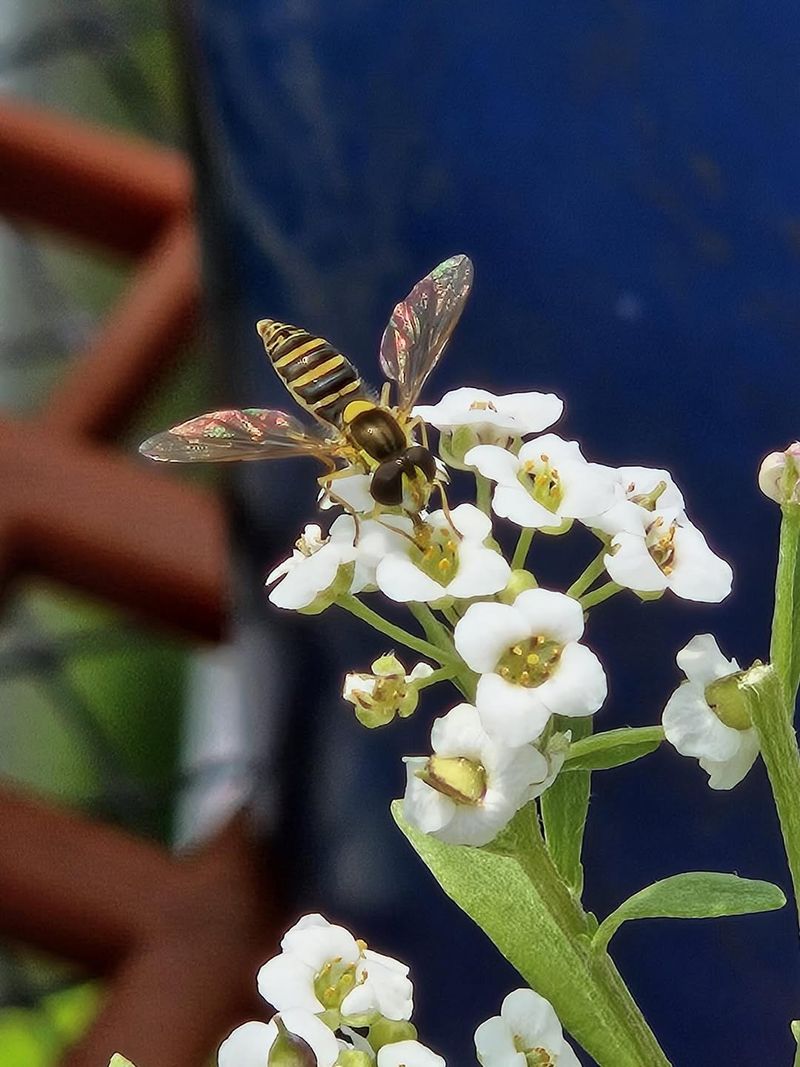
Sweet alyssum has a secret weapon: its tiny white flowers produce nectar that hoverflies cannot resist. Adult hoverflies feed on nectar and pollen, but their larvae are aggressive aphid predators, consuming dozens of aphids per day.
Planting alyssum near aphid-prone crops like tomatoes, peppers, and lettuce is one of the most targeted beneficial insect strategies available to Georgia gardeners.
Alyssum grows low and spreads quickly, making it ideal as a living mulch or border plant around raised beds. It thrives in Georgia’s spring and fall seasons but struggles when summer heat peaks.
Planting in partial shade during warmer months can extend its bloom time significantly, especially in central and south Georgia where heat arrives early.
One practical trick is to let some alyssum reseed naturally. It reseeds freely in many Georgia gardens and will come back in unexpected spots each season, which is honestly a feature rather than a problem.
The honey-like fragrance is a bonus that makes the garden more pleasant to spend time in. Keep it watered during dry spells to maintain flowering, since stressed plants produce fewer blooms and attract fewer hoverflies.
Even a single row of alyssum along the edge of a bed can make a measurable difference in how quickly aphid populations get brought back under control by natural predators.
Sow seeds thickly along bed edges so it forms a continuous strip that draws in more hoverflies right where they are needed.
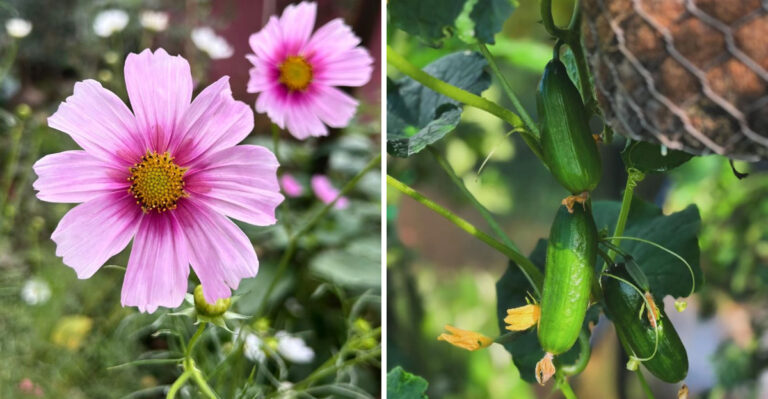
6. Cosmos Brings In Beneficial Insects That Help Keep Balance
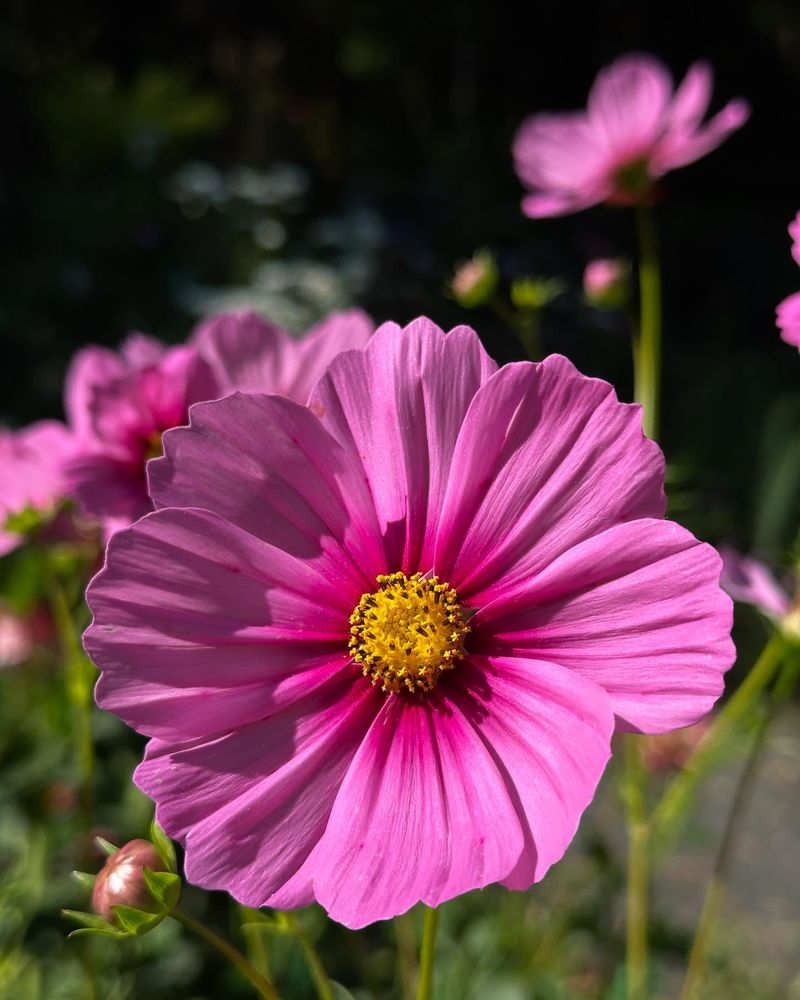
Cosmos grow fast, bloom heavily, and ask for almost nothing in return, which makes them a favorite for Georgia gardeners who want pest-management benefits without extra work.
Their open, daisy-like blooms are easy for a wide range of beneficial insects to access, including parasitic wasps, lacewings, and predatory beetles that help keep caterpillars and aphids in check throughout the season.
Plant cosmos in full sun after the last frost date for your area of Georgia, and they’ll be blooming within six to eight weeks. They reseed aggressively, so once you plant them the first year, you’ll likely have volunteers popping up in the same spot for years afterward.
Tall varieties can reach four to five feet, providing vertical interest and a windbreak effect in exposed garden spots.
Cosmos do best in lean, well-drained soil. Rich soil produces lush foliage but noticeably fewer flowers, which defeats the purpose if you’re growing them for pest control.
Deadheading keeps the blooms coming, but leaving some flowers to go to seed feeds goldfinches and other birds that also help manage insects.
In Georgia’s long warm season, a single planting of cosmos can carry beneficial insect populations from early summer all the way through the first frost, giving your garden a consistent ecological buffer against pest outbreaks across multiple crops and garden zones.
7. Coreopsis Attracts Beneficial Insects That Help Manage Pests
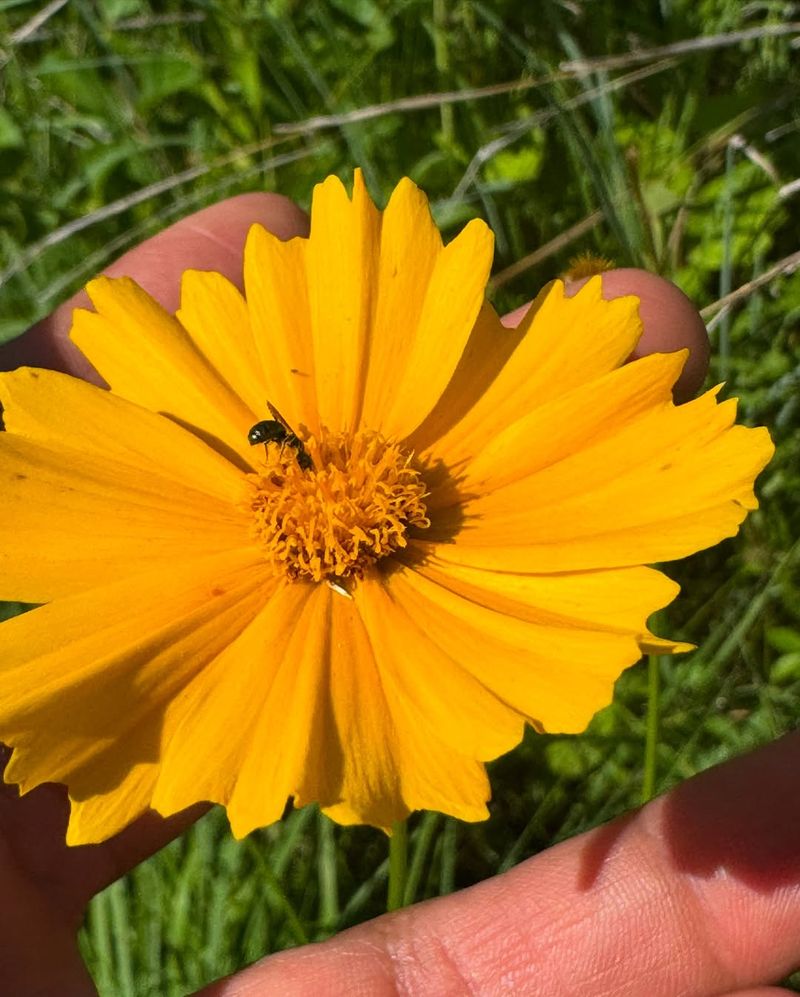
Coreopsis is practically made for Georgia gardens. It’s the state wildflower, it tolerates heat and drought remarkably well, and its cheerful yellow blooms attract a solid lineup of beneficial insects from late spring through fall.
Predatory wasps, ground beetles, and parasitic flies all show up regularly to feed on the pollen and nectar, then move on to hunt the aphids, whiteflies, and caterpillars working through nearby plants.
Native species like Coreopsis lanceolata and Coreopsis tinctoria are especially well-suited to Georgia’s climate and tend to reseed freely across the garden.
They establish quickly in sandy or clay soils with minimal amendment, and they handle the kind of dry summer stretches that stress many other flowers into stopping bloom altogether.
Because coreopsis is a native plant, it supports a broader range of native beneficial insects than many non-native flowers can.
That ecological connection matters, especially in Georgia gardens where native bee and wasp populations are already adapted to the region’s seasonal rhythms.
Plant coreopsis in drifts rather than single plants to create a more visible and accessible habitat patch. Mixing it with yarrow and alyssum amplifies the effect considerably.
Few flowers offer this combination of low maintenance, long bloom season, and genuine pest-management value in a single package for Georgia gardeners.
8. Gaillardia Supports Pollinators And Beneficial Insects
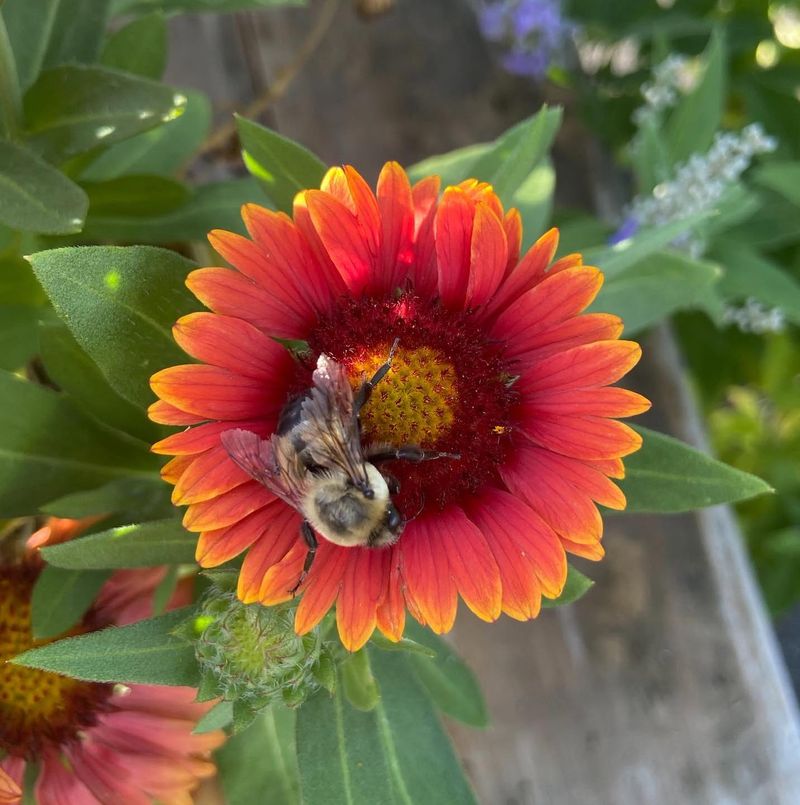
Gaillardia, also called blanket flower, is built for Georgia summers. It handles heat, humidity, and occasional drought without flinching, and it keeps blooming when many other flowers have already given up.
Native bees, bumblebees, and predatory wasps all visit gaillardia regularly, and a healthy pollinator population in your garden tends to support a broader beneficial insect community that helps keep pest pressure in check.
While gaillardia isn’t a dedicated trap crop or nematode suppressant, its value lies in sustained habitat support. Gardens that maintain diverse, long-blooming flower patches tend to have more stable beneficial insect populations than gardens that rely on a single species or short bloom windows.
Gaillardia fills that late-summer gap when other flowers have faded, keeping the beneficial insect community fed and active.
Plant gaillardia in full sun with excellent drainage, since it’s prone to root rot in soggy Georgia clay without some soil amendment. Deadhead spent blooms to encourage continued flowering, or let some go to seed for birds and self-sowing.
In Georgia’s warmer zones, gaillardia often behaves as a short-lived perennial, returning for two or three seasons before needing replacement.
Combining it with cosmos, coreopsis, and yarrow creates a diverse, season-long bloom sequence that keeps beneficial insects present and active from spring planting through the final fall harvest across your entire garden.