7 Early Signs Your Azaleas In Georgia Are Getting Too Much Sun
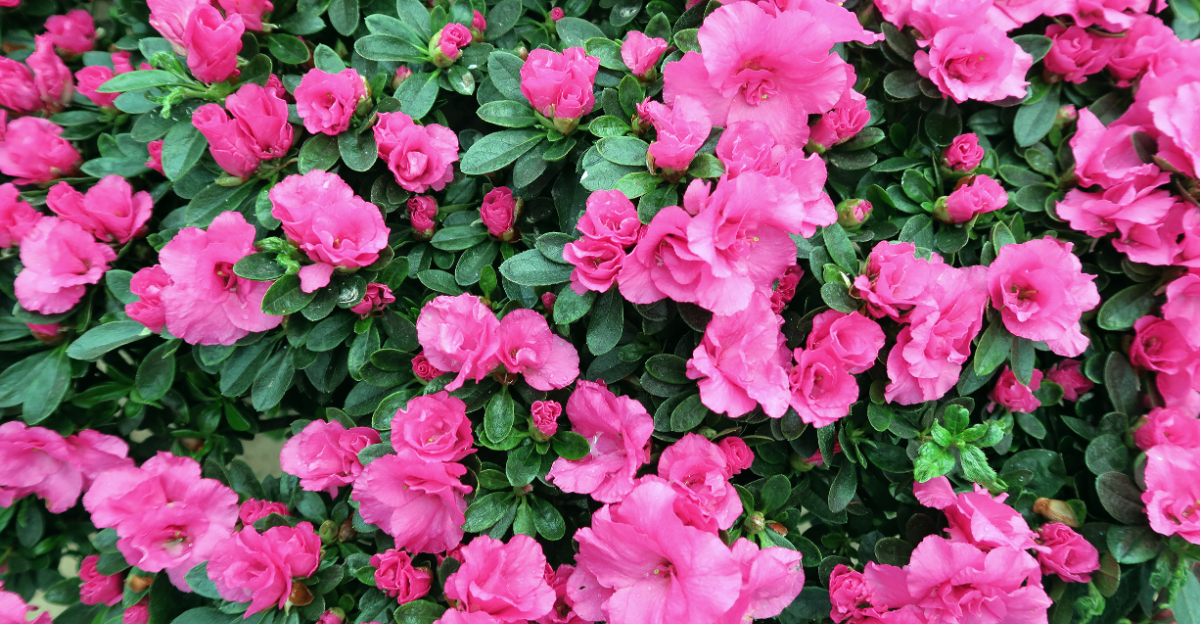
Azaleas in Georgia usually thrive in protected light, so when they start to decline, the cause is not always obvious right away. At first, everything may look fine, but subtle changes begin to show as exposure increases and conditions shift.
Leaves can lose their rich color, blooms may fade faster than expected, and overall growth starts to look less balanced.
These changes often appear gradually, which makes them easy to overlook until the plant is already under stress.
Catching those early signs matters more than most expect. Once the pattern becomes clear, it is much easier to adjust conditions and help azaleas recover before long term damage sets in.
1. Leaves Begin To Scorch And Turn Brown At The Edges
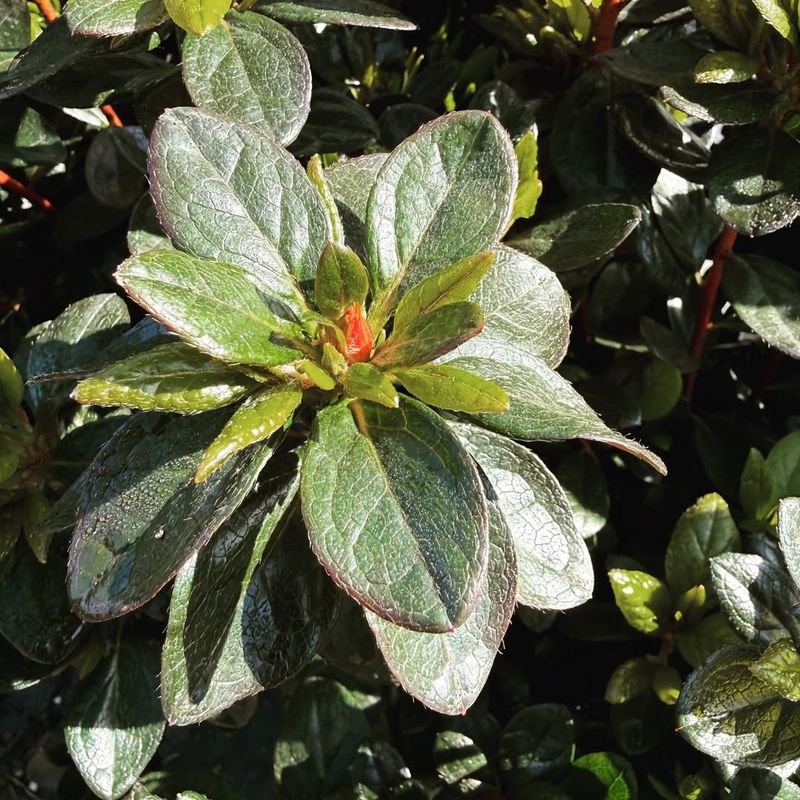
Brown, crispy leaf edges are usually the first thing you notice when an azalea is getting hammered by too much direct sun. It doesn’t happen overnight — you’ll start seeing small patches of brown creeping in from the tips and outer edges of the leaves.
At first it can look like a watering problem, which is why a lot of Georgia gardeners miss it early on.
Leaf scorch happens when the sun pulls moisture out of the leaf tissue faster than the roots can replace it. Azaleas have relatively shallow root systems, so they’re especially vulnerable during Georgia’s hot, dry stretches in July and August.
Even if you’re watering regularly, intense afternoon sun can overwhelm the plant’s ability to stay hydrated at the leaf level.
Check which direction your azaleas face. South-facing and west-facing beds tend to get the most brutal afternoon exposure, and that’s usually where scorching shows up first.
Moving a plant isn’t always practical, but adding shade cloth or planting taller shrubs nearby can reduce direct sun significantly.
2. Fading Flower Color Happens Faster Than Expected
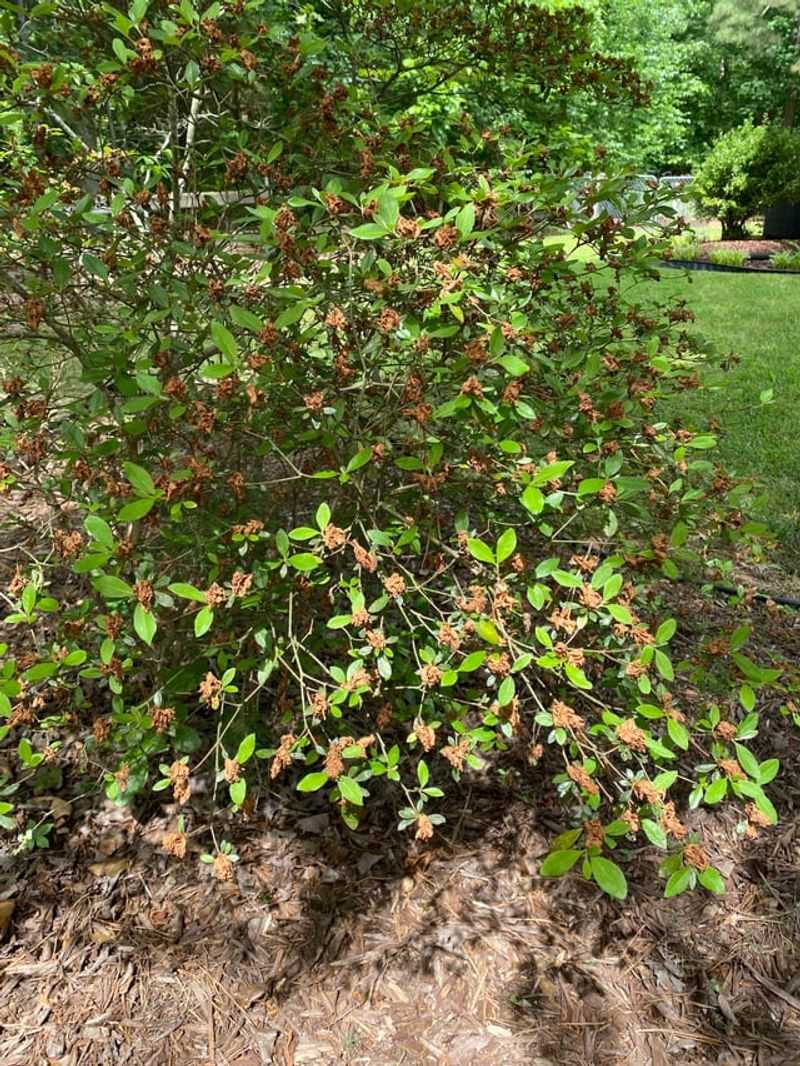
Azalea blooms in Georgia are stunning when they’re at their peak — rich pinks, deep reds, bright whites. But if those colors seem to wash out just days after opening, that’s a sign the sun is doing real damage.
Fading faster than normal is one of the subtler early warnings, and it’s easy to chalk up to the flowers just aging out naturally.
Intense UV exposure breaks down the pigments in flower petals at an accelerated rate. In Georgia, late March through May can bring surprisingly strong sun, especially on clear days with no cloud cover.
Azalea blooms that would normally last two to three weeks in partial shade might fade and drop within a week when they’re getting full afternoon sun.
Pay attention to which side of the plant fades first. Usually it’s the blooms facing the afternoon sun that go first, while flowers on the shadier side hold their color longer.
That pattern is a reliable indicator that sun exposure, not age or disease, is the main factor behind the color loss.
3. Wilting Appears Even When Soil Moisture Is Adequate
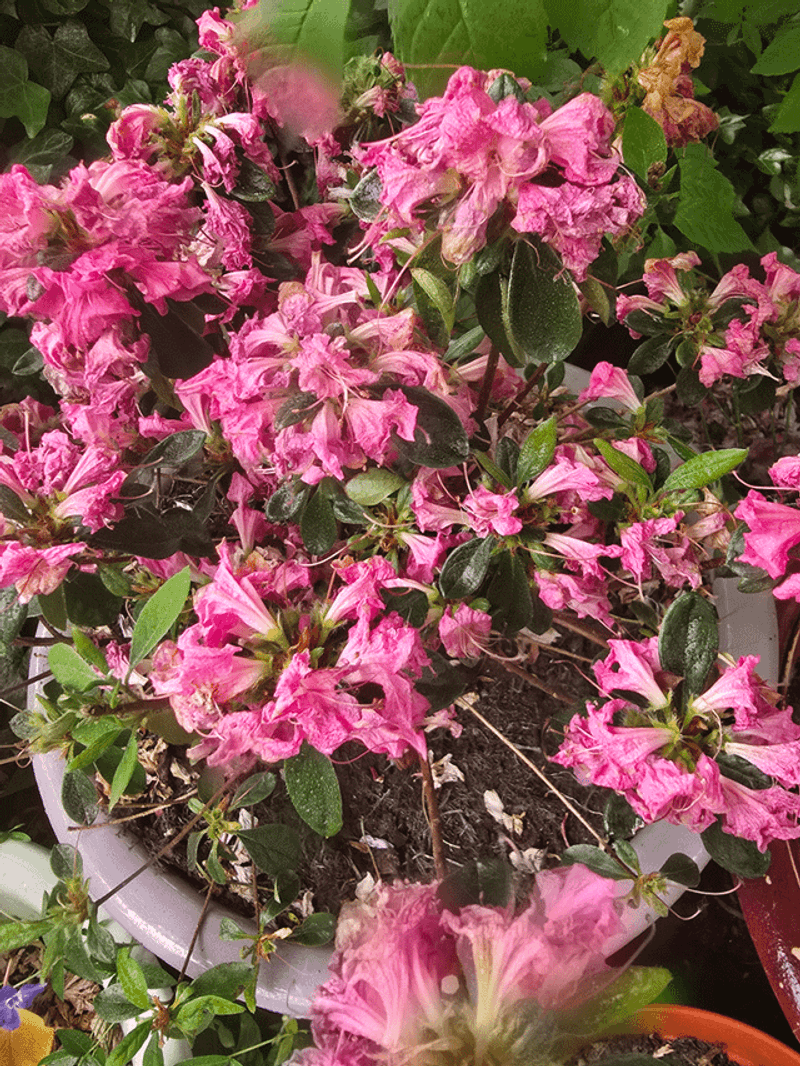
Seeing an azalea wilt after you’ve already watered it is genuinely confusing. Most people’s first instinct is to water more, but adding more moisture to already-moist soil won’t solve a sun problem.
Your Georgia Garden Changes Every Week. Your Plan Should Too.
Gardening in Georgia changes quickly throughout the season. Every Friday you’ll receive a simple weekly plan showing exactly what to plant, prune, fertilize, harvest, and protect so you never miss the right timing.
Wilting caused by excessive sun is about the rate of water loss through the leaves, not the amount of water in the ground.
During Georgia’s peak summer heat, temperatures regularly climb into the low to mid-90s, and direct sun can push leaf surface temperatures even higher. Azalea leaves lose water through a process called transpiration, and when the sun is intense, they lose it faster than the roots can absorb and transport it upward.
The result is midday wilting even in soil that feels damp a few inches down.
A good way to tell sun-stress wilting apart from drought stress is timing. Sun-related wilt tends to ease up in the late afternoon once the intense light drops off, and plants often perk back up by evening.
Drought-related wilting tends to persist through the evening and into the next morning regardless of light conditions.
Afternoon shade is the most direct solution here. Temporary shade cloth rated at 30 to 40 percent shade can be draped over plants during the hottest weeks without blocking enough light to hurt them.
4. Leaves Look Pale Or Bleached In Direct Light
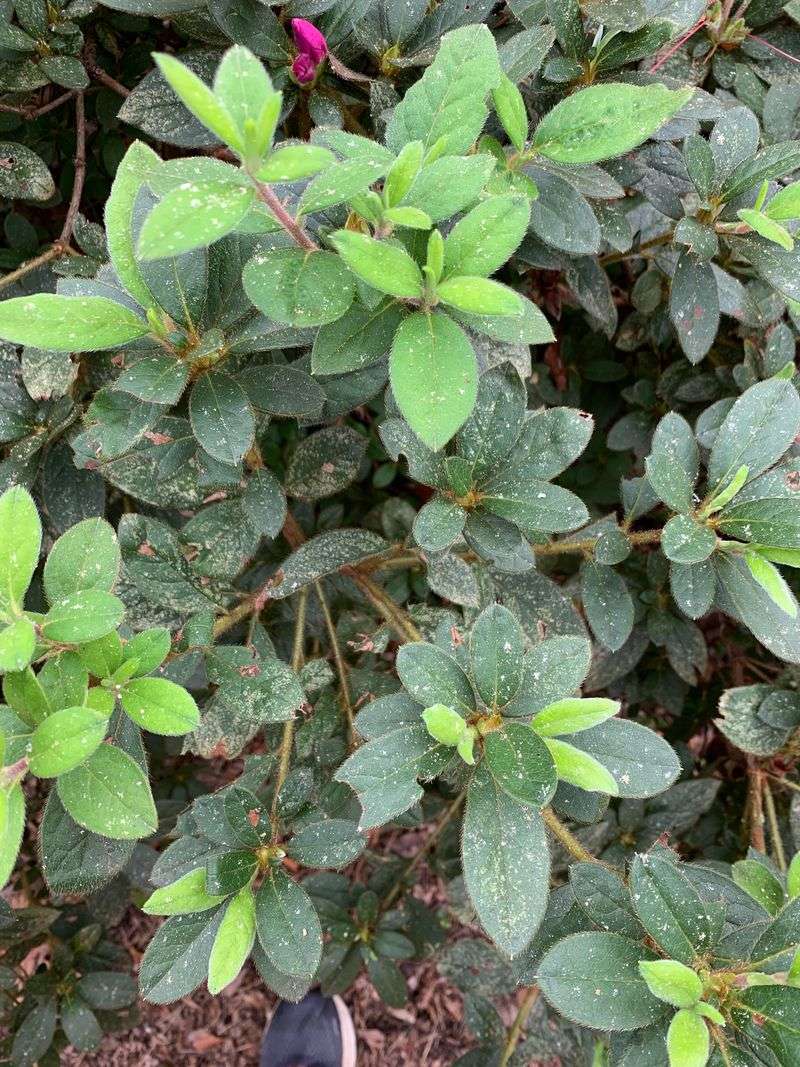
Healthy azalea foliage should be a deep, rich green. When leaves start looking pale, yellowish, or almost bleached out, especially on the parts of the plant getting the most direct sun, that’s chlorosis triggered by sun stress rather than a nutrient problem.
A lot of Georgia gardeners reach for fertilizer when they see pale leaves, but feeding a sun-stressed plant won’t fix the underlying issue.
Excessive sunlight can actually break down chlorophyll in azalea leaves over time. Chlorophyll is what gives leaves their green color and drives photosynthesis, so when it degrades from overexposure, the leaves lose their color and the plant’s ability to produce energy takes a hit.
You’ll often see this bleaching pattern most clearly on the upper surface of leaves that face skyward or toward the south and west.
It’s worth doing a quick soil pH check before assuming sun is the only culprit. Azaleas in Georgia prefer acidic soil in the 4.5 to 6.0 range, and if pH has drifted higher, nutrient uptake problems can cause similar pale leaf symptoms.
Ruling that out helps you focus on the right fix.
5. Bloom Time Shortens Under Intense Sun Exposure
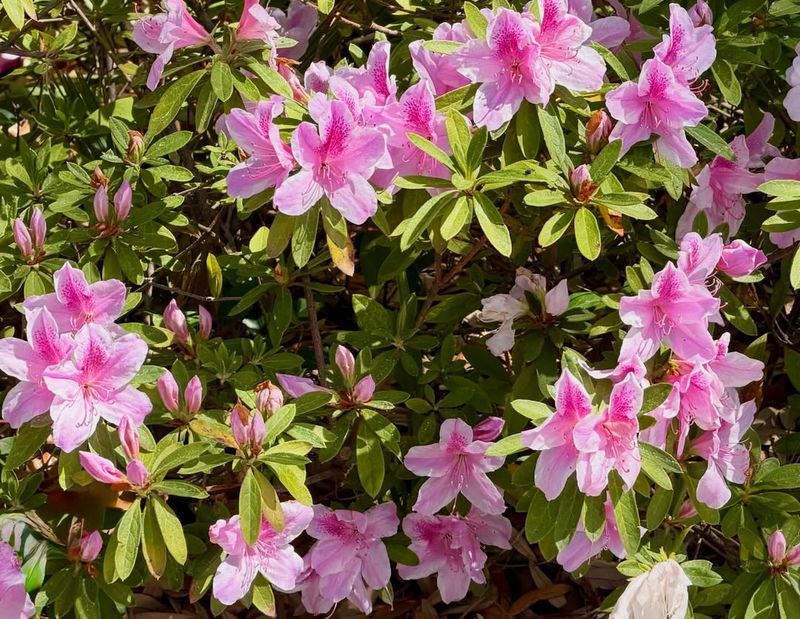
If your azaleas seem to bloom and drop their flowers within just a few days, the sun might be cutting their show short. Azaleas in Georgia typically bloom in spring, and under good conditions with filtered light, that bloom period can stretch out over two to three weeks.
Full sun compresses that window considerably.
Heat accelerates the metabolic processes inside flower tissue, essentially speeding up the aging cycle of each bloom. Petals dehydrate more quickly under direct sun, and the plant drops them sooner as a stress response.
In some cases, buds that haven’t even fully opened will start to drop before they get the chance to bloom properly, which is especially frustrating after waiting all winter for the color.
Compare plants in different spots in your yard if you have more than one azalea. Shrubs growing on the east side of a structure or under dappled tree canopy almost always hold their blooms longer than those in wide-open, south-facing beds.
That comparison alone can confirm whether sun exposure is shortening your bloom time or whether something else is going on.
Strategically planting taller deciduous trees to the south or west of your azaleas gives them natural afternoon shade without completely blocking morning light, which they actually benefit from.
6. Leaf Drop Increases During Warm, Bright Days
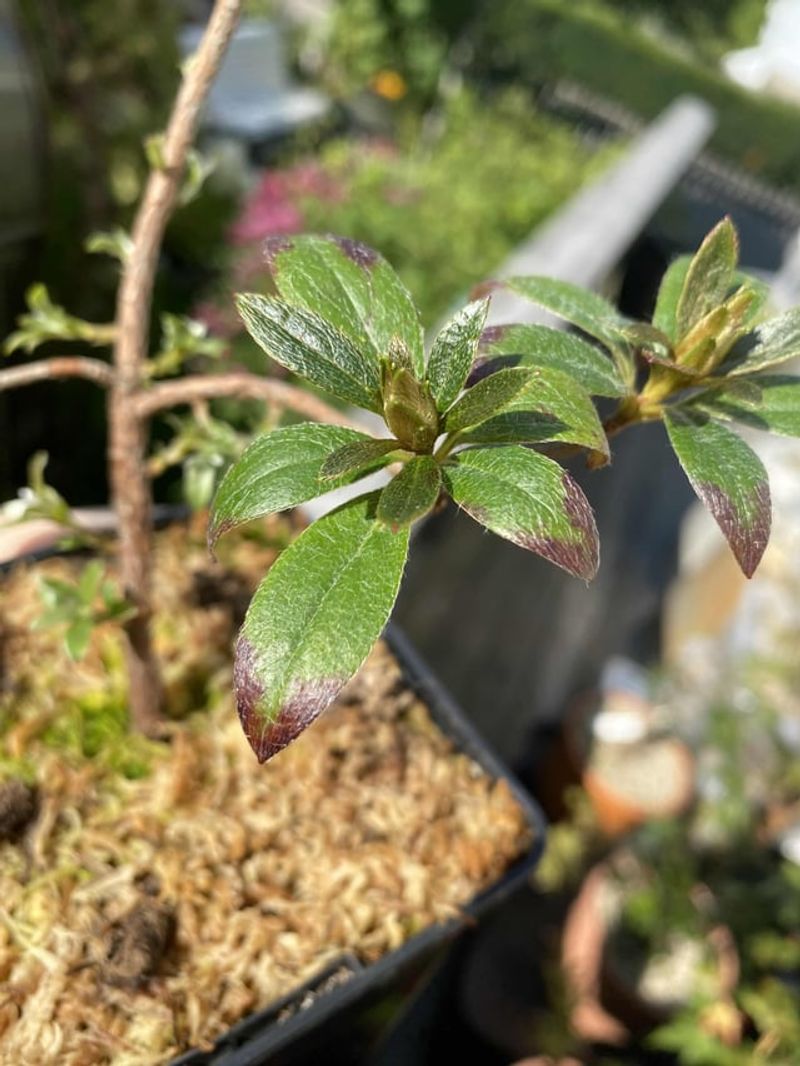
Azaleas do drop some leaves naturally, especially in fall, but if you’re seeing leaves falling during warm, bright summer days, that’s a stress response worth paying attention to.
Unusual leaf drop during the growing season is the plant’s way of reducing the surface area that needs to stay hydrated — essentially shedding load when it can’t keep up with water demand.
Sun-triggered leaf drop tends to show up on the most exposed parts of the plant first. Branches facing south or west lose leaves before the ones tucked into shadier interior sections.
Over several weeks, this can leave your azalea looking sparse and uneven, with bare or thinning sections on one side and fuller growth on the other.
Don’t confuse this with lace bug damage, which is also common on sun-stressed azaleas in Georgia. Lace bugs cause stippling and a grayish, bleached look on the upper leaf surface before drop occurs, while sun-related drop usually comes with yellowing or browning at the leaf edges first.
Checking the undersides of leaves for tiny insects and dark waste spots helps tell the two apart.
Reducing sun exposure is the most direct fix, but consistent deep watering during dry spells also helps slow stress-related drop.
Watering deeply once or twice a week is more effective than light daily watering because it encourages roots to go deeper, where soil stays cooler and holds moisture longer.
Georgia summers can be relentless, and giving azaleas a fighting chance often comes down to managing both shade and soil moisture together rather than treating them as separate problems.
7. Growth Becomes Sparse In Exposed Areas
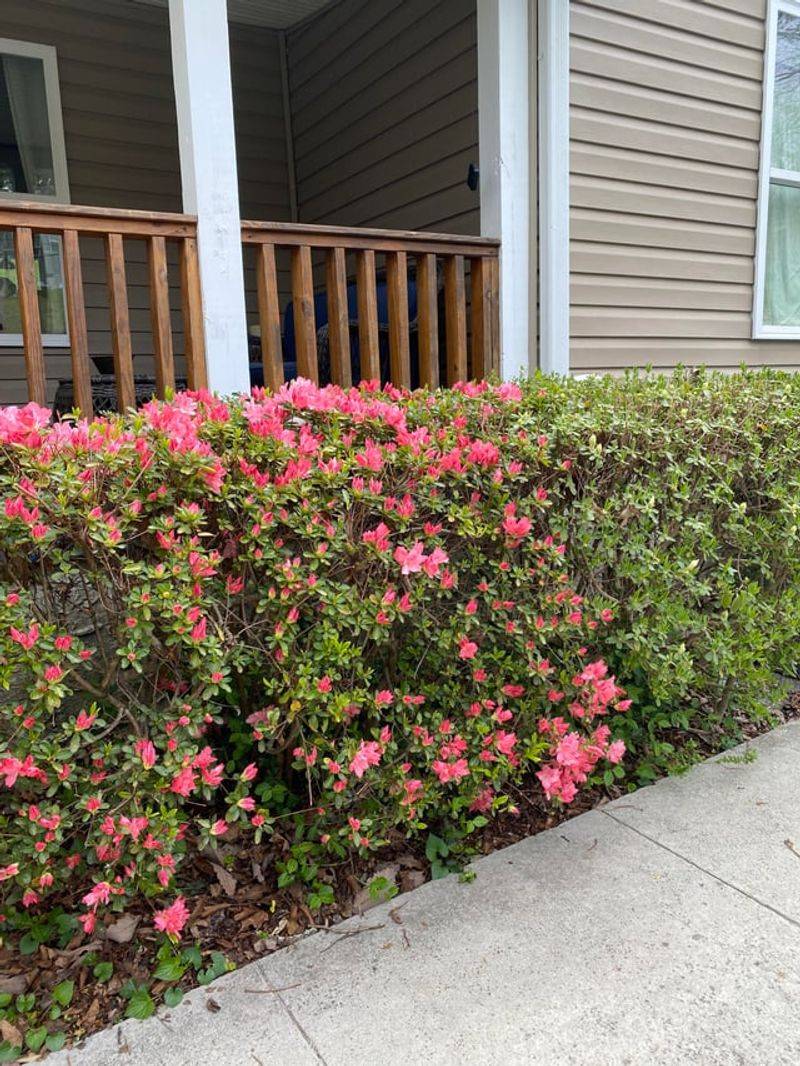
An azalea that keeps throwing out lush new growth in the shaded sections but looks thin and scraggly on the side facing full sun is telling you something clearly.
Sparse growth in exposed areas is a slower-developing sign compared to leaf scorch or wilting, but it reflects cumulative stress building up over multiple seasons rather than a single bad week.
Plants under chronic sun stress redirect energy away from new growth. Instead of pushing out fresh shoots and expanding the canopy, the plant focuses resources on basic survival functions.
Over time, the sun-exposed side of the shrub can look noticeably weaker, with shorter internodes, smaller leaves, and fewer branching points than the protected side.
In Georgia’s northern counties where elevation provides slightly cooler temperatures, azaleas in full sun may handle it somewhat better than those in the flat, humid coastal plain or the intense heat of metro Atlanta’s heat island effect.
Location within the state genuinely affects how quickly these symptoms develop, so what works for a neighbor a county over might not apply to your specific yard conditions.
Pruning back the weaker, sparse sections lightly after the bloom period can encourage the plant to push new growth from lower, healthier wood.