The Annual Flowers Oregon Gardeners Should Pinch Early For Fuller Summer Color
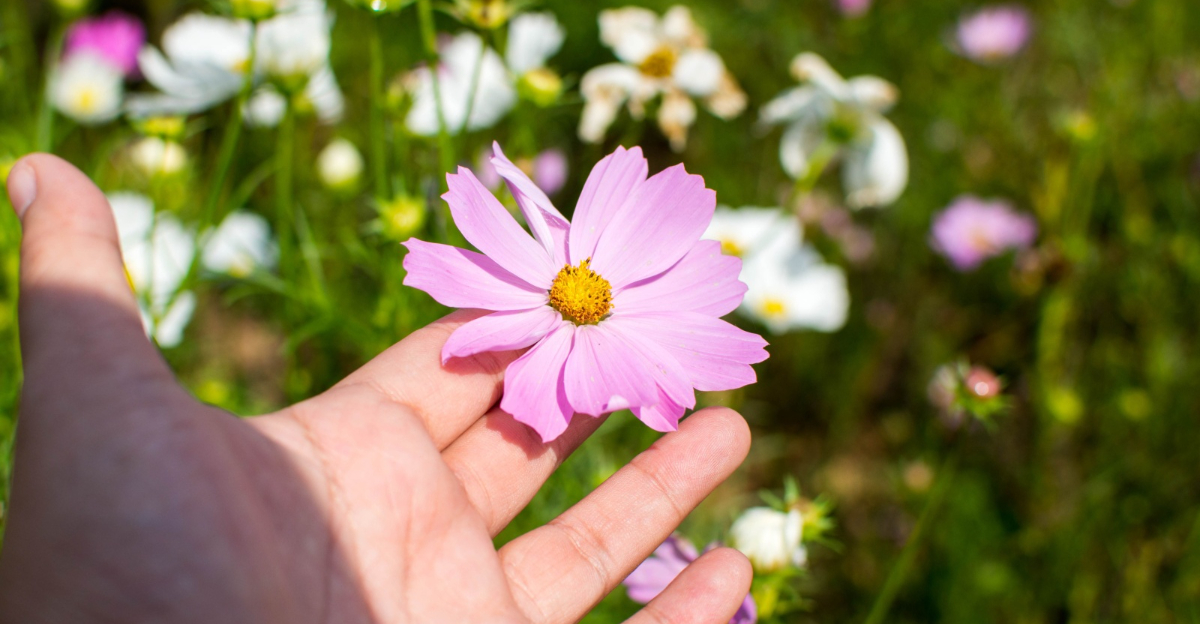
Oregon gardens have a funny way of waking up on their own schedule. Cool nights hang around longer than you’d like, the days slowly stretch out, and just when you think spring has finally committed – surprise, another chilly morning.
But once your annuals start pushing out that fresh green growth, there’s one small thing you can do that makes a genuinely big difference later in the season.
It’s called pinching, and yes, it feels a little brutal at first. You’re basically nipping off new growth on a plant that’s just getting started.
Counterintuitive? Absolutely. Effective?
Very much so. A well-timed pinch early in the season signals the plant to branch out more, which means more stems, more buds, and a much fuller, showier display all summer long.
Oregon gardeners who try it once tend to become total converts. Consider yourself warned.
1. Petunias Fill Out With Early Pinching
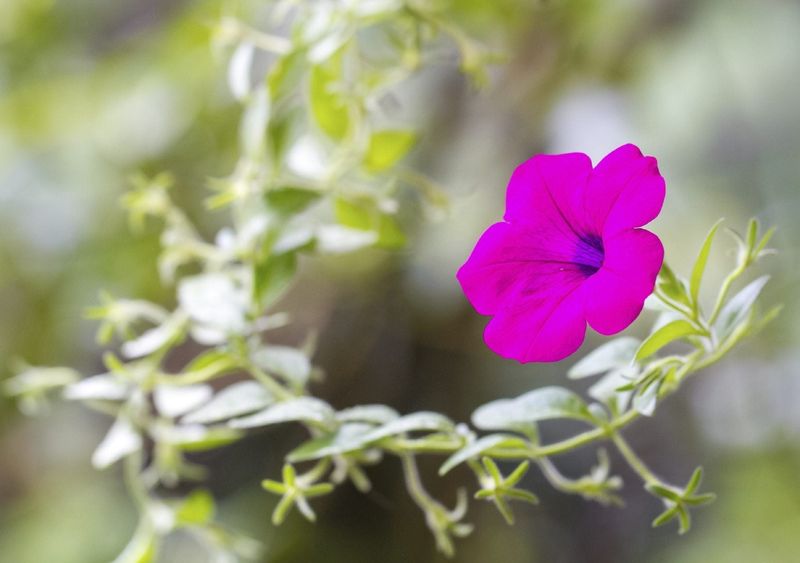
Petunias are one of those annuals that seem to grow fast and look promising right out of the nursery, which makes it tempting to just pop them in the ground and walk away.
However, young petunia transplants often put their energy into one or two main stems, and without a pinch, that single-stemmed growth can lead to a leggy plant with blooms only at the tips.
Pinching petunias early, once they have about six to eight leaves and are settling into their new spot, encourages side shoots to develop along the stem. Those side shoots turn into additional flowering branches, which means far more color by midsummer.
In Oregon, where spring planting often happens in May after the last frost risk passes, timing an early pinch as the plant establishes can set up a much fuller display.
To pinch, simply use clean fingers or small scissors to remove the growing tip just above a leaf node. Avoid taking too much at once.
Petunias in containers, hanging baskets, and flower beds across Oregon all respond well to this simple step, and the payoff in fuller, more colorful growth through July and August is well worth the few seconds it takes.
2. Snapdragons Get Bushier With A Timely Trim
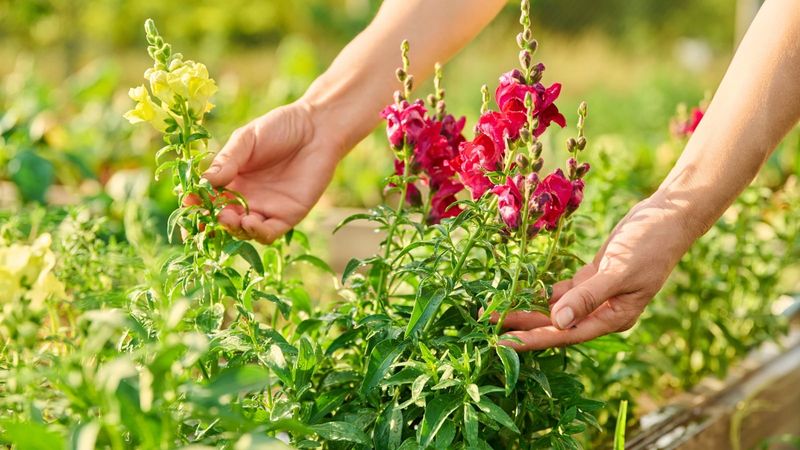
Few annuals bring as much vertical interest to an Oregon garden as snapdragons, with their tall spikes and richly colored blooms that seem almost architectural.
Most gardeners want as many of those flower spikes as possible, and that is exactly where early pinching comes in.
When snapdragons are young and still short, removing the top inch or two of the main stem encourages the plant to send energy into side branches rather than rushing upward on one central stalk.
Each side branch can eventually produce its own flower spike, which means a plant that was heading toward a single bloom becomes a multi-stemmed, fuller plant with several spikes rising at once.
In Oregon, snapdragons often go in the ground in early to mid-spring, since they actually prefer cooler temperatures and can handle a light frost. Once transplants reach about four to six inches tall and look sturdy, that is a reasonable time to pinch.
Your Oregon Garden Changes Every Week. Your Plan Should Too.
Gardening in Oregon changes quickly throughout the season. Every Friday you’ll receive a simple weekly plan showing exactly what to plant, prune, fertilize, harvest, and protect so you never miss the right timing.
Coastal Oregon and higher elevation areas may want to wait a bit longer if nights are still cold.
A timely trim on snapdragons is one of the easiest ways to turn a modest planting into a genuinely impressive early-summer show.
3. Zinnias Bloom Better With Early Pinching
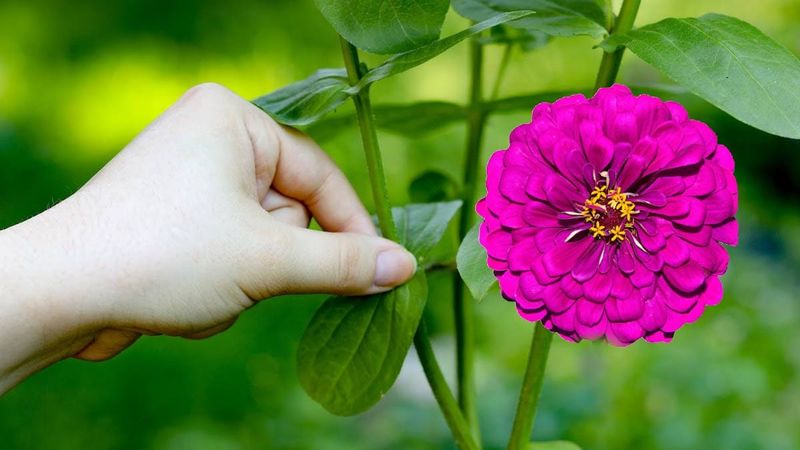
Zinnias are beloved by Oregon gardeners for their bold, saturated colors and their willingness to keep blooming through the heat of summer.
Grown from seed or transplant, young zinnias tend to race upward quickly, which can be exciting to watch but sometimes results in tall, thin plants with fewer blooms than expected.
Pinching zinnias when they reach about eight to twelve inches tall, before they set their first flower bud, encourages the plant to branch outward from lower nodes.
Instead of one central stem carrying a single bloom, the pinched plant develops multiple branches, each capable of producing its own flower.
The result is a plant that looks fuller, wider, and more colorful over the course of the season.
In Oregon, zinnias go in the ground after frost risk has passed, typically from mid-May into early June depending on location.
Central Oregon gardeners especially need to watch overnight temperatures before planting and before pinching, since zinnias do not enjoy cold snaps.
Once the plant looks vigorous and is growing steadily, that early pinch is a smart move. A small sacrifice of that first upward shoot pays back generously with a wider, showier zinnia plant all summer.
4. Coleus Gets Fuller Early On
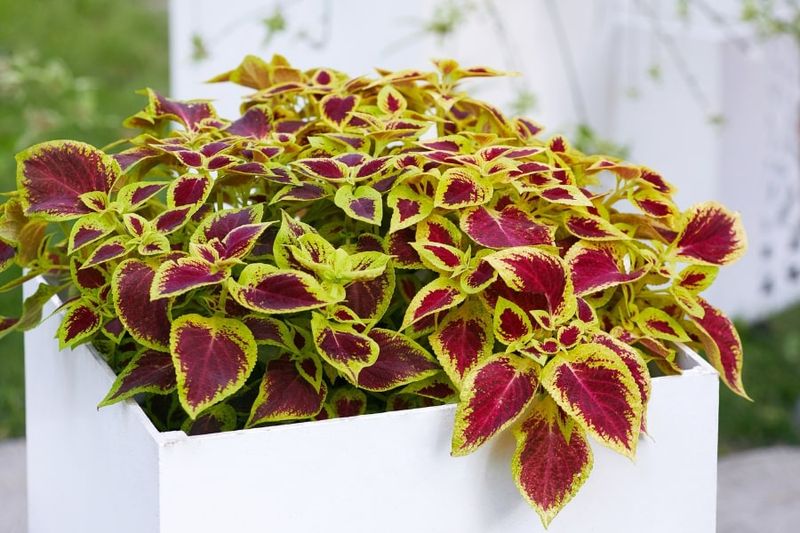
Coleus is grown for its spectacular foliage rather than its flowers, which makes it a little different from the rest of this list, but that does not make early pinching any less valuable.
Left unpinched, coleus tends to put energy into one upright stem and eventually tries to flower, which actually redirects energy away from the lush, colorful leaves that make coleus so appealing in the first place.
Pinching coleus early, when the plant is still young and just getting established in a container or shaded bed, encourages it to branch out into a fuller, rounder shape.
Each pinch point becomes the start of two new side shoots, which means the plant quickly fills in rather than stretching tall and bare at the base.
Oregon gardeners who use coleus in mixed containers or shaded borders will notice a real difference in plant shape when pinching starts early.
Oregon’s mild, often overcast spring weather suits coleus well, though the plants do need warmth before going outside.
Once settled in their spot and growing steadily, pinching every few weeks through early summer keeps coleus looking full and prevents premature flowering.
Removing any flower buds that appear also helps keep the foliage looking its best through the season.
5. Impatiens Stay Lush With A Quick Pinch
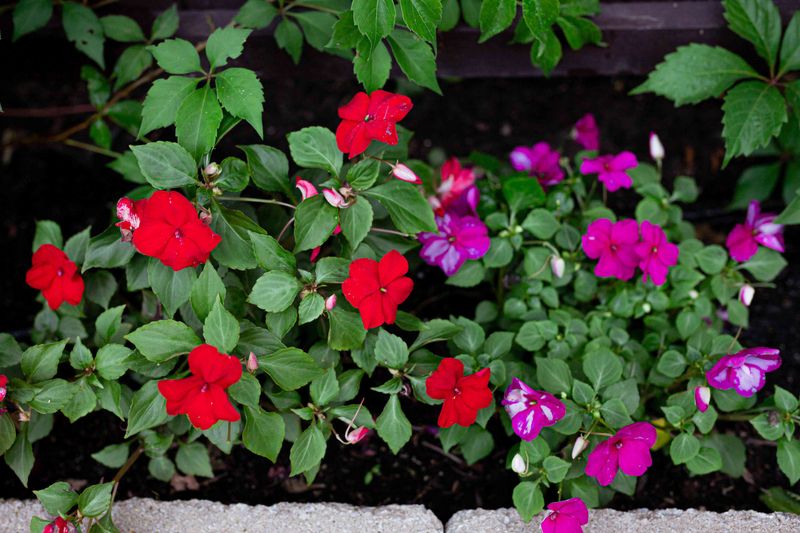
Walk through any shaded Oregon neighborhood in summer and chances are good that impatiens are putting on a show somewhere, whether spilling out of hanging baskets, lining a shaded walkway, or filling a corner bed under a Douglas fir.
Impatiens are reliable performers, but giving them a quick pinch early in the season can make the difference between a decent planting and a genuinely impressive one.
Young impatiens transplants sometimes arrive from the nursery already a bit leggy, especially if they have been sitting under greenhouse lights and reaching for more sun.
Pinching back the longest stems right after planting, or once the plant has settled in for a week or two, encourages new side growth from lower on the stem.
That lower branching fills in the base of the plant and creates a denser, more rounded shape.
Oregon’s cool, shaded garden spots are ideal for impatiens through spring and into summer. Timing a pinch in late April or May, once transplants look comfortable and are putting out new leaves, sets up the plant for a fuller season.
Avoid pinching during a cold snap or right after a stressful transplant. A well-timed pinch keeps impatiens looking lush and generous with blooms well into fall.
6. Fuchsia Branches Out With Early Pinching
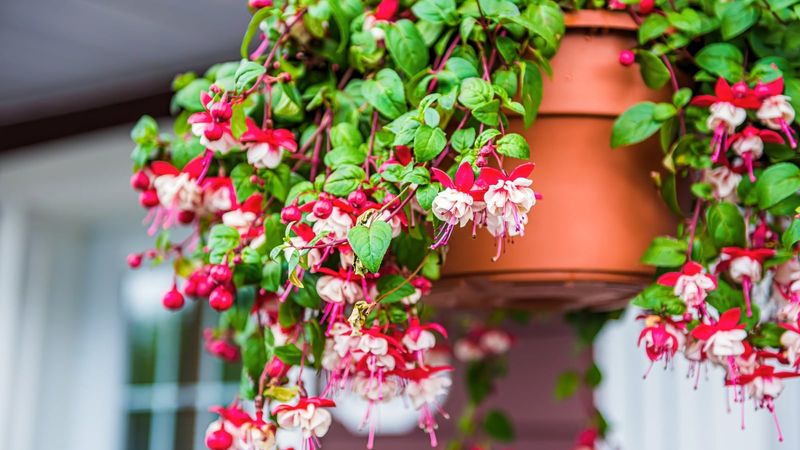
Fuchsia is practically a symbol of Oregon’s mild, coastal gardening culture, hanging in baskets on porches and patios from the coast all the way into the Willamette Valley.
The pendulous blooms are stunning, but getting a truly full, heavily flowering plant takes a bit of early attention rather than simply watering and hoping for the best.
Early in the season, young fuchsia plants often have just a few main stems. Each time a growing tip is pinched, that stem responds by sending out two new shoots from the nodes just below the pinch.
More shoots mean more stems, and more stems mean more of those dramatic dangling blooms by midsummer. Gardeners who skip early pinching often end up with fewer, longer stems and a basket that looks sparse compared to its potential.
In Oregon, fuchsias are typically set outside in late spring once nighttime temperatures are consistently mild. Coastal areas may get fuchsias out earlier than inland or higher elevation spots.
Starting the pinching process as soon as the plant is settled and growing, and repeating it once or twice more in early season, builds a much fuller plant. Stop pinching by midsummer so the plant has time to set buds and produce its best late-season flower show.
7. Sweet Peas Get Fuller With Pinching
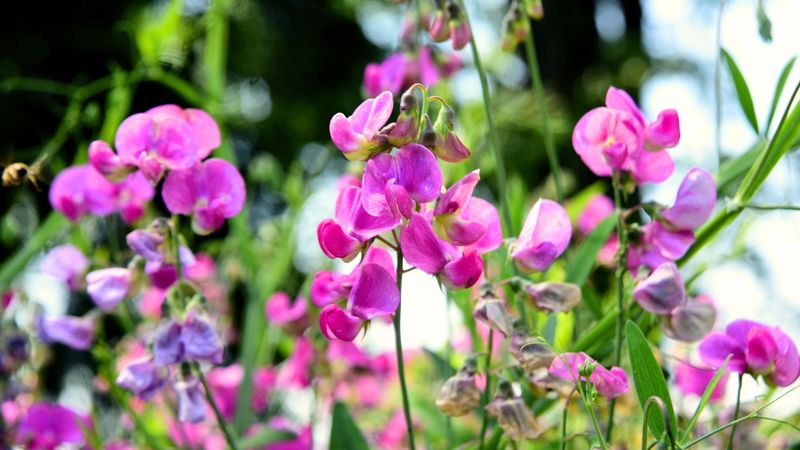
Sweet peas have a charm that is hard to match, with their delicate, ruffled blooms and their famously sweet fragrance drifting across the garden on a cool Oregon morning.
Many gardeners grow them up trellises or along fences, and it is easy to assume that vining plants just need to be pointed upward and left to climb on their own.
Pinching sweet peas when they are young, typically when they reach about four to six inches tall and before they begin climbing in earnest, encourages side shoots to develop from the base of the plant.
Those extra shoots mean more vining stems, more leaf nodes, and ultimately more flowering stems throughout the season.
A sweet pea plant with several strong vines will produce far more blooms than one with just one or two main stems.
Oregon’s cool spring temperatures are well suited to sweet peas, which actually prefer a chilly start. In many parts of the Willamette Valley and along the Oregon coast, sweet peas can go in the ground as early as March.
Pinching can follow once the seedlings look sturdy and established. Regular cutting of spent blooms also encourages continued flowering, so combining early pinching with consistent deadheading keeps sweet peas generous and fragrant all season.
8. Calibrachoa Fills In With Early Pinching
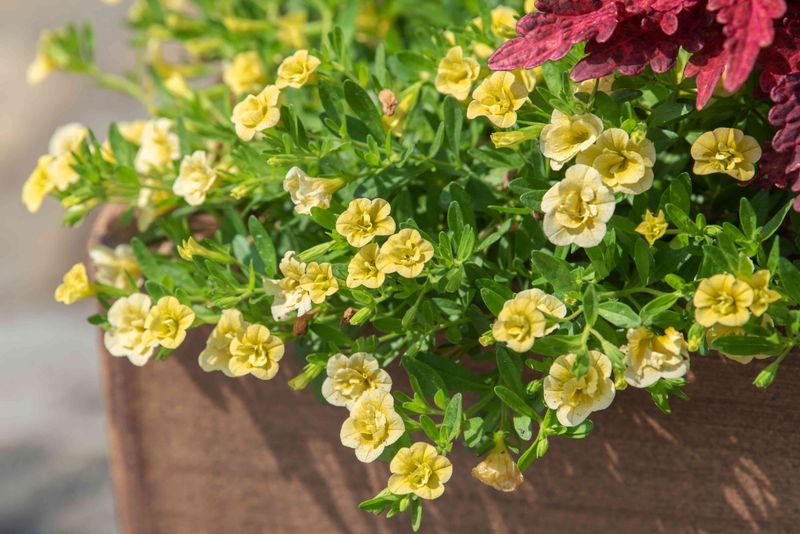
Sometimes called million bells, calibrachoa is one of the most popular container annuals in Oregon, valued for its trailing habit and the cheerful, small blooms that cover it from spring well into fall.
It looks like a smaller version of a petunia, and like petunias, it benefits noticeably from an early pinch to encourage denser growth.
Fresh from the nursery, calibrachoa plants often have several trailing stems already in motion, which can make pinching feel unnecessary. However, those early stems can become quite long and somewhat sparse if left to trail without encouragement.
Pinching back the tips of the main stems when the plant is young promotes branching closer to the crown, which creates a fuller, more cascading look rather than a few long, bare-stemmed trailers.
Oregon gardeners who use calibrachoa in mixed hanging baskets, window boxes, or container arrangements will notice that pinched plants tend to fill in and cover the sides of containers more evenly.
Timing the pinch shortly after the plant settles into its new container, usually in May for most parts of Oregon, gives it the best start.
Calibrachoa is a heavy feeder as well, so pairing early pinching with a consistent fertilizing routine keeps the plant blooming vigorously through Oregon’s long summer days.
9. Cosmos Grows Fuller With A Simple Snip

Cosmos is one of the most carefree annuals an Oregon gardener can grow, thriving in sunny spots with relatively little fuss.
The feathery foliage and cheerful daisy-like blooms on tall, airy stems make cosmos a favorite in cottage-style gardens, cutting gardens, and naturalistic plantings across the state.
Left to grow on its own, cosmos tends to send up one tall central stem fairly quickly, especially in warmer, sunnier parts of Oregon. That single stem can bloom beautifully, but it does not give the wide, branching display that a pinched plant can offer.
Removing the top few inches of that main stem when the plant reaches about eight to twelve inches encourages multiple side stems to develop, each of which will eventually carry its own blooms.
Cosmos grown from seed in the garden, which is very common in Oregon, can be pinched once seedlings are tall enough to handle it. Transplants from the nursery can be pinched shortly after they settle in.
Because cosmos grows quickly in warm weather, the branching response after a pinch happens relatively fast.
A single snip in late spring can mean a noticeably fuller plant by July, with many more blooms to enjoy and cut for indoor arrangements through the rest of Oregon’s summer.