These 9 Popular Spring Plants Are Harder To Grow In Oregon Than You Think
Spring in Oregon can make almost any plant look like a sure thing. Garden centers fill up, the rain finally eases off a bit, and it is easy to assume every cheerful bloom on display is ready to settle in and thrive.
Then a few weeks pass, and suddenly that “easy” spring favorite is sulking, stretching, rotting, or fading fast.
Oregon’s cool nights, soggy soil, surprise cold snaps, and uneven spring warmups can turn a simple planting job into a frustrating little experiment.
That is why some of the most popular spring plants end up being far more demanding than they first appear. They may look perfect on the nursery bench, but real Oregon yards can be a very different story.
A plant that loves mild spring sunshine one day may hate the cold, wet roots that come with it the next. Before you fill your beds and containers, it helps to know which spring beauties tend to test a gardener’s patience here.
1. Bougainvillea
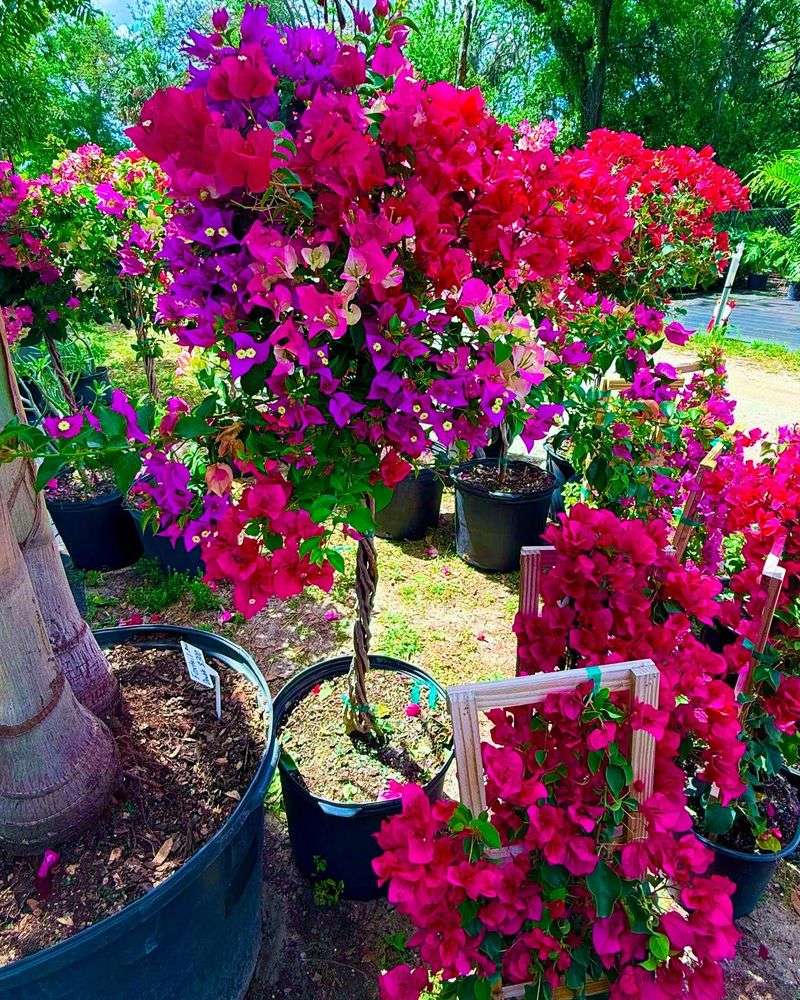
Few plants turn heads quite like bougainvillea. Those bold, papery blooms in shades of hot pink, red, and orange look like something straight out of a tropical vacation.
But here in Oregon, growing bougainvillea is a real challenge that many gardeners underestimate.
Bougainvillea is a tropical plant that loves heat, full sun, and dry conditions. Oregon’s cool, rainy climate is basically the opposite of what this plant wants.
Even in summer, Oregon temperatures often stay too mild for bougainvillea to truly thrive. Without consistent heat, the plant puts out very few flowers and grows slowly.
Wet winters are another big problem. Bougainvillea cannot handle frost well at all.
In most parts of Oregon, winter temperatures regularly drop low enough to seriously damage or wipe out the plant entirely. Gardeners in Oregon who want to try bougainvillea need to grow it in containers so they can bring it indoors before the cold hits.
Good drainage is also a must. Oregon’s heavy clay soil holds too much moisture, which leads to root rot fast.
If you are determined to grow bougainvillea in Oregon, use a well-draining potting mix, place it in your sunniest spot, and be ready to give it a lot of extra care.
2. Mandevilla
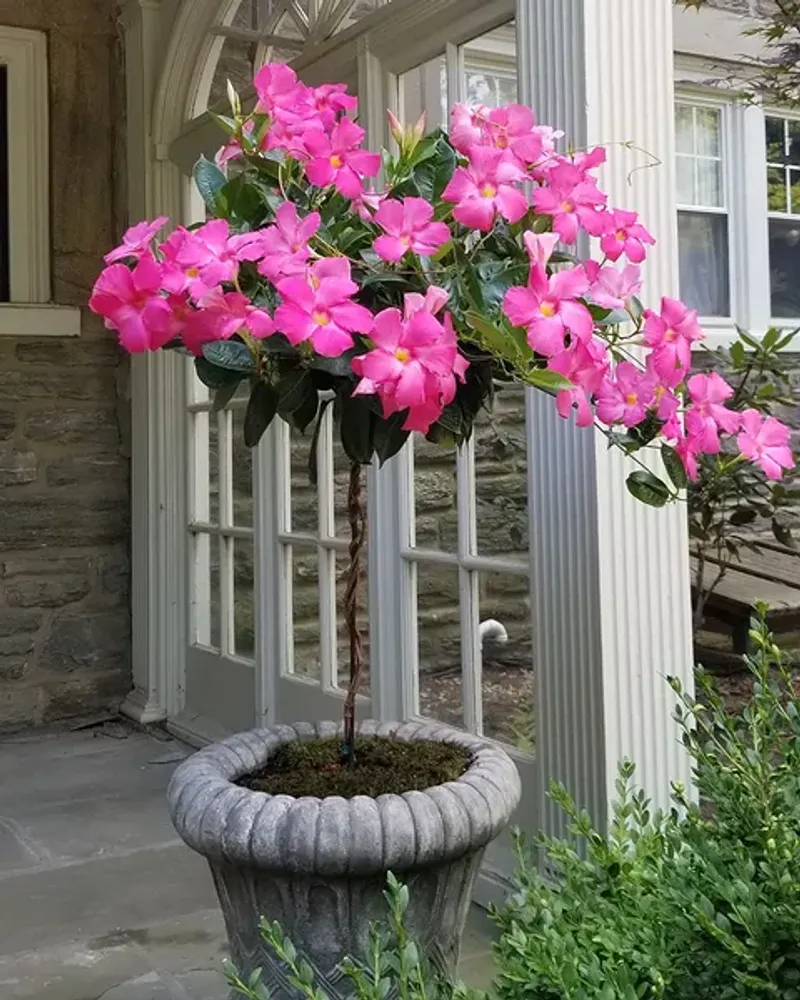
Mandevilla is one of those plants that makes everyone stop and stare. Its large, trumpet-shaped flowers in shades of pink, red, and white look absolutely gorgeous climbing a trellis or spilling out of a hanging basket.
Gardeners across the country love it, but in Oregon, it comes with some real headaches.
Originally from South America, mandevilla craves heat and sunshine. Oregon’s famous cloudy skies and cool temperatures do not give this plant what it needs to bloom well.
Without enough warmth, the plant grows slowly and produces far fewer flowers than it would in warmer states like California or Florida.
Humidity from Oregon’s frequent rain can also cause fungal problems on mandevilla’s leaves. Good air circulation is important, but the wet Pacific Northwest climate makes that tricky to manage.
Your Oregon Garden Changes Every Week. Your Plan Should Too.
Gardening in Oregon changes quickly throughout the season. Every Friday you’ll receive a simple weekly plan showing exactly what to plant, prune, fertilize, harvest, and protect so you never miss the right timing.
Root rot is another concern because mandevilla needs soil that drains quickly, and Oregon’s clay-heavy ground holds water like a sponge.
Frost is the biggest threat of all. Mandevilla cannot survive freezing temperatures, and most of Oregon gets cold enough in winter to seriously harm the plant.
Container growing is the smartest approach here. Bring it inside before the first frost, keep it in a warm, bright spot, and you might just keep it going year after year.
3. Tropical Hibiscus
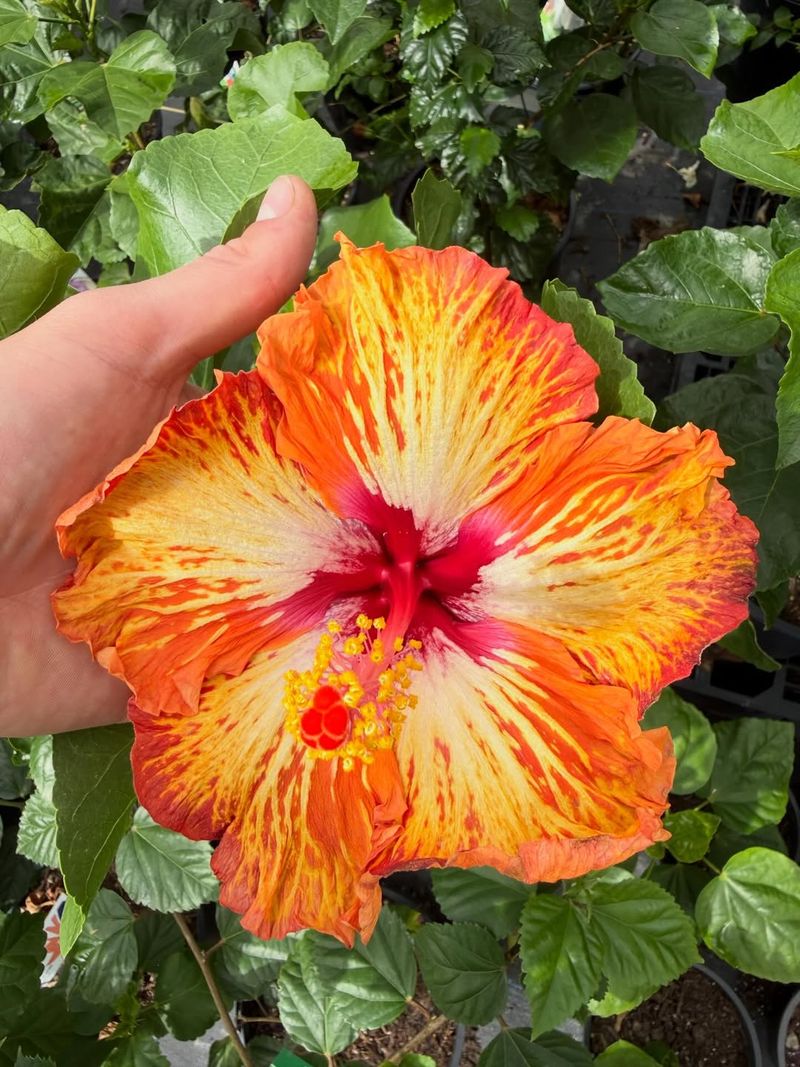
Tropical hibiscus is a showstopper. Its dinner-plate-sized blooms in red, orange, yellow, and pink are hard to ignore.
Many Oregon gardeners pick one up at the nursery in spring, full of hope, only to watch it struggle through the season and fade fast once the weather cools down.
The problem is simple: tropical hibiscus is built for warm, sunny climates. It needs temperatures consistently above 50 degrees Fahrenheit to stay happy.
Oregon’s cool springs and mild summers often fall short of that, especially west of the Cascades where cloud cover is common for much of the year.
When temperatures drop, tropical hibiscus responds by dropping its buds and leaves. Gardeners in Oregon often see this happen in late summer or early fall, just when they expect the plant to be at its best.
It can be pretty discouraging after putting so much effort into keeping it alive.
Wet soil is also a threat. Tropical hibiscus needs good drainage, and Oregon’s clay-heavy soil can cause root problems quickly.
Growing it in a container with quality potting mix gives you much better control. Place it in the warmest, sunniest spot in your yard, water it carefully, and plan to bring it inside well before Oregon’s chilly fall nights arrive.
4. Lantana
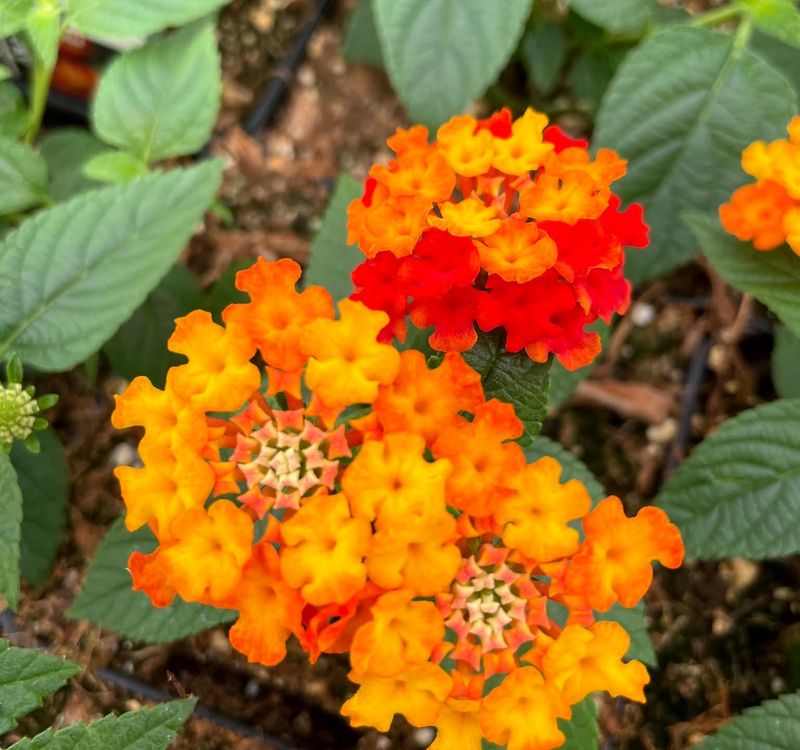
Walk through any garden center in spring and you will almost certainly spot lantana. Its clusters of tiny flowers in sunset shades of orange, yellow, pink, and red are eye-catching and cheerful.
Butterflies love it. Gardeners love it.
But Oregon’s climate? Not so much.
Lantana is a heat-lover through and through. It originates from tropical and subtropical regions and performs best where summers are long, hot, and dry.
Oregon’s cooler, wetter summers are far from ideal. The plant may grow, but it rarely reaches its full potential here the way it does in warmer states.
Slow growth is one of the first signs that lantana is not happy in Oregon’s conditions. Instead of the lush, spreading mounds you see in gardening magazines, Oregon-grown lantana often stays small and produces fewer flowers.
Cool nights slow everything down significantly for this heat-hungry plant.
Frost sensitivity is a major issue as well. Lantana is not cold-hardy and will struggle the moment temperatures dip near freezing.
In most of Oregon, that rules out any chance of it surviving winter outdoors. Some gardeners treat it as an annual and replace it each spring, while others grow it in pots and move it inside.
Either way, growing lantana in Oregon takes more effort than most people expect when they first bring it home.
5. Angelonia
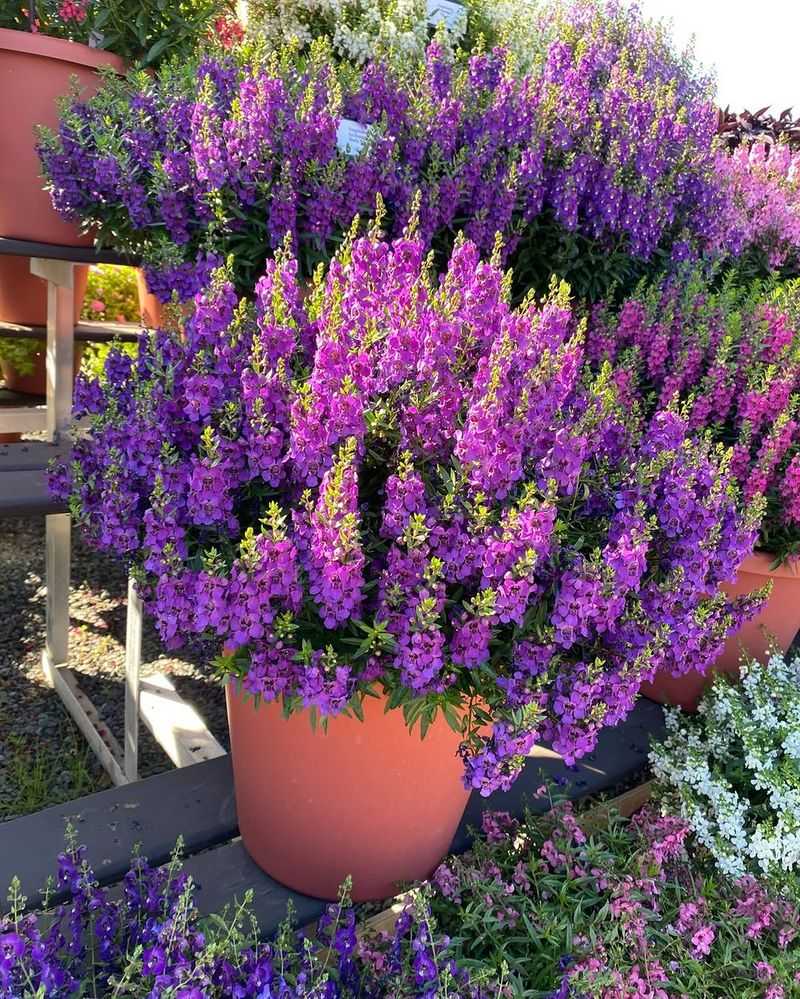
Sometimes called summer snapdragon, angelonia has a lot going for it. Its slender spikes of purple, pink, or white flowers are delicate and lovely.
It handles heat and drought better than many annuals, which sounds perfect until you realize that Oregon’s climate is almost the exact opposite of what angelonia prefers.
Angelonia truly thrives in hot, humid summers with plenty of sunshine. States like Texas and Florida are practically paradise for this plant.
Oregon, with its mild temperatures and frequent overcast skies, does not deliver the warmth angelonia needs to really take off. Growth tends to be slow, and flowering can be disappointing compared to what you see on the plant tag at the nursery.
The cool nights that Oregon experiences throughout much of the growing season are particularly rough on angelonia. Low nighttime temperatures slow the plant’s metabolism and limit how well it can grow and bloom.
Even in the Willamette Valley, where summers are warmer than the coast, angelonia often underperforms.
Soil drainage matters too. Angelonia does not like sitting in wet soil, and Oregon’s rainy periods can create waterlogged conditions that harm the roots.
Raised beds or containers filled with well-draining soil can help. Choosing the warmest, most sheltered spot in your Oregon garden gives angelonia its best shot at putting on a decent show through the summer months.
6. Pentas
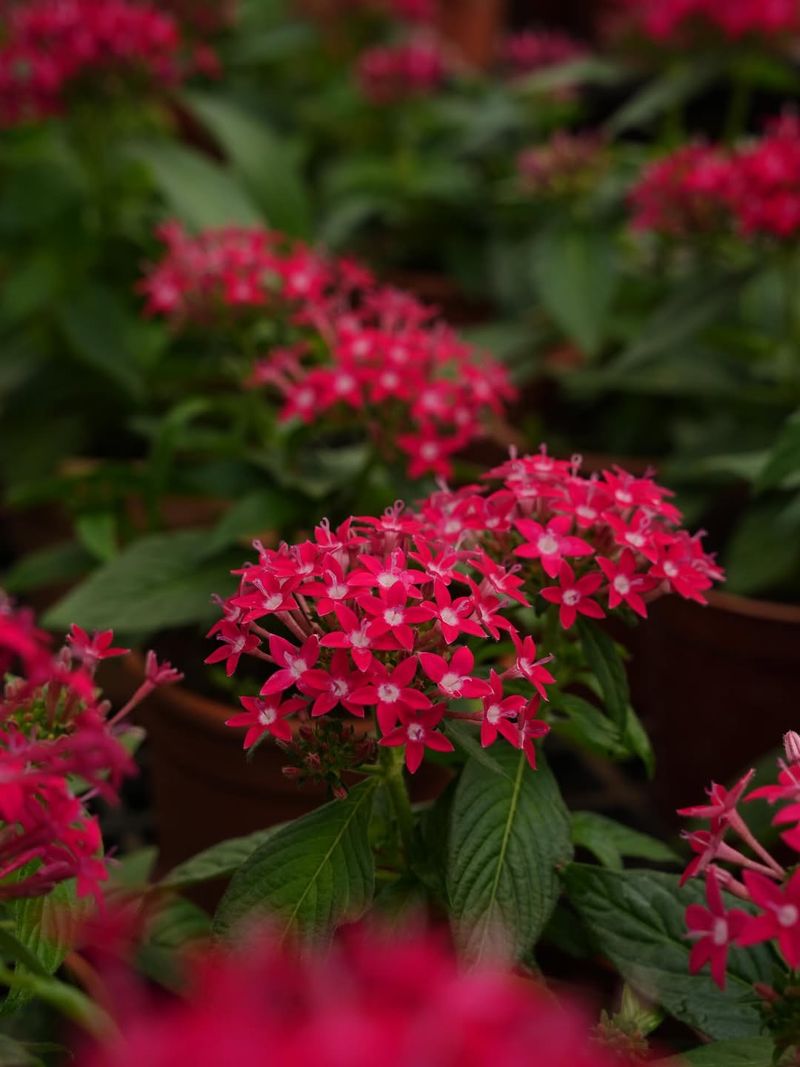
Pentas, also known as Egyptian star flower, is a butterfly magnet that gardeners adore for its clusters of star-shaped blooms in red, pink, lavender, and white. It sounds like the perfect summer plant, but growing it in Oregon is trickier than the cheerful plant tags suggest.
Native to Africa and Arabia, pentas is built for warmth. It needs full sun and consistently warm temperatures to bloom well and grow vigorously.
Oregon’s frequently cloudy skies and cool summer days make it hard for pentas to get the sunlight and heat it craves. The result is often a plant that looks okay but never quite reaches its full potential.
Pentas also dislikes cold nights, which Oregon has plenty of even in midsummer. Chilly temperatures slow growth and reduce flowering significantly.
Gardeners who plant pentas early in the spring often find that the plant just sits there for weeks before doing much of anything, waiting for warmth that can be slow to arrive in the Pacific Northwest.
Overwatering is another concern. Oregon’s rainy spells can leave soil too wet for pentas, which prefers conditions on the drier side.
Using containers with excellent drainage helps a lot. Place pentas in the hottest, sunniest corner of your yard, and hold off on planting until Oregon’s soil and air have genuinely warmed up, usually later in spring than most people think.
7. Annual Vinca
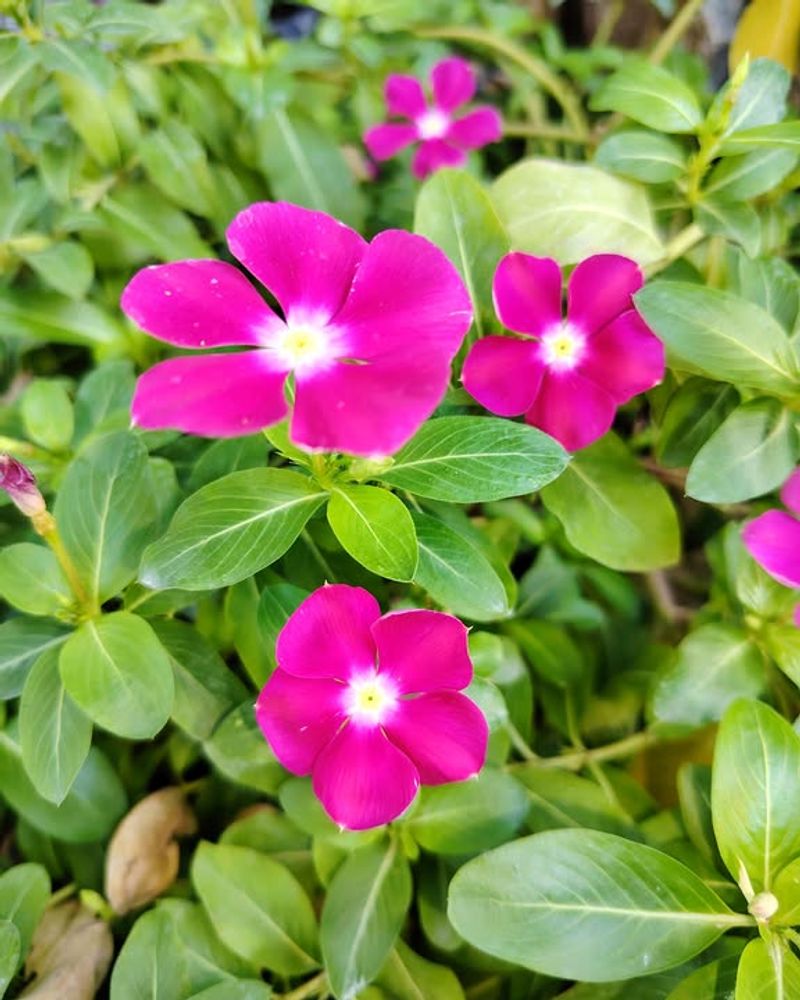
Annual vinca, also called vincas or periwinkle, is a popular choice for adding long-lasting color to summer gardens. It is tough, drought-tolerant once established, and blooms nonstop in warm climates.
But in Oregon, annual vinca has a surprisingly hard time getting started and staying healthy.
The core issue is temperature. Annual vinca needs warm soil and warm air to thrive.
If you plant it too early in Oregon’s cool spring, it will just sit there looking sad, barely growing, and sometimes developing fungal problems from the cold, wet conditions. Many Oregon gardeners make the mistake of planting vinca in April or early May, which is simply too soon.
Fungal diseases are a real threat for annual vinca in the Pacific Northwest. Aerial phytophthora is one of the most damaging, and it spreads quickly in cool, wet weather.
Oregon’s rainy springs create the perfect conditions for this disease to take hold and spread through a planting fast. Once infected, plants decline rapidly and are very hard to save.
Waiting until the soil is consistently warm, at least 65 degrees Fahrenheit, gives annual vinca a much better chance in Oregon. Good air circulation, avoiding overhead watering, and choosing disease-resistant varieties all help.
It can be done, but annual vinca in Oregon demands more patience and planning than most gardeners bargain for when they grab a flat at the nursery.
8. Portulaca
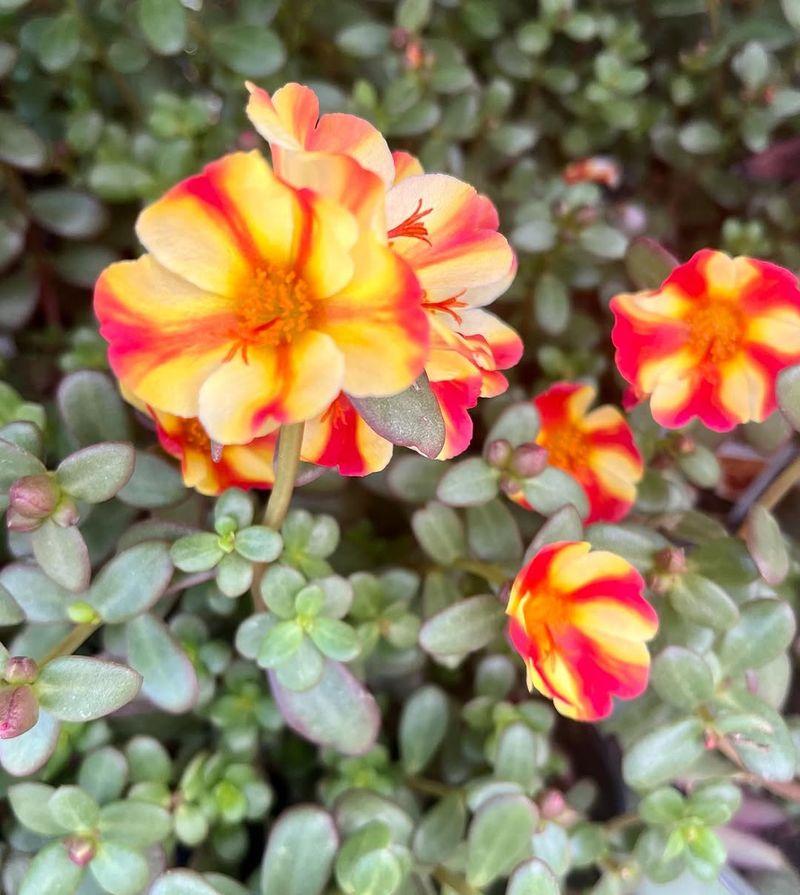
Portulaca, often called moss rose, is one of the most cheerful summer annuals around. Its jewel-toned flowers in yellow, orange, red, pink, and white open up in the sunshine and close at night.
It is famous for thriving in hot, dry, sandy conditions that would make most plants give up entirely.
That reputation is exactly why portulaca struggles in Oregon. The Pacific Northwest is not known for hot, dry, sandy conditions.
Oregon’s frequent overcast skies are a serious problem because portulaca flowers only open fully in bright sunlight. On cloudy days, which are plentiful in Oregon, the blooms stay closed and the plant looks dull and unimpressive.
Moisture is the other major challenge. Portulaca is a succulent that stores water in its thick leaves and stems.
It is built to handle drought, not the wet, clay-heavy soils common across much of Oregon. Excess moisture leads to root rot, which can take out a portulaca plant surprisingly fast.
Even light rain combined with poor drainage can cause serious problems.
For Oregon gardeners who love portulaca, the best approach is to grow it in sandy, fast-draining containers placed in the absolute sunniest spot available. South-facing spots that get maximum heat and light give portulaca its best chance.
Be very careful not to overwater, and do not expect it to perform as well as it would in a hotter, drier state like Arizona or Nevada.
9. Sweet Potato Vine
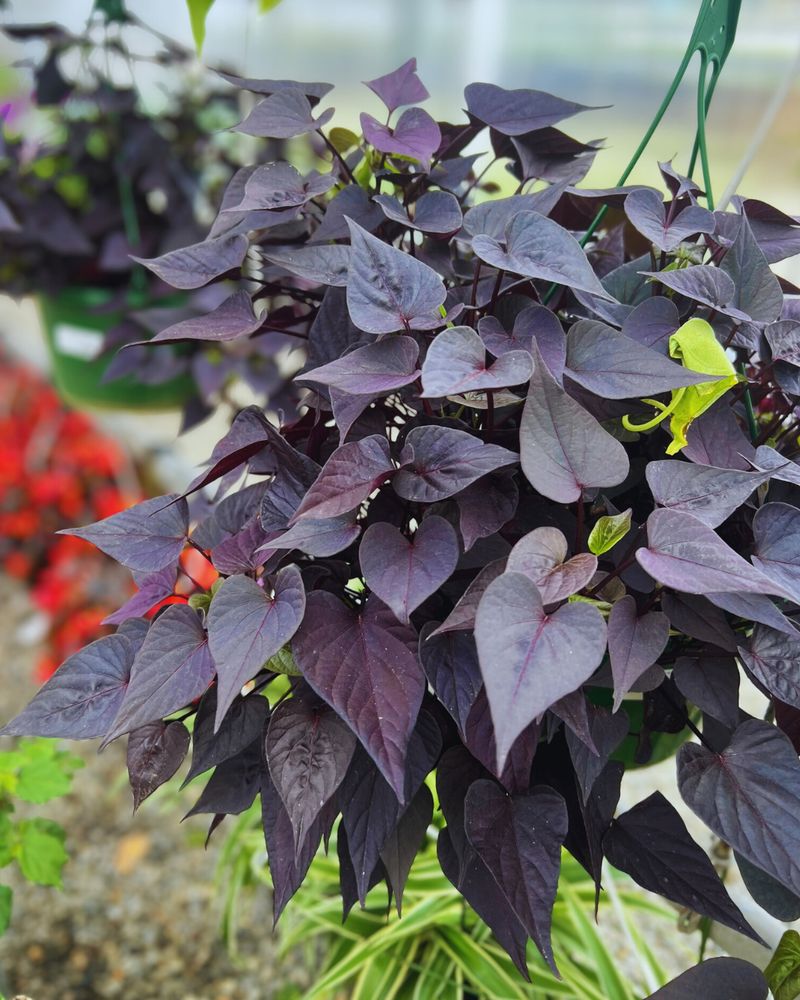
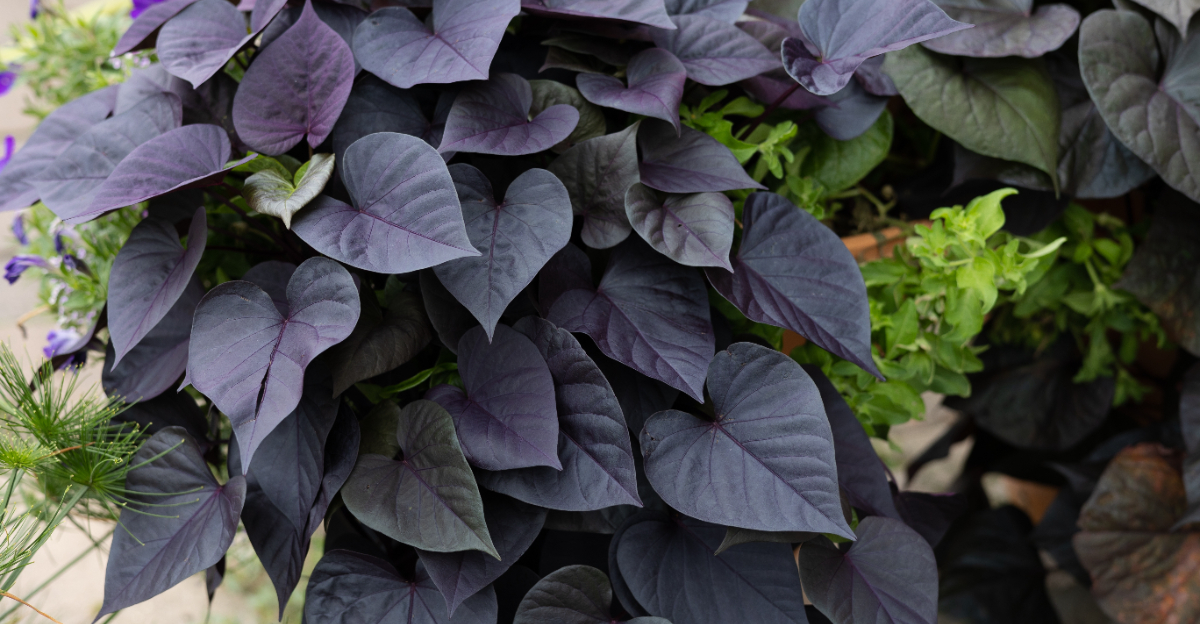
Sweet potato vine is one of the most popular foliage plants in American gardens. Its dramatic, cascading leaves in shades of chartreuse, purple, bronze, and black make it a favorite for containers and hanging baskets.
But in Oregon, this tropical beauty runs into some real obstacles that catch gardeners off guard.
Heat is the number one thing sweet potato vine wants, and Oregon does not always deliver. This plant is related to the edible sweet potato, which comes from warm tropical regions.
It grows fastest and looks most lush when temperatures are consistently warm. Oregon’s cool springs and mild summers slow the plant down considerably, especially along the coast and in higher elevation areas.
Slugs are a massive problem in Oregon, and sweet potato vine is one of their favorite targets. The Pacific Northwest’s moist climate creates ideal conditions for slug populations to explode, and they can shred sweet potato vine leaves overnight.
Gardeners in Oregon often find their beautiful plants riddled with holes after just a few rainy nights.
Frost sensitivity means sweet potato vine will not survive Oregon winters outdoors. Once temperatures drop, the plant collapses quickly.
Some gardeners dig up the tubers and store them indoors, then replant in spring. Others simply buy new plants each year.
Either way, growing sweet potato vine in Oregon requires extra attention to pests, timing, and temperature if you want it to look its best all season long.