The California Secrets To Growing Great Tomatoes In Containers
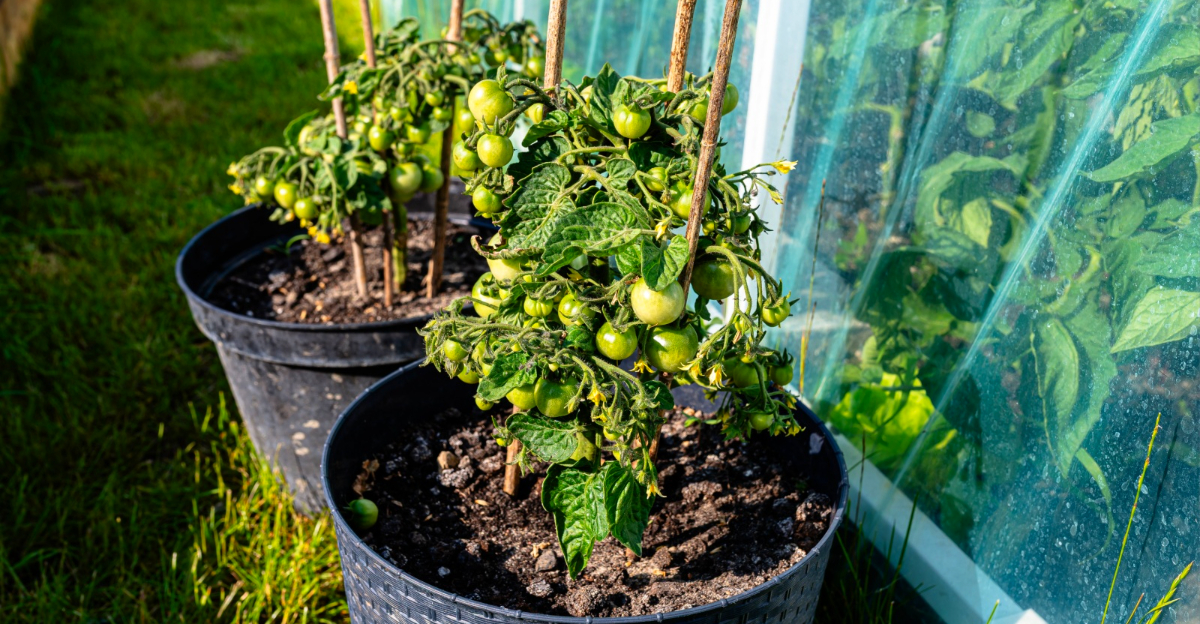
Let’s be honest, there are few things more satisfying than walking out to your patio and picking a sun-warmed tomato you grew yourself.
And the good news? You do not need a sprawling backyard to make it happen.
California gardeners have a serious advantage here, a long growing season, plenty of sunshine, and the ability to grow outdoors for a good chunk of the year.
Containers make the whole thing even more flexible, because you can grow on a sunny San Diego patio, a Sacramento balcony, or a compact Bay Area outdoor space with equally great results.
That said, container growing does come with its own quirks.
Pots dry out fast, heat can get intense, and not every tomato variety is cut out for life in a pot. Nail a few key details though, and your harvest can be seriously impressive.
1. Choose The Right Container Size
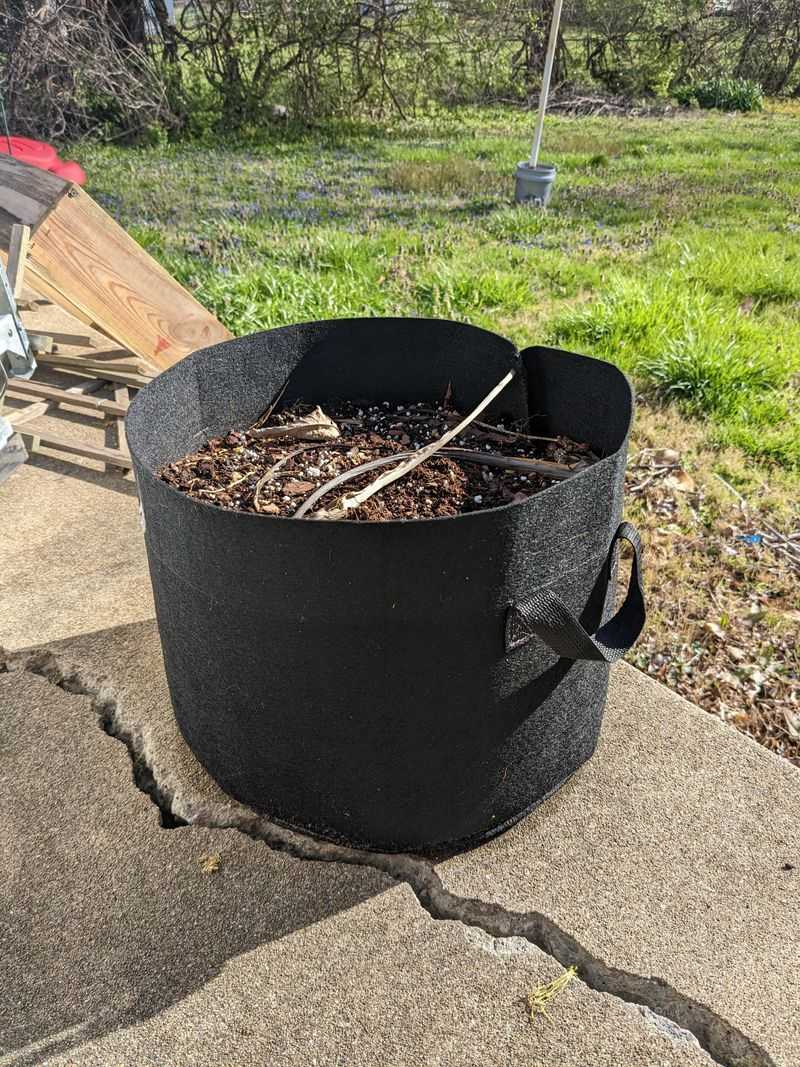
Size matters more than most gardeners expect when it comes to growing tomatoes in pots. A container that is too small will restrict root growth, cause the soil to dry out rapidly, and leave plants struggling to produce well.
For most tomato varieties, a container holding at least 15 to 20 gallons of potting mix gives roots the room they need to spread and anchor the plant properly.
Smaller pots, like 5-gallon buckets, can work for compact or dwarf varieties, but they require much more frequent watering, especially during California’s hot summer months.
On a warm afternoon in the Central Valley or Southern California, a small pot can dry out completely within just a few hours.
That kind of stress on the roots makes it harder for plants to set fruit consistently.
Wider containers also tend to stay cooler at the root zone than narrow, dark-colored pots sitting in direct sun. Light-colored or fabric grow bags can help moderate soil temperature on especially hot days.
Choosing the right container from the start sets up the entire growing season for success, so it is worth investing in a good-sized pot before planting your first seedling.
2. Select Varieties Suited For Container Growing
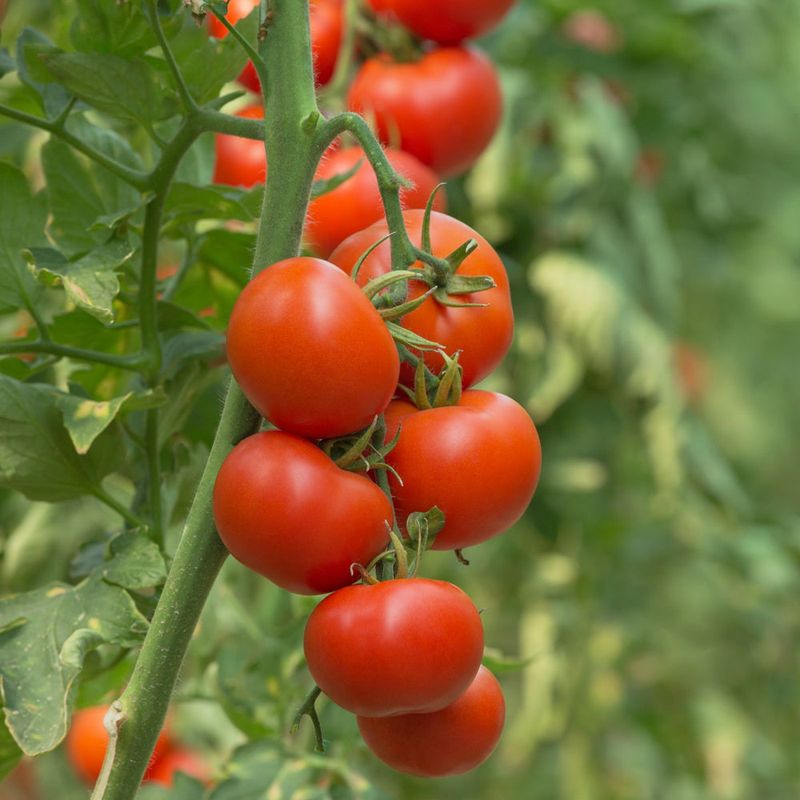
Not every tomato variety thrives in a pot, and picking the wrong one can lead to a sprawling, unmanageable plant that barely produces.
Tomatoes bred or recommended for container growing tend to stay more compact, mature faster, and handle the limited root space of a pot much better than large indeterminate varieties grown in the ground.
Determinate varieties, which grow to a set height and ripen fruit within a concentrated window, are often a great fit for containers.
Varieties like Patio, Bush Early Girl, Celebrity, and Tumbling Tom have earned solid reputations among California home gardeners for performing well in pots.
Smaller cherry and grape tomato types also tend to adapt well to container conditions and produce reliably throughout the season.
That said, some gardeners in California do successfully grow larger indeterminate varieties in very big containers with consistent care. The key is matching the variety to the pot size and being realistic about the support and watering attention the plant will need.
Your California Garden Changes Every Week. Your Plan Should Too.
Gardening in California changes quickly throughout the season. Every Friday you’ll receive a simple weekly plan showing exactly what to plant, prune, fertilize, harvest, and protect so you never miss the right timing.
Checking with local nurseries can help you find varieties that perform well in your specific California region, since coastal, inland, and high-desert conditions all present different growing environments.
3. Use A High-Quality Potting Mix, Not Garden Soil
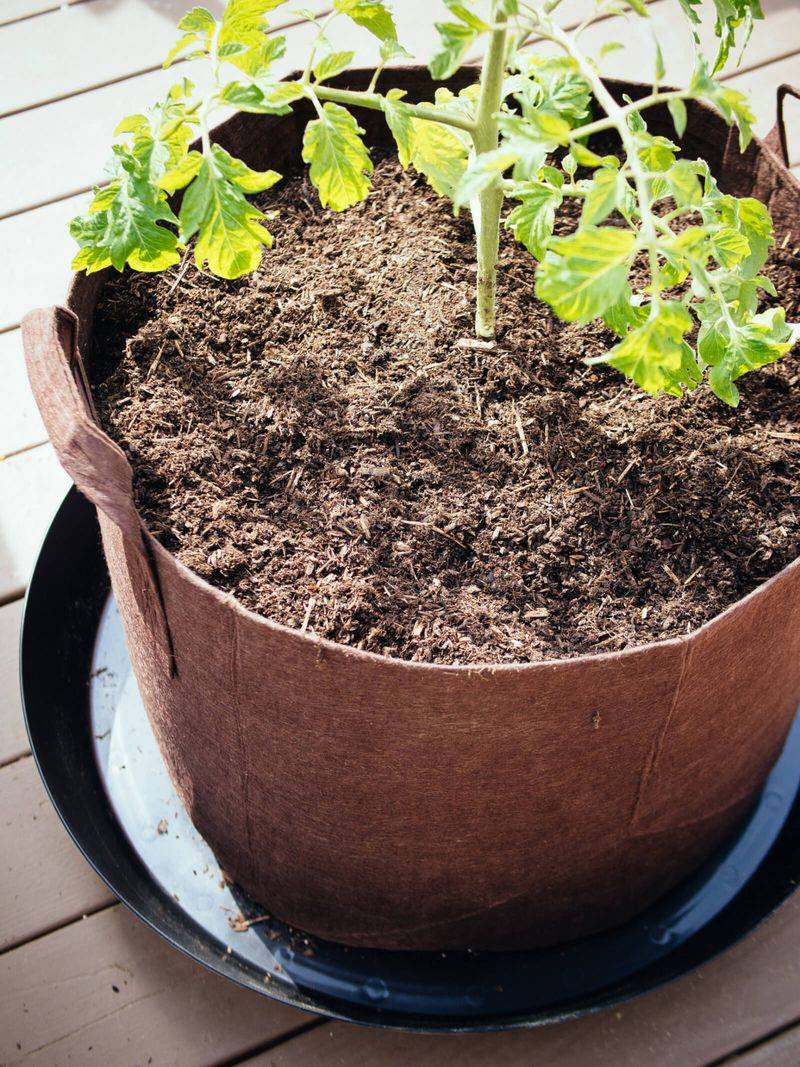
Reaching into a bag of fresh potting mix and feeling that light, airy texture is a good sign you are starting off right.
Garden soil pulled from the ground might seem like a convenient option, but it compacts quickly inside a container, restricts drainage, and can introduce pathogens that cause root problems.
A well-formulated potting mix designed for containers provides the drainage and aeration that tomato roots genuinely need.
Look for a mix that includes ingredients like perlite, compost, or coir to help retain some moisture while still allowing excess water to drain freely.
In California’s warm climate, a mix that holds moisture slightly longer can reduce how often you need to water during peak summer heat, though drainage must never be compromised.
Some gardeners add a small amount of extra perlite to improve aeration in heavy or dense commercial mixes.
Avoid reusing old potting mix from previous seasons without refreshing it first, since nutrients get depleted and the structure breaks down over time.
Starting fresh each season, or blending in quality compost to revitalize older mix, gives tomato plants a much better foundation.
A good potting mix is one of the most straightforward investments you can make for a productive container tomato garden in California.
4. Water Consistently To Avoid Uneven Moisture
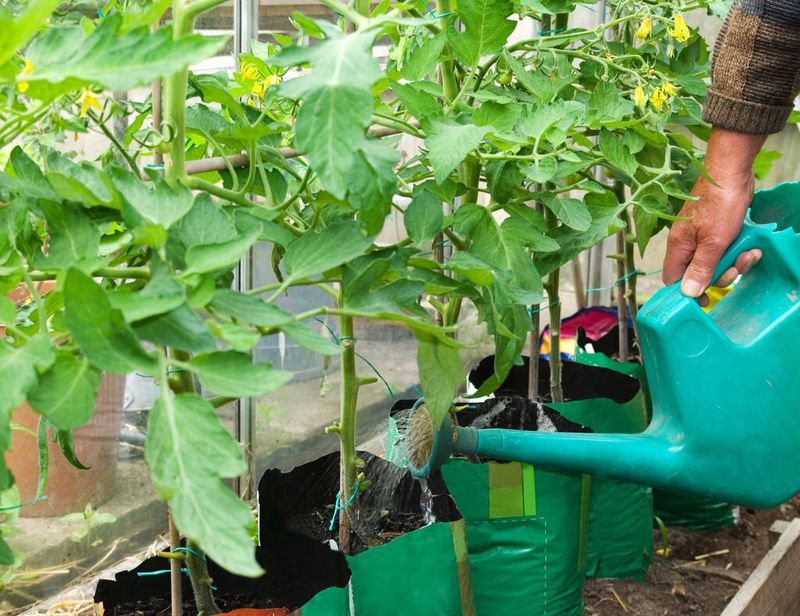
Containers dry out faster than in-ground beds, and in California’s warm climate, that gap becomes especially noticeable during summer.
Tomatoes are sensitive to irregular watering, and swinging between dry soil and waterlogged conditions is one of the most common reasons container tomatoes develop problems like blossom end rot or cracked fruit.
Keeping moisture levels steady from week to week makes a real difference in how well the plant produces.
During hot weather, many California container gardeners find they need to water once a day or even twice on especially warm days.
Checking soil moisture by pressing a finger an inch or two into the potting mix gives a more reliable reading than going by a schedule alone.
If the mix feels dry at that depth, it is time to water thoroughly until it drains from the bottom of the pot.
Self-watering containers and drip irrigation systems can take some of the guesswork out of keeping moisture consistent, especially for gardeners with busy schedules.
Mulching the top of the container with a thin layer of straw or wood chips can also slow evaporation during hot afternoons.
Consistent watering is one of the most important habits a California container tomato gardener can build across the entire growing season.
5. Feed Regularly With A Balanced Fertilizer
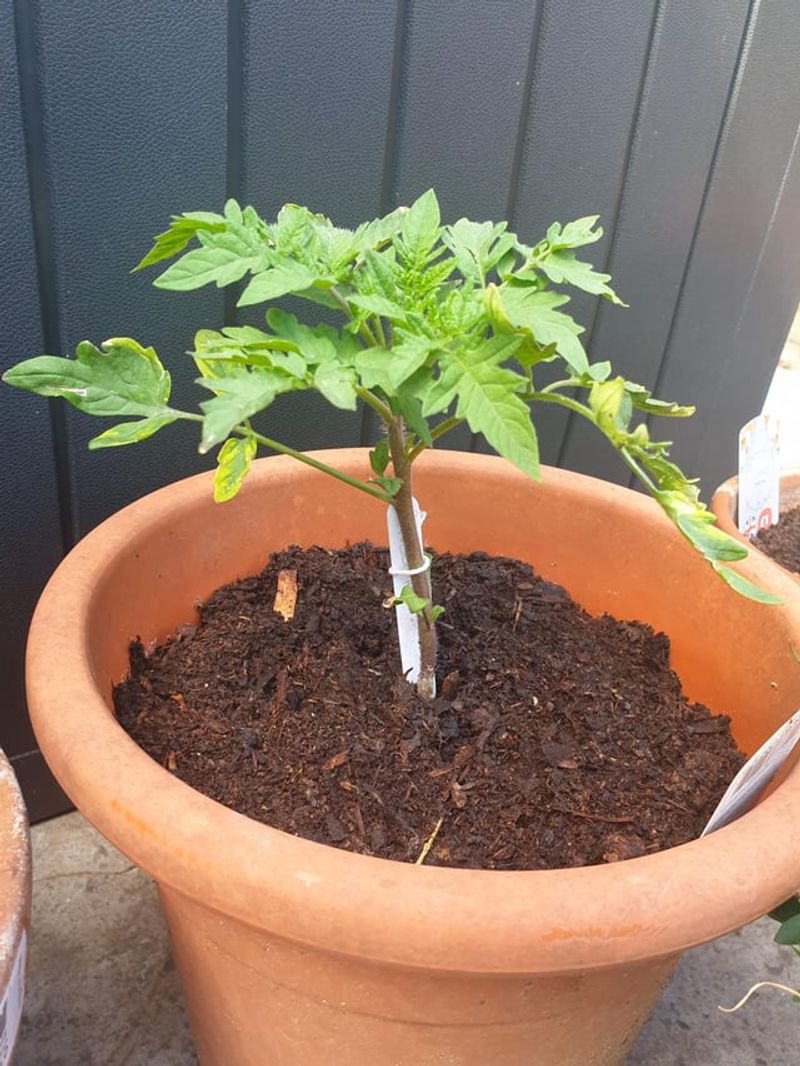
Potting mix starts out with a limited supply of nutrients, and as plants grow and you water regularly, those nutrients get used up or wash out of the container over time.
Tomatoes are heavy feeders, meaning they need a steady supply of nutrients to support strong stem growth, healthy foliage, and good fruit development.
Without regular feeding, container tomatoes often show yellowing leaves, slow growth, and reduced fruit production.
A balanced fertilizer with roughly equal amounts of nitrogen, phosphorus, and potassium works well during the early growth stages.
Once plants start flowering and setting fruit, shifting to a formula slightly lower in nitrogen and higher in phosphorus and potassium can encourage better fruiting rather than excess leafy growth.
Both granular slow-release fertilizers and liquid fertilizers have their place in container tomato care.
Liquid fertilizers tend to act faster and can be applied every one to two weeks during the growing season, while slow-release granules can be mixed into the potting mix at planting and reapplied according to package directions.
California’s long warm season means tomatoes in containers may need feeding from early spring planting all the way through late summer or early fall.
Staying on a regular feeding schedule pays off in healthier plants and a more productive harvest.
6. Provide Full Sun – At Least 6 To 8 Hours Daily
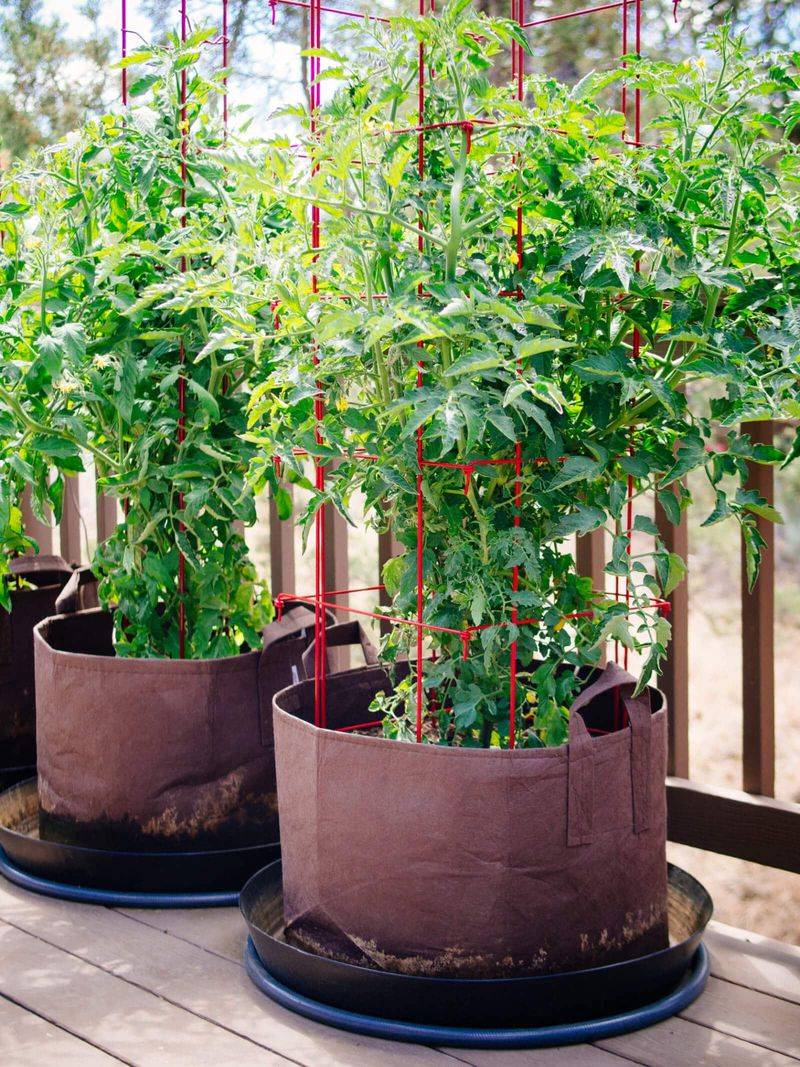
Sunlight is the engine behind every tomato plant’s growth, and containers give gardeners the unique advantage of being able to move plants to the best light spots available.
Tomatoes need at least six to eight hours of direct sun each day to grow well and produce fruit.
Without enough sunlight, plants tend to grow tall and leggy, flower poorly, and set very little fruit even if everything else in the care routine is on track.
Most California locations offer plenty of sunshine, making patios, south-facing balconies, and open backyard spaces excellent spots for container tomatoes.
Coastal areas can sometimes have morning fog or overcast skies that reduce daily sun hours, so positioning containers where afternoon sun is reliable becomes especially important in those regions.
Inland California and Central Valley locations rarely struggle with too little sun but may need to consider heat management instead.
Rotating containers occasionally so all sides of the plant receive even light exposure can promote more balanced growth and more uniform fruit ripening.
If a spot gets good morning sun but is shaded in the afternoon, try moving the container to capture that second stretch of light.
Tracking where the sun falls across your outdoor space at different times of day helps you find the best location for consistent, strong tomato production.
7. Watch For Heat Stress In Inland And Central Valley Areas
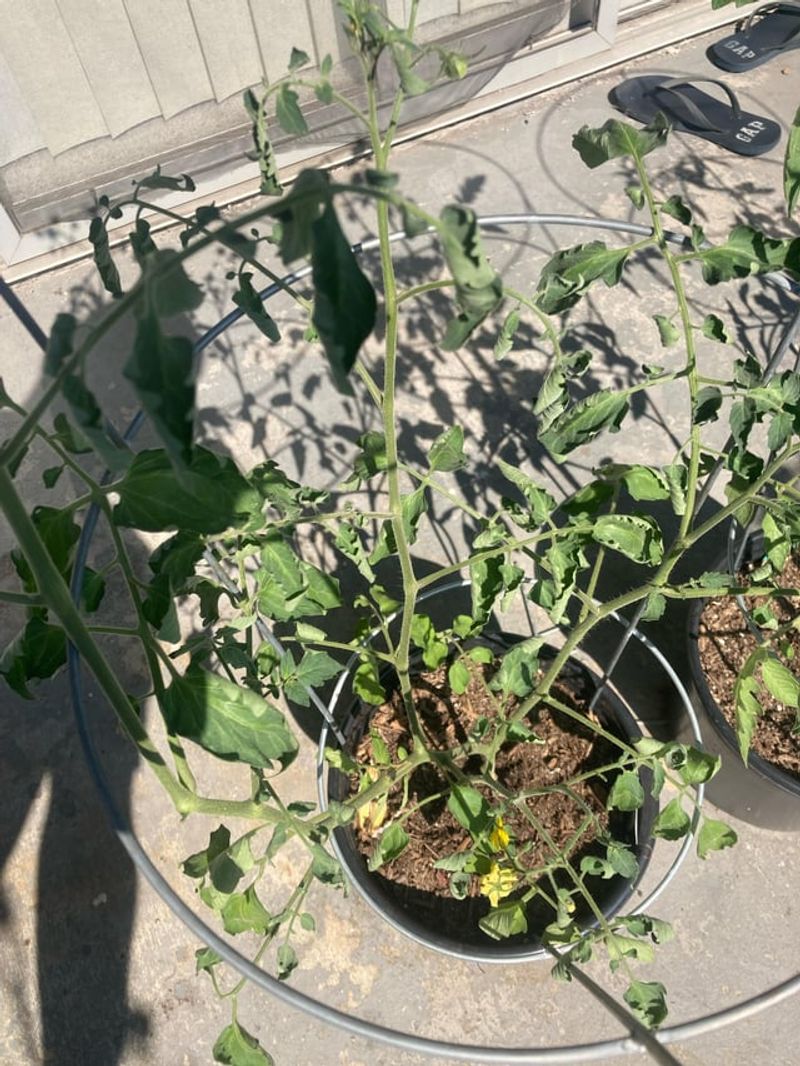
Summer afternoons in California’s inland regions and Central Valley can push temperatures well above 95 degrees Fahrenheit, and tomato plants in containers feel that heat more intensely than plants in the ground.
When temperatures climb too high, tomato blossoms can drop before they set fruit, and foliage may wilt even when the soil has plenty of moisture.
Recognizing these signs early helps gardeners take steps before the plants struggle too much.
Moving containers to a spot with afternoon shade during the hottest weeks of summer can make a meaningful difference. East-facing placements that capture morning sun but avoid the harshest late afternoon rays work well in many inland California yards.
Shade cloth rated at around 30 to 40 percent can also filter intense sunlight without cutting out too much of the light plants need for photosynthesis.
Keeping the root zone cool is just as important as managing air temperature around the foliage.
Light-colored containers, fabric grow bags, or placing pots on wooden pallets to keep them off hot concrete can all help moderate soil temperature.
Watering in the early morning rather than midday helps soil stay cooler longer into the afternoon.
With a few thoughtful adjustments, even gardeners in California’s hottest inland zones can grow productive tomatoes through the summer season.
8. Support Plants Early With Stakes Or Cages
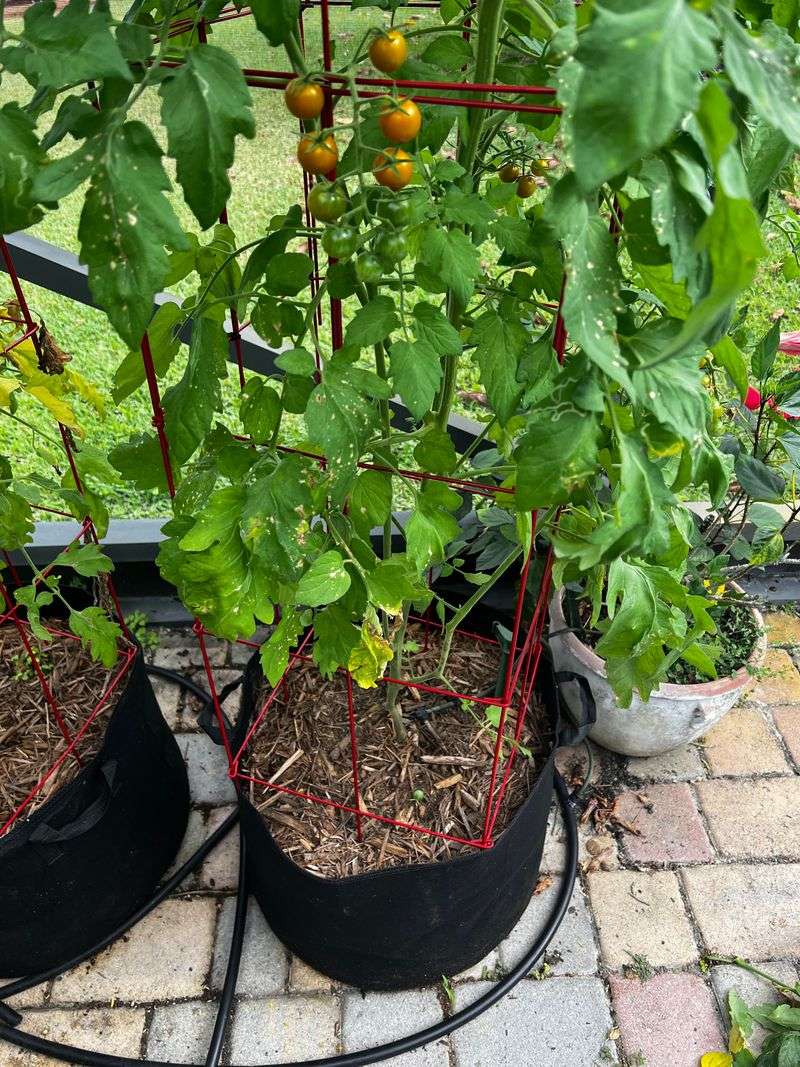
Young tomato plants can look small and manageable in early spring, but they grow quickly once warm California weather arrives, and a plant without support can become a tangled, broken mess within just a few weeks.
Installing stakes or cages at planting time, before the plant gets large, prevents root disturbance later and gives the stems something to lean on as they grow taller and heavier with fruit.
Wire cages work well for compact and determinate varieties, providing support on multiple sides without requiring much ongoing adjustment.
For taller indeterminate types grown in large containers, a sturdy wooden or metal stake driven firmly into the potting mix at the edge of the container gives a solid anchor point for tying stems as they grow.
Soft plant ties or strips of stretchy fabric work better than rigid ties that can cut into stems.
Checking the support structure every week or so as the plant grows lets you catch stems that need to be guided or tied before they flop over or snap under the weight of developing fruit.
A well-supported plant also has better airflow through the foliage, which can reduce the chance of fungal problems in more humid coastal California areas.
Getting support in place early is a simple habit that pays off throughout the season.
9. Monitor For Common California Pests
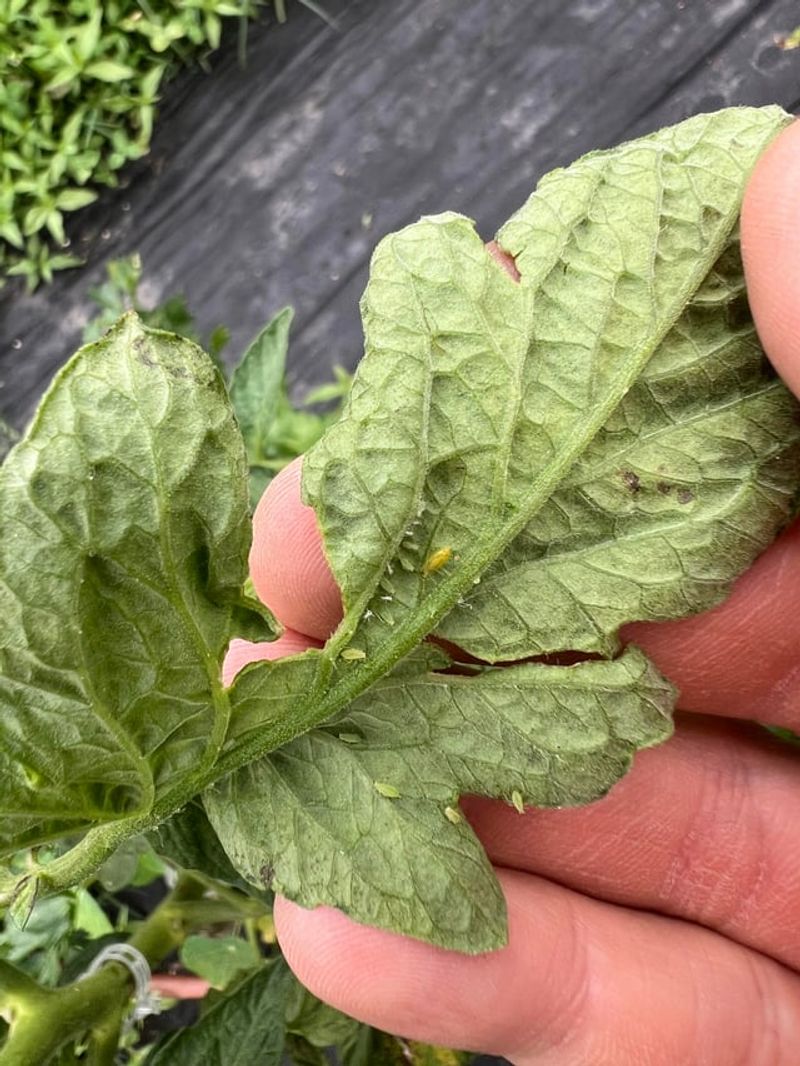
Warm California weather creates ideal conditions for a number of common garden pests, and container tomatoes are not immune.
Aphids, whiteflies, hornworms, and spider mites are among the insects that gardeners across California may encounter during the tomato growing season.
Catching pest pressure early, before populations build up, makes management much more straightforward and less stressful for both the gardener and the plant.
Checking the undersides of leaves is a habit worth developing, since many pests like aphids and whiteflies tend to cluster there where they are harder to spot at a glance.
Tomato hornworms are large caterpillars that can strip foliage quickly, but their size makes them easier to locate and remove by hand when you check plants regularly.
Spider mites tend to show up during hot, dry California summers and leave a fine webbing on leaves along with a dusty, stippled appearance.
Many pest problems on container tomatoes can be managed with targeted approaches like a strong spray of water to dislodge aphids, hand-picking larger insects, or using insecticidal soap for soft-bodied pests.
Encouraging beneficial insects by avoiding broad-spectrum sprays helps keep natural predators like ladybugs and lacewings working in your garden.
Staying observant through the season is the most reliable pest management tool available to any California home gardener.
10. Plant At The Right Time For Your California Climate Zone
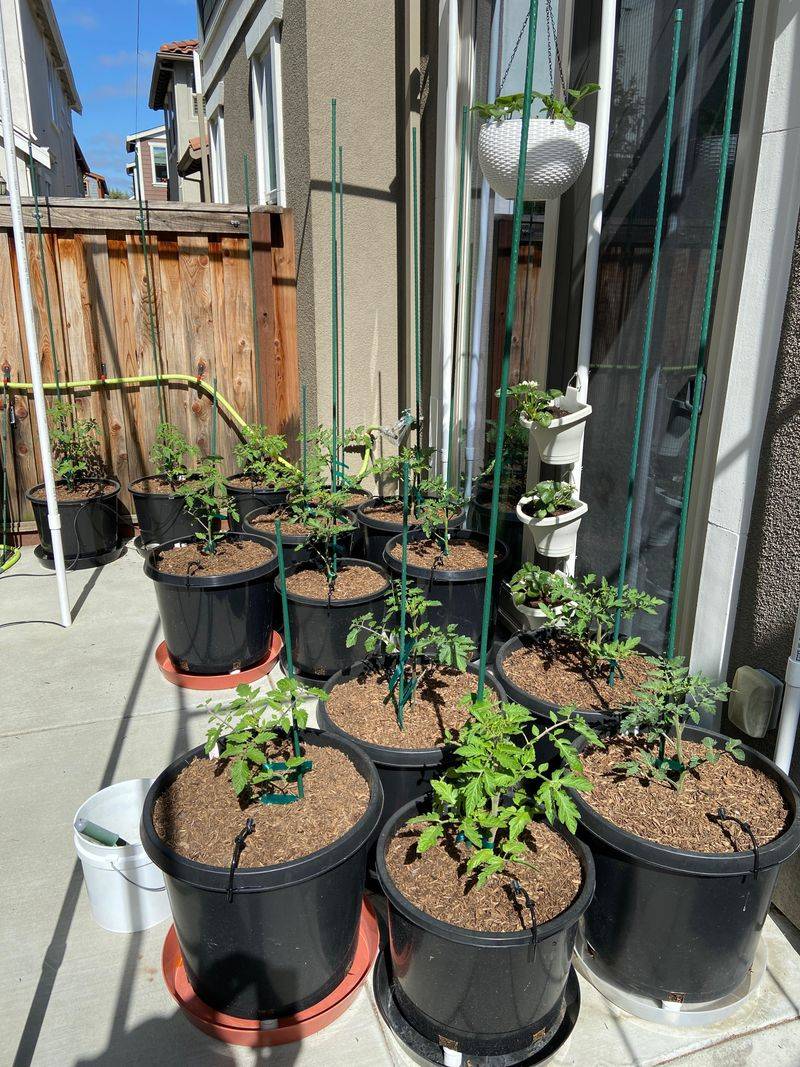
California spans an enormous range of climates, from the cool, foggy coast to the scorching Central Valley and the mild Mediterranean valleys in between, and planting time for container tomatoes shifts depending on where you live.
Getting the timing right means putting transplants out after the threat of cold nights has passed but early enough to take advantage of the long warm season ahead.
Planting too early in cool soil can stall growth, while waiting too long in hot regions cuts into productive fruiting time.
In Southern California and low-elevation inland areas, gardeners often start transplanting tomatoes into containers as early as late February or March, when nights stay reliably mild.
Central Valley gardeners may aim for March through April, while coastal Northern California gardeners sometimes wait until May or even early June when fog and cool temperatures ease.
Higher elevation areas in California follow their own schedule based on local last frost dates and summer length.
Checking local planting guides from county resources or nearby nurseries gives the most accurate timing for your specific area.
Starting with healthy transplants rather than seeds directly in the container also gives California gardeners a head start on the season.
Matching your planting window to your local climate zone is one of the most effective ways to set container tomatoes up for a productive and satisfying growing season.