This Hydrangea Type Needs To Be Cut Back In Spring In Pennsylvania
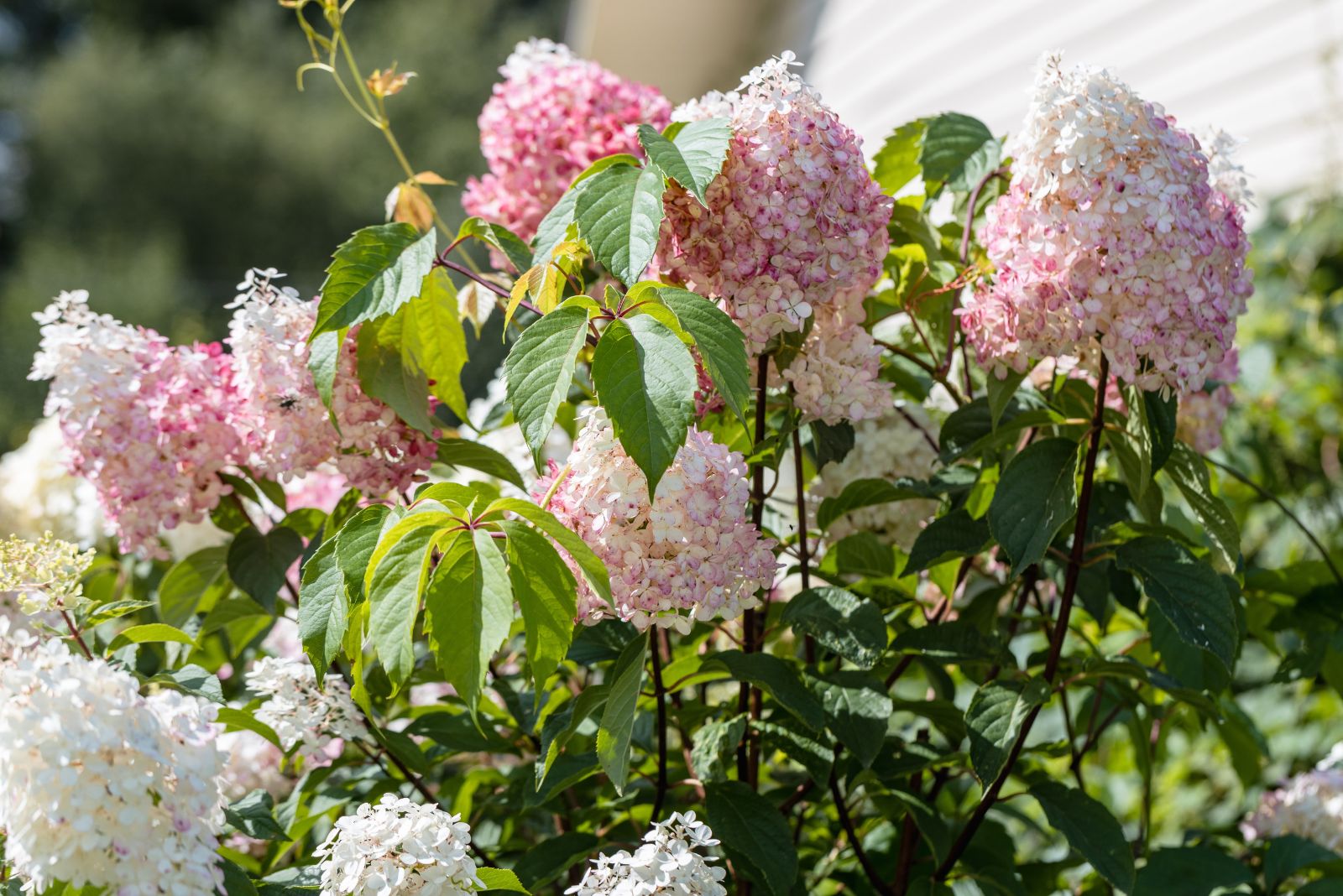
Not all hydrangeas play by the same rules, and treating them like they do is one of the most common mistakes Pennsylvania gardeners make.
Prune the wrong type at the wrong time and you’ll spend the entire summer staring at a perfectly healthy shrub that produces absolutely zero flowers.
It happens more often than you’d think, and it’s almost always completely avoidable with just a little bit of the right information. One specific type of hydrangea actually wants to be cut back in spring, and not just a light trim either.
A more significant cutback in early spring is exactly what pushes this particular shrub to produce those big, spectacular blooms that make it such a standout in Pennsylvania gardens. Skip that spring pruning or do it at the wrong time and the whole season suffers for it.
Understanding why this works, and exactly how to do it, makes all the difference between a hydrangea that thrives and one that just sits there.
Meet The Hydrangea That Needs Spring Pruning
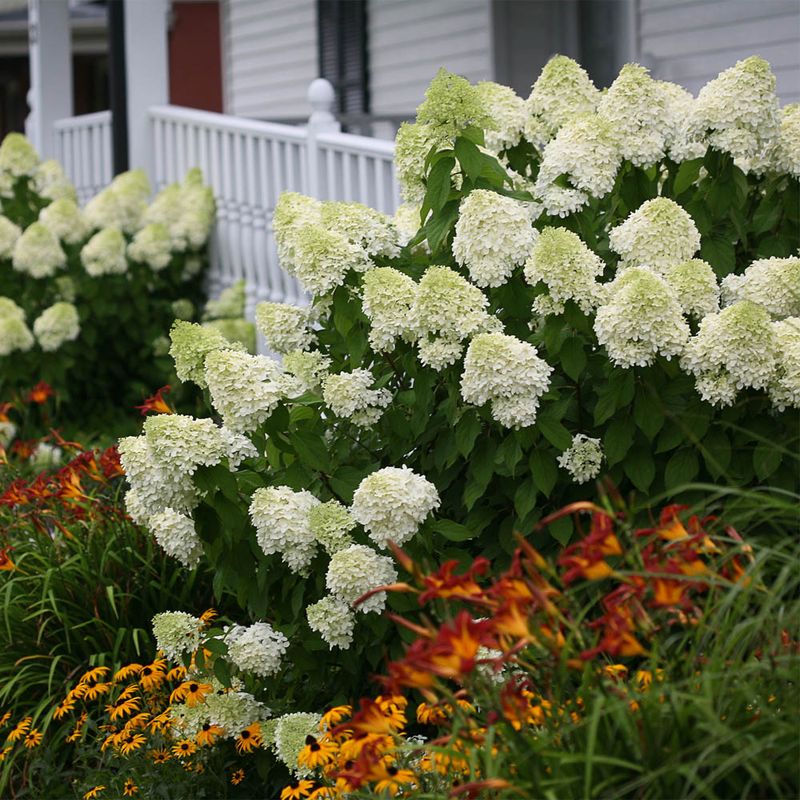
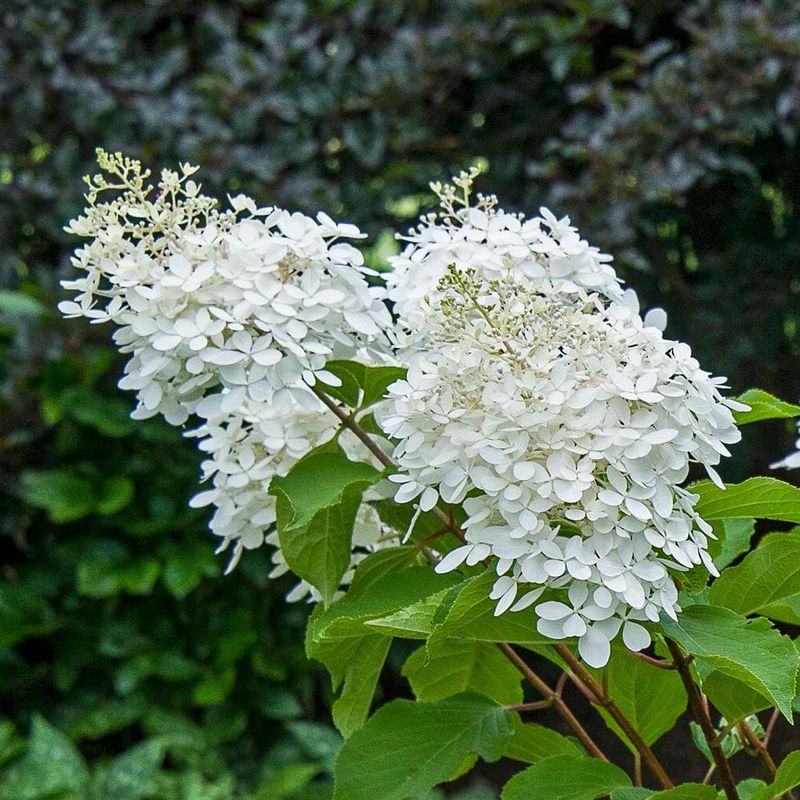
Panicle hydrangea, known scientifically as Hydrangea paniculata, is one of the most reliable flowering shrubs you can grow in Pennsylvania. It gets its name from the large, cone-shaped flower clusters called panicles that appear every summer and fall.
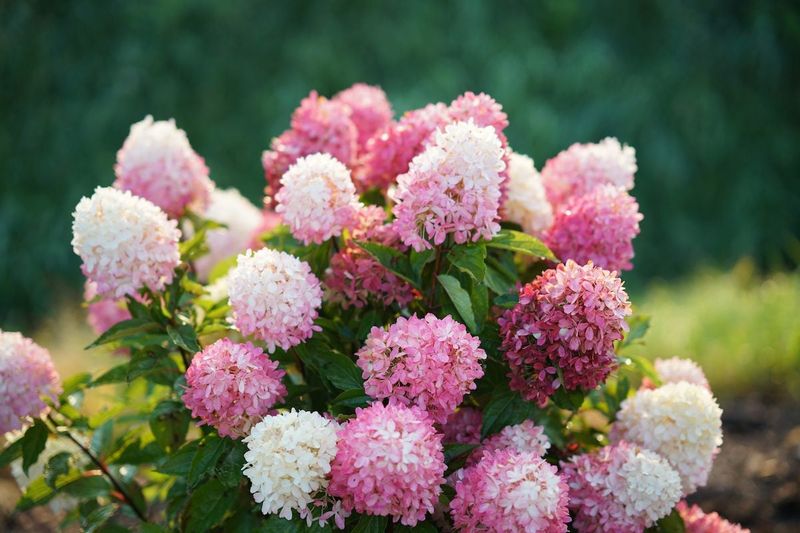
These blooms often start out creamy white and gradually shift to shades of pink and dusty rose as the season cools. It is a truly beautiful plant that rewards gardeners who know how to care for it properly.
Popular varieties like Limelight, Pinky Winky, and Little Lime have become backyard favorites across the state. Limelight is especially loved for its large chartreuse blooms that fade to soft pink.
Little Lime is a compact version that works beautifully in smaller garden spaces. Pinky Winky stands out with two-toned flower heads that are white on top and deep pink at the base, making it a real conversation starter.
Pennsylvania gardeners love panicle hydrangeas because they are incredibly cold-hardy. They can survive harsh winters throughout the state, from the milder southeastern counties near Philadelphia all the way up to the colder regions near Erie and the Poconos.
Most varieties are rated for USDA Hardiness Zones 3 through 8, which covers all of Pennsylvania comfortably. Unlike other hydrangeas that can struggle after a rough winter, panicle hydrangeas bounce back strong every single spring.
That dependable, year-after-year performance is exactly why so many Pennsylvania gardeners keep planting them. Once you grow one, you will likely want more.
Why You Should Prune It In Spring
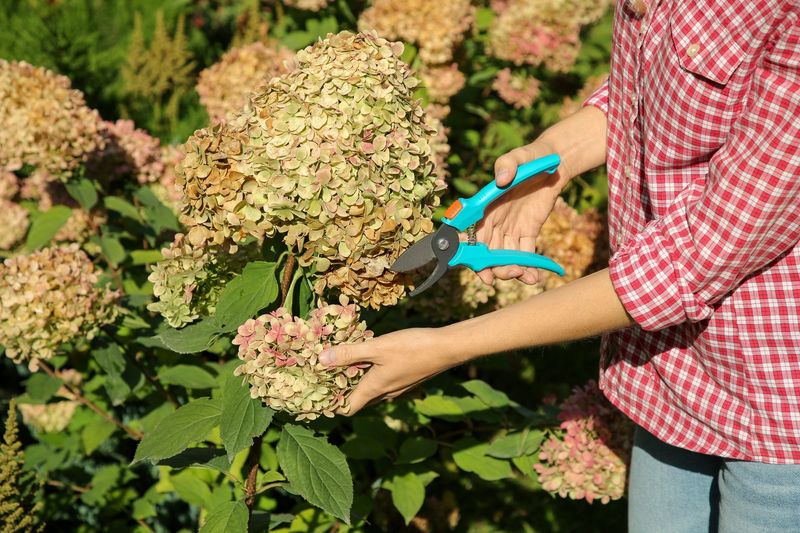
Here is the key thing to understand about panicle hydrangeas: they bloom on new wood. That phrase might sound technical, but it simply means the plant grows fresh stems each spring, and those new stems are exactly where the flower buds form.
So when you prune in early spring, you are actually setting the stage for a spectacular bloom show later in the summer and fall. Think of it like this. If you skip pruning, the plant keeps all of last year’s old, woody stems.
Your Pennsylvania Garden Changes Every Week. Your Plan Should Too.
Gardening in Pennsylvania changes quickly throughout the season. Every Friday you’ll receive a simple weekly plan showing exactly what to plant, prune, fertilize, harvest, and protect so you never miss the right timing.
New growth still appears, but it tends to be thinner and weaker. The flower heads that form on weak stems are often smaller and less impressive.
By cutting back those older stems in spring, you encourage the plant to push out strong, vigorous new growth that can support bigger, showier blooms.
Pruning also helps the plant maintain a tidy, manageable shape. Without regular spring pruning, panicle hydrangeas can get quite large and floppy over time.
Heavy flower heads on long, unsupported stems tend to flop over after rain or wind, which is not a great look in the garden. Cutting back the plant each spring keeps the overall structure compact and sturdy.
The stems that grow after pruning are shorter and stronger, meaning they can hold up those gorgeous flower clusters without bending to the ground.
For Pennsylvania gardeners dealing with summer storms and heavy rain, that extra stem strength is a real bonus. A well-pruned panicle hydrangea simply looks better and performs better all season long.
When To Prune In Pennsylvania (April To May Timing)
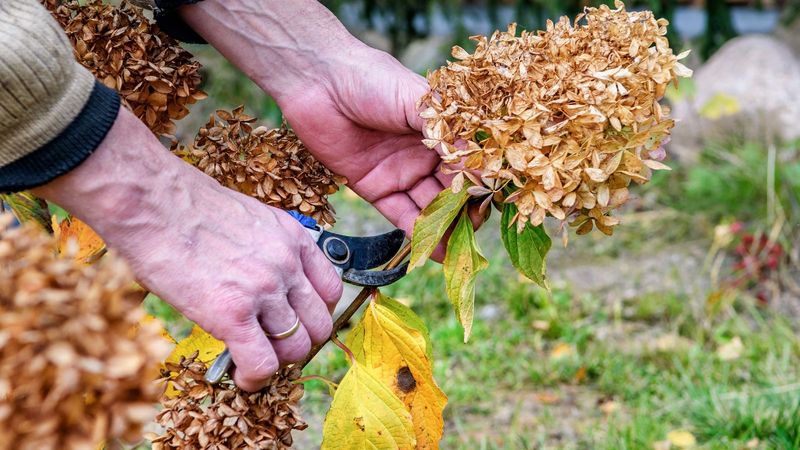
Timing your pruning correctly in Pennsylvania makes a big difference. The sweet spot is generally early to mid-spring, somewhere between late March and early May depending on where you live in the state.
You want to wait until the worst of the winter frost has passed, but you also want to prune before the plant launches into vigorous new growth. Catching it at just the right moment gives you the best results.
A helpful trick is to look for the buds on your hydrangea stems. When you see small, swelling buds starting to show but before they have opened into leaves, that is your green light to prune.
At this stage, the plant is waking up but has not yet committed its energy to growing new shoots. Pruning now sends a clear signal to redirect that energy into strong, fresh growth from the base and lower stems.
Keep in mind that Pennsylvania spans a wide range of climates. Gardeners in southeastern Pennsylvania, around Philadelphia and its surrounding counties, tend to experience warmer springs earlier in the season.
They can often prune safely by late March or early April. Meanwhile, gardeners in northern Pennsylvania near the Pocono Mountains or Erie should plan to wait until late April or even early May, since late frosts are more common in those areas.
A late frost after pruning is not a disaster for panicle hydrangeas since they bloom on new wood, but waiting until the coldest nights have passed is always the safer approach. Check local frost date forecasts to plan your timing wisely each year.
How To Prune For Bigger, Better Blooms
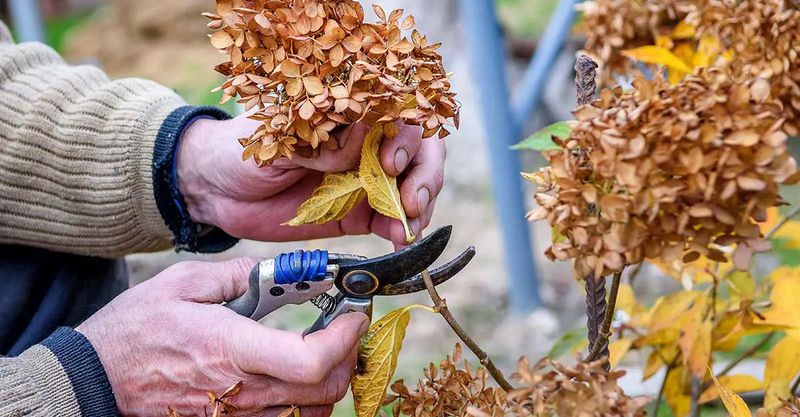
Grab a pair of sharp, clean bypass pruners before you get started. Dull blades can crush stems instead of cutting cleanly, which can invite disease and slow healing.
Wipe your blades with rubbing alcohol before pruning to keep things sanitary, especially if you are moving between different plants in your garden. A little preparation goes a long way toward keeping your hydrangeas healthy and strong.
Start by removing any stems that look dry, damaged, or noticeably weak and spindly. These stems will not produce quality blooms anyway, so clearing them out first gives you a better view of the plant’s overall structure.
Next, cut back the remaining stems from last year’s growth by about one-third of their total length. You do not need to cut all the way to the ground unless the plant has become severely overgrown.
A moderate cutback is usually all it takes to stimulate strong new growth. As you prune, think about airflow and shape. Try to open up the center of the plant a bit so air and light can reach the inner branches.
Good airflow helps prevent fungal diseases, which can be a real issue during Pennsylvania’s humid summers. Avoid the temptation to prune too aggressively.
Cutting the plant back to just a few inches from the ground every year can actually reduce the overall size and flowering potential over time. Aim for a balanced approach that keeps the plant tidy, encourages new growth, and maintains a pleasing rounded or vase-shaped form.
With the right technique, your panicle hydrangea will reward you with an impressive display every single year.
Why This Rule Does Not Apply To Other Hydrangeas
Not all hydrangeas are created equal, and this is where a lot of Pennsylvania gardeners accidentally make a frustrating mistake. The spring pruning rule applies specifically to panicle hydrangeas because they bloom on new wood.
Other popular hydrangea types follow a completely different set of rules, and pruning them in spring can leave you with a green bush and zero flowers all summer long.
Bigleaf hydrangeas, known as Hydrangea macrophylla, are the classic mophead and lacecap types with those big round blue or pink flower clusters. They bloom on old wood, meaning the flower buds actually formed on last year’s stems during the previous growing season.
If you cut those stems back in spring, you remove all the buds before they ever get a chance to open. The same rule applies to oakleaf hydrangeas, or Hydrangea quercifolia, which also bloom on old wood and should only be pruned right after they finish flowering in summer.
A simple way to remember the difference is this: new wood bloomers like panicle hydrangeas get pruned in spring, while old wood bloomers like bigleaf and oakleaf hydrangeas get pruned only after their flowers fade.
Smooth hydrangeas, like the popular Annabelle variety, also bloom on new wood and can be pruned in spring just like panicle types.
When in doubt, wait and watch. If your hydrangea blooms in midsummer on fresh stems, prune it in spring.
If it blooms earlier on older woody stems, hold off until after flowering. Getting this right saves you a season of disappointment and keeps your Pennsylvania garden looking its absolute best.
Extra Tips For Better Panicle Hydrangea Blooms
Beyond spring pruning, a few extra habits can take your panicle hydrangea from good to absolutely spectacular. Sunlight is probably the most important factor.
Panicle hydrangeas perform best with at least six hours of direct sunlight each day. In Pennsylvania, a south or west-facing planting spot usually delivers the most sun exposure.
Plants grown in too much shade tend to produce fewer blooms and weaker stems, so choosing the right location from the start really pays off.
Watering deeply but not too frequently encourages strong, deep root systems. During dry Pennsylvania summers, aim to water at the base of the plant once or twice a week rather than giving it shallow, frequent sprinkles.
Mulching around the base helps the soil retain moisture and keeps the roots cool during hot spells. Just keep the mulch a few inches away from the main stem to prevent rot and discourage pests from nesting too close to the plant.
Feeding your panicle hydrangea with a balanced, slow-release fertilizer in early spring gives it the nutrients it needs to fuel strong new growth and big blooms.
Look for a fertilizer with roughly equal parts nitrogen, phosphorus, and potassium, often labeled as a 10-10-10 blend.
Avoid over-fertilizing with high-nitrogen products, which push leafy green growth at the expense of flowers. Finally, give your plant enough space.
Crowded plants have poor airflow, which creates the perfect conditions for powdery mildew and other fungal issues during Pennsylvania’s humid summers. A well-spaced, well-fed, and properly pruned panicle hydrangea is truly one of the most rewarding plants you can grow in the state.