The Best Flower Seeds To Start In May For Summer Blooms In Texas
May is when a Texas garden starts to feel like it is gearing up for the main event. The soil is warm, the days are stretching out, and the heat is starting to show everyone who is in charge.
For flower lovers, that is actually good news. Plenty of annuals are more than ready to jump into warm Texas soil and get growing fast.
This timing can be a real sweet spot for gardeners who want bright summer color without a lot of fuss. Seeds tend to sprout quickly, young plants get a solid head start, and those bare spots in beds and borders can turn lively in a hurry.
That is a pretty satisfying upgrade for the price of a seed packet. The fun part is choosing flowers that truly enjoy a Texas summer instead of just surviving it with a brave face.
Pick the right ones in May, and your garden can roll into the hottest part of the season looking cheerful, colorful, and very much ready to show off.
1. Zinnias Bring Easy Color All Summer
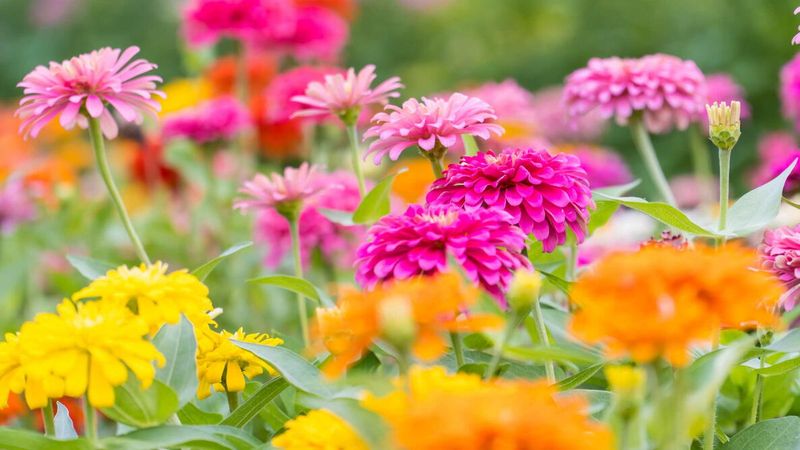
Warm May soil in Texas is practically made for zinnia seeds. These fast-growing annuals are one of the most rewarding flowers a home gardener can direct sow in spring, and they respond quickly once soil temperatures are consistently above 60 degrees Fahrenheit.
Sprinkle seeds directly into a prepared garden bed, cover lightly with soil, and expect seedlings to appear within a week or so.
Zinnias thrive in full sun and handle Texas heat with impressive resilience. As summer temperatures push into the 90s, zinnias keep blooming in bold shades of red, orange, yellow, pink, and white.
They grow anywhere from 12 inches to nearly 4 feet tall depending on the variety, making them useful for borders, cutting gardens, or the back of a flower bed.
One of the most appealing things about zinnias is how much pollinators love them. Butterflies, in particular, seem drawn to zinnia blooms throughout the summer months.
Deadheading spent flowers regularly encourages the plant to keep producing new blooms well into fall. For Texas gardeners who want reliable, low-fuss summer color with almost no special care required, zinnias are a strong starting point.
They are drought-tolerant once established, which is a genuine advantage during long, dry Texas summers when watering schedules can become unpredictable.
2. Cosmos Add Airy Blooms And Garden Charm
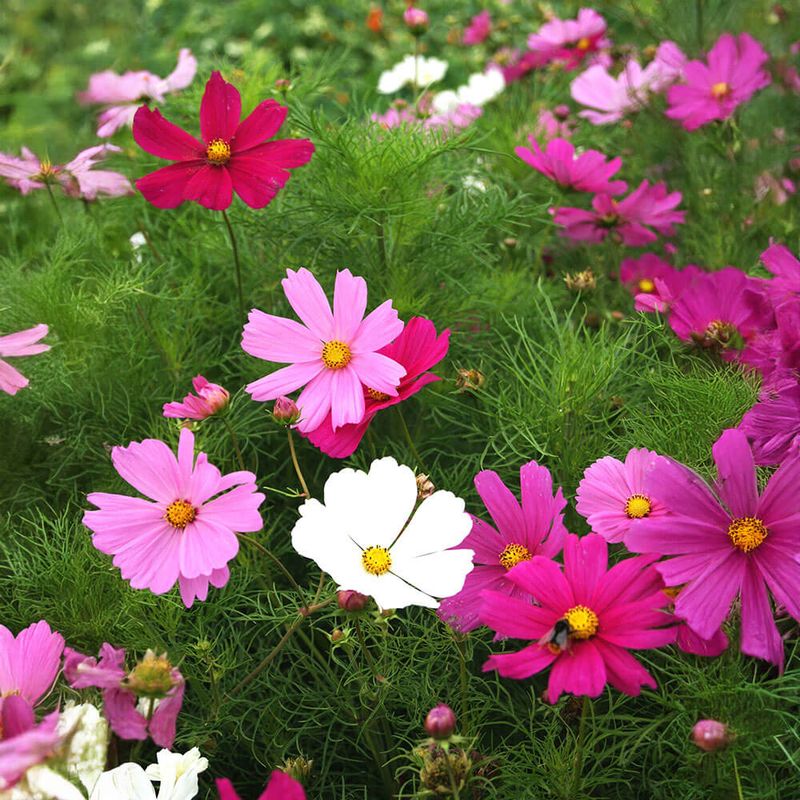
Few flowers bring the kind of breezy, lighthearted charm to a Texas garden quite like cosmos.
Their feathery foliage and daisy-like blooms in shades of pink, white, magenta, and bicolor create a soft, naturalistic look that contrasts beautifully with bolder summer flowers.
Direct sowing cosmos seeds in May works well because warm soil encourages quick germination, often within 7 to 10 days.
Cosmos actually prefer lean soil with minimal fertilizer. Too much nitrogen leads to lush foliage but fewer flowers, so resist the urge to feed them heavily.
They grow fairly tall, reaching 2 to 4 feet, and work well toward the middle or back of a mixed flower border. Their stems sway in the breeze, which gives the garden a relaxed, cottage-style feel that many Texas gardeners find appealing.
Your Texas Garden Changes Every Week. Your Plan Should Too.
Gardening in Texas changes quickly throughout the season. Every Friday you’ll receive a simple weekly plan showing exactly what to plant, prune, fertilize, harvest, and protect so you never miss the right timing.
One thing worth knowing is that cosmos tolerate heat and drought reasonably well once they are established, which makes them a solid choice for the long Texas summer.
They bloom generously from midsummer through fall, especially with occasional deadheading.
Bees and butterflies visit cosmos blooms frequently, adding movement and life to the garden.
Starting them in May gives them time to establish before the most intense summer heat sets in, and they tend to reward that head start with months of cheerful blooming color.
3. Sunflowers Bring Height And Sunny Color
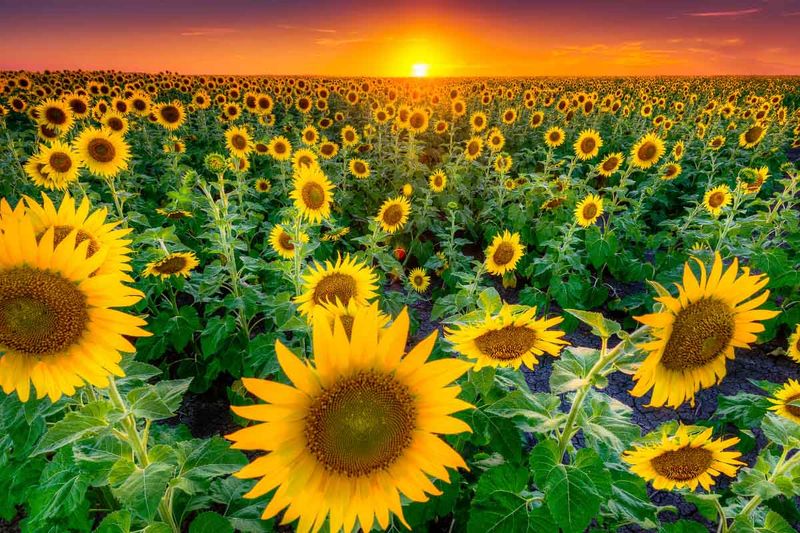
Planting sunflower seeds directly into warm May soil is one of the most satisfying things a Texas gardener can do. Sunflowers germinate fast, grow quickly, and deliver that unmistakable cheerful presence that makes a summer garden feel complete.
They prefer full sun and well-drained soil, both of which Texas typically provides in abundance from late spring onward.
Sunflowers come in a wide range of sizes, from compact 2-foot varieties suited for containers or small beds to towering 8- to 10-foot giants that make a dramatic statement at the back of a border or along a fence line.
Branching varieties produce multiple blooms per plant over a longer period, while single-stem types put all their energy into one large, showstopping flower head.
Texas summers can be intense, and sunflowers handle that intensity better than most. They are drought-tolerant once established and actually perform best when they are not overwatered.
Birds are drawn to sunflower seed heads as summer progresses, which adds another layer of wildlife interest to the garden.
Sowing seeds in May also means blooms can appear in as little as 60 to 70 days for faster varieties, bringing color to the garden well before midsummer.
For anyone who wants a flower that earns its space quickly and impressively, sunflowers are a reliable Texas summer choice.
4. Marigolds Keep Beds Bright And Lively
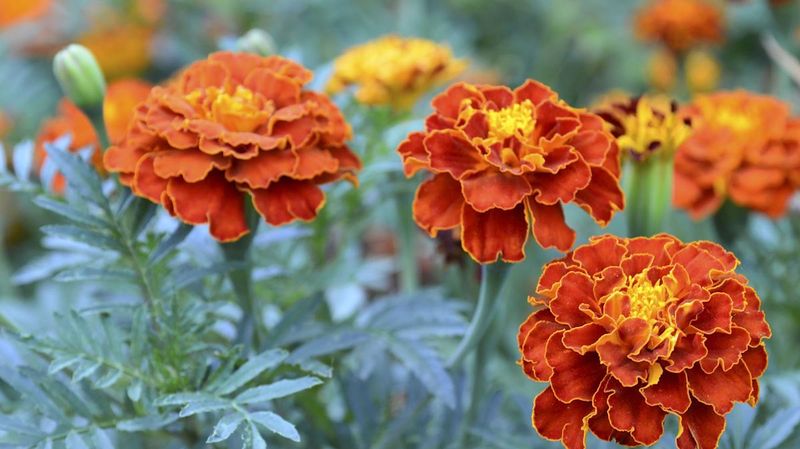
Marigolds have earned their reputation as one of the most dependable summer annuals for Texas gardens, and starting them from seed in May takes full advantage of the warm conditions they love.
Seeds germinate quickly in warm soil, and young plants establish with minimal fuss.
Within a few weeks of sowing, compact seedlings are ready to fill in borders, edge walkways, or brighten up container plantings.
French marigold varieties tend to stay compact, topping out around 10 to 12 inches, while African marigolds grow taller and produce larger, more globe-shaped blooms.
Both types thrive in Texas heat and keep producing flowers reliably through the summer months.
Their bold shades of orange, yellow, and gold bring a warmth to the garden that pairs well with almost any other summer annual.
Marigolds are also known for attracting beneficial insects while deterring some common garden pests, which makes them a practical as well as ornamental choice for Texas home gardens. They prefer full sun and tolerate dry spells reasonably well once established.
Deadheading spent blooms regularly keeps plants looking tidy and encourages continued flower production.
For gardeners who want a low-maintenance flower that delivers consistent color from early summer through fall, marigolds are a tried-and-true option that holds up well under the demands of a long, hot Texas growing season.
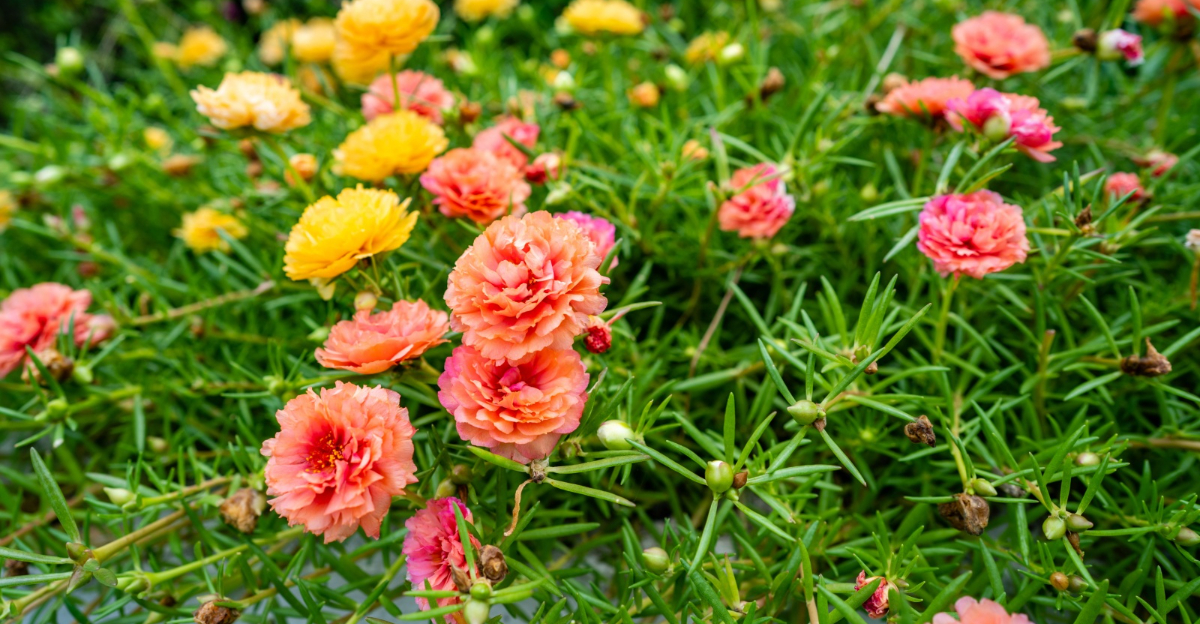
5. Portulaca Spreads Bright Color In Hot Spots
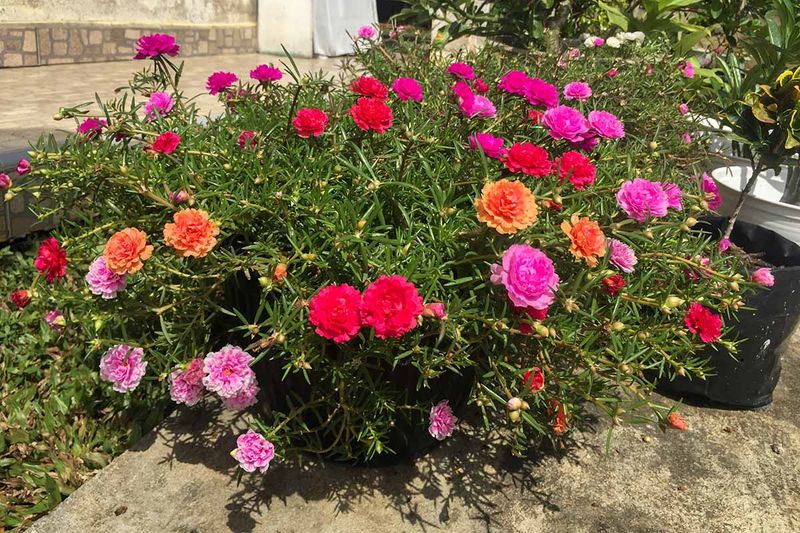
Gardeners who struggle with dry, sunny spots where other flowers tend to fade will find a reliable solution in portulaca.
Also called moss rose, this low-growing annual practically thrives on neglect in hot, sunny conditions, making it one of the most practical choices for challenging areas of a Texas garden.
Direct sowing seeds in May works well once soil has warmed, and thin seedlings can also be transplanted easily.
Portulaca blooms in a vivid mix of pink, red, orange, yellow, white, and magenta, and the flowers open wide on sunny days, creating a carpet of color that is genuinely eye-catching.
Plants spread outward rather than upward, staying low at around 4 to 8 inches tall, which makes them excellent for edging beds, filling gaps between stepping stones, or tumbling over the edges of containers and raised beds.
In Texas, portulaca shines during the hottest, driest stretches of summer when other annuals may start to struggle. It stores water in its thick, succulent-like stems and foliage, which explains its impressive drought tolerance.
Soil drainage is important, as portulaca does not appreciate sitting in wet conditions for long periods.
Sowing seeds in May gives plants time to spread and establish before peak summer heat, and once they are settled in, they tend to bloom generously with very little intervention from the gardener.
6. Celosia Adds Bold Texture And Color
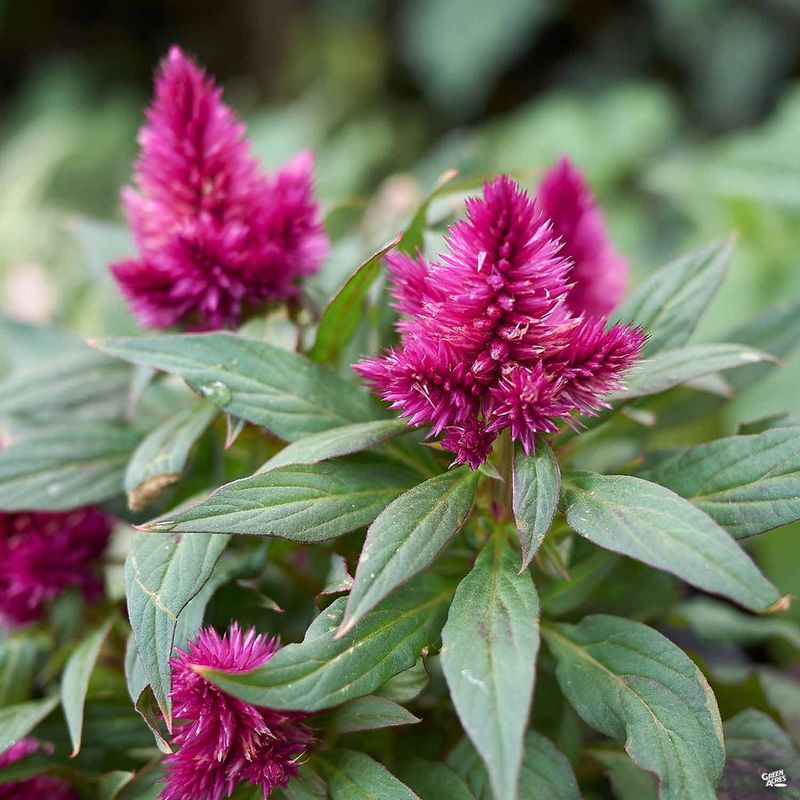
Something about celosia just feels made for Texas summers. Its velvety, flame-shaped plumes or ruffled cockscomb heads come in shades of red, orange, pink, yellow, and deep burgundy, and they hold their color beautifully even as summer temperatures climb.
Starting celosia from seed in May is well-timed because warm soil helps seeds germinate quickly, usually within 10 to 14 days under good conditions.
Celosia comes in two main forms that gardeners commonly grow from seed. The plumed types, sometimes called feather celosia, produce upright, feathery flower spikes that sway gently in a breeze.
The crested types, known as cockscomb, form dense, brain-like or fan-shaped flower heads that are unusual and visually striking.
Both forms perform well in Texas heat and full sun, and both bring a textural quality to garden beds that smoother-flowered annuals cannot match.
One of the more interesting things about celosia is that the blooms hold their color and shape even as they dry on the plant, which extends their visual appeal well beyond the fresh flower stage.
Plants typically reach 12 to 24 inches in height depending on the variety.
Celosia pairs naturally with zinnias, marigolds, and other warm-colored summer annuals. In Texas garden beds and borders, it tends to become a standout plant that draws attention from midsummer onward, rewarding the effort of an early May sowing with weeks of bold, saturated color.
7. Morning Glory Climbs With Fast Summer Color
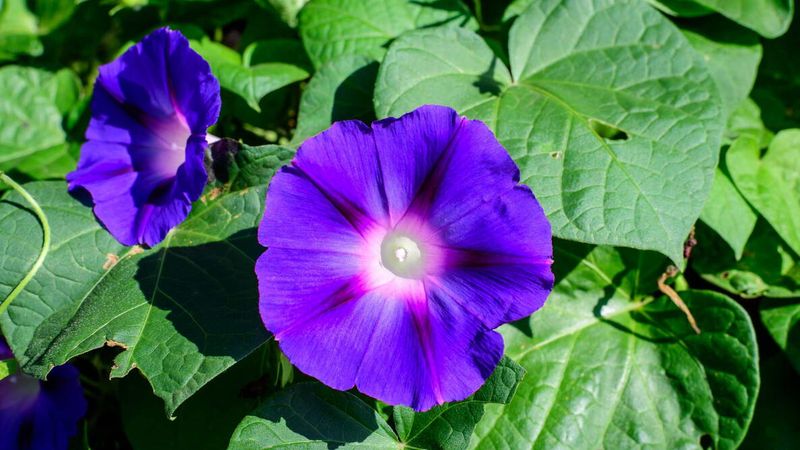
A bare fence or trellis in a Texas garden can be transformed surprisingly fast with morning glory seeds planted in May.
These vigorous climbing annuals are among the quickest vines a home gardener can grow from seed, and warm May soil encourages rapid germination.
Soaking seeds overnight before planting can speed things up even further by softening the hard seed coat.
Morning glory blooms appear in rich shades of blue, purple, pink, red, and white, often with a contrasting star-shaped center. The flowers open in the morning and close by afternoon, which is a charming quirk that many gardeners come to appreciate.
Plants climb by twining their stems around supports, so providing a trellis, fence, or wire structure early gives them something to grab onto right away.
In Texas, morning glories grow vigorously through summer heat and can reach 6 to 10 feet or more by midsummer when started in May. They prefer full sun and moderately fertile soil, and once established, they need relatively little supplemental watering.
Hummingbirds and butterflies visit the blooms regularly, adding lively garden activity throughout the season.
One thing to keep in mind is that morning glories can reseed themselves readily, so gardeners who want to manage their spread may want to remove spent flowers before seed pods mature.
For fast vertical color in a Texas summer garden, morning glory is a dependable and rewarding option.
8. Gomphrena Brings Long-Lasting Pops Of Color
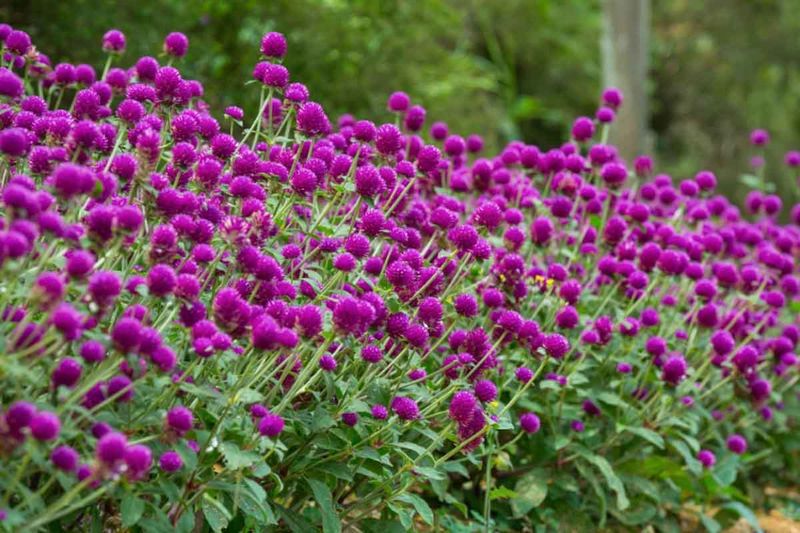
Not every summer flower holds up gracefully through a long, punishing Texas summer, but gomphrena is one that genuinely does.
Its clover-like globe flowers in shades of magenta, pink, purple, white, and orange keep blooming through heat and humidity without much complaint.
Sowing seeds directly or starting them in small containers in May gives gomphrena a strong head start for summer color that lasts well into fall.
Gomphrena, also called globe amaranth, grows to about 18 to 24 inches tall and works beautifully in mixed borders, cutting gardens, or grouped in mass plantings for bold color impact.
The rounded flower heads have a papery texture that makes them especially interesting up close, and they hold their color extremely well when cut and dried, making them popular with gardeners who enjoy fresh or dried flower arrangements.
Pollinators find gomphrena highly attractive, and butterfly activity around these plants can be quite lively during the height of summer. Plants prefer full sun and well-drained soil, and they handle dry spells reasonably well once established.
Gomphrena does not need frequent deadheading to keep blooming, which makes it one of the more low-maintenance choices on this list.
For Texas gardeners who want a flower that keeps performing from midsummer through the first cool spells of fall, gomphrena delivers reliable, cheerful color with minimal fuss and a long season that few other annuals can match.