The Texas Gardener’s Guide To Growing Blackberries In Containers
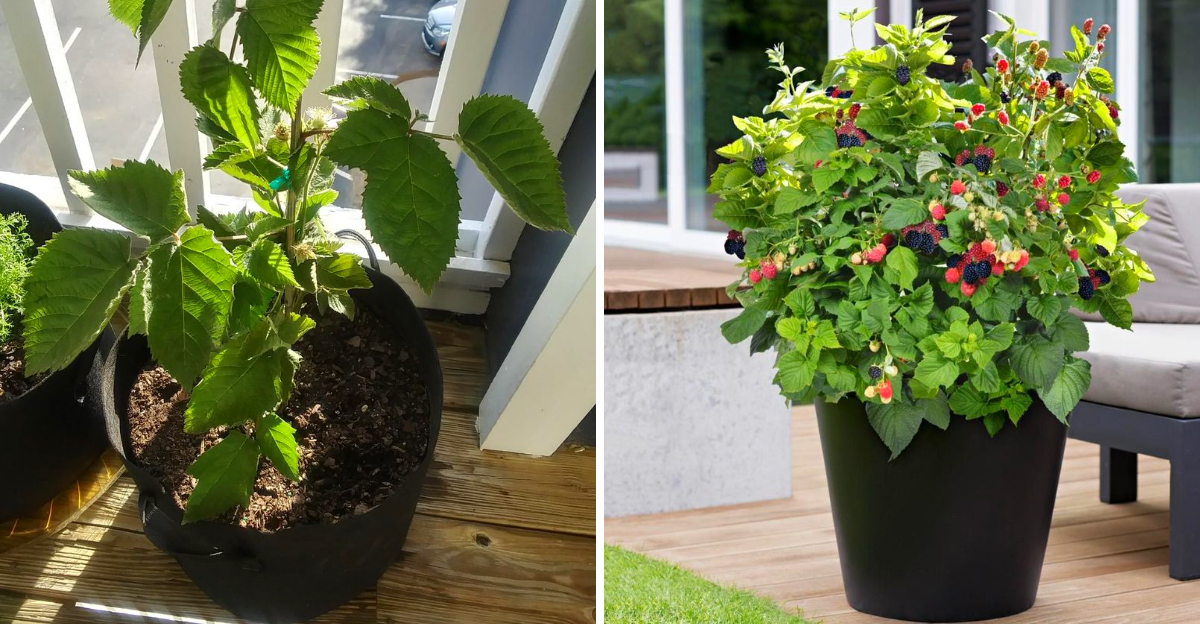
Growing blackberries in containers is one of those ideas that sounds a little ambitious at first, then ends up feeling downright brilliant.
You get fresh fruit, a smaller footprint, and the satisfaction of picking berries off your own patio like you run a tiny Texas fruit empire.
Not bad for a few pots and a sunny spot. Texas gives blackberries a lot to love, especially long sunny days and plenty of warmth.
Of course, Texas also likes to keep gardeners on their toes. Container soil can dry out fast, summer heat can get intense, and a neglected watering routine can turn into a grumpy plant situation pretty quickly.
That is why the setup matters so much. Pick a good variety, give it the right container, and stay consistent with care, and you can get a surprisingly nice harvest at home.
For gardeners short on yard space, that is a pretty sweet deal in every sense.
1. Texas Varieties Make Container Growing Easier
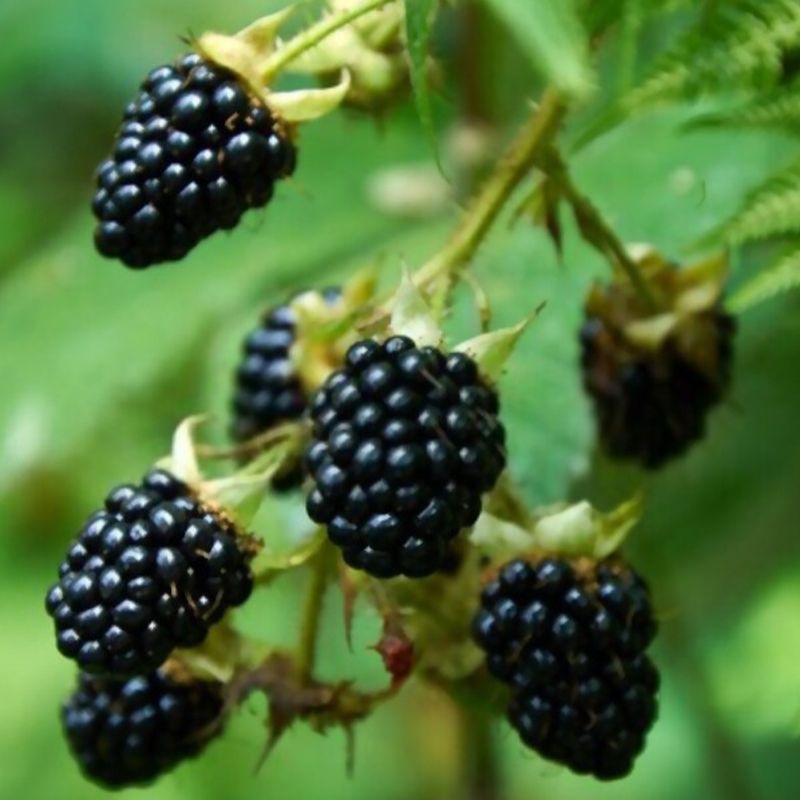
Not every blackberry variety handles Texas heat the same way, and that matters a lot when you are growing in pots.
Some varieties need more winter chill hours than Texas winters typically provide, which can lead to weak growth and little to no fruit the following spring.
Choosing varieties that are well suited to Texas conditions gives container plants a much better chance of thriving.
Thornless varieties tend to work especially well in containers because they are easier to manage in tight spaces like patios and porches.
Varieties such as Brazos, Kiowa, and Womack have performed well in Texas conditions and are often recommended for home gardeners in the region.
Brazos, developed in Texas, is particularly known for its heat tolerance and reliable production in warmer climates.
Newer thornless varieties like Ouachita and Natchez have also shown strong results in parts of Texas, offering good fruit size and manageable growth habits that suit container gardening.
When shopping for plants, look for varieties labeled as low-chill or suited to southern climates.
Local nurseries in Texas can often point you toward what grows best in your specific area, which can save you time and frustration in the long run.
2. Full Sun Helps Blackberries Fruit Better
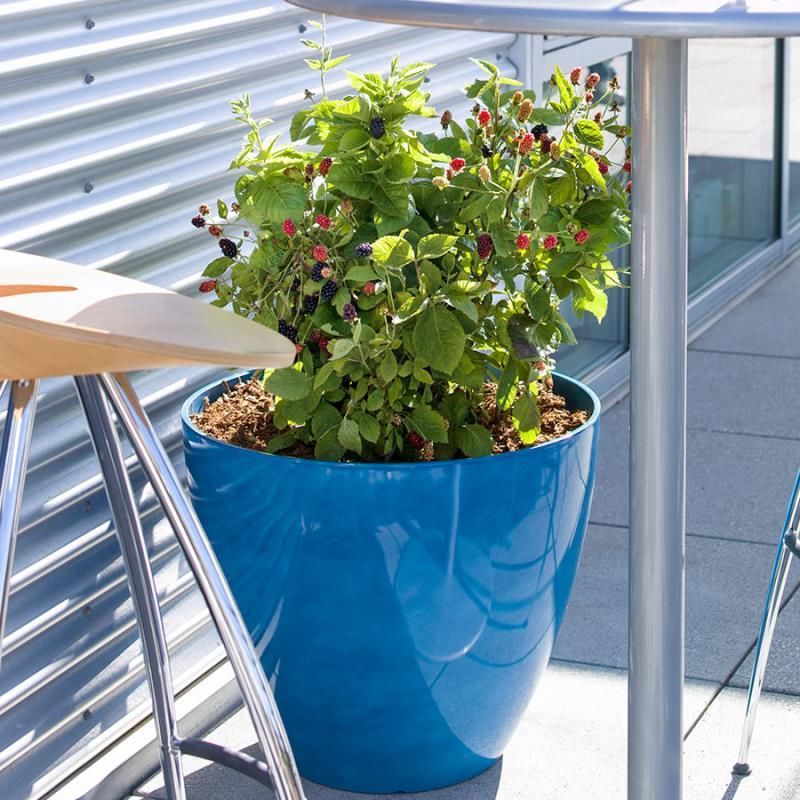
A sunny patio or south-facing deck in Texas can be one of the best spots to grow container blackberries. Blackberries are sun-loving plants that generally need around six to eight hours of direct sunlight each day to produce a worthwhile crop.
Less light tends to result in slower growth, fewer flowers, and smaller harvests.
In Texas, getting enough sun is rarely the problem. The challenge is more about managing the intensity of that sun, especially during the peak of summer.
Container plants sitting on concrete or dark surfaces can absorb extra heat through the pot, which may stress the roots during the hottest stretches of July and August.
Placing pots on wooden decking or using light-colored containers can help moderate soil temperature a bit.
Morning sun with some afternoon shade during the harshest summer weeks can work well for container blackberries in hotter parts of Texas, such as South and Central Texas.
Your Texas Garden Changes Every Week. Your Plan Should Too.
Gardening in Texas changes quickly throughout the season. Every Friday you’ll receive a simple weekly plan showing exactly what to plant, prune, fertilize, harvest, and protect so you never miss the right timing.
East-facing spots often strike a reasonable balance, giving plants strong morning light without the full force of the late afternoon sun.
Watching how your plant responds as the season heats up will help you decide whether to shift the pot to a slightly more sheltered spot. One of the advantages of container growing is that you can move things around as conditions change.
3. Fast-Draining Soil Protects Roots In Pots
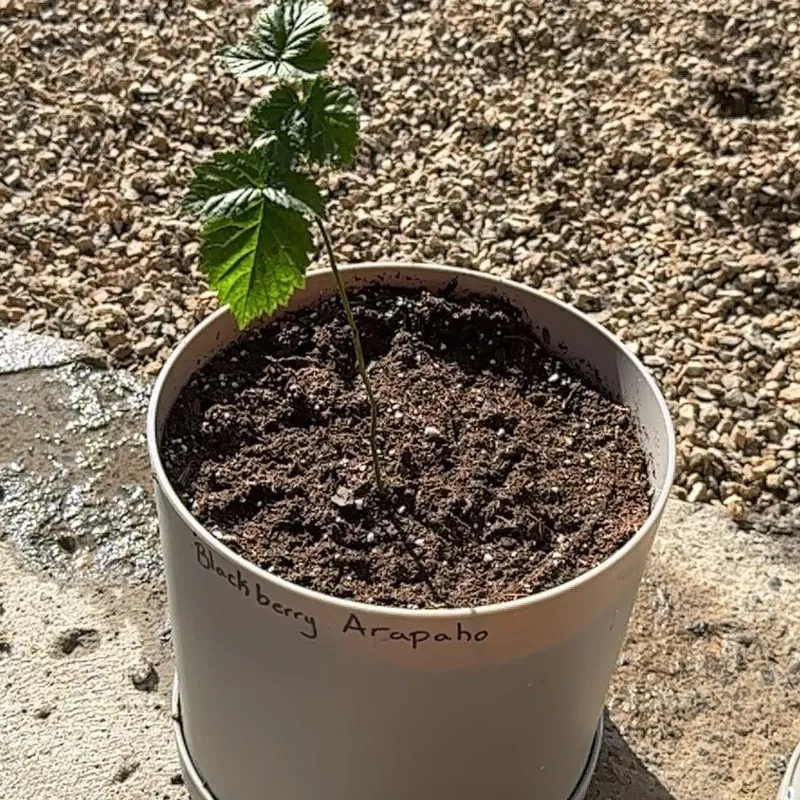
Soggy roots are one of the most common problems container fruit growers run into, and blackberries are no exception.
In the ground, excess water can move away from the root zone more easily, but in a pot, water has nowhere to go unless the soil drains well and the drainage holes are clear.
Heavy or compacted soil in a container can hold moisture too long, leading to root rot and poor plant health over time.
A well-draining potting mix is a much better choice than regular garden soil for container blackberries.
Many Texas gardeners mix a quality potting mix with perlite or coarse sand to improve drainage further, especially in larger containers where compaction can happen faster.
Avoid using native Texas clay soil in pots, as it tends to hold water and harden in ways that restrict root growth and airflow.
Look for potting mixes that include pine bark fines, which help keep the mix loose and slightly acidic over time.
Blackberries generally prefer a soil pH between 5.5 and 6.5, and a good container mix often falls close to that range without much adjustment.
Checking that your pot has multiple drainage holes at the bottom before planting is a simple step that can prevent a lot of trouble later in the season, particularly during the rainy stretches Texas sometimes gets in spring.
4. The Right Pot Size Supports Better Growth
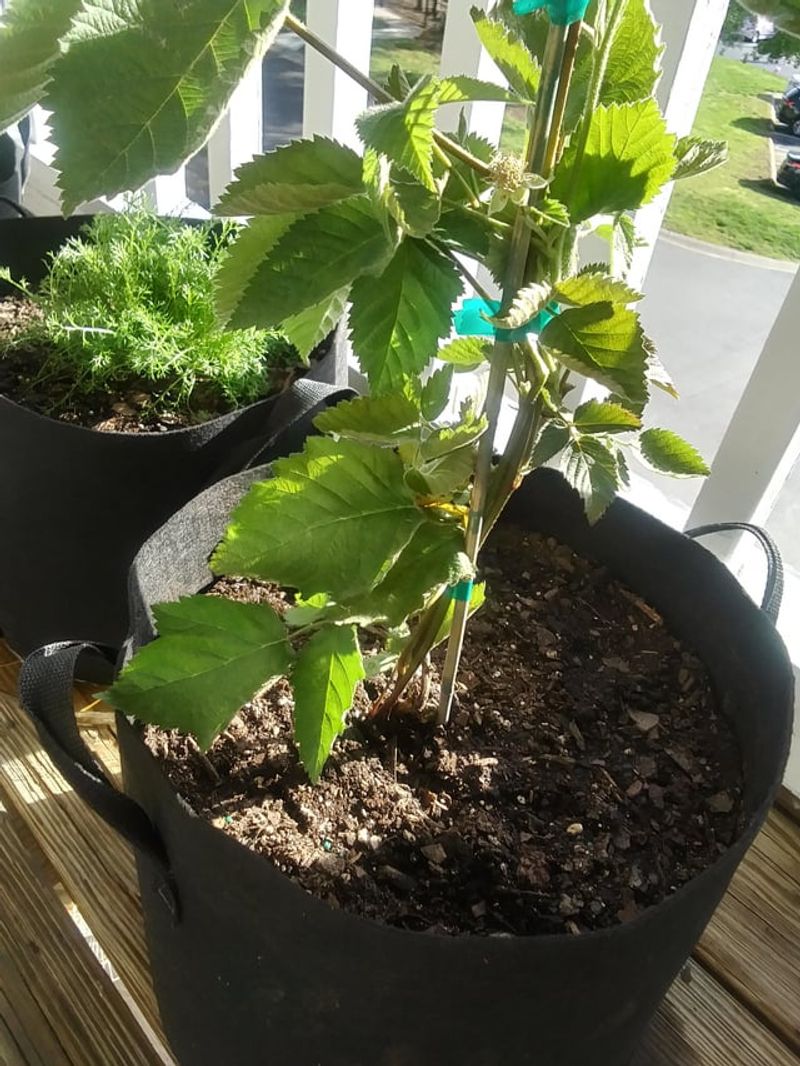
Container size has a direct effect on how well a blackberry plant grows and produces fruit. A pot that is too small limits root development, which can restrict overall plant size and reduce the number of canes that develop each season.
Blackberries are vigorous plants with spreading root systems, so giving them enough room to grow makes a noticeable difference.
Most experienced container gardeners recommend starting with a pot that holds at least 15 to 20 gallons of soil for a single blackberry plant.
Smaller pots can work temporarily, but plants typically need to be moved into larger containers within a season or two as the root system fills out.
Half wine barrels, large nursery containers, and heavy-duty fabric grow bags are all popular choices among Texas home gardeners who grow blackberries on patios and decks.
Fabric grow bags have become especially popular in recent years because they allow air to reach the roots and help prevent overwatering by releasing excess moisture through the sides.
They also stay cooler than dark plastic pots under the Texas sun, which can benefit root health during summer.
Whatever container you choose, make sure it is sturdy enough to stay upright once filled with moist soil, since a large pot with a cane support structure can get quite heavy, particularly after a good rain or thorough watering session.
5. Regular Watering Matters More In Containers
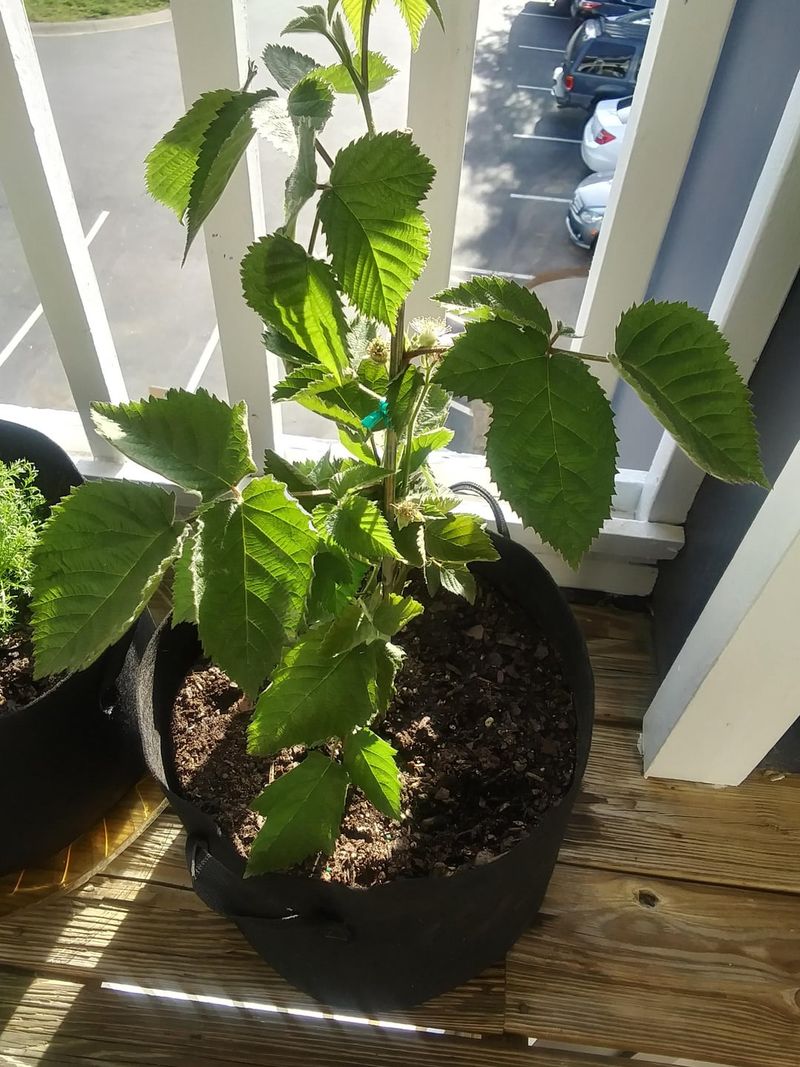
One of the biggest adjustments people make when switching from in-ground to container fruit growing is learning how quickly pots dry out.
In Texas, where summer temperatures regularly climb past 95 degrees, a container can go from moist to bone dry within a day or two, especially in smaller pots or during windy stretches.
Checking soil moisture regularly is one of the most useful habits a container blackberry grower can build.
A simple way to check is to push a finger about two inches into the soil. If it feels dry at that depth, it is likely time to water.
Watering deeply until water drains from the bottom of the pot helps ensure the entire root zone gets moisture rather than just the top layer. Shallow watering can encourage roots to stay near the surface, where they are more vulnerable to heat stress.
Drip irrigation systems or soaker hose setups can be a practical solution for Texas gardeners who want to keep container blackberries consistently watered through the heat of summer without checking every single day.
Mulching the top of the container with a thin layer of wood chips or straw can also slow moisture loss noticeably.
During fruiting season, consistent moisture helps berries develop evenly and reduces the chance of fruit dropping early or coming in smaller than expected.
6. Support Helps Keep Canes Upright
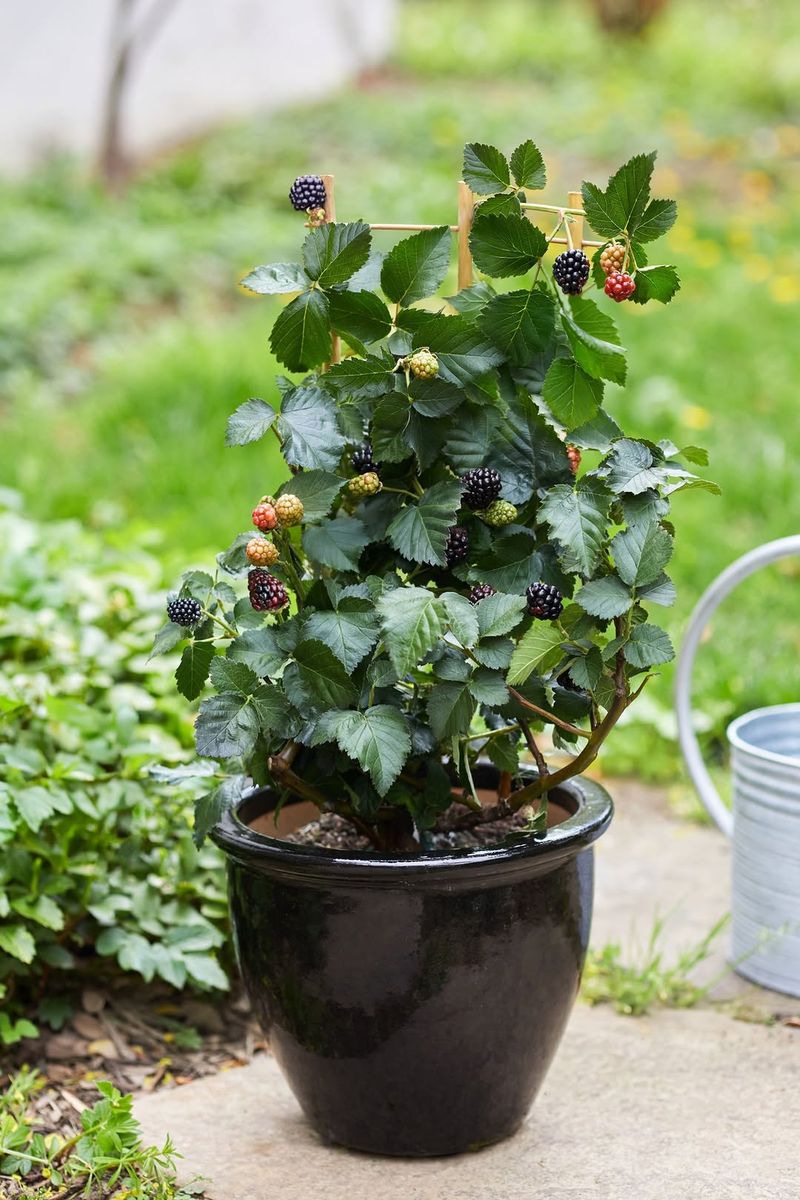
Vigorous canes arching out in every direction are one of the first things new blackberry growers notice when their plant really gets going.
Without some kind of support, those long canes can flop over the sides of the pot, snap in the wind, or make it harder to manage the plant as it grows.
Setting up a simple support system early in the season makes a lot of sense, especially in Texas where afternoon thunderstorms can bring sudden strong gusts.
A basic stake-and-tie setup works well for many container growers. Driving two or three sturdy bamboo stakes into the container and using soft plant ties or strips of cloth to loosely secure the canes keeps them upright without cutting into the stems.
Some gardeners build a small trellis frame that fits over or around the container, which gives canes more structured support as they lengthen through spring and early summer.
Keeping canes off the ground also improves air circulation around the plant, which can help reduce the chance of fungal issues developing in humid conditions.
In parts of Texas that see more spring rainfall, good airflow around the canes can be especially helpful.
As you tie canes to supports, try to spread them out a bit so sunlight can reach the interior of the plant, which encourages more even fruit development across the whole cane rather than just the outer tips.
7. Spring Feeding Supports Strong Growth
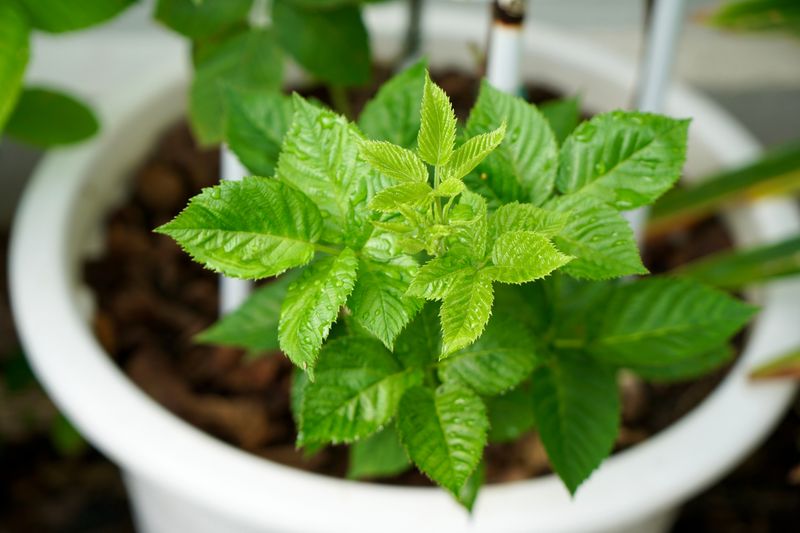
Feeding container blackberries in spring gives plants the nutrients they need right when growth is picking up speed.
Unlike in-ground plants that can draw on nutrients stored in surrounding soil, container plants depend almost entirely on what is in their pot and what gardeners add over time.
Nutrients in potting mix tend to wash out faster with regular watering, making consistent feeding more important for container-grown fruit.
A balanced slow-release granular fertilizer applied in early spring as new growth begins is a solid starting point for most container blackberries.
Some Texas gardeners follow that up with a liquid fertilizer higher in potassium during the flowering and fruiting period, which can support fruit development and overall plant strength.
Avoid overfeeding with high-nitrogen fertilizers once plants begin flowering, as too much nitrogen at that stage can push leafy growth at the expense of fruit.
Blackberries also benefit from slightly acidic growing conditions, and some gardeners use fertilizers formulated for acid-loving plants like blueberries or azaleas, which can work well for blackberries too.
Yellowing leaves in an otherwise healthy plant can sometimes signal a nutrient deficiency, and a soil test or plant tissue test can help figure out what might be missing.
Feeding in late summer or fall is generally not recommended, as it can encourage soft new growth that may struggle through the cooler months ahead.
8. Pruning Keeps Plants Productive
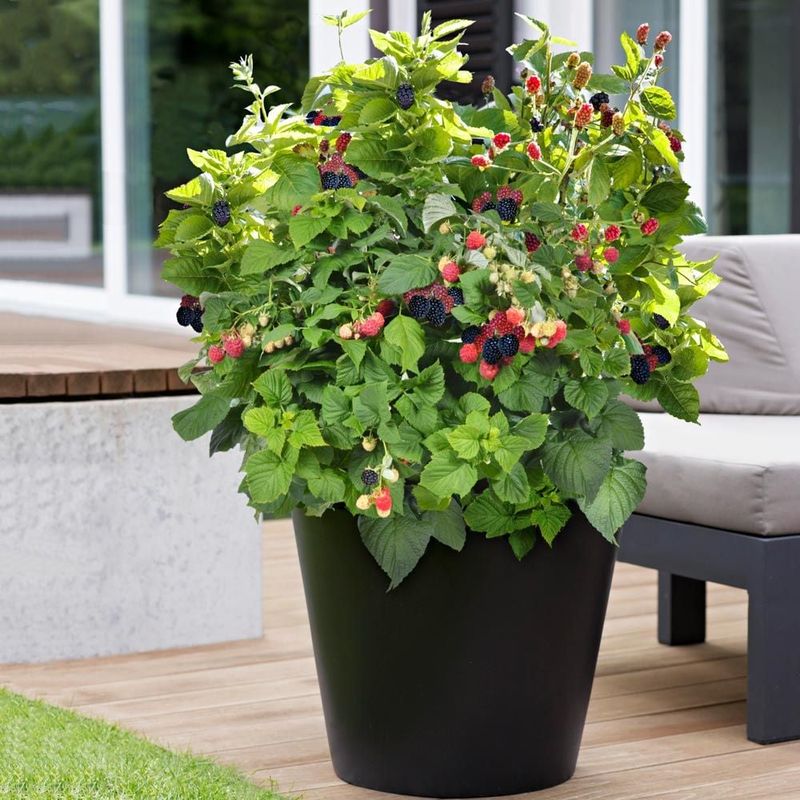
Pruning is one of those tasks that makes a real difference in how well container blackberries perform year after year.
Blackberry canes follow a two-year cycle: first-year canes, called primocanes, grow vegetatively, while second-year canes, called floricanes, are the ones that flower and fruit.
Once a floricane has produced fruit, it will not fruit again and can be removed at the base to make room for new growth.
Removing spent canes after harvest, usually in summer, helps the plant redirect its energy toward the new primocanes that will become next year’s fruiting canes.
In a container, where space is limited, keeping the number of canes manageable also improves airflow and makes the plant easier to support and maintain.
Leaving too many canes crowded together can reduce fruit quality and make the plant harder to work with as the season goes on.
In late winter, before new growth begins, it is a good time to tip-prune the remaining canes by cutting back their tips by about a third.
This encourages lateral branching, which increases the number of fruiting sites along each cane and can lead to a more productive harvest.
Using clean, sharp pruning shears helps make smooth cuts that heal more easily. In Texas, late February or early March is often a reasonable window for this late-winter pruning before the growing season gains momentum.