The Only Pink Perennials Worth Planting In Florida’s Hot And Humid Weather
Pink perennials have a reputation for being delicate. Soft color, soft constitution, the kind of plants that look gorgeous in a catalog and then quietly fall apart the moment Florida’s summer heat and humidity show up.
A lot of gardeners have learned that lesson the hard way after losing plants they genuinely loved. Florida does not forgive plants that are not built for it.
The combination of intense sun, relentless moisture, and warm nights that never really cool down is a filter, and most pink perennials do not make it through. The ones that do are a different story.
They come back, they hold their color, and they handle the conditions that take out everything else. Those are the only ones worth making room for.
1. Plant Pentas For Pink Color That Keeps Going In Summer
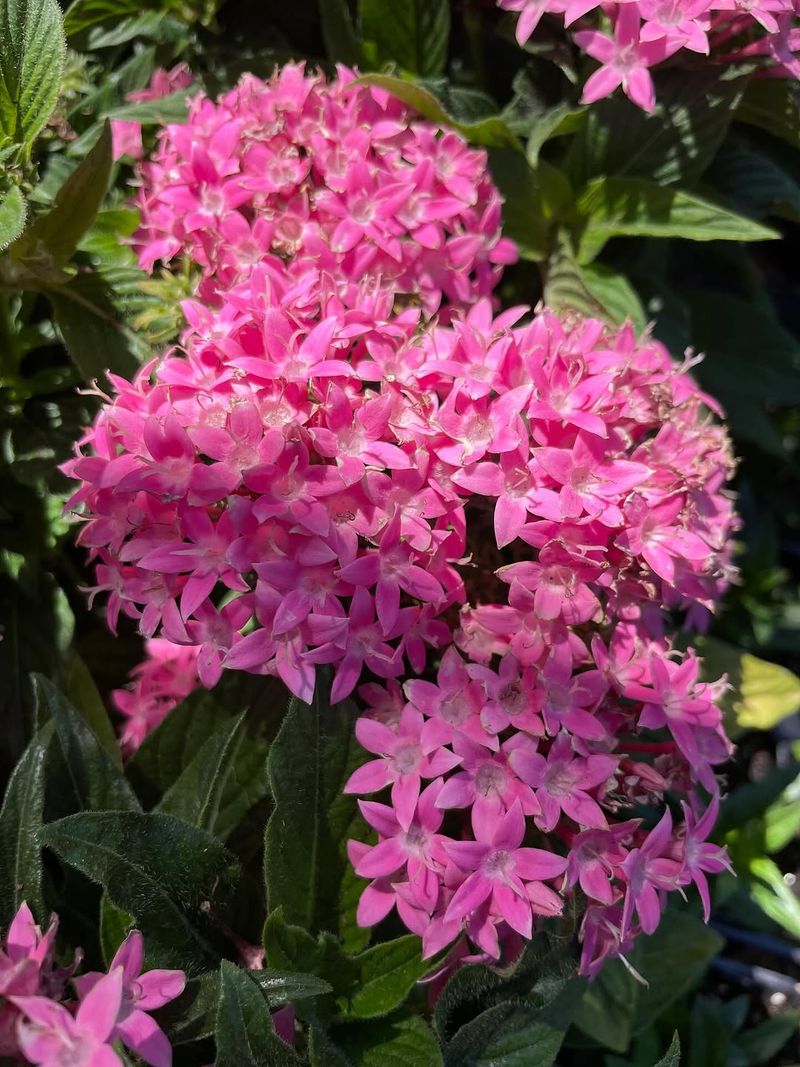
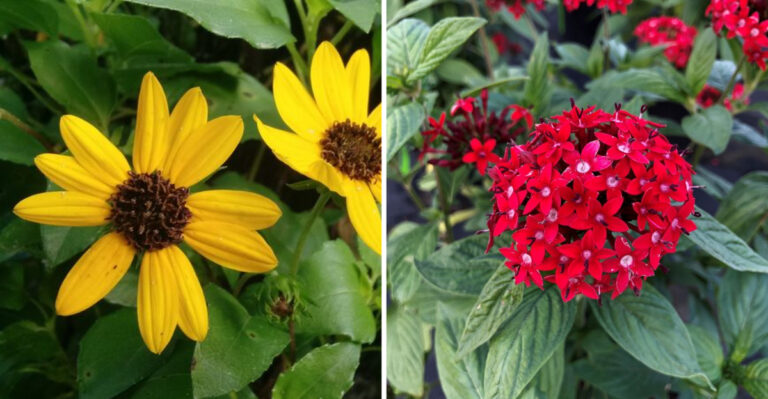
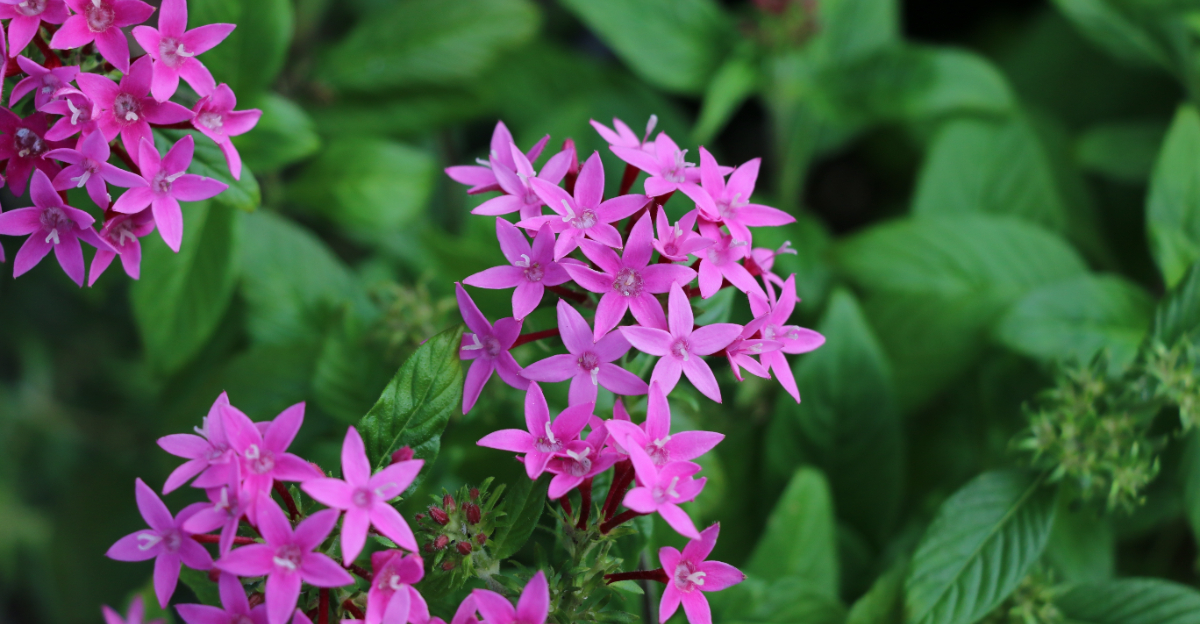
Steamy Florida afternoons can wilt a lot of flowers before lunchtime, but pentas just keeps going. This plant produces dense, cheerful clusters of star-shaped pink blooms that hold up through the kind of heat and humidity that most ornamentals cannot handle.
Butterflies and hummingbirds are drawn to pentas consistently, making it one of the most rewarding warm-season plants you can add to a Florida yard if pollinator activity matters to you.
Pentas is not a Florida native plant, so gardeners who prioritize native-only landscapes may want to weigh that before planting. That said, it is widely recognized by UF/IFAS and Florida-Friendly Landscaping resources as a solid performer for Florida conditions.
It thrives in full sun with well-drained soil, and it appreciates regular moisture without sitting in soggy ground.
Regional performance does vary in meaningful ways. In Central and South Florida, pentas can behave as a true perennial and return season after season with minimal interruption.
North Florida gardeners may see plants struggle or get knocked back during freezes, which means treating them more like warm-season annuals in colder winters rather than reliable perennials.
Coastal gardeners should confirm that site drainage is good and consider whether salt spray exposure could be a problem before committing to a large planting.
Choosing named pink varieties rather than mixed-color packs gives you more control over the final look. Regular deadheading or light trimming encourages fresh bloom cycles and keeps plants from getting leggy.
For Florida gardeners who want consistent pink color from late spring through fall without constant battle, pentas earns its spot on this list honestly.
2. Choose Tropical Sage When You Want A Native Pink Bloomer
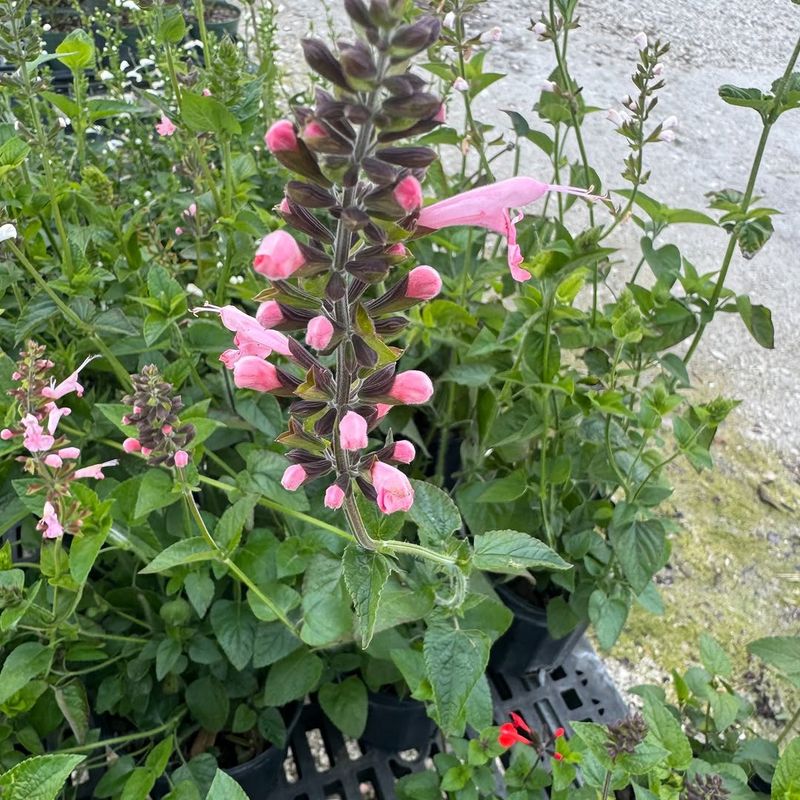
Native plant gardeners in Florida often hear about tropical sage as a red-flowering species, and red is indeed the most common form.
What many people do not realize is that pink-flowering forms of tropical sage, also known as scarlet salvia or Salvia coccinea, do exist and can bring that native-plant value to a landscape while still delivering the pink color you are after.
Choosing a pink-flowering form rather than a standard red one takes a little extra attention at the nursery, but it is worth it.
As a Florida native, tropical sage fits naturally into Florida-friendly and pollinator-supporting landscapes in a way that most non-native ornamentals simply cannot match. Bees, butterflies, and hummingbirds all use it.
Your Florida Garden Changes Every Week. Your Plan Should Too.
Gardening in Florida changes quickly throughout the season. Every Friday you’ll receive a simple weekly plan showing exactly what to plant, prune, fertilize, harvest, and protect so you never miss the right timing.
It grows well in full sun to part sun and can tolerate the kind of summer heat that sends less-adapted plants into stress.
Soil drainage and airflow around plants help prevent disease issues, so spacing plants appropriately and avoiding dense, shaded spots gives you the best results.
Across Florida regions, tropical sage performs with some variation depending on site conditions. In North Florida, it may behave more like an annual or short-lived perennial depending on winter temperatures and how much cold exposure it receives.
Central and South Florida gardeners generally see stronger, longer-lasting growth. Pruning spent flower spikes encourages fresh blooms and helps keep plants looking tidy rather than ragged by midsummer.
Moisture consistency matters too. Plants in very dry inland sites may need supplemental watering during dry spells, while naturally moist spots with good drainage can support strong seasonal performance without much extra effort from the gardener.
3. Use Pink Muhly Grass For Fall Color That Handles Florida Heat
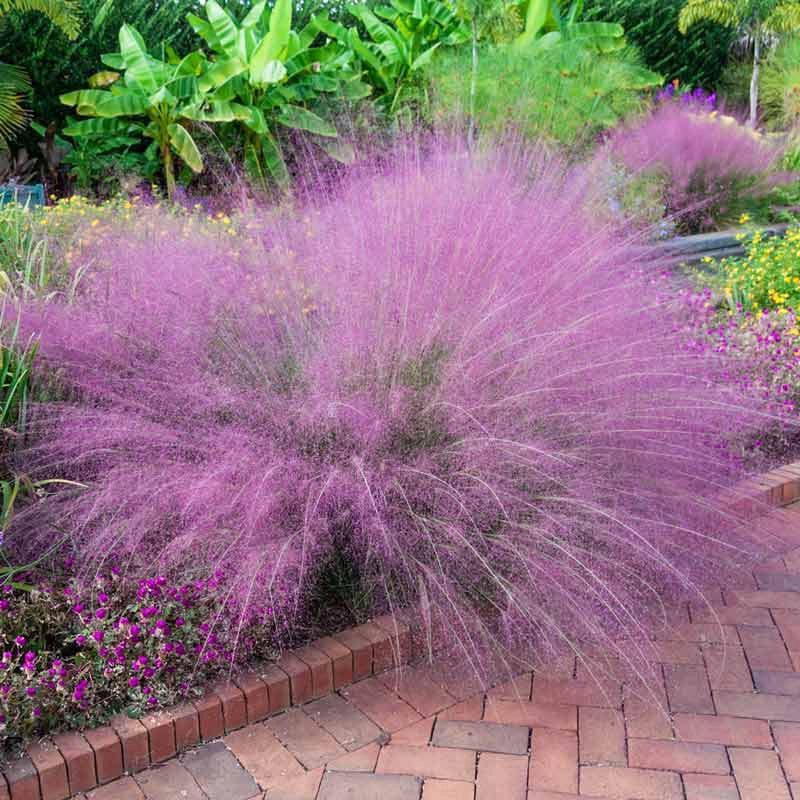
When fall arrives in Florida and most warm-season color starts to fade, pink muhly grass puts on a show that stops people in their tracks.
The airy, cotton-candy-pink plumes that emerge in autumn rise above the fine-textured green foliage and catch every bit of light and breeze in a way that almost no other Florida plant can replicate.
It is not a traditional flowering perennial, but the seasonal pink color it delivers is real, reliable, and genuinely beautiful.
Pink muhly grass, known botanically as Muhlenbergia capillaris, is a Florida native and earns high marks from UF/IFAS and Florida-Friendly Landscaping sources for its adaptability and low-maintenance nature.
It handles full sun and well-drained soil beautifully, including the sandy, nutrient-poor soils that challenge so many landscape plants across Florida.
Once established, it is notably drought-tolerant, which makes it valuable in inland yards where summer rain can be unpredictable and irrigation water is limited.
Coastal gardeners and those with sandy beds will find pink muhly grass particularly useful because it handles those conditions without complaint.
Wet, poorly drained inland spots are a different story, and gardeners in those situations should look for a better-suited plant rather than trying to force muhly grass into soggy ground.
Regional performance is strong statewide when the plant is placed correctly. North, Central, and South Florida all support pink muhly grass well in appropriate sites.
The fall plume display may arrive slightly earlier in northern parts of the state than in the warmer south. Cutting plants back lightly after the plume season encourages fresh, tidy regrowth heading into the following year.
4. Tuck Native Rain Lilies Where Summer Storms Can Trigger Blooms
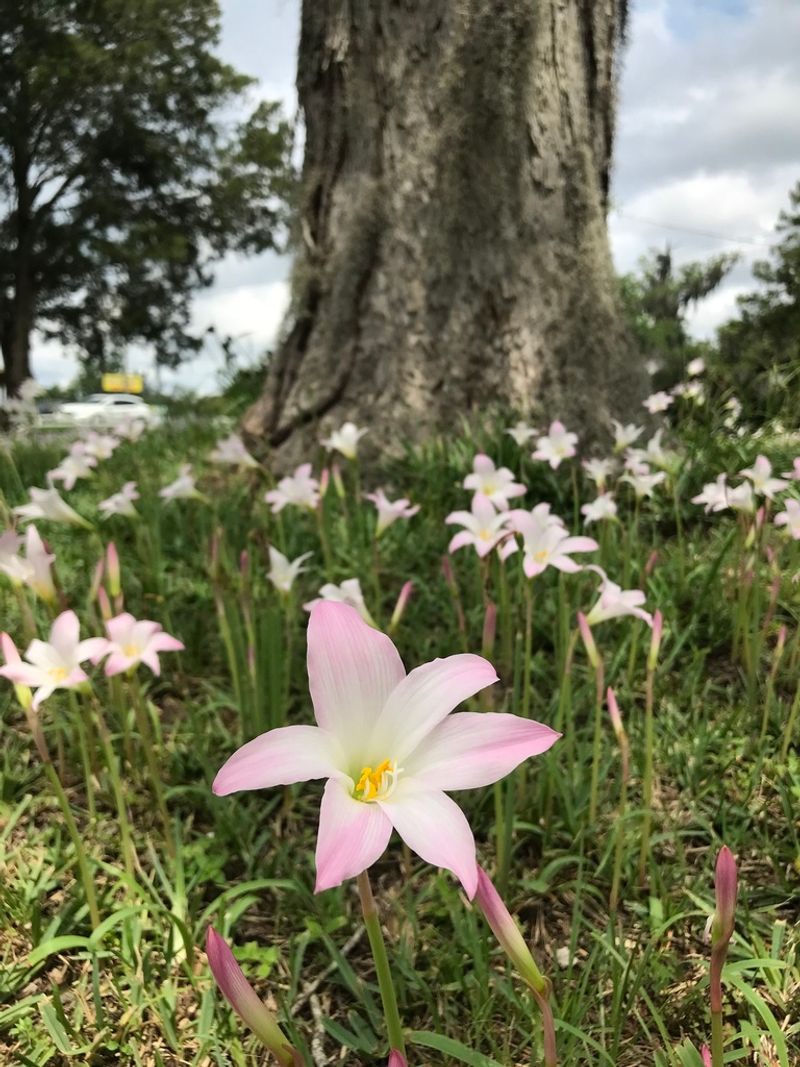
After a heavy summer storm rolls through Florida and the air is still thick with humidity, something quietly magical can happen along garden edges and naturalized pockets. Rain lilies bloom.
These small, elegant flowers appear almost overnight following rainfall, which makes them one of the most seasonally interesting plants you can tuck into a Florida landscape if you know where to place them correctly.
Florida does have native rain lily species, and that distinction matters a lot for gardeners who care about native-plant integrity.
Not every rain lily sold at nurseries or garden centers is a Florida native, so looking specifically for native species or sourcing plants from reputable native-plant nurseries is the right approach when native status is a priority.
The Florida Native Plant Society and the Florida Wildflower Foundation are good resources for identifying appropriate native species and finding reliable sources.
Rain lilies are not big, bold statement plants. They are subtle and seasonal, and that is actually part of what makes them work so well in the right spots.
Along path edges, in rain gardens, at the margins of moist low areas, or in naturalized corners of a yard, they fit beautifully without demanding constant attention or maintenance.
They are not the right plant for a formal, manicured flower bed where consistent bloom presence is expected.
Matching the specific species to your site moisture and regional conditions is important.
Some species handle drier periods better than others, and gardeners in North Florida, Central Florida, and South Florida may find that different native rain lily species suit their local conditions more naturally.
Checking with a local native-plant nursery before purchasing is always a smart first step.
Gardeners should buy nursery-propagated plants and never collect native rain lilies from wild areas.
5. Try Sunshine Mimosa As A Tough Native Groundcover
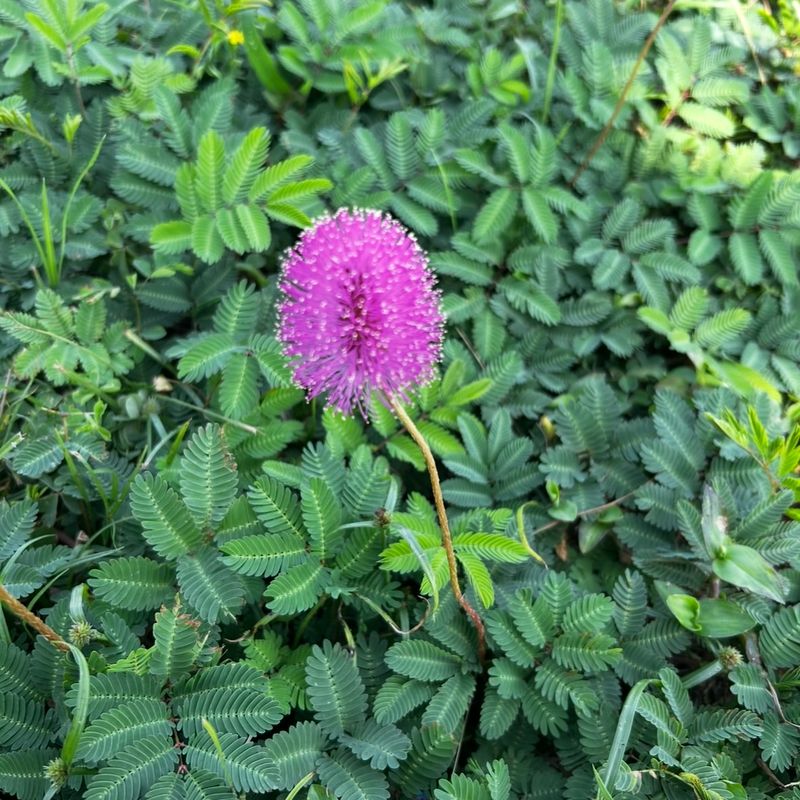
Few plants in a Florida landscape surprise visitors quite like sunshine mimosa. Walk across it and the leaves fold up gently at the touch, which delights children and adults alike every single time.
Beyond that quirky characteristic, sunshine mimosa, also called powderpuff mimosa or Mimosa strigillosa, is a genuinely tough Florida native groundcover that produces soft, fluffy pink flowers that look almost too pretty to be this low-maintenance.
UF/IFAS and Florida-Friendly Landscaping sources recognize sunshine mimosa as a useful native groundcover for sunny areas, and it earns that recognition honestly. Once established, it handles Florida heat, humidity, and sandy soils with minimal fuss.
It can replace sections of traditional lawn, fill awkward sunny spaces between larger plants, or cover slopes and open areas where other groundcovers struggle to take hold.
The spreading habit of sunshine mimosa deserves an honest mention. It does spread, and that is a feature in the right context and a frustration in the wrong one.
Gardeners who want it to cover a large sunny area will appreciate how readily it fills in. Gardeners with small, formal beds where tidy edges are important may find the spreading nature harder to manage.
Spreading does not make it invasive by Florida standards, but placement matters a great deal for long-term satisfaction.
Sunshine mimosa performs well across warm, sunny Florida landscapes in all regions of the state. Heavily shaded sites, very wet low spots, and locations where a refined, structured appearance is required are not the best fits for this plant.
Sunny, sandy, open spaces in North, Central, and South Florida are where it genuinely thrives and earns its keep year after year.
6. Give Native Hibiscus A Moist Spot For Big Pink Flowers
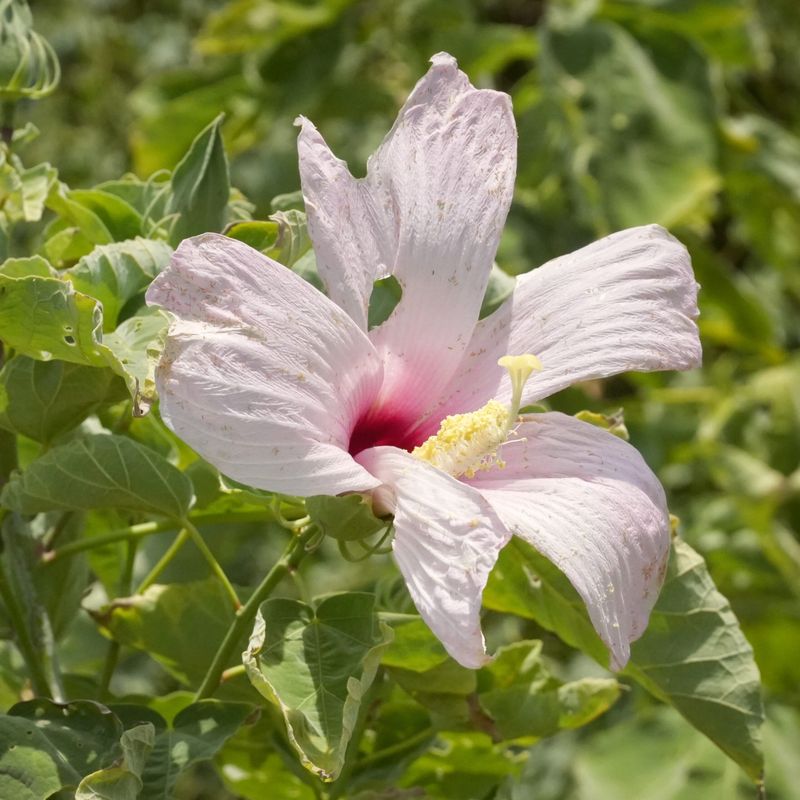
Nothing in a Florida garden delivers the same kind of wow factor as a large native hibiscus in full bloom.
The flowers are enormous, bold, and unmistakably tropical, and when a pink-flowering native rosemallow opens up near a pond edge or rain garden, it commands attention in a way that few other perennials can.
This is a plant built for impact, and it delivers that impact reliably when placed in the right conditions.
Native hibiscus and native rosemallows that produce pink flowers, including swamp rosemallow and other native rosemallows with pink-flowering forms, are documented by UF/IFAS and Florida native-plant resources as valuable landscape plants for moist or wet sites.
The key phrase there is moist or wet sites.
This plant is not a drought-lover, and describing it otherwise would set gardeners up for disappointment.
Rain gardens, pond margins, low spots with consistent moisture but no stagnant standing water, and naturally wet areas are where native hibiscus genuinely thrives.
Gardeners with dry, sandy inland beds or raised containers will need to pay close attention to watering if they want to grow native hibiscus successfully. The plant can work in those settings, but the moisture requirement does not go away just because the site is different.
In naturally moist Florida landscapes, particularly in wetter inland regions and low coastal areas that receive consistent rain, native hibiscus can establish and perform with far less supplemental care.
Wildlife value is significant. Native bees, butterflies, and hummingbirds all use native hibiscus regularly.
Across North, Central, and South Florida, this plant can perform well when moisture needs are met, making it one of the most rewarding large pink perennials available to Florida gardeners who have the right site for it.
7. Save Pink Roses For Florida Tested Varieties Only
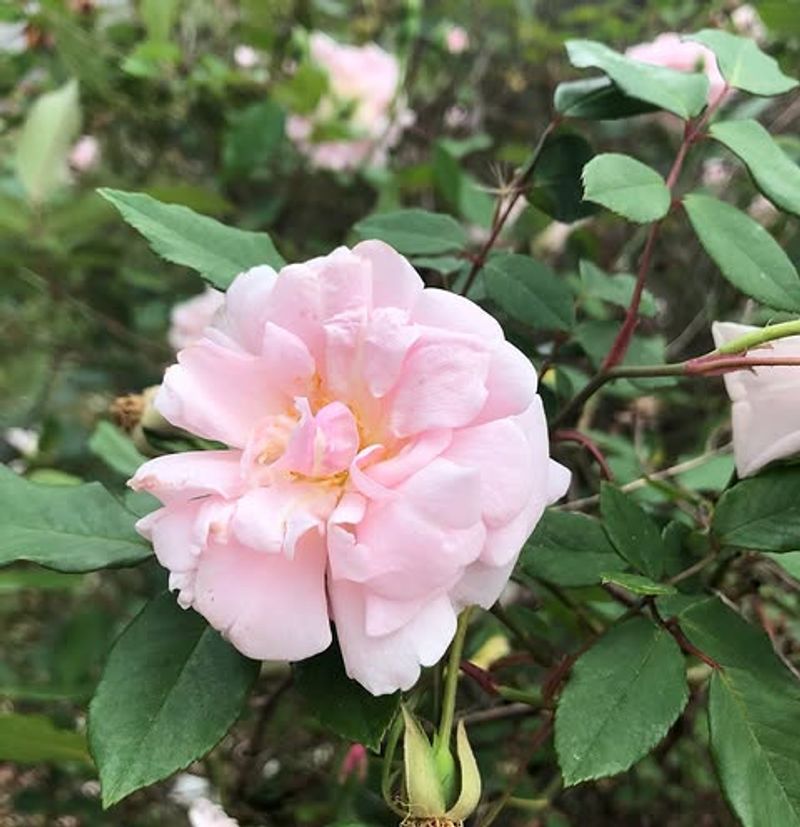
Roses have a complicated relationship with Florida. Roses are woody perennials rather than soft-stemmed border plants, but pink varieties earn a cautious spot here because many Florida gardeners still want classic long-lasting blooms.
The romantic appeal of classic pink blooms is real, and plenty of Florida gardeners want them badly enough to put in the extra work.
The honest truth, though, is that Florida heat, humidity, black spot fungal disease, spider mites, aphids, soil nematodes, and poor variety selection can turn a rose bed into a frustrating and exhausting project very quickly.
That does not mean roses are impossible in Florida, but it does mean that variety selection and site preparation are not optional steps.
UF/IFAS and Florida cooperative extension resources consistently point gardeners toward disease-resistant varieties that have been evaluated specifically for Florida conditions.
Varieties bred for heat tolerance and black spot resistance give you a genuinely better starting point than classic hybrid tea roses that were developed for cooler, drier climates.
UF/IFAS points Florida gardeners toward tougher choices such as Knock Out roses and many old garden roses, which are generally more manageable than classic hybrid teas in hot, humid conditions.
Regional challenges vary across the state in ways that matter to rose growers. Coastal humidity can accelerate fungal disease even in well-chosen varieties.
Central Florida disease pressure is significant during the long wet season. South Florida warmth can extend the growing season but also extends pest and disease pressure.
North Florida cold snaps can damage or set back plants in winter, though this is less of a concern with cold-hardy varieties.
Overhead irrigation encourages foliar disease, so drip irrigation or careful hand watering at the base of plants is a smarter approach. Roses need full sun, good airflow between plants, and consistent attention.
They are not a low-effort choice compared to the native and Florida-Friendly plants elsewhere on this list, but for gardeners willing to invest the time, the right pink rose variety can still deliver classic beauty in a Florida garden.