Pennsylvania Ornamental Climbers That Grow Well In Containers
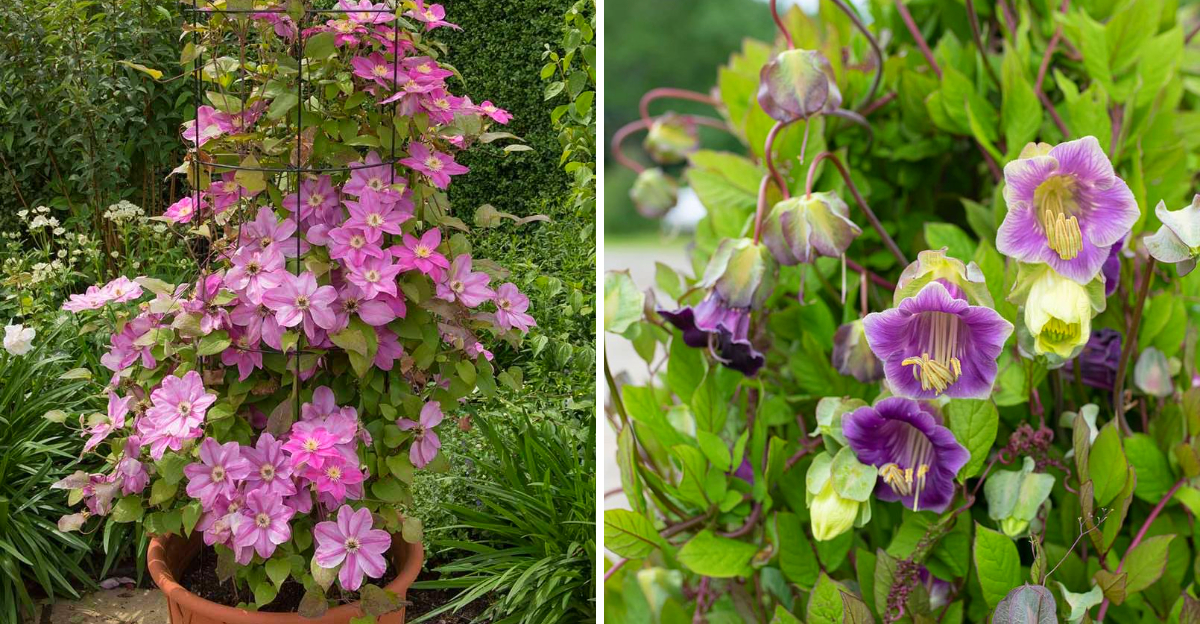
A lot of Pennsylvania gardeners put their energy into flowers that spill and spread, and honestly, that makes sense. Containers packed with color are hard to resist.
But climbers bring a whole different kind of magic. Give one a trellis, an obelisk, or even a few well-placed stakes, and suddenly a plain pot starts acting like the star of the patio.
That is part of what makes container climbers so fun in Pennsylvania. They add height, texture, and that lush layered look without taking over every inch of porch, balcony, or deck space.
A small corner can start looking surprisingly dramatic, which is a nice reward for one container and a little ambition.
Pennsylvania’s warm summers also give gardeners a great chance to play with a mix of hardy vines and more tropical showstoppers that love the season’s heat.
And really, there is something especially satisfying about a plant that decides to climb up and show off a little.
1. Clematis Brings Big Blooms To Vertical Spaces
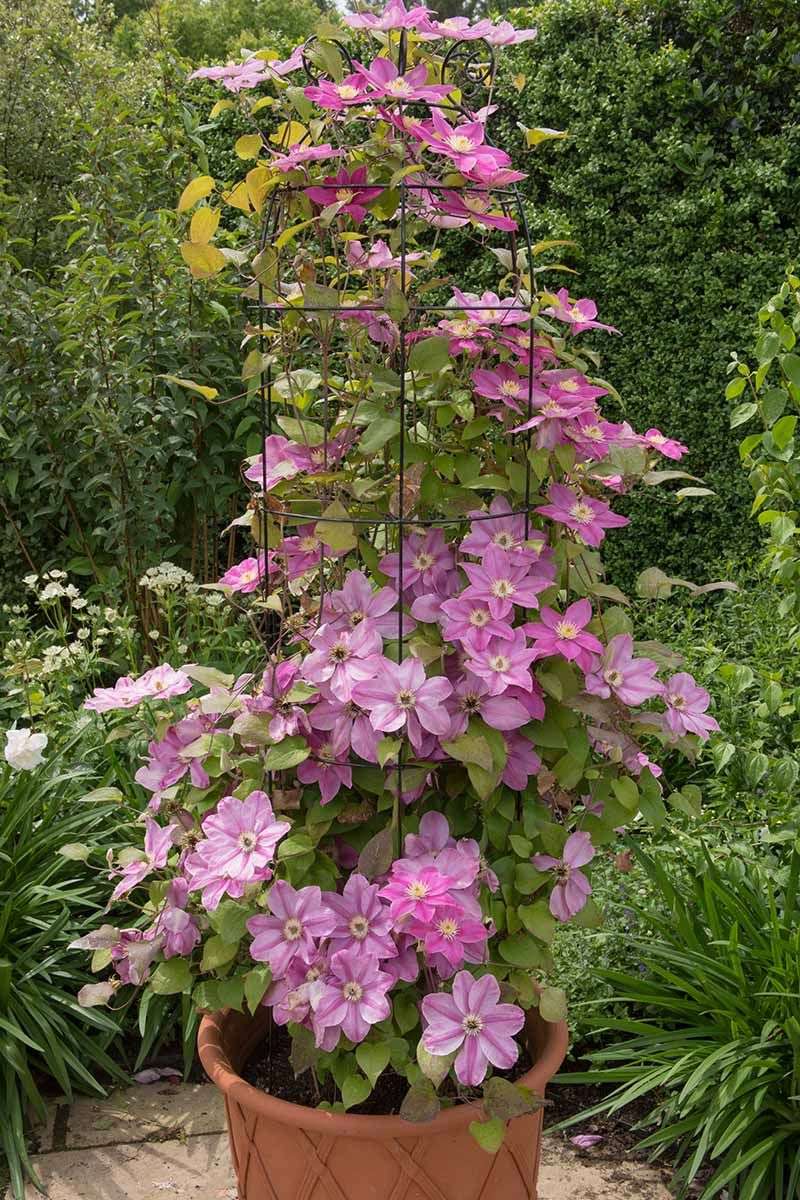
Few flowering vines can match the sheer drama that clematis brings to a container display. With blooms ranging from deep purple and soft lavender to bright pink and crisp white, this vine has a way of turning a plain porch corner into something genuinely stunning.
Many Pennsylvania gardeners grow clematis in the ground, but it adapts surprisingly well to large pots when given the right conditions. When it starts climbing and blooming at the same time, it can make even a simple container feel thoughtfully designed.
For container growing, choosing a compact or small-flowered clematis variety tends to give the best results. The plant needs a pot that holds at least 15 to 20 gallons to give the roots enough room to spread comfortably.
A sturdy trellis or obelisk placed directly in the container gives the vine something to grab onto as it climbs, and the overall effect can look quite polished on a deck or patio.
Clematis prefers full sun on its upper growth while keeping its roots cool and shaded. Placing a layer of mulch on top of the soil or setting a smaller pot over the root zone can help manage soil temperature during Pennsylvania’s hotter summer stretches.
Consistent moisture is important since containers can dry out faster than garden beds.
Most clematis varieties are hardy through much of Pennsylvania, meaning they can often stay outside through winter with some protection. Cutting back the vine in late fall or early spring, depending on the variety’s pruning group, helps encourage fresh growth.
Checking which pruning group your specific variety belongs to makes seasonal care much more straightforward.
2. Mandevilla Adds Tropical Color To Patio Pots
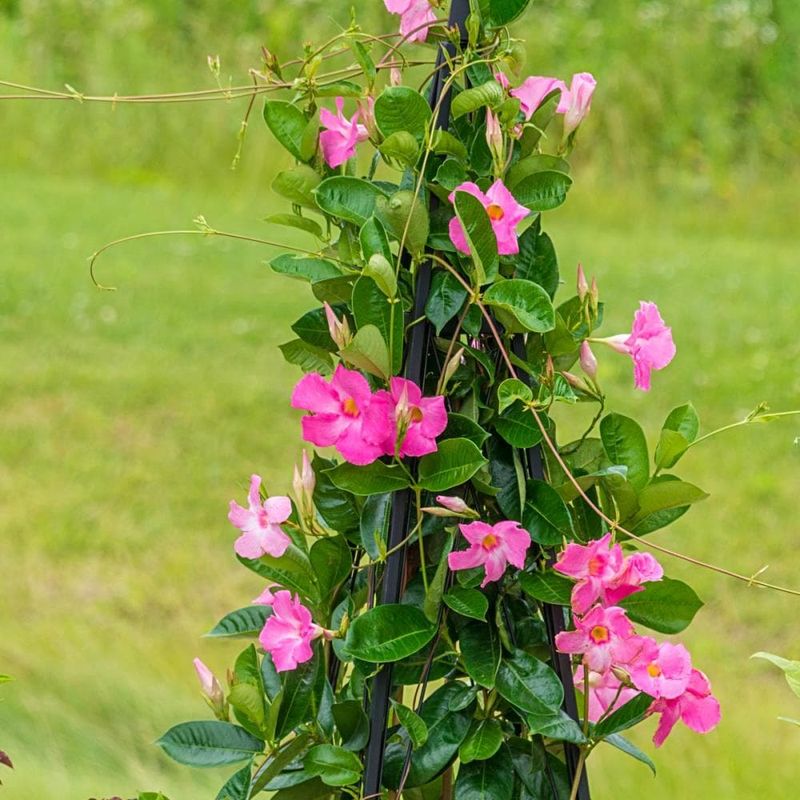
Walking past a patio pot filled with mandevilla in full bloom is hard to do without stopping to take a second look. The flowers are bold, trumpet-shaped, and come in shades of red, deep pink, and soft white that practically glow in summer sunlight.
Mandevilla is native to tropical regions, so it brings a lush, almost resort-like quality to Pennsylvania outdoor spaces during the warm months. In a container arrangement, it has a way of making the whole space feel brighter, fuller, and a little more festive.
Your Pennsylvania Garden Changes Every Week. Your Plan Should Too.
Gardening in Pennsylvania changes quickly throughout the season. Every Friday you’ll receive a simple weekly plan showing exactly what to plant, prune, fertilize, harvest, and protect so you never miss the right timing.
Because mandevilla is not cold hardy in Pennsylvania, it works best as a warm-season container plant brought outdoors after the last frost in spring and moved back inside before temperatures drop in fall.
This extra step is well worth it for gardeners who enjoy dramatic, long-lasting blooms from late spring through early autumn.
The vine climbs readily when given a trellis, stake, or small obelisk to wrap around.
Container size matters quite a bit with mandevilla. A pot in the 12 to 14 inch range can work for smaller plants, but a larger container allows for more vigorous growth and a fuller display.
The plant likes full sun, consistent watering, and a well-draining potting mix. Fertilizing every couple of weeks with a bloom-boosting fertilizer through summer helps keep the flowers coming steadily.
Overwintering mandevilla indoors is a common practice for Pennsylvania gardeners who want to keep the plant from one season to the next.
Bringing it inside to a bright, warm spot before nighttime temperatures fall below 50 degrees Fahrenheit gives it the best chance of surviving until the following spring.
3. Black-Eyed Susan Vine Trails And Climbs With Ease
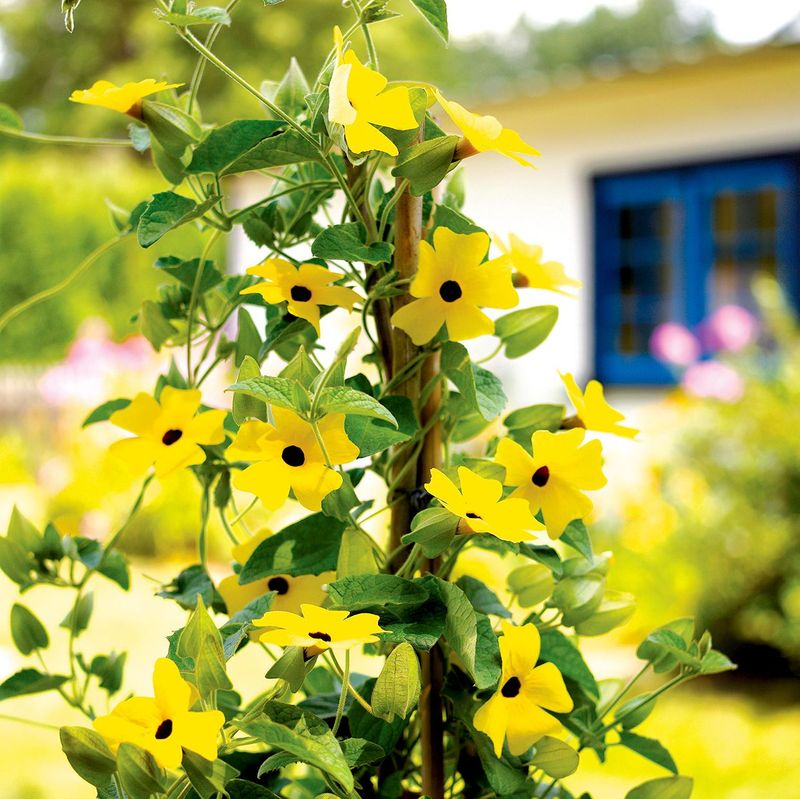
Bright, cheerful, and surprisingly easy to work with, black-eyed Susan vine brings a cottage garden charm to container displays that feels both relaxed and eye-catching.
Despite sharing a common name with the familiar perennial wildflower, this vine is actually a different plant entirely, known botanically as Thunbergia alata.
The flowers are small but plentiful, with vivid orange, yellow, or white petals surrounding a deep chocolate-brown center that gives the plant its memorable name.
One of the reasons this vine works so well in containers is its flexible growing habit. It climbs when given a trellis or stake but also trails naturally over the sides of a pot, making it a solid choice for hanging baskets and mixed container arrangements.
On a Pennsylvania porch or deck railing, it can weave through vertical supports and create a casual, flowing look that feels effortless.
Black-eyed Susan vine is treated as a warm-season annual in Pennsylvania since it cannot handle frost.
Starting seeds indoors about six to eight weeks before the last expected frost date gives plants a head start, or you can pick up established transplants from a local nursery in late spring.
The vine grows quickly once warm weather settles in and tends to bloom all summer long with minimal fuss.
Full sun is where this vine really shines, though it can tolerate a little afternoon shade in hotter parts of summer.
Regular watering and a light monthly fertilizer application keep the growth steady and the flowers blooming through the season without much extra effort on your part.
4. Morning Glory Fills Containers With Fast Summer Color
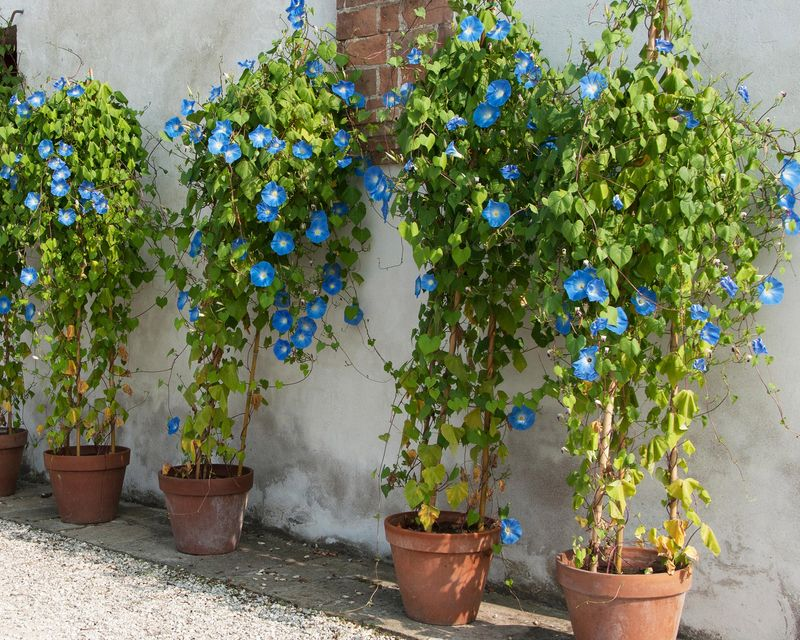
Speed is one of morning glory’s most impressive qualities in a container garden. From seed to full bloom, this vine can cover a trellis quickly once warm weather arrives, making it one of the fastest ways to add vertical color to a Pennsylvania patio or porch display.
The funnel-shaped flowers open fresh each morning in shades of deep blue, rich purple, vivid magenta, and soft white, creating a daily show that feels almost theatrical.
Growing morning glory in a container requires a few thoughtful choices. A large pot with good drainage works best since the roots need room to develop.
Soaking seeds in water for a few hours before planting can speed up germination, and direct sowing into the container after the last frost date is generally the most straightforward approach.
The vine climbs by twining, so a trellis, obelisk, or even a section of wire fencing placed in the pot gives it the structure it needs.
Full sun is non-negotiable for strong blooming. Morning glory in shaded spots tends to produce plenty of foliage but fewer flowers, which is a frustrating outcome after all the effort of getting it established.
Keeping the soil consistently moist without letting it become waterlogged helps the plant stay vigorous through Pennsylvania’s sometimes unpredictable summer weather.
Morning glory is grown as a warm-season annual in Pennsylvania and will not survive frost.
Letting a few seed pods mature at the end of the season gives you the option of collecting seeds to sow again the following spring, which many gardeners find satisfying and economical.
5. Cup-And-Saucer Vine Brings Unusual Flowers And Height
Not every climber in a container garden has to play it safe with the usual flower shapes, and cup-and-saucer vine proves that point beautifully.
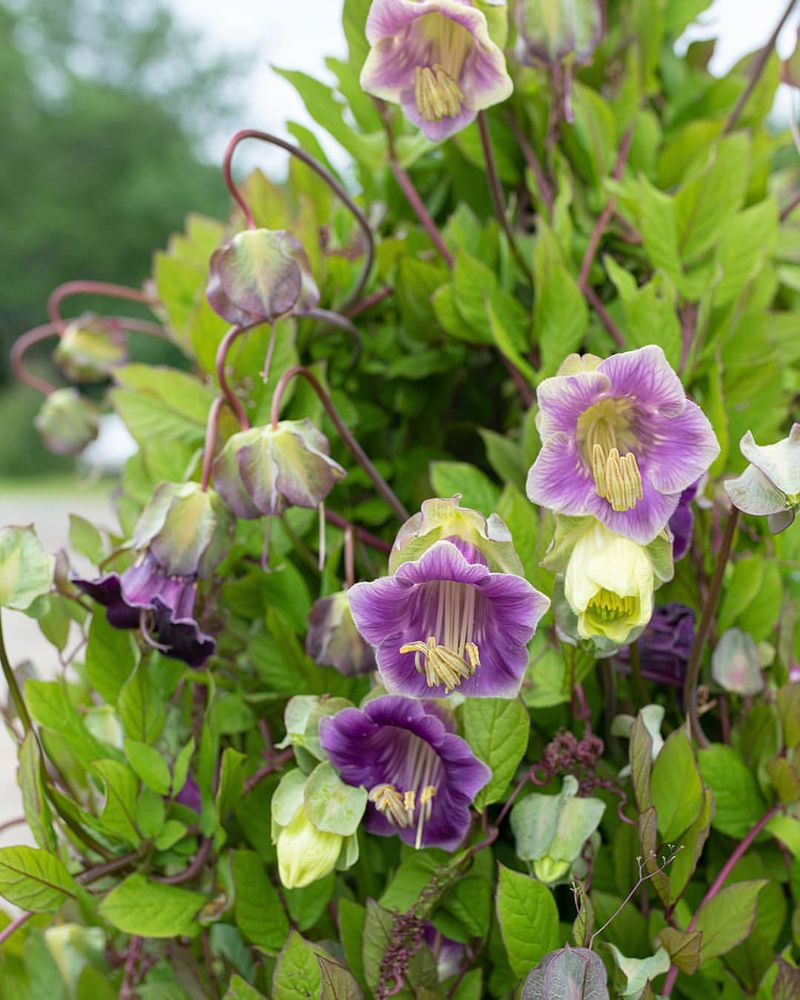
Known botanically as Cobaea scandens, this fast-growing vine produces large, bell-shaped flowers that sit inside a wide, flat, leaf-like calyx, creating the distinctive cup-and-saucer silhouette that gives the plant its name.
The blooms start out greenish-white and gradually deepen to rich purple as they mature, which means the vine often displays multiple color stages at once.
Cup-and-saucer vine is a vigorous grower that can reach impressive heights in a single season when given the right support.
For container growing in Pennsylvania, a large, deep pot paired with a tall trellis or sturdy obelisk gives the vine room to climb and show off its full potential.
The plant clings using small tendrils that grip onto surfaces, so a structure with some texture or horizontal crossbars works better than a single smooth pole.
Starting this vine from seed indoors about six to eight weeks before Pennsylvania’s last frost date is the most reliable approach since the seeds can be slow to germinate.
Nicking the edge of each seed lightly before soaking it overnight can improve germination rates noticeably.
Once transplanted outdoors after frost danger has passed, the vine grows rapidly in warm, sunny conditions.
Cup-and-saucer vine prefers full sun and consistent moisture, and it responds well to a balanced fertilizer applied through the growing season. In most parts of Pennsylvania, it is grown as an annual since it cannot tolerate freezing temperatures.