7 Native Florida Shrubs To Plant In May For Fast Privacy
Privacy in a Florida yard can disappear fast. One new two-story house next door, one bare fence line, one patio that suddenly feels too exposed, and the whole backyard starts feeling less like a retreat and more like a stage.
That is where native shrubs earn their keep. Planted well, they do more than block a view.
They soften fences, cool harsh edges, feed birds, bring in pollinators, and make a yard feel rooted instead of boxed in. May can be a smart time to start that living screen, but it is not a plant-it-and-ignore-it month.
The rainy season may help, yet new shrubs still need steady irrigation while roots settle in, especially during hot spells, sandy-soil drydowns, or uneven rainfall. With the right shrub in the right Florida region, that bare view can start changing by fall.
Not into an instant green wall, but into something better: a privacy planting that looks natural, supports wildlife, and gets stronger with every season.
1. Start With Wax Myrtle When You Need Height Fast
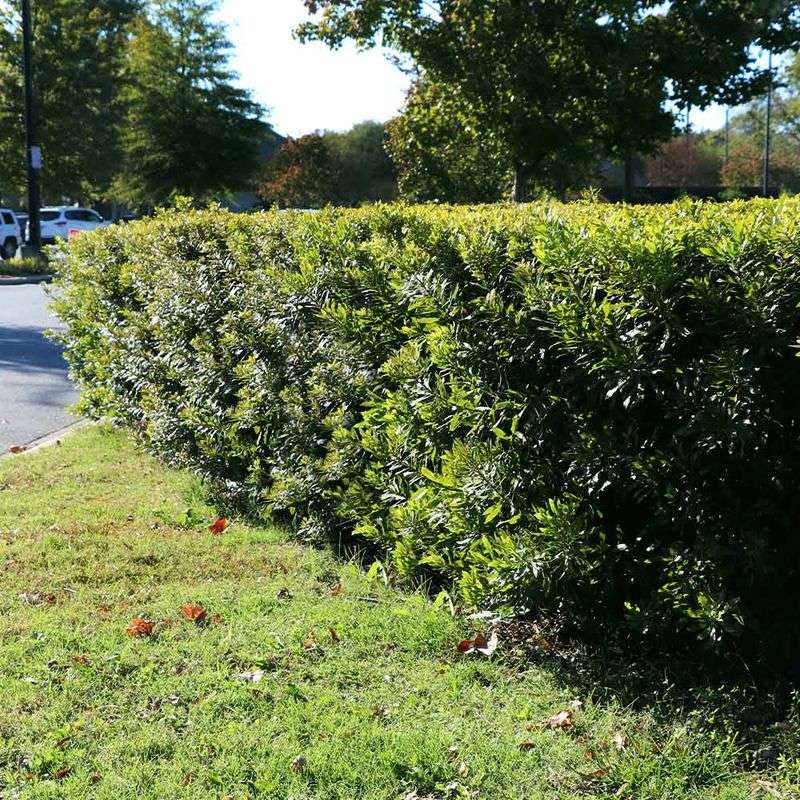
Hot May afternoons in Florida have a way of reminding you just how exposed your yard really is, and if you need height in a hurry, wax myrtle is one of the most dependable native options you can reach for.
Morella cerifera, commonly called wax myrtle, is a fast-growing native evergreen that can put on noticeable growth in a single season when it has full sun, good drainage, and consistent moisture while it gets established.
It can reach 10 to 15 feet tall or more, making it genuinely useful as a tall informal screen rather than just a decorative border plant.
Across North Florida, Central Florida, and many coastal areas, wax myrtle performs reliably in sandy soils and even tolerates some salt spray, which makes it a smart fit for yards close to the water.
It does tend to look thinner and less dense in too much shade, so placing it where it gets at least six hours of sun will give you the fullest screen.
Give each plant enough room to spread because crowding them against buildings, sidewalks, or small beds can cause problems as the shrub matures to its full natural width.
May planting works for wax myrtle, but new plants need your attention through summer heat. Water consistently after planting, especially during the first several weeks before the root system has spread into surrounding soil.
Mulch the root zone with two to three inches of wood chip mulch to hold moisture and moderate soil temperature, but keep mulch pulled a few inches away from the base of the trunk to prevent rot.
Hold off on heavy pruning until the shrub has settled in through at least one full growing season.
2. Use Simpson’s Stopper For A Dense Evergreen Screen
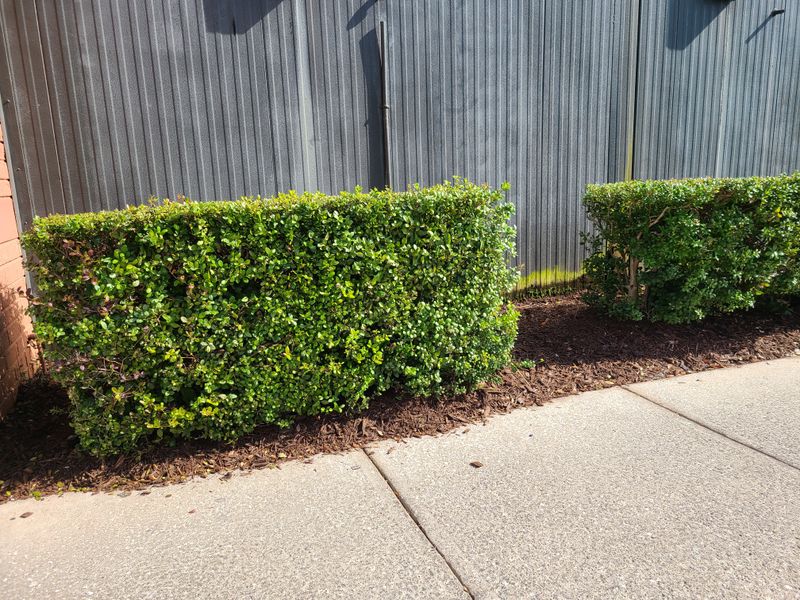
Some privacy shrubs look wild and unruly the moment they fill in, but Simpson’s stopper brings a more refined quality to a native screen.
Myrcianthes fragrans is a glossy-leafed native evergreen shrub or small tree that can grow dense enough to block a sightline while still looking polished in a residential landscape.
Your Florida Garden Changes Every Week. Your Plan Should Too.
Gardening in Florida changes quickly throughout the season. Every Friday you’ll receive a simple weekly plan showing exactly what to plant, prune, fertilize, harvest, and protect so you never miss the right timing.
It produces small white flowers in spring, followed by orange-red berries that birds absolutely love, so planting it near a patio or garden path gives you wildlife activity right where you can enjoy it.
Central and South Florida are where Simpson’s stopper really shines. It can work into parts of North Florida, especially zone 8b and warmer sites, but gardeners in colder pockets should still check local guidance before planting a full hedge.
Well-drained soil is important because this shrub does not appreciate sitting in soggy ground for extended periods. Good spacing between plants also helps with airflow in humid weather, which reduces the chance of fungal problems during Florida’s wet season.
Planting in May means your Simpson’s stopper goes into the ground just before summer heat ramps up, so consistent irrigation is essential from day one.
Water deeply and evenly while the new root system establishes, especially if you are planting in full sun or very sandy soil that drains quickly.
A two to three inch layer of mulch around the root zone will help retain moisture between waterings. Once the shrub is established over the following months, it becomes noticeably more self-sufficient and continues filling in steadily through the warm season.
3. Plant Walter’s Viburnum For A Tidy Native Hedge
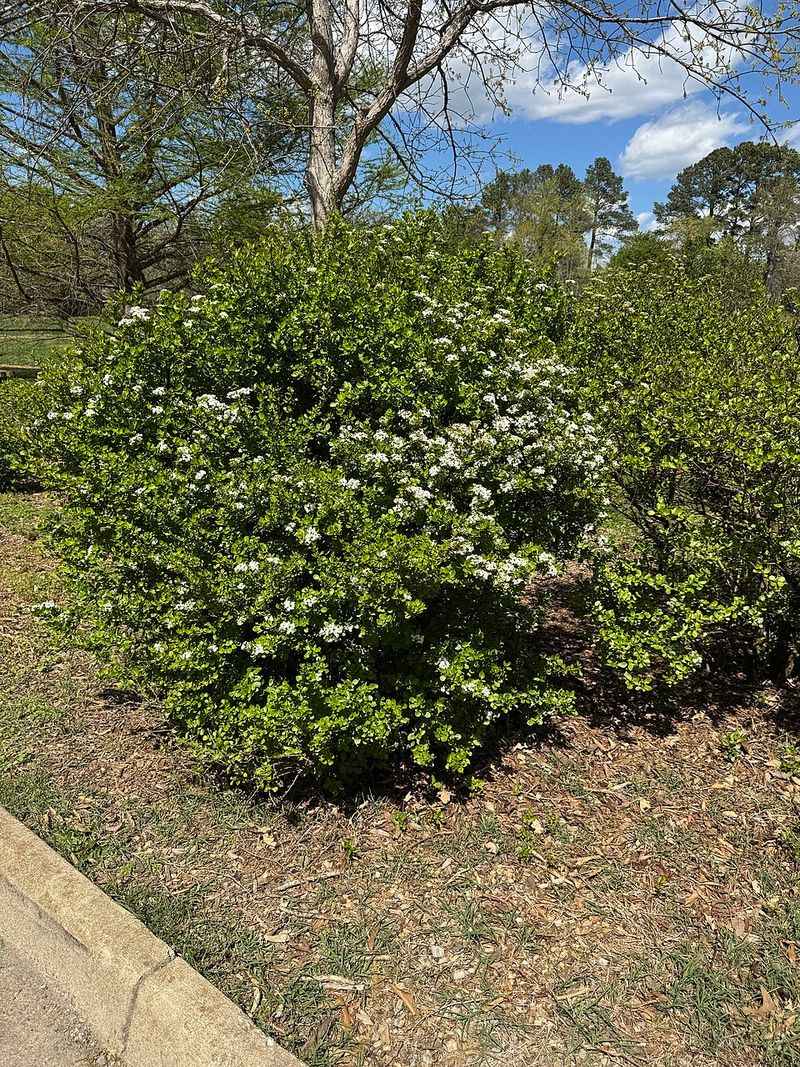
Not every privacy planting has to look like a wild tangle of branches.
Walter’s viburnum, known scientifically as Viburnum obovatum, is a native shrub that can be shaped into a tidy, structured hedge while still supporting birds and pollinators the way a good native plant should.
It produces clusters of small white flowers in late winter and early spring that are genuinely pretty, and it holds its small dark green leaves through most of the year in Florida’s climate, giving you a screen that does not go bare when you need it most.
North and Central Florida gardeners have used Walter’s viburnum as a hedge plant for years, and it performs well in both sunny and partially shaded spots.
Farther south its performance can vary depending on site conditions, so checking with a local Extension office is worth the effort before planting a long hedge row.
One thing to be clear about is the cultivar you choose. Dwarf forms like ‘Chippewa’ and ‘Susquehanna’ are wonderful for low hedges and borders, but they are not going to give you a tall privacy screen.
If height is the goal, look for the standard species or a taller-growing selection.
May planting gives Walter’s viburnum a long warm season to push new roots into the surrounding soil. Water regularly during establishment, because even a drought-tolerant plant needs consistent moisture in the weeks right after it goes into the ground.
Give each shrub enough room to reach its mature width without crowding, and resist the urge to shear it hard during the first season. Light shaping is fine, but heavy pruning before the plant is established can slow its progress noticeably.
4. Choose Cocoplum For Warm Coastal Privacy
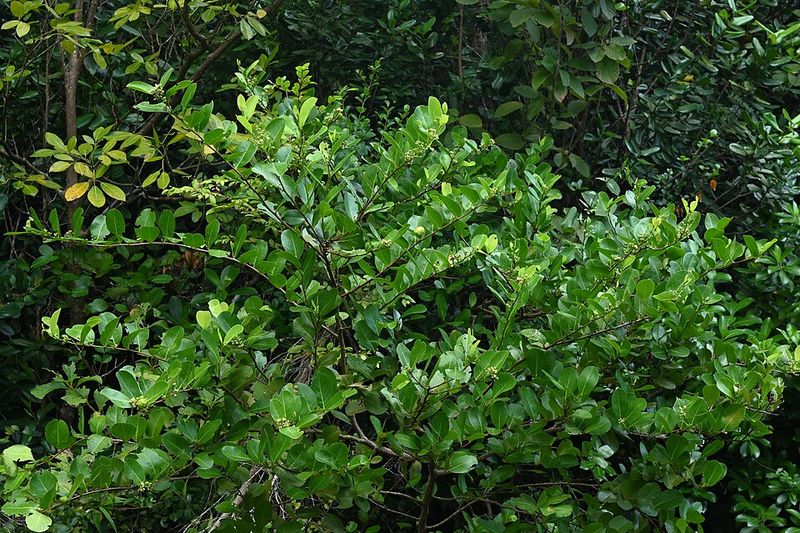
Coastal yards in Central and South Florida deal with a specific set of challenges that inland gardeners rarely think about: salt air, sandy soil, intense reflected heat, and wind that can shred less-tough plants within a season.
Cocoplum, or Chrysobalanus icaco, handles all of those conditions with the kind of quiet toughness that makes it a go-to native privacy shrub for warmer Florida landscapes.
It builds into a thick, rounded hedge over time and the dense foliage blocks sightlines effectively once it fills in properly.
The regional caveat here matters a lot. Cocoplum is not a strong recommendation for colder North Florida, where freezes can cause serious damage or set plants back significantly.
This is a shrub that belongs in Central Florida, South Florida, and protected coastal sites where temperatures stay relatively mild through winter. In those warmer regions it handles heat extremely well and becomes genuinely salt tolerant after the root system is established, which makes it valuable in yards just a short distance from the water.
Full sun encourages the densest, most solid growth, so avoid tucking it into a shady corner if a tight privacy screen is the goal.
Young cocoplum plants still need irrigation after planting in May, even though they will eventually become much more self-sufficient.
The establishment period is when the plant is most vulnerable to drought stress, so water deeply and consistently through the first summer.
Correct spacing is also important because plants set too far apart will leave gaps in the hedge for years, while plants set too close together can struggle with airflow and crowding as they mature.
Work with a local nursery or your county Extension office to nail down the right spacing for your specific site.
5. Try Yaupon Holly Where You Want Structure And Wildlife
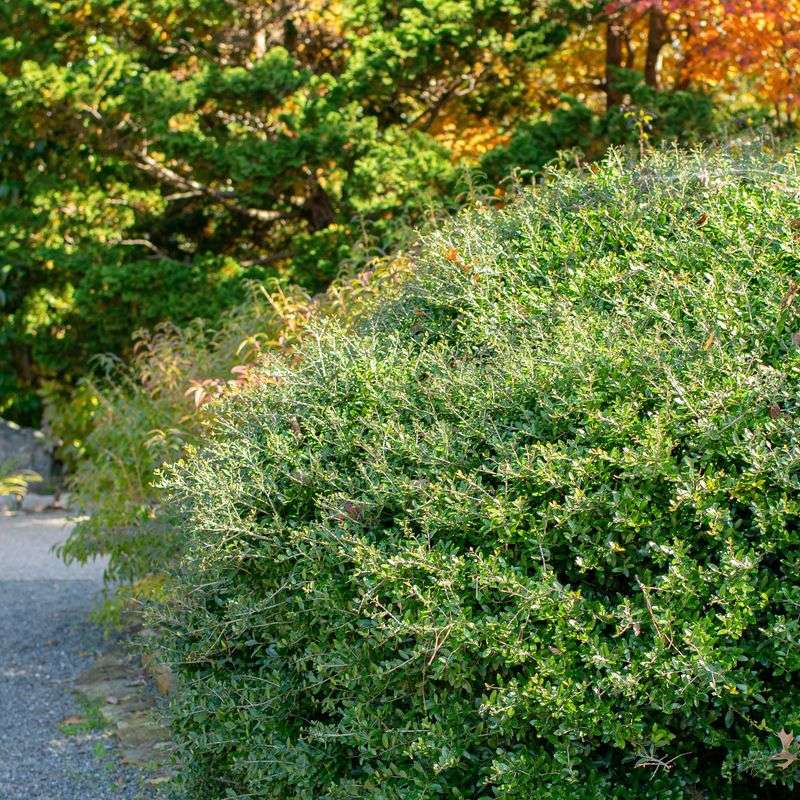
There is something reassuring about a plant that belongs naturally in Florida landscapes and still earns its place in modern yards without much fuss. Yaupon holly, Ilex vomitoria, is that kind of plant.
It is a native evergreen shrub or small tree with small, tough, dark green leaves and bright red berries on female plants that birds find irresistible through fall and winter.
For gardeners who want a screen that does double duty as a wildlife resource, yaupon holly delivers in a way that few other native shrubs can match.
North and Central Florida are where yaupon holly is most reliably at home, though it can work in parts of South Florida on suitable sites. Being honest about its speed is important: yaupon holly is not the fastest grower on this list.
Wax myrtle will put on height more quickly in most situations. What yaupon offers instead is long-term structural value, exceptional cold hardiness, and a dependable evergreen framework that holds together even after a tough winter.
Female plants produce the berries, but a male plant somewhere nearby is needed for pollination, so plan your planting accordingly if the wildlife benefit matters to you.
Choosing the right form is key to getting the screen height you want. Standard yaupon can reach 15 to 25 feet, while cultivars like ‘Will Fleming’ grow in a narrow upright column that works well in tighter spaces.
Plant in May with room for each shrub to reach its mature size, and water consistently through the summer establishment period.
Mulch around the root zone to hold moisture and moderate soil temperature, and the plant will reward that early attention with steady, reliable growth through the warm season.
6. Add Marlberry For South Florida Shade And Screening
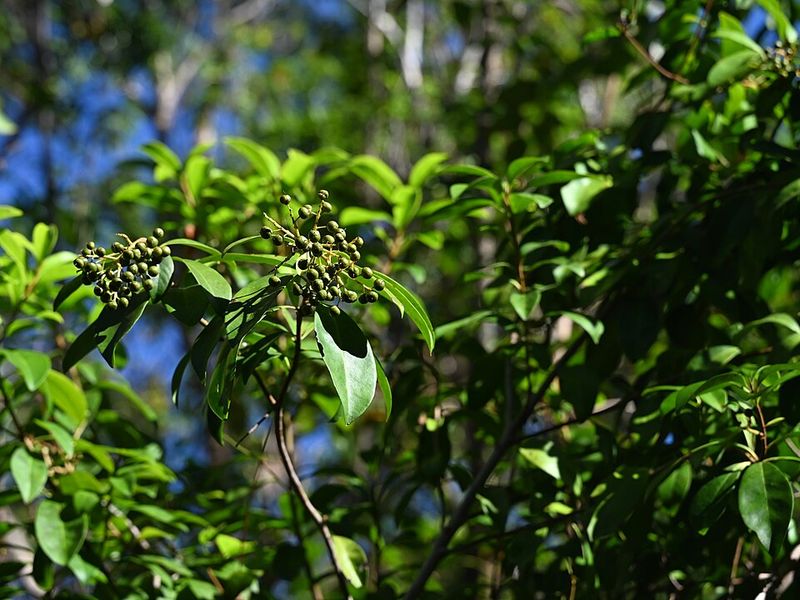
Full-sun hedge plants get most of the attention in privacy gardening articles, but plenty of Florida yards have shaded corners, tree canopy, and hammock-style conditions where a sun-loving shrub would simply struggle.
Marlberry, or Ardisia escallonioides, fills that niche in South Florida and warmer Central Florida landscapes in a way that few other native shrubs can.
It grows into a useful screening plant under partial shade, produces fragrant white flowers that attract pollinators, and sets dark berries that birds and other wildlife come back for repeatedly.
The regional fit for marlberry is important to understand before planting. This is not the primary privacy recommendation for North Florida, where cooler winters can limit its performance.
It belongs in South Florida and warmer parts of Central Florida, especially in layered native plantings where the canopy provides some protection and the understory needs a shrub that can fill in without full sun.
It also fits naturally into informal screens and wildlife-friendly garden designs rather than clipped formal hedges.
One caution that cannot be skipped: do not confuse native marlberry with invasive Ardisia species such as shoebutton ardisia, Ardisia elliptica, which is considered a serious invasive plant in Florida.
Always confirm the correct scientific name, Ardisia escallonioides, before purchasing, and buy from a reputable Florida native plant nursery to be certain you are getting the right plant.
May planting advice for marlberry follows the same principles as the other shrubs on this list: keep soil moisture consistent while the root system establishes, especially in hot inland sites where the soil dries out quickly between rain events.
Mulch well and give it room to grow into its natural layered form.
7. Use Florida Privet For A Softer Native Boundary
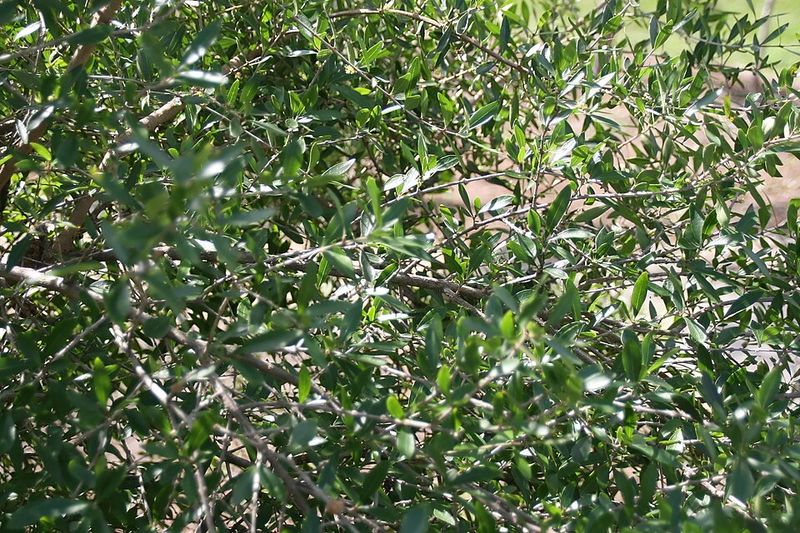
The word “privet” carries a lot of baggage in Florida gardening circles, and for good reason.
Non-native privets, particularly glossy privet and other invasive Ligustrum species, have caused real problems in Florida natural areas by spreading aggressively and crowding out native plants.
Florida privet, however, is a different story entirely.
Forestiera segregata is a true Florida native shrub that belongs in wildlife-friendly landscapes and informal screens, and it deserves a fair look from gardeners who want a softer, more natural boundary rather than a rigid clipped wall.
Before buying, confirm the scientific name Forestiera segregata, because the common name alone is not enough to be sure you are getting the right plant. A reputable Florida native plant nursery is your best guarantee.
Florida privet works well in naturalistic plantings, wildlife gardens, and informal screens where a loose, layered look fits the landscape style better than a sheared hedge.
It supports birds and pollinators and fits naturally into the kind of layered native planting that Florida-Friendly Landscaping principles encourage.
Regional performance varies, though Florida native plant sources list it across broad Florida growing zones, so local site conditions such as drainage, salt exposure, sun, and cold pockets matter more than the common name alone.
Managing expectations about speed and height is fair here. Florida privet is not going to build the same tall, rapid screen that wax myrtle or cocoplum can produce in the right conditions.
Its value is in creating a softer, more habitat-rich boundary that blends into a native landscape with a natural feel.
Plant in May with consistent irrigation while the root system establishes, mulch lightly around the base, and give it enough room to grow into its natural open form without crowding from neighboring plants or structures.
Patience with this one pays off in a genuinely Florida-native boundary planting.