These Plants Bloom All Summer Long In Florida Heat (Even When Others Fade)
Summer in Florida doesn’t play nice. The heat cranks up, the sun beats down, and many plants wave the white flag by June.
You water, you hope, you watch them fade anyway. Frustrating, right?
But here’s the twist. Some plants don’t just survive that kind of heat, they thrive in it.
They keep pushing out color, day after day, like the weather never turned harsh at all. Ever wondered why certain yards stay bright and full while others look worn out halfway through summer?
It’s not luck. It comes down to picking the right plants that can handle the pressure and still put on a show.
Ready to stop fighting the heat and start working with it? Your garden can stay bold, bright, and alive all summer long.
1. Pentas Keep Blooming Through Heat And Humidity
Walk through almost any Florida nursery in June and you will spot pentas front and center, and for very good reason.
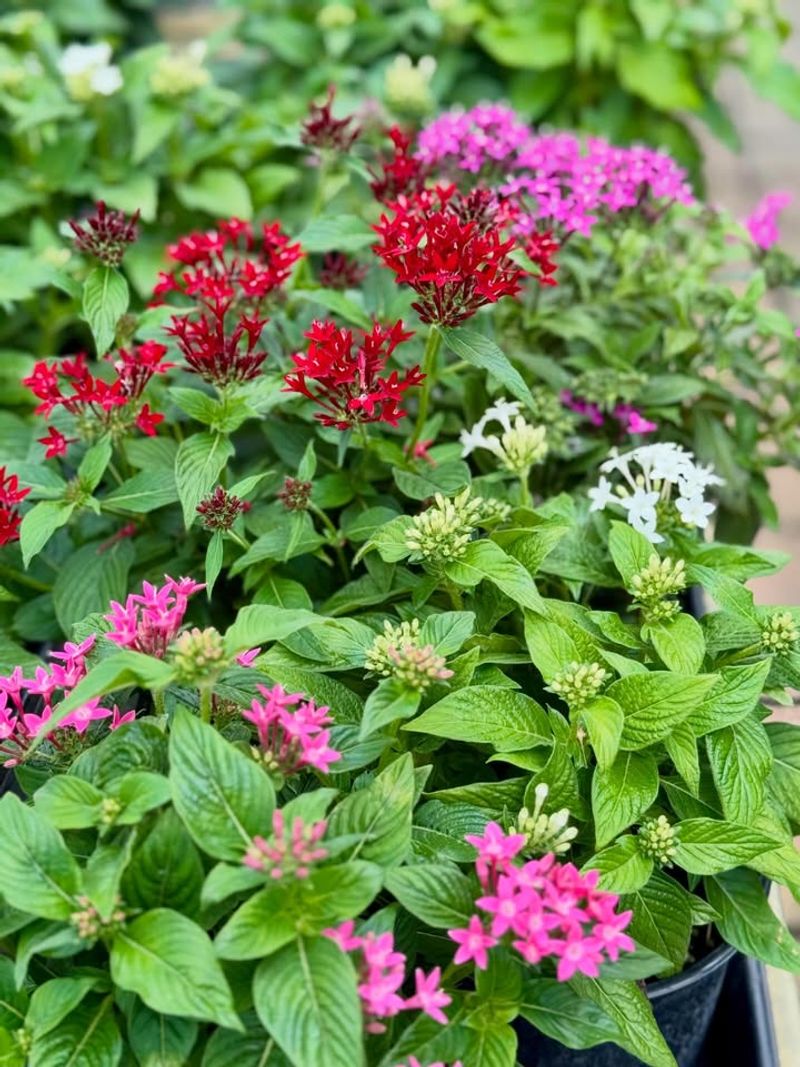
This tropical perennial produces dense clusters of small, star-shaped flowers in shades of red, pink, white, and lavender, and it simply does not stop blooming all summer long.
While other annuals fizzle out by July, pentas picks up the pace.
Pentas thrives in full sun and handles Florida’s humidity with ease, making it one of the most dependable choices recommended by the University of Florida IFAS Extension for summer color.
It performs well in both garden beds and containers, giving gardeners plenty of flexibility.
The plant does best with regular watering during dry spells but tolerates brief dry periods once established.
To keep flowers coming strong, deadhead spent blooms or give the plant a light trim every few weeks. Fertilizing monthly with a balanced slow-release fertilizer helps maintain that nonstop color.
Pentas is also a pollinator magnet, drawing in monarch butterflies, swallowtails, and hummingbirds consistently throughout the season. Few plants offer this combination of reliability, color variety, and wildlife benefit during Florida’s most demanding months.
2. Coreopsis Delivers Color All Summer Long
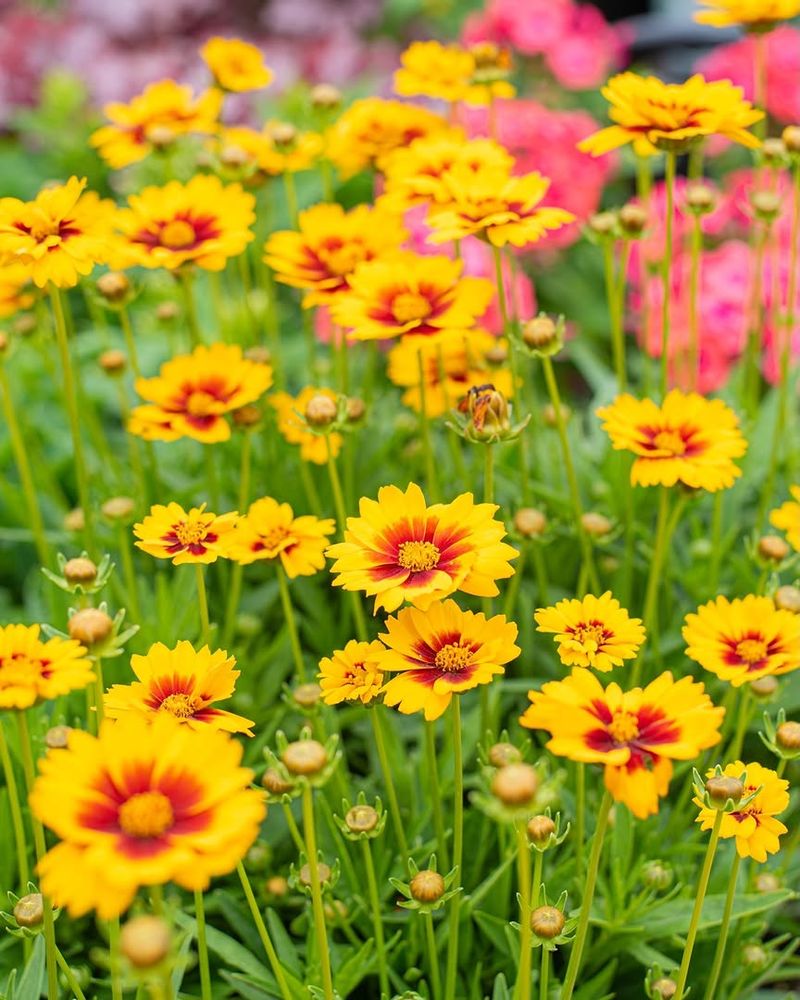
Florida actually named coreopsis its official state wildflower, and once you see a patch of it glowing gold in the summer sun, it is easy to understand why.
This cheerful, daisy-like flower brings bold yellow and orange color to the landscape for months on end, thriving in exactly the conditions that cause other plants to struggle.
Sandy soil, full sun, and summer heat are where coreopsis feels most at home.
One of the most appealing things about coreopsis is how little maintenance it demands. It tolerates drought well, rarely needs fertilizer, and adapts naturally to Florida’s nutrient-poor soils.
The University of Florida IFAS Extension highlights native coreopsis species like Coreopsis leavenworthii as excellent choices for Florida-Friendly Landscapes because they require minimal irrigation once established.
Bloom performance peaks from late spring through the summer months, with some varieties continuing well into fall. Deadheading spent flowers encourages the plant to keep producing new blooms rather than putting energy into seed production.
Coreopsis attracts native bees and butterflies, adding lively pollinator activity to the garden. For gardeners looking for a low-effort, high-reward plant that genuinely belongs in Florida, coreopsis is an outstanding and proven choice.
Your Florida Garden Changes Every Week. Your Plan Should Too.
Gardening in Florida changes quickly throughout the season. Every Friday you’ll receive a simple weekly plan showing exactly what to plant, prune, fertilize, harvest, and protect so you never miss the right timing.
3. Gaillardia Handles Heat And Keeps Flowering
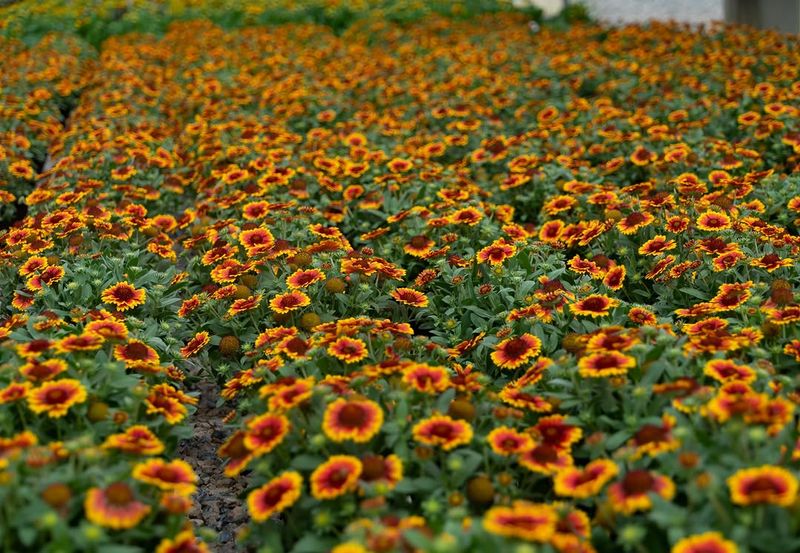
Picture a flower so tough it blooms in dry, sandy roadside conditions along Florida’s coasts and you have gaillardia, also known as blanket flower.
This bold native wildflower produces stunning red, orange, and yellow blooms that look like tiny sunsets, and it keeps flowering through the hottest and driest parts of summer without complaint.
It is one of those plants that seems to get more vibrant as the season heats up.
Gaillardia is perfectly adapted to Florida’s sandy, well-drained soils and thrives with very little supplemental watering. In fact, it prefers lean soil conditions, meaning heavy fertilization can actually reduce blooming.
Plant it in full sun and let it do its thing. The University of Florida IFAS Extension recognizes gaillardia as a strong performer in coastal and drought-prone landscapes across the state.
To encourage continuous blooming, remove faded flowers regularly. The plant naturally reseeds itself, so you may find new plants popping up nearby each season, which is a welcome surprise.
Gaillardia attracts bees, butterflies, and goldfinches, making it a lively addition to any pollinator garden. For hot, sunny spots where other flowers fade fast, gaillardia delivers dependable summer color with almost no effort required.
4. Salvia Stays Vibrant Even In High Temperatures
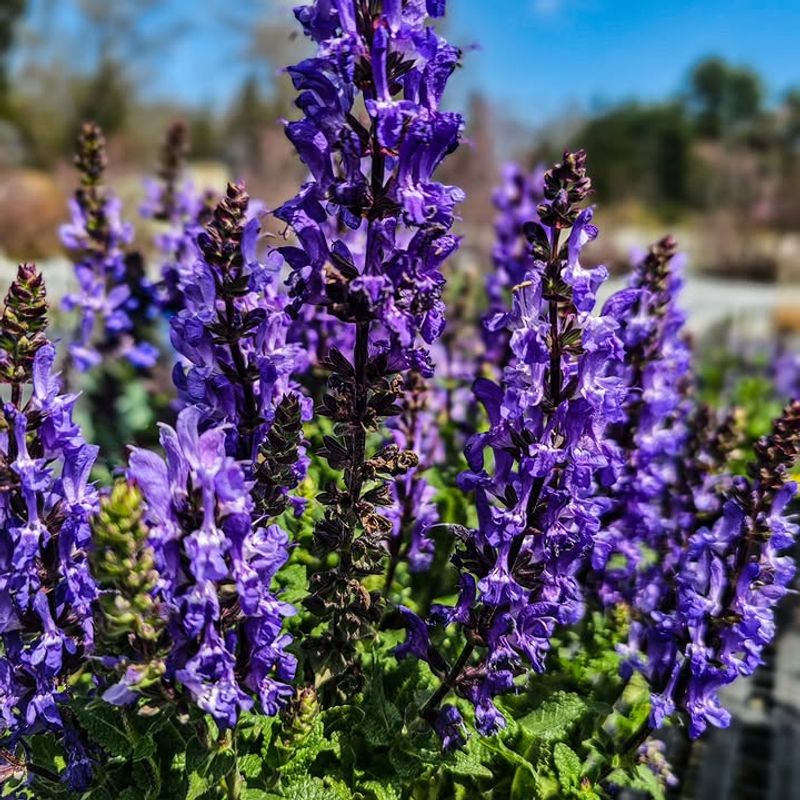
There is something deeply satisfying about watching a salvia plant covered in spiky flower spikes while the summer sun blazes overhead.
Salvia is one of those rare plants that handles both heat and humidity without skipping a beat, making it a standout performer in Florida’s challenging summer conditions.
Whether you choose red, blue, purple, or coral varieties, salvia brings vertical interest and rich color to the garden all season.
Several salvia species perform exceptionally well in Florida, including Salvia coccinea, a native red salvia that reseeds freely and thrives in both sun and light shade.
The University of Florida IFAS Extension recommends salvias widely for Florida landscapes due to their adaptability and consistent performance.
They prefer well-drained soil and moderate watering, tolerating brief dry spells once established.
What makes salvia especially rewarding is its appeal to pollinators. Hummingbirds are drawn to red varieties almost immediately, and bees work the flowers constantly throughout the day.
To maintain strong blooming, trim the flower spikes back by about one-third after the first big flush of flowers fades. New growth and fresh blooms follow quickly.
Salvia is a reliable, beautiful, and wildlife-friendly choice for any Florida summer garden.
5. Zinnias Bring Bright Color Through Summer Heat
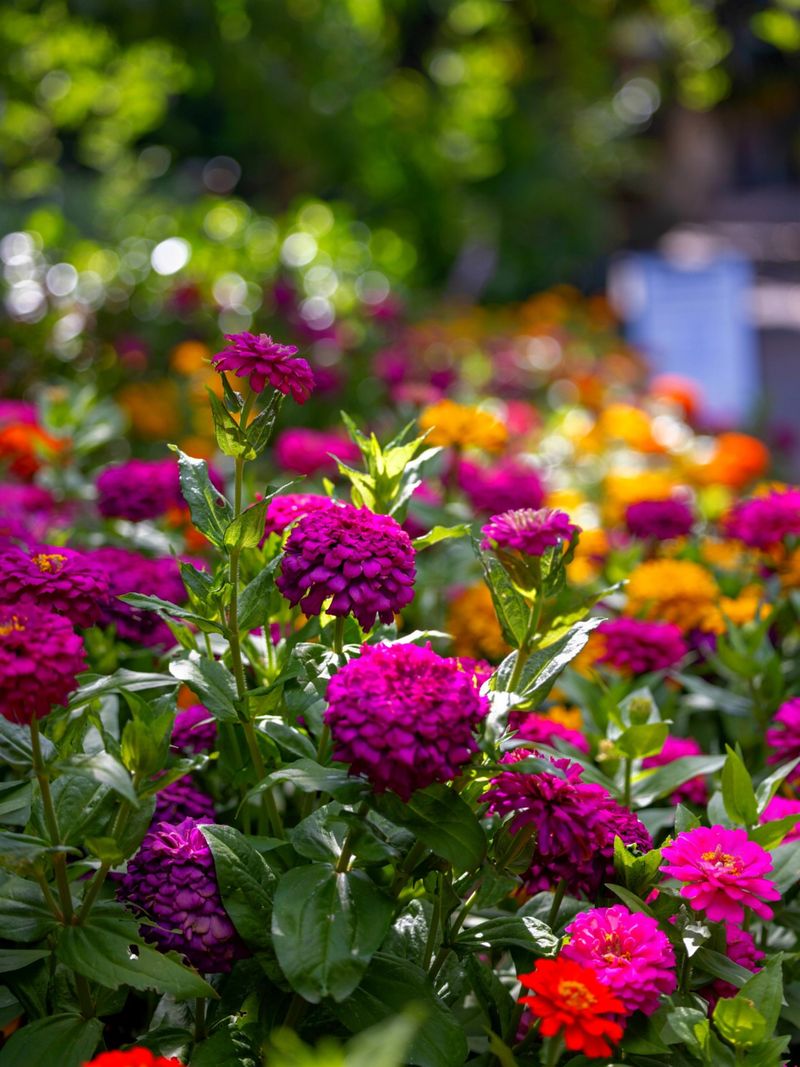
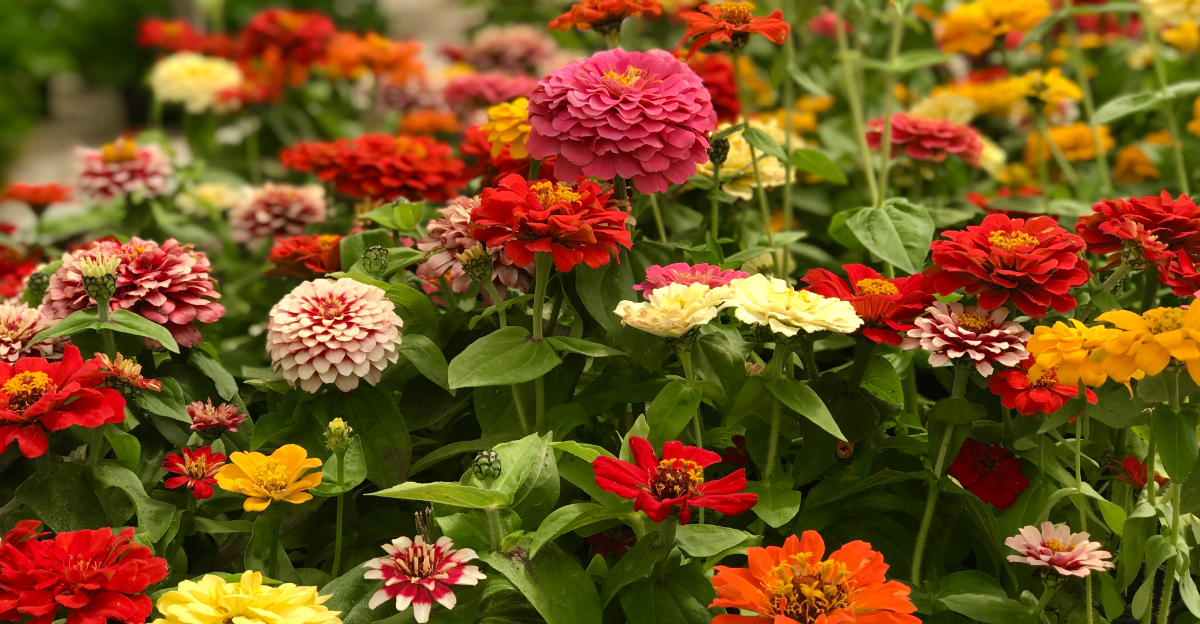
Few flowers match the pure, cheerful energy of a zinnia patch in full bloom. These fast-growing annuals produce some of the boldest, most saturated colors in the summer garden, ranging from deep red and orange to soft pink and creamy white.
Plant them from seed directly in the garden after the last cool spell, and they can go from seedling to full bloom in as little as six to eight weeks.
Zinnias love full sun and warm temperatures, which makes Florida summers almost ideal for them. They handle heat well but do best with consistent moisture at the root level.
Avoid watering from overhead, as wet foliage can lead to powdery mildew, a common issue in humid Florida conditions. Watering at the base of the plant in the morning keeps blooms looking fresh and reduces disease pressure.
Deadheading zinnias regularly is the single most effective way to keep them blooming nonstop. Once a flower fades, removing it redirects the plant’s energy into producing new buds.
Zinnias are also one of the best flowers for attracting butterflies, particularly monarchs and painted ladies. They grow well in containers or garden beds and are an easy, rewarding choice for Florida gardeners of any experience level.
6. Angelonia Keeps Producing Flowers In Humid Weather
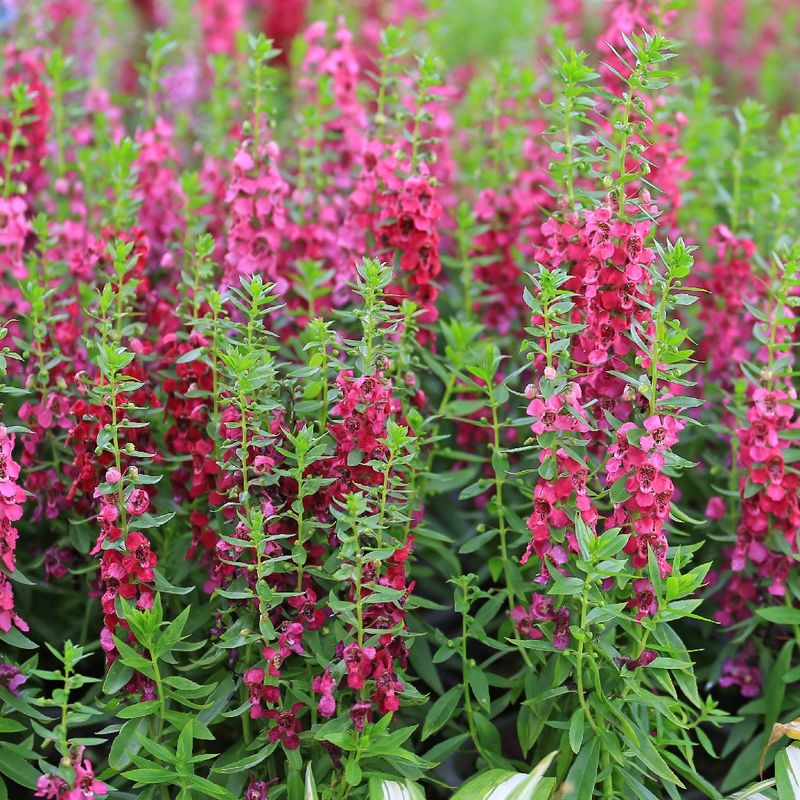
Nicknamed the summer snapdragon, angelonia earns that title by doing what traditional snapdragons simply cannot manage in Florida: blooming freely and continuously through the hottest, most humid months of summer.
The upright flower spikes come in shades of purple, pink, white, and bicolor, adding a refined, elegant look to garden beds and containers alike.
A light, sweet fragrance is an added bonus that many gardeners notice and appreciate.
Angelonia thrives in full sun and handles Florida’s heat and humidity without wilting or dropping flowers.
It is drought-tolerant once established, though regular watering during extended dry periods helps maintain peak bloom production.
The plant prefers well-drained soil and does not do well with standing water around the roots. Container planting is a great option for gardeners with heavier or less-than-ideal soil.
One of angelonia’s most appreciated qualities is that it is largely self-cleaning, meaning old flowers fall away on their own without requiring constant deadheading. A light trim mid-season can encourage a fresh flush of new growth and blooms.
Bees are frequent visitors to angelonia flowers, making it a useful addition to any pollinator-friendly landscape. For reliable summer performance with minimal fuss, angelonia is genuinely one of Florida’s top-tier warm-season choices.
7. Blue Daze Adds Steady Color In Full Sun
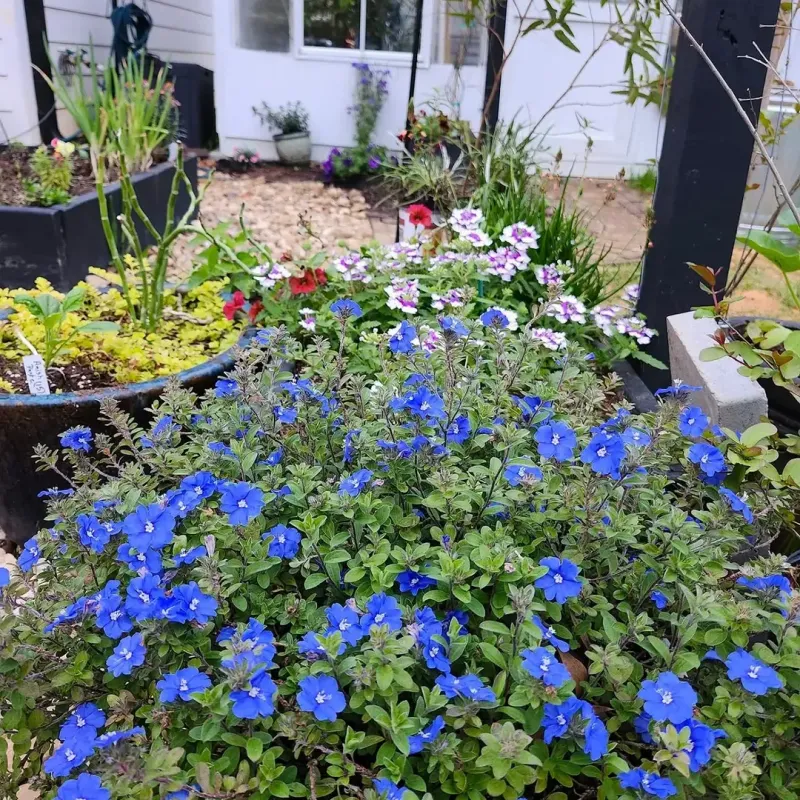
True blue flowers are surprisingly rare in the gardening world, which makes blue daze stand out immediately in any Florida landscape.
This low-growing, spreading plant produces small but vivid sky-blue flowers that open fresh each morning and continue throughout the day, creating a soft carpet of color that pairs beautifully with almost any other summer bloomer.
It is one of those quiet workhorses that never demands attention but always delivers.
Blue daze, botanically known as Evolvulus glomeratus, thrives in full sun and is well-suited to Florida’s heat and humidity.
It handles sandy soils with ease and is drought-tolerant once established, making it a strong fit for Florida-Friendly Landscaping principles.
The plant stays compact and tidy, typically reaching about 12 to 18 inches in height, and works well as a ground cover, border plant, or trailing element in containers.
Unlike some spreading ornamental plants, blue daze does not have invasive tendencies in Florida, making it a safe and responsible choice for home landscapes. Water at the base and avoid overhead irrigation to keep the foliage healthy in humid conditions.
Bees visit the blooms regularly, adding pollinator value to its already impressive list of landscape benefits. Blue daze is a unique, dependable, and visually striking choice for Florida summers.
8. Beach Sunflower Keeps Blooming In Tough Florida Conditions
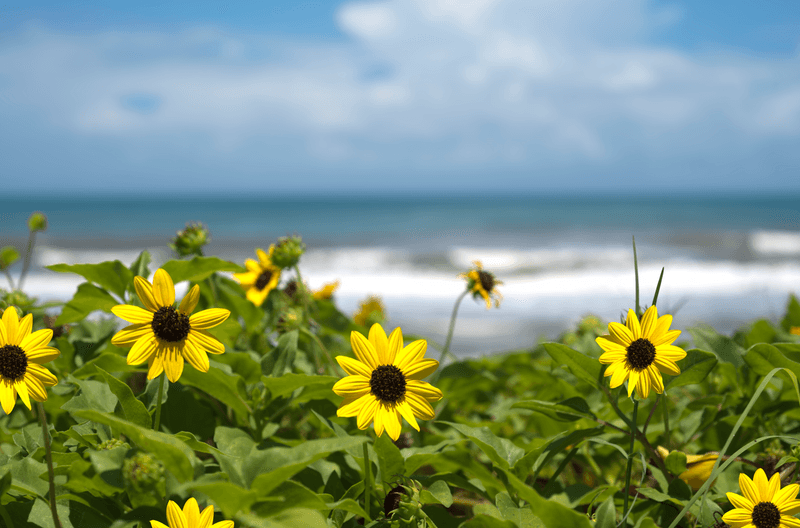
If there is one plant that truly embodies Florida’s wild, sun-drenched spirit, it is the beach sunflower.
This Florida native wildflower spreads happily across sandy soil, blooms from spring through fall, and handles conditions that would challenge almost any other plant, including salt spray, intense heat, and extended drought.
Coastal gardeners especially love it for its ability to stabilize sandy areas while keeping the landscape colorful all season.
Helianthus debilis, the beach sunflower’s scientific name, is recognized by the University of Florida IFAS Extension as an excellent native groundcover for Florida’s toughest spots.
It thrives in full sun and actually performs better in poor, sandy, well-drained soil than in rich amended beds.
Overwatering or overly fertile soil can cause the plant to produce more foliage than flowers, so a hands-off approach works best.
The cheerful yellow blooms with dark centers appear continuously throughout the summer months and attract bees, butterflies, and small birds that feed on the seeds.
Beach sunflower spreads by rooting along its stems, filling in bare areas naturally without becoming invasive.
It requires almost no maintenance once established, making it ideal for low-water, naturalistic Florida landscapes. For gardeners who want maximum summer color with minimum effort, beach sunflower is a genuinely unbeatable native option.