8 Peony Care Jobs North Carolina Gardeners Should Tackle In Spring For Explosive Blooms

Peonies are the kind of plant that rewards preparation more than almost anything else in the garden.
Those full, fragrant blooms that stop people in their tracks every spring do not happen by accident, and the work that makes them possible starts well before the first bud ever shows.
Spring is the most important season for peony care in North Carolina, and what you do during this window has a direct impact on how impressive your plants look when they finally open up.
North Carolina’s climate brings its own set of considerations for peony growers.
Warm temperatures arrive earlier than in northern states, humidity builds fast, and the timing of certain care tasks matters more here than general gardening guides tend to acknowledge.
Skipping or delaying even a couple of these spring jobs can mean fewer blooms, weaker stems, or fungal problems that drag on all season.
These eight tasks cover everything your peonies actually need right now, and handling them early sets your plants up for the kind of performance that makes the whole yard worth stopping to look at.
1. Check Planting Depth For Proper Blooming
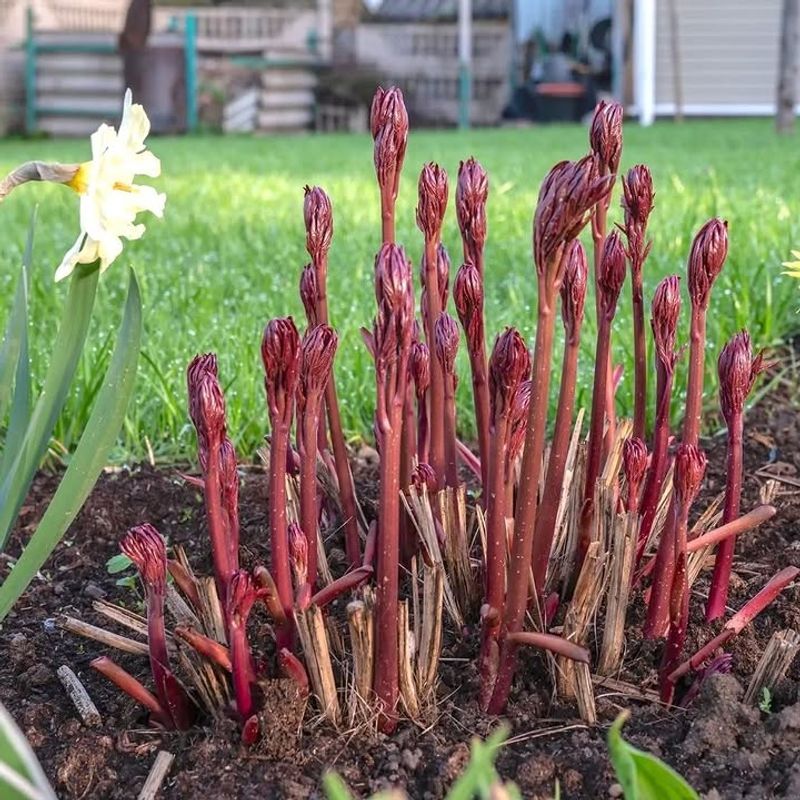
Here is something many North Carolina gardeners never suspect: the reason their peonies produce gorgeous green foliage but almost no flowers could be hiding just an inch or two underground.
Planting depth is one of the most overlooked factors in peony performance, and getting it right makes an enormous difference.
The eyes, those small reddish buds on the crown, should sit no deeper than one to two inches below the soil surface.
Grab a hand trowel and gently scrape back the soil around the base of each plant early in spring before new growth takes off.
If the crown is buried too deep, carefully lift the plant and replant it at the correct level. North Carolina’s clay-heavy soils can also shift over time, causing crowns to sink lower than intended.
Take your time with this step because rushing it risks damaging tender new buds. Once the depth is corrected, firm the soil gently and water it in well.
Many gardeners in the Carolinas report dramatic improvements in bloom count the very next season after fixing planting depth.
It seems simple, but this one adjustment has the power to completely transform a struggling peony into a blooming powerhouse you will look forward to every spring.
2. Pull Back Winter Mulch At The Right Time
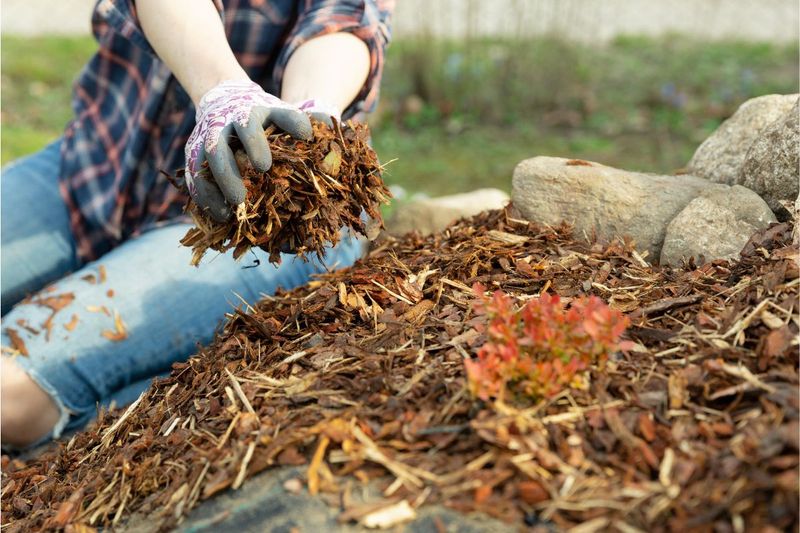
Timing is everything when it comes to removing winter mulch from peonies in North Carolina.
Unlike gardeners further north who wait longer for warming soil, North Carolina growers need to act early because spring temperatures here climb quickly and the soil warms faster than most people expect.
Leaving mulch in place too long traps cold and moisture right at the crown, slowing the plant down when it should be waking up and pushing energy toward flower production.
Start pulling mulch back as soon as nighttime temperatures stay consistently above freezing, which in most parts of North Carolina happens in late February or early March.
Your North Carolina Garden Changes Every Week. Your Plan Should Too.
Gardening in North Carolina changes quickly throughout the season. Every Friday you’ll receive a simple weekly plan showing exactly what to plant, prune, fertilize, harvest, and protect so you never miss the right timing.
Work carefully around the crown area to avoid knocking off any tender red shoots that may already be poking through.
A gentle hand rake works perfectly for this job without risking damage to the emerging growth. Once the mulch is removed, do not throw it away entirely.
Set it aside and use it as a light topdressing around the plants later in the season to help retain summer moisture.
Gardeners across the Piedmont and mountain regions of North Carolina often find this single step makes their spring emergence noticeably stronger and more vigorous.
Proper mulch removal sets the stage for everything else that follows throughout the growing season.
3. Clear Away Last Season’s Old Foliage
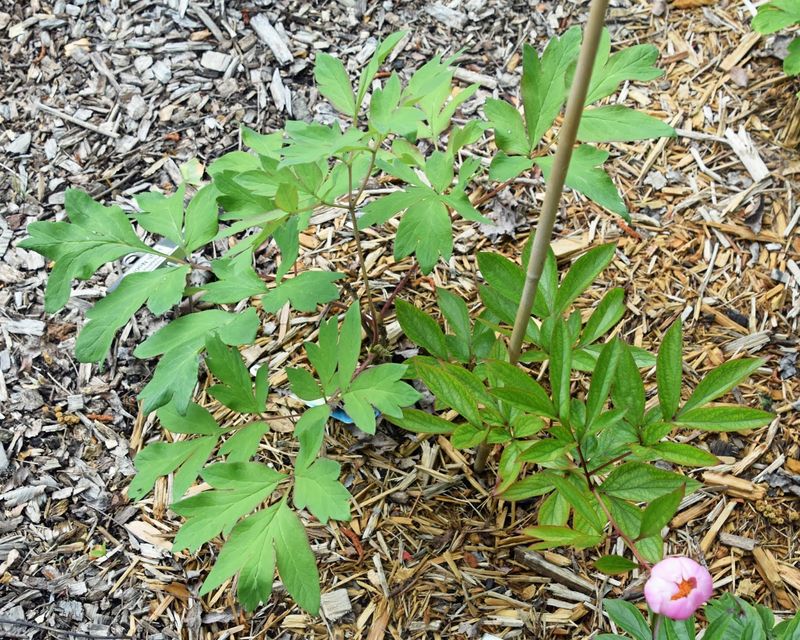
Old foliage left sitting around peony plants over winter becomes a welcome mat for fungal disease, and North Carolina’s naturally humid spring climate makes the problem even worse.
Botrytis blight is the most common fungal issue peony growers across the state face, and it spreads rapidly through decaying plant material that stays close to the crown.
Removing every last stem and leaf from the previous season is one of the smartest moves you can make before new growth appears. Cut stems down as close to the soil line as possible using clean, sharp pruners.
Bag up all the removed material and place it in the trash rather than adding it to a compost pile, since compost may not reach temperatures high enough to break down any lingering fungal spores.
Wiping your pruner blades with rubbing alcohol between plants is a small habit that pays off in a big way.
Once the bed is cleared, take a moment to rake the surface lightly and remove any fallen leaves or debris that collected over winter.
A clean, open bed dries out more quickly after rain, which reduces the damp conditions that fungal problems love.
Gardeners in the humid eastern regions of North Carolina especially benefit from thorough spring cleanup, as moisture lingers longer there than in drier inland areas.
Starting clean gives your peonies the healthiest possible foundation for the season ahead.
4. Install Stem Supports Before Growth Takes Off
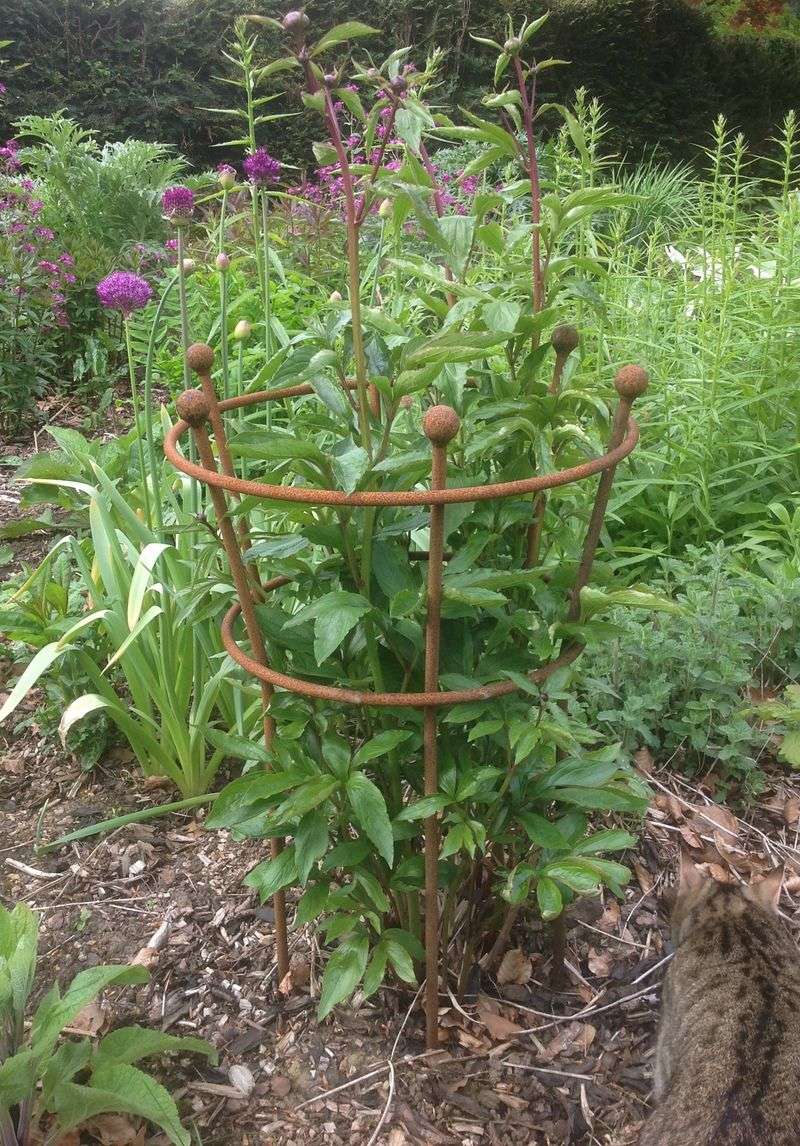
Peony blooms are famously heavy, and those beautiful dinner-plate-sized flowers have a habit of pulling entire stems straight down to the ground after a spring rain.
Installing supports early, before the plants grow tall, is far easier and much less stressful than trying to wrestle a mature, top-heavy plant into a ring or cage later in the season.
North Carolina springs bring plenty of afternoon thunderstorms, so getting ahead of this task is genuinely important.
Wire peony rings are the most popular choice among experienced growers because they allow stems to grow up through the support naturally, keeping everything upright without any tying or fussing.
Push the legs firmly into the ground around each plant while shoots are still short, ideally when they are just three to four inches tall. This way the plant grows into the support instead of being forced into it after the fact.
If wire rings are not available, three wooden stakes with soft garden twine looped around them work just as well. The goal is to create a structure the stems can lean against without being pinched or bent.
Gardeners in the Raleigh area and across the Triangle have learned the hard way that skipping this step often means watching gorgeous blooms lie flat in the mud after the first big storm rolls through. A few minutes now protects weeks of patient growing.
5. Feed Your Peonies With A Balanced Fertilizer
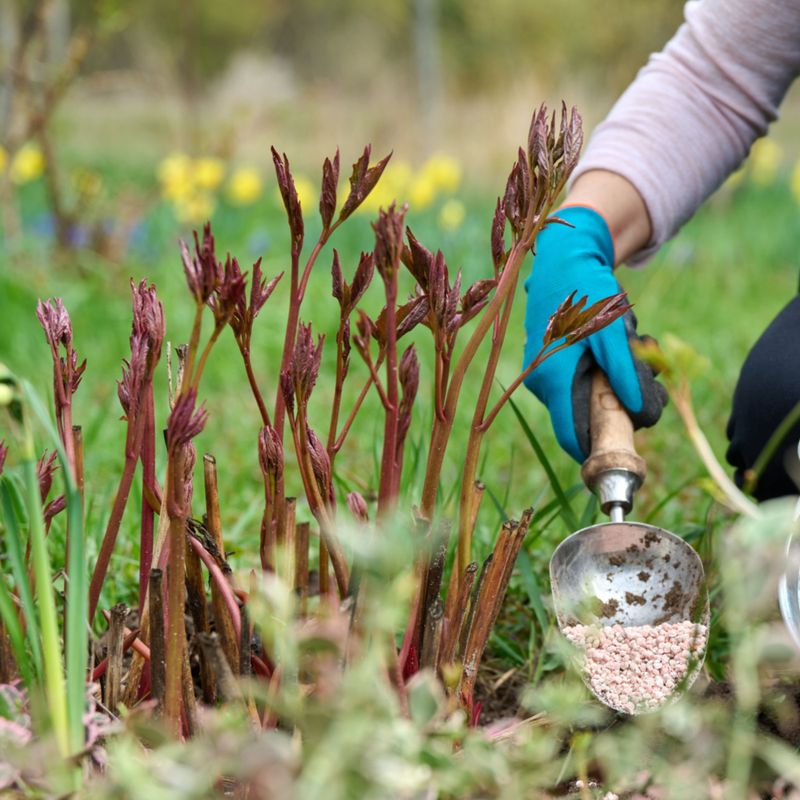
Peonies are not heavy feeders, but a light application of balanced fertilizer in early spring gives them a reliable boost right when they need it most.
The key word here is light because overfeeding, especially with high-nitrogen products, pushes the plant to produce lots of leafy green growth at the expense of flowers.
North Carolina gardeners often make this mistake with good intentions, and then wonder why their plants look full and lush but bloom very little.
A granular fertilizer with equal parts nitrogen, phosphorus, and potassium, something like a 10-10-10 formula, works well applied to the soil around the drip line of the plant rather than right up against the crown.
Water it in gently after application so the nutrients begin moving down to the root zone where they are actually needed.
Early spring, just as new shoots emerge, is the ideal window for this task. If your soil is already rich and well-amended, you may not need to fertilize at all.
A simple soil test from your local North Carolina Cooperative Extension office can tell you exactly what your garden beds need, saving you money and preventing accidental overfeeding.
Many long-time peony growers in the Charlotte and Triad regions rely on these tests every few years to keep their soil in peak condition.
Feeding smartly, not generously, is the approach that consistently delivers the most impressive blooms each spring.
6. Make Sure Your Peonies Get Enough Sun
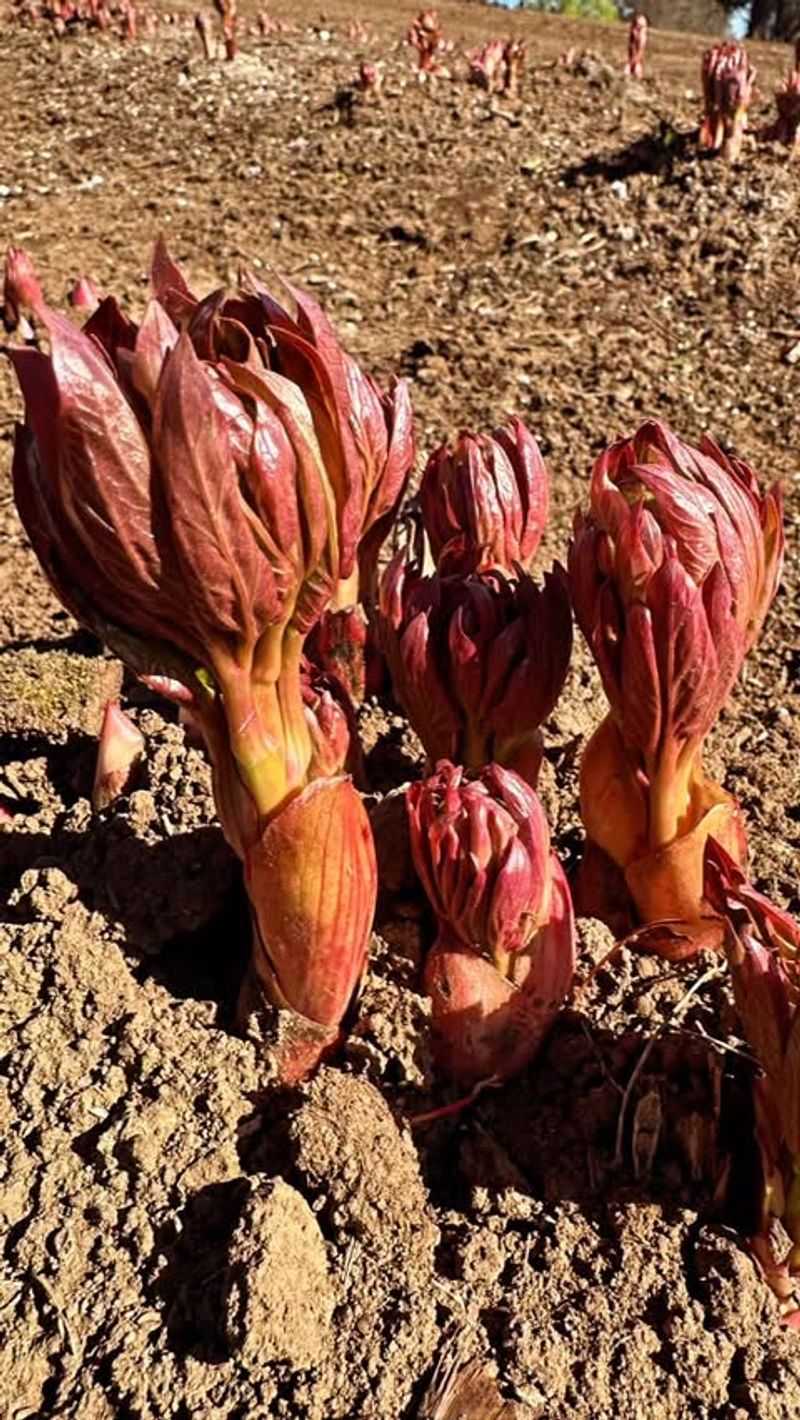
Sunlight is the single biggest driver of peony bloom production, and there is no substitute for it.
Peonies need a minimum of six hours of direct sun each day, and in North Carolina, the more morning sun they receive the better.
Morning light warms the plant gently and helps dry dew off the foliage quickly, which reduces fungal problems.
Afternoon shade from nearby trees or structures is the quiet reason many North Carolina peonies underperform year after year.
Spring is the perfect time to evaluate sun exposure before the tree canopy fills in and changes the light patterns in your yard.
Walk your garden beds at different times of day and note which areas receive consistent, unobstructed sunlight.
If a peony planting spot is getting blocked by a fence, a growing shrub, or a tree that has expanded its canopy since you first planted, moving the plant to a sunnier location may be the most impactful change you can make.
Transplanting peonies is best done in fall, but identifying the problem now means you can plan and prepare for that move.
Meanwhile, trimming back nearby shrubs or low-hanging branches can immediately improve the light a plant receives this season.
Gardeners across the Sandhills and Piedmont regions of North Carolina often gain significant improvements in bloom numbers simply by addressing shade issues that crept up gradually over several growing seasons.
7. Improve Airflow To Prevent Fungal Problems

North Carolina springs are warm, humid, and absolutely perfect for growing peonies, but that same humidity creates ideal conditions for fungal diseases to spread.
Botrytis blight is the most common culprit, showing up as gray fuzzy patches on stems and buds, and it thrives wherever air moves slowly and moisture lingers.
One of the most effective ways to fight it without reaching for chemical sprays is simply making sure your peonies have enough breathing room.
If plants are crowded together or surrounded by other dense plantings, spring is the time to thin things out.
Each peony should have at least three feet of open space around it to allow air to circulate freely through the stems and foliage.
Avoid planting tall annuals or perennials right up against your peonies, as tempting as it is to fill every inch of a bed. Crowding creates a humid microclimate that fungal spores absolutely love.
Dividing overgrown clumps is another way to open up airflow, though that job is better saved for fall. For now, focus on removing any nearby plants that are pressing in too close.
Gardeners in the coastal plain areas of North Carolina, where humidity is highest, benefit the most from prioritizing airflow as part of their spring routine.
A plant with good air circulation around it simply stays healthier, blooms more reliably, and requires far less intervention throughout the entire growing season.
8. Water Consistently Without Going Overboard

Water management in spring can feel like a balancing act, especially in North Carolina where spring rainfall is unpredictable and can range from weeks of dry weather to stretches of heavy daily showers.
Peonies want consistent moisture during their active spring growth phase, but soggy, waterlogged soil is genuinely harmful to them.
Roots sitting in standing water are far more vulnerable to rot and fungal infections, which are already a concern given the state’s humid climate.
Aim to keep the soil evenly moist but never saturated. A good rule of thumb is to water deeply once a week during dry spells, allowing the top inch of soil to dry slightly between waterings.
Drip irrigation or a soaker hose placed at the base of the plants is far better than overhead watering, which wets the foliage and creates conditions that encourage disease. Always water in the morning so any splashed leaves have time to dry before evening.
During rainy weeks, you may not need to water at all, so pay attention to what nature is already providing.
North Carolina’s spring weather patterns vary quite a bit between the mountains, Piedmont, and coastal plain, so gardeners in different regions will need to adjust their watering schedules accordingly.
Checking soil moisture with your finger before reaching for the hose takes only a second and prevents the kind of overwatering that quietly undermines an otherwise healthy and well-tended peony planting.