Why North Carolina Gardeners Are Burying Pine Cones In Their Soil And What It Actually Does
It sounds like something you might stumble across in a gardening forum at midnight and dismiss as backyard folklore, but burying pine cones in garden soil has been picking up real attention among North Carolina gardeners lately, and the reasoning behind it is more grounded than it first appears.
North Carolina has pine trees practically everywhere, which means free pine cones are never hard to come by, and gardeners are always looking for low cost ways to improve soil that can be stubborn, compacted, or quick to dry out depending on where you are in the state.
The idea that something as simple as a pine cone could contribute anything meaningful to a garden bed is worth examining honestly, without the hype and without dismissing it outright either.
There are things pine cones actually do as they break down underground, and there are claims floating around online that go a lot further than the evidence supports.
Here is what is real, what is exaggerated, and whether this is something worth trying in your own North Carolina garden.
1. They Add Organic Matter Slowly (Very Slowly)
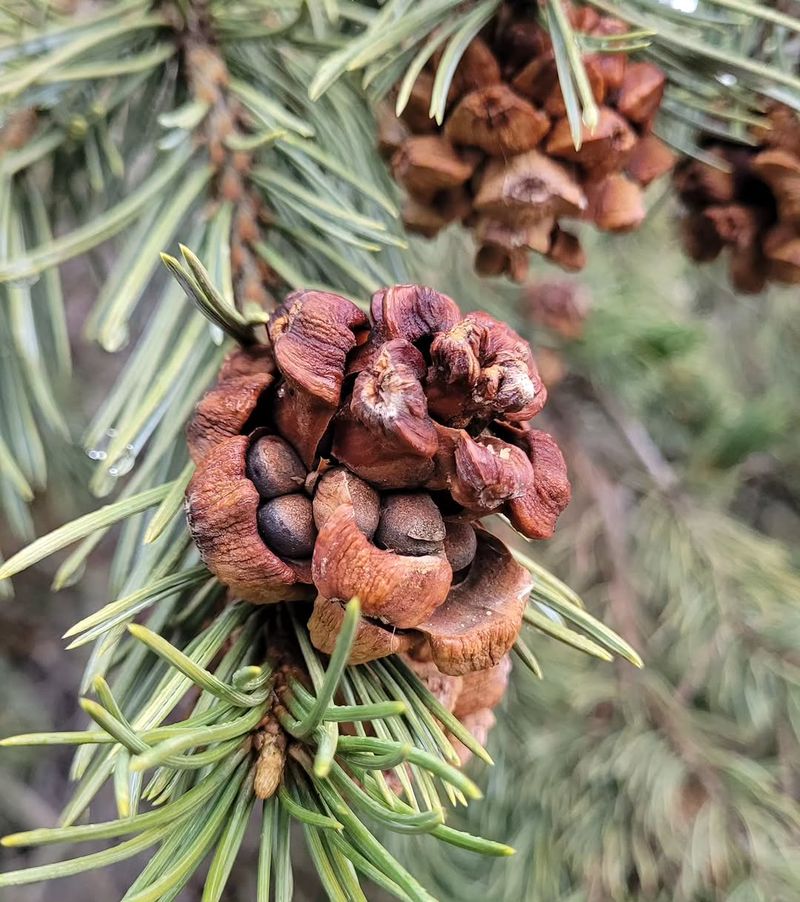
Pine cones are basically nature’s slow-release capsules, and burying them feels like a smart, resourceful move for any gardener in North Carolina. The state is full of longleaf, loblolly, and Virginia pines, so cones are everywhere and free for the taking.
It seems almost wasteful not to use them somehow. Here is the honest truth though: pine cones break down extremely slowly compared to most organic materials.
While a pile of leaves might decompose in one season, a buried pine cone can take several years to fully break apart.
The woody, resinous structure of the cone resists moisture and microbial activity much longer than soft plant material does.
Over time, as the cone gradually breaks down, it does contribute small amounts of organic matter to the surrounding soil.
North Carolina soils, especially in the Piedmont and coastal plain regions, can always use added organic content to improve structure and water retention. So the benefit is real, just very slow to arrive.
Gardeners who bury pine cones should think of them as a long-game investment rather than a quick fix. If you need faster organic improvement, finished compost or aged wood chips will outperform pine cones by a wide margin.
Pine cones work best when combined with other amendments, not used alone as the main source of organic matter.
2. Pine Cones Do Not Significantly Acidify Soil
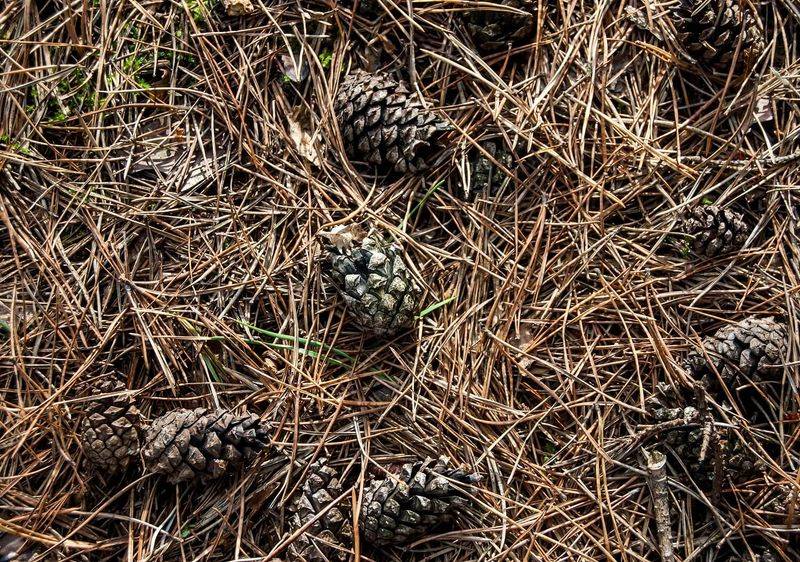
Many North Carolina gardeners assume that because pine trees prefer acidic soil, burying pine cones must lower the pH of their garden beds.
It is a totally understandable conclusion, and it gets repeated at garden centers and neighborhood Facebook groups all the time. The logic feels solid, but the science tells a different story.
Fresh pine needles do carry mild acidity, but once pine cones start decomposing underground, their effect on soil pH becomes almost undetectable.
Researchers and soil scientists have consistently found that buried organic materials, including pine products, have very little measurable impact on overall soil acidity. The buffering capacity of most soils simply absorbs any minor pH shift.
Your North Carolina Garden Changes Every Week. Your Plan Should Too.
Gardening in North Carolina changes quickly throughout the season. Every Friday you’ll receive a simple weekly plan showing exactly what to plant, prune, fertilize, harvest, and protect so you never miss the right timing.
North Carolina soils already vary widely in pH depending on the region. The mountain soils in the western part of the state tend to be naturally acidic, while soils in the coastal plain can lean either way.
If you genuinely need to lower your soil pH for blueberries, azaleas, or rhododendrons, elemental sulfur or acidic fertilizers are far more reliable and faster-acting options.
Burying pine cones will not harm your soil chemistry, but counting on them to create the right growing conditions for acid-loving plants is not a strategy that holds up.
Always test your soil first with a simple home kit before making any amendments based on assumptions about what might work.
3. They Can Improve Drainage In Small Areas
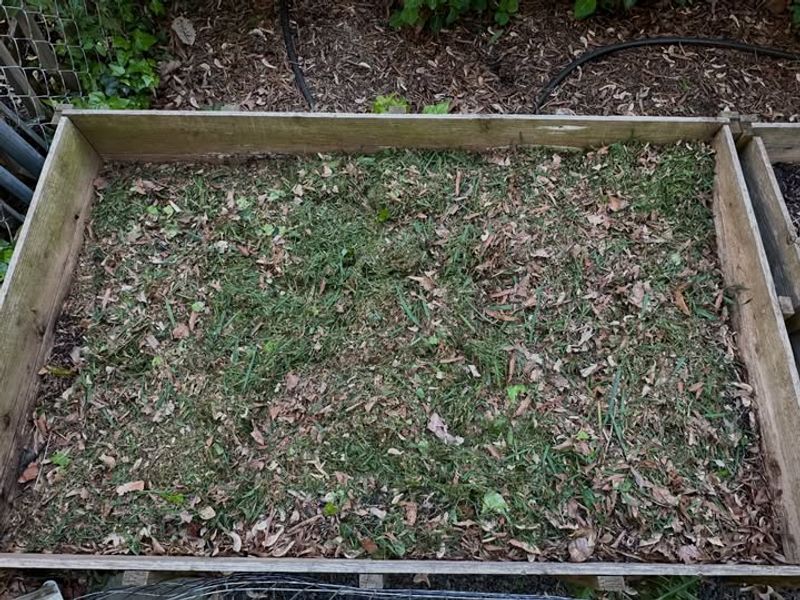
Raised beds are incredibly popular across North Carolina, especially in areas where native clay soil makes traditional in-ground gardening frustrating.
Gardeners are always looking for ways to stretch their soil budget, and using pine cones as filler material in the lower layers of a raised bed is one trick that actually has some practical logic behind it.
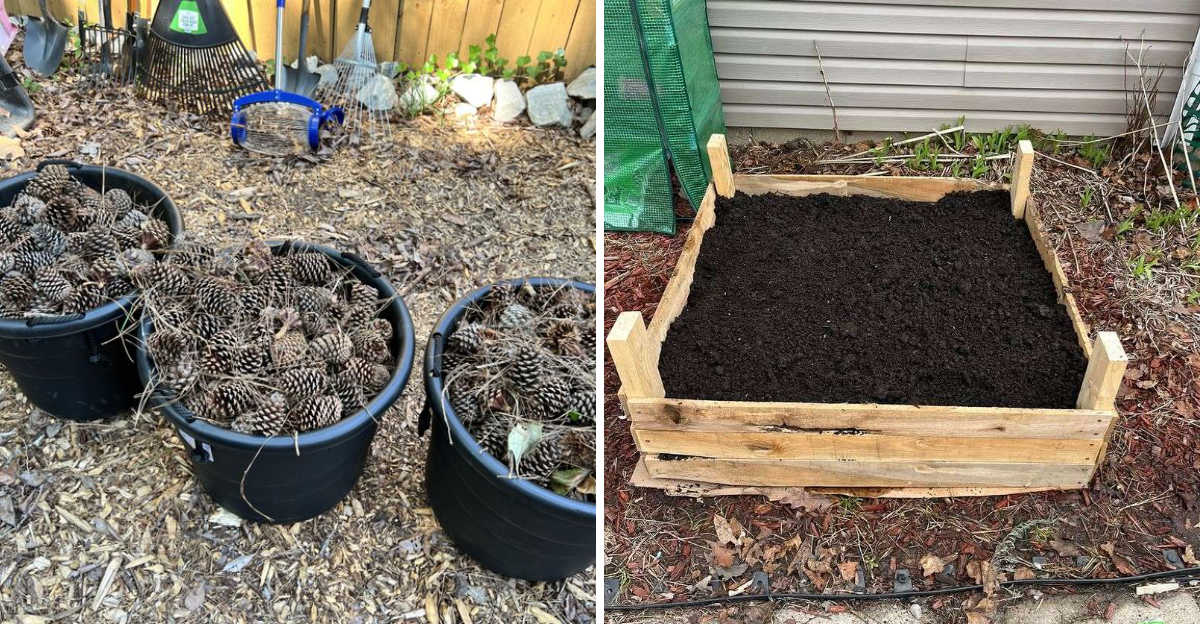
When you place pine cones at the bottom of a raised bed before adding soil on top, they create small air pockets and gaps that water can move through more freely.
This can reduce waterlogging in the lower section of the bed, which is helpful during North Carolina’s heavy summer rain events. The cones act almost like a rough, natural drainage layer.
The benefit is limited, though, and it is worth being clear about that. As the cones slowly compress and begin to break down over months and years, those air pockets shrink and the drainage advantage fades.
The technique works better as a short-term space filler than as a permanent drainage solution.
For gardeners working with containers or small raised beds, pine cones can be a useful and free way to reduce how much expensive potting mix you need to fill the space.
Just keep the pine cones well below the root zone so they do not interfere with plant establishment. Pair them with good-quality soil on top for the best growing results.
4. Pine Cones Do Not Replace Compost
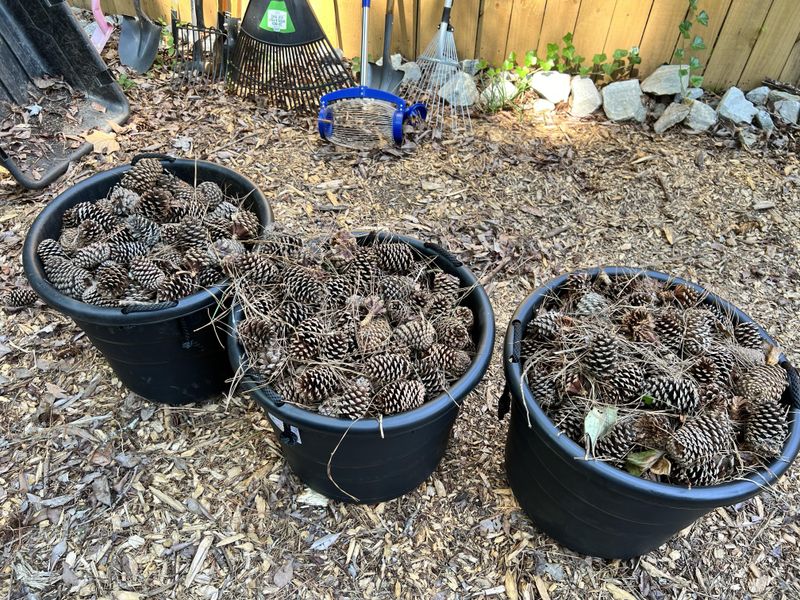
Compost is the gold standard of garden amendments, and nothing quite matches what a good batch of finished compost can do for your plants.
North Carolina gardeners who have been using homemade or bagged compost already know how dramatically it can transform tired, compacted soil into something rich and productive. Pine cones, no matter how many you bury, simply cannot replicate that.
The core issue is nutrient availability. Compost is packed with nitrogen, phosphorus, potassium, and a whole community of beneficial microbes that become available to plant roots relatively quickly.
Pine cones, on the other hand, are mostly lignin and cellulose, which are tough structural compounds that take years to break down into anything plants can actually use.
Burying pine cones in your vegetable garden or flower beds and expecting them to feed your plants is a setup for disappointment.
Your tomatoes, peppers, and zinnias need nutrients that are accessible now, not in three or four years when those cones finally start to soften. The timing simply does not match what a productive garden requires.
If you are gardening on a tight budget in North Carolina, starting a simple backyard compost pile with kitchen scraps and yard waste is one of the most rewarding moves you can make.
It costs almost nothing, produces results within a few months, and genuinely improves your soil in ways that buried pine cones cannot match. Save the cones for other uses.
5. They May Temporarily Tie Up Nitrogen
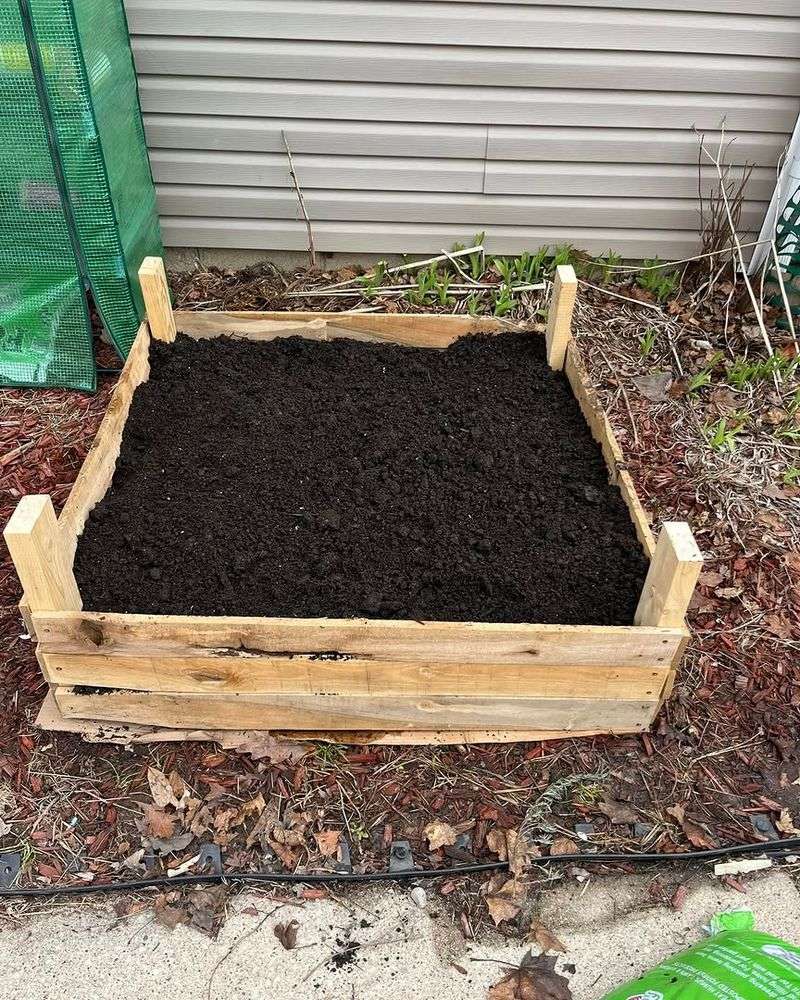
Here is something that catches a lot of gardeners off guard: burying fresh organic materials that are high in carbon, like wood chips, sawdust, or pine cones, can actually pull nitrogen away from your plants for a period of time.
It sounds counterintuitive, but it is a well-documented process called nitrogen drawdown, and it is worth understanding before you start burying cones in your garden beds.
When pine cones begin to decompose, the soil microbes responsible for breaking them down need nitrogen to do their work.
Those microbes grab available nitrogen from the surrounding soil, which means there is temporarily less of it for your plants to absorb through their roots.
In soils that are already low in nitrogen, this effect can be noticeable enough to cause pale leaves and slower growth.
North Carolina gardeners working in sandy coastal plain soils or heavily weathered Piedmont clay are more likely to feel this effect because those soils often start with limited nitrogen reserves.
Adding a nitrogen-rich amendment like blood meal, fish emulsion, or a balanced fertilizer can help offset the temporary shortage while the cones are actively decomposing.
The nitrogen tie-up is not permanent. Once the microbial community finishes breaking down the woody material, nitrogen gets released back into the soil in a plant-available form.
Still, for gardeners who want consistent, strong plant growth throughout the season, it is smart to plan around this temporary dip rather than be surprised by it mid-summer.
6. Pine Cones Can Be Useful As Bottom Filler In Raised Beds
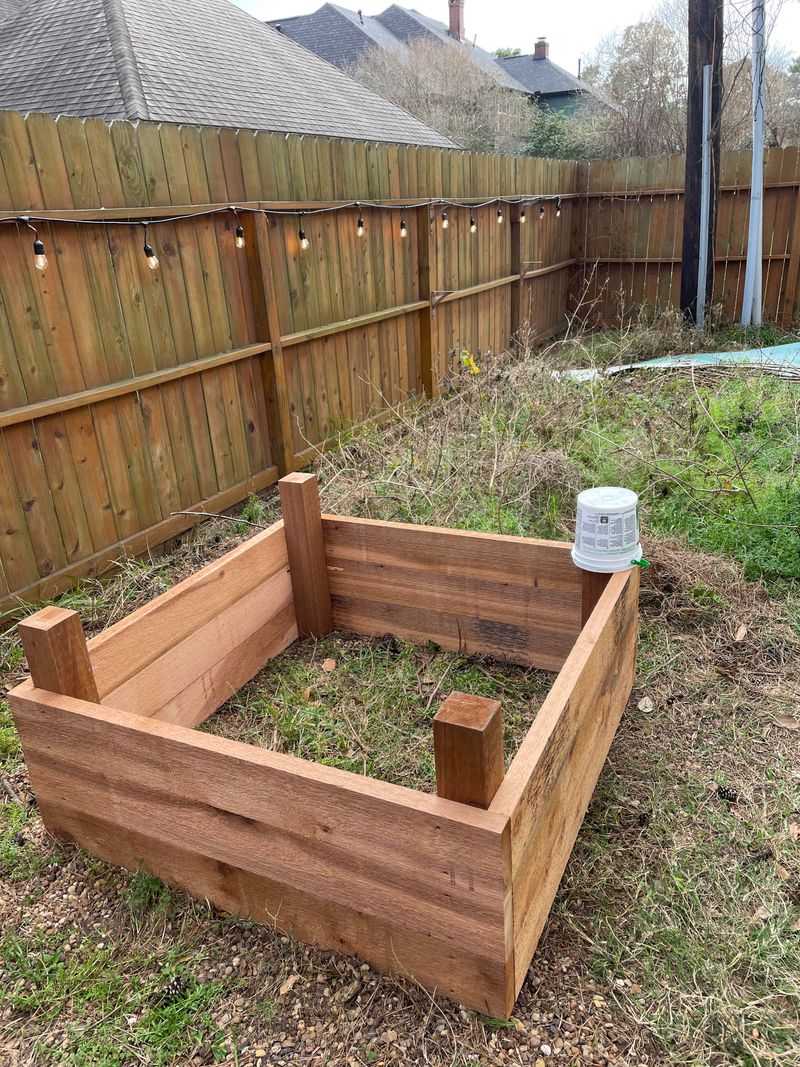
Building a raised bed from scratch can get expensive fast, especially if you are filling a large structure entirely with purchased soil or compost.
North Carolina gardeners have long used a technique sometimes called hugelkultur-inspired layering, where bulky organic material fills the lower portion of the bed to reduce the total volume of soil needed. Pine cones fit right into that approach.
Placing a generous layer of pine cones at the base of a raised bed before adding your growing medium on top is a practical and cost-effective way to build up the bed without spending a fortune.
The cones take up real physical space, which means you need less soil to reach the desired height.
Over several years, as the cones slowly break down, they also add a small but consistent trickle of organic matter to the lower soil layer.
The key thing to remember is that pine cones should stay well below the active root zone. Most vegetables and annual flowers root primarily in the top eight to twelve inches of soil, so keeping the cones in the bottom six inches or lower ensures they do not interfere with root development or nutrient availability during the growing season.
Across North Carolina, where lumber and landscaping costs have climbed in recent years, this kind of resourceful approach to bed building makes a lot of sense.
Using what the land already provides, including those abundant pine cones from local trees, is both practical and genuinely satisfying for any gardener working on a budget.
7. They Work Great As Surface Mulch As Well
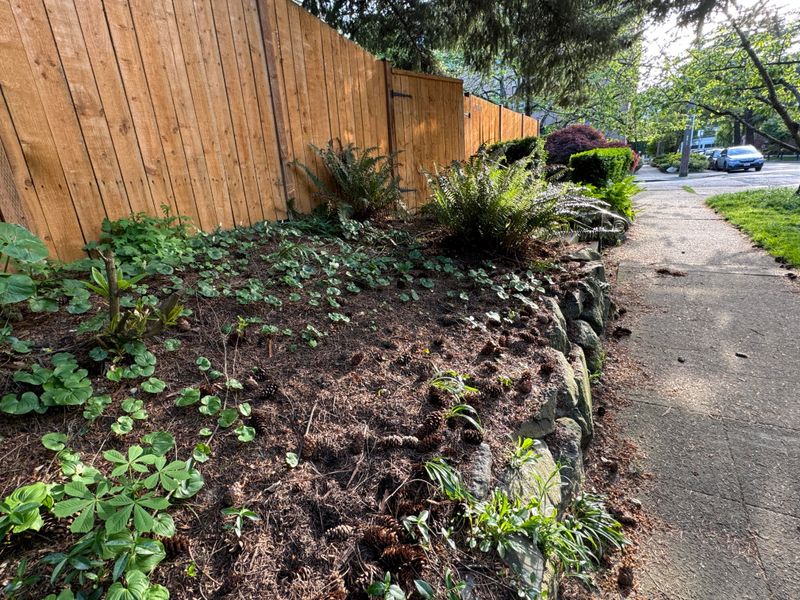
Forget burying them for a moment, because pine cones actually shine when you use them right on top of the soil.
Surface mulching with pine cones is one of the most practical and underrated ways to use them in a North Carolina garden, and it takes advantage of what pine cones are naturally good at rather than forcing them into a role they are not well suited for.
North Carolina gets some serious rainfall, especially during summer thunderstorm season and in the mountains where precipitation totals run high. Heavy rain hitting bare soil causes erosion, compaction, and nutrient runoff, all of which work against a healthy garden.
A layer of pine cones spread across the soil surface acts as a physical buffer, slowing water impact and helping protect the structure of the soil underneath.
Pine cones also create a rough, textured surface that makes it harder for weeds to get established. They do not block weeds as effectively as bark mulch or wood chips, but they do add some resistance, especially when layered a few inches deep.
As they slowly break down on the surface, they contribute organic matter from the top down, which is actually how nature intended it to work.
For gardeners in North Carolina who have more pine cones than they know what to do with, spreading them around shrubs, trees, and perennial beds is a free and genuinely useful solution.
It looks natural, fits the regional landscape beautifully, and keeps those cones working above ground where they truly belong.