North Carolina Gardeners Can’t Help Falling In Love With Ranunculus – Here’s How To Grow Them
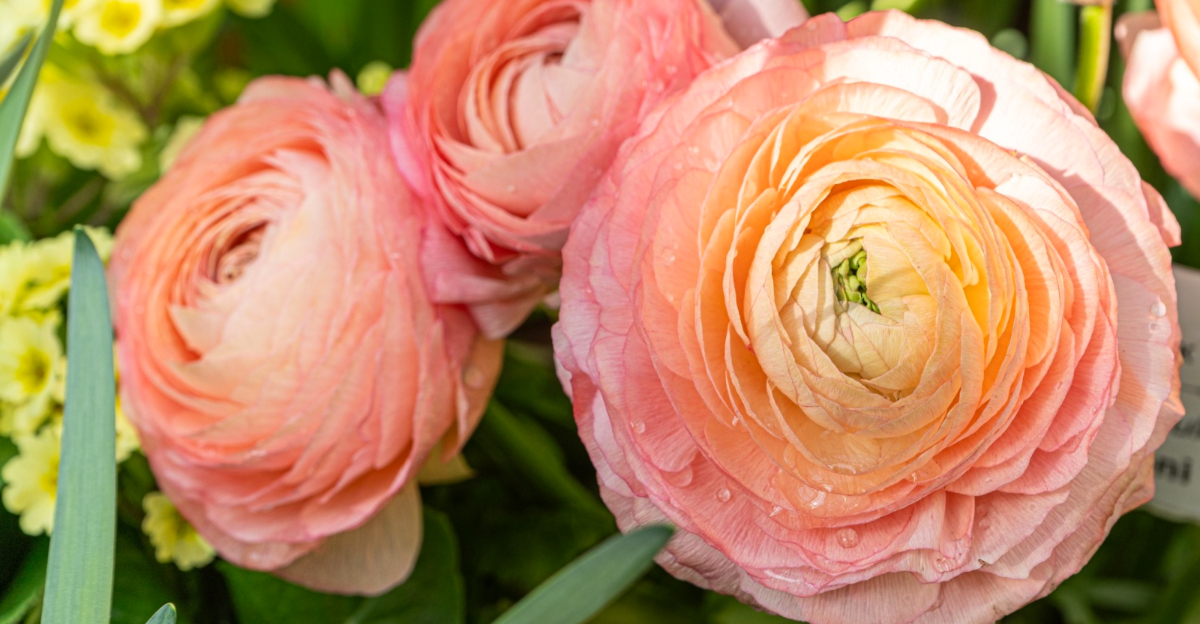
At first glance, ranunculus flowers almost look too perfect to be real. Those tightly layered petals and soft, glowing colors have a way of stopping people mid-step in the garden.
Across North Carolina, more gardeners are giving them a try and quickly seeing the appeal.
With mild winters and early springs, many parts of the state offer a window where ranunculus can settle in and put on an impressive show.
From smaller backyard spaces in Raleigh to larger mountain gardens near Asheville, these blooms are finding their place in North Carolina landscapes with just a bit of thoughtful timing.
1. Layered Petals And Soft Colors Make Ranunculus Hard To Ignore
Few flowers stop people in their tracks quite like ranunculus.
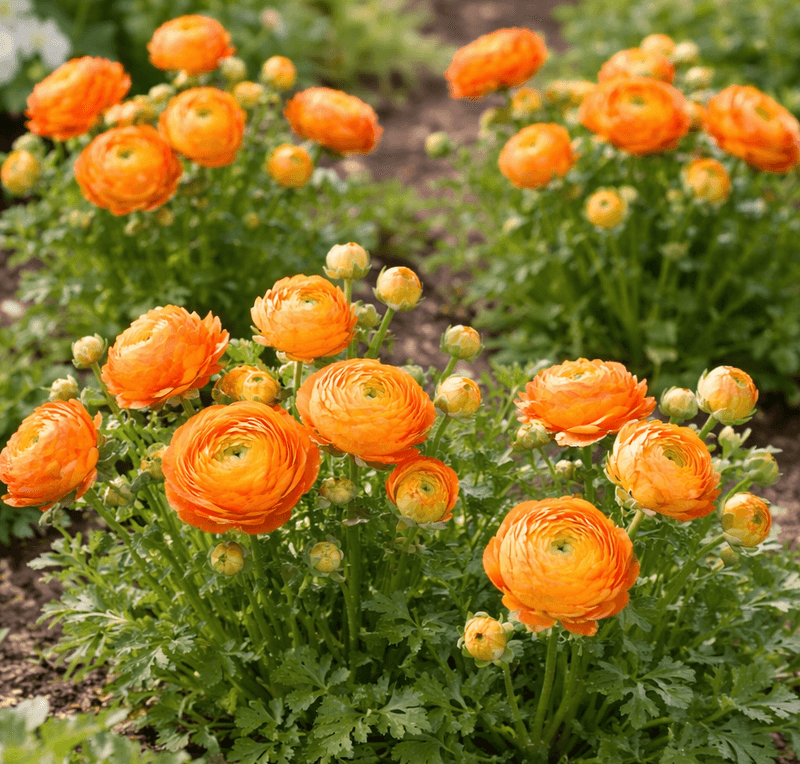
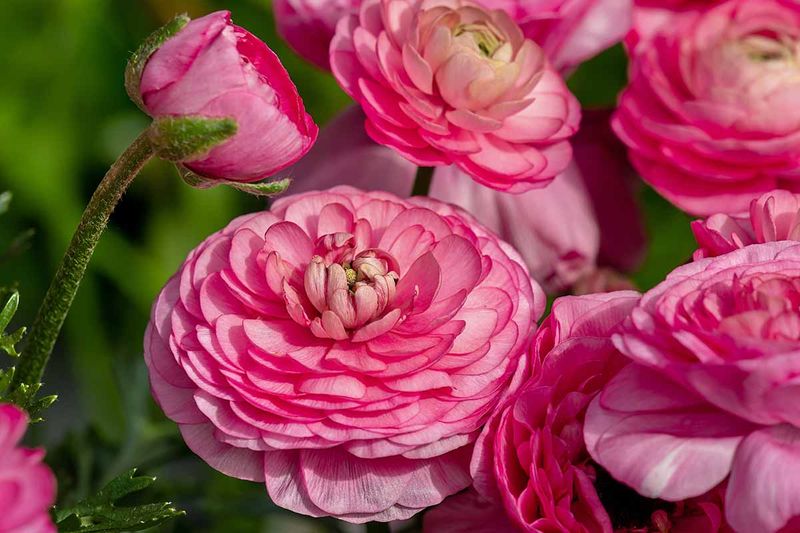
The blooms are built from dozens of tissue-thin petals stacked in tight, spiraling layers that unfurl slowly as the flower matures, creating a look that feels closer to fine art than something growing in the ground.
Florists have loved them for years, and now home gardeners across North Carolina are starting to understand what the fuss is about.
The color range is one of ranunculus’s most appealing qualities. Gardeners can find varieties in soft blush, warm peach, golden yellow, deep red, and snowy white, as well as bicolor mixes that blend two shades within a single bloom.
These colors work beautifully in cut arrangements and hold their vibrancy for up to two weeks in a vase.
What makes ranunculus especially exciting for North Carolina gardeners is how well those soft tones photograph and how striking they look planted in groups.
A cluster of peach and cream ranunculus against dark mulch or green foliage creates a contrast that feels effortlessly elegant.
Planting several shades together rather than sticking to one color tends to produce the most visually rewarding results in a garden bed or border.
2. Cool Season Timing Is Key For Growing Ranunculus In North Carolina
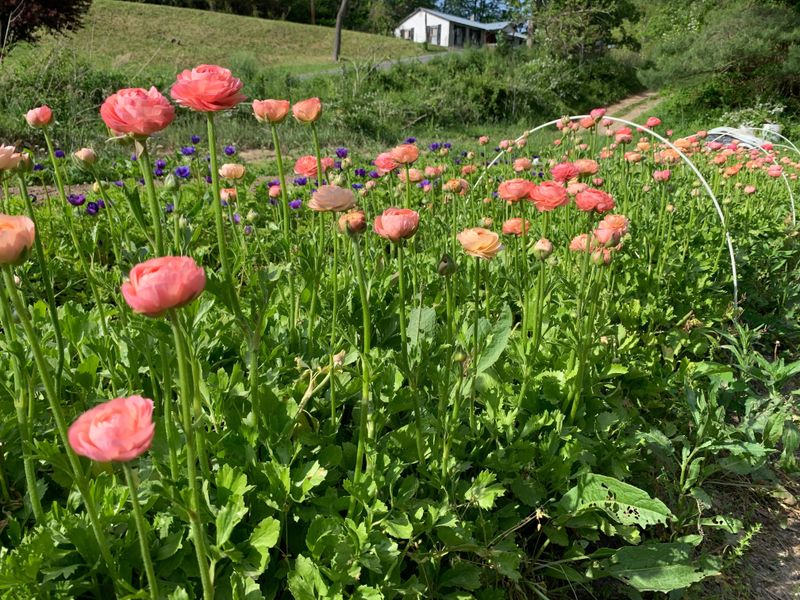
Ranunculus belongs to a group of flowers that genuinely prefer cool weather, and understanding that preference is the first step toward success with them in North Carolina.
Unlike summer annuals that want heat and humidity, ranunculus performs best when daytime temperatures hover between 50 and 65 degrees Fahrenheit.
That sweet window falls neatly into North Carolina’s late winter and early spring calendar.
Across most of the Piedmont and Coastal Plain regions, that window tends to open sometime in February and closes as temperatures climb into the upper 70s.
In the western mountains around Asheville, cooler conditions linger longer, giving gardeners there a slightly extended growing season.
Paying attention to local frost dates and weekly forecasts makes a meaningful difference in how well plants establish and bloom.
Pushing planting too late into spring is one of the most common reasons ranunculus underperforms in North Carolina gardens.
When warm weather arrives quickly, plants that haven’t had enough time to root and bud often produce fewer blooms or bolt before reaching their potential.
Starting at the right time, rather than waiting until conditions feel comfortable, is the approach that consistently produces the most rewarding results.
Your North Carolina Garden Changes Every Week. Your Plan Should Too.
Gardening in North Carolina changes quickly throughout the season. Every Friday you’ll receive a simple weekly plan showing exactly what to plant, prune, fertilize, harvest, and protect so you never miss the right timing.
3. Plant Corms In Fall Or Late Winter Depending On Your Region
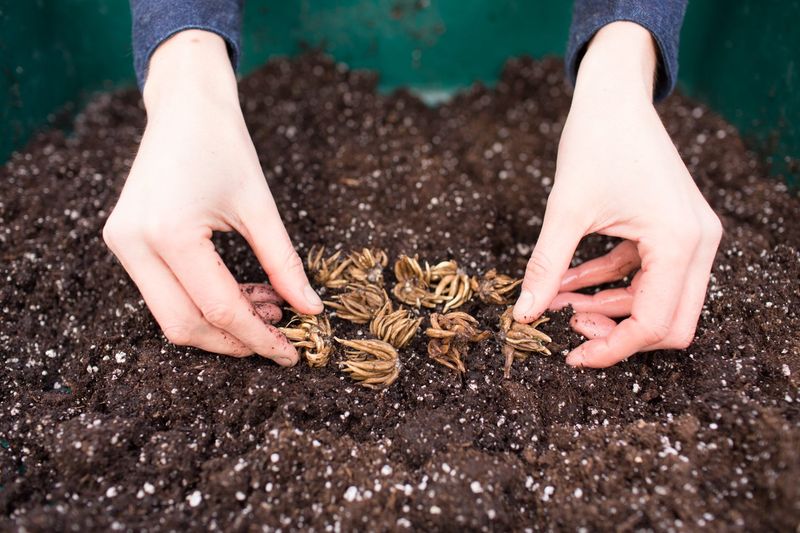
Ranunculus grows from small, wrinkled corms that look a bit like tiny dried octopuses, with claw-like extensions pointing downward when planted correctly.
Getting the timing right for putting those corms in the ground depends largely on where in North Carolina you garden.
In the warmer Coastal Plain areas, fall planting from October through November can work well, allowing corms to establish roots over winter and bloom earlier in spring.
Gardeners in the Piedmont region generally find that late January through mid-February planting produces reliable results, catching the tail end of winter before spring warmth accelerates growth.
In the mountains, waiting until late February or early March tends to be the safer choice, since late cold snaps are more common at higher elevations.
Checking average last frost dates for your specific county gives a useful baseline for timing decisions.
Corms should be planted roughly two inches deep with the claw-like fingers pointing downward into the soil. Spacing them about six to eight inches apart allows room for roots to spread without competing too aggressively.
Planting in well-loosened soil makes it easier for those small corms to anchor themselves and begin drawing up moisture as conditions warm gradually through late winter.
4. Full Sun And Well-Drained Soil Support Strong Growth
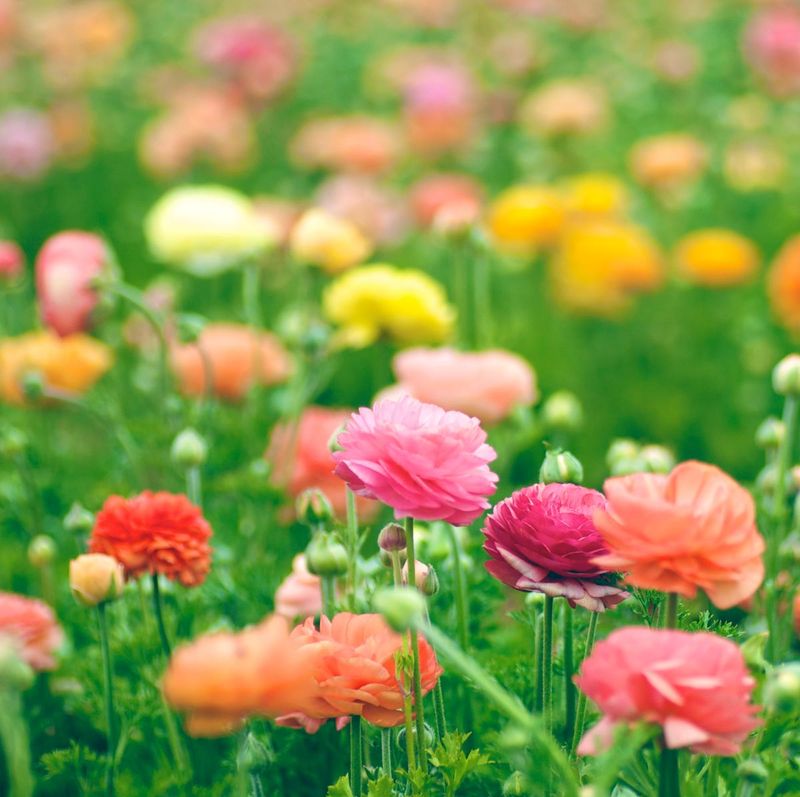
Ranunculus is not a flower that tolerates shade gracefully.
To produce full, layered blooms, plants need at least six hours of direct sunlight each day, and locations that receive closer to eight hours tend to reward gardeners with taller stems and more abundant flowering.
Choosing the right spot before planting saves a great deal of frustration later in the season.
Soil drainage matters just as much as sunlight. Ranunculus corms sitting in waterlogged soil are prone to rotting before they even sprout, which is a common disappointment for first-time growers.
North Carolina’s clay-heavy soils, common throughout much of the Piedmont, benefit significantly from amendment with compost or coarse sand to improve drainage and create a looser structure that roots can navigate more easily.
Raised beds offer a practical solution for gardeners dealing with slow-draining ground. Raising the planting surface by even six to eight inches can dramatically improve drainage conditions and extend the window during which soil is workable in late winter.
Whether planting in the ground or in raised beds, testing soil texture by squeezing a handful after watering can help confirm that drainage is adequate before committing corms to the soil.
A soil that crumbles apart rather than clumping tightly is a good indicator of healthy drainage.
5. Soaking Corms Before Planting Can Improve Sprouting
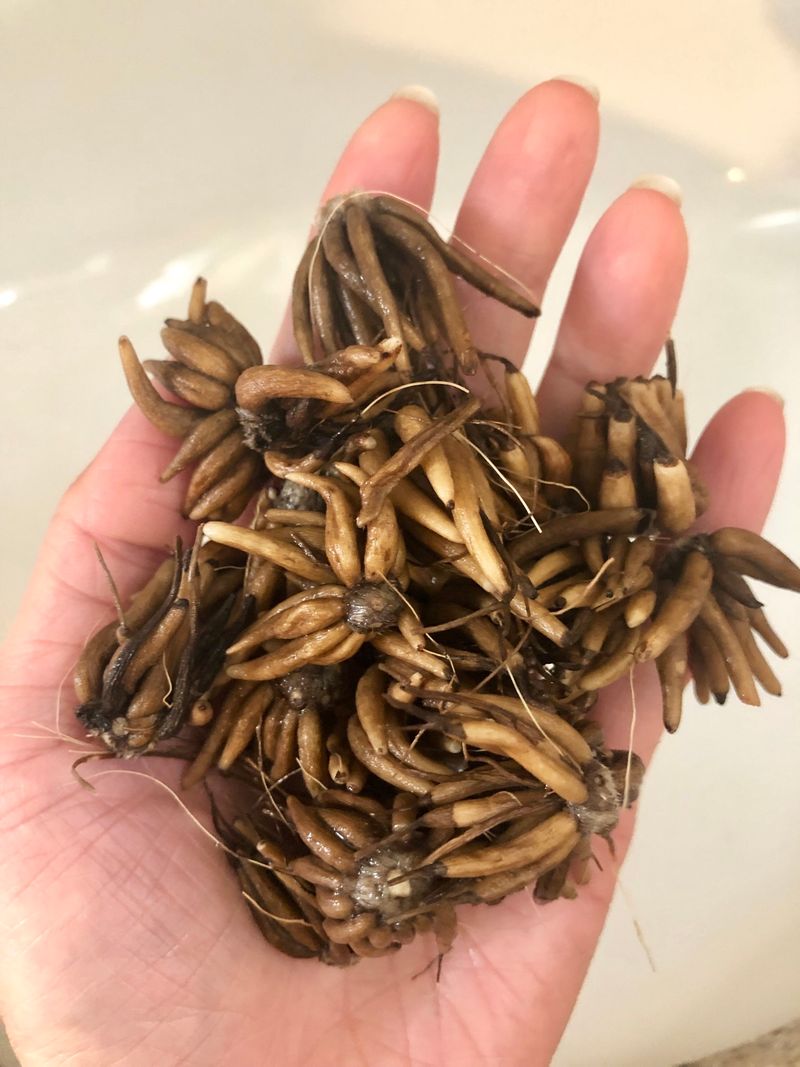
Ranunculus corms arrive from suppliers in a dry, dormant state, and giving them a head start before planting can meaningfully improve how quickly they sprout once in the ground.
Soaking corms in cool water for three to four hours before planting allows them to rehydrate gradually, which wakes up internal processes and encourages faster root development after planting.
Avoid soaking corms in warm or hot water, as temperatures above what feels comfortably cool can stress the tissue before it even gets started.
Some growers prefer to soak overnight, but limiting the soak to around four hours tends to provide rehydration benefits without risking oversaturation.
After soaking, corms should look slightly plumper and feel firmer than when they went into the water.
Planting soaked corms promptly, rather than letting them sit out and dry again, keeps the momentum going. Lay them claw-side down in pre-dug holes and cover gently with loosened soil.
In North Carolina’s late winter conditions, when soil temperatures typically range from the low 40s to the mid-50s Fahrenheit, soaked corms tend to show their first green shoots within two to three weeks.
Skipping the soak does not ruin a planting, but taking those few extra hours often leads to a noticeably more uniform and vigorous early emergence.
6. Consistent Moisture Helps Ranunculus Establish Without Stress
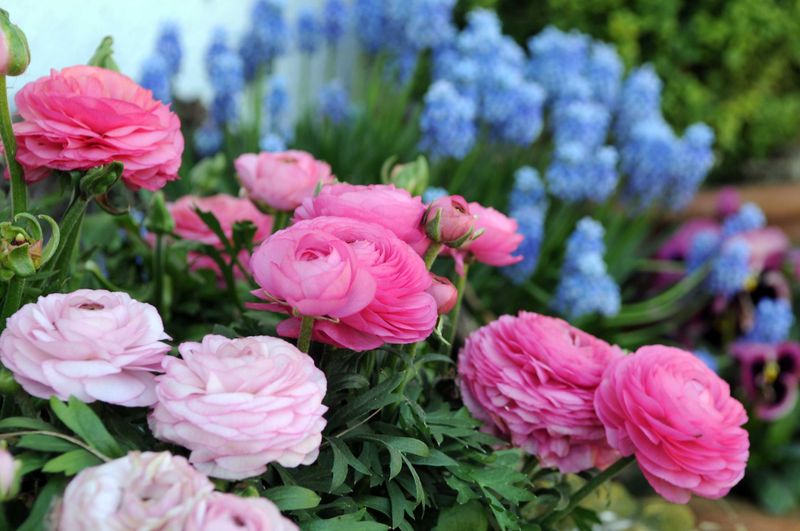
Moisture management sits at the center of successful ranunculus growing, and the goal is finding a balance that keeps soil consistently damp without ever letting it become soggy.
After planting corms, watering in gently helps settle the soil and initiates that first contact between the corm and surrounding moisture.
From that point forward, the soil should stay lightly moist but never saturated.
North Carolina’s spring weather can be unpredictable, cycling through dry stretches followed by heavy rain events.
During dry periods, watering every few days at the base of plants rather than overhead keeps foliage dry and reduces the chance of fungal issues.
During rainy stretches, cutting back on supplemental watering and confirming that drainage is working as expected prevents the standing moisture that ranunculus roots find particularly stressful.
As plants begin to grow actively and buds start forming, water needs increase slightly. A general guide is to water when the top inch of soil feels dry to the touch, adjusting based on temperature and recent rainfall.
Mulching lightly around plants with straw or shredded leaves helps retain soil moisture between watering sessions and moderates soil temperature during the temperature swings that are typical of North Carolina’s late winter and early spring.
A two-inch layer of mulch strikes a good balance without smothering the base of young stems.
7. Protect Plants From Hard Freezes In Colder Areas
Ranunculus can handle light frosts with reasonable resilience, especially once corms are established and putting out roots.
Temperatures dipping to around 28 or 29 degrees Fahrenheit for a short period generally won’t cause lasting harm to well-rooted plants.
However, hard freezes that drop below 25 degrees, especially for multiple hours, can damage foliage and set back developing buds significantly.
Gardeners in the North Carolina mountains face a longer window of freeze risk than those in the Piedmont or coastal areas. Keeping a close eye on overnight forecasts from late January through March is a practical habit for mountain growers.
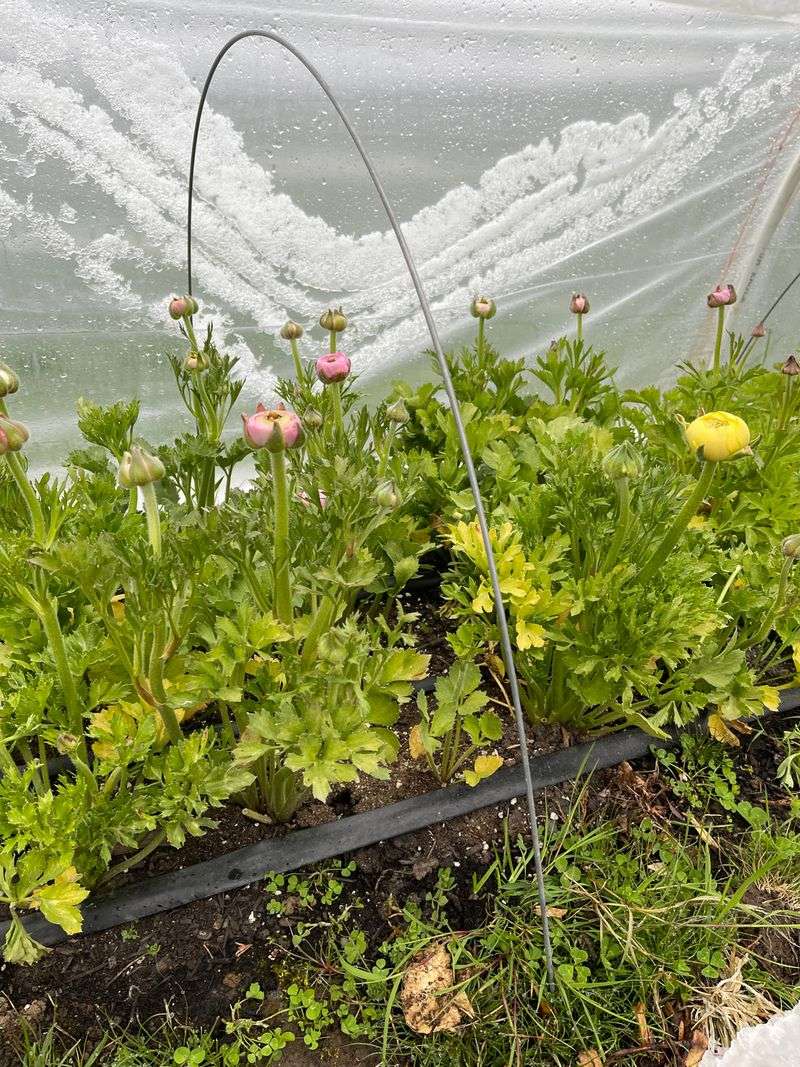
When a hard freeze is predicted, covering plants with floating row cover or frost cloth the evening before provides meaningful insulation. Even a layer of straw draped loosely over young foliage can buffer against the worst of a cold snap.
Removing covers promptly once temperatures rise above freezing prevents plants from overheating under the fabric during sunny mornings.
A simple wire hoop or stake system makes it easy to drape and remove covers without disturbing stems.
For gardeners in the Triangle, Triad, or Charlotte areas, hard freezes after February are less frequent but still possible, and keeping a supply of row cover on hand through March remains a sensible precaution for protecting ranunculus investment.
8. Ranunculus Thrive In Containers With Proper Drainage
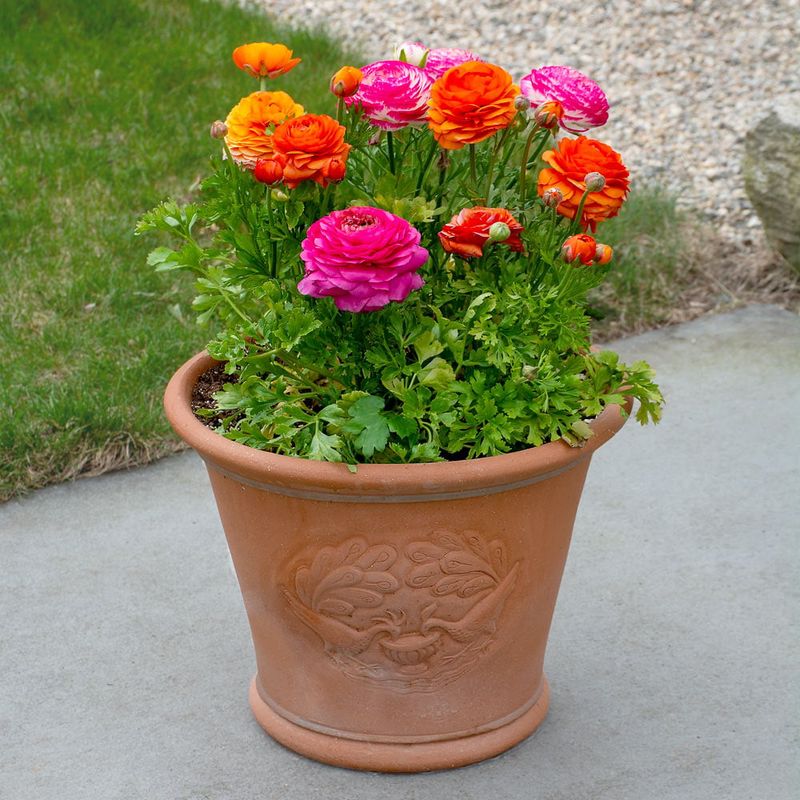
Container growing opens up ranunculus to gardeners who don’t have ideal in-ground conditions, and with a few thoughtful choices, potted ranunculus can produce blooms just as impressive as anything growing in a garden bed.
The most important factor in container success is drainage.
A pot without adequate drainage holes, or one filled with dense potting mix that holds water, creates the kind of wet conditions that corms struggle in.
Choose containers at least 10 to 12 inches deep to give roots enough room to develop fully.
Terracotta pots are a popular choice because they allow some moisture to evaporate through the sides, naturally regulating soil moisture in a way that works well for ranunculus.
Fill containers with a high-quality potting mix blended with perlite at roughly a three-to-one ratio to encourage drainage.
On a North Carolina patio or deck, containers can be moved to take advantage of shifting sunlight as the season progresses or brought under a covered area when a hard freeze threatens.
Watering container-grown ranunculus requires more attention than in-ground plants, since pots dry out faster, particularly on breezy days.
Checking soil moisture every day or two and watering when the top inch feels dry keeps container plants hydrated without tipping into oversaturation.
Fertilizing with a balanced liquid fertilizer every two weeks once buds appear supports strong bloom production through the spring season.
9. Cut Flowers Regularly To Encourage More Blooms
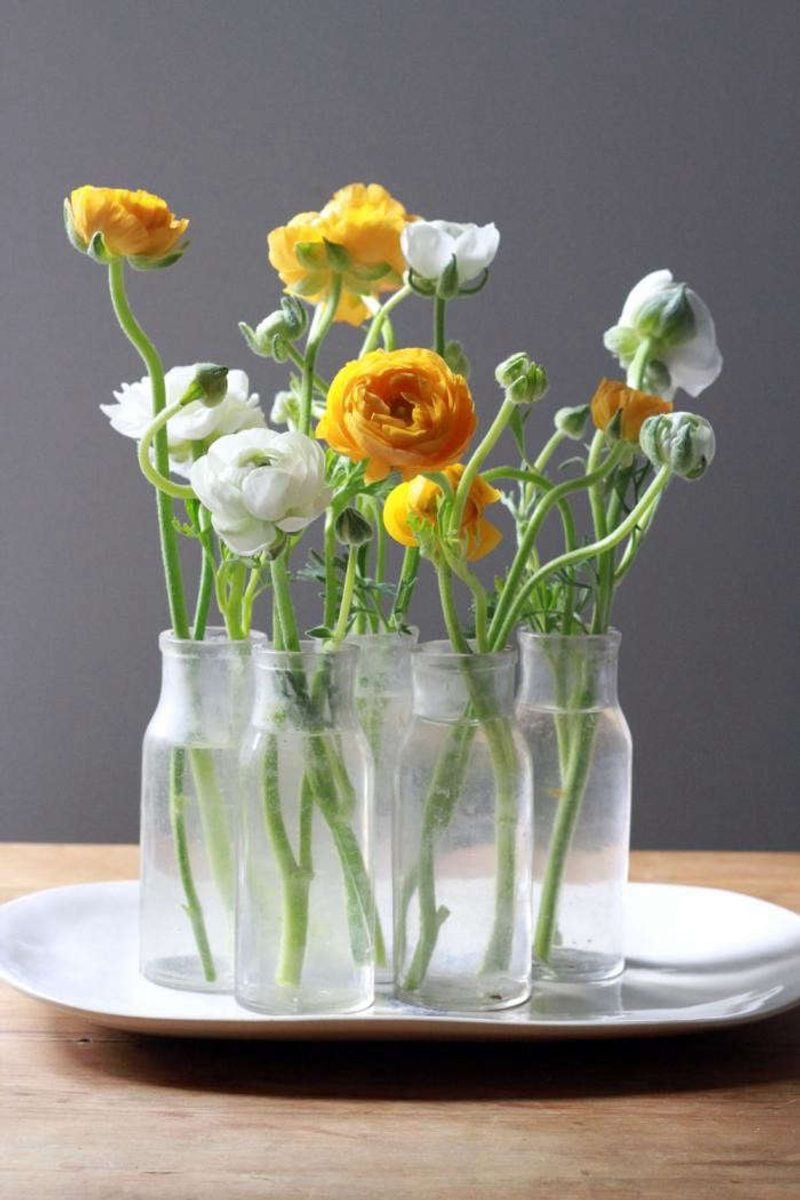
One of the most rewarding things about growing ranunculus is that the more you cut, the more the plants tend to give back.
Harvesting blooms regularly signals to the plant to redirect energy toward producing new buds rather than allowing spent flowers to form seeds.
For gardeners hoping to fill their home with fresh-cut arrangements throughout spring, this relationship between cutting and reblooming makes ranunculus an especially generous plant.
The best time to cut ranunculus is when buds are just starting to open, showing color but not yet fully unfurled. Stems cut at this stage last the longest in a vase, often staying fresh for ten to fourteen days.
Use clean, sharp scissors or garden shears and cut stems at an angle to maximize water uptake once they go into a vase.
After cutting, remove any foliage that would sit below the waterline and place stems immediately into cool water. Changing the water every couple of days and trimming a small amount from the bottom of stems extends vase life further.
In the garden, removing spent flowers that weren’t cut while still fresh prevents the plant from putting energy into seed production.
North Carolina’s mild spring mornings are an ideal time for this kind of garden maintenance, when temperatures are still cool and both gardener and plant are at their most comfortable.
10. Allow Foliage To Mature Before Lifting Or Replanting Corms
As North Carolina’s temperatures climb through late spring and into early summer, ranunculus plants naturally begin to slow down. Flowering tapers off, stems start to lean, and foliage gradually turns yellow.
This visible decline is a normal and necessary part of the plant’s cycle, not a sign that something went wrong.
The foliage is still doing important work during this period, pulling nutrients back down into the corm to fuel the next growing season.
Resist the urge to cut back or remove yellowing leaves too quickly.
Allowing foliage to complete its natural maturation, which typically takes three to five weeks after the last bloom, gives corms the best chance of storing enough energy to perform well if replanted the following season.
Pulling foliage while it’s still green interrupts that process and can result in weaker corms that produce fewer blooms later.
Once foliage has fully yellowed and dried back, corms can be carefully lifted with a garden fork, cleaned of soil, and allowed to dry in a shaded, well-ventilated spot for a week or two before storage.
Store them in a paper bag or mesh bag in a cool, dry location through summer.
In North Carolina, where summer heat and humidity can be intense, a climate-controlled indoor space works better than a garage or shed for keeping corms in good condition until the next planting season arrives.