This Is How California Gardeners Get Bunny Ear Cactus To Flower
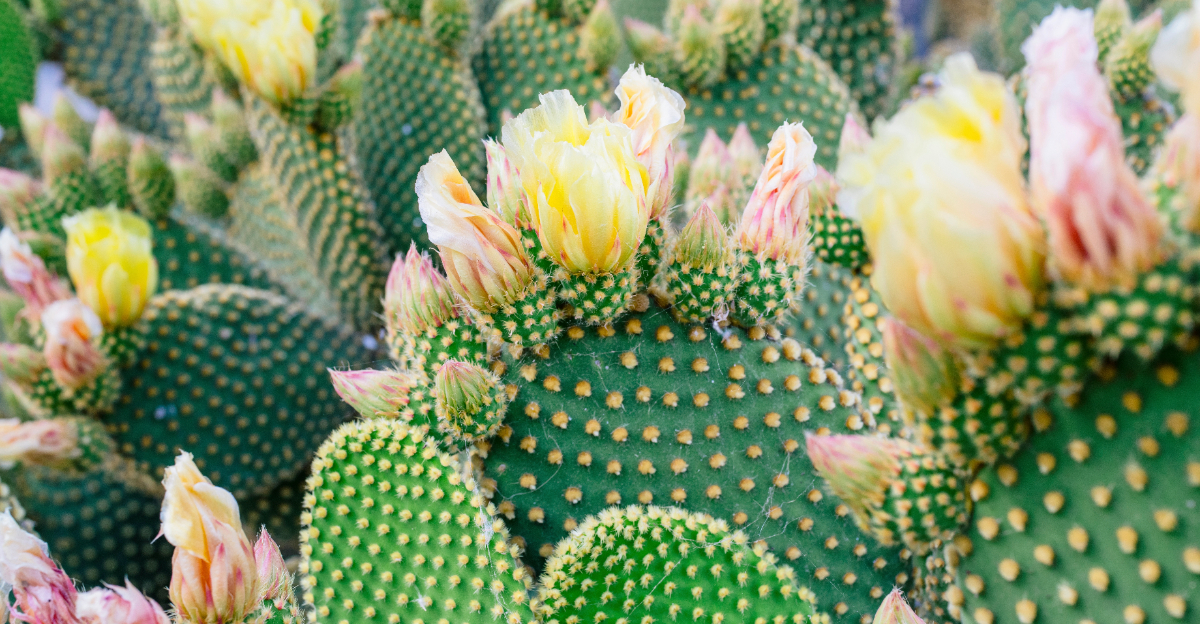
Bunny ear cactus is one of the most popular succulents in California gardens, and honestly, it’s not hard to see why.
It’s adorable. It’s nearly indestructible. It handles the heat and drought like an absolute champion.
But there’s one thing that drives gardeners crazy about this plant: getting it to actually flower feels like cracking some kind of secret code.
Most bunny ear cactus plants sit in gardens and pots for years looking perfectly healthy and completely unbothered about ever producing a single bloom.
It’s not that they can’t flower. They just need very specific conditions to decide it’s worth the effort, and most gardeners are unknowingly skipping one or two critical steps.
The good news is that once you understand what this cactus is actually looking for, triggering those pale yellow blooms is very achievable. California’s climate already gives you a serious head start. A few targeted adjustments are all it takes.
1. Give It Bright Direct Sun
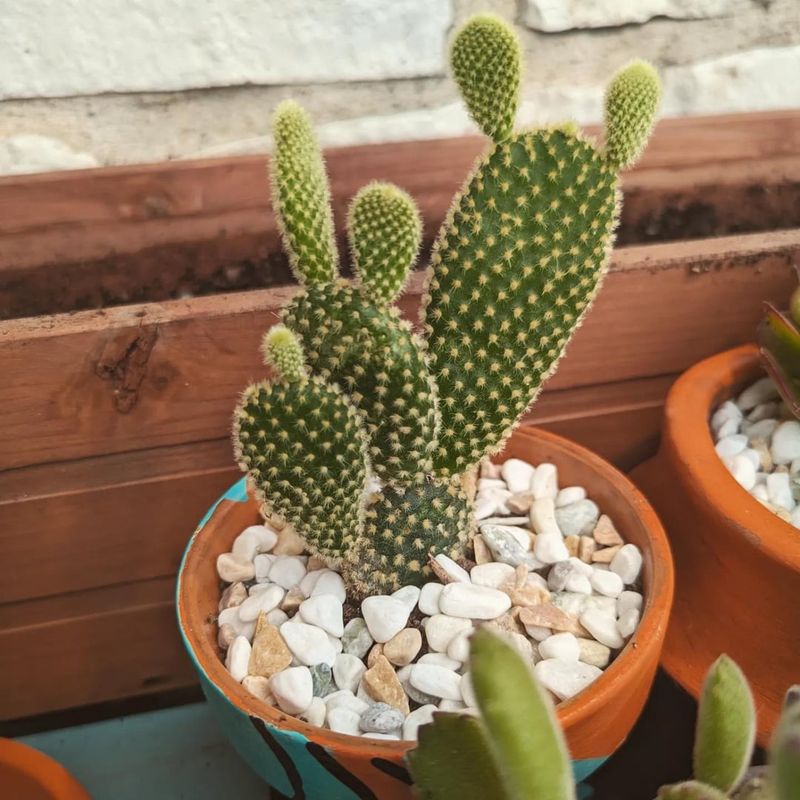
Sunlight is everything for a bunny ear cactus. Without enough of it, the plant just sits there looking fine but never putting out flowers.
California gardeners know this well, and most of them make sure their cactus gets at least six hours of direct sun every single day.
In places like Riverside or Fresno, the sun is strong and plentiful, making outdoor placement easy. A south-facing spot outdoors or a bright south-facing window indoors works beautifully.
The intense California sun is actually one of the main reasons gardeners here have such good luck getting their bunny ear cactus to bloom.
If your plant is not getting enough light, you will notice the pads start to look a little pale or stretched out. That is a sign it is reaching for more sun.
Move it closer to a window or outside during the warm months. Direct sun signals the plant that conditions are right for growth and eventual flowering.
Think of sunlight as the main fuel this cactus runs on. The more quality sun it gets, the stronger and more flower-ready it becomes over time.
2. Use Fast-Draining Cactus Soil
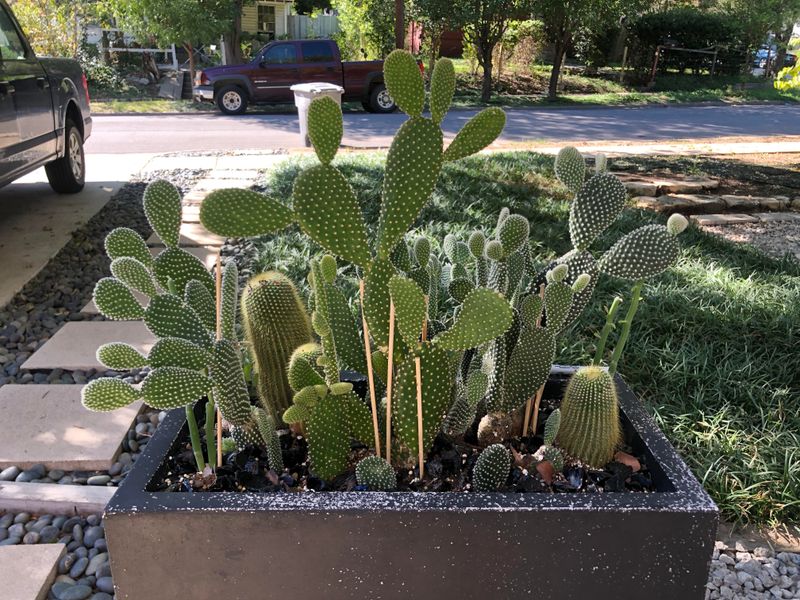
Soil might not seem exciting, but it is one of the most important factors in getting a bunny ear cactus to flower. Regular potting mix holds too much moisture, and that is a real problem for this desert plant.
Wet roots lead to root rot, and a stressed plant in the wrong way will never bloom.
California gardeners swear by a good cactus and succulent mix, often blending it with extra perlite or coarse sand to improve drainage even more. You want water to flow right through the pot and out the drainage hole within seconds.
If water pools on top of the soil for a while before soaking in, your mix is too dense.
Terracotta pots are a favorite choice among gardeners in places like Pasadena and Ventura because they are breathable and help wick away extra moisture. Make sure your pot always has a drainage hole at the bottom.
Your California Garden Changes Every Week. Your Plan Should Too.
Gardening in California changes quickly throughout the season. Every Friday you’ll receive a simple weekly plan showing exactly what to plant, prune, fertilize, harvest, and protect so you never miss the right timing.
Soggy soil is the fastest way to slow down your cactus and prevent flowering. When roots stay healthy and dry between waterings, the plant can focus its energy on producing buds instead of fighting off moisture damage.
3. Water Sparingly In Warm Months
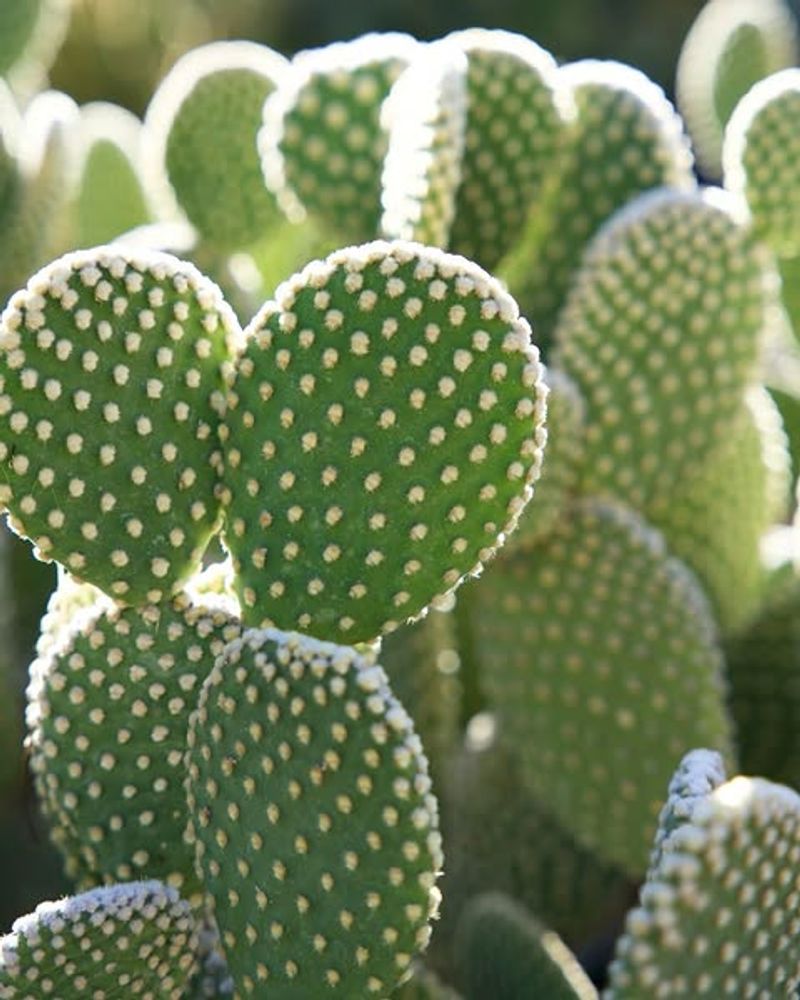
Even though California summers can be blazing hot, bunny ear cactus does not need much water. In fact, overwatering is one of the top reasons this plant never flowers.
During the warm growing season, from spring through early fall, watering about once every two to three weeks is usually plenty.
The trick is to let the soil dry out completely between waterings. Stick your finger about two inches into the soil.
If it still feels even slightly damp, wait a few more days. Gardeners in hot inland areas like Palm Springs and Bakersfield sometimes water a little more often due to extreme heat, but they always let the soil dry first.
When you do water, give the plant a good, deep drink so the water reaches the roots. Then let it drain fully and do not water again until the soil is bone dry.
This cycle of dry and wet closely mimics the desert rain patterns this cactus evolved with. Following this routine during warm months helps the plant stay strong and healthy.
A healthy, well-watered-but-not-overwatered cactus is far more likely to produce those cheerful yellow flowers you are hoping for.
4. Keep It Dry Through Winter
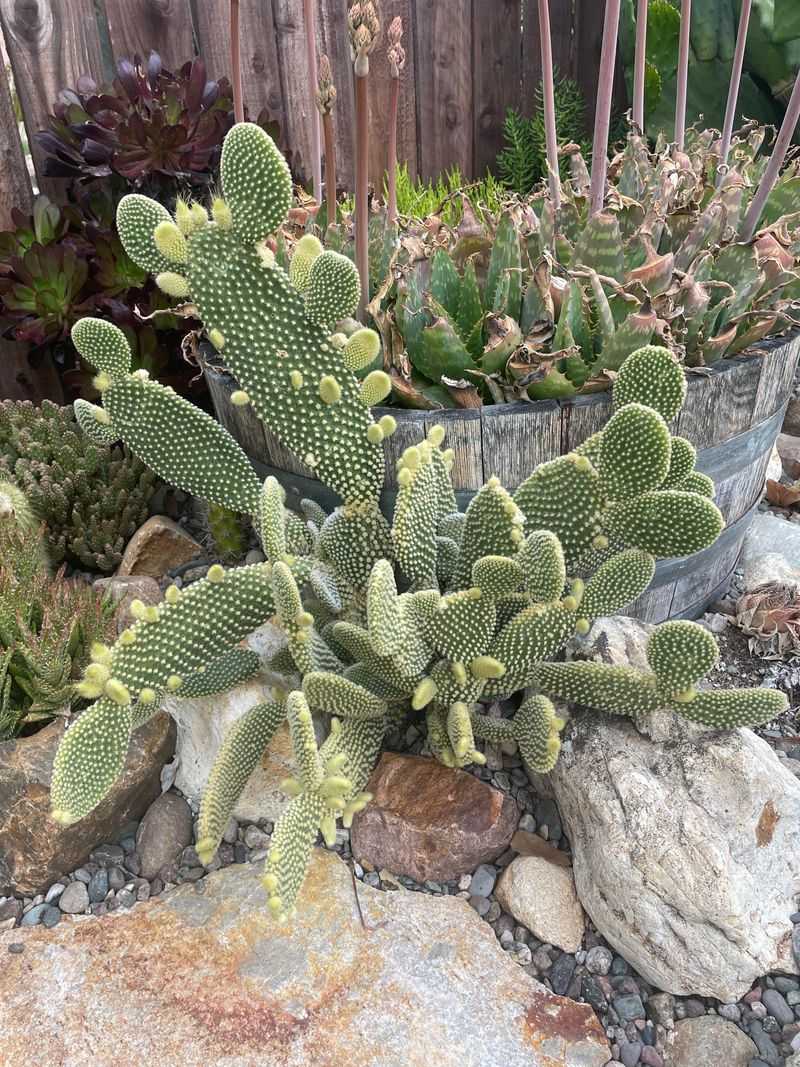
Winter is rest time for bunny ear cactus, and keeping it dry during these cooler months is one of the most powerful tricks California gardeners use to trigger spring blooming. When the plant goes through a dry, cool rest period, it builds up the energy it needs to push out flowers once warm weather returns.
From November through February, most experienced California gardeners barely water their bunny ear cactus at all. Maybe once a month, or even less if the plant is kept indoors where conditions are dry.
The goal is to mimic the dry desert winters this plant naturally experiences in its native Mexico.
Even in mild coastal areas like Santa Barbara or San Luis Obispo, cutting back on water during winter makes a big difference. The plant will not look like much is happening, and that is perfectly fine.
It is quietly preparing for its flowering season. Resist the urge to water just because the soil looks dry.
That dryness is doing important work. When spring arrives and you gradually start watering again, the cactus often responds with a burst of new growth and, with any luck, those gorgeous little yellow blooms everyone is waiting for.
5. Let Cool Nights Trigger Buds
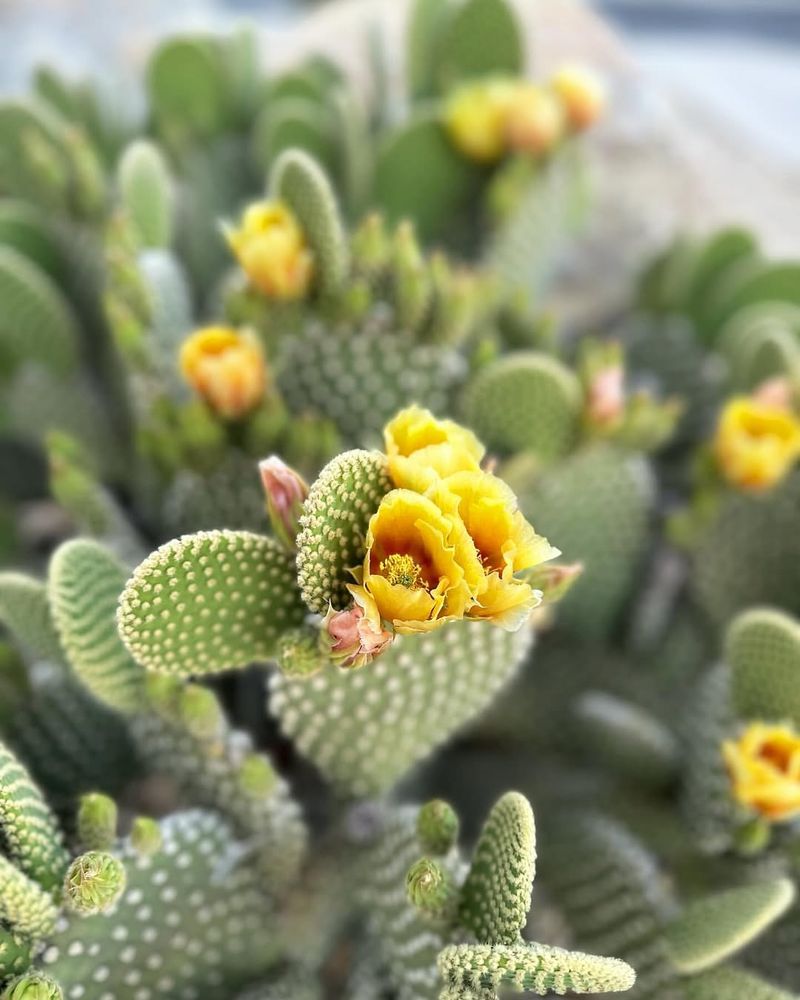
Here is something fascinating about bunny ear cactus: it actually needs cool nights to start forming flower buds. The temperature drop between day and night acts like a natural signal telling the plant it is time to bloom.
California is actually a great place for this because even in warm regions, nights can get noticeably cool, especially in fall and early spring.
Gardeners in the Bay Area and coastal Southern California have a natural advantage here. The marine layer keeps evenings cool even when afternoons are warm.
Inland gardeners in places like Temecula or Chico also see strong day-to-night temperature swings that work perfectly for triggering buds.
If your cactus lives indoors, try moving it outside in the evening during spring and fall when nights dip into the 50s Fahrenheit. Bring it back in during the day if needed.
That temperature contrast is what nudges the plant into bud-making mode. Even just a few weeks of cool nights can make a noticeable difference.
Many California gardeners report seeing tiny buds appear right after a stretch of cool spring nights, followed by warm sunny days. It is one of the most reliable ways to encourage flowering in this charming little cactus.
6. Avoid Overfeeding The Plant
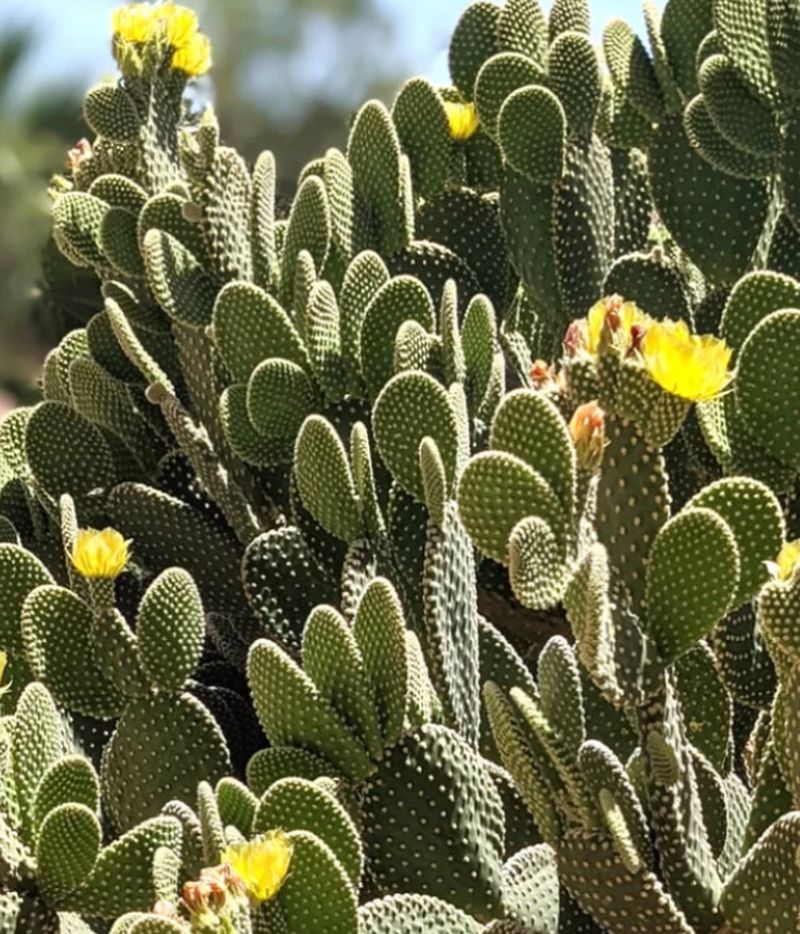
Fertilizer can be helpful, but too much of it is one of the sneaky reasons a bunny ear cactus never flowers. When a plant gets too much nitrogen, it puts all its energy into growing big, lush green pads instead of producing blooms.
Less fertilizer is almost always better with this plant.
California gardeners who get the best blooms typically fertilize just once or twice during the growing season, using a low-nitrogen cactus fertilizer diluted to half strength. Feeding once in early spring and once in midsummer is a simple routine that works well.
Skip fertilizing entirely during fall and winter when the plant is resting.
A light feeding gives the cactus just enough nutrients to stay healthy without pushing it into overdrive growth mode. Look for fertilizers with a low first number in the NPK ratio, which represents nitrogen.
Something like a 5-10-10 formula works well for encouraging blooms over leafy growth. Gardeners in areas like Escondido and Modesto have found that restraint with fertilizer, combined with the right sun and watering habits, leads to the most reliable flowering results.
Think of fertilizer as a small boost, not a regular meal.
7. Keep It Slightly Root-Bound
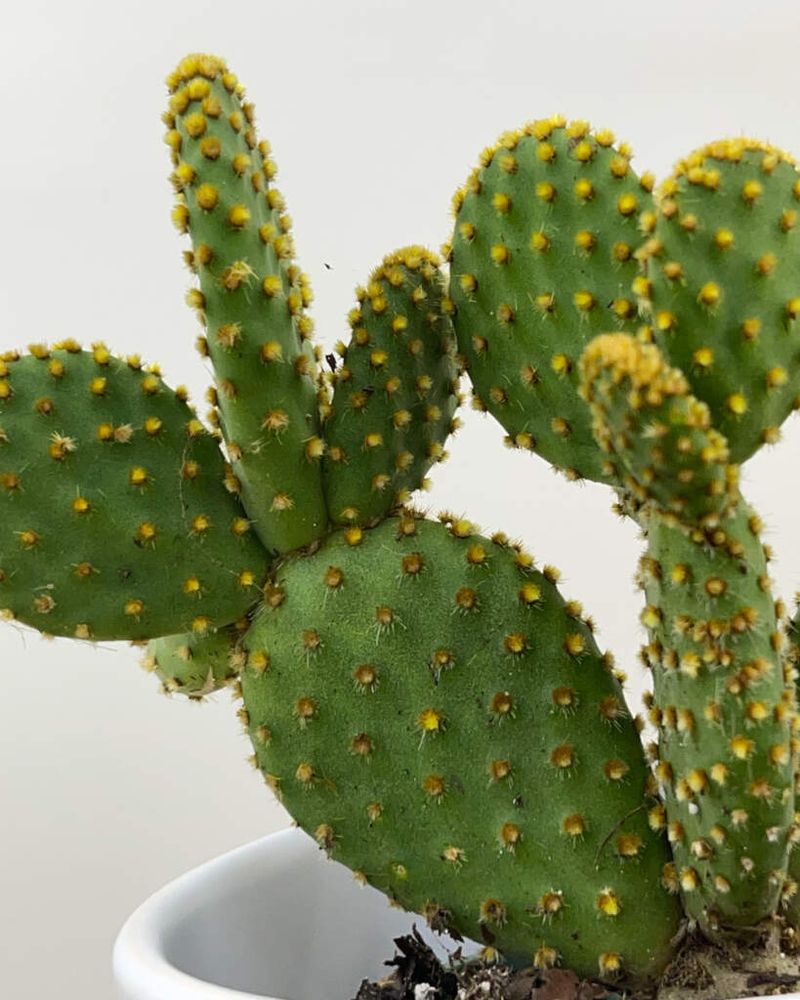
Most people think bigger pots are always better, but with bunny ear cactus, a snug pot is actually a good thing. When the roots have a little bit of stress from being slightly root-bound, the plant tends to focus on reproduction, which means flowering, rather than just growing bigger.
California gardeners have learned through experience that moving this cactus into a much larger pot too soon can delay or even prevent blooming. The plant gets comfortable with all that extra space and just keeps growing roots and pads without any urgency to flower.
A pot that is only about one inch larger than the root ball is usually the sweet spot.
You should only repot when roots are clearly coming out of the drainage holes or the plant looks like it is truly bursting out of its container. When you do repot, choose only a slightly larger size and use fresh fast-draining cactus soil.
Gardeners across California, from San Jose to Long Beach, have noticed their bunny ear cactus bloomed more reliably when kept in smaller pots. A little bit of root restriction goes a long way toward triggering that flowering instinct in this resilient little desert plant.
8. Be Patient With Mature Pads
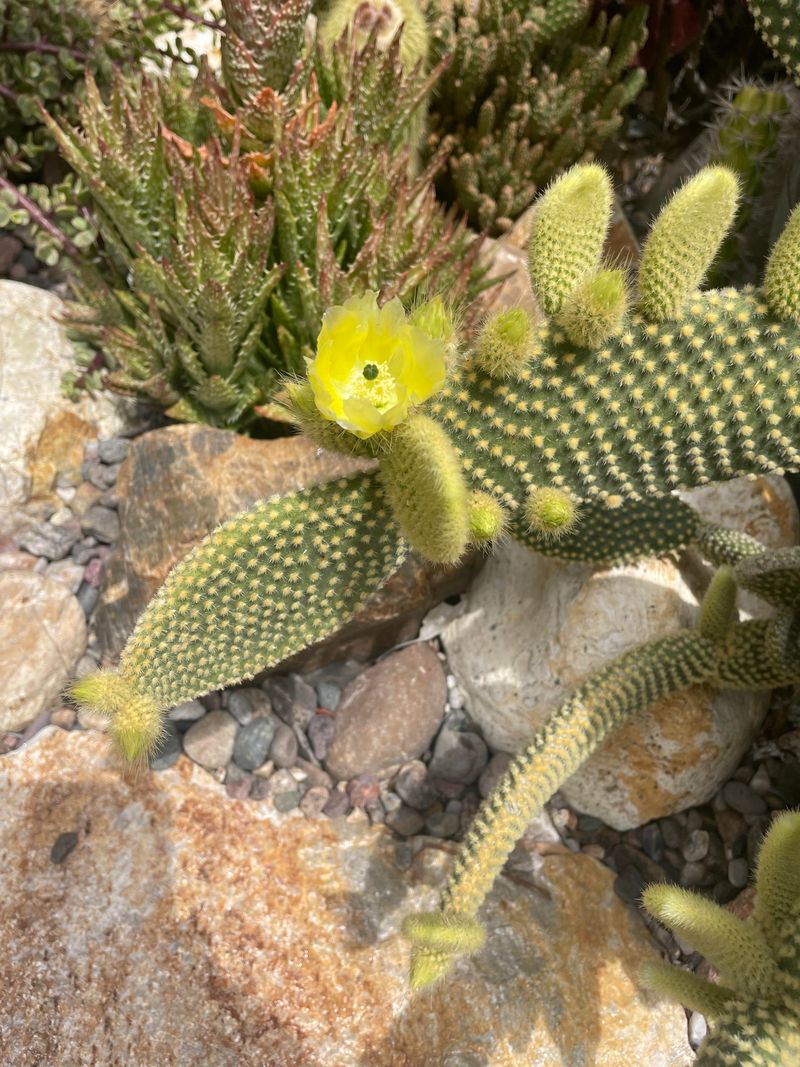
Patience is probably the most underrated tip when it comes to getting bunny ear cactus to flower. Young plants with just a few small pads are simply not ready to bloom yet.
Flowers almost always appear on older, more mature pads, not on brand-new growth.
Most California gardeners say their bunny ear cactus started flowering after it had been growing for at least three to five years and had developed several sets of large, established pads. The older pads are where the plant stores the energy needed to push out buds.
New growth is cute, but it is the mature sections that do the blooming.
So if your plant is still young and you have been doing everything right but still see no flowers, do not worry. Keep up the good care routine and give it time.
Gardeners in places like Oakland and San Diego often share that their most spectacular blooms came from plants they had been tending for several years. The wait is absolutely worth it.
When those bright yellow flowers finally open up on your mature bunny ear cactus, it feels like a real reward for all the consistent care and patience you put in over the seasons.