These 8 Plants Are Easier To Grow In Pots In Florida
Florida gardening can humble anyone fast. One day plants look perfect, the next they’re scorched, soaked, or struggling for no clear reason.
The problem isn’t your skill. It’s the ground.
Sandy soil drains too quickly, summer rain floods roots, and intense heat pushes plants past their limits. Now flip the script.
A simple pot gives you control over everything that usually goes wrong. Better soil, steady moisture, the right amount of sun, and the freedom to move plants out of trouble before damage sets in.
That control changes everything. And some plants don’t just survive in containers in Florida.
They look better, grow stronger, and stay far easier to manage. A few smart choices can turn a frustrating garden into something that actually works, without constant guesswork or effort.
1. Orchids Grow Stronger With Airflow And Pot Control
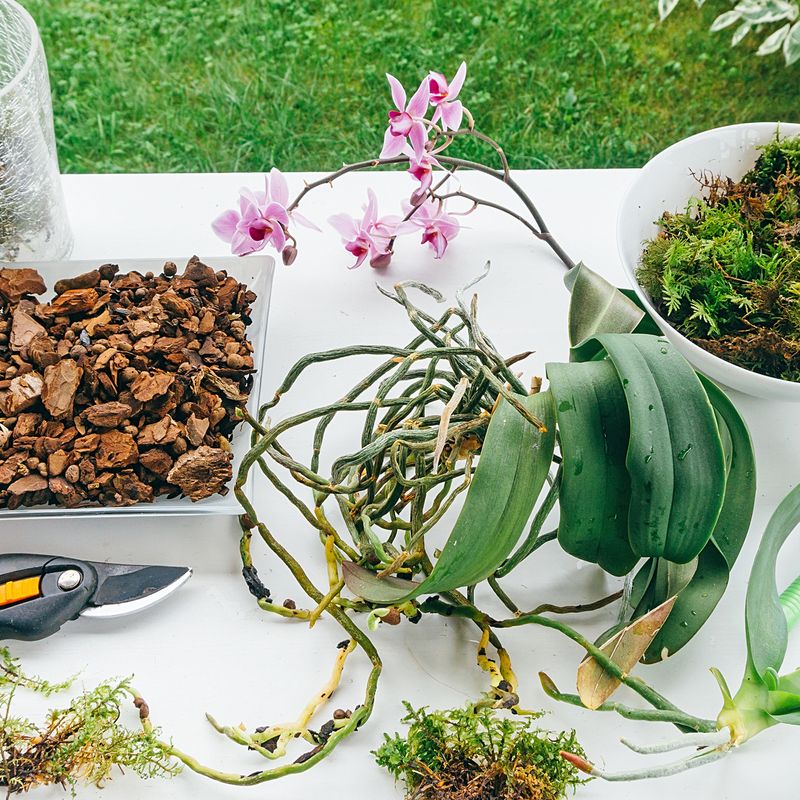
Orchids are famous for being finicky, but growing them in pots in Florida actually makes them much easier to manage. Their roots need excellent airflow and specific moisture levels that Florida’s dense, wet soil simply cannot provide consistently.
When you keep orchids in specialized containers with bark medium, you create the perfect environment that mimics their natural tree-dwelling habitat.
Florida’s humidity is ideal for orchids, but the soil drainage is not. Ground planting often leads to waterlogged roots, which these tropical beauties cannot tolerate.
Pots allow you to use the chunky bark mix that orchids need, letting air circulate around the roots between waterings. You can also move potted orchids to shadier spots during the brutal summer months or bring them closer to shelter during heavy rain periods.
Different orchid varieties have different light requirements, and containers give you the flexibility to adjust placement throughout the year. Phalaenopsis orchids prefer bright indirect light, while cattleyas can handle more sun exposure.
With pots, you can experiment with locations around your Florida home until you find the sweet spot. The elevated position in containers also protects orchids from ground-dwelling pests and reduces disease risk from soil pathogens.
Temperature control becomes easier too, since you can relocate potted orchids during unexpected cold snaps that occasionally hit Florida.
The investment in proper orchid pots with good drainage holes pays off with spectacular blooms that last for months, making your Florida home feel like a tropical paradise.
2. Ferns Are Easier To Manage In Shaded Containers
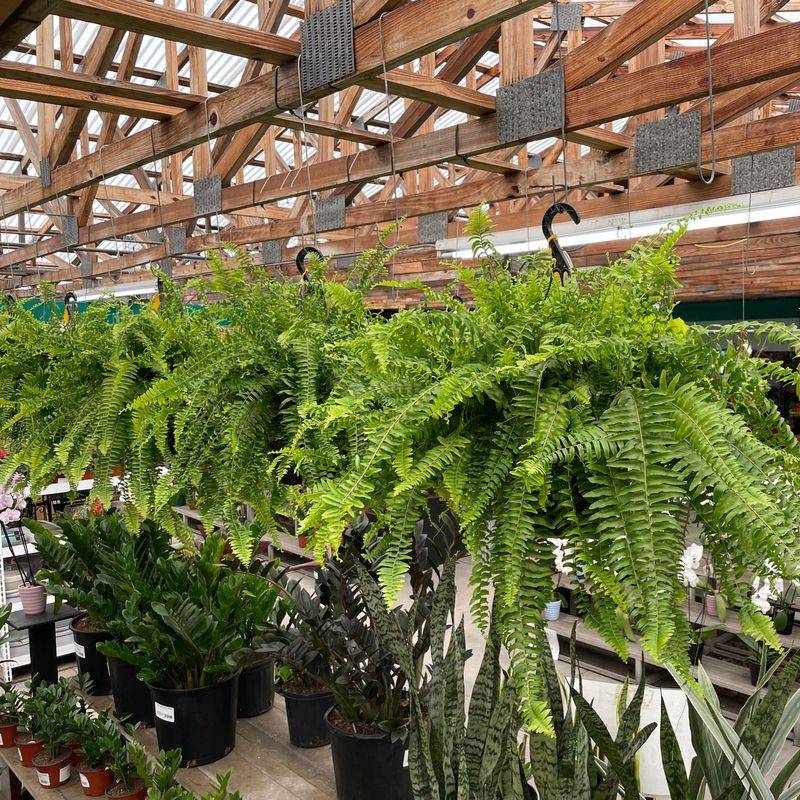
Boston ferns and other popular varieties are often easier to grow in containers in Florida, where soil and sun conditions are harder to control. Containers offer the control these shade lovers desperately need to maintain their lush, green fronds year-round.
When ferns sit in pots, you can position them exactly where they receive filtered light without the harsh afternoon sun that can scorch their delicate leaves.
Florida’s rainfall patterns create another challenge for ground-planted ferns. During dry spells, sandy soil drains too quickly, leaving fern roots parched.
During rainy season, the same ferns can sit in waterlogged conditions. Potted ferns allow you to use a moisture-retaining potting mix that holds water better than sandy Florida soil while still providing adequate drainage.
Your Florida Garden Changes Every Week. Your Plan Should Too.
Gardening in Florida changes quickly throughout the season. Every Friday you’ll receive a simple weekly plan showing exactly what to plant, prune, fertilize, harvest, and protect so you never miss the right timing.
You can check soil moisture easily and water according to the plant’s actual needs rather than hoping Mother Nature cooperates.
Hanging baskets work especially well for ferns in Florida, keeping them elevated where air circulation is better and pests are less problematic. The elevation also showcases their cascading fronds beautifully on porches and patios.
Container growing prevents ferns from competing with aggressive Florida ground covers and weeds that might otherwise crowd them out or steal their nutrients.
Fertilizing becomes more effective in containers since nutrients stay concentrated around the fern’s root zone instead of leaching away into surrounding soil.
You can also easily refresh the potting mix annually, giving your ferns a nutrient boost without the backbreaking work of amending ground soil across large areas.
3. Dwarf Citrus Trees Are Easier To Protect In Large Pots
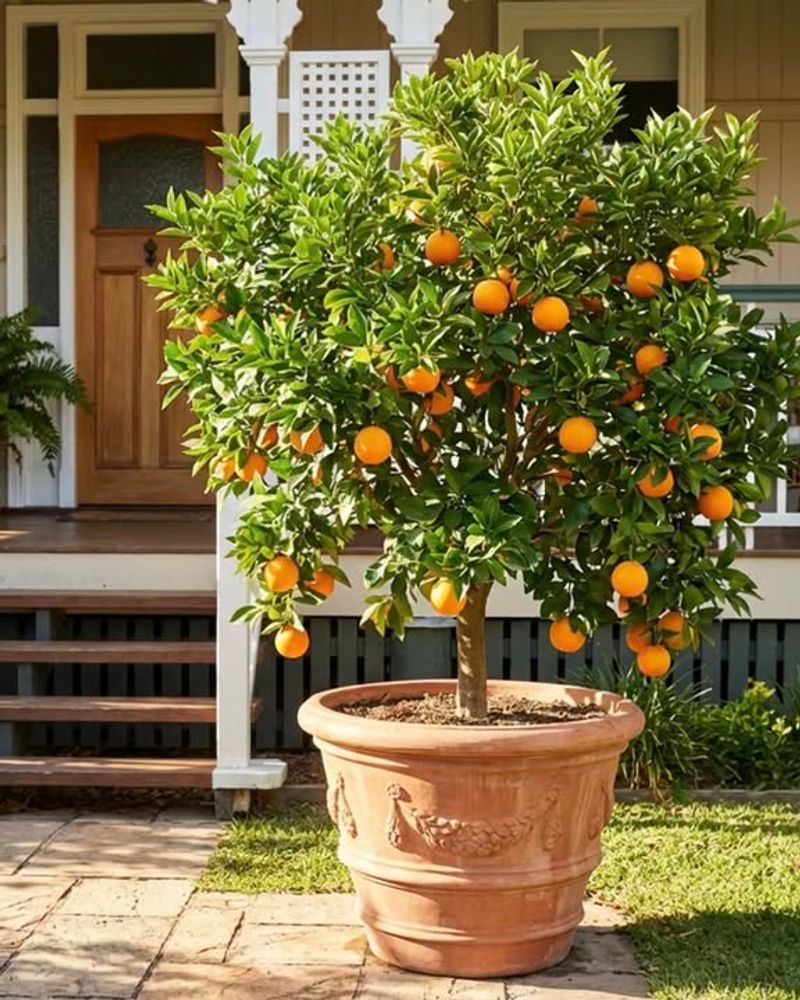
Citrus trees might seem like natural ground plants for Florida, but dwarf varieties can be easier to manage in large containers, especially for patios, small yards, and cold protection.
The ability to control soil pH makes the biggest difference, since Florida’s naturally alkaline soil can lock up nutrients that citrus trees need.
Potted citrus lets you use acidic potting mix specially formulated for their requirements, helping support healthy foliage and fruiting.
Dwarf Meyer lemons, key limes, and calamondin oranges all thrive in containers that are at least 15 gallons in size. These pots provide enough root space while keeping the trees at a manageable height for harvesting and maintenance.
Container growing also protects citrus from soil-borne diseases that plague Florida’s citrus industry, including root rot and various fungal infections that spread through ground soil.
Winter protection becomes incredibly simple when your citrus lives in a pot. During the occasional freeze warnings that hit Florida, you can wheel your tree into a garage or cover it more effectively than you could protect a ground-planted tree.
This mobility can protect citrus trees from cold damage during rare Florida freezes. The controlled environment also means you can monitor for pests like aphids and scale more easily, catching problems before they become severe.
Watering precision matters tremendously for citrus fruit quality. Containers let you avoid the feast-or-famine watering that ground-planted trees experience during Florida’s distinct wet and dry seasons.
Consistent moisture can improve fruit quality, helping reduce issues like splitting or premature drop.
4. Succulents Avoid Rot When Kept In Containers
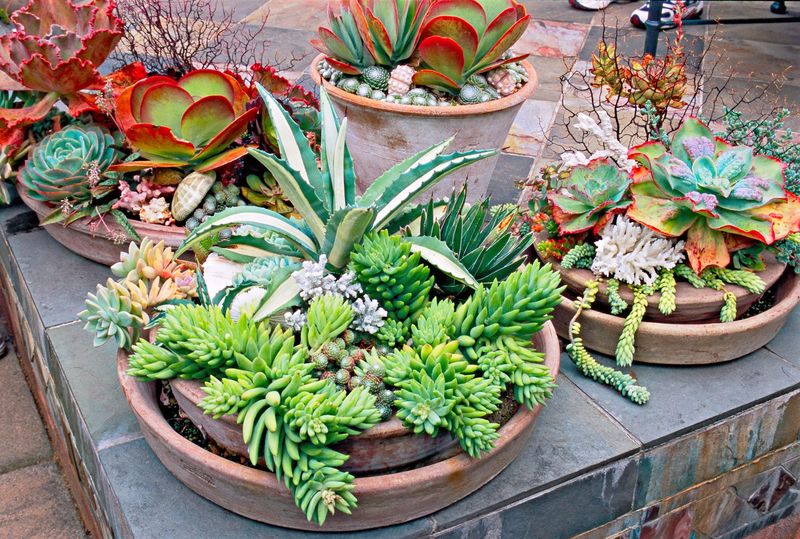
Succulents seem like they should thrive in Florida, but the high humidity and summer rainfall actually create moisture problems for these desert plants in ground beds.
Containers provide the fast-draining environment succulents absolutely must have to survive Florida’s climate.
When planted directly in the ground, even amended soil retains too much moisture during the rainy season, causing root rot that can destroy an entire succulent collection within weeks.
Terracotta pots work especially well for succulents in Florida because the porous clay wicks away excess moisture and allows the soil to dry between waterings.
You can also use specialized cactus and succulent potting mix that contains extra perlite or sand, creating drainage that Florida’s natural soil cannot match.
This becomes critical during summer when afternoon thunderstorms drench everything daily for months.
Container growing lets you bring succulents under cover during extended rainy periods, preventing the constant wetness that leads to fungal infections and mushy leaves.
The elevated position in pots also improves air circulation around the plants, helping them dry faster after rain or morning dew.
Many Florida gardeners keep their succulents on covered porches or under eaves where they receive plenty of light but stay protected from direct rainfall.
The portability of potted succulents also allows you to move them to sunnier or shadier spots as seasons change and the sun’s angle shifts throughout the year.
During the hottest months, even sun-loving succulents appreciate some afternoon shade that prevents scorching.
Containers make this adjustment simple and quick.
5. Herbs Thrive With Better Drainage In Pots
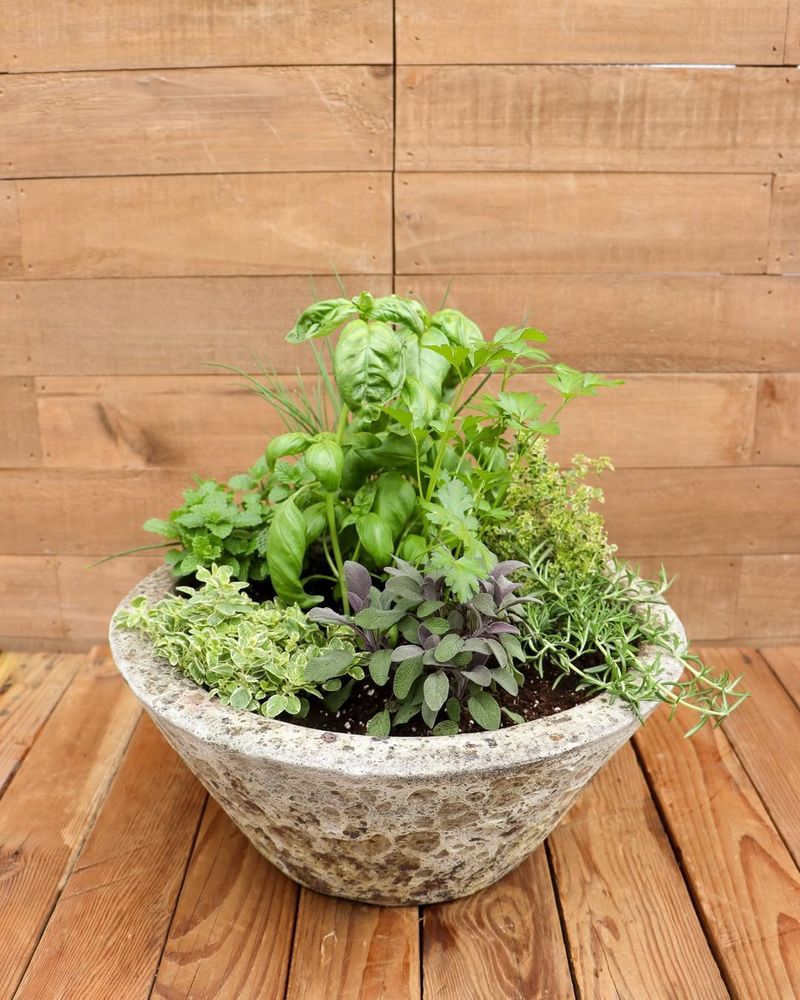
Fresh herbs transform any kitchen, but Florida’s ground conditions often disappoint herb gardeners who expect the abundant harvests they see in magazines. Mediterranean herbs like rosemary, oregano, and thyme particularly struggle in Florida’s humid, wet soil.
Containers solve this problem by providing the excellent drainage and drier conditions these herbs need to develop their full flavor and aromatic oils.
Basil grows beautifully in Florida pots, especially when you can control watering, sun exposure, and harvesting. The controlled watering that containers allow prevents the stress that makes basil bolt prematurely in unpredictable Florida weather.
You can position potted herbs right outside your kitchen door for convenient snipping, and the proximity to the house often means better pest monitoring too.
Potting mix designed for vegetables and herbs provides more consistent nutrition than Florida’s sandy soil, which often needs constant amendment.
Containers concentrate your fertilizing efforts, and you can tailor the nutrients to what each herb needs rather than trying to balance the needs of multiple plants in a shared ground bed.
Cilantro, parsley, and dill all benefit from the cooler root zone that containers provide compared to Florida’s sun-baked ground soil.
The mobility of potted herbs means you can chase the light as seasons change, giving sun-lovers more exposure in winter and providing shade during brutal summer afternoons. This flexibility extends your growing season and improves harvest quality.
Containers also prevent aggressive herbs like mint from taking over your entire garden, keeping them contained while still productive.
6. Caladiums Are Easy To Showcase In Containers
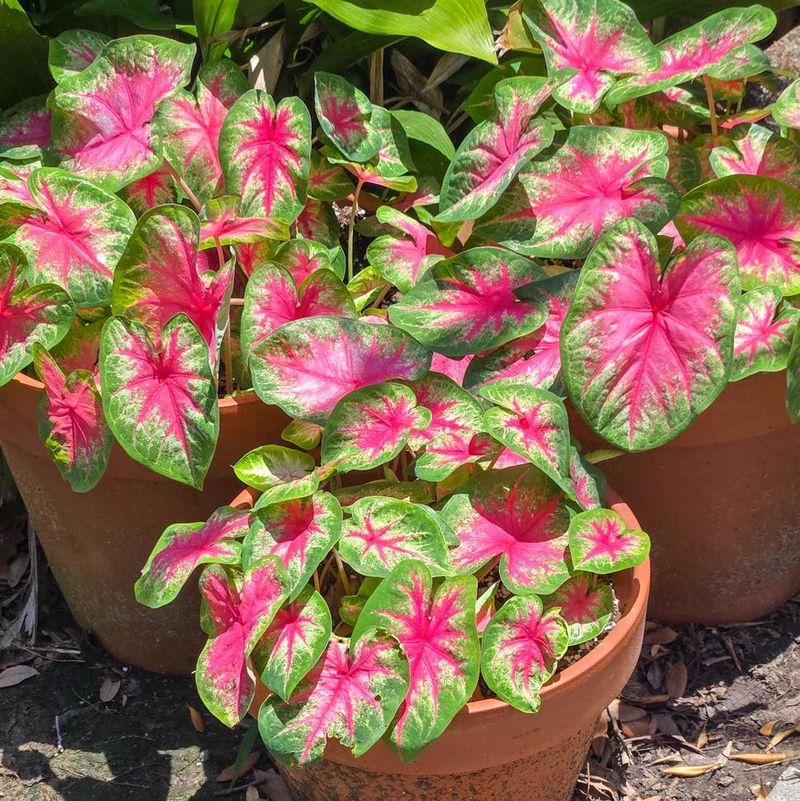
Caladiums are Florida favorites for their stunning foliage, but growing them in pots offers advantages for patios, porches, and gardeners who want more control.
These tropical beauties need specific moisture levels and protection from intense sun, both of which become easier to manage in containers.
Potted caladiums also allow you to showcase their colorful leaves at eye level on porches and patios where they make the biggest visual impact.
Florida’s variable spring weather can rot caladium bulbs planted too early in cold, wet ground. Containers let you start bulbs indoors or in a protected area, then move them outside once temperatures stabilize consistently above 70 degrees.
This controlled start can help plants get off to a stronger start. You can also extend the growing season by bringing potted caladiums indoors before the first fall temperature drop.
The shade requirements for caladiums vary by variety, with some tolerating more sun than others. Containers give you the flexibility to test different locations and move plants if they show signs of leaf burn or fading colors.
This trial-and-error process is much easier with containers than with ground-planted bulbs. The portability also protects caladiums during severe weather, letting you move them away from driving rain or hail that could shred their delicate leaves.
Potting mix provides better drainage than Florida ground soil while retaining enough moisture to keep caladiums happy. The controlled environment also makes it easier to let the soil dry out gradually in fall when you want the bulbs to go dormant naturally.
You can then store the entire pot in a dry location for winter rather than digging and storing individual bulbs.
7. Begonias Benefit From Controlled Moisture In Pots
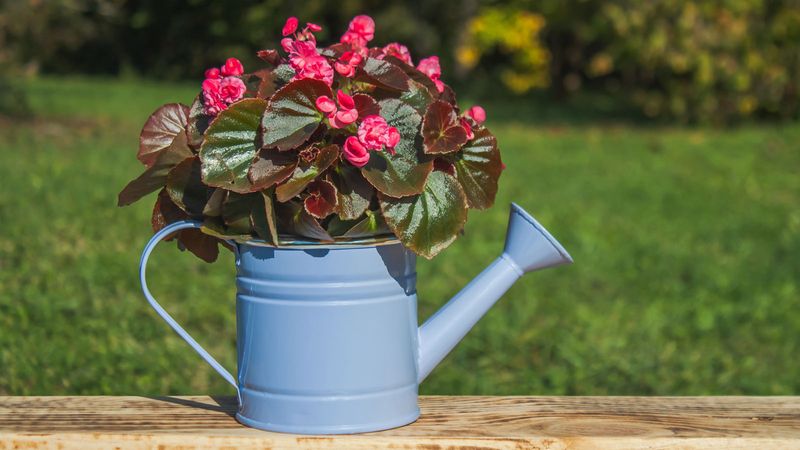
Begonias offer incredible variety in leaf patterns and flower colors, but they demand moisture consistency that Florida’s ground conditions rarely provide. Container growing gives you precise control over watering, which can make the difference between struggling plants and lush, blooming ones.
Both rex begonias grown for foliage and flowering types often perform well when their roots stay evenly moist without becoming waterlogged.
Florida’s summer afternoon thunderstorms create a challenging cycle of drenching rain followed by rapid drying in sandy soil. This constant fluctuation stresses begonias and often leads to leaf drop and reduced flowering.
Potted begonias in quality potting mix maintain more consistent moisture levels between waterings, keeping plants healthy and productive. The ability to move containers under cover during heavy downpours prevents the soil saturation that begonias cannot tolerate.
Angel wing begonias and other upright varieties benefit from the improved drainage that containers provide, developing stronger stems and more abundant flower clusters.
The contained root system also encourages bushier growth rather than the leggy appearance that ground-planted begonias often develop in Florida.
You can pinch and shape potted begonias more easily, creating fuller specimens that look professionally grown.
Temperature moderation happens naturally in containers that you can move to cooler spots during the hottest part of Florida summers. Begonias appreciate morning sun but struggle with intense afternoon heat.
Portable pots let you provide ideal conditions throughout the day. The elevation also improves air circulation around the leaves, reducing the fungal problems that plague begonias in humid Florida ground beds where air movement is limited.
8. Impatiens Can Stay Fuller In Containers
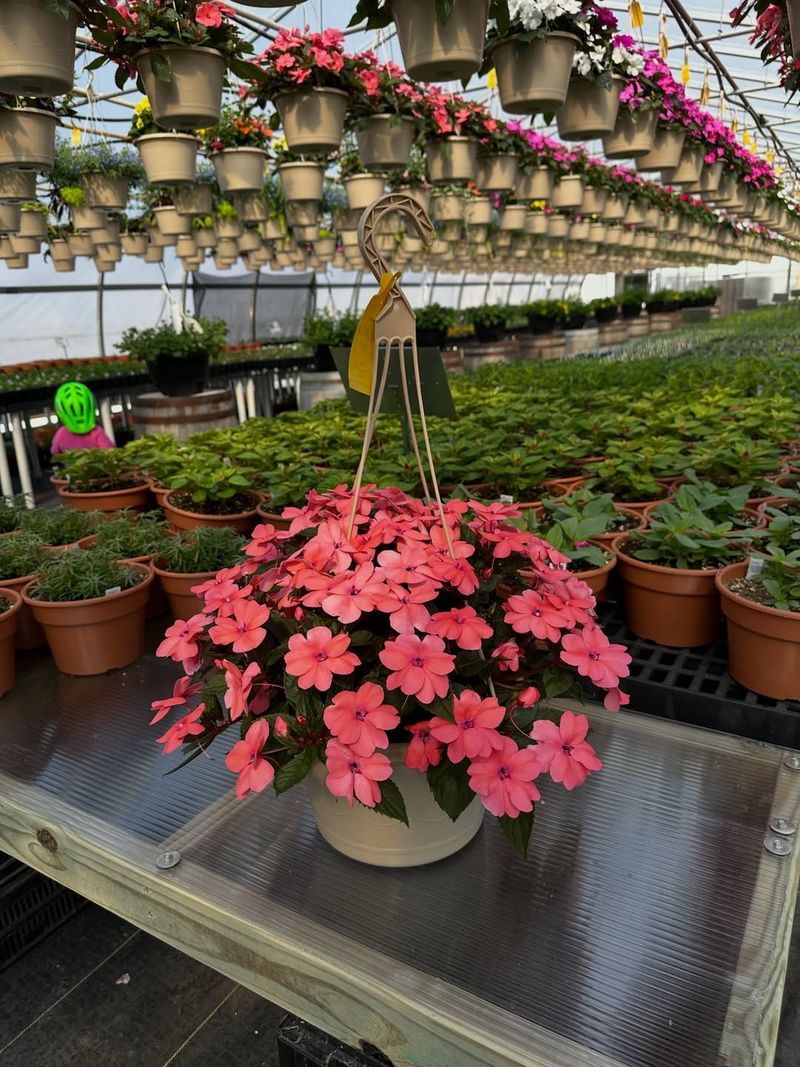
Impatiens have been Florida shade garden staples for decades, but recent disease pressures have made ground planting risky in many areas. Containers with fresh potting mix can help reduce some soil-related disease issues that have devastated ground-planted impatiens across the state.
When you grow impatiens in pots with fresh, sterile potting mix, you eliminate the primary source of infection that lurks in Florida’s soil.
The newer SunPatiens varieties tolerate sun and Florida heat better than traditional impatiens. Containers make it simple to position these colorful bloomers exactly where they receive the amount of sun recommended for the variety you choose.
The mobility also allows you to experiment with different locations around your Florida property until you find the spot where flowers are most abundant and colors stay brightest.
Consistent watering makes impatiens bloom continuously, and containers help you maintain the even moisture these plants crave.
Florida’s unpredictable rainfall means ground-planted impatiens often experience drought stress between storms, causing flowers to drop and growth to slow.
Potted impatiens let you water on a schedule that keeps soil consistently moist, resulting in plants that stay full and covered with blooms from spring through fall.
Fertilizing becomes more effective in containers since nutrients stay concentrated where impatiens roots can access them. Ground-planted flowers compete with grass roots and weeds, plus Florida’s heavy rains leach nutrients away quickly.
Container growing eliminates this competition and waste, meaning your fertilizer investment actually reaches the plants. The result is darker green foliage, stronger stems, and significantly more flowers throughout the growing season in your Florida landscape.