Fast Growing Fruit Trees Florida Gardeners Should Plant Before April Ends
Florida gardeners know how fast spring can move. One week the yard feels full of promise, and the next the heat is already settling in.
That is why timing matters so much with fruit trees, especially the fast growers that need a strong start before late spring turns more demanding.
For plenty of homeowners, this is the season when the backyard starts pulling double duty. It is where you sip coffee, check on flower beds, and picture fresh fruit within reach instead of another trip to the store.
Planting the right tree now can turn that vision into something far more real.
Some fruit trees settle in quickly and reward patience sooner than others, but Florida’s climate also makes plant choice a bigger deal than many people expect. The trees coming up next are the ones that can get moving fast, and a few may surprise you for good.
1. Mulberry Brings Fast Shade And Sweet Rewards
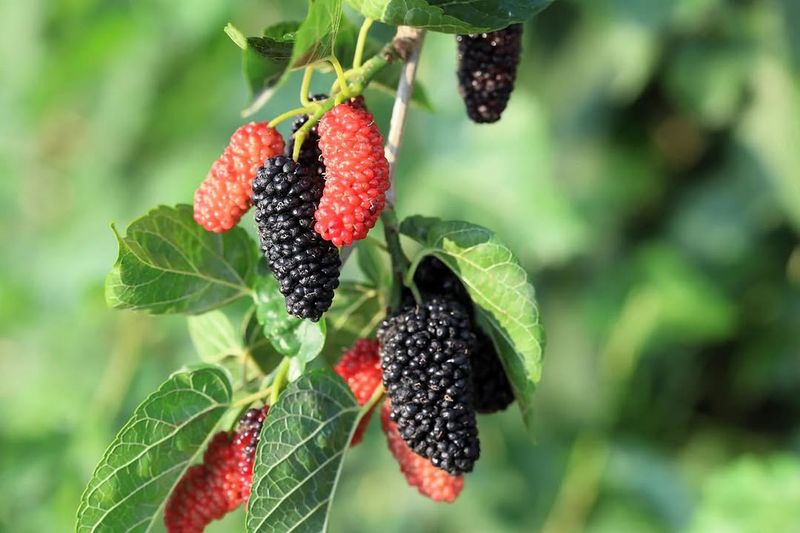
Few fruit trees offer as much reward with as little fuss as the mulberry. In Florida, mulberry trees are known for their impressive speed, often shooting up several feet in a single growing season.
Gardeners across the state, from Gainesville to Tampa, love this tree because it asks for very little but gives back a whole lot.
Mulberry trees are not picky about soil. They grow well in sandy, loamy, and even clay-heavy ground, which makes them a natural fit for Florida’s varied landscape.
Once established, they are also surprisingly drought-tolerant, meaning you won’t need to water them constantly during dry spells. A young mulberry tree planted before the end of April will have all season to anchor its roots deep into the earth.
The berries themselves are a sweet bonus. Ranging from deep red to almost black when fully ripe, mulberries have a flavor similar to blackberries but with a hint of something wilder and more tropical.
They are excellent fresh off the branch, baked into pies, or blended into smoothies. Birds and wildlife love them too, so if you enjoy a lively backyard, a mulberry tree will bring plenty of feathered visitors.
For Florida gardeners, the Florida Everbearing variety is a popular choice because it produces fruit over a longer season than most. Plant your tree in a sunny spot with at least six to eight hours of direct sunlight each day.
Water regularly for the first few months, and then let the tree do its thing. With minimal care, your mulberry could be producing sweet, juicy berries within the first or second year after planting.
2. Loquat Starts Strong With Early Backyard Charm
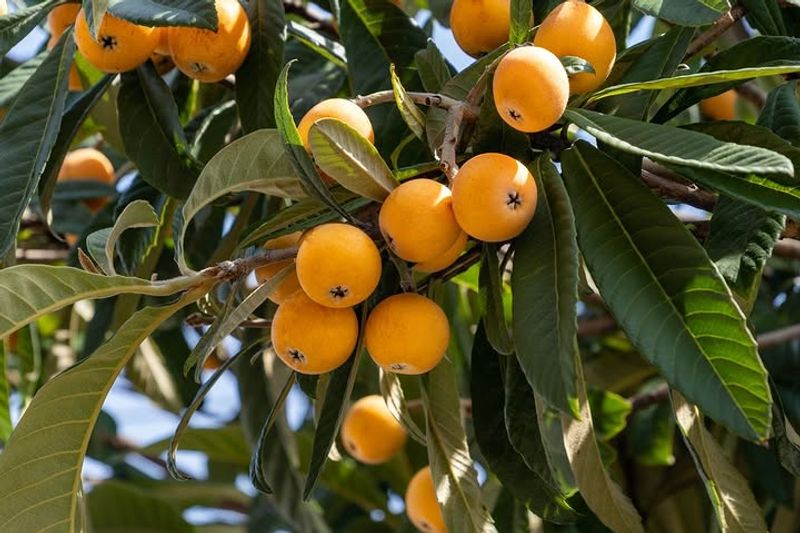
Walk through almost any older Florida neighborhood and you will likely spot a loquat tree hanging heavy with golden fruit in late winter or early spring. This evergreen beauty is one of the most reliable and fast-growing fruit trees you can plant in the Sunshine State.
Loquats grow two to three feet per year under good conditions and can start producing fruit within just two to three years of planting.
Your Florida Garden Changes Every Week. Your Plan Should Too.
Gardening in Florida changes quickly throughout the season. Every Friday you’ll receive a simple weekly plan showing exactly what to plant, prune, fertilize, harvest, and protect so you never miss the right timing.
What makes loquats especially appealing is their flavor. Each small, round fruit tastes like a cross between a peach, an apricot, and a mango, with a juicy sweetness that is hard to describe until you try one.
The fruit ripens during the cooler months, which means you get fresh produce at a time when most other fruit trees are resting. That off-season harvest makes the loquat a truly valuable addition to any Florida garden.
Loquats handle Florida’s climate exceptionally well. They tolerate both the heat of South Florida and the occasional cold snap in the northern parts of the state.
They prefer well-drained soil and a sunny location, but they are forgiving trees that adapt to different growing conditions without too much drama. Planting before April ends gives your loquat the warm months it needs to establish a strong root system before cooler weather rolls in.
Pruning is simple and mainly done to keep the tree at a manageable height, since loquats can reach 25 feet if left unchecked. Most home gardeners keep them trimmed to around eight to ten feet for easy harvesting.
Fertilize two to three times a year with a balanced fruit tree fertilizer, and you will have a productive, beautiful tree for many years to come.
3. Papaya Grows Fast And Feels Almost Tropical Overnight
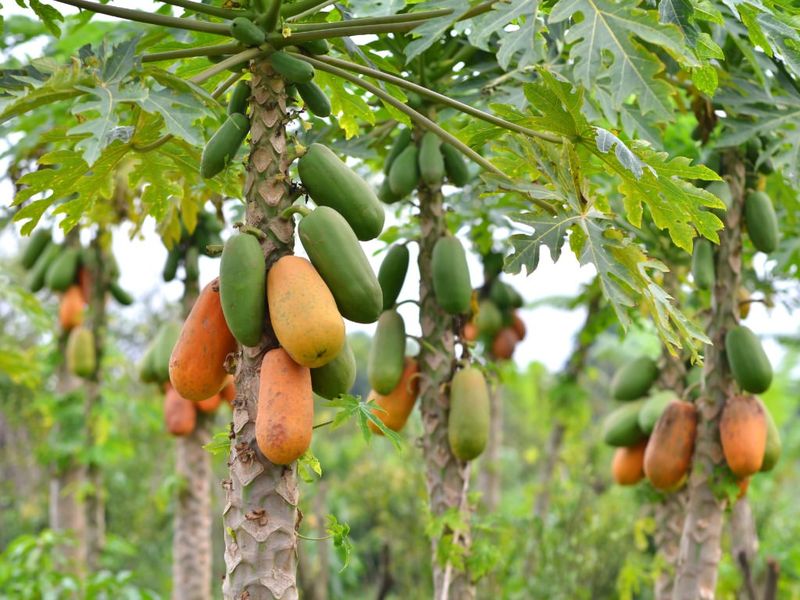
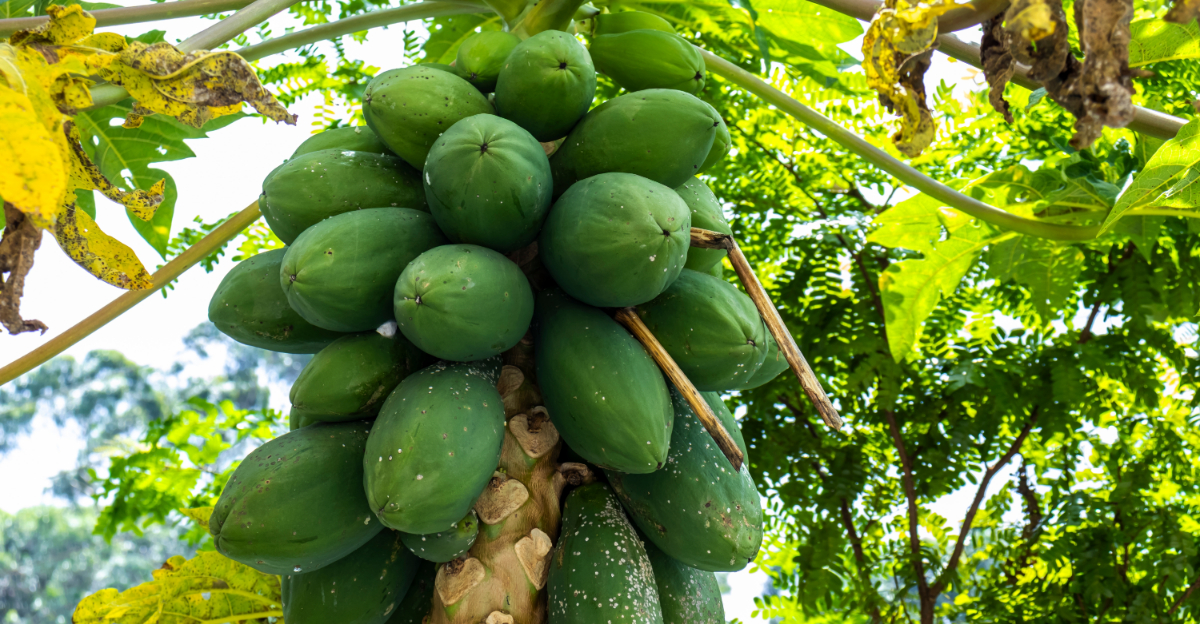
Speed is the papaya’s superpower. Few fruiting plants in Florida grow and produce as quickly as papaya.Plant a healthy seedling today and you could be eating homegrown papaya in as little as six to twelve months.
That kind of turnaround is almost unheard of in the fruit tree world, and it is one of the main reasons Florida gardeners love this tropical powerhouse.
Papayas can reach ten feet or taller in their very first year of growth. The large, tropical leaves give any yard an exotic, lush feel, and the fruit hangs directly from the trunk in a way that looks almost magical.
Varieties like Red Lady and Tainung-1 are especially well-suited to Florida’s warm, humid climate and tend to produce large, sweet fruit with vibrant orange flesh.
Growing papayas in Florida is straightforward, but there are a few things to keep in mind. They need full sun, meaning at least six hours of direct sunlight each day.
They also need well-drained soil because their roots do not handle standing water well. Raised beds or slightly elevated planting spots work great in areas where the soil tends to stay wet after heavy rain.
Papayas are not cold-hardy, so gardeners in North Florida should plant them in a sheltered spot away from frost. In Central and South Florida, they practically grow themselves with regular watering and a monthly feeding of balanced fertilizer.
Since these trees are relatively short-lived, many Florida gardeners plant new ones every couple of years to keep a steady supply of fresh fruit coming. Planting before April ends gives your papaya the long, warm growing season it craves.
4. Star Fruit Turns Heads With Glossy Leaves And Crisp Fruit
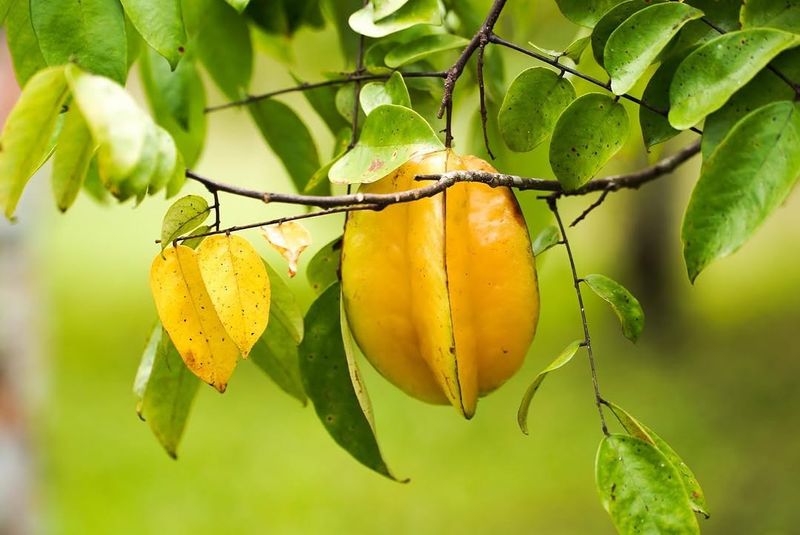
Slice a star fruit crosswise and you get a perfect five-pointed star, which is exactly how this tree got its name. Beyond looking impressive on a fruit platter, star fruit is a fast-growing, highly productive tree that fits beautifully into Florida’s warm, humid climate.
Nursery-grown trees can start fruiting in as little as one to two years, and mature trees produce fruit twice a year, giving you a generous and reliable harvest.
Star fruit trees, also called carambola, grow quickly and can reach eight to twelve feet within a few years. They prefer full sun and well-drained soil, and they thrive in the heat that Florida summers bring.
The fruit itself ranges from mildly sweet to tangy depending on the variety, and it is packed with vitamin C and antioxidants. Popular varieties for Florida include Arkin and Kari, both of which produce sweet, juicy fruit with excellent flavor.
One of the best things about growing star fruit in Florida is how low-maintenance the tree tends to be once established. It handles humidity well and is relatively resistant to most common pests.
Regular watering during dry spells and a few applications of fertilizer each year are usually all it takes to keep the tree healthy and productive. Planting before the end of April means your tree will have a full summer to grow and settle in.
Star fruit trees also look stunning in a yard. Their spreading canopy, delicate pink flowers, and dangling yellow fruit make them a true showpiece.
Whether you grow them along a fence line or as a standalone specimen in the center of your garden, they add a tropical flair that is hard to match. Florida gardeners from Miami to Jacksonville have fallen in love with this unique and rewarding tree.
5. Avocado Makes A Bold Long Term Backyard Investment
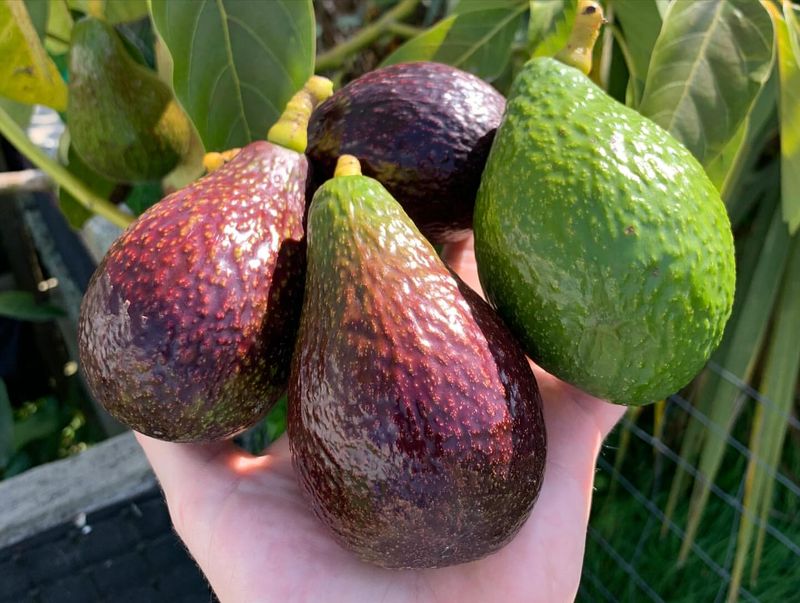
Avocado toast lovers, listen up. Florida is one of the places in the continental United States where avocado trees grow and fruit successfully, and planting one before April ends can help it establish before summer.
Grafted varieties can begin producing fruit in as little as two to three years, which is remarkably fast for a tree that can eventually grow 30 feet tall.
Florida-type avocados are different from the Hass variety you usually see in grocery stores. They tend to be larger, with smoother green skin and a slightly less fatty but still creamy flesh.
Popular varieties for Florida gardens include Brogdon, Tonnage, and Simmonds, all of which handle the state’s heat and humidity with ease. These trees prefer full sun and well-drained soil, and they do best when planted in a spot that is protected from strong winds.
Watering young avocado trees consistently during the first year is key to helping them establish a strong root system. Once the tree is well-rooted, it becomes much more self-sufficient and can handle short dry periods without much trouble.
Fertilize three to four times a year with a balanced citrus and avocado fertilizer to encourage steady growth and fruit production.
Avocado trees are also a great investment for Florida homeowners because they provide generous shade along with fruit. The thick, glossy canopy can cool down a yard noticeably during the hot summer months.
Planting in the spring gives the tree an entire warm season to grow before it faces its first cooler period. With the right care and a bit of patience, a Florida avocado tree will reward you with pounds of delicious fruit year after year.
6. Guava Packs Big Flavor On A Fast Growing Plant
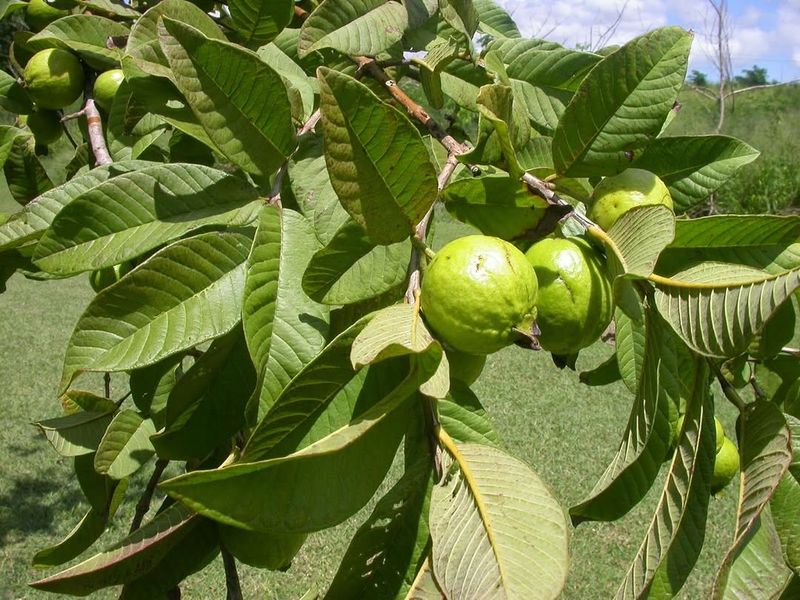
Sweet, fragrant, and incredibly productive, guava is one of those trees that Florida gardeners almost always wish they had planted sooner. It grows fast, handles Florida heat well, and generally starts producing fruit about three to four years after planting.
Once a guava tree gets going, it can produce hundreds of fruits per season, filling your yard with a tropical perfume that is absolutely irresistible.
Guava trees are not fussy about soil as long as it drains well. They love full sun and warm temperatures, which makes parts of Florida suitable for them, though UF IFAS does not recommend common guava for planting in South Florida.
Common varieties grown across the state include Tropical White, Tropical Pink, and Ruby Supreme, each offering slightly different flavor profiles ranging from mild and creamy to bold and tangy. The fruit can be eaten fresh, blended into juices, made into jams, or baked into pastries.
One thing that sets guava apart from many other fruit trees is its resilience. It handles drought reasonably well once established and may recover from light cold damage with protection, but it can still face notable pest and disease problems.
That toughness makes it an excellent choice for first-time fruit tree growers in Florida who want something dependable without a steep learning curve.
Planting before April ends gives guava trees a full summer of warm weather to grow strong. Space them at least ten feet apart from other plants or structures, since mature trees can spread quite wide.
Prune lightly after each harvest to keep the tree tidy and encourage new fruit-bearing branches. Fertilize every few months with a fruit tree formula and keep the base of the tree mulched to hold in moisture.
Florida gardeners from Ocala to Homestead swear by guava as one of the most rewarding trees they have ever grown.
7. Fig Settles In Quickly And Pays Off Generously
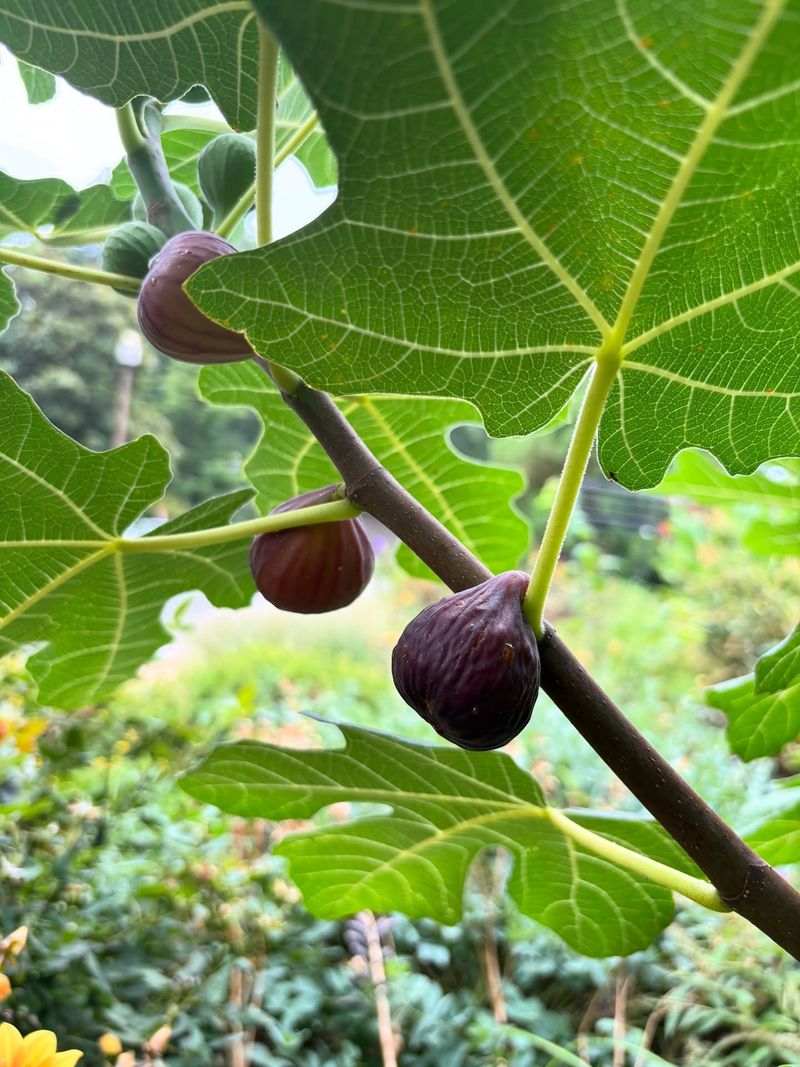
There is something wonderfully old-fashioned about a fig tree. Figs have been grown in gardens for thousands of years, and their rich, honey-sweet fruit has been a favorite across cultures and continents.
In Florida, fig trees grow with surprising speed and enthusiasm, often adding several feet of new growth each year and producing fruit as early as the first or second season after planting.
Florida’s climate suits figs well, especially in the northern and central parts of the state where winters are mild but cool enough to satisfy the tree’s need for a short dormant period. Varieties like Celeste, Brown Turkey, and Ischia are particularly popular among Florida gardeners because they are well-adapted to the region’s conditions and are commonly recommended for Florida.
Celeste is often called the sugar fig because of how intensely sweet its small, violet-tinged fruit tastes.
Figs are wonderfully low-maintenance compared to many other fruit trees. They prefer full sun and well-drained soil, and once established, they are fairly drought-tolerant.
Fertilize lightly in early spring and again mid-summer to support healthy growth. Avoid over-fertilizing with nitrogen, as too much can lead to lots of leafy growth but fewer fruits, which is the opposite of what you want.
Planting a fig before April ends in Florida gives the tree a long, warm season to put down roots and push out new growth. Container-grown figs transplant easily and settle in quickly with regular watering during the first few months.
Mulching around the base helps retain moisture and keeps the root zone cool during peak summer heat. With just a little attention in the beginning, a Florida fig tree can become a beloved, long-lived fixture in your garden that produces sweet fruit for decades.