How To Spot Hydrophobic Soil In California And Fix It Fast
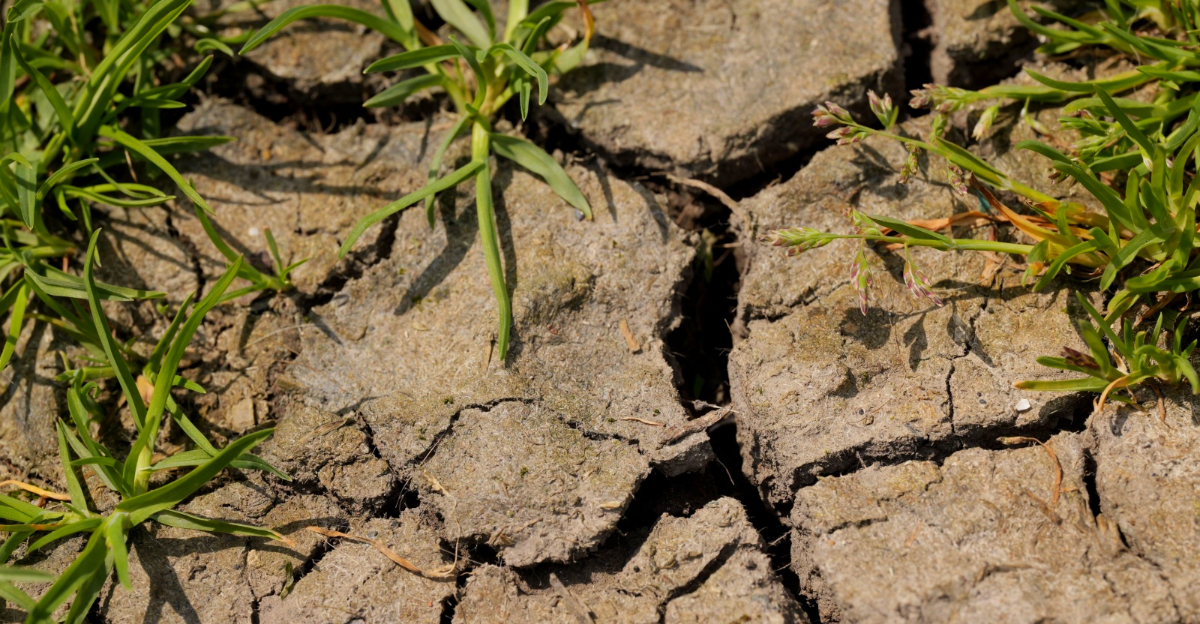
California garden soil can get surprisingly stubborn after long stretches of dry weather. At some point, water stops soaking in the way you expect and starts beading up, pooling on the surface, or sliding away before it reaches the roots.
It is one of those frustrating garden moments that makes you pause and wonder if the soil is personally offended. Fair question, honestly.
That problem is called hydrophobic soil, and it can show up in lawns, planting beds, raised beds, containers, and even around established shrubs and trees across California.
When the ground gets extremely dry, it can begin repelling water instead of absorbing it evenly.
That means plants may stay thirstier than they look, even after a good watering. The good news is that this issue is easier to spot than many gardeners realize, and with a few smart changes, the soil can start taking in moisture more evenly again.
That is a relief for your plants and for your patience.
1. Hydrophobic Soil Starts With Extreme Dryness
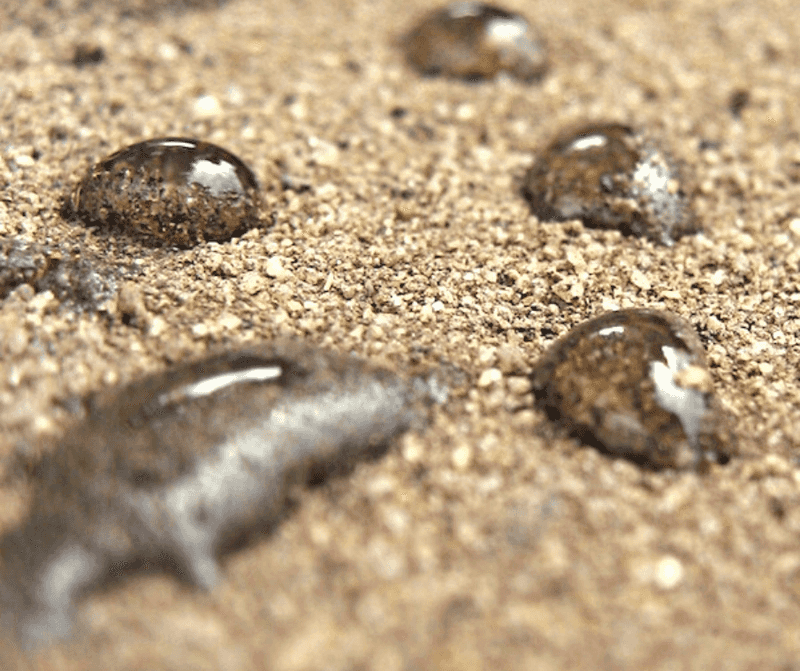
Water beading on bone-dry soil like rain on a freshly waxed car is one of the clearest signs that something has gone wrong underground.
Hydrophobic soil develops when the organic matter in the soil dries out so completely that it forms a waxy, water-repelling coating around individual soil particles.
Once that coating forms, moisture struggles to break through, even when you apply water slowly or repeatedly.
This condition often starts with soil that has been left dry for too long. In California, long stretches without rain, especially from late spring through early fall, give soil the time it needs to dry past a critical point.
Sandy soils and soils low in clay content tend to reach that point faster than heavier soils.
Organic matter like decomposed bark, leaf litter, or peat can be the source of the waxy coating when it dries out. The same materials that normally help soil hold moisture can actually contribute to repellency when they become extremely dry.
Understanding this connection helps explain why hydrophobic soil can show up even in beds that once seemed healthy and well-maintained.
2. California Conditions Can Trigger It Fast
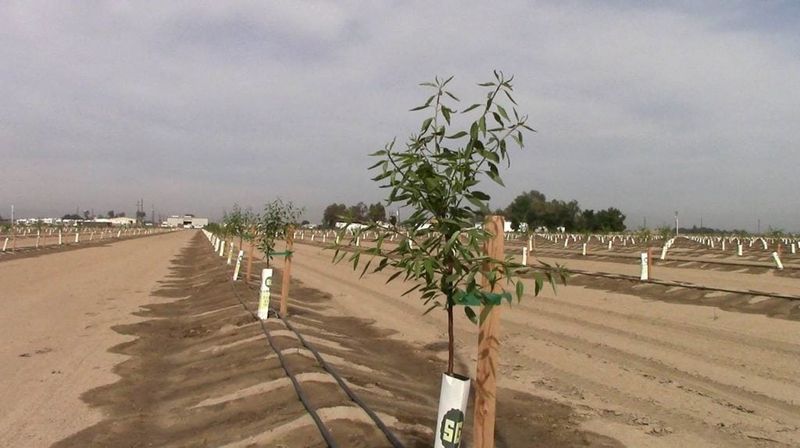
Scorching afternoons, relentless sunshine, and months without meaningful rainfall create ideal conditions for hydrophobic soil to develop across California.
The state’s Mediterranean climate, with its warm dry summers and mild wet winters, naturally cycles soil through long periods of extreme dryness that other regions rarely experience.
That drying cycle is often enough to trigger water repellency in garden beds, raised planters, and container mixes.
Soils under eaves, along south-facing slopes, or tucked beneath dense tree canopies tend to dry out even faster because they receive less natural rainfall or irrigation coverage.
Spots like these are common in California landscapes and are often the first places where gardeners notice water running off rather than soaking in.
Container gardens and raised beds are especially vulnerable because their smaller soil volumes dry out quickly during heat waves. A single hot weekend in a California valley or coastal area can push potting mix past the repellency threshold.
Your California Garden Changes Every Week. Your Plan Should Too.
Gardening in California changes quickly throughout the season. Every Friday you’ll receive a simple weekly plan showing exactly what to plant, prune, fertilize, harvest, and protect so you never miss the right timing.
Recognizing that certain spots in your garden are higher risk helps you stay ahead of the problem before the roots of your plants start suffering from moisture stress they should not have to deal with.
3. Simple Tests Can Spot It Early
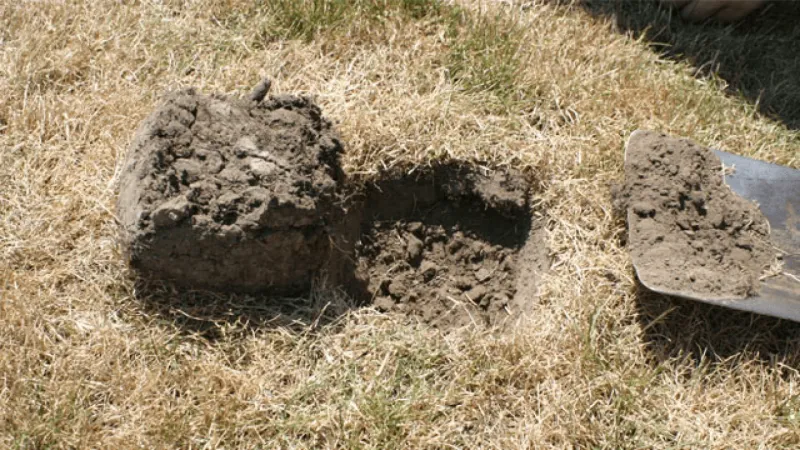
Catching hydrophobic soil early can save your plants a lot of stress. One of the easiest tests you can do at home is the water drop test.
Scoop a small amount of dry soil from your garden bed, place it on a flat surface, and drop a few teaspoons of water onto it. If the water soaks in within a few seconds, your soil is likely in decent shape.
If the water just sits there or rolls off, water repellency has probably set in.
You can also try pressing a finger about an inch into the soil after watering. Soil that feels bone dry just below the surface even after a long irrigation session is a strong indicator that water is not penetrating the way it should.
Roots living in that zone are likely getting far less moisture than your watering schedule suggests.
A third method involves digging a small hole about six inches deep after watering and checking whether the soil is moist throughout or only wet on top.
Uneven moisture distribution, where the surface feels damp but lower layers stay powdery dry, is a reliable sign that hydrophobic conditions have developed and that action is worth taking soon.
4. Visual Clues Often Show Up First
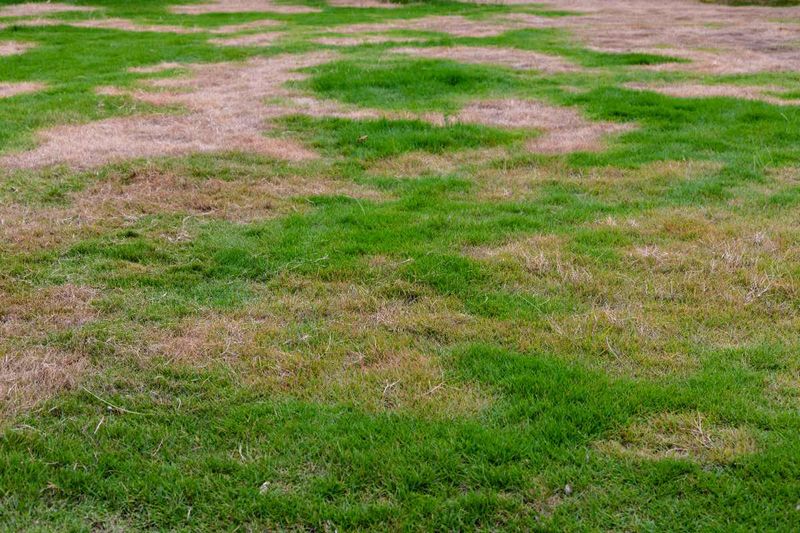
Before you ever run a test, your garden may already be showing you signs that something is off. Patchy dry spots in an otherwise irrigated lawn are one of the most recognizable visual signals.
Even if sprinklers are running on schedule, certain areas stay brown and dry while surrounding turf looks green. Those stubborn patches are often sitting on soil that has become water repellent.
In planting beds, you might notice water pooling briefly on the surface before running off toward lower ground rather than soaking straight down.
Mulch layers that look moist on top but feel dusty underneath after rain or irrigation can also point to repellency developing at the soil surface.
The mulch itself may be contributing to the problem if it has dried out completely between waterings.
Around the base of established shrubs and trees in California landscapes, look for soil that looks powdery or cracked even after recent watering.
Water running away from the root zone instead of into it can leave plants stressed in ways that are easy to misread as a pest problem or nutrient deficiency.
Noticing these visual patterns early gives you a head start on fixing the underlying issue before it gets harder to manage.
5. Heat And Dry Spells Make It Worse
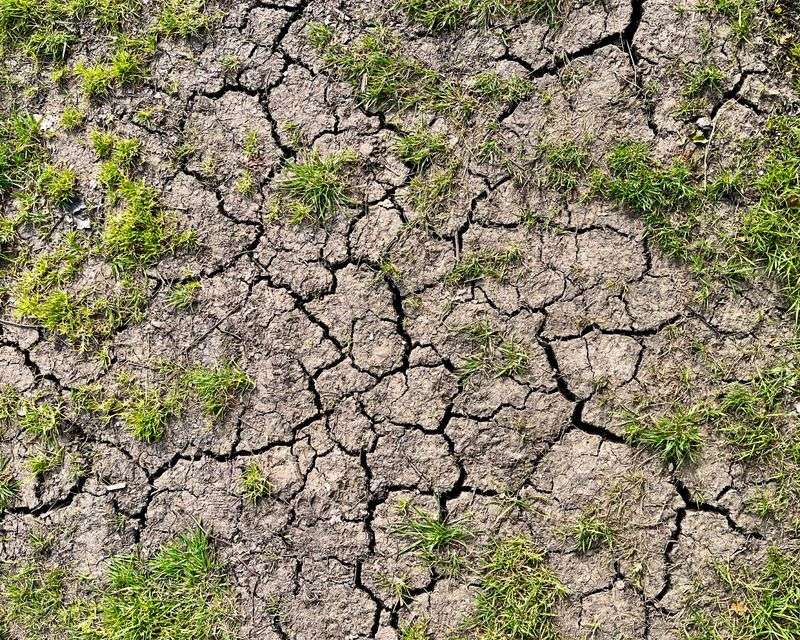
Hot, dry weather does not just stress plants directly. It also pushes soil conditions toward water repellency in ways that compound the problem.
When temperatures climb into the 90s and 100s across California’s inland valleys and foothills, soil moisture evaporates rapidly from the surface. That rapid drying accelerates the formation of the waxy coatings that cause repellency in the first place.
Extended heat waves give soil little chance to recover between watering sessions. Even if irrigation runs daily, the surface can dry and re-harden between cycles fast enough to maintain or worsen the repellent layer.
Raised beds and containers sitting in full sun are especially prone to this cycle because they lose moisture from all sides, not just the top.
Sandy or gravelly soils common in parts of Southern California and the Central Valley tend to respond to heat and drought more quickly than clay-heavy soils. That does not mean clay soils are safe from repellency, but the timeline is often different.
Paying attention to how quickly your specific soil dries after watering during a heat spell can tell you a lot about how vulnerable it is and how urgently you may need to take steps to improve water retention.
6. Wetting Agents Can Break The Cycle
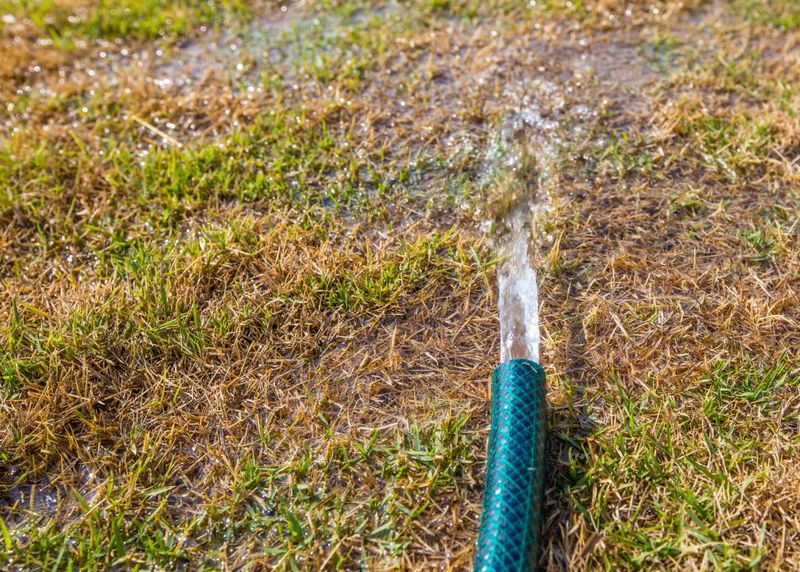
Soil wetting agents, sometimes called surfactants, are one of the most direct tools available for breaking through water-repellent soil.
These products work by reducing the surface tension of water, which helps it spread and soak into soil particles that would otherwise repel it.
Many California gardeners and landscape professionals reach for wetting agents when they notice irrigation is not penetrating as expected.
Wetting agents are available in liquid and granular forms and can be applied with a hose-end sprayer, watering can, or broadcast spreader depending on the product.
Liquid formulas tend to work faster and are often a practical choice when you need results quickly during a dry stretch.
Granular options may offer a slower, more sustained release that can be useful for long-term soil management.
Results can vary depending on the severity of the repellency, soil type, and how consistently the product is applied.
Wetting agents are generally most effective when combined with other improvements like added organic matter and better irrigation timing rather than used as a stand-alone solution.
Reading and following product directions carefully helps ensure you apply the right amount, since using too much can sometimes cause other issues with water movement or plant health in sensitive California soils.
7. Compost Helps Soil Absorb Water Better
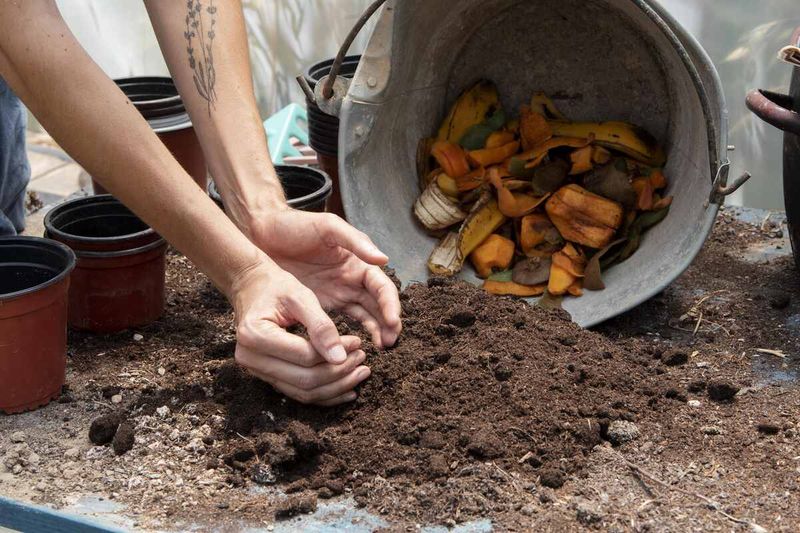
Working compost into hydrophobic soil is one of the most reliable long-term strategies for improving water absorption. Finished compost adds organic matter that helps soil particles clump together into a more open, sponge-like structure.
That improved structure allows water to move into the soil more freely and stay available to roots longer, which matters a great deal during California’s dry season.
For existing beds, spreading a two-to-three-inch layer of compost on the surface and gently working it into the top several inches of soil can begin improving conditions within a few weeks.
For containers and raised beds showing signs of repellency, replacing a portion of the mix with fresh compost or high-quality potting soil is often the most practical approach.
Not all compost is created equal, and the source and maturity of the material can affect results. Well-aged, fully finished compost is generally more effective at improving soil structure than fresh or partially decomposed material.
Using compost regularly, even in years when repellency is not a visible problem, helps maintain the organic matter levels that keep California garden soils from drying out to the point of repellency in the first place.
Consistency matters more than any single heavy application.
8. Mulch Slows Drying At The Surface
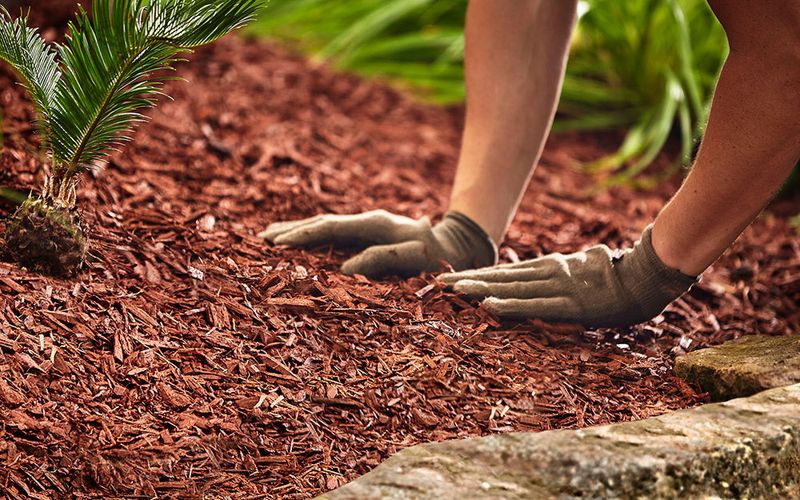
Keeping a protective layer of mulch on the soil surface is one of the simplest ways to slow the drying process that leads to water repellency.
Mulch acts as an insulating blanket, shading the soil from direct sun and reducing the rate of evaporation during hot California afternoons.
Without that protection, bare soil exposed to summer heat can dry out and harden quickly, especially on south-facing slopes or in open planting beds.
Wood chips, shredded bark, straw, and leaf mulch are all commonly used in California home gardens.
A layer about two to three inches deep is usually enough to provide meaningful protection without creating conditions that hold too much moisture near plant stems.
Keeping mulch a few inches away from the base of plants helps reduce the chance of moisture-related issues at the crown.
One thing to keep in mind is that very dry, fine-textured mulch can sometimes become mildly water repellent itself.
If you notice water beading on the surface of a mulch layer rather than moving through it, gently raking the surface to break up any compacted or dried clumps can help.
Refreshing mulch layers once or twice a year also helps maintain their effectiveness as both a moisture barrier and a slow source of organic matter for the soil below.
9. Aeration Helps Water Move Downward
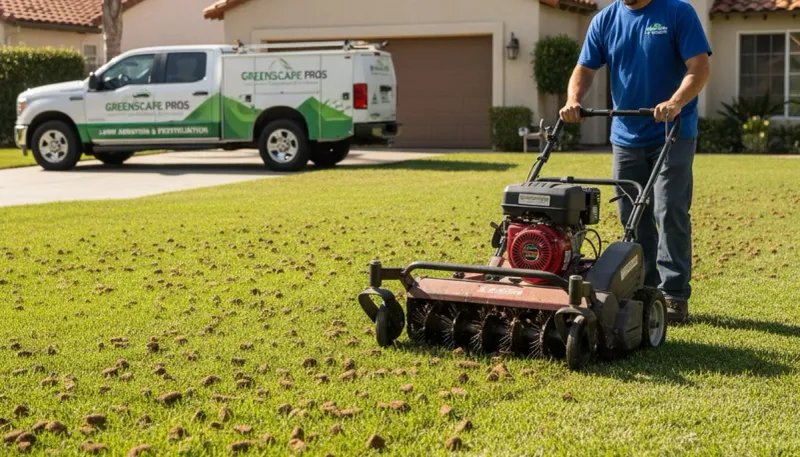
Compacted soil slows water movement even when repellency is not the main issue, and the two problems often go hand in hand in California landscapes.
Aeration creates small channels in the soil that allow water, air, and nutrients to reach deeper into the root zone.
On lawns, core aeration, which pulls small plugs of soil from the surface, tends to be more effective than spike aeration for improving water infiltration.
For garden beds, a garden fork or broadfork can be used to gently loosen the soil without disrupting roots too severely.
Pushing the tines in and rocking them slightly to create small air pockets helps break up the compacted surface layer where repellency most often develops.
Doing this before applying a wetting agent or compost can make those treatments more effective by giving them direct access to the problem zone.
Timing matters when aerating in California. Early fall, after the dry season but before winter rains begin, is often a practical window for lawn aeration.
For beds, early spring or after the first fall rain can work well.
Aerating while soil is completely dry can be difficult and less effective, so watering lightly the day before can help the process go more smoothly and produce better results for long-term water penetration.
10. Better Watering Habits Support Recovery
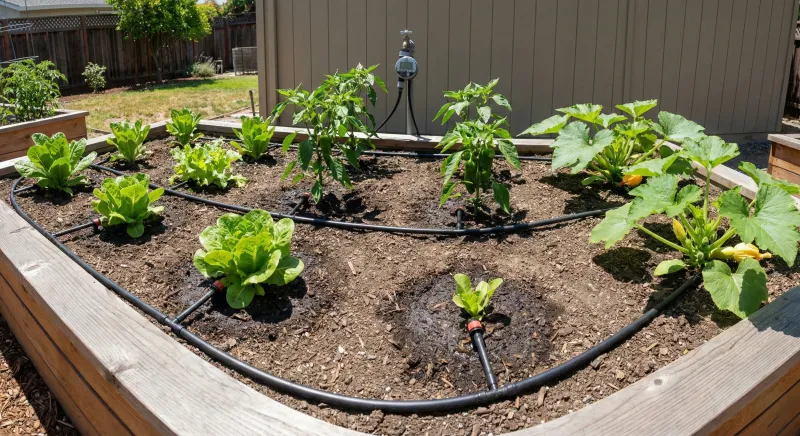
Changing how you water can be just as important as any product or amendment when it comes to recovering from hydrophobic soil. Fast, heavy watering on repellent soil tends to run off before it can soak in, wasting water and leaving roots dry.
Slower, more deliberate watering gives repellent soil more time to absorb moisture gradually and begin breaking down the waxy barrier.
Pulse watering, where you water in shorter cycles with rest periods in between, is a method that works well for repellent soil.
For example, running irrigation for ten minutes, pausing for thirty minutes, then running again allows the first cycle to soften the surface before the second cycle pushes water deeper.
This approach is especially useful for drip systems and in-ground sprinklers common in California residential landscapes.
Watering in the early morning rather than during the heat of the day helps reduce evaporation and gives soil more time to absorb moisture before temperatures rise.
Avoiding late-evening watering can also reduce surface moisture that lingers overnight.
Over time, combining improved watering habits with compost, mulch, and occasional wetting agent applications gives hydrophobic California soil the best chance to recover and stay in better condition through the next dry season.