The Best Flowers To Plant In May For A Vibrant Summer Garden In Michigan
May in Michigan finally feels like the garden season is actually open for business.
The frost risk has dropped enough to start making real planting decisions, the soil has warmed up, and garden centers are fully loaded with options that can feel overwhelming if you do not have a clear sense of what actually performs well through a Michigan summer.
Not every flower that looks incredible in a spring display will hold up when July and August bring the heat.
Michigan summers can run warm and humid, and the flowers worth planting in May are the ones that use the early mild weeks to get established and then carry that momentum straight through to fall.
Whether you are filling a front bed, building a cutting garden, or just trying to get some reliable color going in a space that has looked bare too long, the right May plantings set the tone for everything that follows.
These are the flowers that consistently deliver on that promise in Michigan’s specific growing conditions.
1. Zinnia (Zinnia elegans)
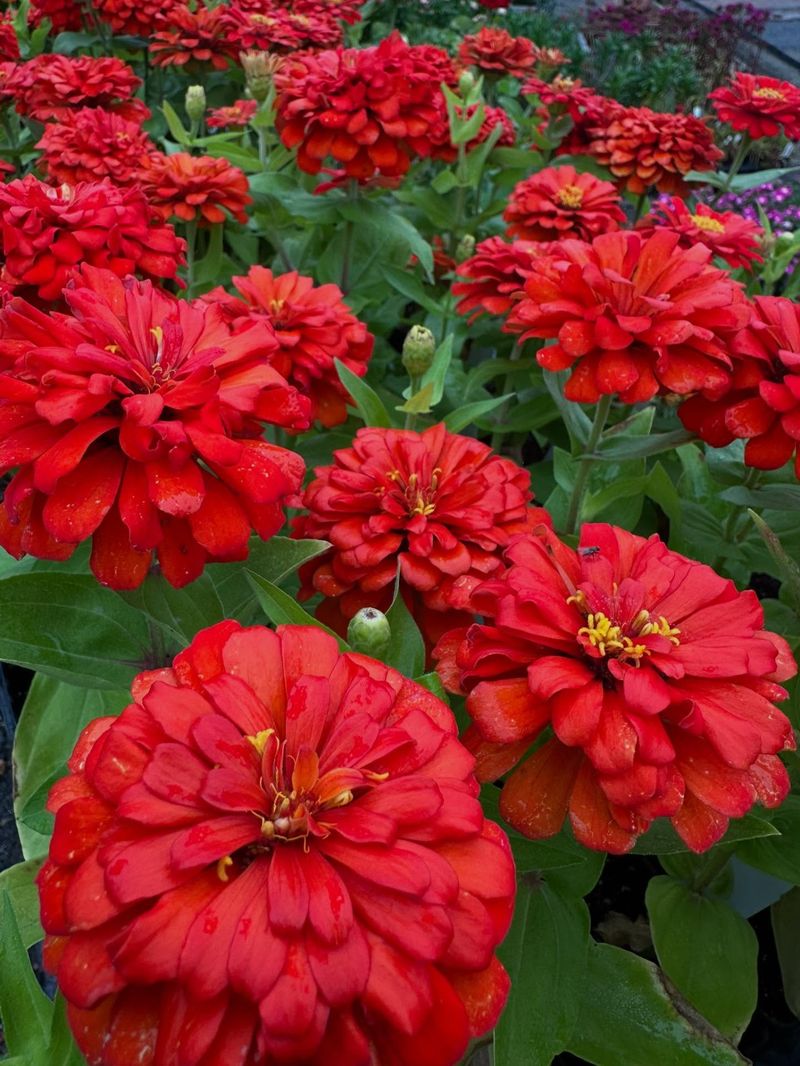
Few flowers pack as much punch as the zinnia. These bold, colorful blooms come in nearly every shade imaginable, from hot pink to deep orange, making them a showstopper in any Michigan garden.
Once they start blooming, they simply do not stop until the first frost rolls in.
In Michigan, May is the ideal time to direct sow zinnia seeds right into your garden bed. Wait until after the last frost has passed, which in most parts of Michigan falls between mid to late May.
The soil should feel warm to the touch before you scatter those seeds.
Zinnias love full sun, so pick a spot that gets at least six to eight hours of direct sunlight each day. Space your plants about twelve inches apart to allow good airflow, which helps prevent powdery mildew during Michigan’s humid summer months.
A little spacing goes a long way toward keeping your plants healthy and thriving all season.
Deadheading, which means snipping off spent blooms, encourages the plant to push out even more flowers. Zinnias also attract butterflies and pollinators, making them a wonderful addition to any Michigan yard.
They are low maintenance, fast growing, and absolutely gorgeous from July straight through September.
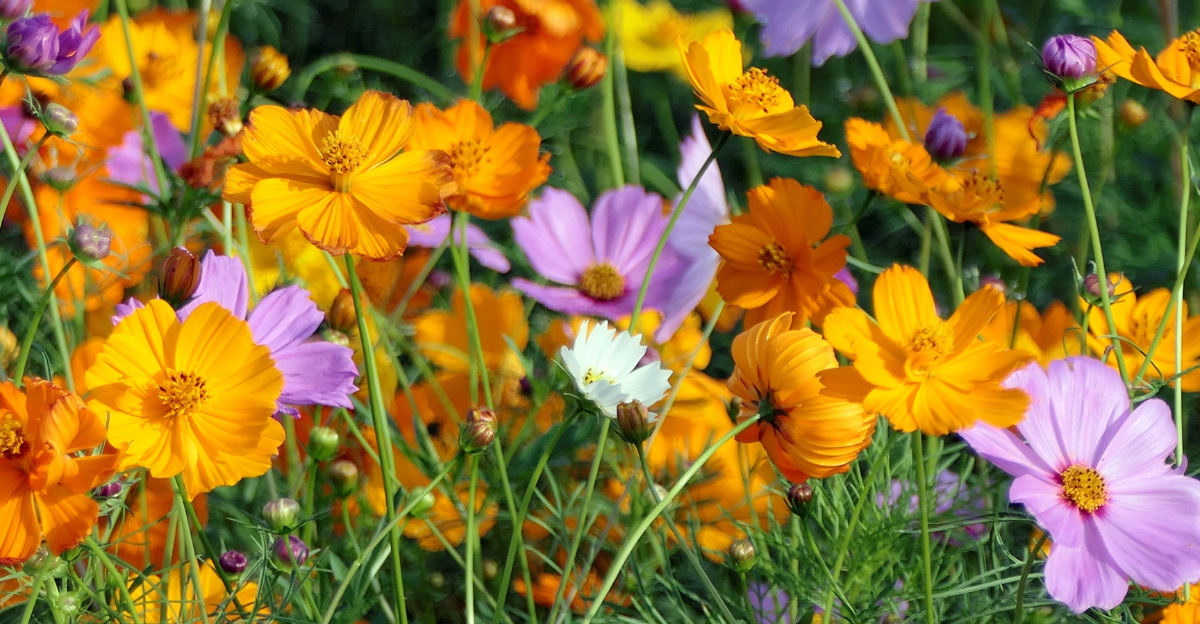
2. Cosmos (Cosmos bipinnatus)
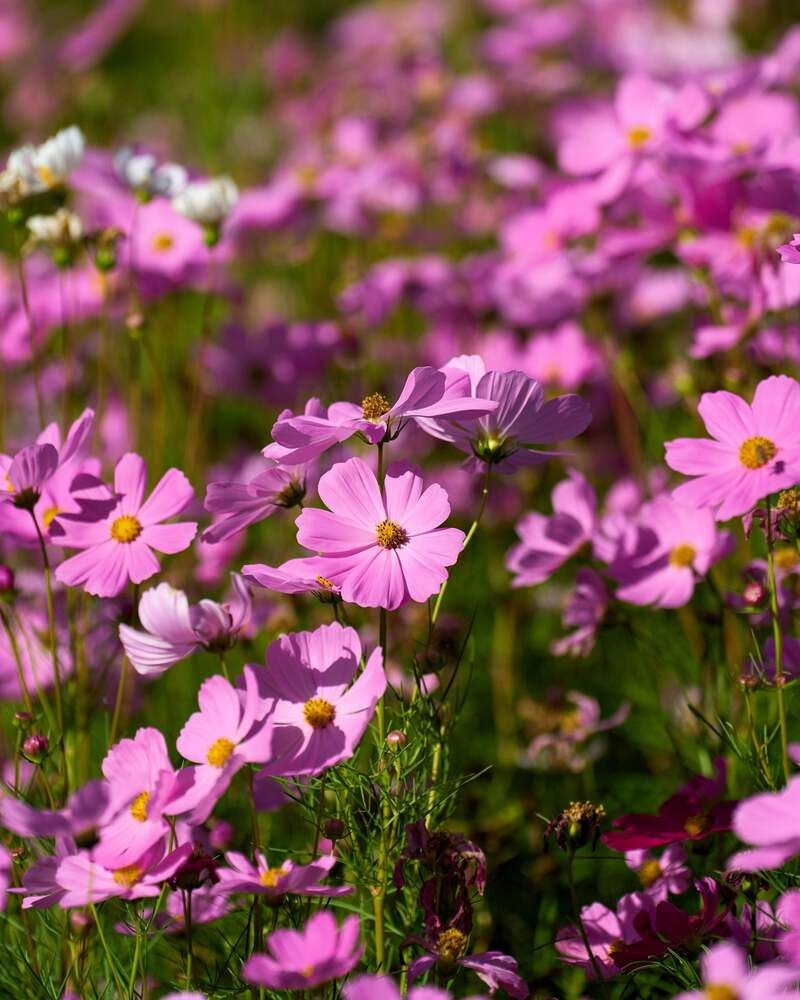
There is something almost magical about cosmos swaying gently in a warm summer breeze. Their feathery, fern-like foliage and delicate daisy-like blooms give any Michigan garden a soft, romantic feel that is hard to replicate with any other flower.
Best of all, they practically grow themselves.
Direct sowing cosmos seeds in May gives them the strong root development they need to thrive through the summer heat. Michigan’s spring soil warms up nicely by mid-May, making it the perfect window to get these seeds in the ground.
They prefer average to poor soil, so there is no need to add rich compost or heavy fertilizer.
Cosmos grow tall, often reaching three to five feet in height, which makes them a fantastic backdrop for shorter flowers in a layered garden design. Plant them in full sun and water consistently until they are established, then step back and watch them take off.
Your Michigan Garden Changes Every Week. Your Plan Should Too.
Gardening in Michigan changes quickly throughout the season. Every Friday you’ll receive a simple weekly plan showing exactly what to plant, prune, fertilize, harvest, and protect so you never miss the right timing.
Once they settle in, they are surprisingly drought tolerant.
One of the coolest things about cosmos is how they reseed themselves, meaning you might find new plants popping up on their own next spring. They bloom from early summer all the way through fall in Michigan, giving you weeks of beautiful, airy color.
Butterflies absolutely love them, which adds even more life and movement to your garden space.
3. Marigold (Tagetes patula, Tagetes erecta)
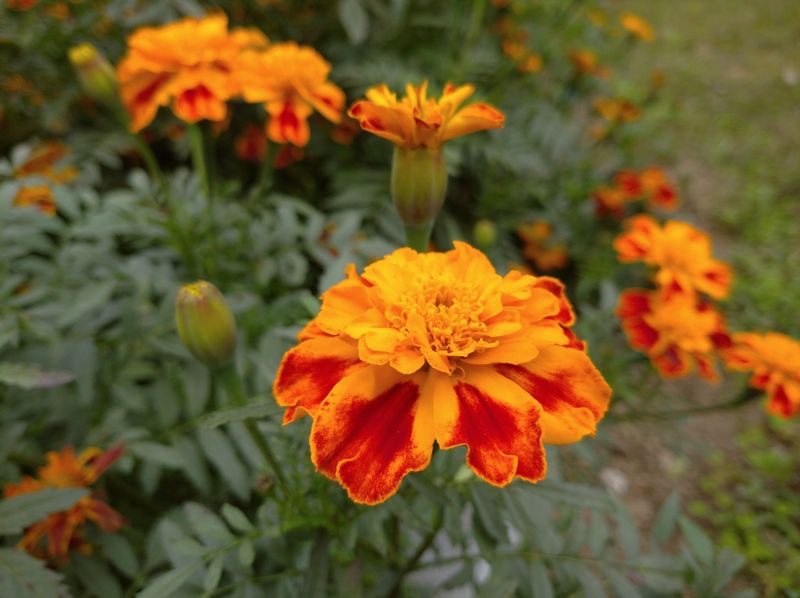
Marigolds have earned their spot as one of the most trusted flowers in Michigan gardens, and for very good reason. Their cheerful orange and yellow blooms are practically indestructible, thriving in full sun from early summer all the way until the first frost arrives.
They are the kind of flower that rewards you generously for very little effort.
Planting marigolds in May gives them a head start so they can fill in borders and beds beautifully by June. They do best in full sun with average, well-drained soil, and they do not need much fertilizing.
In fact, too much nitrogen can push leafy growth at the expense of those gorgeous blooms you are after.
One of the most practical benefits of marigolds is their natural pest-repelling ability. Their strong scent is known to deter aphids, whiteflies, and even some nematodes from nearby plants.
Many Michigan vegetable gardeners plant marigolds alongside tomatoes and peppers for exactly this reason.
French marigolds, the Tagetes patula variety, stay compact and bushy, making them perfect for edging pathways or filling containers on a porch. African marigolds, the Tagetes erecta type, grow much taller and produce large, fluffy blooms that make stunning cut flowers.
Both varieties are easy to find at Michigan nurseries every May and are a reliable investment in summer color.
4. Sunflower (Helianthus annuus)
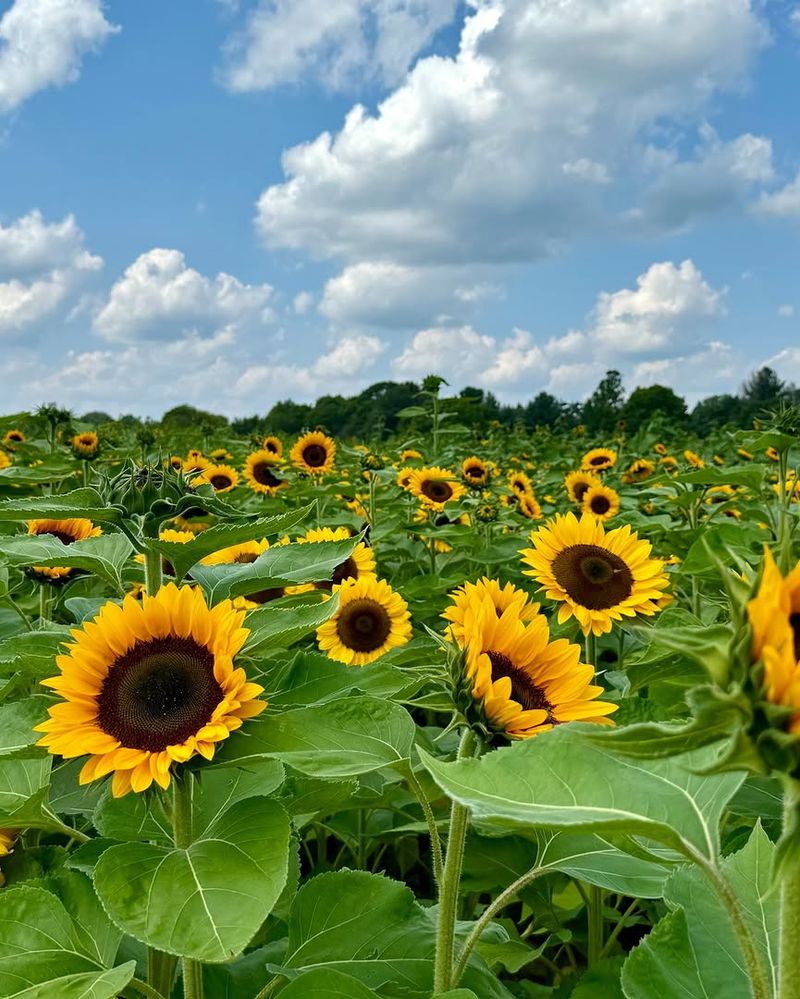
Nothing says summer in Michigan quite like a row of giant sunflowers standing tall against a bright blue sky. These iconic flowers are fast growers, cheerful by nature, and surprisingly simple to grow from seed.
If you have never grown sunflowers before, May is the perfect time to give them a try.
Direct sow sunflower seeds in May once Michigan’s soil has warmed up to at least fifty degrees Fahrenheit. They grow quickly and can reach impressive heights of six to twelve feet depending on the variety.
Give them a sunny spot with well-drained soil and plenty of room to stretch, as crowding can limit their growth potential.
Sunflowers are not just beautiful, they are also incredibly useful for supporting local pollinators. Bees, butterflies, and even birds are drawn to sunflowers throughout Michigan’s summer season.
Goldfinches in particular love to snack on the seeds once the flower heads mature in late summer.
Did you know that sunflowers actually track the sun across the sky when they are young? This movement, called heliotropism, helps them maximize their light exposure during the growing phase.
Once mature, sunflower heads generally face east, which is a fun detail to share with curious kids or neighbors who wander into your Michigan garden. They are a true crowd pleaser every single season.
5. Nasturtium (Tropaeolum majus)
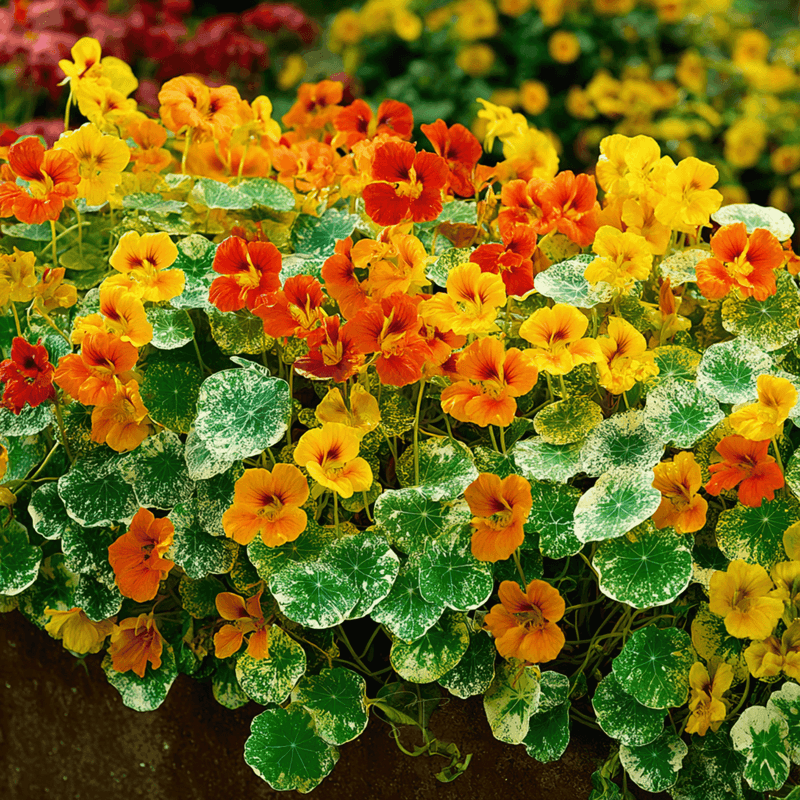
Nasturtiums are one of those plants that surprise you with how much they give back for how little they ask.
Their round, lily-pad-like leaves and vibrant flowers in shades of red, orange, and yellow are genuinely eye-catching, especially when they spill over the edges of a raised bed or container.
They add a playful, cascading look that feels effortlessly stylish.
In Michigan, May is a great month to direct sow nasturtium seeds right into the garden. They prefer cooler soil and can handle a light frost, so early May planting works well.
The seeds are large and easy to handle, making this an excellent flower choice for kids who want to help in the garden.
Here is something most people do not expect: nasturtiums actually prefer poor soil. Rich, fertilized soil encourages lots of leafy growth but fewer flowers.
Skip the compost and plant them in average or even sandy soil for the best blooming results throughout Michigan’s summer months.
Another wonderful bonus is that nasturtiums are completely edible. Both the flowers and the leaves have a peppery, slightly spicy flavor that works beautifully in salads, on sandwiches, or as a colorful garnish.
They bloom continuously with minimal care and look stunning cascading over walls, containers, and garden borders all summer long in Michigan gardens. Truly a multi-talented plant worth growing every year.
6. Calendula (Calendula officinalis)
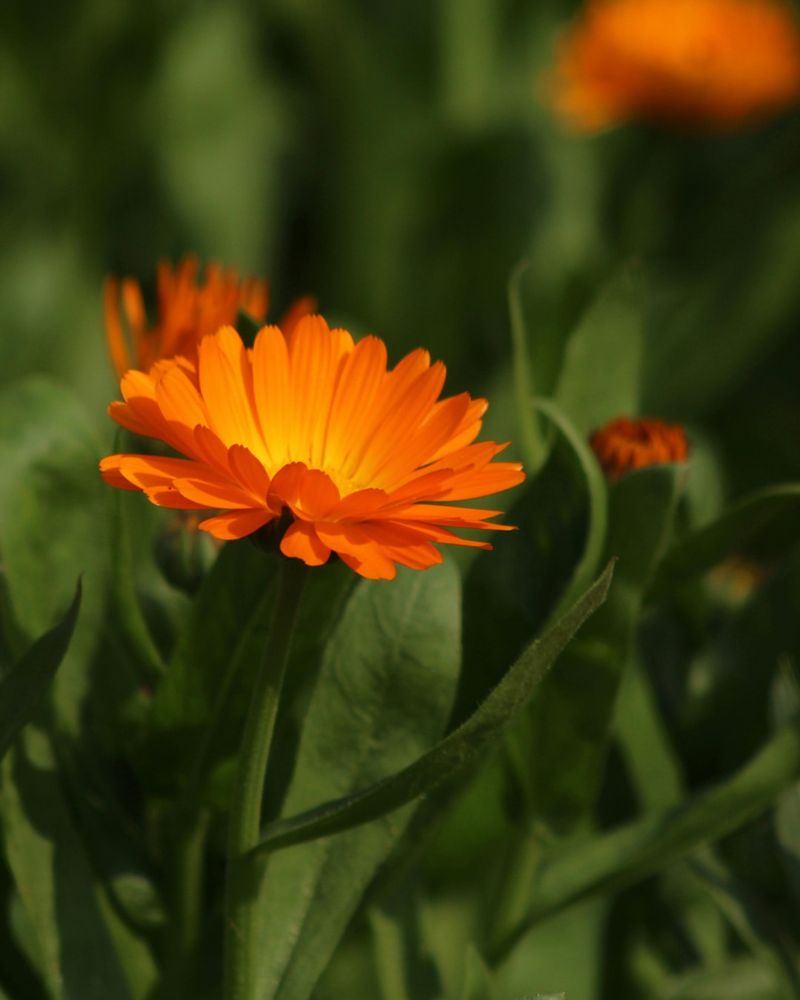
Calendula has been grown in gardens for hundreds of years, and its staying power is no accident. Also called pot marigold, this cheerful flower produces warm golden and orange blooms that light up early summer gardens across Michigan.
Its history stretches back to ancient Rome, where it was used in cooking, medicine, and even as a fabric dye.
Planting calendula in May takes advantage of Michigan’s cooler spring temperatures, which this flower genuinely loves. It establishes quickly and can begin blooming in just a few weeks after sowing.
If summer heat peaks in July or August, the plant may slow down its blooming, but cooler fall temperatures often bring a second flush of beautiful flowers.
Calendula does best in full sun to light shade with well-drained soil and moderate watering. It is important not to overwater, as soggy roots can cause problems for this otherwise tough little plant.
Deadhead regularly to keep new buds forming and the display looking fresh throughout the season.
Beyond its good looks, calendula has practical uses that make it even more appealing. The petals are edible and often used in herbal teas, skin salves, and natural remedies.
Michigan gardeners who enjoy growing useful plants will especially appreciate having calendula around. It also attracts beneficial insects like hoverflies, which help keep garden pests under control naturally all summer long.
7. Bachelor’s Button (Centaurea cyanus)
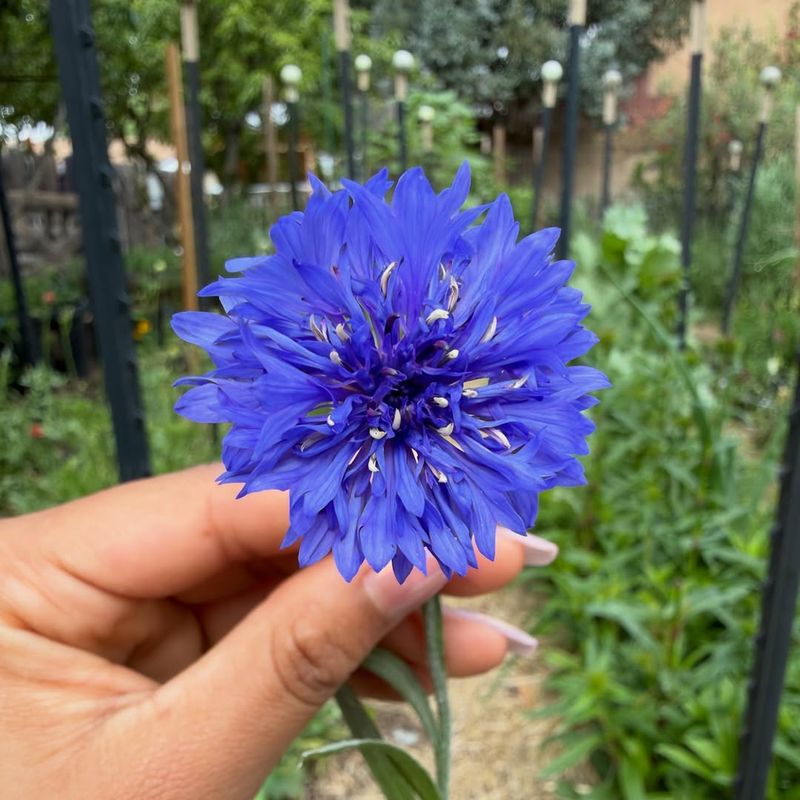
That brilliant, true-blue color is something you just do not see often in the flower world, and bachelor’s buttons deliver it beautifully.
Also known as cornflowers, these delicate blooms have a wildflower charm that makes them look perfectly at home in both structured Michigan garden beds and casual cottage-style plantings. They are simple, stunning, and full of character.
Sowing bachelor’s button seeds in May works well in Michigan because these cool-season annuals love settling into soil that is not yet scorching hot. They germinate quickly and begin blooming in early summer, often within six to eight weeks of planting.
Their electric blue flowers are a striking complement to the warm tones of marigolds, zinnias, and sunflowers nearby.
Bachelor’s buttons grow best in full sun with well-drained, average soil. They are drought tolerant once established, which makes them a smart choice for Michigan gardeners who want beauty without constant watering.
As summer heat intensifies, they may slow down, but they often rebound as temperatures cool in late summer and fall.
One charming quirk about this flower is its tendency to reseed itself generously. You may find new plants popping up in unexpected spots around your Michigan garden the following spring, which feels like a happy surprise.
They also make lovely cut flowers that last well in a vase. Pollinators, especially bees, are drawn to their open, accessible blooms throughout the warm season.
8. Petunia (Petunia x hybrida)
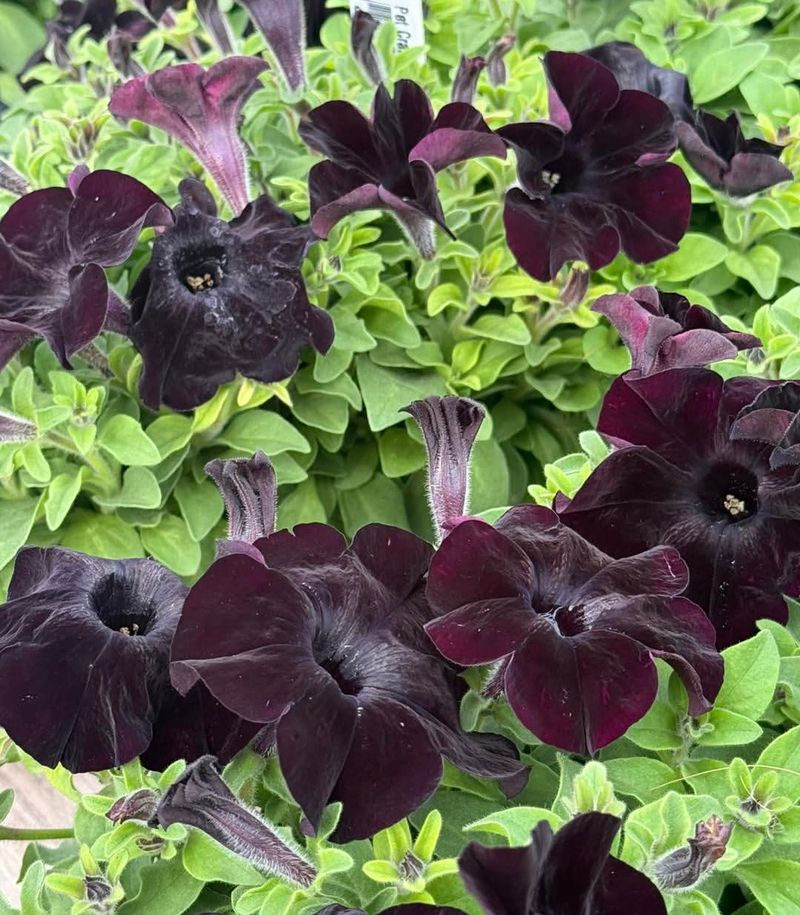
Walk through any Michigan neighborhood in summer and you will almost certainly spot petunias spilling out of window boxes, hanging baskets, and front porch containers.
Their trumpet-shaped blooms come in virtually every color of the rainbow, from deep purple to cotton-candy pink to crisp white, making them one of the most versatile bedding plants available to Michigan gardeners every May.
Petunias are typically planted as transplants rather than seeds, which means you can pick them up at your local Michigan nursery in May and get them in the ground right away. They prefer full sun, at least six hours daily, and consistently moist but well-drained soil.
A little slow-release fertilizer at planting time goes a long way toward fueling those nonstop blooms.
Regular watering is important, especially during Michigan’s hot July and August weeks. Wave petunias, one of the most popular spreading varieties, can trail up to three or four feet and fill a container or garden bed with a lush carpet of color.
They are especially stunning when planted in large groups or mixed with complementary colors.
Pinching back leggy stems midseason encourages fresh, bushy growth and even more flowers. Petunias are also surprisingly fragrant, especially in the evening hours when their sweet scent drifts through warm Michigan air.
They bloom reliably from late spring straight through fall, making them one of the best investments a Michigan gardener can make every single year.
9. Salvia (Salvia splendens and Hybrids)
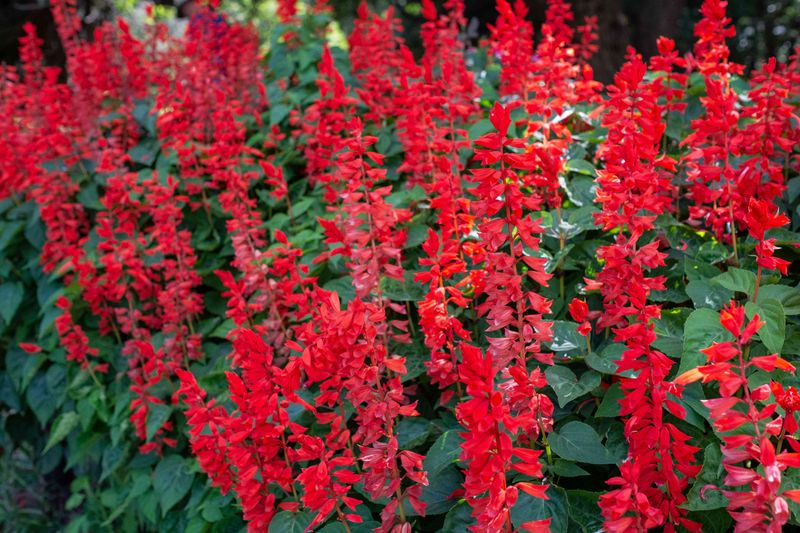
Red salvia is one of those plants that commands attention the moment it starts blooming. Its tall, upright spikes of vivid scarlet flowers create bold vertical interest in Michigan garden beds, and the color is so intense it practically glows in summer sunlight.
It is a plant with real presence and personality.
As a warm-season annual, salvia should go into the ground after Michigan’s last frost, making May the ideal planting window across most of the state. It thrives in full sun and appreciates consistent watering, though it handles brief dry spells reasonably well once established.
Well-drained soil is key, as salvia does not enjoy sitting in soggy ground for extended periods.
Hummingbirds are absolutely wild about salvia, and planting it near a window or porch means you can watch these tiny, fast-moving visitors all summer long.
Bees and butterflies also flock to the long-lasting blooms, making salvia an excellent choice for Michigan gardeners who want to support local pollinators throughout the season.
While red is the classic color, modern hybrid salvias come in purple, coral, salmon, and white, giving you plenty of creative options for your Michigan garden design.
They pair beautifully with white alyssum, yellow marigolds, or silver dusty miller for a high-contrast, eye-catching display.
Salvia blooms from early summer through fall, providing consistent, reliable color across the entire warm season without much fuss.
10. Verbena (Verbena spp.)
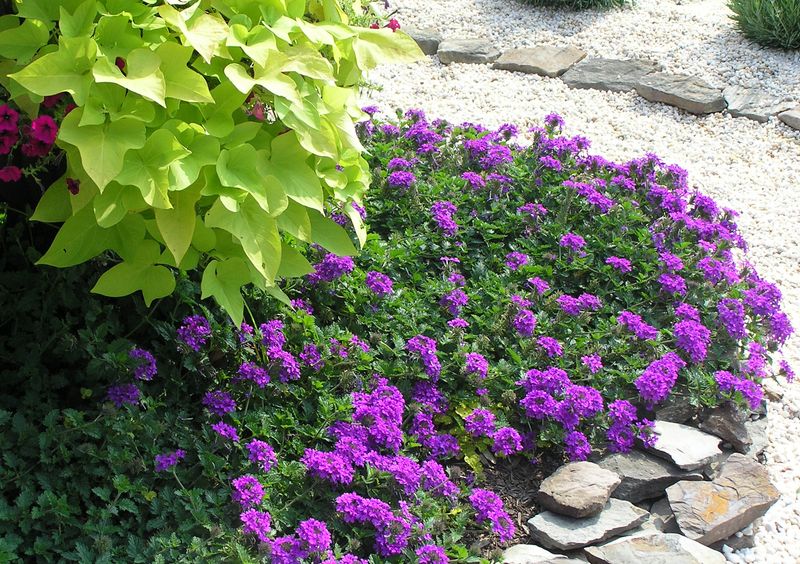
Verbena is the kind of flower that works overtime without ever complaining. Its clusters of tiny, jewel-toned blooms spread eagerly across garden beds and containers, creating a low, colorful carpet that looks lush and full all summer long.
For Michigan gardeners who want maximum coverage with minimal effort, verbena is a top-tier choice.
Planting verbena in May gives it time to establish strong roots before Michigan’s summer heat fully arrives. It is a heat-tolerant annual that genuinely thrives in warm conditions, making it well-suited for Michigan’s July and August temperatures.
Good drainage is essential, so avoid low spots in the yard where water tends to pool after rain.
Verbena grows beautifully in both in-ground beds and containers, which gives you a lot of flexibility in how you use it around your Michigan yard. It works especially well spilling over the edges of raised planters or hanging baskets, where its trailing stems can show off their full potential.
Pair it with upright plants like salvia or spike dracaena for a dynamic, layered container arrangement.
Full sun is a must for verbena to bloom at its best, so choose a location that gets at least six to eight hours of direct light daily. Deadheading spent flower clusters encourages fresh blooms to form throughout the season.
Verbena comes in rich purples, bright pinks, reds, and soft whites, giving Michigan gardeners a wide range of color combinations to play with from May all the way through early fall.