What Oregon Gardeners Should Not Plant With Hydrangeas
Hydrangeas are the kind of plant that makes an Oregon garden look like it was professionally designed. Those enormous blooms, the rich colors, the way they absolutely thrive in the Pacific Northwest.
It’s easy to get obsessed. And when you’re obsessed with a plant, it’s tempting to surround it with everything you love and hope for the best.
That approach, unfortunately, can quietly backfire. Not every plant makes a good neighbor for hydrangeas.
Some compete aggressively for the moisture these shrubs depend on. Others prefer the kind of dry, alkaline soil that would make a hydrangea miserable.
A few will straight up crowd out the root system before you even notice something is wrong. The damage tends to be slow and subtle, which makes it even harder to diagnose.
Knowing what to keep away from your hydrangeas is just as important as knowing what pairs well with them, and it can save you a lot of frustration down the line.
1. Lavender
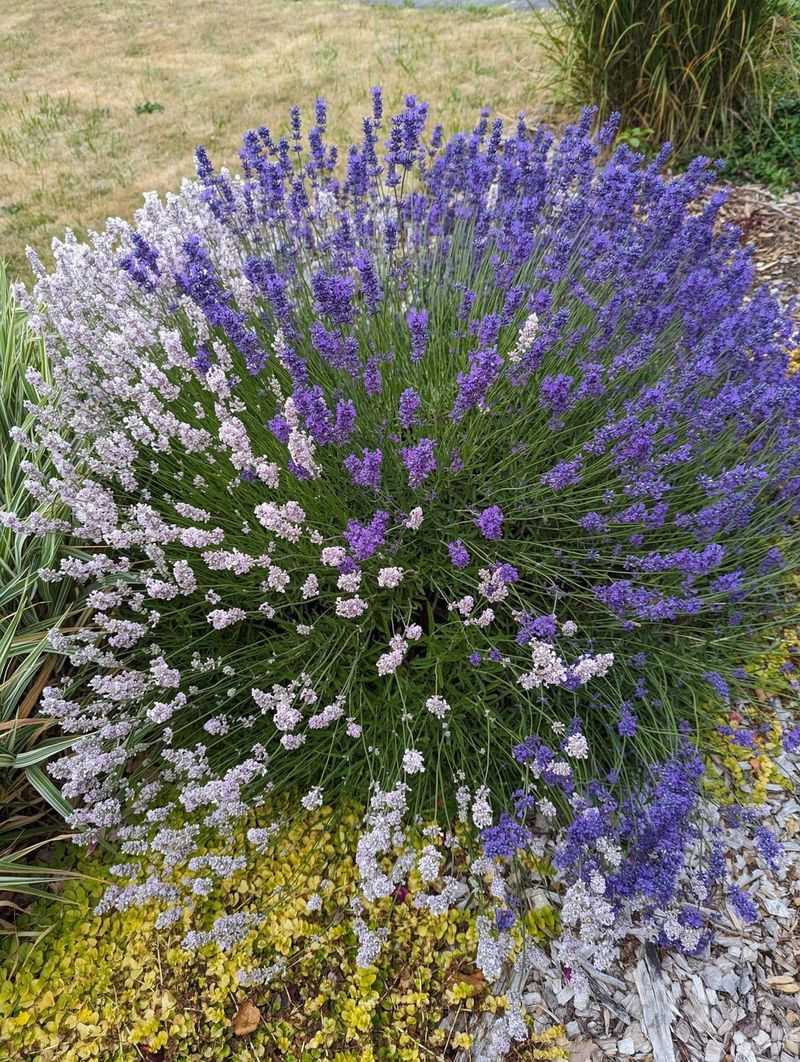
Lavender is one of those plants that looks gorgeous in photos but can be a real headache when planted next to hydrangeas in Oregon. The problem comes down to water.
Lavender absolutely loves dry, well-drained soil and full sun. Hydrangeas, on the other hand, need consistent moisture and can struggle in direct afternoon sun.
When you plant lavender next to hydrangeas, one of them is always going to suffer. If you water enough to keep your hydrangeas happy, the lavender roots may rot.
If you cut back on watering to please the lavender, your hydrangeas will wilt and produce fewer blooms.
Oregon gardeners in drier eastern regions might think this pairing could work, but even there, hydrangeas need more moisture than lavender tolerates. The soil preferences simply clash too much.
Lavender also tends to spread over time, slowly crowding nearby plants. Keep lavender in its own sunny, dry corner of your yard.
Plant it away from moisture-loving shrubs like hydrangeas. Your garden will look better and both plants will thrive when given the right conditions they each need.
2. Rosemary
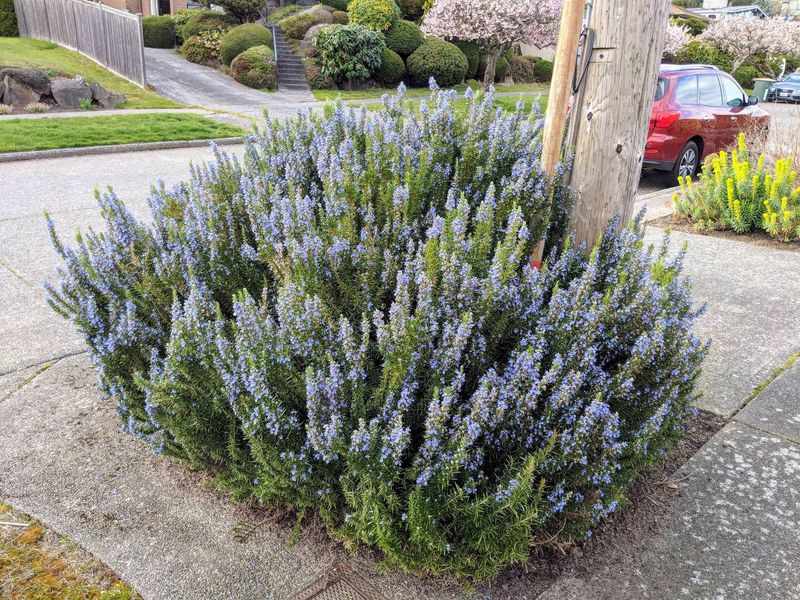
Rosemary is a tough, woody herb that thrives in hot, dry conditions with excellent soil drainage. It is a Mediterranean plant at heart, and it simply does not share the same needs as hydrangeas.
In Oregon, where rainfall can be heavy during winter and spring, rosemary already struggles in wetter areas. Placing it next to a moisture-loving plant like a hydrangea makes things even harder.
Hydrangeas prefer rich, slightly acidic soil that stays consistently moist. Rosemary prefers lean, alkaline, fast-draining soil.
These two plants are basically opposites when it comes to what they need from the ground. Trying to meet both sets of needs in the same garden bed is nearly impossible without one plant suffering.
Beyond soil and water, rosemary can grow quite large and woody over the years. In Oregon’s milder coastal climate, it can get surprisingly big and start shading or crowding nearby plants.
Hydrangeas need good airflow and their own space to bloom well. Give both plants the space and conditions they truly need by keeping them in separate areas of your yard.
Your Oregon Garden Changes Every Week. Your Plan Should Too.
Gardening in Oregon changes quickly throughout the season. Every Friday you’ll receive a simple weekly plan showing exactly what to plant, prune, fertilize, harvest, and protect so you never miss the right timing.
3. Sage
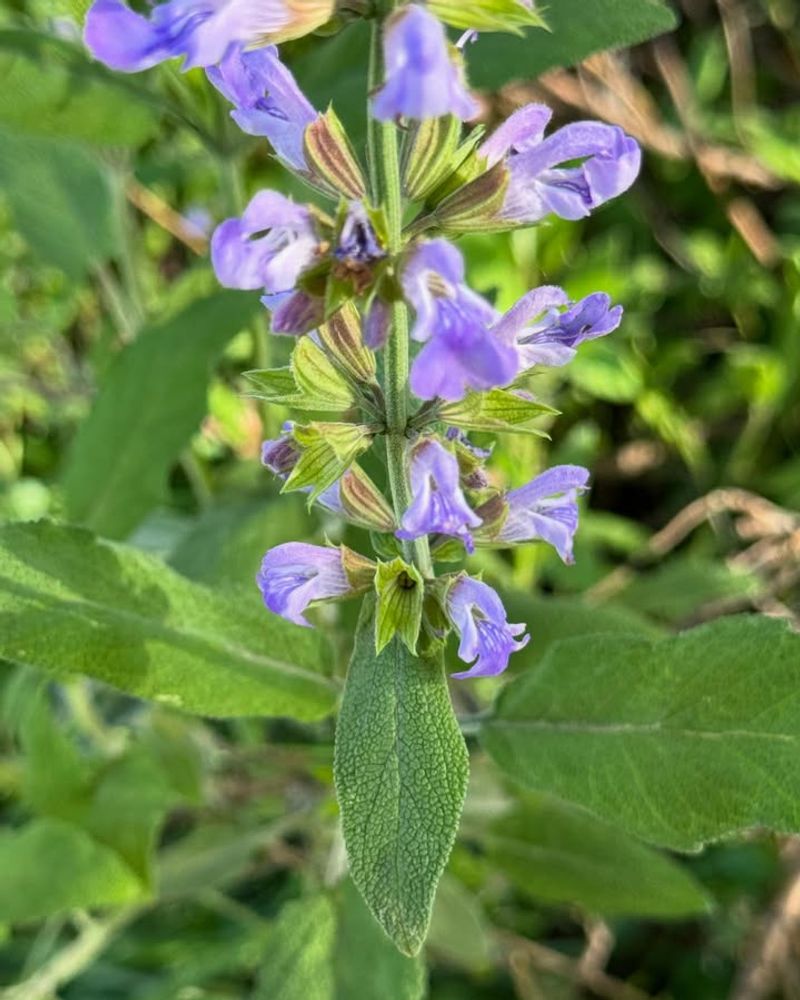
Sage has a beautiful, silvery look that many Oregon gardeners love. It smells wonderful, it attracts pollinators, and it is useful in the kitchen.
But sage and hydrangeas are not a good match in the garden. Sage is a drought-tolerant plant that prefers dry, sandy, or loamy soil with excellent drainage.
Wet roots are one of the fastest ways to weaken or lose a sage plant.
Hydrangeas need the opposite. They want moist, rich soil and regular watering, especially during Oregon’s dry summer months.
When you try to grow these two plants side by side, you end up in a constant battle. Too much water harms the sage.
Too little water stresses the hydrangea.
Sage also tends to spread low and wide over time, which can crowd the base of nearby shrubs. Hydrangeas need good air circulation around their roots and stems to stay healthy.
Planting sage too close can trap moisture against the hydrangea’s base, leading to fungal problems. Oregon gardeners should enjoy sage in a separate herb bed or a dry, sunny border where it can truly shine without competing with moisture-loving plants.
4. Thyme
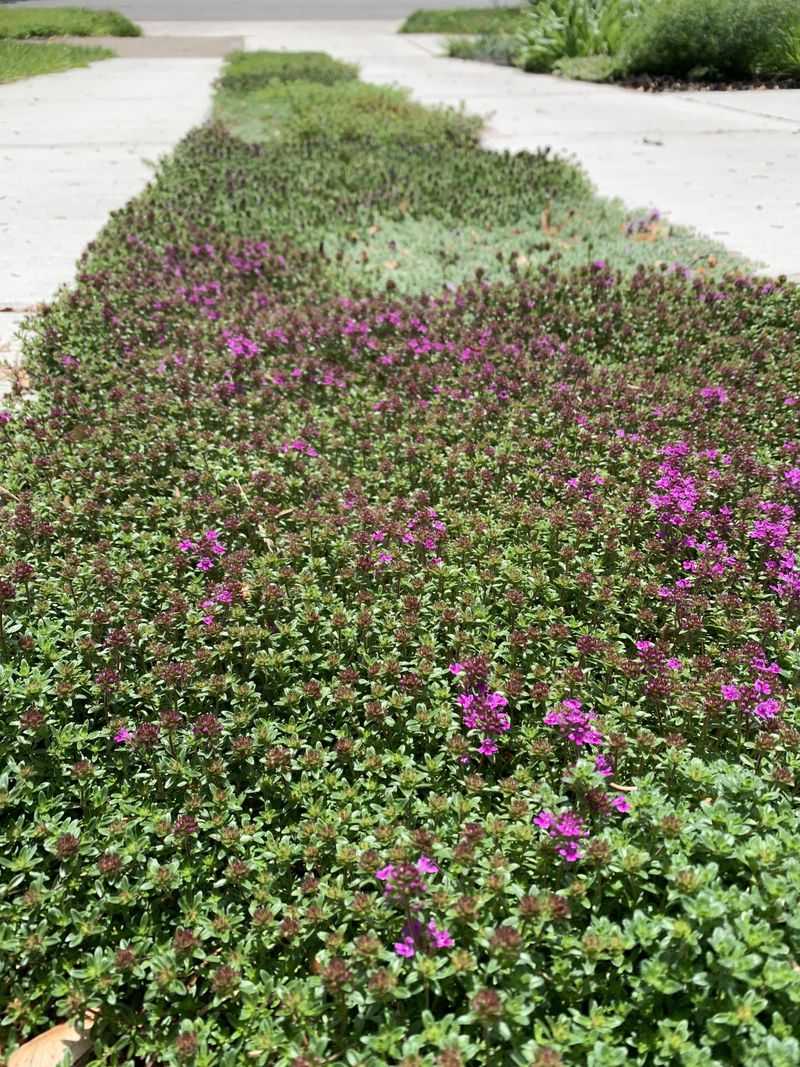
Thyme is a charming little ground cover that many Oregon gardeners use between stepping stones or along dry garden borders. It handles heat and drought like a champ and barely needs any attention once it gets established.
That low-maintenance quality is part of its appeal. But that same toughness is exactly why thyme does not belong near hydrangeas.
Hydrangeas need regular, deep watering to produce their famous big blooms. Thyme, by contrast, can actually be harmed by too much water.
Overwatering thyme leads to root rot, fungal issues, and a very sad-looking plant. Trying to water enough for a hydrangea while keeping thyme nearby puts both plants in a tough spot.
Creeping thyme also spreads quickly and quietly. Before you know it, it can creep right up to the base of your hydrangea and start competing for nutrients in the soil.
Oregon summers can already be stressful for hydrangeas due to heat and reduced rainfall. Adding a pushy ground cover like thyme into the mix just makes things more complicated.
Keep thyme in a sunny, dry spot where it can spread freely without bothering your water-loving hydrangeas.
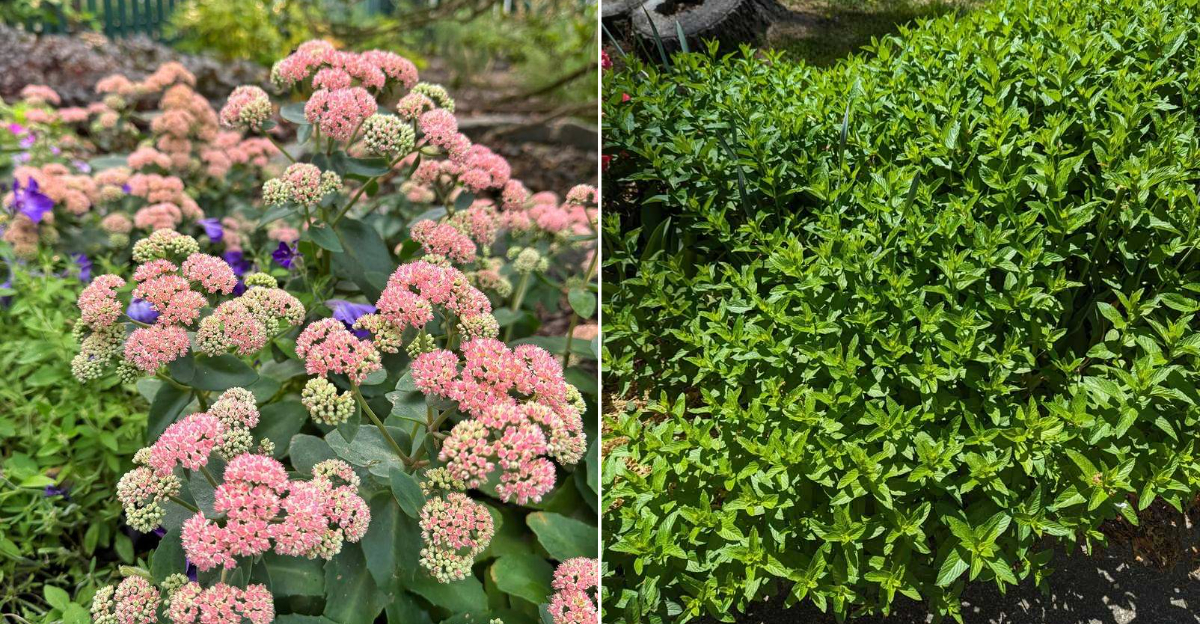
5. Sedum
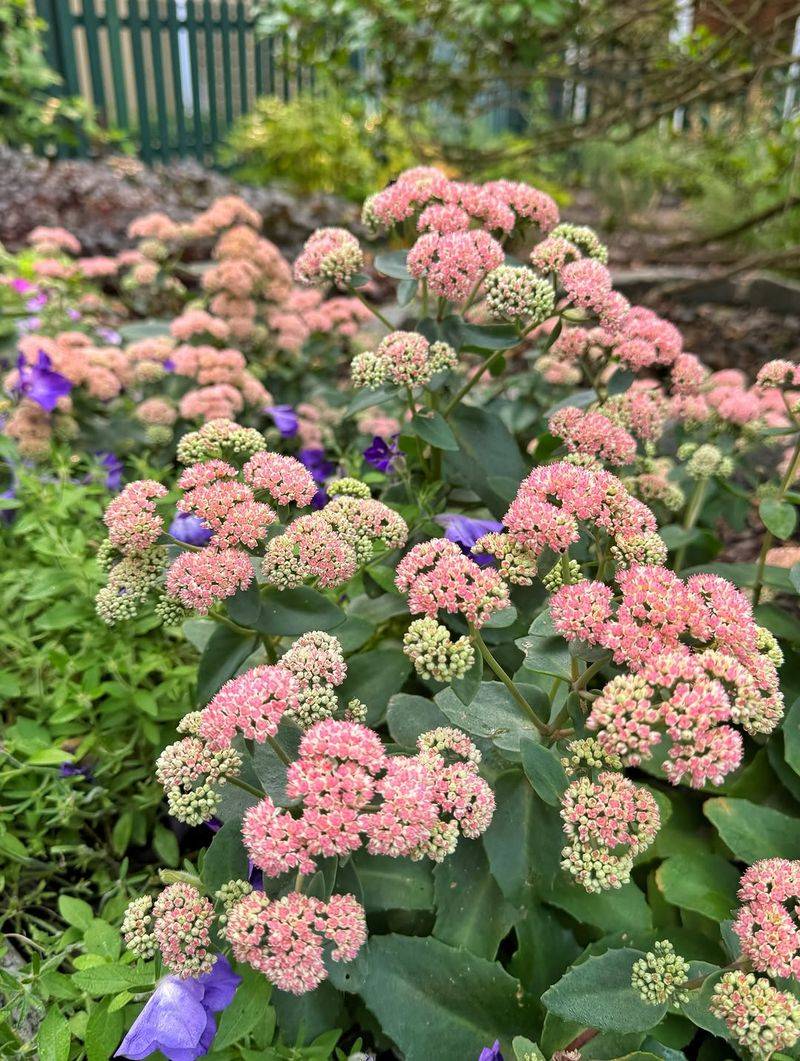
Sedum, also called stonecrop, is a popular succulent that shows up in many Oregon gardens. It is tough, colorful, and nearly impossible to neglect.
Sedum stores water in its thick leaves, which means it is built for dry conditions. That water-storing ability is exactly what makes it such a poor match for hydrangeas.
Planting sedum next to hydrangeas creates a watering conflict right from the start. Hydrangeas need consistent soil moisture to look their best, especially during Oregon’s warm, dry summers.
If you water to keep the hydrangea happy, the sedum may develop root rot from sitting in overly moist soil. Sedum truly thrives on neglect and dry conditions, not the generous watering that hydrangeas require.
Sedum also tends to spread and form dense mats close to the ground. This spreading habit can block airflow around the base of a hydrangea, which increases the risk of fungal diseases.
Oregon’s wet winters already create enough humidity to encourage mold and mildew. Adding a dense ground-hugging plant nearby does not help.
Give sedum its own sunny, rocky, or gravelly spot in your yard where it can show off without competing with your hydrangeas.
6. Yucca
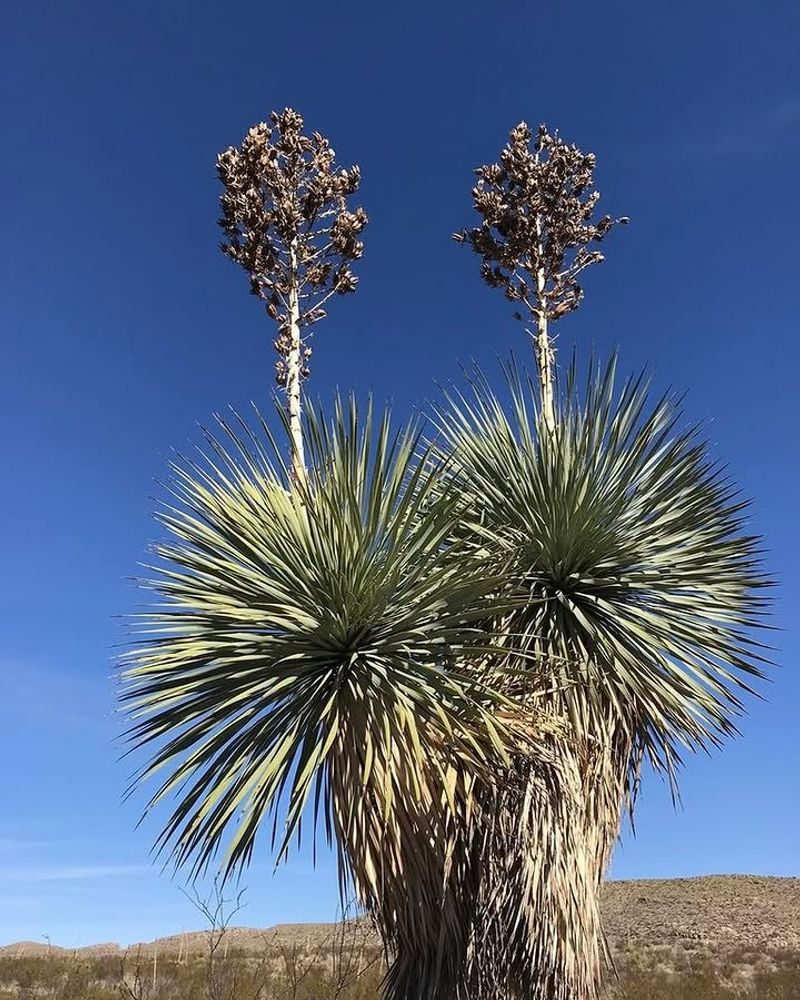
Yucca is a bold, architectural plant with stiff, sword-shaped leaves that make a dramatic statement in any garden. Some Oregon gardeners use it in dry, rocky areas where few other plants survive.
It is incredibly drought-tolerant and actually prefers poor, sandy soil with very little water. That description could not be more different from what hydrangeas need.
Hydrangeas want rich, moist, slightly acidic soil and regular watering throughout the growing season. Yucca planted nearby will either suffer from too much moisture or compete aggressively for the nutrients in the soil.
The contrast in care requirements is just too great for these two plants to coexist happily in the same bed.
Beyond water and soil needs, yucca has sharp leaf tips that can physically damage nearby plants and anyone working in the garden. In Oregon, where gardeners spend a lot of time tending to their plants, having a spiky yucca near a prized hydrangea is simply not practical.
Yucca also sends out underground offshoots that can spread and compete with neighboring plants over time. Keep yucca in a dedicated dry garden zone and let your hydrangeas have the moist, rich environment they deserve.
7. Bamboo
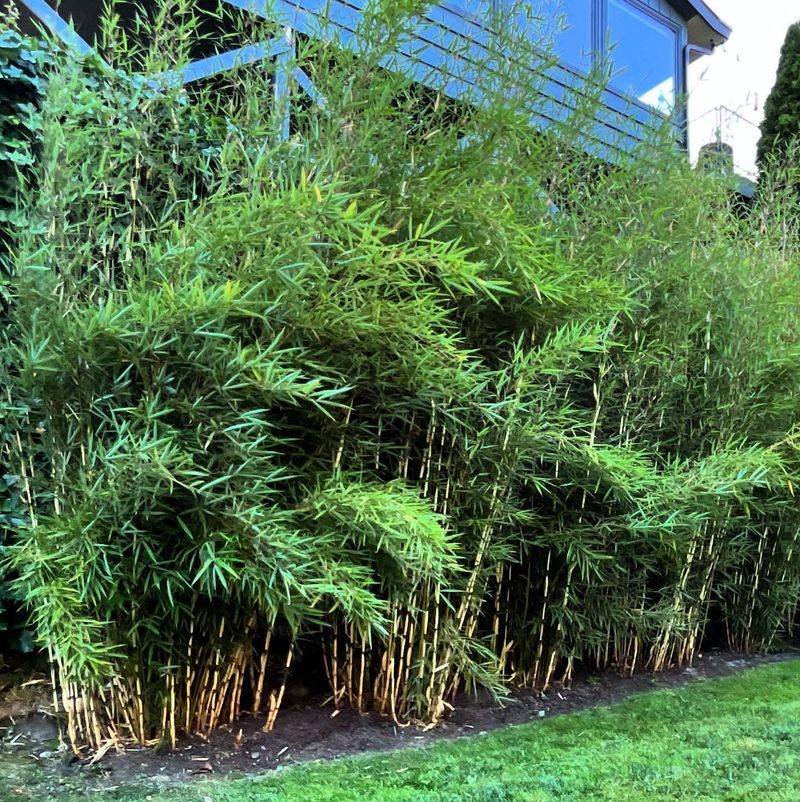
Few plants cause as much garden drama in Oregon as bamboo. Running bamboo, in particular, is notorious for spreading far beyond where it was originally planted.
It sends out underground rhizomes that can travel several feet in a single season. Once bamboo gets established near your hydrangeas, it can quickly take over and crowd out everything around it.
Bamboo is also a heavy feeder. It pulls large amounts of nutrients from the soil, leaving little behind for neighboring plants.
Hydrangeas need nutrient-rich soil to support their large blooms. When bamboo moves in next door, it can rob the soil of the very nutrients your hydrangeas depend on to thrive.
Oregon’s mild, wet climate actually encourages bamboo to grow even faster than it might in drier regions. What starts as a small, decorative clump can turn into a towering thicket within just a few years.
Removing established bamboo is a long, difficult, and exhausting process. Many Oregon gardeners have spent years fighting bamboo that was planted too close to other garden plants.
If you love bamboo, use it in a contained planter or install a deep root barrier. Just keep it well away from your hydrangeas.
8. Mint
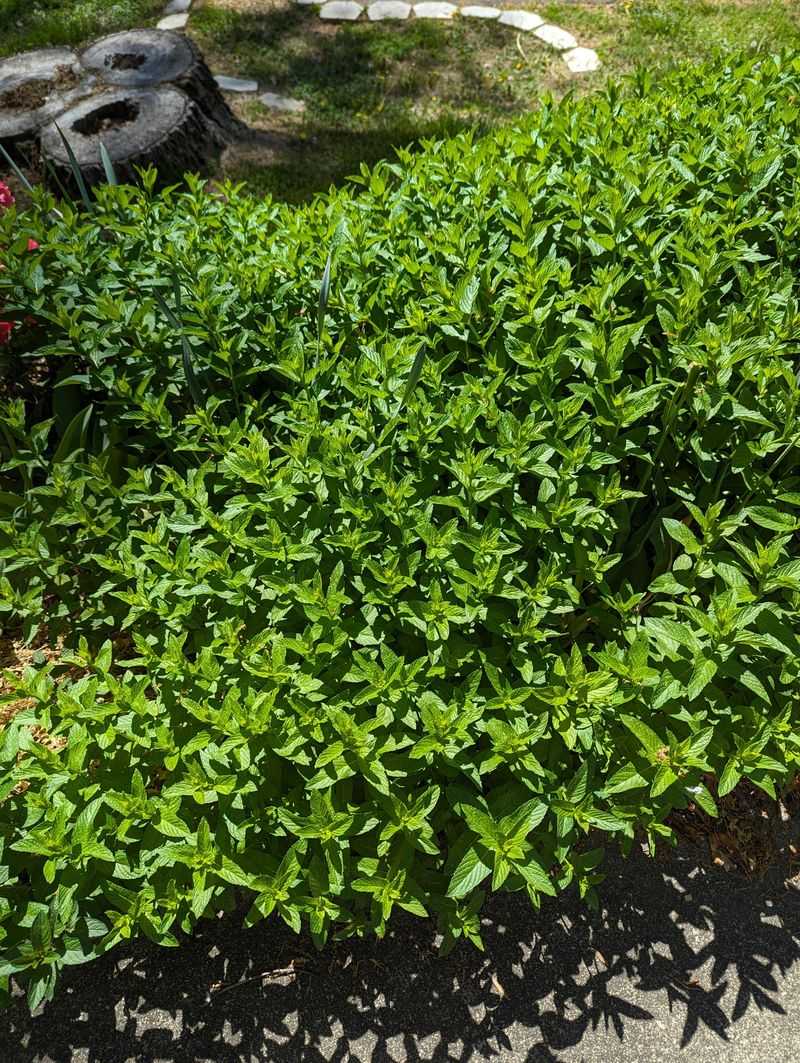
Mint smells amazing, it is useful in the kitchen, and it grows like there is no tomorrow. That last part is exactly why it is such a problem near hydrangeas.
Mint is one of the most aggressive spreading plants in any Oregon garden. It sends out runners both above and below the soil, taking over every inch of space it can reach.
When mint gets close to a hydrangea, it does not just crowd the surface. It competes underground for water and nutrients.
Hydrangeas have a relatively shallow root system that can easily be overwhelmed by mint’s fast-spreading roots. Oregon’s moist, rich garden soil is basically a paradise for mint, which means it can spread even faster here than in drier climates.
Mint can also attract certain insects and pests that may not be welcome near your hydrangeas. While mint is sometimes used as a companion plant in vegetable gardens, it is simply too aggressive for a mixed ornamental bed.
Oregon gardeners who love mint should grow it in a pot or a raised container to keep it from running wild. That way, you get to enjoy the fragrance and flavor without sacrificing the health and beauty of your hydrangeas.