8 Florida Vegetables You Can Still Plant In May For A Summer Harvest
May in Florida feels like the door to summer is already halfway closed. Temperatures are climbing, the humidity is back, and most gardening advice from the rest of the country has already written off the season entirely.
Florida gardeners who take that advice at face value end up leaving a lot of growing opportunity on the table. The window is narrower in May, no question about that.
But narrow is not the same as closed. Plenty of vegetables handle Florida summers better than people expect, and getting them in the ground this month still leaves enough time for a real harvest before the heat peaks.
Knowing which ones are worth planting right now, and which ones are already a lost cause for this season, is where it starts.
1. Plant Okra While The Window Is Still Open In North And Central Florida
Few vegetables shrug off Florida summer heat the way okra does. For North and Central Florida gardeners, May is actually one of the best months to get okra seeds in the ground before the season shifts.
South Florida gardeners have typically already planted earlier in the year, so this window is most relevant for those in the northern and central parts of the state.
Okra wants warm soil, full sun for at least eight hours a day, and good drainage. Direct seed it about half an inch deep and space plants roughly twelve to eighteen inches apart in rows about three feet apart.
Once seedlings are up, keep the soil evenly moist while they get established, then okra becomes more drought-tolerant as it matures.
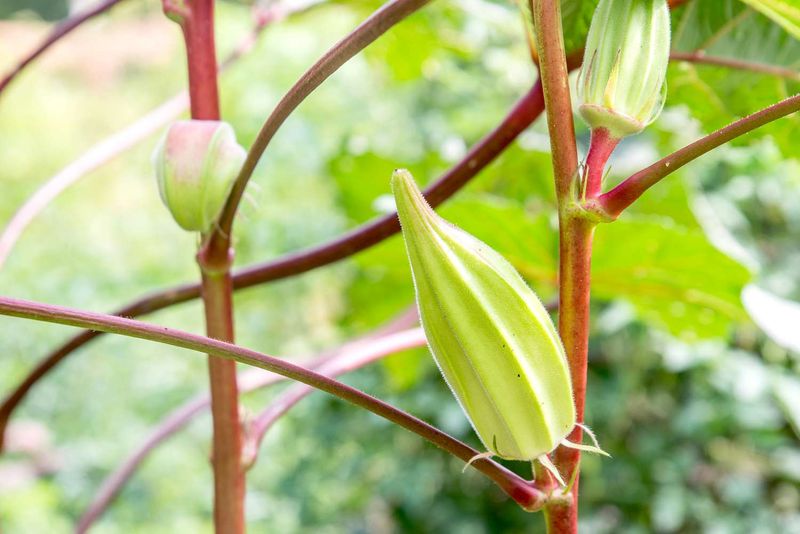
The most important harvest tip is to pick pods early and often. Pods that are allowed to grow past three to four inches quickly become tough and fibrous.
Checking plants every day or two during peak production keeps the harvest tender and keeps the plant producing longer through the summer. Tall varieties can reach six feet or more, so plan your garden layout accordingly.
Reach out to your county Extension office for the most precise local planting dates, since timing can vary even within North and Central Florida depending on your exact location.
2. Sow Southern Peas For A Heat Loving Summer Crop
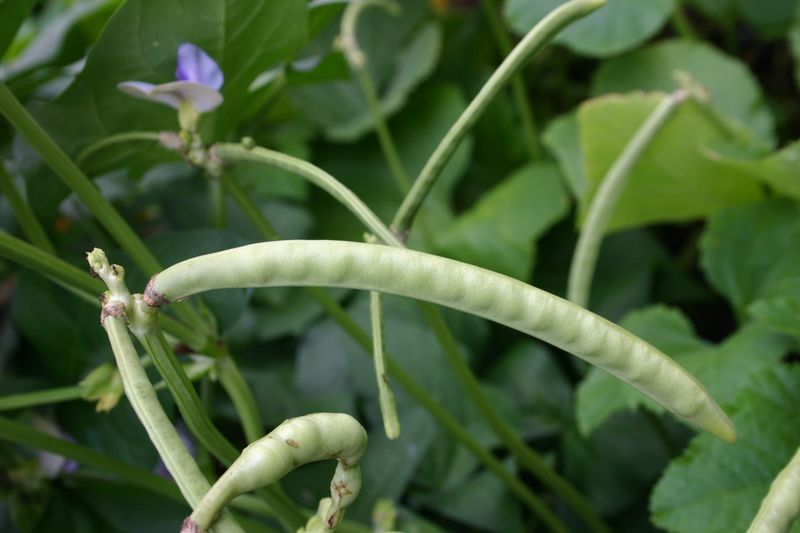
When spring beans start to struggle in the Florida heat, southern peas step up to take their place. Cowpeas, black-eyed peas, cream peas, and zipper peas are all part of this group, and they are far better suited to Florida summer conditions than most common snap beans.
For North and Central Florida gardeners, May is a solid month to get them in the ground.
Direct seeding is the standard approach. Plant seeds about one inch deep and space them roughly four to six inches apart in rows, or follow the spacing on your seed packet for the specific variety you choose.
Bush types work well in smaller gardens, while vining types need either more row space or a simple trellis or support to keep them tidy. Keep soil evenly moist while seeds germinate and seedlings get established.
Your Florida Garden Changes Every Week. Your Plan Should Too.
Gardening in Florida changes quickly throughout the season. Every Friday you’ll receive a simple weekly plan showing exactly what to plant, prune, fertilize, harvest, and protect so you never miss the right timing.
Harvesting at the right stage matters a lot with southern peas. Green-shell stage gives you peas that cook up tender and flavorful, while dry-shell stage is used for storing dried beans.
Most home gardeners prefer the green-shell harvest for fresh cooking. Southern peas also have the added benefit of fixing nitrogen in the soil, which can be a plus for garden beds that will be used again in fall.
Check with your local county Extension office to confirm the best timing for your specific area of North or Central Florida.
3. Start Chayote Where Florida Heat Works In Your Favor
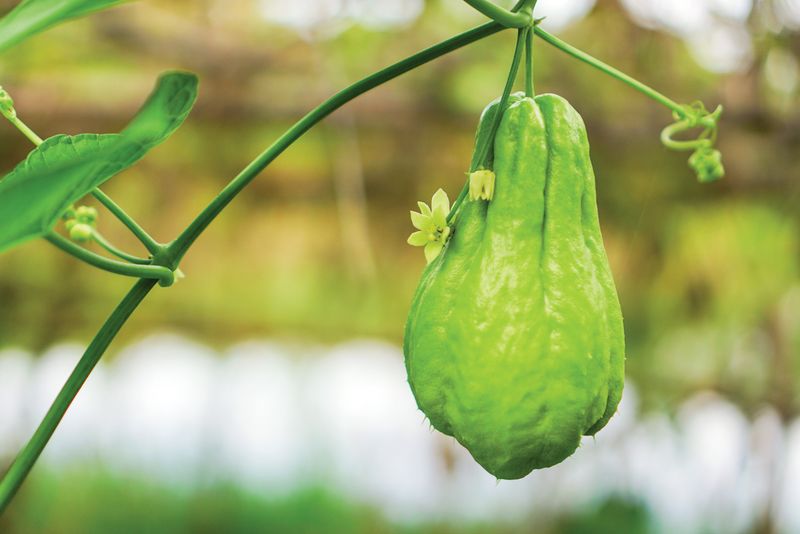
Gardeners who have never grown chayote before are often surprised by how much space this vine takes over.
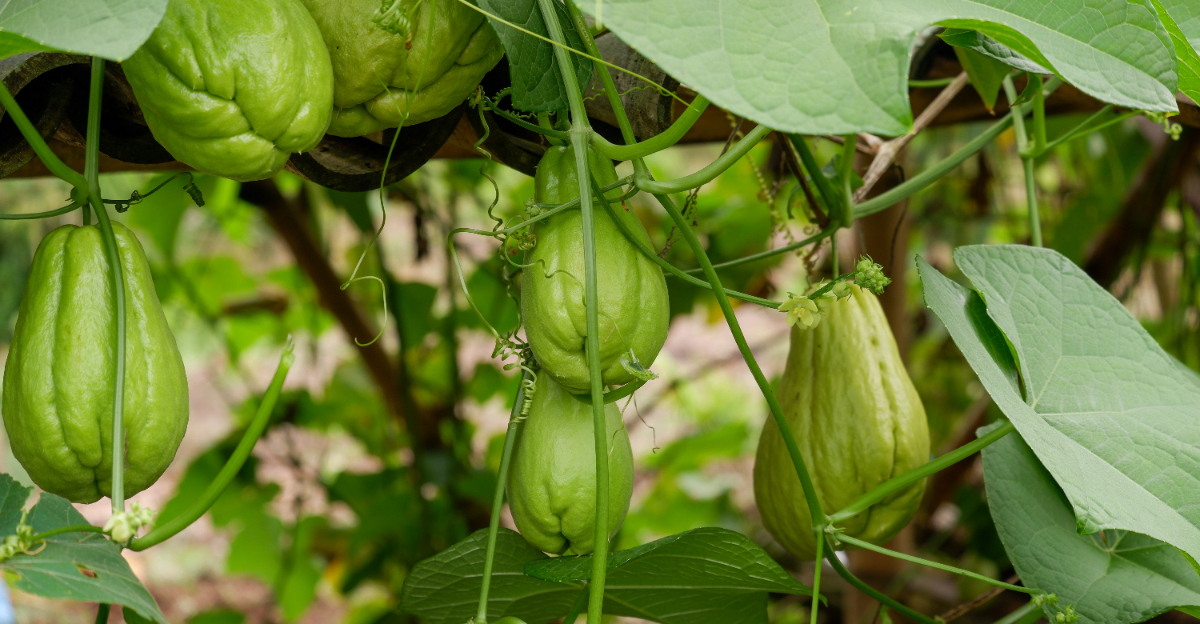
Chayote is a warm-season vining vegetable that can handle Florida heat well, and UF/IFAS lists chayote as a May seed option across North, Central, and South Florida, but gardeners should treat it as a long-term warm-season vine rather than a quick summer crop.
South Florida gardeners in particular may find it especially practical compared to cool-season vegetables that simply cannot hold up in May heat.
Chayote is not a small raised-bed crop and it is not a quick harvest. Plan for a strong trellis, a sturdy fence, an arbor, or some other solid support structure because the vine can grow very large and heavy.
Full sun is ideal, though it can tolerate light shade during the hottest parts of the day. Water consistently while the plant establishes, then keep an eye on moisture as it grows through the summer.
One thing to know upfront is that chayote often does not fruit heavily until days get shorter in fall, so planting in May sets the vine up to produce when conditions are right later in the year.
The fruits are mild, versatile in the kitchen, and easy to cook in a variety of ways.
Give it room, give it support, and give it time. Gardeners who give it room and time may be rewarded later in the season, especially once the vine is well established.
4. Grow Tropical Spinaches Instead Of Fighting Lettuce
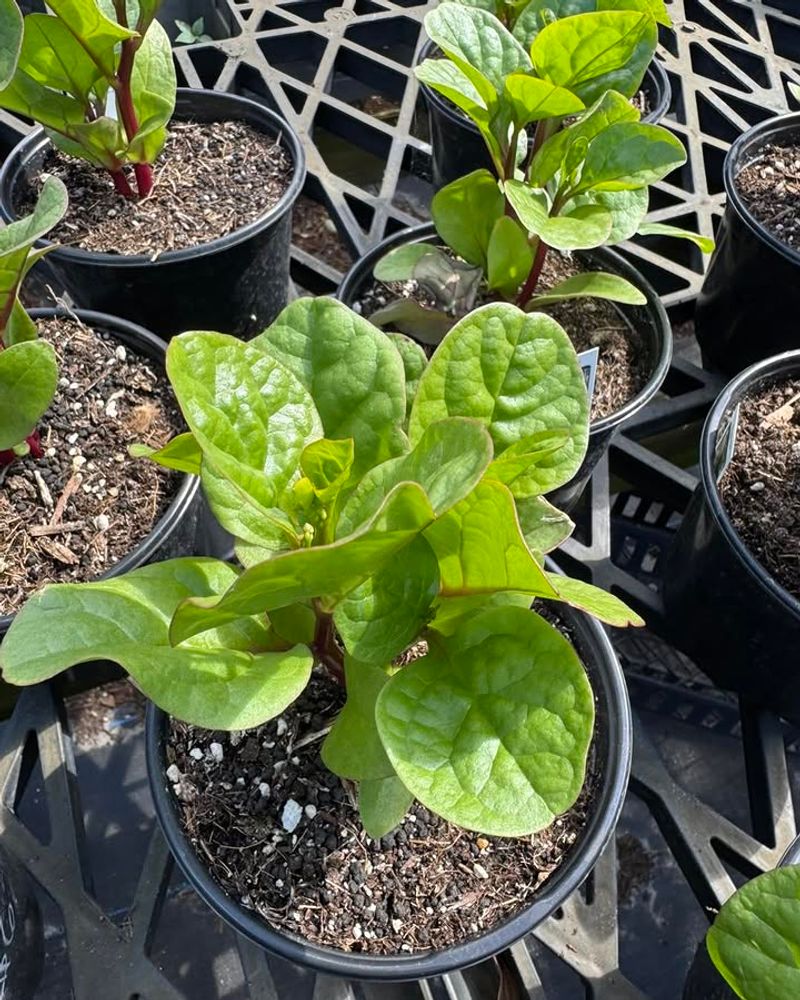
Trying to keep traditional lettuce alive in a Florida May garden is a losing battle in most of the state. The heat causes it to bolt, turn bitter, and fade fast.
Smart Florida gardeners swap in tropical spinaches instead, and the difference in results is dramatic. Options like Malabar spinach, longevity spinach, and Okinawa spinach are commonly grown in Florida as heat-tolerant leafy greens.
Malabar spinach is a vigorous climbing vine that does well on a trellis and produces thick, mild leaves that work well in cooked dishes.
Longevity spinach and Okinawa spinach are typically grown as low-growing or sprawling plants and are harvested leaf by leaf or stem by stem.
All three can handle warm weather far better than traditional spinach or lettuce. In the hottest parts of the state, partial shade during peak afternoon hours can help keep leaves from scorching.
Consistent moisture is important, especially while plants establish. Once they are growing steadily, regular harvesting of outer leaves or stem tips encourages continued production through the summer.
One practical note worth mentioning: always confirm the identity of any unfamiliar green before eating it, and make sure plants are grown without unsafe chemical applications.
These tropical greens are suitable for North, Central, and South Florida gardeners planting in May.
5. Plant Boniato For A True Florida Summer Root Crop
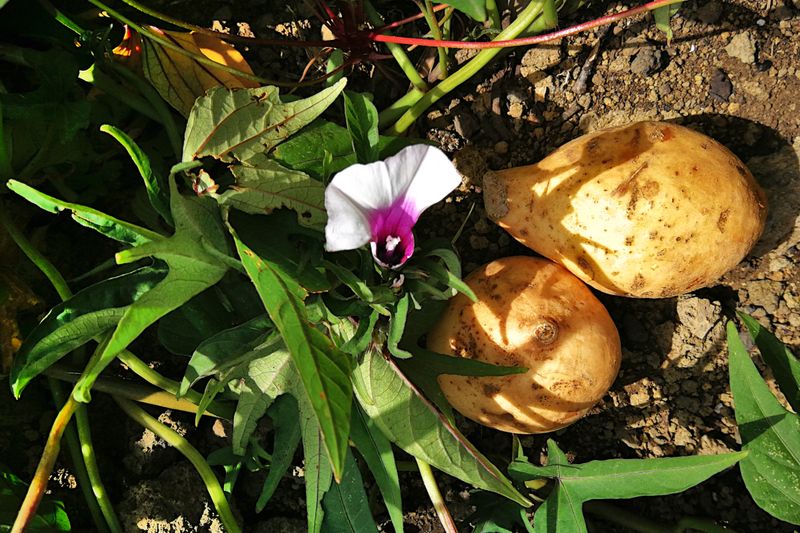
Root crops and Florida summer heat do not always get along, but boniato is one clear exception. Related to sweet potato, boniato is a warm-season root crop that has been grown in Florida and the Caribbean for generations.
May is a good time to get it started in North, Central, and South Florida, though gardeners should go in knowing that this is a patient crop, not a fast one.
Loose, well-drained soil is essential for boniato to develop properly sized roots. Heavy clay or compacted soil can restrict root growth and lead to poor harvests.
A raised bed with amended sandy loam or a naturally loose garden bed works well. Choose a spot with full sun and plan for the vines to spread, since boniato grows similarly to sweet potato and can cover significant ground.
Space plants generously to give roots room to develop underground.
Watering during establishment is important. Once vines are growing well, boniato is reasonably resilient in warm weather, but consistent moisture through the summer still improves root development.
Expect to wait roughly four to five months from planting before roots are ready to harvest, which means a May planting typically yields a fall harvest.
For gardeners who are not familiar with boniato, the flesh is usually white or cream-colored and has a mildly sweet, starchy flavor that is excellent roasted or baked.
6. Tuck In Sweet Potatoes For Vines Now And Roots Later
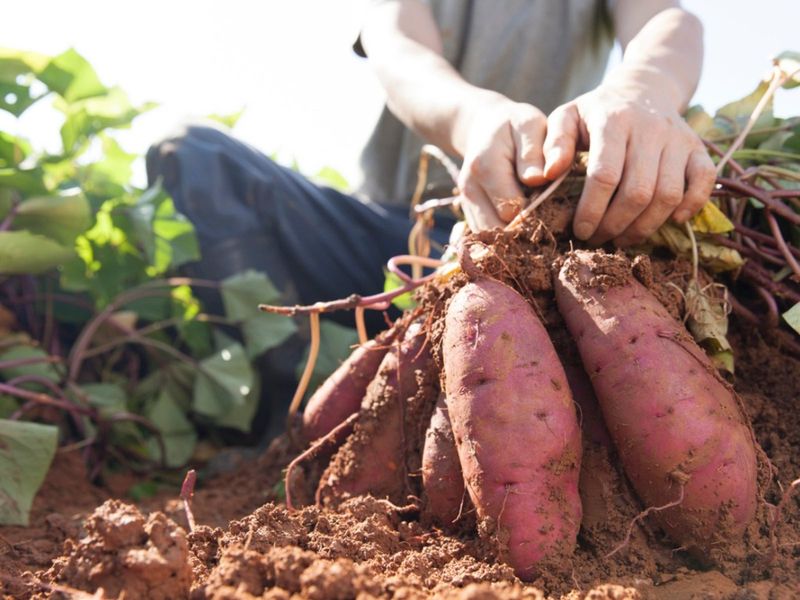
Sweet potatoes are one of the most reliable summer crops a Florida gardener can grow, and May is right in the planting window for North, Central, and South Florida. Unlike many vegetables, sweet potatoes are not grown from seeds.
Gardeners plant slips, which are rooted vine cuttings, and those slips take off quickly once soil temperatures are warm and settled.
Loose, well-drained soil is the foundation of a good sweet potato harvest. Sandy loam works well in many parts of Florida.
Avoid areas with poor drainage because waterlogged soil can cause roots to rot before they size up. Full sun is a must, and the vines will spread aggressively, so give them plenty of room or be prepared to redirect them as they grow.
When transplanting slips, handle roots gently and water them in well immediately after planting.
Keep soil moisture steady for the first few weeks while slips establish, then the plants generally handle Florida summer conditions with less fuss.
Roots are typically ready to harvest around ninety to one hundred twenty days after planting, putting a May crop on track for a late summer or early fall harvest.
The young leaves are edible and have been used as greens in many cultures, but only harvest leaves from plants grown without unsafe chemical applications. Focus the main effort on root production for the best return on your garden space.
7. Try Amaranth When Summer Heat Runs The Garden
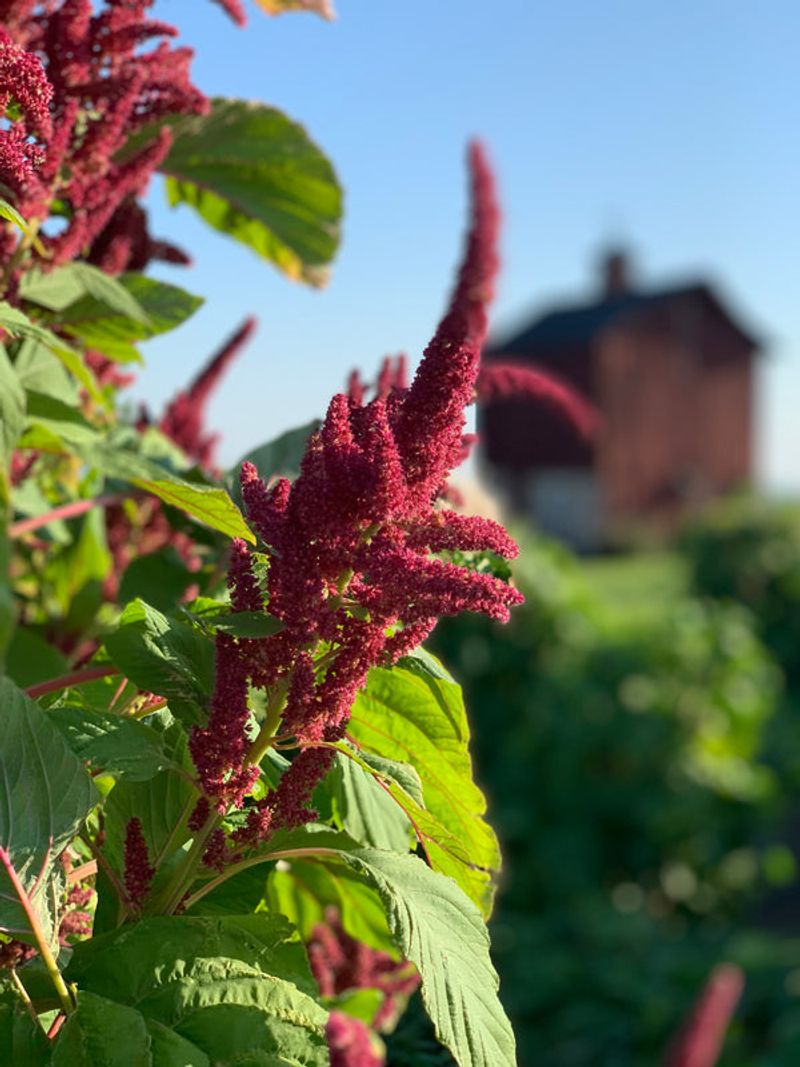
Most cool-season greens wave the white flag by May in Florida, but edible amaranth just gets started. Vegetable amaranth is grown for its large, tender leaves and can produce reliably through warm months when other greens have long since bolted or faded.
UF/IFAS lists amaranth as a May transplant-with-care option for North, Central, and South Florida, and warm soil can also support seed-starting when local conditions are right.
One important distinction to make upfront: choose varieties specifically bred or sold as edible vegetable amaranth.
Many ornamental amaranth varieties are grown for their showy flowers rather than their leaves, and not every amaranth plant at a nursery is intended for the table.
Look for varieties labeled as vegetable or grain amaranth, and buy from a reputable source to make sure you are getting what you expect.
Plant in full sun for the best leaf production, and make sure the soil is warm and reasonably loose. Space plants about twelve to eighteen inches apart to give them room to fill out.
Water regularly during establishment, and once plants are growing well, harvest outer leaves frequently to encourage continued production. Regular harvesting also keeps plants from bolting too quickly.
Amaranth can be a surprisingly productive summer green for Florida gardeners who are willing to try something outside the usual cool-season lineup. Young leaves are mild and cook down similarly to spinach in many recipes.
8. Grow Seminole Pumpkin Where North And Central Florida Gardens Have Room
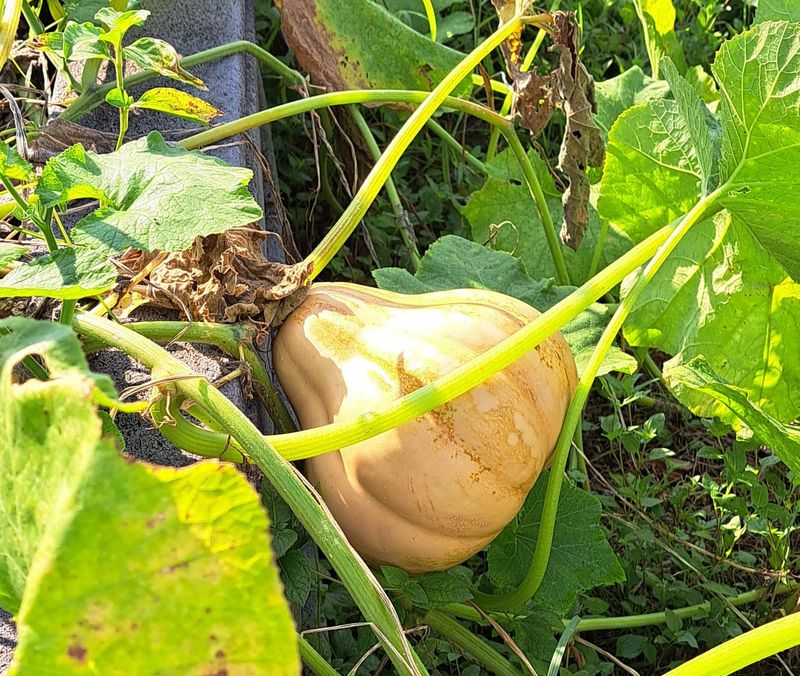
Florida has its own heritage pumpkin, and it is one of the toughest warm-season crops you can grow in the state. Seminole pumpkin has deep roots in Florida history, originally cultivated by the Seminole people long before modern hybrid vegetables arrived.
For North and Central Florida gardeners, UF/IFAS lists Seminole pumpkin as a May transplant-with-care option, although direct seeding is commonly recommended and late plantings may require extra pest attention.
Space is the biggest requirement here. Seminole pumpkin vines can run ten feet or more in multiple directions, and trying to squeeze one into a small raised bed without a serious plan for vine management is a recipe for frustration.
A large in-ground garden bed, a roomy backyard plot, or a sturdy trellis system that can handle heavy fruit weight all work well.
Full sun is essential, and a thick layer of mulch around the base helps retain moisture and regulate soil temperature through the summer heat.
Water consistently while transplants establish, then keep up with regular watering as vines grow.
Seminole pumpkin has notably good tolerance for Florida heat and humidity compared to many other pumpkin varieties, which is part of what makes it worth growing in this climate.
Fruits are usually ready about three to four months after planting. For gardeners with the yard space to let it roam, Seminole pumpkin can be one of the most rewarding summer crops in a North or Central Florida garden.