Native Michigan Trees That Grow Without Much Care And Last For Generations
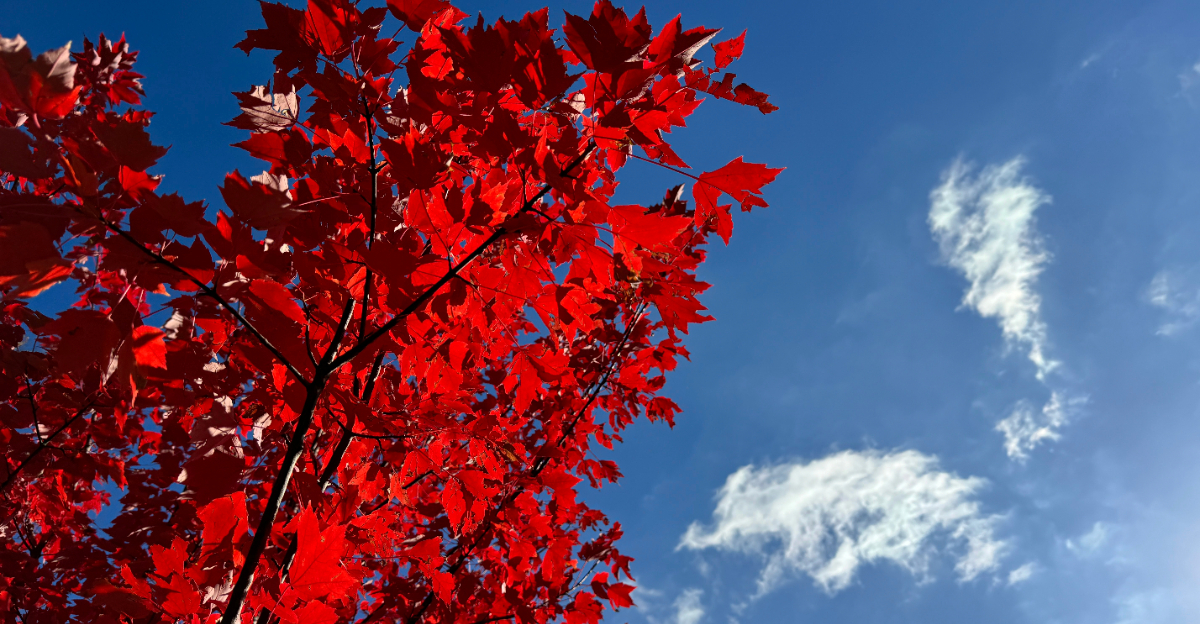
Some trees demand constant attention and still disappoint. Others go in the ground, survive whatever Michigan throws at them, and grow stronger with every passing decade.
Native Michigan trees fall firmly into that second category, and the reasons go deeper than just hardiness.
These species evolved alongside Michigan’s soils, rainfall patterns, temperature swings, and native wildlife over thousands of years, which means they are not just surviving in this environment, they are genuinely at home in it.
They need less water once established, fewer interventions when pests appear, and almost no coaxing to develop into something truly impressive over time.
Planting a native tree is also one of the most lasting things you can do for your property and the ecosystem around it.
The right choice made today grows into something that outlives the gardener who planted it and supports wildlife for generations. These are the Michigan natives worth knowing before your next planting season begins.
1. White Oak (Quercus alba)
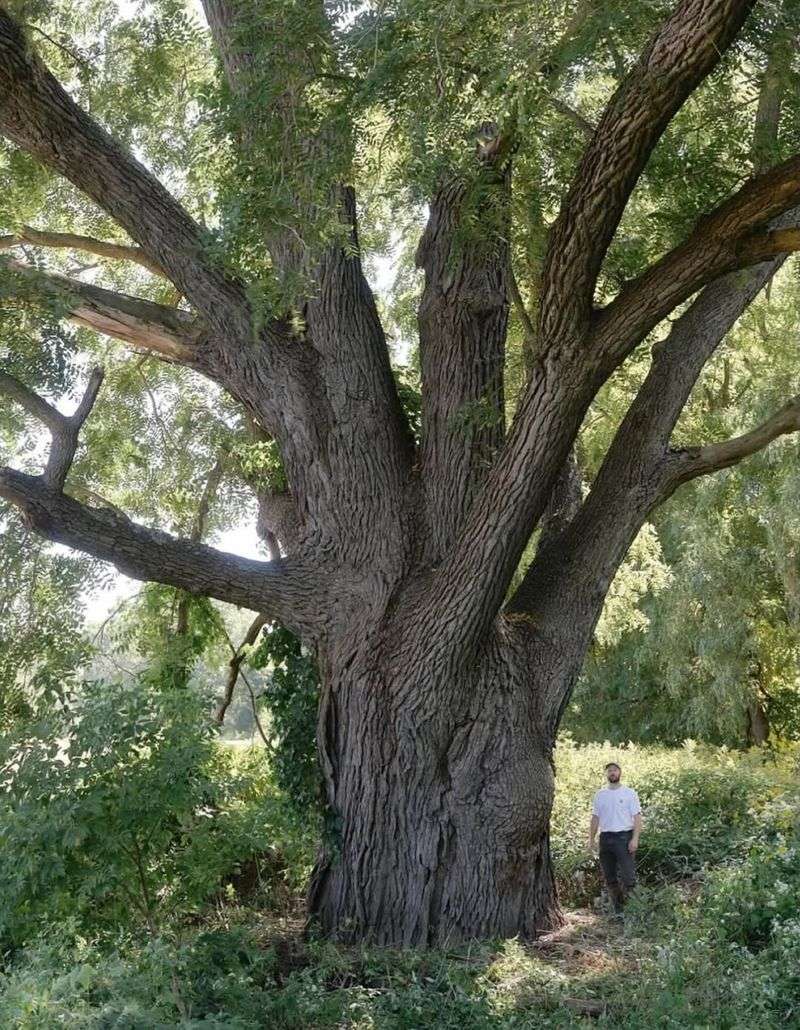
Few trees carry the kind of legacy that a White Oak can. This remarkable native has been growing across Michigan for thousands of years, and a single tree can easily outlive every person who ever plants it.
Some White Oaks in the wild have been documented at over 500 years old, which makes planting one feel like leaving a gift for the future.
White Oak grows best in full sun and needs plenty of room to spread out. Its canopy can stretch 60 to 80 feet wide at maturity, making it a standout shade tree for large yards and open properties across Michigan.
The deeply lobed leaves turn rich shades of burgundy and brown in fall, adding serious seasonal beauty to any landscape.
Once established, this tree is remarkably self-sufficient. It adapts to a wide range of Michigan soils, from sandy to loamy, and handles dry summers with ease after its root system matures.
Wildlife absolutely loves it, since White Oak acorns are a top food source for deer, turkeys, squirrels, and over 500 species of caterpillars. Give it space, plant it young, and step back to watch something truly extraordinary take root in your Michigan yard for generations ahead.
2. Bur Oak (Quercus macrocarpa)
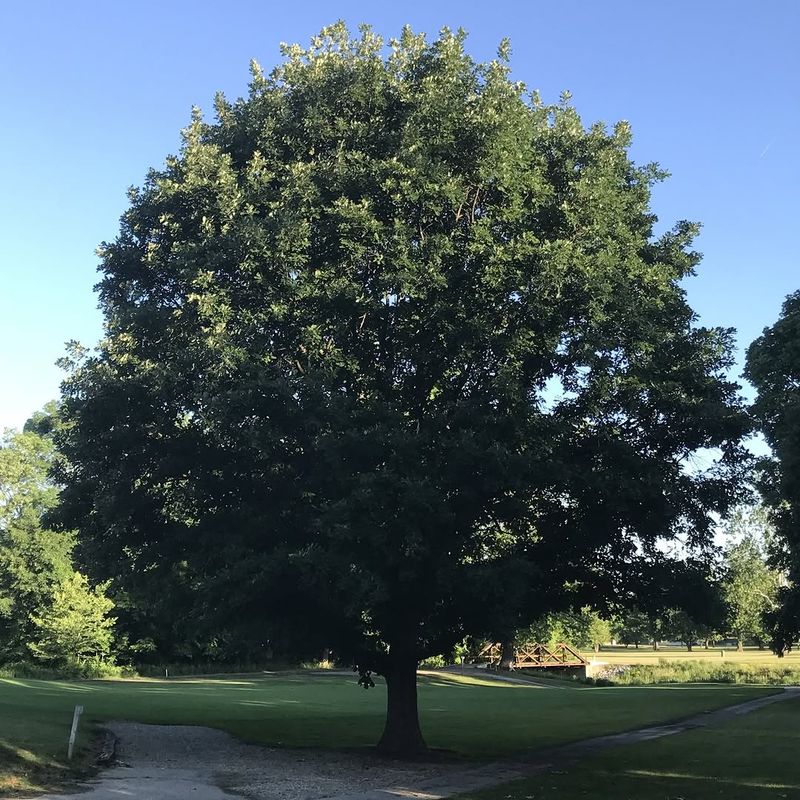
If you want a tree that can handle almost anything Michigan throws at it, Bur Oak is your answer. This native powerhouse tolerates clay soil, summer drought, urban pollution, and even compacted ground conditions that would stress most other trees.
It has survived on the Michigan landscape through centuries of harsh winters and blistering summers without breaking a sweat.
Bur Oak is one of the toughest oaks in North America, and its thick, corky bark is part of the reason why. That bark acts as natural armor, helping the tree resist fire, pests, and environmental stress better than many competing species.
Mature trees develop a wide, rounded crown that can reach 70 to 80 feet tall, creating incredible shade and structure in any large Michigan yard or open space.
Gardeners and homeowners in Michigan often overlook Bur Oak because it grows more slowly than some ornamental trees, but patience pays off in a big way here.
Your Michigan Garden Changes Every Week. Your Plan Should Too.
Gardening in Michigan changes quickly throughout the season. Every Friday you’ll receive a simple weekly plan showing exactly what to plant, prune, fertilize, harvest, and protect so you never miss the right timing.
Once the root system establishes, growth picks up noticeably, and the tree becomes almost entirely self-sufficient.
Its large, distinctive acorns feed wildlife all season long, supporting deer, wood ducks, and a wide range of songbirds. Planting a Bur Oak today means your grandchildren will grow up in its shade, and their grandchildren will too.
3. Sugar Maple (Acer saccharum)
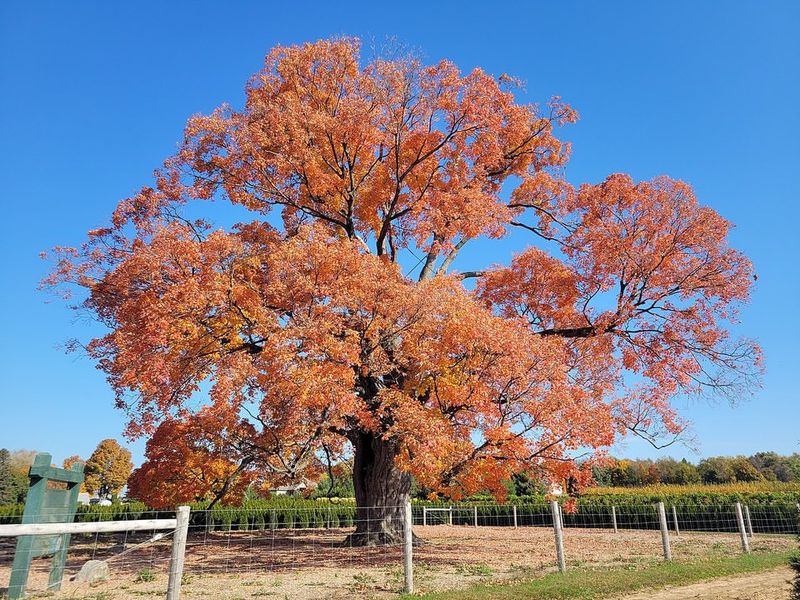
There is something almost magical about a Sugar Maple in October. The leaves shift from green into blazing shades of orange, red, and gold, turning entire Michigan neighborhoods into something that looks like a painting.
It is no surprise that this tree is one of the most beloved native species in the entire state, celebrated for both its beauty and its long, productive life.
Sugar Maple grows best in well-drained soil with good organic content, and it really shines in locations away from heavy road salt and compacted urban ground. In the right spot, it can live well over 200 years and reach heights of 60 to 75 feet.
The dense canopy provides excellent summer shade, which makes it a practical choice for yards where people actually want to spend time outdoors.
Beyond the fall show, Sugar Maple supports Michigan ecosystems in meaningful ways. Its flowers are an early spring nectar source for native bees, and its seeds feed squirrels and birds through late winter.
Of course, its sap is the source of real maple syrup, a tradition that Michigan families have enjoyed for generations.
Planting a Sugar Maple in your yard connects you to that heritage while adding lasting value, seasonal beauty, and natural wildlife support to your outdoor space for many decades ahead.
4. Red Maple (Acer rubrum)
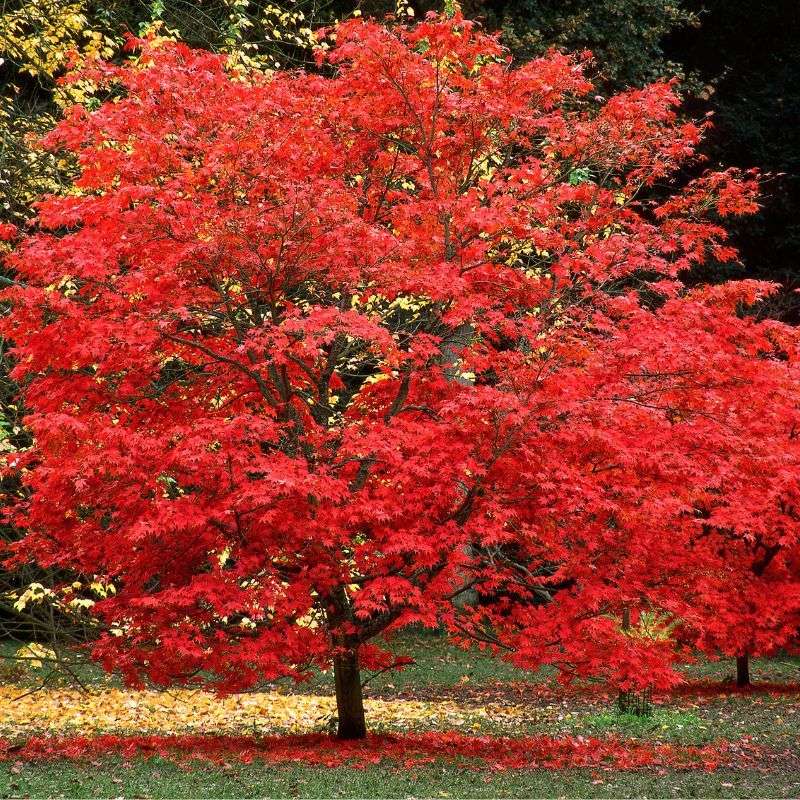
Red Maple earns its name in more than one season. In early spring, clusters of tiny red flowers appear on bare branches weeks before most other trees even think about budding, giving Michigan yards a welcome burst of color after a long winter.
Come fall, the leaves shift into bright crimson and orange, making this one of the most visually rewarding native trees you can plant.
One of Red Maple’s biggest strengths is its adaptability. It grows comfortably in both wet areas and moderately dry soils, which means it fits into a wider range of Michigan landscapes than many other native species.
It also grows faster than Sugar Maple, often putting on a foot or more of height per year under good conditions, so you start enjoying its benefits sooner without sacrificing long-term staying power.
Across Michigan, Red Maple is one of the most commonly planted native trees, and for good reason. It handles a variety of soil types, thrives in both full sun and partial shade, and supports a rich community of native insects, birds, and small mammals.
Squirrels rely on its early seeds, and cavity-nesting birds often make homes in older specimens.
For homeowners who want a fast-establishing, low-maintenance native tree that delivers beauty across every season, Red Maple is one of the smartest choices available in Michigan today.
5. Eastern White Pine (Pinus strobus)
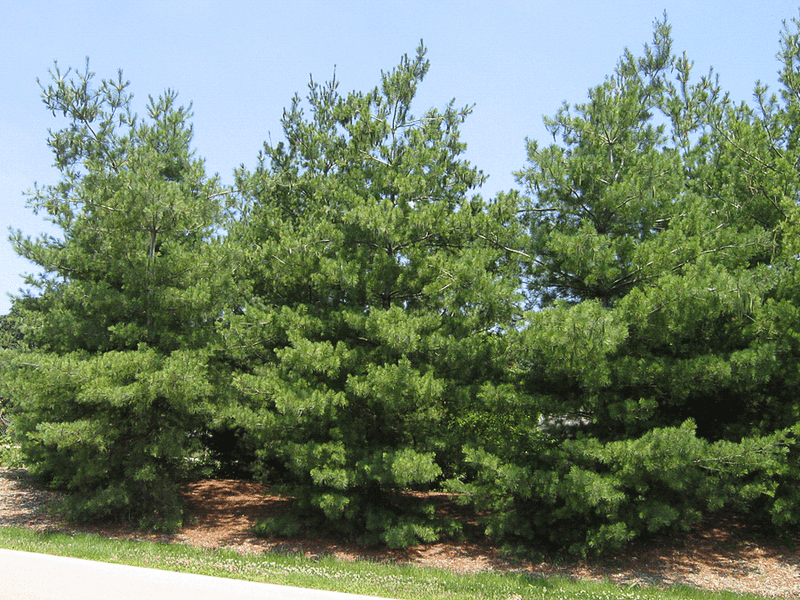
Eastern White Pine is Michigan’s state tree, and it has more than earned that title. Growing across the Upper and Lower Peninsulas for centuries, this native evergreen once covered millions of acres of Michigan forest and remains one of the most iconic trees in the region.
Its soft, feathery needles and graceful, pyramidal shape make it one of the most recognizable trees in any Michigan landscape.
Growth rate is one of White Pine’s most appealing qualities. Under good conditions, young trees can add two feet or more of height per year, reaching 80 feet tall at maturity and sometimes much taller in ideal woodland settings.
It prefers full sun and well-drained soil, and once established, it handles Michigan winters with ease. One thing to keep in mind is that White Pine is sensitive to road salt and heavy air pollution, so planting it away from busy roads gives it the best chance to thrive.
For wildlife, Eastern White Pine is incredibly valuable. Its dense branches provide year-round shelter for songbirds, owls, and small mammals, while its seeds feed crossbills, chickadees, and red squirrels through the winter months.
The long, graceful branches also make excellent windbreaks and privacy screens for Michigan properties. If you want a fast-growing, long-lived native evergreen that looks stunning in every season, Eastern White Pine belongs in your yard.
6. American Basswood (Tilia americana)
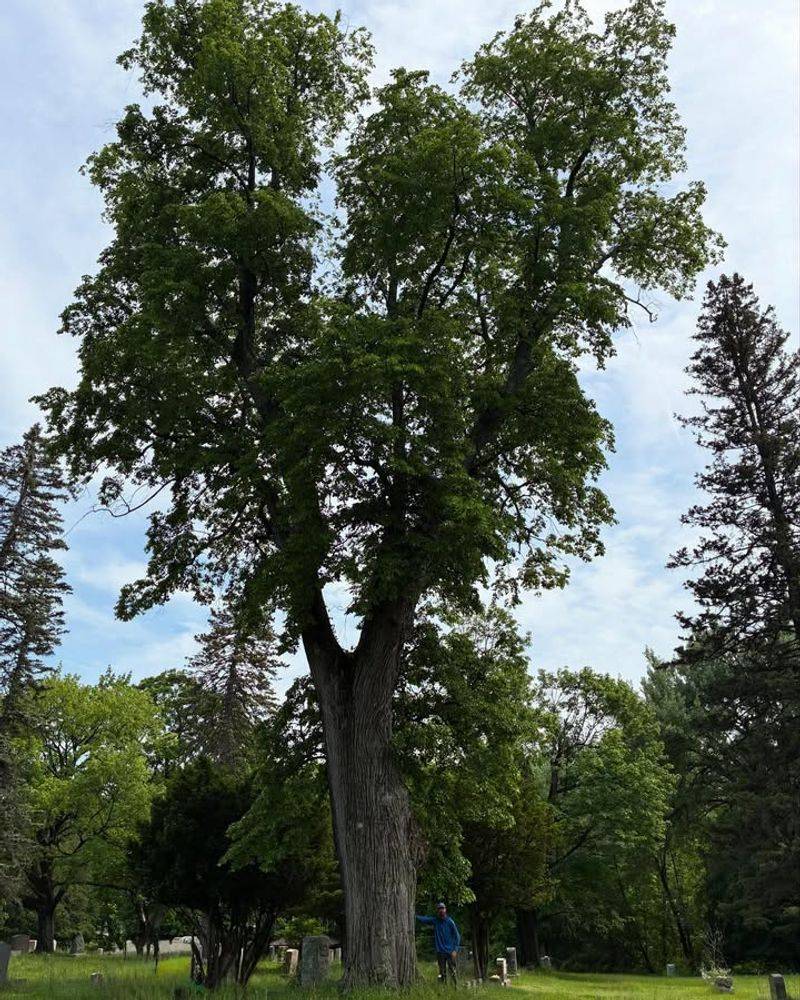
Walk past a Basswood tree in late June or early July, and you will stop in your tracks. The fragrance from its small, cream-colored flowers is absolutely intoxicating, sweet and honeyed in a way that drifts through the air on warm Michigan afternoons.
Bees go absolutely wild for Basswood blooms, and beekeepers across Michigan have long valued it as one of the finest native honey trees in the entire region.
American Basswood grows into a large, handsome shade tree with broad, heart-shaped leaves that create a dense, cooling canopy through summer.
It does best in moist, well-drained soil and adapts well to the range of conditions found across Michigan, from rich lowland areas to upland forest edges.
Mature trees can reach 60 to 80 feet tall, and they tend to develop a full, rounded crown that provides generous shade for yards, parks, and open spaces.
Beyond its pollinator value, Basswood supports Michigan wildlife in multiple ways. Its fibrous inner bark was historically used by Indigenous peoples for cordage and weaving, which speaks to how deeply this tree is woven into the region’s natural and cultural history.
Birds nest in its branches, and small mammals feed on its nutlets in fall. For Michigan homeowners who want a native shade tree with incredible pollinator power and genuine historical roots in the landscape, American Basswood is a remarkable and often underappreciated choice.
7. Hackberry (Celtis occidentalis)
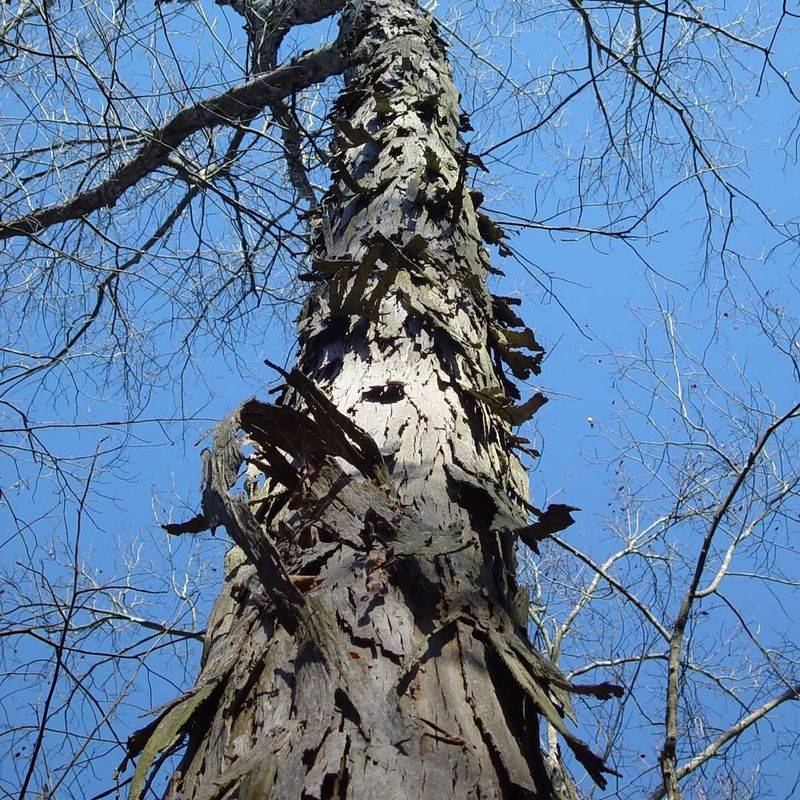
Hackberry might just be the most underrated native tree in Michigan, and that is honestly a shame. While other trees get all the attention, Hackberry quietly handles clay soil, drought, strong winds, urban heat, and compacted ground without complaint.
Very few native trees can match its combination of toughness and adaptability, which makes it an incredibly smart choice for challenging Michigan planting sites.
The tree develops a distinctive look over time, with corky, warty ridges running along its bark that give it a rugged, character-filled appearance unlike anything else in the landscape.
It grows to between 40 and 60 feet tall with a broad, somewhat irregular crown that provides solid shade.
Hackberry thrives in full sun to partial shade and genuinely seems to improve with age, becoming more impressive and wildlife-friendly with each passing decade in Michigan yards and parks.
Wildlife value is where Hackberry truly shines. Its small, dark purple berries ripen in fall and are absolutely irresistible to birds, with over 50 species recorded feeding on them across the Midwest, including robins, cedar waxwings, mockingbirds, and yellow-rumped warblers.
Hackberry is also the host plant for several native butterfly species, including the Hackberry Emperor and Question Mark.
For Michigan gardeners who want a no-fuss, wildlife-packed native tree that handles tough conditions and lives for generations, Hackberry deserves a serious second look and a permanent place in the landscape.