These Easy Annuals Keep Blooming All Summer In Ohio Gardens
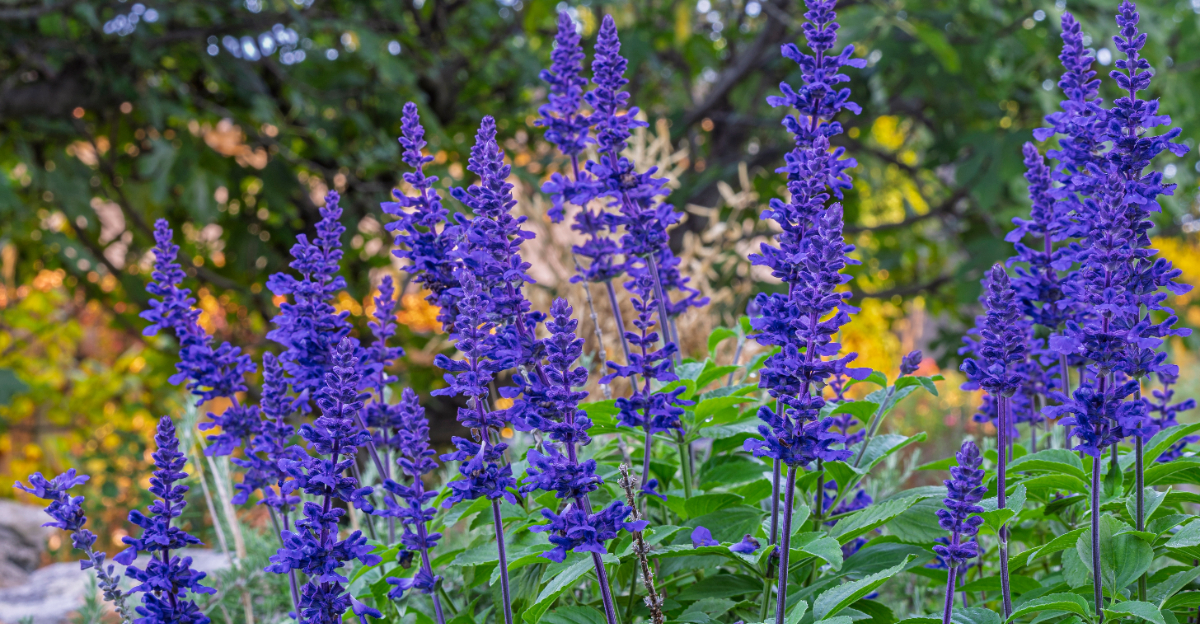
Ohio summers can be unpredictable. One stretch brings perfect sunshine, the next brings heat, humidity, and dry soil that leaves plants struggling to keep up.
The problem isn’t your effort. It’s choosing plants that cannot handle the swings.
Some annuals fade fast once the weather turns tough. Others keep going, pushing out fresh blooms week after week without slowing down.
The difference comes down to picking flowers built for Ohio conditions. Heat, humidity, and uneven rainfall stop being a problem when the right plants are in place.
A few smart choices can keep your garden full of color from late spring through the end of summer, without constant replanting or extra work.
1. Plant Petunias For Nonstop Color
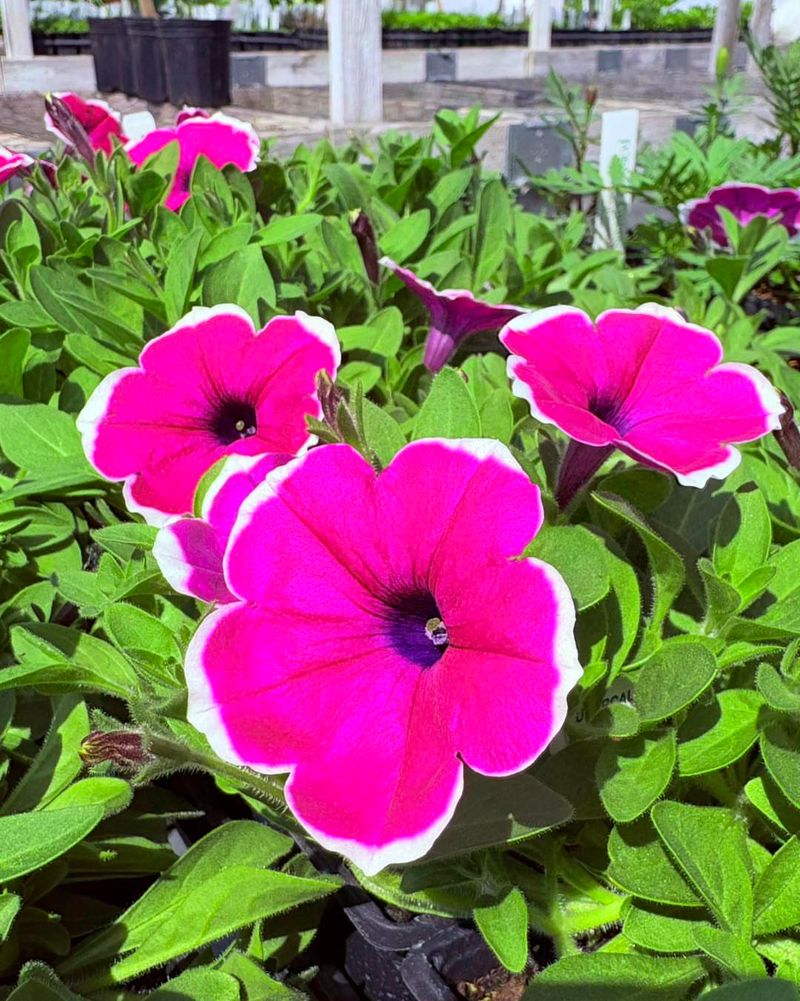
Few flowers say “summer” quite like a pot or garden bed bursting with petunias. These cheerful bloomers come in nearly every color imaginable, from soft lavender to bold red, and they thrive in Ohio’s warm, sunny summers when given the right care.
Petunias need at least six hours of full sun each day to perform their best. Without enough light, the plants tend to get leggy and produce fewer flowers.
Plant them in a spot that gets morning sun and stays bright through the afternoon for the strongest results.
Watering consistently is key, especially during dry Ohio summers. Petunias prefer slightly moist soil but do not like sitting in soggy ground.
Water at the base of the plant to keep the foliage dry and reduce the chance of disease.
Traditional petunias benefit from regular deadheading, which means pinching off spent blooms to encourage new ones.
If that sounds like too much work, look for newer self-cleaning varieties like Wave or Supertunia petunias, which drop their old blooms on their own.
A slow-release fertilizer applied at planting, plus a liquid feed every couple of weeks, will keep the color coming strong all season long.
2. Grow Marigolds For Heat Loving Blooms
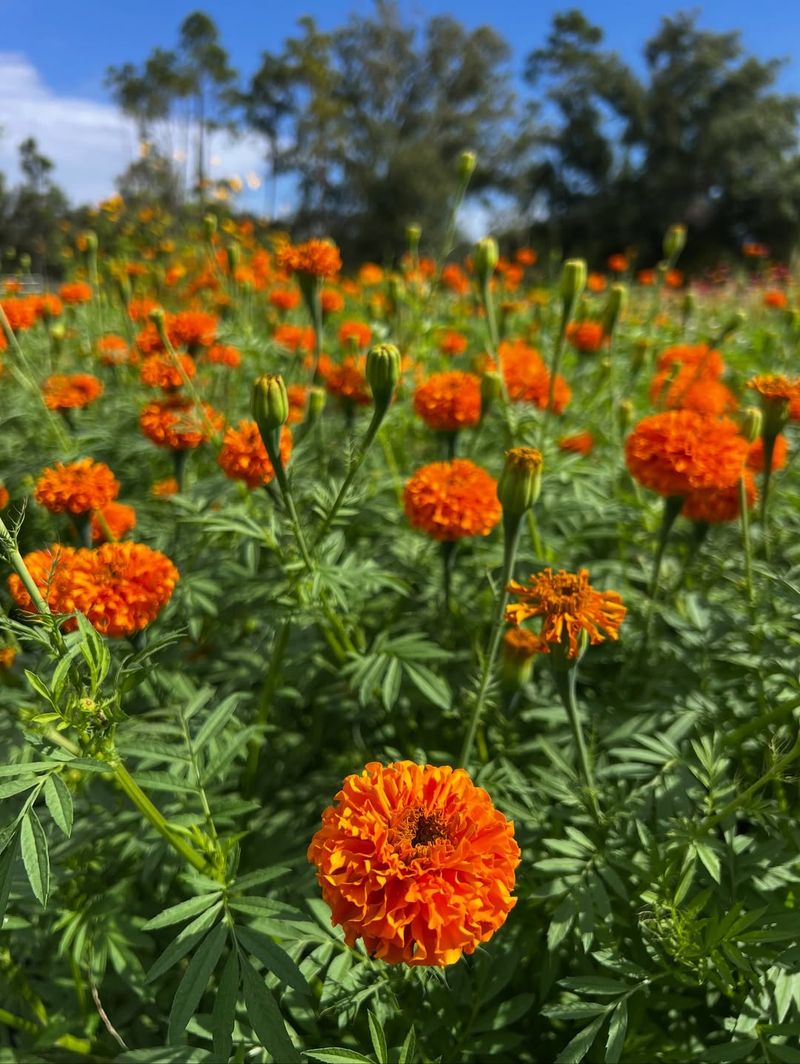
Marigolds are practically built for Ohio summers. These tough, sun-loving flowers shrug off heat that would stress other plants, and they keep on blooming from late spring through the first cool nights of fall.
They are a staple in Ohio gardens for good reason.
Plant marigolds in full sun, and they will reward you with dense, cheerful blooms in shades of gold, orange, yellow, and rusty red. They are not picky about soil as long as it drains well.
Avoid planting them in areas where water tends to pool after rain.
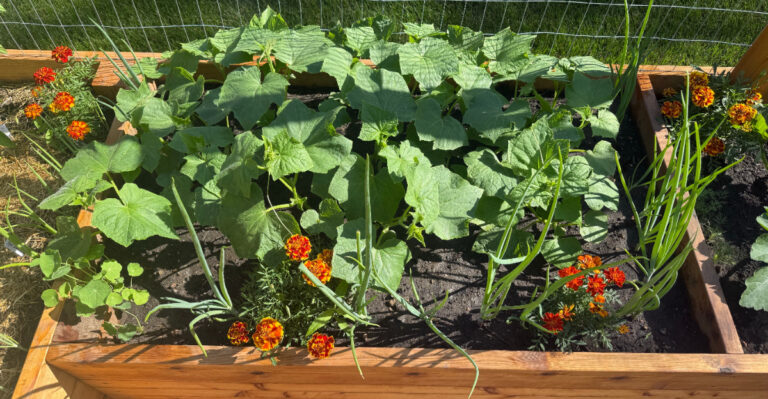
One of the most talked-about qualities of marigolds is their reputation for deterring certain garden pests. Many gardeners plant them near vegetables or other flowers as a companion planting strategy.
While results can vary, marigolds do produce a scent that some insects find unpleasant, making them a popular choice near tomatoes and peppers.
Care is refreshingly simple. Water regularly when conditions are dry, and remove spent blooms to encourage the plant to keep producing.
African marigold varieties tend to grow tall and bold, while French marigolds stay compact and bushy, making both useful depending on where you need color in your Ohio garden.
Your Ohio Garden Changes Every Week. Your Plan Should Too.
Gardening in Ohio changes quickly throughout the season. Every Friday you’ll receive a simple weekly plan showing exactly what to plant, prune, fertilize, harvest, and protect so you never miss the right timing.
3. Add Zinnias For Bold Summer Flowers
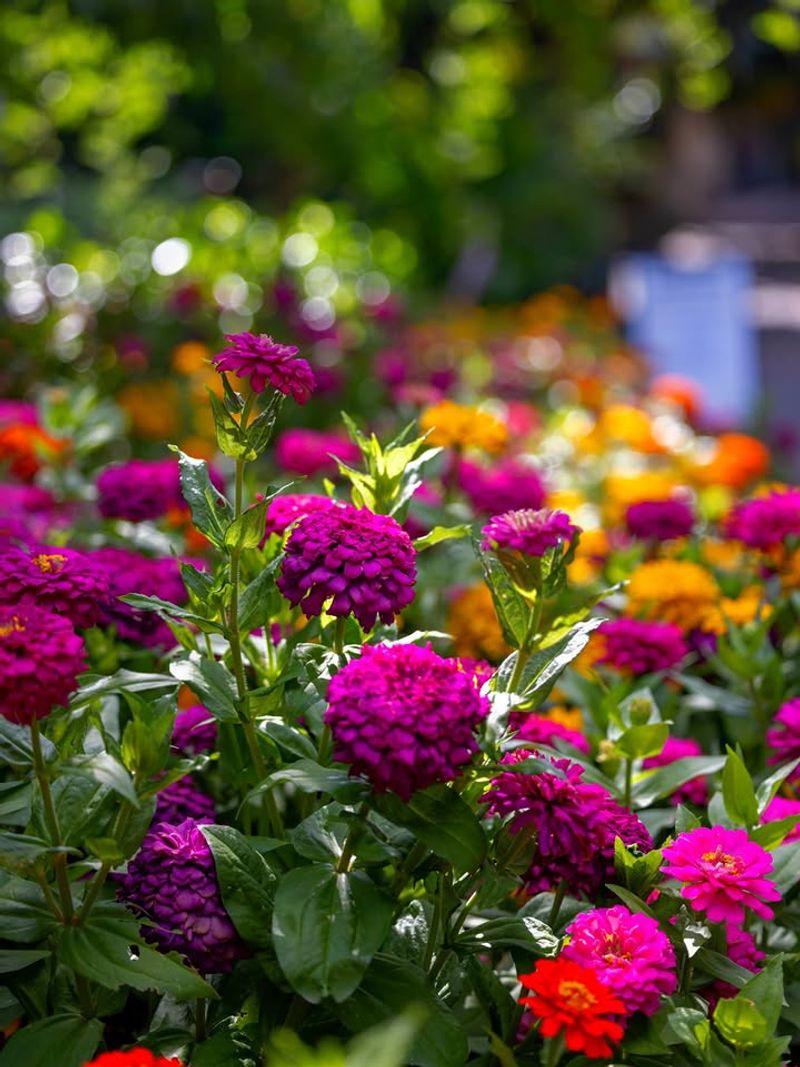
Zinnias are the overachievers of the summer garden. They grow fast, bloom heavily, and come in an almost ridiculous range of colors and sizes.
From compact pom-pom types to tall dinner-plate varieties, there is a zinnia for every style of Ohio garden.
Direct sow zinnia seeds in the ground after Ohio’s last frost date, typically mid-May in most parts of the state. They sprout quickly and start blooming in as little as six to eight weeks.
Full sun is a must. Zinnias planted in shade tend to stretch toward the light and produce fewer flowers.
Here is the trick that keeps zinnias blooming all summer: cut them regularly. Harvesting zinnia flowers for indoor bouquets signals the plant to produce more blooms.
The more you cut, the more it gives. If you are not into cut flowers, deadheading spent blooms works just as well.
Powdery mildew can be a common issue with zinnias in Ohio’s humid summers. To reduce the problem, water at the base of the plant rather than overhead, and give plants enough spacing for good air circulation.
Choosing mildew-resistant varieties like Profusion or Zahara zinnias also helps keep foliage looking clean and healthy throughout the season.
4. Use Geraniums For Classic Garden Color
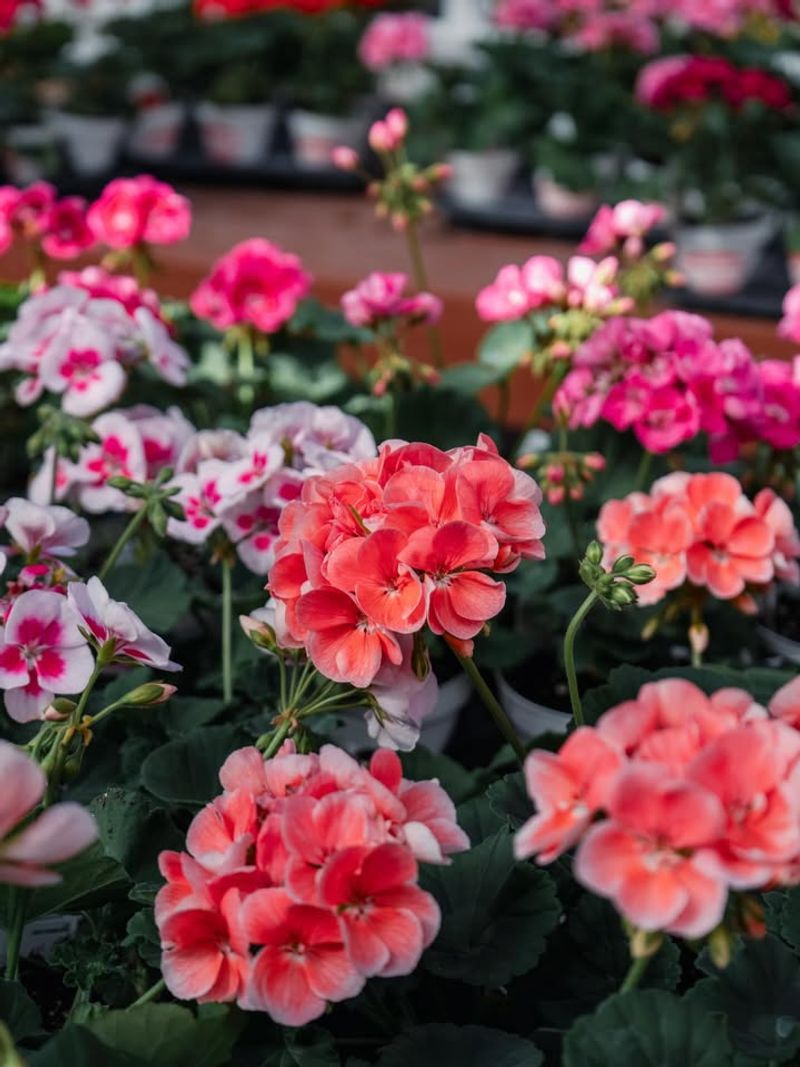
There is something timeless about a pot of geraniums sitting on a sunny porch or lining a garden path. These classic flowers have been a summer staple in American gardens for generations, and Ohio gardeners keep coming back to them because they simply work.
Zonal geraniums, the most common type sold in garden centers, prefer full sun to light shade. In Ohio, a spot with morning sun and some afternoon shade can actually help them hold up during the hottest weeks of July and August.
Too much intense afternoon heat combined with dry soil can cause them to slow their blooming temporarily.
Containers are where geraniums really shine. They have a naturally upright, tidy habit that looks great in pots, window boxes, and hanging baskets.
Use a good quality potting mix with good drainage, and make sure your containers have drainage holes so roots never sit in water.
Basic care goes a long way with geraniums. Water when the top inch of soil feels dry, feed with a balanced fertilizer every two to three weeks, and remove faded flower clusters to keep new ones coming.
With this routine, geraniums will hold their color reliably from planting time through the end of Ohio’s warm season.
5. Plant Impatiens For Shady Spots
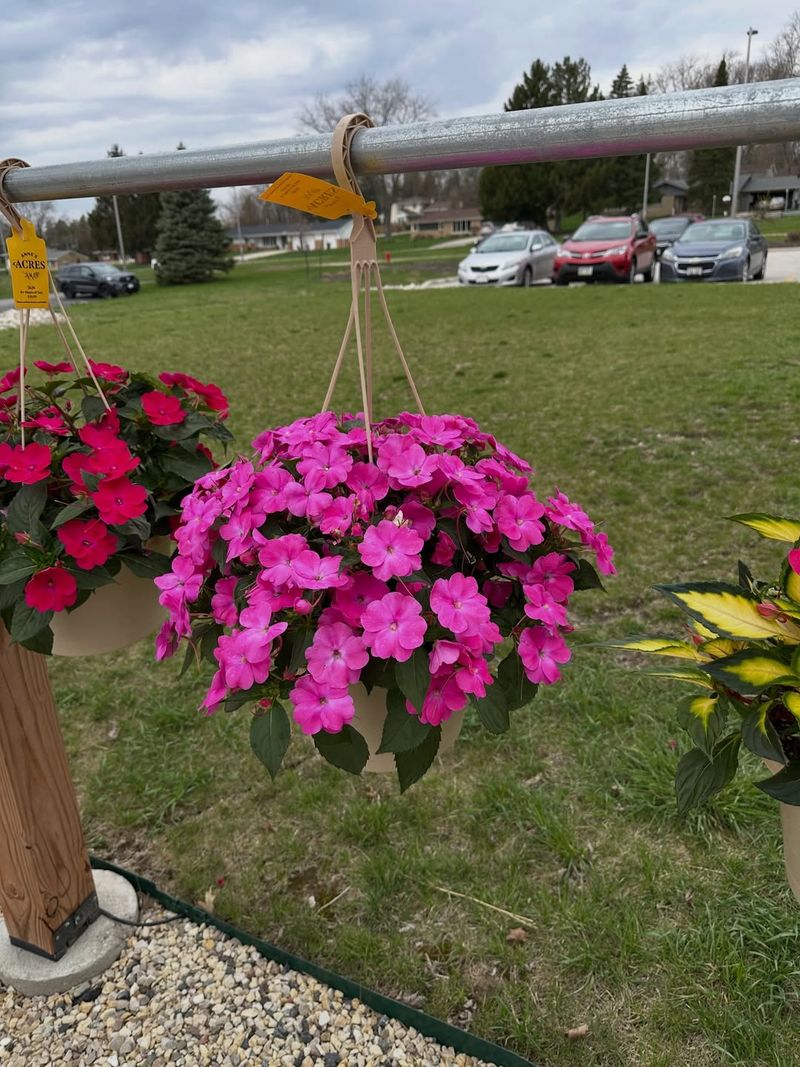
If you have a shady corner of your yard that always seems impossible to fill with color, impatiens are your answer.
These low-growing flowers are practically made for spots where other plants struggle, and they bloom steadily without needing direct sunlight to do it.
Impatiens perform best in partial to full shade. Too much direct sun, especially the harsh afternoon kind Ohio gets in July, can cause them to wilt and stop blooming.
A spot under a tree canopy or along a shaded fence line is ideal. Morning sun with afternoon shade is a sweet spot many Ohio gardeners swear by.
Consistent moisture is the main thing impatiens need to thrive. They do not handle drought well and will droop quickly if the soil dries out completely.
Mulching around the plants helps retain moisture and keeps the soil temperature stable during summer heat waves.
Downy mildew has affected impatiens in some regions in recent years. To reduce risk, look for New Guinea impatiens or SunPatiens varieties, which are resistant to the disease and can handle a bit more sun than traditional types.
Either way, you will get rich, reliable color in the shaded areas of your Ohio yard all summer long.
6. Grow Begonias For Long Lasting Flowers
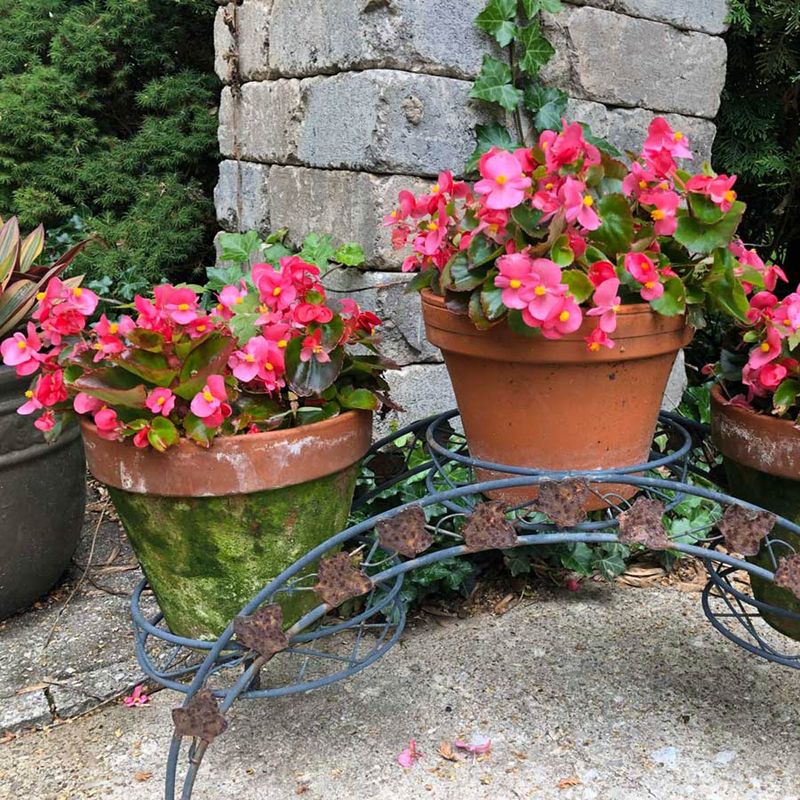
Begonias are the quiet workhorses of the annual world. They do not demand much attention, they do not throw a fit when conditions get tough, and they just keep blooming from planting time through fall.
For Ohio gardeners who want color without constant fussing, begonias are a smart pick.
There are two main types most Ohio gardeners use. Wax begonias, also called fibrous begonias, are compact and work well in both sun and partial shade.
Tuberous begonias prefer shadier spots and produce large, showy flowers that look almost artificial they are so perfect. Both types bring reliable color to different parts of the garden.
Wax begonias with bronze-colored leaves tend to tolerate more sun than those with green leaves, making them a flexible option for mixed beds or containers that get varying amounts of light throughout the day.
This adaptability is part of what makes begonias so popular across Ohio.
Watering needs are moderate. Let the soil dry slightly between waterings to avoid root problems, but do not let plants completely dry out during hot stretches.
A light application of balanced fertilizer every three to four weeks supports steady blooming. Begonias rarely need deadheading, which makes them especially appealing for low-effort summer gardens.
7. Add Cosmos For Light Airy Blooms
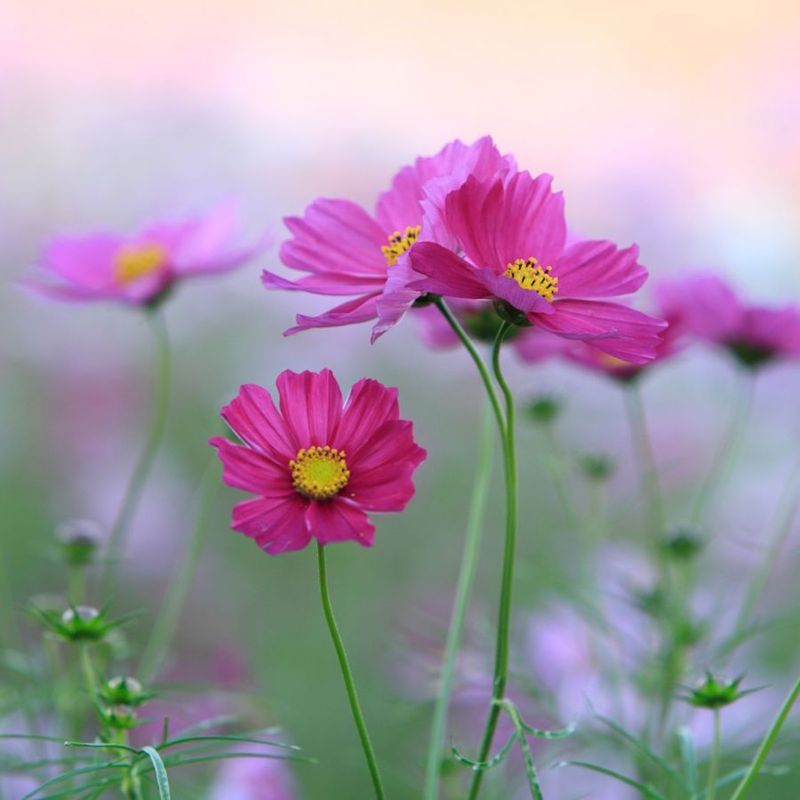
Cosmos bring a wild, meadow-like charm to Ohio gardens that feels completely different from the structured look of marigolds or geraniums.
Their delicate, feathery foliage and daisy-like flowers sway gracefully in a summer breeze, adding movement and lightness to any garden space.
Starting cosmos is easy. Direct sow seeds right into the ground after Ohio’s last frost, and thin seedlings to about 12 inches apart.
These plants actually prefer lean soil. Over-fertilizing encourages lots of leafy growth at the expense of flowers, so resist the urge to feed heavily.
A spot with full sun is ideal.
One of the best things about cosmos is how well they handle dry spells once they are established. Ohio summers can flip between heavy rain and dry stretches, and cosmos take it in stride better than many other annuals.
They are not drought-proof, but they are noticeably more forgiving than thirstier plants.
To keep cosmos blooming through summer and into early fall, cut or deadhead spent flowers regularly. Letting too many seed heads form can slow down flower production.
Cosmos come in shades of pink, white, red, and bicolor, and they attract butterflies and bees, making them a pollinator-friendly addition to any Ohio yard or garden bed.
8. Plant Calibrachoa For Container Color
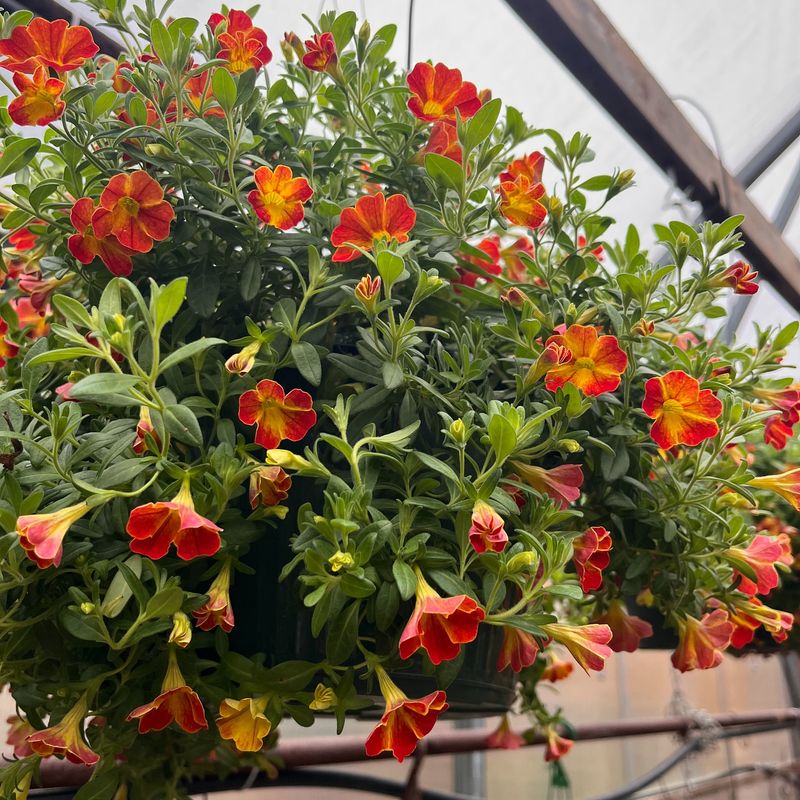
If you have ever seen a hanging basket or container overflowing with tiny, petunia-like flowers in a dozen different colors, there is a good chance you were looking at calibrachoa.
These trailing beauties are container stars, and they put on a show all summer long in Ohio when given the right conditions.
Calibrachoa, sometimes called million bells, thrive in full sun. The more sun they get, the more flowers they produce.
A minimum of six hours of direct sunlight per day is the target. In containers on a sunny Ohio deck or patio, they are practically unstoppable from late spring through early fall.
Because they live in containers, calibrachoa need more frequent watering than plants in the ground. Pots dry out faster, especially during Ohio’s hot July and August stretches.
Check moisture levels daily during heat waves and water thoroughly when the top inch of soil feels dry.
Feeding is essential for calibrachoa to keep blooming. Use a water-soluble fertilizer formulated for blooming plants every one to two weeks throughout the growing season.
Without regular feeding, plants can yellow and slow their flower production. With consistent care, calibrachoa will trail and bloom beautifully, filling your containers with color from all sides and angles.
9. Use Salvia For Heat And Drought Tolerance
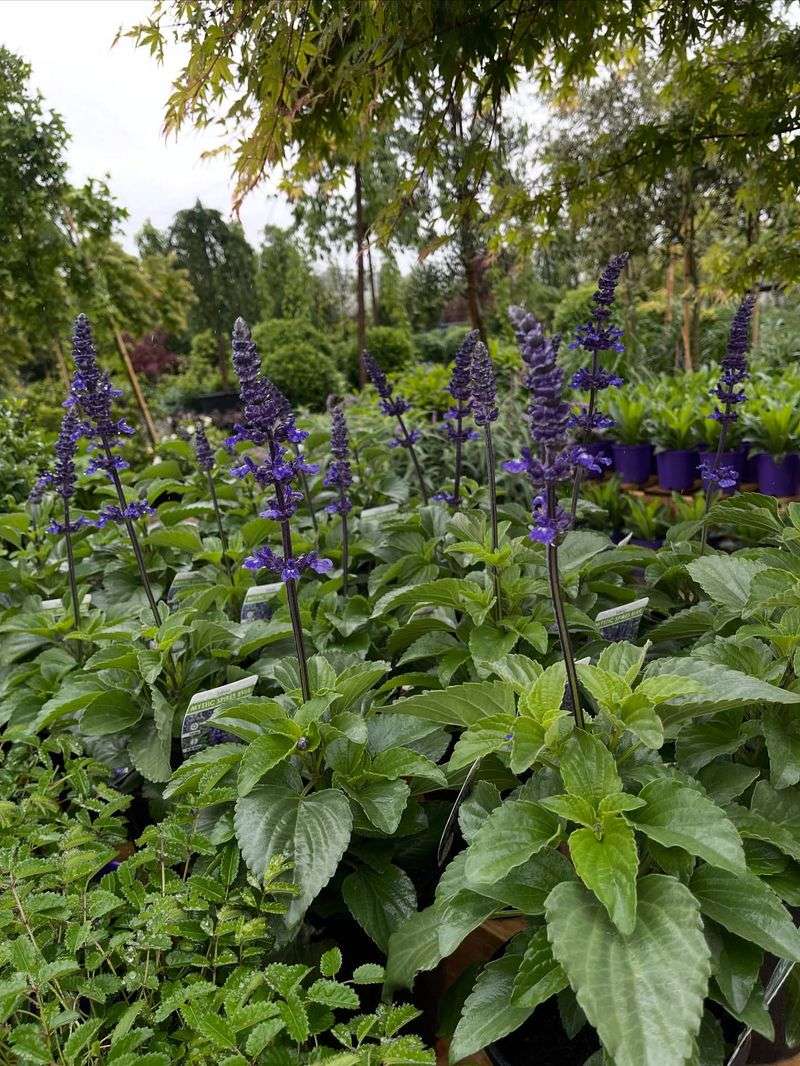
When July and August heat turns brutal in Ohio, plenty of annuals start to fade. Salvia is not one of them.
This upright, spike-blooming flower handles heat and brief dry spells better than most annuals, making it a reliable performer during the toughest weeks of summer.
Annual salvia, often called scarlet sage when it is the classic red variety, grows in neat, upright spikes that add vertical interest to garden beds. It pairs beautifully with mounding plants like marigolds or petunias.
Salvia also comes in shades of purple, pink, white, and bicolor, giving Ohio gardeners plenty of design options.
Pollinators absolutely love salvia. Hummingbirds are especially drawn to red varieties, and bees work the purple and blue types consistently throughout the day.
If you want a garden that buzzes with life all summer, adding a patch of salvia is a simple and effective way to make that happen.
Plant salvia in full sun for the best performance. It tolerates heat well but still benefits from regular watering during extended dry periods.
Deadheading or shearing back the flower spikes after the first big flush of blooms encourages a fresh round of flowering. This is especially helpful in Ohio, where summers are long enough to get two or even three rounds of blooms from a single plant.
10. Grow Sweet Alyssum For Low Edges And Fragrance
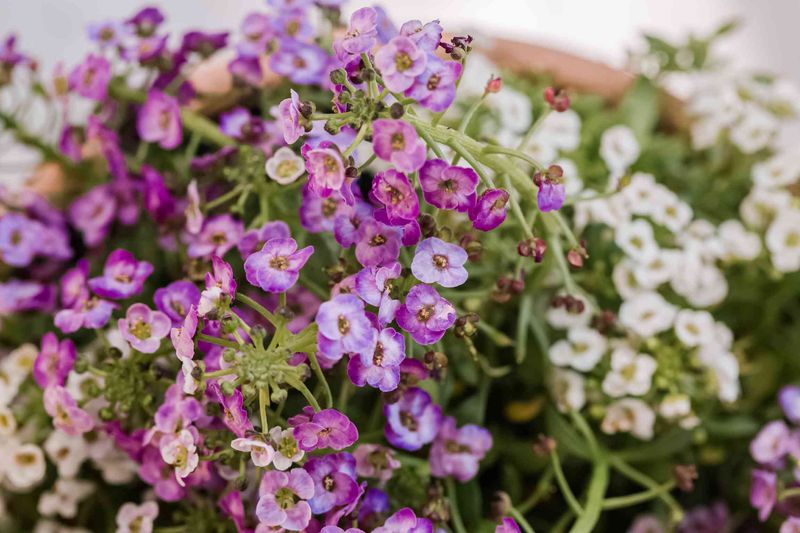
Sweet alyssum is one of those plants that earns its place in the garden in more ways than one. It grows low to the ground, fills in gaps beautifully, and releases a soft, honey-like fragrance that drifts through the air on warm Ohio summer evenings.
It is small but surprisingly impactful.
This annual works perfectly as a border edging plant along walkways, garden beds, or the front of containers. It forms a low, mounding carpet of tiny clustered flowers in white, pink, purple, or lavender.
The delicate texture contrasts nicely with bolder plants like zinnias or marigolds planted behind it.
Sweet alyssum prefers full sun to partial shade.
In Ohio’s hottest weeks, plants may slow their blooming during intense heat, but a light shearing and consistent watering will encourage them to bounce back and bloom again as temperatures ease in late summer and early fall.
Watering needs are moderate. The plants prefer consistent moisture but will tolerate brief dry spells once established.
They are also attractive to beneficial insects, including small parasitic wasps that help control garden pests naturally.
Scatter seeds or transplants along bed edges in spring for a low-effort, fragrant border that fills in quickly and keeps the garden looking polished all season long.