These 7 Perennials Bloom Multiple Times A Year In Michigan Gardens
Most perennials give you one good show and then spend the rest of the season looking like filler.
That tradeoff is fine when you have a layered garden with plenty going on, but a lot of Michigan gardeners are working with limited space and a season that already feels too short to waste on plants that check out after a few weeks.
Reblooming perennials solve that problem in a real way, cycling through multiple flowering periods in a single growing season and keeping color going long after single bloomers have finished.
Michigan’s distinct seasonal shifts actually work in favor of certain reblooming varieties, triggering new growth cycles as temperatures change from late spring into summer and again as fall approaches.
These seven perennials have proven themselves in Michigan gardens specifically, producing reliable repeat blooms without demanding the kind of constant attention that would cancel out the reward of having them in the first place.
1. Coreopsis
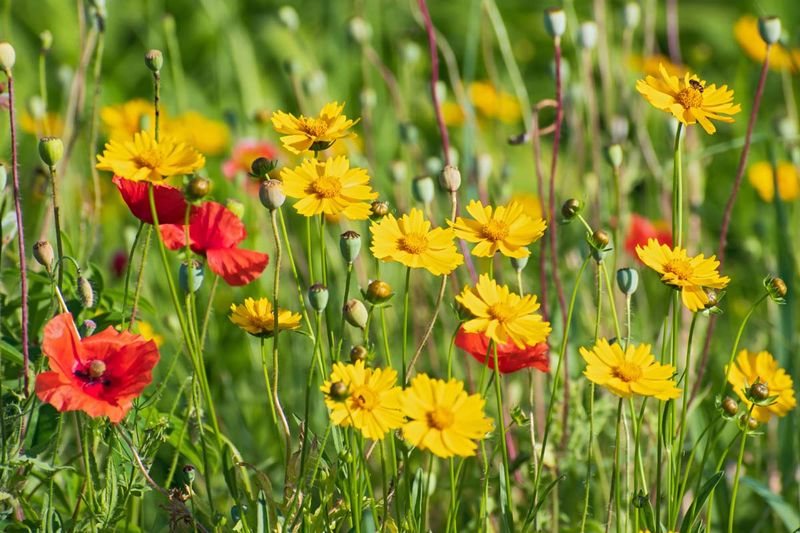
Few flowers pack as much cheerful energy as coreopsis, with its bright yellow blooms lighting up Michigan gardens from early summer onward. Also called tickseed, this tough perennial thrives in full sun and handles Michigan’s unpredictable weather surprisingly well.
The feathery foliage of Coreopsis verticillata stays attractive even between bloom cycles, making it a reliable backbone plant for any sunny border.
The real trick to getting multiple rounds of flowers is deadheading or shearing the plant back after that first big flush of blooms fades. Cut the stems back by about one-third, and within a few weeks, fresh buds will start pushing through.
Coreopsis verticillata cultivars like ‘Zagreb’ and ‘Moonbeam’ are especially dependable rebloomers compared to other species in the group.
In Michigan, planting coreopsis in well-drained soil is a must because soggy roots during cold winters can weaken the plant. Sandy or loamy soil works best, and no heavy fertilizing is needed since rich soil actually encourages leafy growth over flowers.
Once established, coreopsis is wonderfully drought-tolerant, which makes it a smart low-maintenance choice for busy Michigan gardeners who still want serious color payoff all season long.
2. Garden Phlox
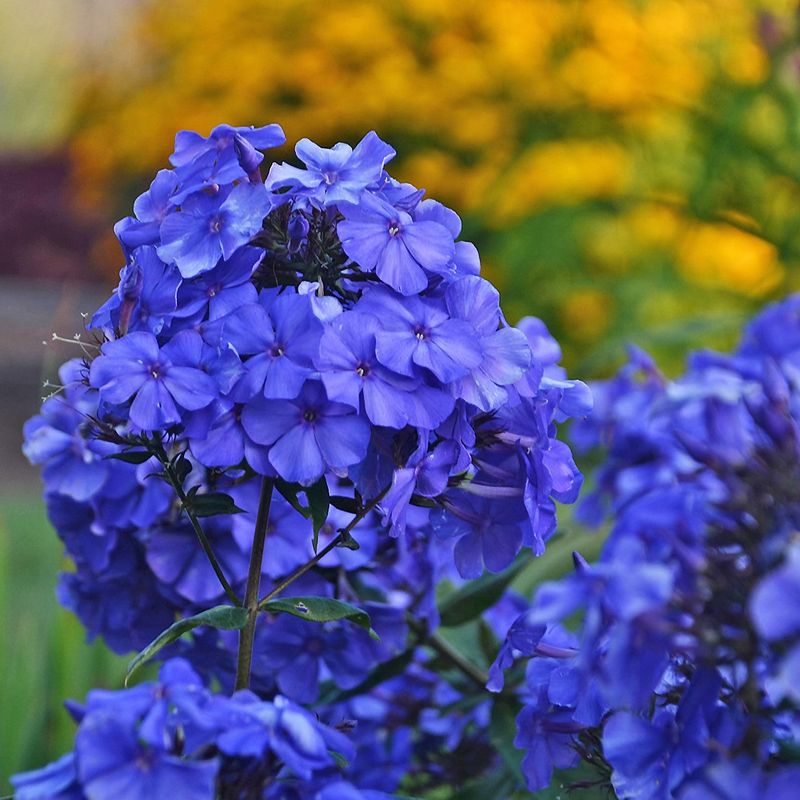
Garden phlox is the kind of plant that stops people in their tracks. Those big, fragrant flower clusters in shades of pink, purple, white, and coral bring a cottage-garden charm to Michigan landscapes that almost nothing else can match.
Blooming in mid to late summer, it fills the gap when many spring perennials have already finished their show.
Getting a second round of blooms from garden phlox takes a bit of effort, but it is absolutely worth it. Remove spent flower heads as soon as they start to fade, cutting back to a healthy set of leaves just below the old bloom.
This signals the plant to redirect its energy into producing new flower buds rather than setting seed, and a smaller but still beautiful second flush often follows.
Michigan gardeners need to pay close attention to airflow around garden phlox because powdery mildew is a real problem in humid summer conditions. Space plants at least 18 to 24 inches apart, and avoid overhead watering whenever possible.
Your Michigan Garden Changes Every Week. Your Plan Should Too.
Gardening in Michigan changes quickly throughout the season. Every Friday you’ll receive a simple weekly plan showing exactly what to plant, prune, fertilize, harvest, and protect so you never miss the right timing.
Choosing mildew-resistant cultivars like ‘David’ or ‘Robert Poore’ makes a huge difference in keeping plants healthy and blooming strong through the season.
A little morning sun and good drainage go a long way toward keeping this Michigan favorite looking its very best all summer.
3. Salvia
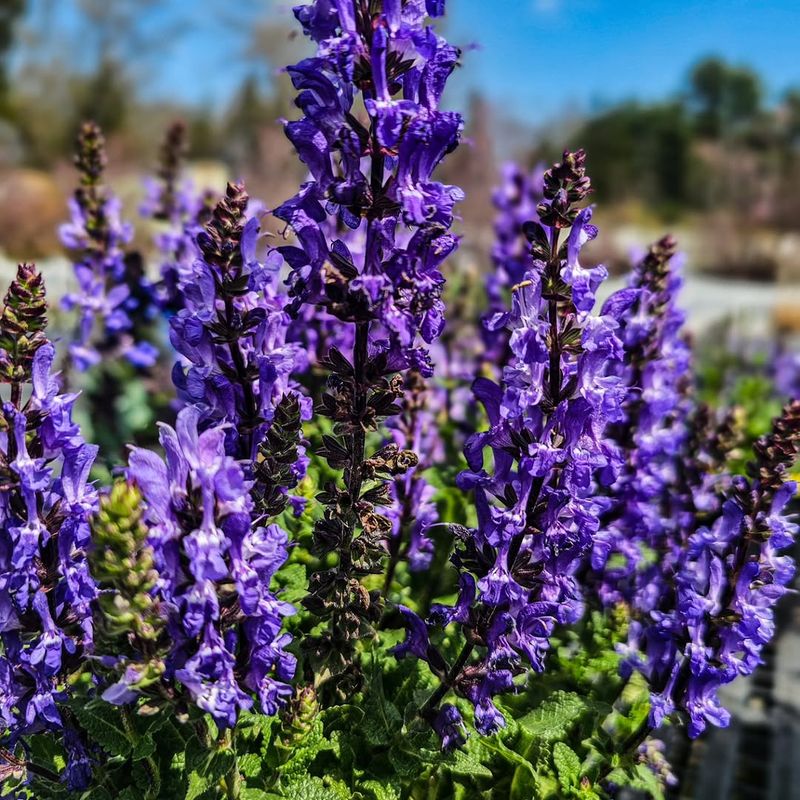
Salvia nemorosa might just be the most reliable rebloomer in the entire Michigan perennial world. Gardeners who plant it once quickly become obsessed because of how consistently it delivers fresh flower spikes after a simple cut-back.
The deep violet-blue or rich purple blooms appear first in late spring, creating a bold, upright display that pairs beautifully with nearly every other garden color.
After that first flush fades, cut the spent flower spikes all the way back to the basal foliage. Within a matter of weeks, new growth pushes up and a strong second bloom arrives in mid to late summer.
Some well-established plants in Michigan gardens even manage a third flush before the first frost arrives in fall, making salvia an incredible value for the space it occupies.
Popular cultivars like ‘Caradonna,’ ‘May Night,’ and ‘East Friesland’ are widely available at Michigan nurseries and all perform beautifully as rebloomers.
Full sun is non-negotiable for the best performance, and well-drained soil keeps the roots healthy through Michigan winters.
Pollinators absolutely love salvia, so expect your garden to buzz with bees and flutter with butterflies from the moment those first spikes open. For any Michigan gardener wanting reliable, low-fuss color, salvia earns a permanent spot in the planting plan every single time.
4. Catmint
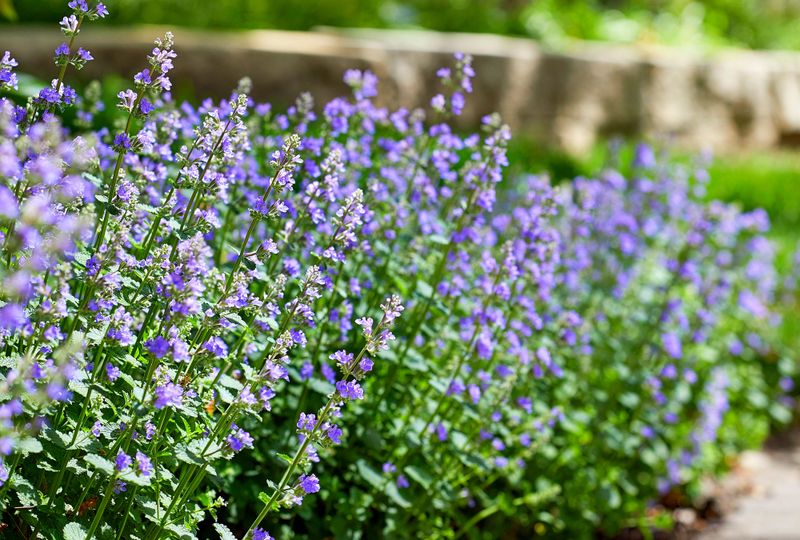
There is something almost magical about the way catmint spills over garden edges in soft waves of lavender-blue.
Nepeta x faassenii is a hybrid variety that does not spread aggressively, making it a well-behaved and beautiful addition to Michigan borders, pathways, and rock gardens.
The soft, aromatic gray-green foliage smells wonderful and stays attractive even when the plant is not in bloom.
Shearing catmint back hard after the first bloom is the key move that unlocks a generous second flowering cycle. Use garden shears to cut the entire plant back by about half, and give it a good drink of water if the summer has been dry.
In most Michigan gardens, a strong second flush of those gorgeous lavender blooms appears within three to four weeks, carrying color well into late summer.
Good drainage is the most important factor for keeping catmint happy through Michigan winters. Avoid planting in heavy clay soil without amending it first, and make sure the planting site does not collect standing water after rain.
Catmint thrives in full sun but tolerates light shade reasonably well, giving Michigan gardeners some flexibility in placement. Cultivars like ‘Walker’s Low’ are especially popular for their vigorous growth and outstanding rebloom performance.
Bees and butterflies treat catmint like a favorite restaurant, visiting constantly whenever those blooms are open and fresh.
5. Reblooming Daylily
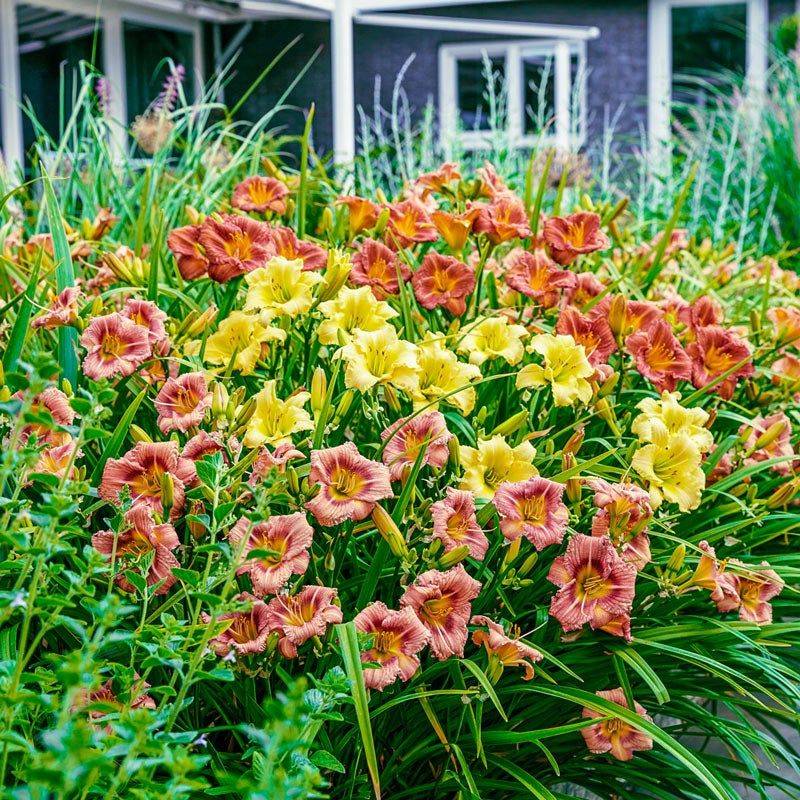
Not every daylily is created equal when it comes to repeat blooming, and that distinction matters a lot for Michigan gardeners chasing season-long color. Standard daylilies produce one magnificent flush of flowers and then call it a season, which is beautiful but brief.
Reblooming cultivars, on the other hand, are specially bred to push out additional rounds of blooms after the first wave finishes, keeping the garden lively for months.
When shopping for daylilies in Michigan, always look for the word “reblooming” clearly on the plant tag or in the catalog description.
Cultivars like ‘Stella de Oro,’ ‘Happy Returns,’ and ‘Rosy Returns’ are proven performers that deliver multiple flushes of color from early summer through early fall.
These varieties are widely available at Michigan garden centers and have earned their popularity through consistent, dependable performance in the local climate.
Daylilies are famously adaptable and grow well in a wide range of Michigan soil types, from sandy loam to heavier clay, as long as drainage is reasonable. Full sun produces the most flowers, though daylilies tolerate light shade without complaint.
Removing spent blooms promptly encourages the plant to focus energy on producing new flower scapes rather than developing seed pods.
Dividing overcrowded clumps every three to four years also keeps reblooming performance strong and the plants looking their very best throughout the Michigan growing season.
6. Blanket Flower
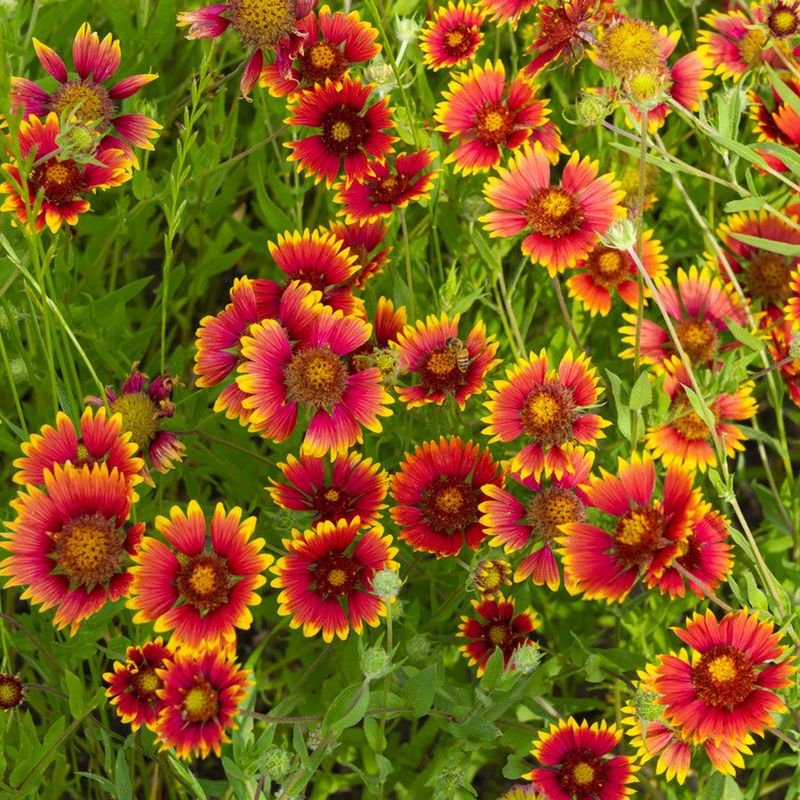
Blanket flower earns its name honestly, spreading bold splashes of red, orange, and yellow across garden beds like a colorful woven blanket tossed over the landscape.
Gaillardia x grandiflora is one of those rare perennials that practically blooms itself into the ground from early summer all the way to the first hard frost if you keep up with deadheading.
Michigan gardeners love it because it asks for very little and gives back so much.
Regular deadheading is the secret weapon for keeping blanket flower blooming in repeated flushes throughout the Michigan season.
Snip off spent flower heads every week or so, cutting back to a healthy set of leaves or a side bud, and the plant responds almost immediately with new growth.
Some seasons, blanket flower blooms so continuously that calling it a “rebloomer” almost undersells its performance.
Full sun and well-drained soil are absolute requirements for blanket flower to thrive in Michigan.
It is actually a plant that prefers lean, somewhat sandy soil over rich, heavily amended garden beds because too much fertility shifts the plant’s energy toward leaves instead of flowers.
Avoid overwatering, especially in Michigan’s wetter spring and fall periods, since soggy soil weakens the roots over time.
Cultivars like ‘Goblin’ and ‘Arizona Sun’ are compact, sturdy options that handle Michigan’s variable summers beautifully while delivering that signature fiery color display all season long.
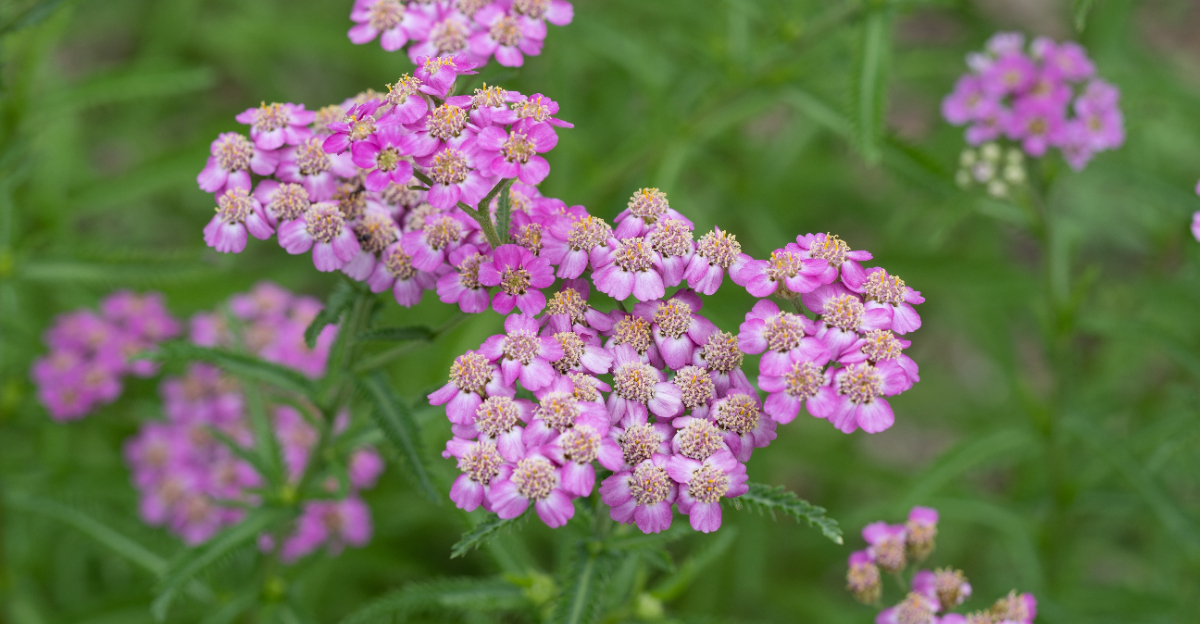
7. Yarrow
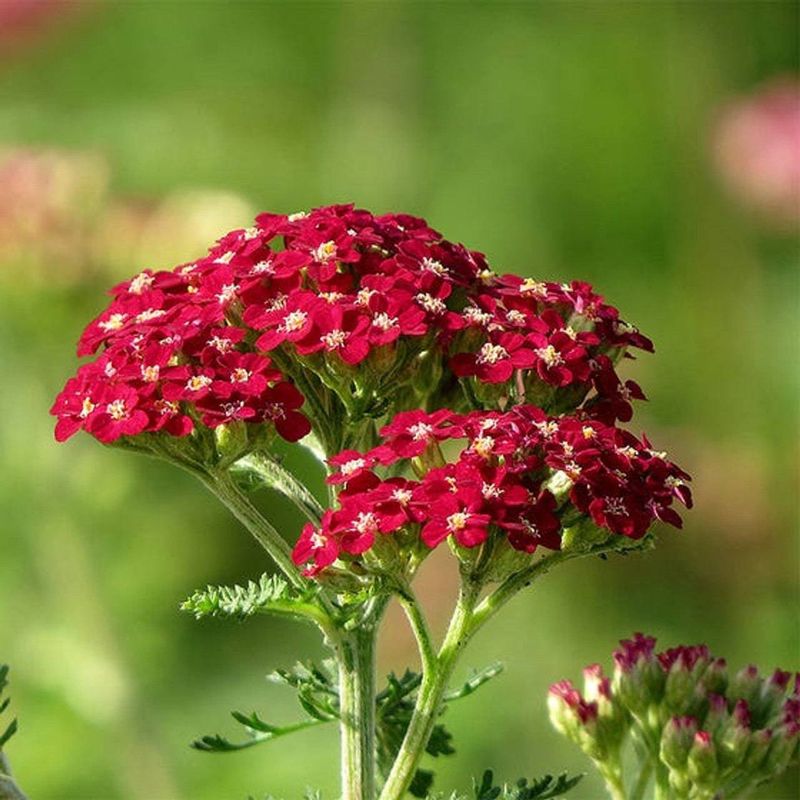
Yarrow has been growing in gardens for centuries, and there is a very good reason it has never gone out of style.
Achillea millefolium produces wide, flat-topped flower clusters in shades of yellow, white, pink, and red that look stunning both in the garden and in dried flower arrangements.
Michigan gardeners appreciate yarrow for its toughness, its beauty, and its ability to come back with fresh blooms when treated right.
After the first round of flowers fades, cut the entire plant back to its basal foliage to encourage a second bloom cycle later in the season.
Yarrow responds well to this treatment and often pushes out a fresh flush of flowers in late summer or early fall, extending the garden’s color season significantly.
The ferny, aromatic foliage stays attractive between bloom cycles, adding texture to the Michigan garden even when flowers are not present.
Yarrow strongly prefers full sun and lean, well-drained soil, and this is one plant where less is truly more when it comes to fertilizing. Rich, overly amended soil causes yarrow to grow floppy and reduces flower production noticeably.
In Michigan, avoid planting yarrow in low spots where water collects after heavy rain. Popular cultivars like ‘Coronation Gold,’ ‘Paprika,’ and ‘Moonshine’ offer reliable performance and excellent rebloom potential while bringing bold, long-lasting color to Michigan gardens throughout the entire growing season.