The Best Ornamental Grass Varieties North Carolina Gardeners Can Grow In Containers
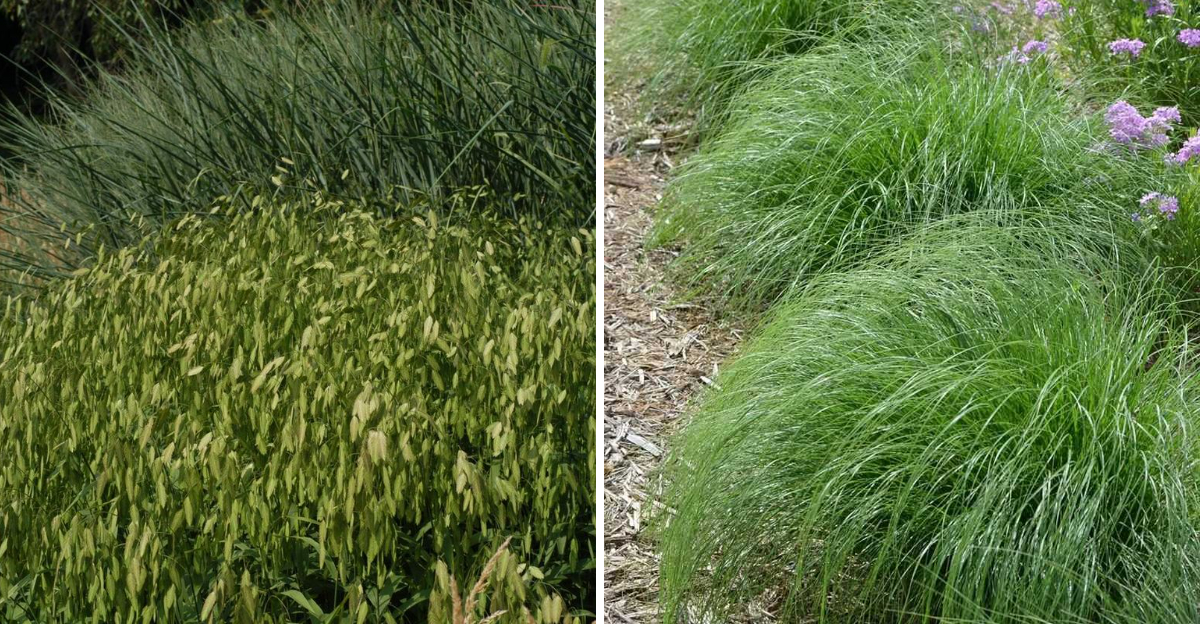
Ornamental grasses bring a kind of movement and texture to a garden that most flowering plants simply cannot replicate, and growing them in containers opens up possibilities that in ground planting does not always allow.
For North Carolina gardeners, containers mean flexibility. You can place grasses on a porch, patio, or deck where they catch the breeze and add life to spaces that would otherwise feel flat.
You can move them around as the season changes, and you can grow varieties that might not survive a Western North Carolina winter in the ground but handle container life just fine with a little protection.
North Carolina’s long warm season is genuinely ideal for ornamental grasses, giving container grown varieties plenty of time to fill out and develop the arching, full form that makes them so visually striking.
The challenge is knowing which varieties actually thrive in the confined space of a container versus which ones need room to spread that a pot simply cannot provide.
These are the ones that perform best and look most impressive when grown this way across North Carolina.
1. Pink Muhly Grass (Muhlenbergia capillaris)
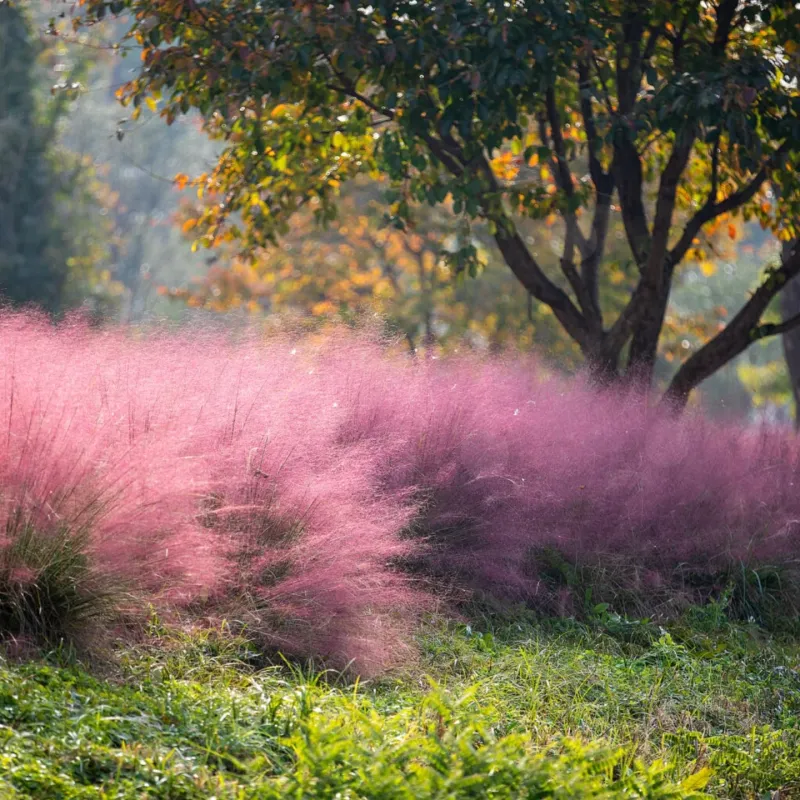
Few plants put on a fall show quite like Pink Muhly Grass. Native to North Carolina, this stunning beauty bursts into a cloud of rosy pink plumes every autumn, turning an ordinary container garden into something truly spectacular.
Gardeners across the state absolutely love it for that reason alone. Growing Pink Muhly Grass in a container is surprisingly easy. It needs full sun, so place your pot where it gets at least six hours of direct sunlight daily.
A well-draining potting mix is a must, because soggy roots are the one thing this grass cannot handle. A large, sturdy container with drainage holes works perfectly for keeping it happy all season long.
North Carolina’s heat and humidity are actually conditions this grass was built for. Unlike many ornamental grasses that struggle through the long Southern summers, Pink Muhly holds up beautifully without much fuss.
Water it regularly during dry spells, but avoid overwatering. The fine, hair-like texture of the foliage adds movement and softness to patios and walkways even before those gorgeous fall plumes appear.
Fun fact: the name “muhly” comes from the German botanist Gotthilf Muhlenberg, who first studied the genus in early America. Pair it with rustic terracotta pots for a warm, natural look that feels right at home in a classic North Carolina garden setting.
2. White Muhly Grass (Muhlenbergia capillaris White Cultivars)
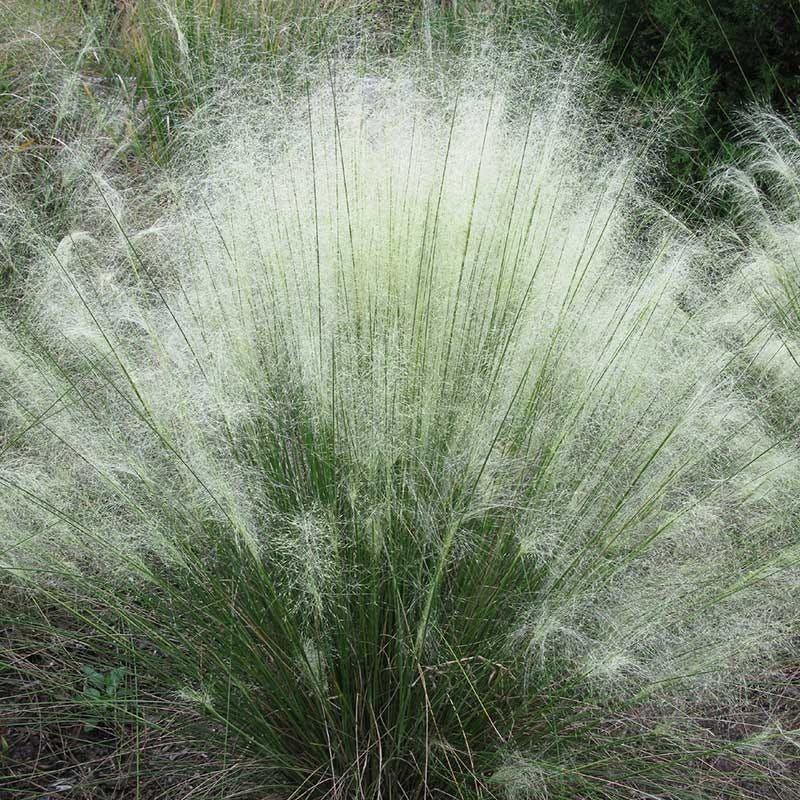
If you love the look of Pink Muhly Grass but prefer something a little softer and more understated, White Muhly Grass might be exactly what your container garden needs.
This white-flowering cultivar shares the same fine, feathery texture as its pink cousin but delivers a cool, elegant vibe that pairs beautifully with almost any outdoor color scheme.
White Muhly Grass is a native species in white-flowering form, meaning it is naturally adapted to North Carolina’s climate. That makes it a reliable choice for gardeners who want low-maintenance beauty without constant fussing.
Your North Carolina Garden Changes Every Week. Your Plan Should Too.
Gardening in North Carolina changes quickly throughout the season. Every Friday you’ll receive a simple weekly plan showing exactly what to plant, prune, fertilize, harvest, and protect so you never miss the right timing.
Plant it in a ceramic or glazed planter to highlight the contrast between the creamy white plumes and a bold pot color. Full sun and a well-drained potting mix are the two key ingredients for keeping it thriving through the season.
The plumes appear in late summer to early fall, creating a soft, almost ethereal effect along garden walkways or beside front doors.
Because the color is neutral, White Muhly works well as a backdrop plant that makes bolder flowers or foliage plants nearby look even more vibrant.
North Carolina gardeners who enjoy layering textures in their container arrangements will find this grass incredibly versatile. Water consistently during hot stretches, and trim back old foliage in late winter to give fresh new growth plenty of room to shine come spring.
3. Little Bluestem (Schizachyrium scoparium)
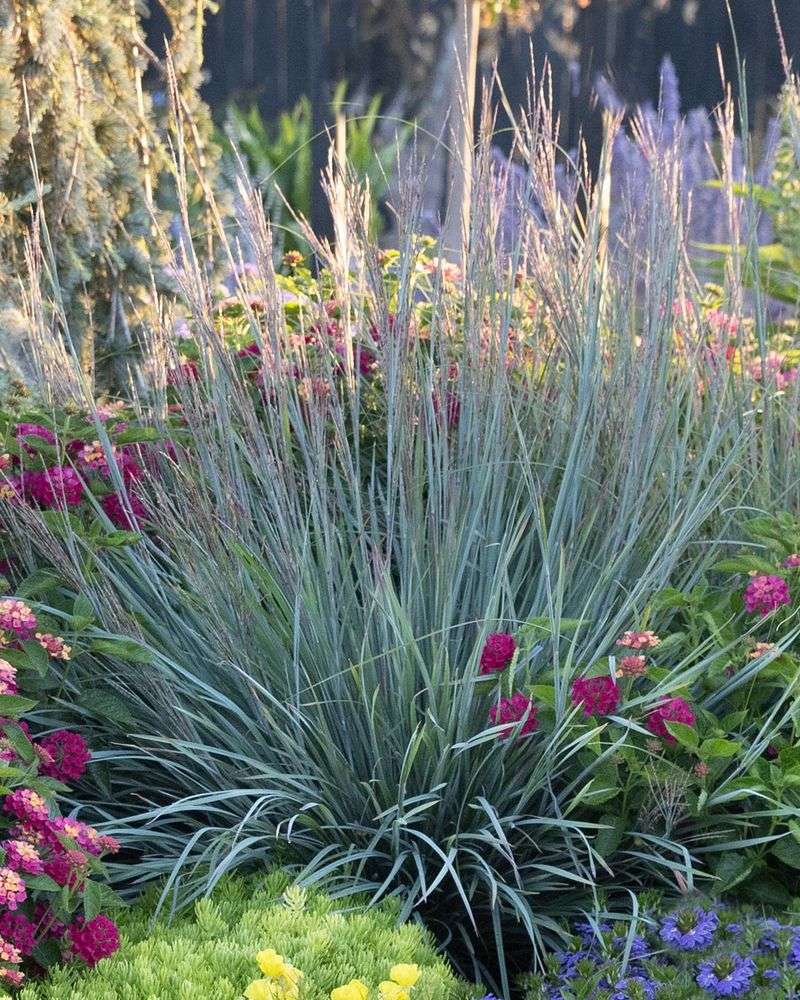
There is something almost magical about the way Little Bluestem changes color throughout the seasons. In summer, the upright blades show off a striking blue-green hue that catches the eye from across the yard.
By fall, that same foliage shifts to warm shades of copper, orange, and red, making it one of the most dramatic native grasses a North Carolina gardener can grow in a container.
Compact cultivars are the way to go when planting Little Bluestem in pots. Look for varieties like “The Blues” or “Standing Ovation,” which stay tidy and upright without outgrowing their containers too quickly.
Because this grass has a deep root system, choose a tall, deep pot to give the roots enough room to spread. Shallow containers can stress the plant and limit its seasonal performance.
One of Little Bluestem’s best qualities is its toughness. It handles full sun, North Carolina heat, and lean soil conditions without complaint.
In fact, overly rich potting mixes can cause the stems to flop, so stick with a well-draining mix that is not too heavy on fertilizer. Water it during dry periods but allow the soil to dry out slightly between waterings.
This grass is native to the eastern United States, making it a natural fit for North Carolina porches, patios, and container gardens that celebrate the region’s natural beauty.
4. Switchgrass (Panicum virgatum)
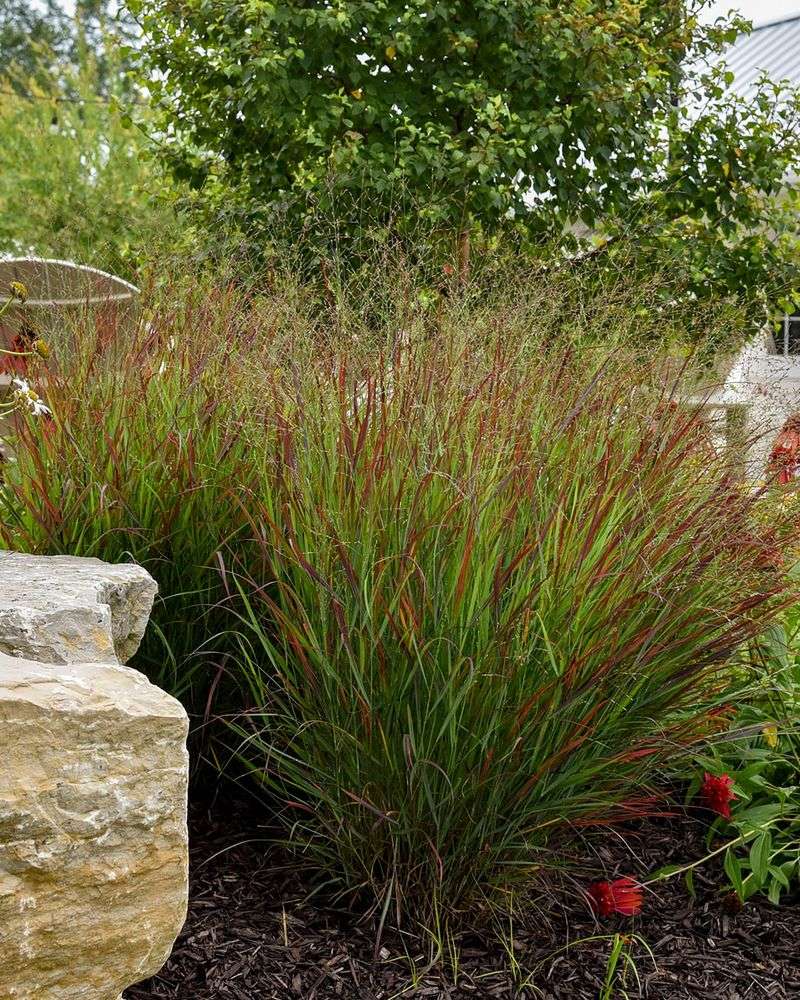
Bold, upright, and full of personality, Switchgrass is a native grass that brings serious structure to container gardens across North Carolina.
Compact cultivars like “Shenandoah” or “Prairie Fire” are ideal for pots, staying manageable in size while still delivering that signature vertical form and rich fall color that gardeners love so much about this species.
Switchgrass is remarkably tough. It handles North Carolina’s summer heat, high humidity, and occasional dry spells without skipping a beat.
The key to growing it successfully in a container is choosing a large, sturdy pot. Mature plants can get heavy, and a lightweight or flimsy container simply will not hold up over time.
A wide, heavy ceramic or concrete planter works well and also adds a polished look to sunny patios and garden spaces.
One thing worth knowing is that Switchgrass tolerates a range of soil conditions in the ground, but in containers it performs best with a well-draining potting mix and consistent moisture during the hottest months.
The airy seed heads that appear in late summer add a delicate, cloud-like texture above the foliage, which makes the plant feel dynamic and alive even on calm days.
By fall, the foliage shifts to shades of burgundy and gold, turning the container into a seasonal focal point. North Carolina gardeners looking for a native grass with year-round appeal will find Switchgrass hard to beat.
5. Prairie Dropseed (Sporobolus heterolepis)
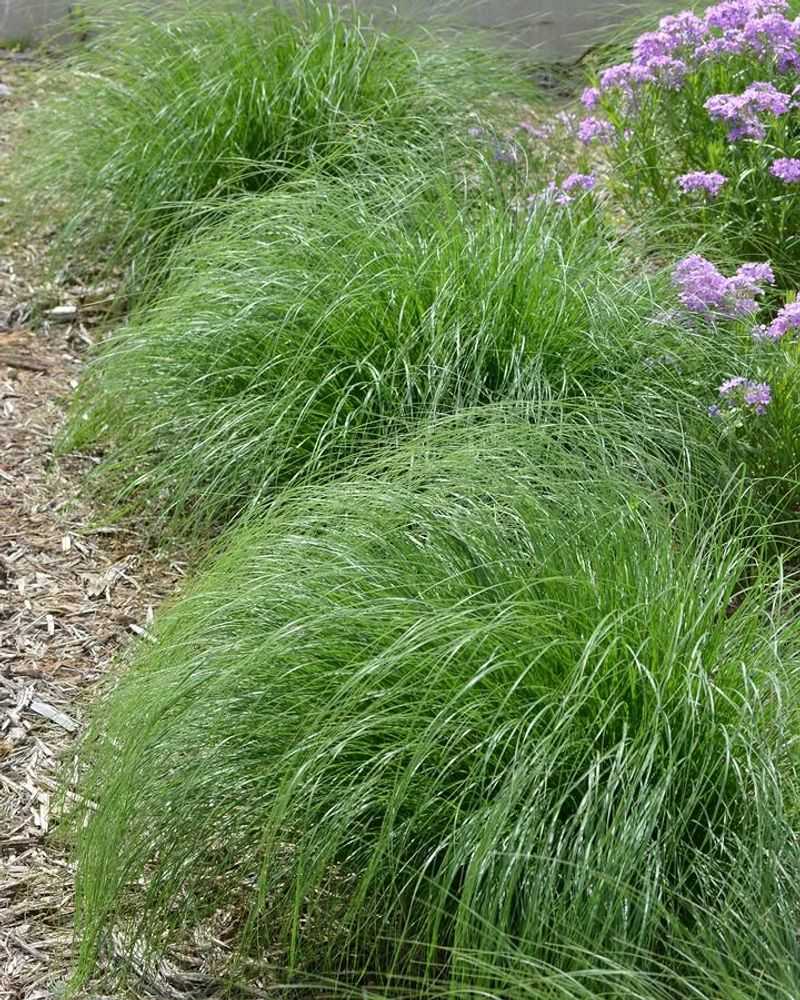
Prairie Dropseed is the kind of plant that quietly wins you over. It does not shout for attention with flashy colors or giant plumes.
Instead, it earns its place in the garden through its incredibly fine texture, tidy rounded form, and surprisingly sweet fragrance when it blooms in late summer.
Many gardeners describe the scent as similar to fresh popcorn or coriander, which makes it a fun conversation starter on any North Carolina patio.
This grass is native to parts of the eastern and central United States, and it adapts well to North Carolina’s climate when given the right growing conditions. Full sun and excellent drainage are essential, especially in containers.
A gritty, well-draining potting mix helps prevent root rot, which can be a concern in humid Southern summers. Water regularly but always let the soil dry slightly between waterings to keep the roots healthy.
One thing to keep in mind is that Prairie Dropseed is slower to establish than something like Pink Muhly Grass, so patience is part of the process.
Once it settles in, though, it forms a beautiful, low-maintenance mound that looks polished and intentional in any container arrangement.
The delicate seed heads sway gracefully in the breeze, adding movement without chaos. For North Carolina gardeners who appreciate understated elegance and native plant gardening, Prairie Dropseed is a genuinely rewarding choice worth the wait.
6. River Oats (Chasmanthium latifolium)
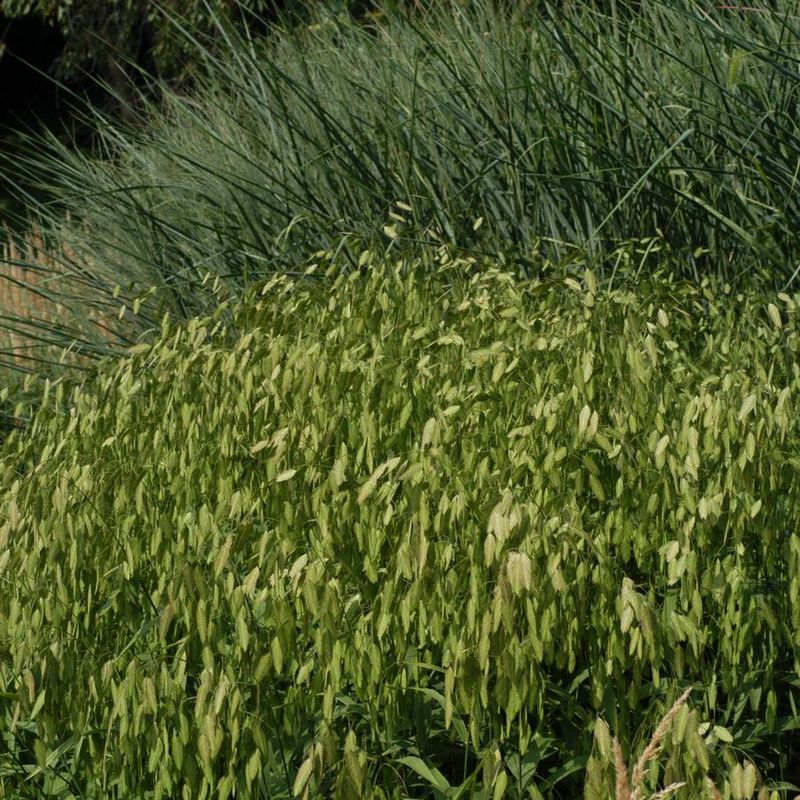
Most ornamental grasses demand full sun, which makes River Oats a real standout for North Carolina gardeners dealing with shaded patios, covered porches, or spots under large trees.
This native grass thrives in part shade, which opens up container gardening possibilities that most other grasses simply cannot offer.
The flat, dangling seed heads are genuinely eye-catching and bring a playful, almost whimsical energy to any shaded garden corner.
River Oats is native to North Carolina and grows naturally along stream banks and woodland edges throughout the state.
That background means it is perfectly comfortable with the kind of dappled light and moderate moisture that shaded container spots tend to provide.
Use a larger container to give the roots enough room, and choose a potting mix that retains some moisture without becoming waterlogged. Unlike many grasses, River Oats actually appreciates a bit more water than its sun-loving cousins.
One practical note for North Carolina gardeners: River Oats can self-seed aggressively when planted in garden beds, spreading beyond where you want it.
Growing it in containers is a smart way to enjoy its beauty without worrying about unwanted spread into surrounding areas.
The seed heads start green in summer and gradually shift to a warm bronze by fall, giving the plant a long season of visual interest. Pair it with shade-loving ferns or hostas in nearby containers for a lush, layered look that feels naturally woodland-inspired.
7. Sideoats Grama (Bouteloua curtipendula)
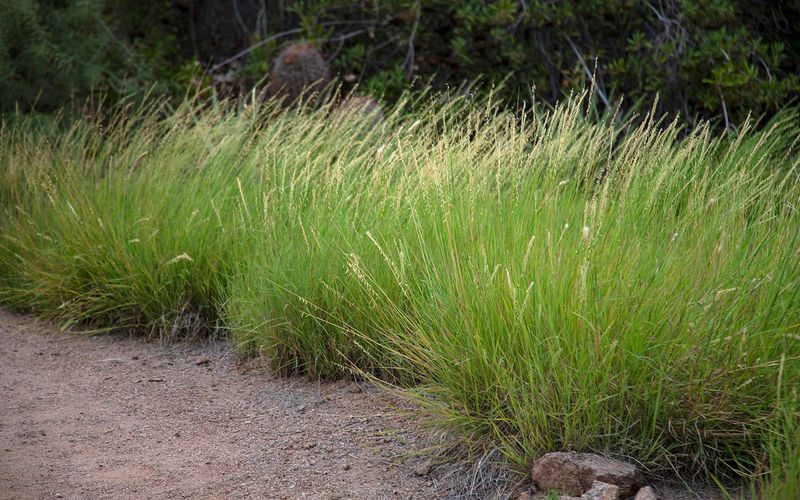
Sideoats Grama has a look unlike any other grass in this list. The seed heads hang in a neat row along just one side of each stem, like tiny oats lined up on a flagpole, which gives the plant a quirky, meadow-style charm that stands out in any container arrangement.
It is the kind of grass that makes visitors stop and ask, “What is that?” which is always a good sign in a garden.
This native grass handles North Carolina’s full sun and summer heat with ease once it gets established. It actually prefers lean, well-drained soil, so avoid using a heavy, moisture-retaining potting mix.
A sandy or gritty mix in a clay or terracotta pot works beautifully, allowing excess water to drain quickly and mimicking the dry, open conditions this grass naturally grows in across the central and eastern United States.
Sideoats Grama is also the state grass of Texas, though it grows well across a wide range of climates, including North Carolina’s piedmont and coastal regions. It stays relatively compact, making it a practical choice for smaller containers on sunny decks or garden borders.
Water it during dry spells but do not pamper it too much. The seed heads appear in summer and persist well into fall, giving the plant months of visual interest.
For gardeners who want a lighter, meadow-inspired feel with native roots, Sideoats Grama is a genuinely charming and practical pick.