How To Bring More Life Into Your Georgia Yard With Spring Color
Something about a Georgia yard in early spring can feel just a little off, even when everything looks healthy. Grass is coming back, trees are filling in, but something still feels missing when you step outside.
It is not a big problem, just a quiet feeling that the space has not fully come together yet.
That shift often comes down to color and how it shows up across the yard. In Georgia, spring moves fast, and the difference between a yard that looks fine and one that truly stands out can happen in a short window.
A few thoughtful choices can change how the entire space feels without needing a full redo.
Once the right color starts showing in the right places, everything begins to feel more alive, more complete, and a lot more enjoyable to spend time in.
1. Plant Early-Blooming Flowers To Kick Off Spring Color
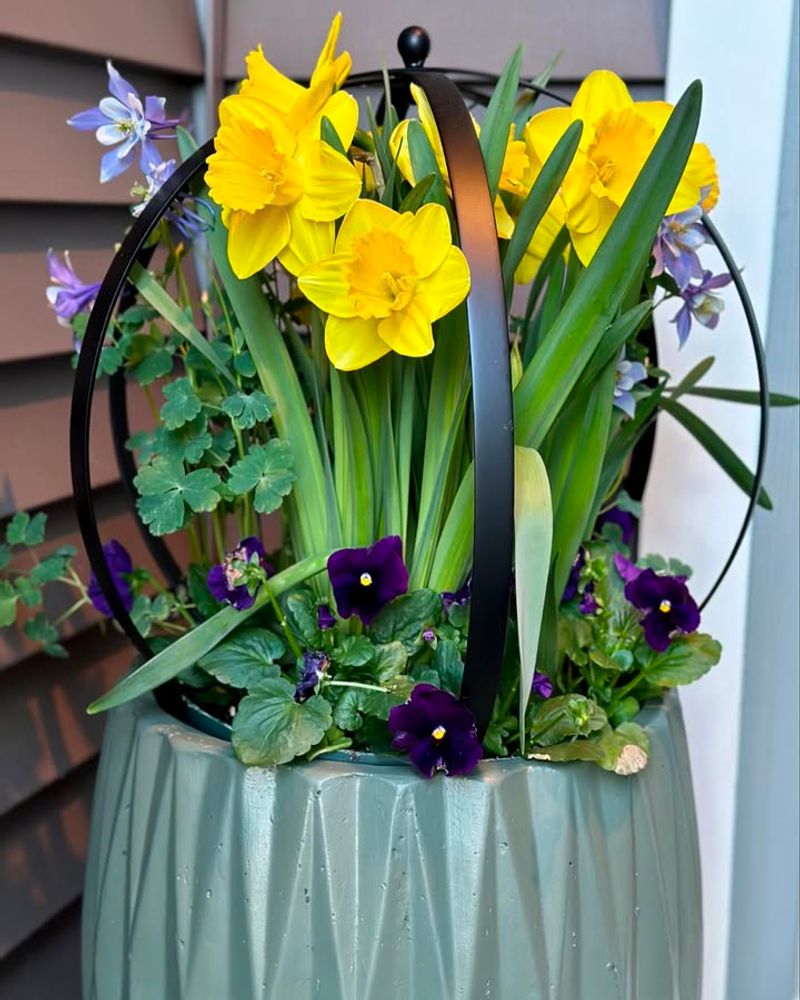
February in Georgia can fool you into thinking spring is weeks away, but daffodils don’t wait for permission. Planting early bloomers like daffodils, pansies, and sweet alyssum gives your yard a head start before most people even think about gardening.
These plants are tough enough to handle Georgia’s late cold snaps without much fuss.
Daffodils should go in the ground in fall, around October or November, so their bulbs can settle before the soil warms up again. Pansies, on the other hand, can be planted in late winter or very early spring and will bloom right through March and April.
Grab them from any local garden center and drop them into a sunny border or front bed for instant color.
Sweet alyssum is worth planting if you want a low carpet of white or purple blooms that fills gaps between other plants. It spreads quickly and smells faintly sweet on warm Georgia afternoons.
Scatter seeds along a walkway edge or tuck transplants into containers near your porch.
2. Add Flowering Shrubs For Long-Lasting Seasonal Interest
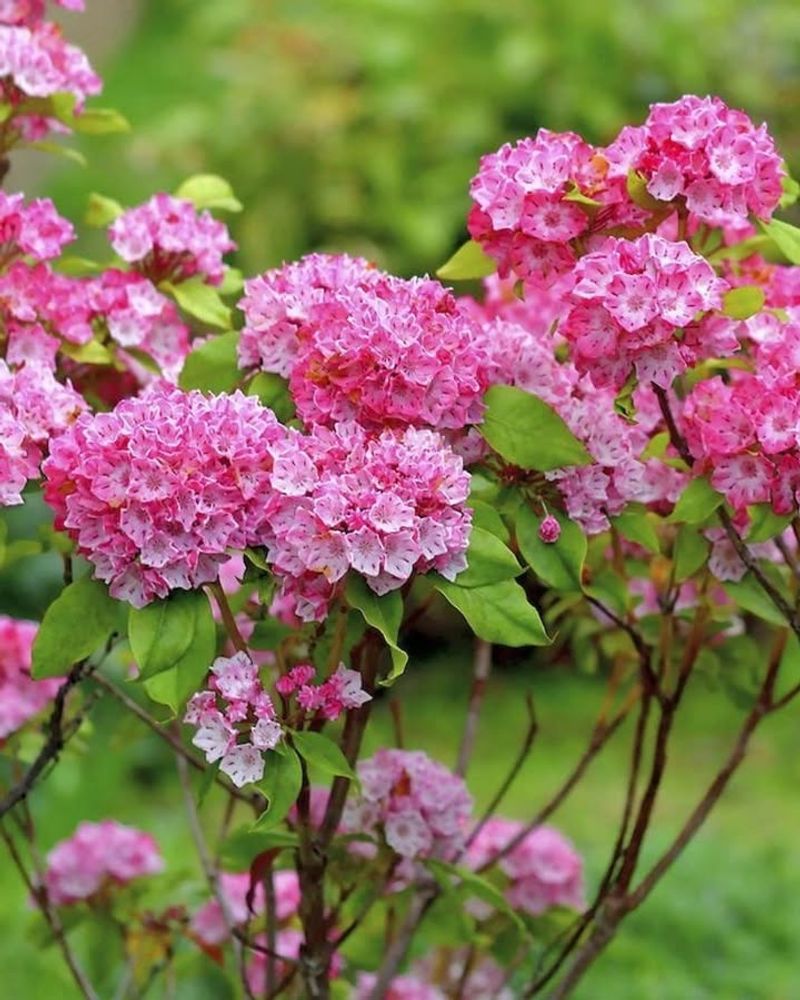
Azaleas are practically a Georgia tradition at this point. Drive through any neighborhood in Atlanta, Savannah, or Augusta in April and you’ll see them exploding in pink, red, white, and purple all over the place.
Planting a few azaleas along your fence line or near your front steps adds serious color without much ongoing effort.
Beyond azaleas, camellias are worth considering if you want blooms that start even earlier, sometimes as soon as late winter. Both shrubs prefer slightly acidic soil, which is actually pretty common in Georgia’s natural landscape.
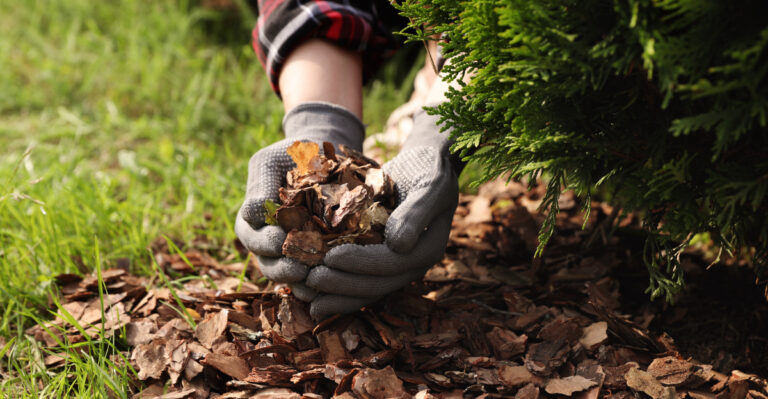
A bag of pine bark mulch around the base helps keep moisture in and soil conditions right.
Forsythia is another shrub that puts on a show early in the season, with bright yellow branches that pop before most leaves even appear. It grows fast, handles full sun well, and works nicely as a natural border or accent plant near a fence or wall.
Trim it back after it blooms if you want to keep the shape tidy.
When planting shrubs in Georgia, spacing matters. Don’t cram them too close together.
Your Georgia Garden Changes Every Week. Your Plan Should Too.
Gardening in Georgia changes quickly throughout the season. Every Friday you’ll receive a simple weekly plan showing exactly what to plant, prune, fertilize, harvest, and protect so you never miss the right timing.
Give each plant room to fill out naturally, and you’ll spend a lot less time pruning in the years ahead.
3. Mix Bulbs With Perennials For Layered Spring Blooms
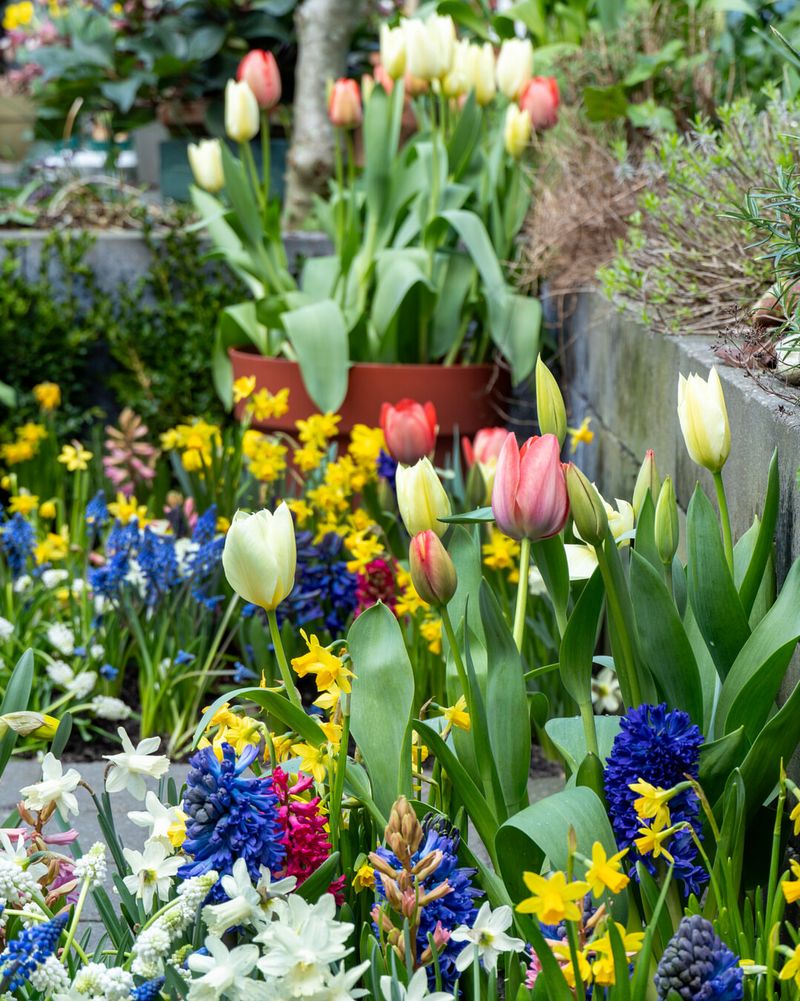
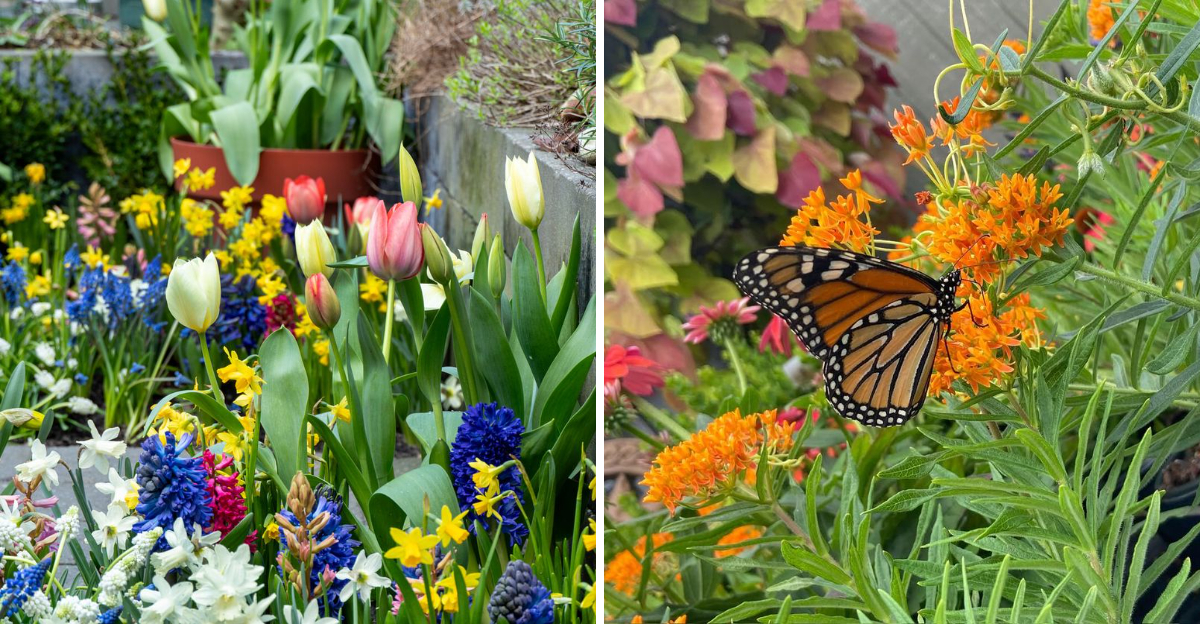
Planting bulbs alone gives you a great show for a few weeks, but mixing them with perennials stretches that color out across the whole spring season. Tulips come up early, then perennials like coneflowers and black-eyed Susans fill in as the bulbs fade.
It’s a simple layering trick that keeps your beds looking full instead of bare and patchy.
In Georgia, tulip bulbs need to be chilled in the refrigerator for about six to eight weeks before planting, since winters here aren’t cold enough to do the job naturally. Plant them in late fall after chilling, and they’ll pop up right on schedule in March and April.
Treat them as annuals and refresh the bulbs each year for the best results.
Daffodils are more forgiving in Georgia’s climate and don’t need pre-chilling. They naturalize over time, meaning they spread on their own and come back stronger each year.
Pair them with hardy perennials like salvia or rudbeckia so the bed doesn’t look empty once the daffodil foliage starts to brown.
4. Use Native Plants To Support Pollinators And Local Wildlife
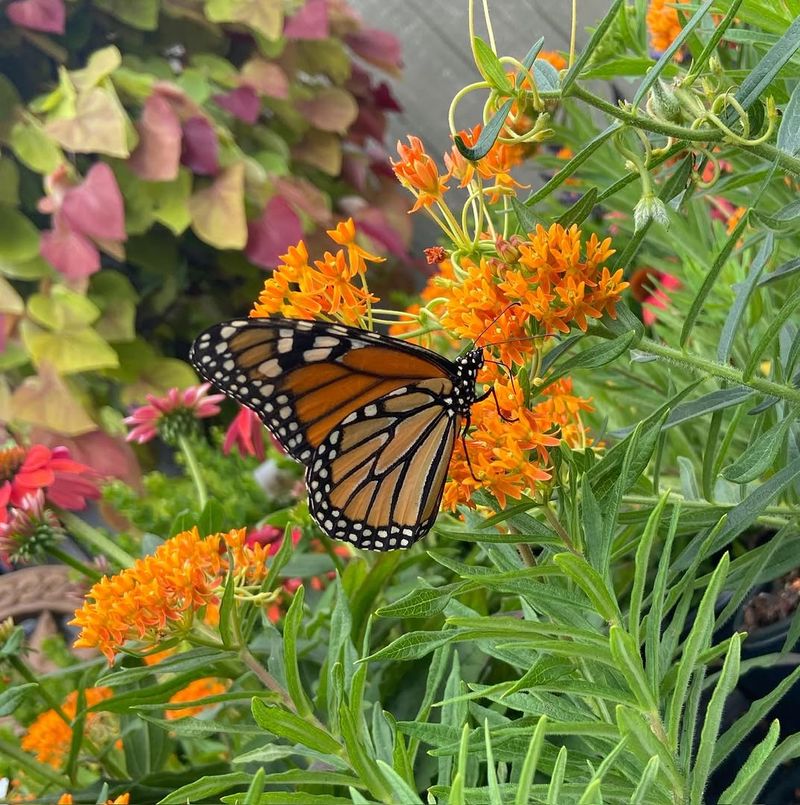
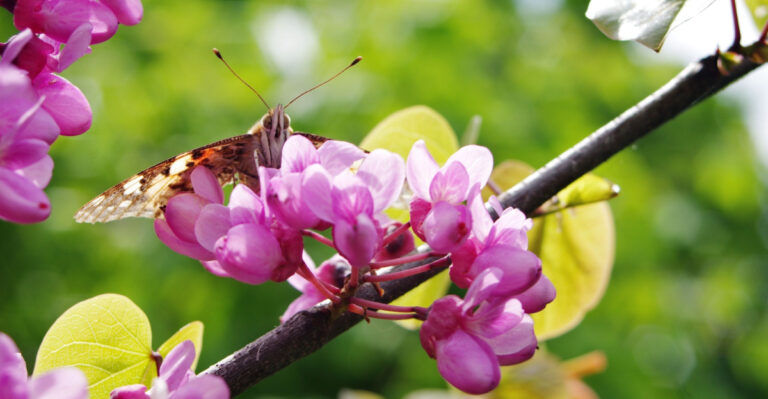
Wild blue indigo, native azaleas, and eastern columbine don’t just look good in a Georgia yard, they actually pull their weight by feeding bees, butterflies, and hummingbirds when food is scarce in early spring.
Most native plants are already adapted to Georgia’s soil and rainfall patterns, so they tend to need less babying than exotic varieties once they settle in.
Native plants also help local wildlife that depends on specific plant species to survive. Eastern tiger swallowtails, for example, love native cherry trees and wild black cherry shrubs.
Planting even one or two native species near a garden bed creates a small habitat that supports more life than a row of ornamental annuals ever could.
Georgia has a surprisingly wide range of native spring bloomers to choose from. Coral honeysuckle climbs fences and trellises with bright red tubular flowers that hummingbirds can’t resist.
Native columbine shows up in shady spots with delicate red and yellow blooms. Wild ginger works well as a ground cover under trees where grass won’t grow.
Check with a local Georgia nursery or cooperative extension office if you’re unsure which natives grow best in your specific region of the state. North Georgia’s mountain areas have different native options than the coastal plain around Savannah or the Piedmont around Macon.
5. Choose Bright Colors That Stand Out As Growth Begins
Early spring in Georgia can look washed out before everything leafs back in. Trees are still bare, lawns are just waking up, and the whole yard has that in-between look that nobody loves.
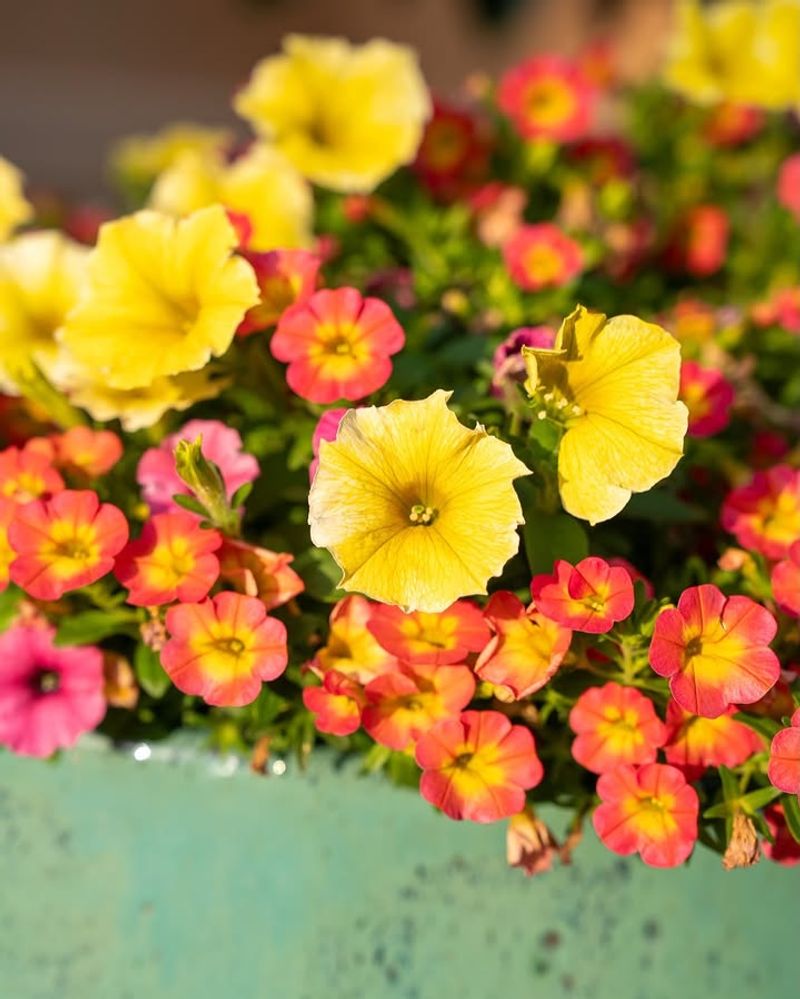
Bold, saturated flower colors cut right through that dullness and make a yard feel alive before the rest of the garden catches up.
Reach for yellows, oranges, and deep reds when choosing spring flowers for Georgia beds. Yellow daffodils and golden pansies pop against dark mulch or bare soil like nothing else.
Orange tulips and red snapdragons hold their own even on overcast days, which are common in Georgia during March and early April.
Color placement matters just as much as color choice. Cluster the same colors in groups of five or more rather than scattering single plants randomly throughout a bed.
Grouping creates visual impact that reads from a distance, especially from the street. A single red tulip gets lost in a garden, but fifteen of them planted together turn heads.
Contrast also plays a big role in making colors stand out. Pairing bright yellow blooms against dark green foliage or deep purple flowers against silver-leafed plants creates a visual tension that draws the eye.
6. Fill Empty Spots With Fast-Growing Spring Flowers
Empty garden beds are basically an open invitation for weeds in Georgia, where warm soil and spring rains create perfect conditions for unwanted growth. Filling those gaps fast with quick-blooming annuals solves two problems at once: you get color right away, and the weeds get crowded out before they take hold.
Snapdragons are one of the best choices for filling space quickly in Georgia’s spring garden. They go in early, tolerate light frost, and send up tall spikes of color in almost every shade you can think of.
Plant transplants from a local garden center in February or early March for blooms that start within a few weeks.
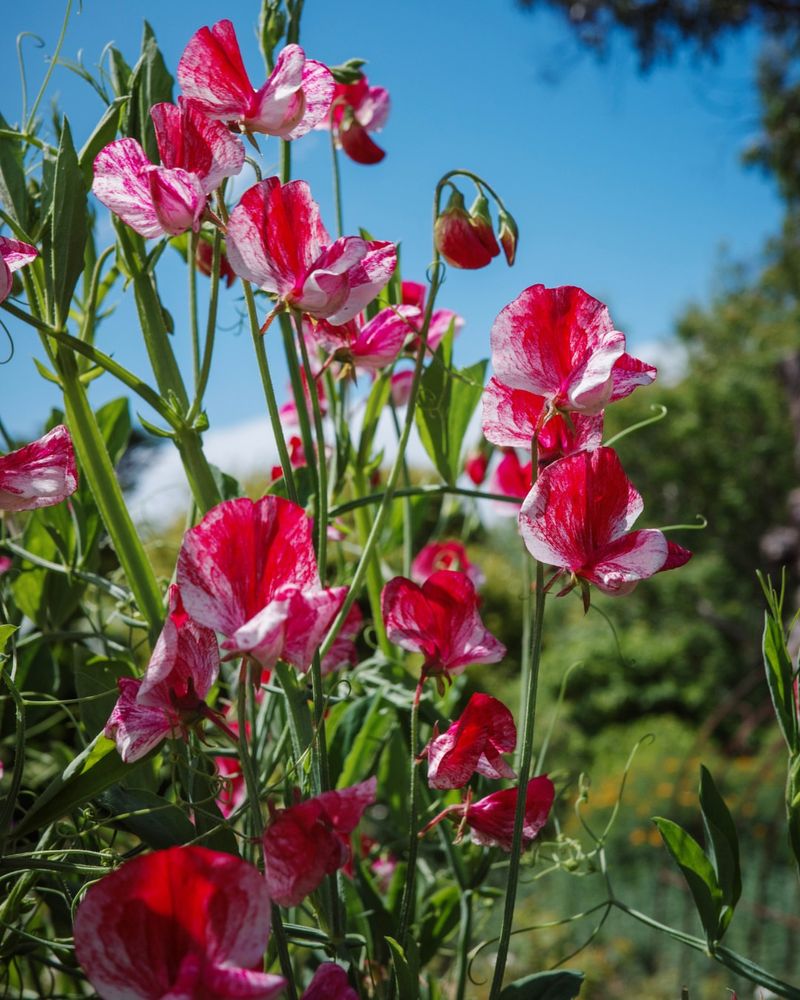
Sweet peas are another fast mover that adds a cottage-garden feel to fences, trellises, or any vertical surface you want to dress up. Direct sow seeds into the ground in late winter.
They climb quickly and produce clusters of fragrant flowers in pink, purple, lavender, and white. Georgia’s mild springs are genuinely ideal for sweet peas before the heat shuts them down in summer.
7. Keep Plants Well-Watered To Support Strong Early Growth
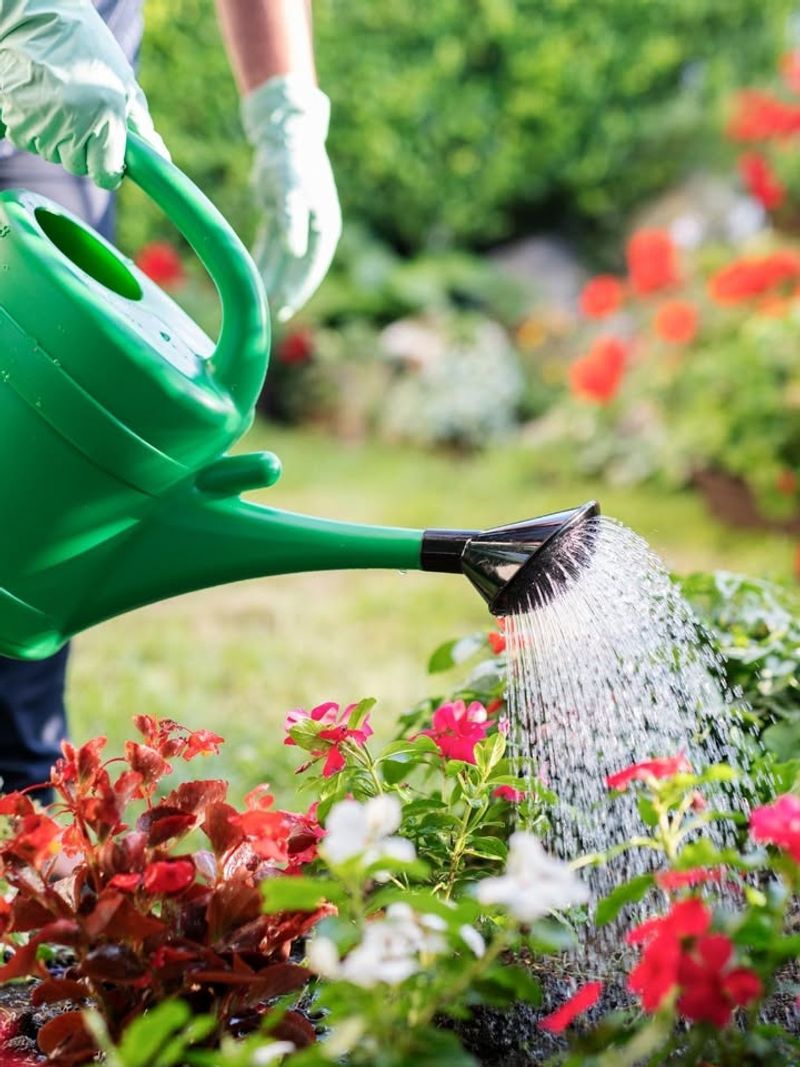
Spring in Georgia can be surprisingly dry between rain events, especially in March when plants are actively pushing out new roots and leaves. New transplants are the most vulnerable during this stretch because their root systems haven’t spread out yet to find moisture on their own.
Skipping watering even for a few days can set plants back noticeably.
Deep watering a few times a week beats light daily sprinkling every time. When you water deeply, moisture soaks down several inches into the soil and encourages roots to follow it downward.
Shallow watering keeps roots near the surface where soil dries out fastest, especially in Georgia’s sandy or clay-heavy soils.
Mulch is your best friend when it comes to holding moisture between watering sessions. A two to three inch layer of pine straw or shredded hardwood mulch around your plants slows evaporation dramatically.
It also keeps the soil temperature more consistent, which matters a lot during Georgia’s unpredictable spring weather when warm afternoons can follow cold nights.
Check soil moisture before watering rather than watering on a fixed schedule. Stick your finger about an inch into the soil near the base of your plants.
If it feels dry at that depth, water thoroughly. If it’s still damp, hold off another day.