Why Potentilla Struggle To Bloom In Some Oregon Gardens
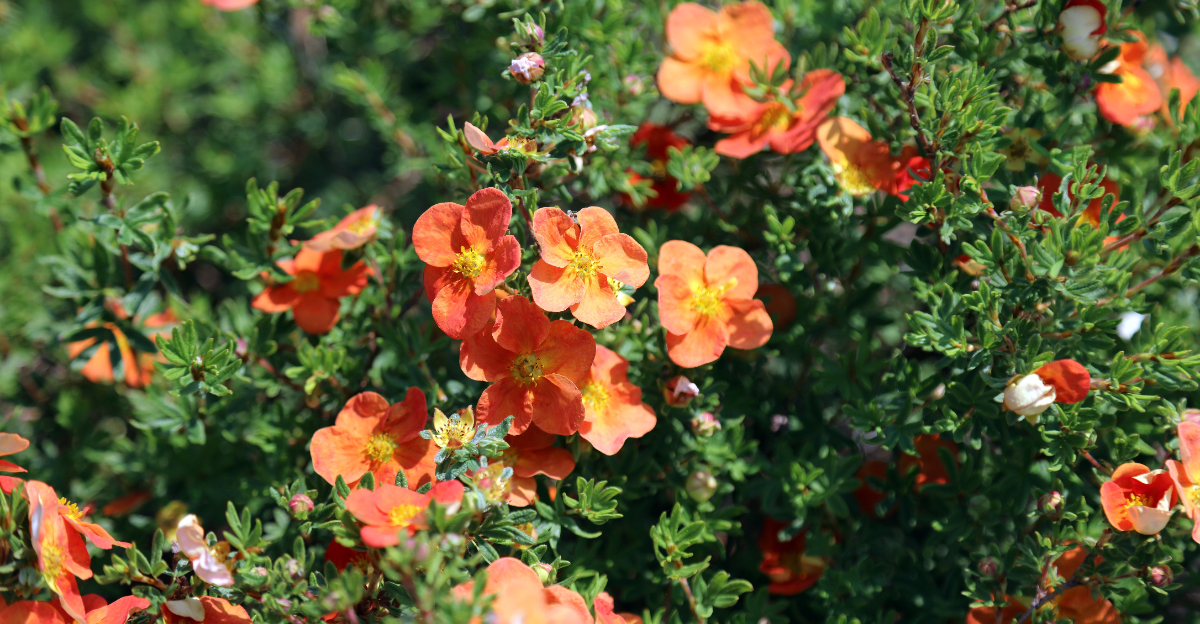
Potentilla is supposed to be one of the easy ones. Hardy, cheerful, covered in bright little flowers for months on end.
Ask any nursery worker and they’ll tell you it’s practically foolproof. So why do so many Oregon gardeners end up staring at a perfectly healthy-looking shrub that refuses to produce more than a handful of blooms?
It’s one of the more quietly frustrating plant mysteries out there. The truth is that potentilla has a few specific opinions about how it wants to live, and when those needs aren’t met, it just stops flowering.
It won’t die dramatically. It won’t look obviously stressed. It’ll sit there looking totally fine while completely withholding the bloom show you planted it for.
A few common culprits tend to come up again and again in Oregon gardens, from pruning habits to sun exposure to soil conditions that seem fine but aren’t quite right. Figure out what’s going on and the fix is usually simpler than you’d expect.
1. Too Much Shade
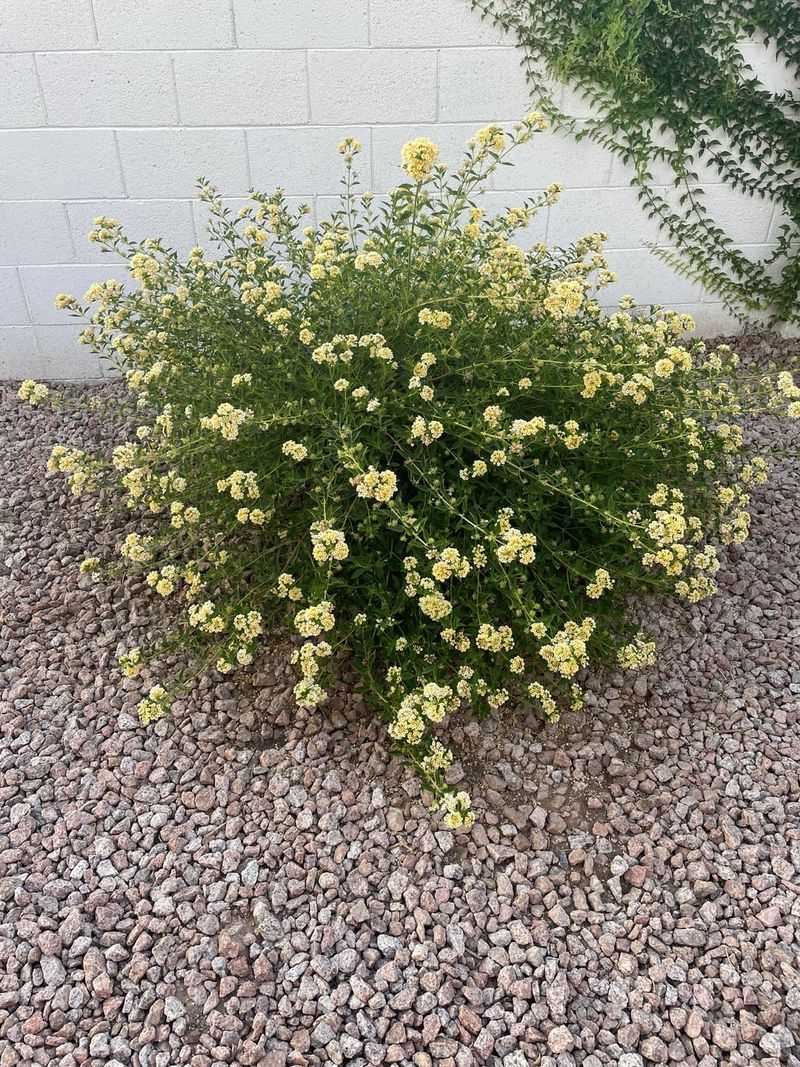
Sunlight is everything for potentilla. Without enough of it, the plant simply stops producing flowers.
In Oregon, cloudy skies are common for much of the year, and that can seriously cut into the hours of direct light your shrub receives.
Potentilla needs at least six hours of full sun each day to bloom well. Gardens in the Pacific Northwest can trick you because a spot that looks bright might only be getting filtered or indirect light.
That is not enough for strong flower production.
If your shrub is sitting under a big tree or near a fence that blocks the afternoon sun, moving it to a sunnier location can make a huge difference. Even trimming back overhanging branches helps.
Oregon gardeners should scout their yard throughout the day to find spots that get true, direct sunlight. Planting potentilla in those open, sunny areas gives it the best shot at blooming from late spring through fall.
A little repositioning now can mean a yard full of color later in the season.
2. Poor Soil Drainage
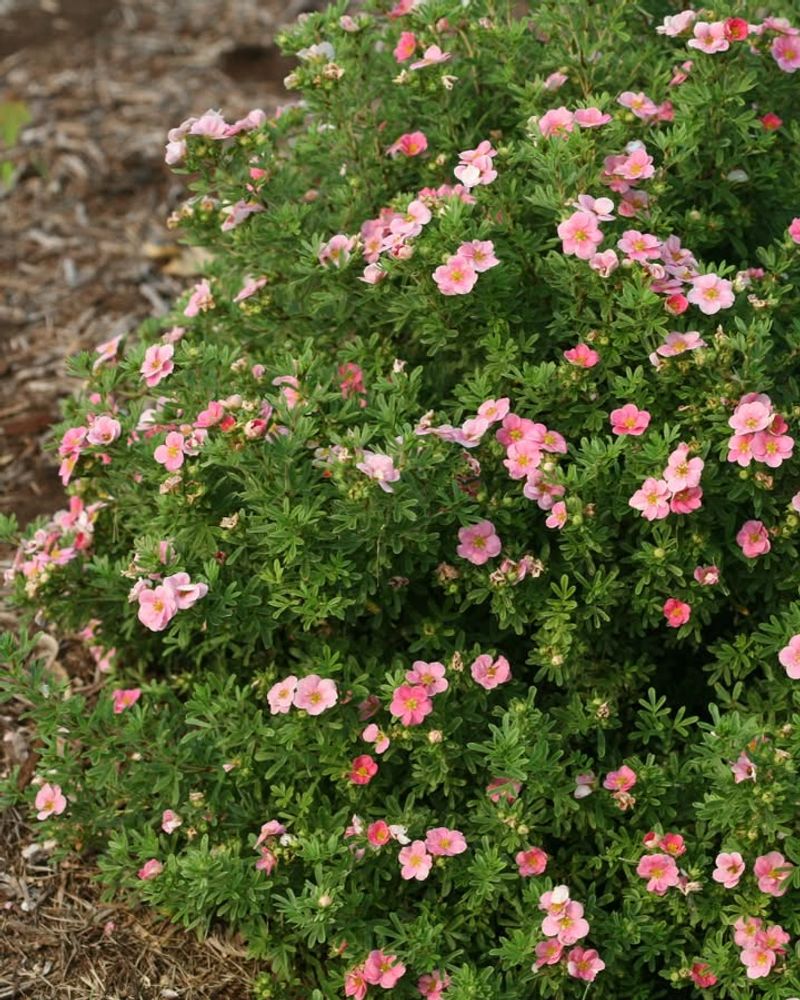
Standing water around the roots of a potentilla is bad news. This shrub loves well-drained soil, and when water sits too long near the roots, the plant gets stressed and blooming becomes the last thing on its agenda.
Oregon gets a lot of rain, especially from fall through spring. Heavy clay soils, which are common in many parts of the Willamette Valley and western Oregon, hold water like a sponge.
That soggy environment can lead to root rot, and a plant fighting root rot is not going to put energy into flowers.
Fixing drainage does not have to be complicated. You can mix compost or coarse sand into the soil to loosen it up.
Raised beds are another great option for Oregon gardeners dealing with dense, wet soil. Planting potentilla on a slight slope or berm also helps water drain away from the roots naturally.
Before you plant, do a simple drainage test by digging a hole and filling it with water. If it drains within an hour, you are in good shape.
Your Oregon Garden Changes Every Week. Your Plan Should Too.
Gardening in Oregon changes quickly throughout the season. Every Friday you’ll receive a simple weekly plan showing exactly what to plant, prune, fertilize, harvest, and protect so you never miss the right timing.
If it sits for hours, you need to improve drainage before planting.
3. Overfertilizing Plants
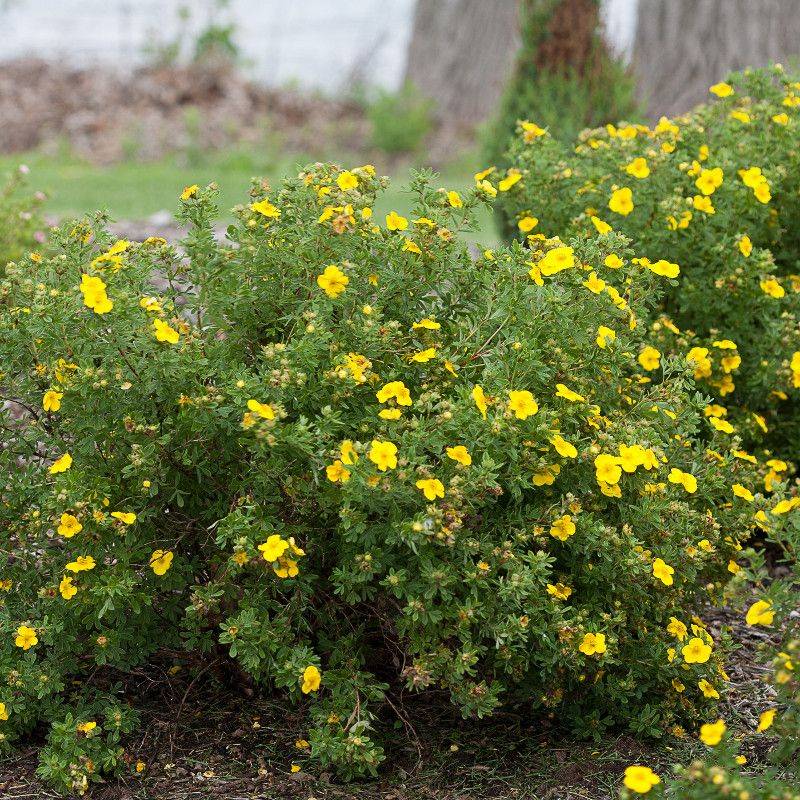
More fertilizer does not always mean more flowers. With potentilla, it can actually mean the opposite.
Piling on nitrogen-rich fertilizer pushes the plant to grow lots of big, leafy stems but leaves no energy for blooming.
Potentilla is naturally adapted to lean, low-nutrient soils. It does not need much feeding to stay healthy.
Oregon gardeners who treat it like a heavy-feeding rose or vegetable plant often end up with a thick, green shrub that never opens a single flower.
If you want to fertilize, keep it simple. Use a balanced, low-nitrogen fertilizer once in early spring, and skip any feeding after early summer.
Fertilizing too late in the season encourages soft new growth that cannot handle cooler Oregon temperatures as fall approaches. A soil test is a smart move before you add anything at all.
Many Oregon soils already have enough nutrients to support potentilla without any extra help. Letting the plant grow in its preferred lean conditions often produces the most vibrant blooms.
Sometimes doing less is the most helpful thing a gardener can do.
4. Improper Pruning
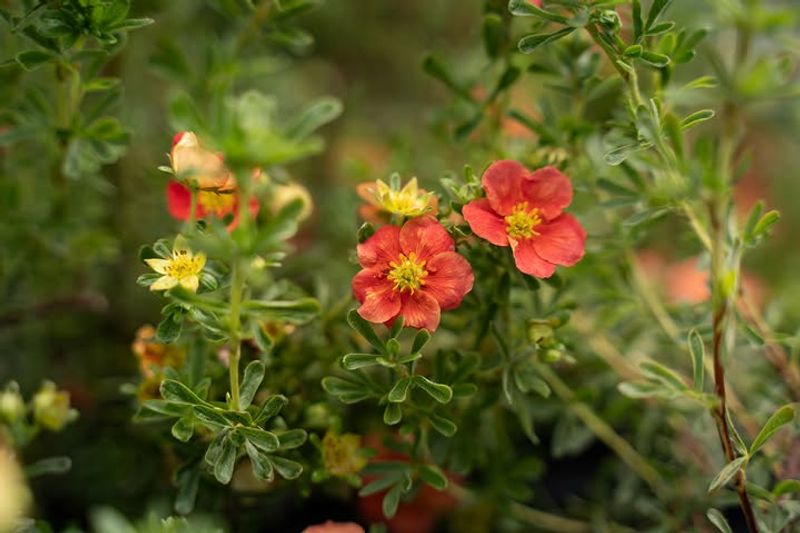
Pruning at the wrong time is one of the sneakiest reasons potentilla fails to bloom. Cut off the wrong stems at the wrong moment, and you have just removed all the spots where flowers were going to grow.
Potentilla blooms on new growth, meaning the fresh stems it puts out each spring are where the flowers appear. The best time to prune is in late winter or very early spring, just before new growth starts pushing out.
That timing gives the plant a full season to grow new flower-bearing stems.
Many Oregon gardeners prune in fall after the plant looks tired, thinking they are tidying things up. But cutting back in fall removes the base structure the plant needs to push out vigorous new spring growth.
It can also leave fresh cuts exposed to Oregon’s wet, cold winters, which invites fungal problems. A light trim to remove dead or crossing branches in early spring is all potentilla really needs.
Avoid shearing it into a tight ball shape, which reduces airflow and limits blooming. Thoughtful pruning, done at the right time, keeps the shrub productive and flowering season after season.
5. Winter Damage
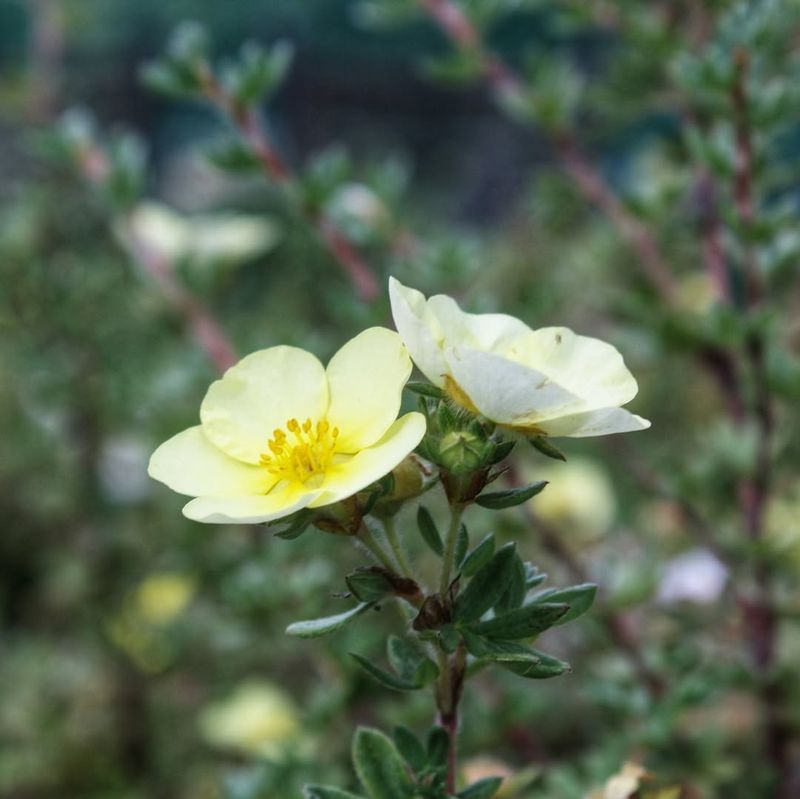
Oregon winters are not always gentle, especially in inland valleys and higher elevations. Even though potentilla is known for being cold-hardy, a rough winter can still set back the plant and reduce blooming the following season.
Hard freezes, ice storms, and wet cold snaps can damage young stems and emerging buds. When stems get damaged over winter, the plant spends its spring energy recovering rather than pushing out flowers.
In areas of Oregon like the Rogue Valley or the Coast Range foothills, temperature swings can be particularly tough on shrubs.
Checking your potentilla in early spring before new growth starts is a smart habit. Scratch a stem with your fingernail.
If it is green underneath, it is alive and healthy. If it is brown and dry all the way through, that section is damaged and should be pruned away cleanly.
Removing damaged wood encourages the plant to direct its energy toward healthy new growth. Mulching around the base in late fall helps insulate the roots from harsh Oregon winter temperatures.
A two to three inch layer of wood chips or shredded bark works well and also helps keep moisture levels steady through the wetter months.
6. Watering Problems
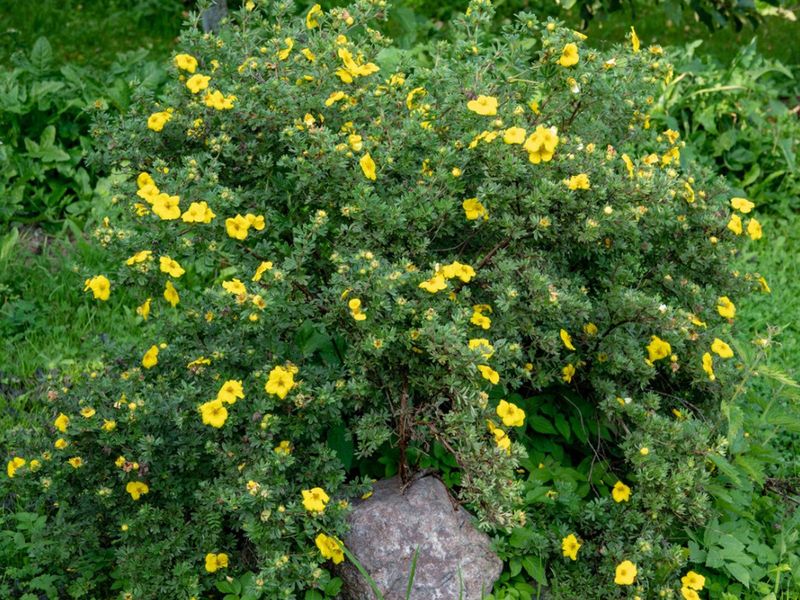
Water stress, whether too much or too little, can shut down blooming fast. Potentilla is drought-tolerant once it is established, but that does not mean it can go forever without a drink during Oregon’s dry summers.
Oregon has a split personality when it comes to weather. Winters are wet and mild, but summers can be surprisingly dry, especially east of the Cascades and in the Willamette Valley by July and August.
During long dry stretches, potentilla that is not getting enough water will drop its buds or simply stop producing new ones.
On the flip side, watering too often, especially in spring when Oregon soils are already moist, can keep roots sitting in soggy conditions. That leads to root stress and poor flowering.
The best approach is to water deeply but infrequently. Let the top inch or two of soil dry out between waterings.
Drip irrigation works well for potentilla because it delivers water directly to the root zone without wetting the foliage. Wet leaves in Oregon’s cool, damp climate can invite fungal issues.
Getting the watering balance right is one of the most reliable ways to keep your potentilla blooming strong all season.
7. Wrong Plant Location
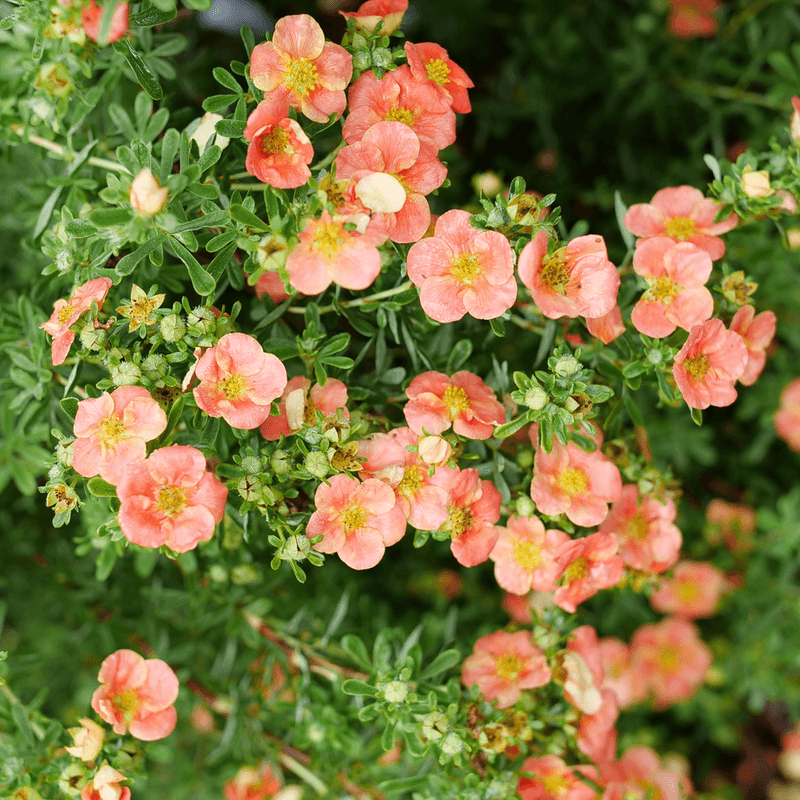
Location matters more than most gardeners realize. Even a healthy, well-watered potentilla will struggle to bloom if it is planted in the wrong spot.
The right location sets up the plant for success from day one.
In Oregon, choosing a spot with full sun, good air circulation, and well-drained soil is the winning combination. Planting potentilla too close to larger shrubs or trees creates competition for water, nutrients, and light.
Roots from nearby plants can crowd out potentilla and leave it struggling just to survive, let alone bloom.
Also consider the microclimate of your Oregon garden. A south or west-facing slope gets more sun and dries out faster after rain, which potentilla loves.
A north-facing bed near a wall or fence stays cool and damp, which works against blooming. Spacing matters too.
Give each plant about three to four feet of room to spread out. Good spacing improves airflow, which reduces fungal problems common in Oregon’s wet climate.
Moving a struggling plant to a better location might feel like a big step, but it is often the single most effective fix. Oregon gardeners who find the right spot for potentilla are usually rewarded with months of cheerful, non-stop color.