The Easy Garden Project That Turns A Container Into A Hummingbird Haven In Florida
Florida gardeners, get ready because your next favorite backyard visitor might be no bigger than your thumb and flashier than a jewel.
Hummingbirds love the Sunshine State, and with the right container garden, you can invite these tiny aerial acrobats right to your porch, patio, balcony, or backyard.
The best part? You don’t need a huge yard or expert gardening skills to pull it off.
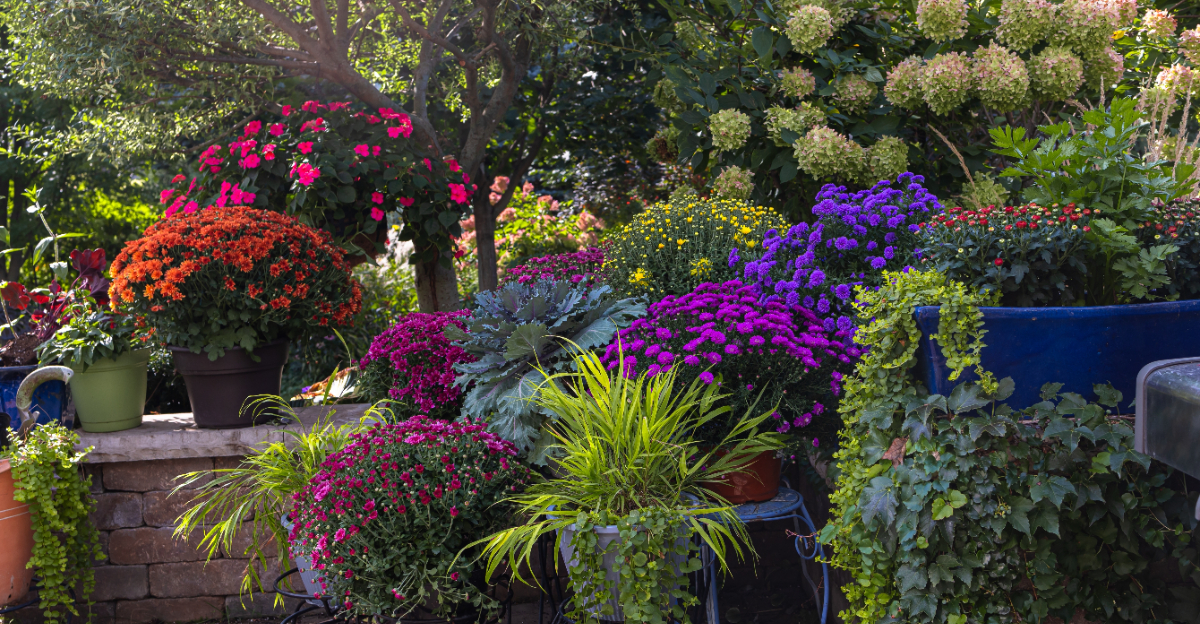
A single well-planted pot filled with the right nectar-rich flowers can turn any outdoor corner into a hummingbird hotspot. Thanks to Florida’s warm weather and long growing season, your container garden can offer color, beauty, and a steady buffet for months.
With just a few smart choices, an ordinary planter can become a front-row seat to one of nature’s most dazzling little shows.
1. Choose Nectar Rich Flowers That Hummingbirds Love
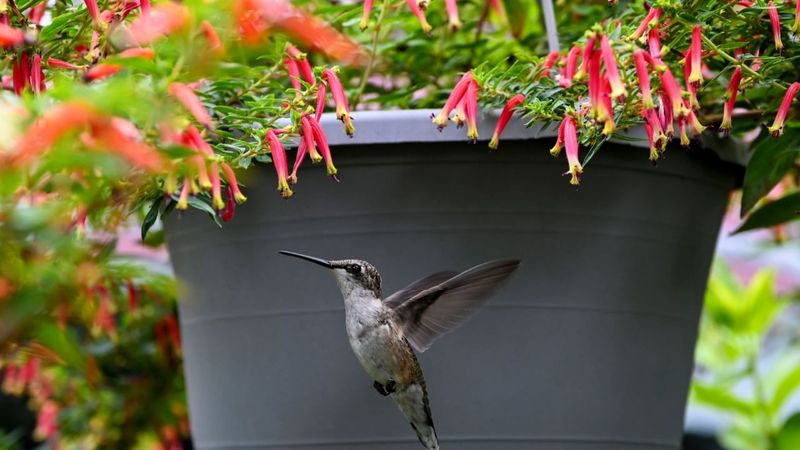
Hummingbirds have specific preferences when it comes to flowers, and selecting the right plants makes all the difference in attracting them to your Florida container garden.
These tiny birds are drawn to tubular-shaped blooms in bright colors, especially red, orange, and pink.
Their long, slender beaks are perfectly designed to reach deep into these flowers to sip the sweet nectar inside.
Salvias are among the top choices for Florida hummingbird gardens because they produce abundant nectar and bloom for extended periods. The bright red varieties are particularly irresistible to hummingbirds.
Pentas offer clusters of star-shaped flowers in red, pink, and white that provide easy access to nectar and can handle Florida’s heat beautifully.
Firebush is a native Florida plant that hummingbirds absolutely adore, producing tubular orange-red flowers throughout the warm months. Coral honeysuckle vines can trail over the edges of larger containers, creating a cascading effect while feeding hungry birds.
Shrimp plants earn their name from their unique appearance and offer nectar that hummingbirds find impossible to resist.
Petunias in red or purple shades work wonderfully in Florida containers and bloom prolifically when given proper care. Crossandra produces orange blooms that stand up well to humidity and heat while attracting these feathered visitors.
Selecting a mix of these nectar-rich flowers ensures your container garden becomes a reliable food source that hummingbirds will remember and return to visit regularly throughout the season.
2. Pick A Bright Container That Stands Out
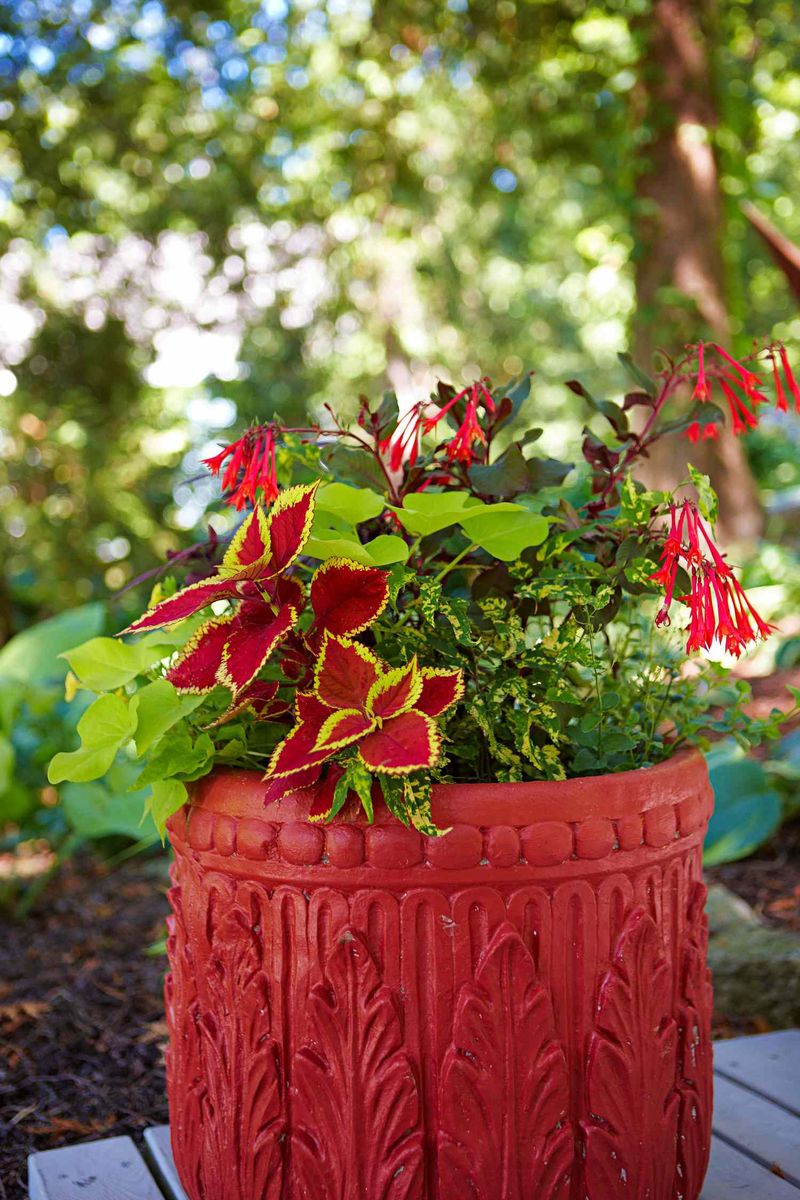
The container you choose plays a bigger role than you might expect in creating a successful hummingbird haven. Hummingbirds are attracted to bright colors, so selecting a container in red, orange, coral, or even bright blue can help catch their attention from a distance.
A vibrant pot acts as a visual beacon that draws these curious birds closer to investigate what nectar treasures might be waiting inside.
Size matters when planning your hummingbird container garden in Florida. A pot that measures at least 12 to 16 inches in diameter gives you enough space to plant multiple flowers and create an abundant display.
Larger containers also hold more soil, which helps retain moisture during Florida’s hot summer days and reduces how often you need to water.
Your Florida Garden Changes Every Week. Your Plan Should Too.
Gardening in Florida changes quickly throughout the season. Every Friday you’ll receive a simple weekly plan showing exactly what to plant, prune, fertilize, harvest, and protect so you never miss the right timing.
Material choice affects both the appearance and function of your container. Ceramic and glazed pots come in brilliant colors and add decorative appeal to your patio or garden area.
Resin containers are lightweight and easy to move around while still offering vibrant color options. Terra cotta pots provide excellent breathability for plant roots but dry out faster in Florida’s heat.
Make absolutely certain your chosen container has adequate drainage holes in the bottom. Without proper drainage, water can accumulate and create problems for your plants.
The bright container becomes part of the attraction strategy, working together with the colorful flowers to create an irresistible combination that hummingbirds notice and remember.
3. Use Well Draining Soil For Healthy Growth
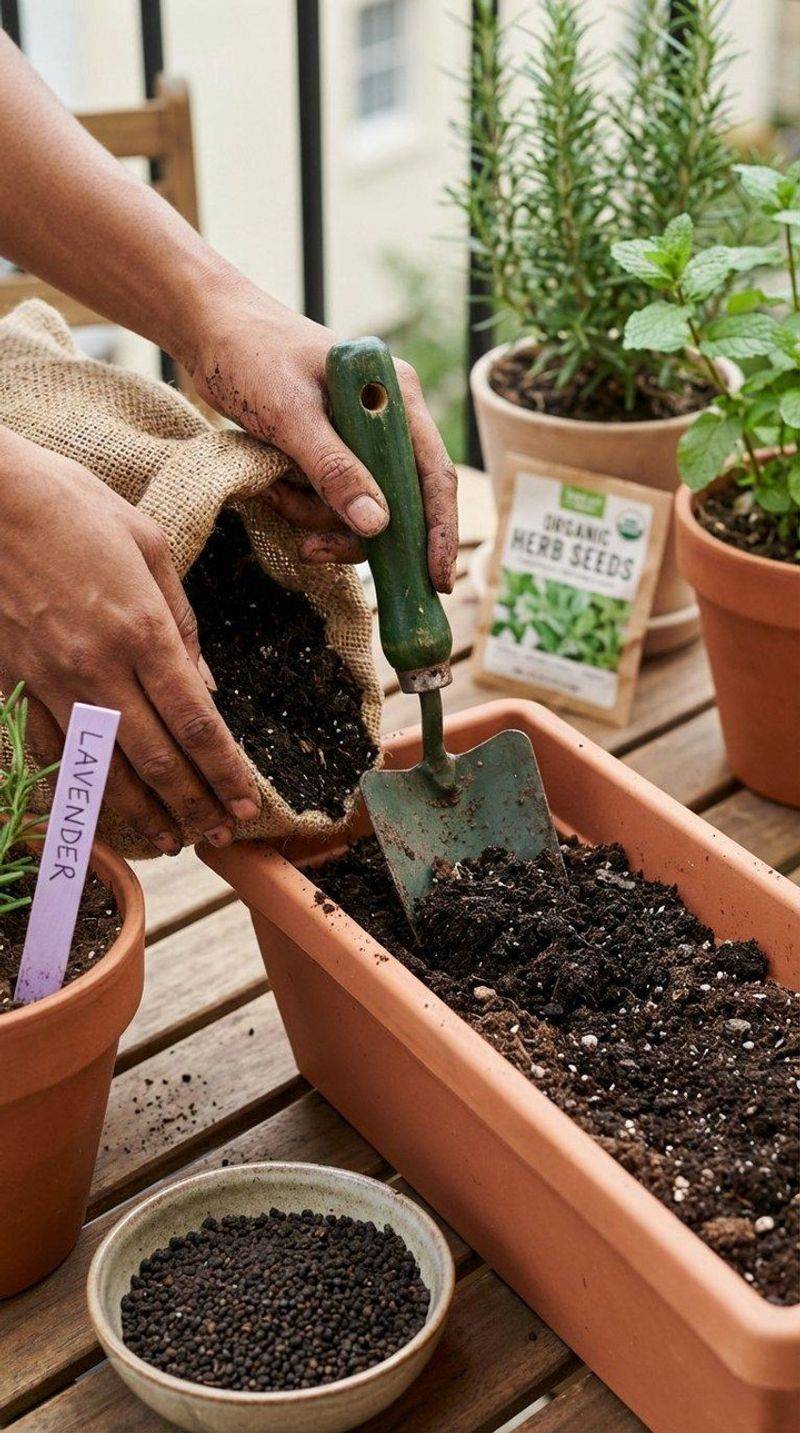
Soil quality forms the foundation of any successful container garden, especially in Florida where heavy rains and humidity can create challenging growing conditions.
Well-draining soil prevents water from sitting around plant roots, which can lead to root problems and unhealthy plants that produce fewer flowers.
Healthy plants mean more blooms, and more blooms mean more nectar for visiting hummingbirds.
Start with a high-quality potting mix specifically formulated for containers rather than using garden soil from your yard. Potting mixes are lighter and fluffier, containing ingredients like peat moss, coconut coir, and perlite that allow water to flow through easily.
These mixes also provide better air circulation around roots, which helps plants thrive in Florida’s warm climate.
Adding extra perlite or vermiculite to your potting mix improves drainage even further, which is especially helpful during Florida’s rainy summer season. These lightweight materials create tiny air pockets throughout the soil that prevent compaction.
Some gardeners also mix in a small amount of coarse sand to enhance drainage capabilities.
Consider blending in some compost to provide natural nutrients that feed your plants throughout the growing season. Compost improves soil structure while supporting the beneficial microorganisms that help plants absorb nutrients.
Avoid using heavy, clay-based soils that hold too much moisture and can suffocate plant roots.
The right soil mixture keeps your hummingbird flowers healthy, vigorous, and blooming abundantly, which means more opportunities to watch these amazing birds visit your Florida container garden.
4. Mix Plants For Continuous Bloom All Season
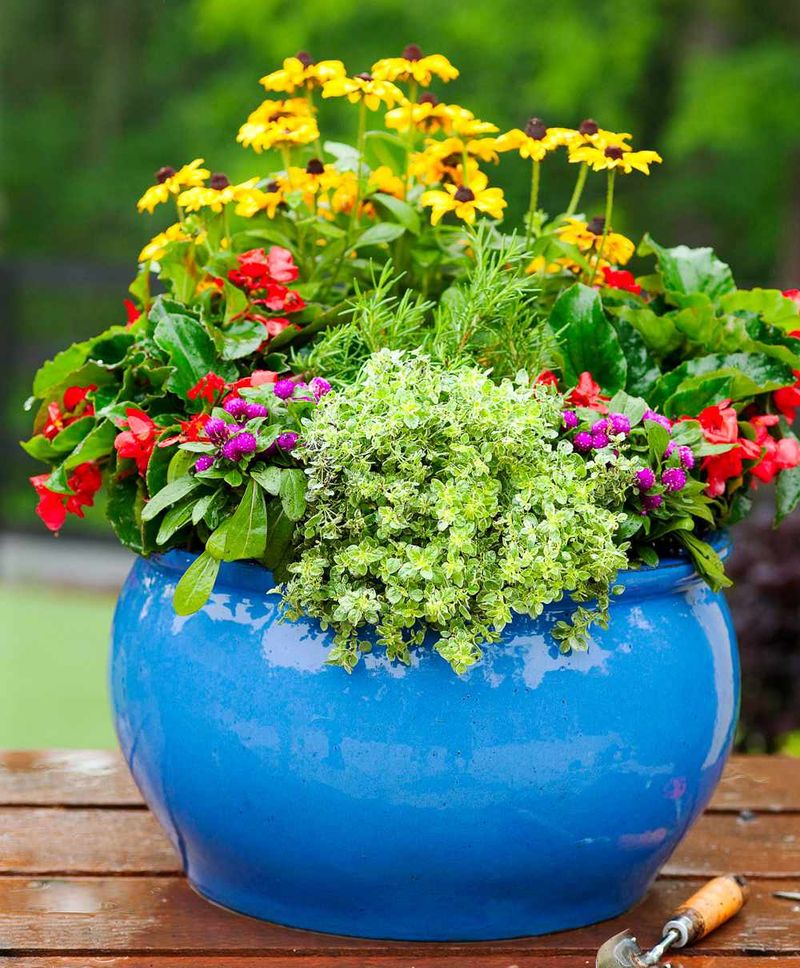
Strategic plant selection ensures your Florida hummingbird container provides nectar from early spring through late fall or even year-round in warmer parts of the state.
Hummingbirds need consistent food sources, and a container that blooms continuously becomes a reliable stop on their feeding route.
Mixing plants with different blooming schedules creates this non-stop flower show that keeps birds coming back.
Early bloomers like petunias and salvias can start the season strong, producing flowers as soon as temperatures warm up. These plants overlap with mid-season performers such as pentas and lantana, which hit their stride during the hottest months.
Late bloomers like firebush continue producing flowers well into fall, extending your hummingbird viewing season.
Combining annuals and perennials in your container gives you both immediate color and long-term value. Annuals typically bloom more heavily but last just one season, while perennials return year after year in Florida’s mild climate.
This mix provides the best of both worlds for attracting hummingbirds throughout the year.
Pay attention to bloom times listed on plant tags when shopping at your local Florida nursery. Choose at least three different plants with overlapping flowering periods to eliminate gaps when no nectar is available.
Some gardeners keep a simple calendar noting when each plant typically blooms, making it easier to plan combinations.
This thoughtful approach to plant selection transforms your container into an all-season hummingbird restaurant that never closes, giving you countless opportunities to enjoy these remarkable birds.
5. Place The Container Where Birds Feel Safe
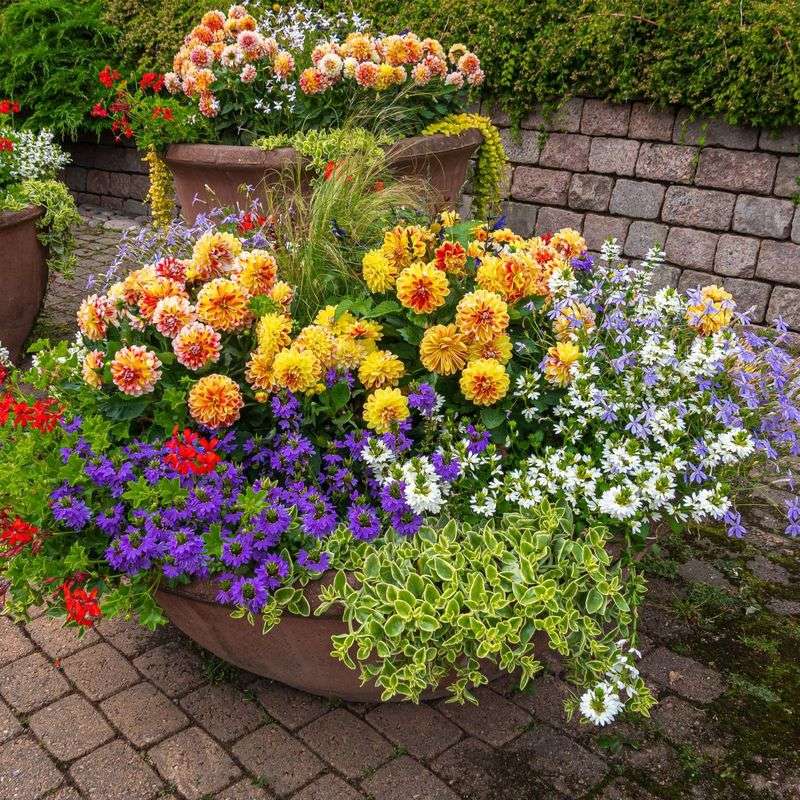
Location determines whether hummingbirds will actually use your carefully planted container or simply fly past it. These intelligent birds prefer feeding spots where they feel protected from predators and have clear escape routes.
Finding the sweet spot between visibility and safety encourages regular visits to your Florida hummingbird haven.
Position your container where it receives morning sun and afternoon shade, which works perfectly for both the plants and the visiting birds.
Most flowering plants need at least six hours of sunlight daily to bloom well, but Florida’s intense afternoon heat can stress both flowers and hummingbirds.
A location that gets bright morning light and filtered afternoon shade provides ideal conditions.
Place the container near a tree, large shrub, or covered patio area where hummingbirds can perch and rest between feeding sessions. These birds need to conserve energy, and having a nearby resting spot makes your container more attractive.
However, avoid putting the container directly under dense tree cover where birds might worry about predators lurking above.
Keep the container away from windows where birds might accidentally collide with glass during their rapid flight maneuvers. Leave open flight paths on at least two sides so hummingbirds can approach and leave easily.
Avoid placing containers in high-traffic areas where constant human activity might scare birds away.
The right location in your Florida outdoor space creates a welcoming environment where hummingbirds feel comfortable enough to visit frequently and linger longer at your beautiful container garden.
6. Water Consistently To Keep Flowers Thriving
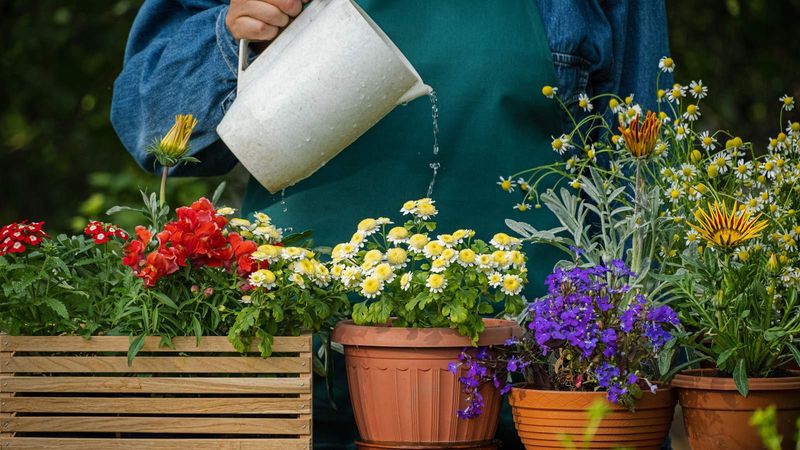
Consistent watering keeps your hummingbird flowers producing the abundant blooms and nectar that attract these tiny visitors to your Florida container.
Container plants dry out much faster than in-ground gardens, especially during Florida’s hot summers when temperatures soar and humidity varies.
Developing a reliable watering routine ensures your plants stay healthy and your hummingbird haven remains irresistible.
Check soil moisture daily by sticking your finger about an inch deep into the potting mix. If it feels dry at that depth, your container needs water.
During Florida’s summer heat, you might need to water once or even twice daily, while cooler months may require watering only every few days.
Water thoroughly until you see excess flowing from the drainage holes at the bottom of your container. This deep watering encourages roots to grow downward and helps flush out accumulated salts from fertilizers.
Shallow watering leads to weak root systems and stressed plants that produce fewer flowers.
Morning watering works best in Florida because it allows foliage to dry before evening, reducing the risk of fungal issues in humid conditions. Avoid watering during the hottest part of the day when much of the moisture evaporates before reaching plant roots.
Consider using a watering can with a long spout to direct water at the soil rather than on flowers and leaves.
During Florida’s rainy season, adjust your watering schedule and possibly move containers to areas with some overhead protection to prevent oversaturation.
Proper watering keeps flowers blooming continuously, which means more nectar and more hummingbird visits to enjoy.
7. Add A Simple Water Source For Extra Attraction
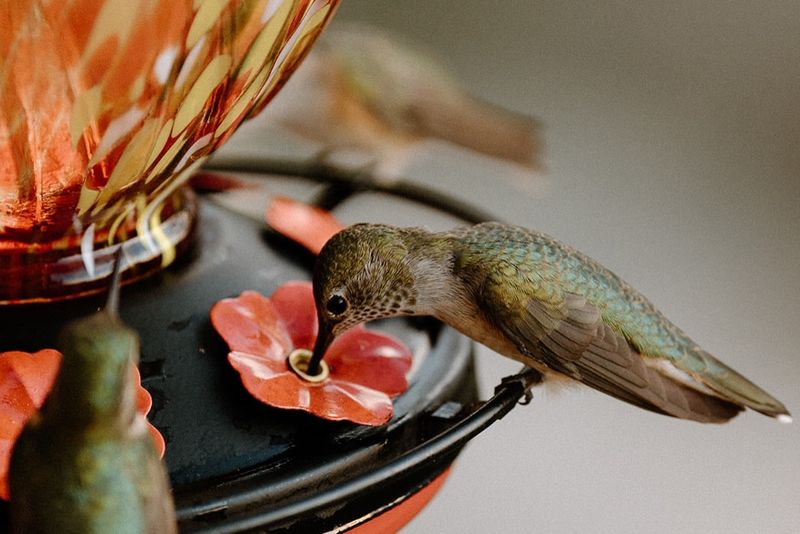
Hummingbirds need water just like they need nectar, and adding a water feature near your Florida container garden dramatically increases its appeal. Unlike other birds that drink from standing water, hummingbirds prefer to catch water droplets in mid-air or bathe in fine mist.
Providing water in a way that suits their unique habits makes your garden even more attractive.
A simple mister attachment connected to your garden hose creates the perfect hummingbird water source. Set it on a timer to spray for a few minutes several times throughout the day.
Position the mister near your container so hummingbirds discover both the flowers and the water during a single visit to your Florida yard.
Shallow dishes filled with clean water and placed near the container also work well, especially if you add a small fountain pump to create movement. Hummingbirds are attracted to the sound and sight of moving water.
Change the water every two days to keep it fresh and prevent mosquitoes from breeding, which is especially important in Florida’s warm climate.
Some Florida gardeners use solar-powered fountain bubblers in small dishes positioned right next to their hummingbird containers. The gentle bubbling motion catches the attention of passing birds.
Another option is hanging a plant mister bottle filled with water near the container and giving it a few squirts when you see hummingbirds nearby.
Water features complement your nectar-rich flowers by meeting another essential need these birds have. The combination of food and water creates a complete hummingbird oasis that encourages longer visits and repeat customers to your container garden.
8. Trim Faded Flowers To Keep Nectar Flowing
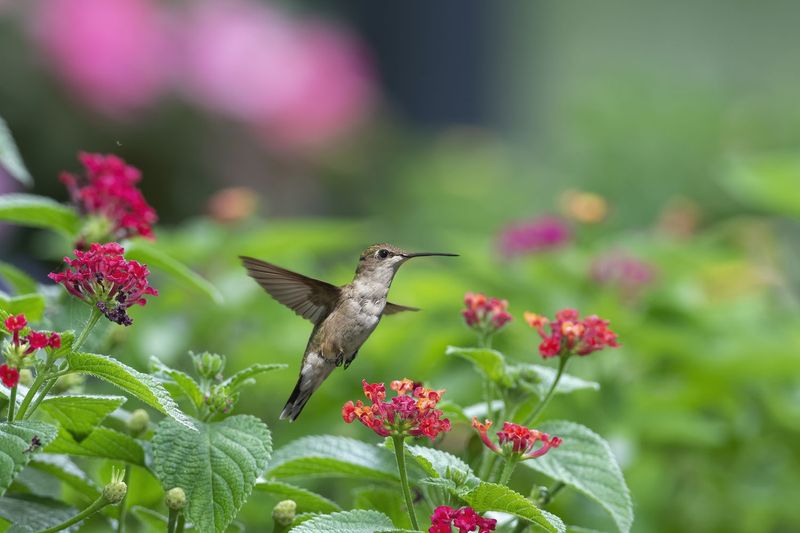
Regular deadheading keeps your Florida hummingbird container producing fresh flowers loaded with nectar throughout the growing season.
When flowers fade and form seed heads, plants shift energy away from making new blooms and focus instead on seed production.
Removing spent flowers tricks plants into producing more blooms as they continue trying to complete their reproductive cycle.
Check your container every few days and snip off flowers that have wilted, browned, or begun forming seeds. Use clean, sharp scissors or pruning shears to make neat cuts just above the next set of leaves or buds.
This simple task takes only a few minutes but makes a tremendous difference in how many flowers your container produces.
Deadheading also improves the overall appearance of your container garden, keeping it looking fresh and attractive rather than tired and messy.
Removing old flowers prevents fungal diseases that sometimes develop on decaying plant material, which is particularly important in Florida’s humid climate.
Cleaner plants are healthier plants that produce more nectar for visiting hummingbirds.
Some plants like pentas and salvias respond especially well to deadheading, often producing double the blooms when regularly maintained.
Petunias can get leggy in Florida’s heat, so trim them back by about one-third if they start looking sparse, and they will flush out with fresh growth and flowers.
Combine deadheading with light fertilizing every few weeks using a balanced, water-soluble fertilizer to support continuous blooming.
This one-two approach of removing spent flowers and providing nutrients keeps your container garden in peak condition, ensuring a steady supply of nectar that makes your Florida hummingbird haven irresistible all season long.