No Mow May In Pennsylvania: What Actually Happens To Your Yard After 30 Days
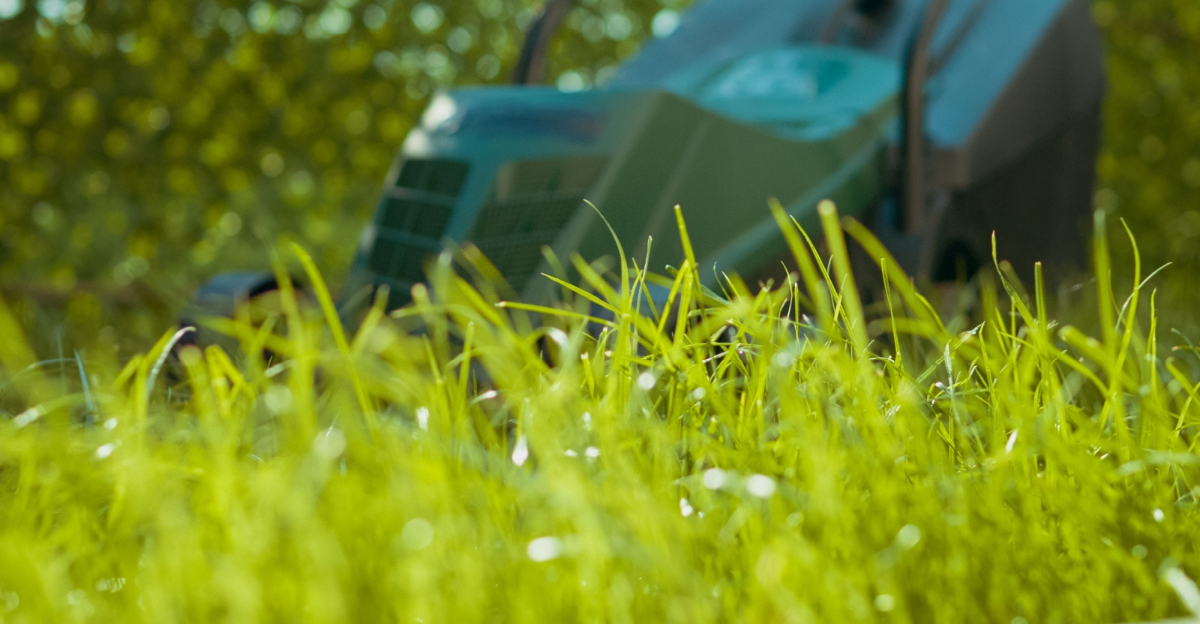
“No Mow May” is the ultimate dream for anyone who looks at their lawn mower and thinks, “Not today, friend.”
The idea is basically a hall pass for your yard: you park the mower for a month and let the grass go wild to help out the local bees and butterflies.
In Pennsylvania, our spring weather is a bit of a chaotic mess, swinging from chilly rains to sudden heat waves that make the lawn grow six inches while you’re taking a nap!
It sounds like a lazy gardener’s paradise, but there is more to it than just letting your grass get shaggy.
A month of neglect might turn your yard into a pollinator sanctuary, or it might just give you a very tall, very green mess of crabgrass.
The results really depend on the secret life of your soil and the plants already hiding in your turf.
1. Taller Grass Changes The Look And Feel Of The Whole Yard
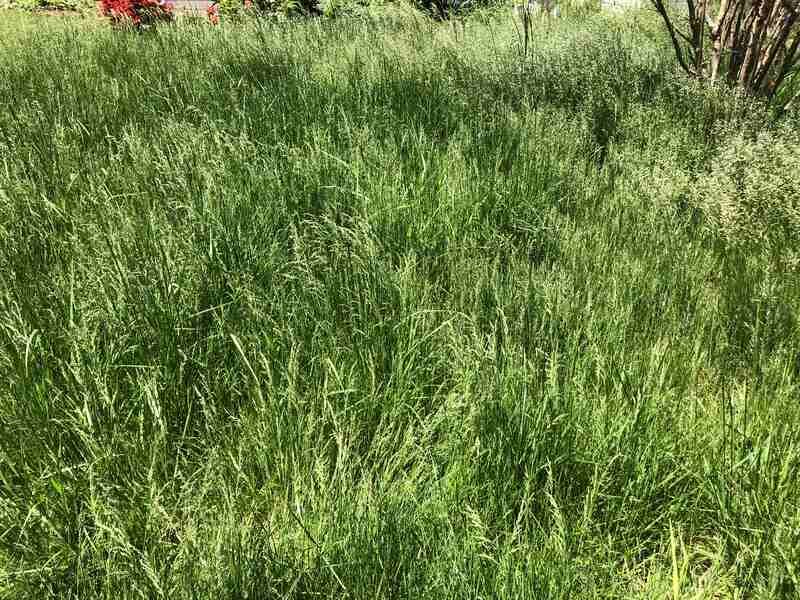
Spring in Pennsylvania moves fast, and by the time May is halfway through, a lawn that has gone uncut can look noticeably different from what most neighbors are used to seeing.
Cool-season grasses like tall fescue and Kentucky bluegrass, which are common across much of Pennsylvania, can grow several inches in just a week or two when temperatures and moisture conditions are right.
By the end of May, some lawns may reach six to ten inches or more depending on the grass type and how much rain the region has received.
That kind of height changes the entire feel of the yard. The lawn takes on a softer, more layered look that some homeowners find appealing and others find stressful, especially if they live in a neighborhood with strict expectations about lawn appearance.
Grass blades begin to flop and bend under their own weight, which gives the yard a more natural, meadow-like texture rather than the tight, uniform surface most people are used to.
The change is not just visual. Taller grass holds more moisture, which can be beneficial during dry stretches but can also create conditions that favor certain fungal issues if the weather stays wet and humid.
In parts of Pennsylvania where spring tends to be damp, that is worth keeping in mind.
The yard does not stop functioning well just because it has grown tall, but the shift in appearance and surface conditions is real and noticeable to anyone spending time outside.
2. Clover And Other Lawn Flowers Get More Room To Bloom
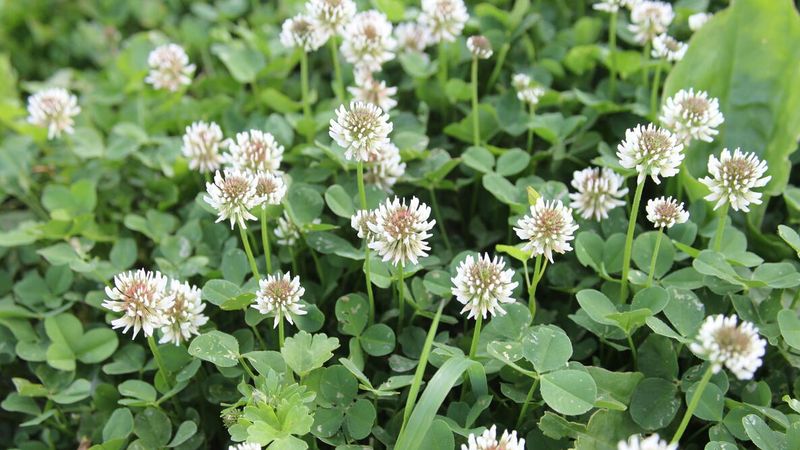
One of the most talked-about benefits of skipping May mowing is the chance to let low-growing lawn flowers bloom without being cut down every week.
White clover is probably the most common of these in Pennsylvania lawns, and it thrives in turf that is managed with moderate fertilization.
When mowing stops, clover plants that were previously kept trimmed close to the ground have the opportunity to send up their round white flower heads, which are genuinely attractive to bees.
Your Pennsylvania Garden Changes Every Week. Your Plan Should Too.
Gardening in Pennsylvania changes quickly throughout the season. Every Friday you’ll receive a simple weekly plan showing exactly what to plant, prune, fertilize, harvest, and protect so you never miss the right timing.
Dandelions, which many Pennsylvania homeowners spend the rest of the year trying to manage, will also bloom freely during a no-mow month.
Other small flowers like ground ivy, common violet, and occasionally self-heal can appear depending on what has established itself in a particular lawn over the years.
These plants were likely already present before No Mow May started, but regular mowing kept them from flowering.
The key thing to understand is that the flowers available in any given yard depend entirely on what is already growing there.
A lawn that has been kept very clean and weed-free through years of herbicide use may have very little to offer in terms of blooms, even after a full month without mowing.
In contrast, a lawn with a diverse mix of low-growing plants can produce a surprising number of small flowers. The outcome is personal to each yard and each homeowner’s history of lawn care in Pennsylvania.
3. Bee Activity May Rise If Your Lawn Already Has Flowers In It
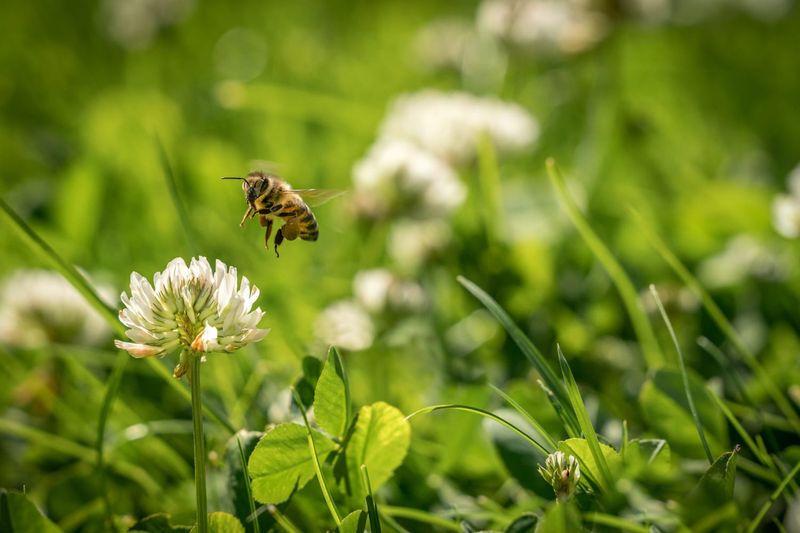
Watching a bee work its way across a patch of clover in your own yard is genuinely satisfying, and it is one of the real rewards that some Pennsylvania homeowners notice during No Mow May.
When lawn flowers like white clover are allowed to bloom, ground-foraging bees, including several native species of small sweat bees and bumblebees, may visit more frequently than they would on a regularly mowed lawn.
The flowers provide both nectar and pollen, which are essential food sources for many bee species.
That said, the increase in bee activity depends heavily on two things: whether the lawn already has enough flowering plants to attract bees, and whether those bees are present in the surrounding area in the first place.
A lawn with very little clover or other low-growing flowers will not suddenly become a bee hotspot just because mowing stops.
Bees are practical foragers and they go where the food is most available and most accessible.
May is also a time when many flowering trees and shrubs across Pennsylvania are in peak bloom.
Black cherry, serviceberry, redbud, and various willows are all producing flowers that bees find highly attractive during the same window that No Mow May covers.
Lawn flowers like clover are a useful supplement to these resources, but they are rarely the primary draw for bees in a typical Pennsylvania spring landscape.
The yard can still contribute something meaningful, just not always as dramatically as people hope.
4. Pollinators Still Rely More On Trees And Garden Plants In Spring
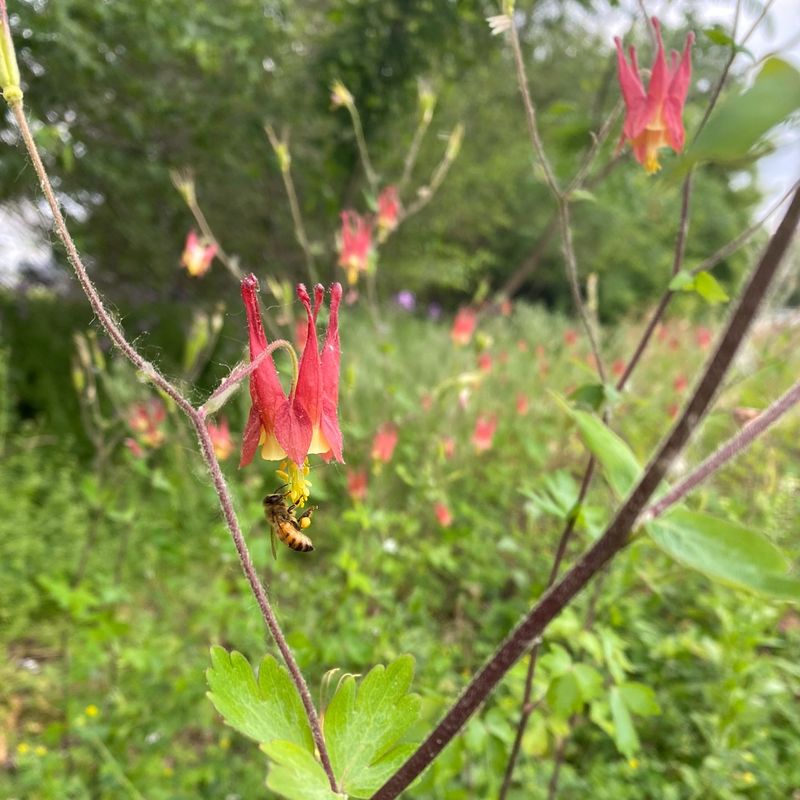
May is one of the most active months for pollinators across Pennsylvania, but the food they depend on at that time of year comes largely from sources other than lawn grass.
Flowering trees and shrubs are producing some of their most abundant blooms in May, and for many native bees, these woody plants are far more important than anything happening at ground level.
Species like serviceberry, wild cherry, apple, redbud, and various native willows offer large quantities of nectar and pollen that support bees emerging from winter.
Garden perennials also start coming into their own during May in many parts of Pennsylvania. Columbine, creeping phlox, bleeding heart, and early-blooming native plants like golden Alexanders can provide substantial forage for pollinators.
A homeowner who has invested in even a modest garden border or a few flowering shrubs is already doing a great deal for local bee populations, regardless of whether they mow the lawn or not.
This does not mean that lawn flowers are worthless. Clover and other low-growing bloomers can add to the overall food supply available in a yard, and every bit of forage counts during a busy spring season.
But homeowners who skip mowing in May hoping to make a big difference for pollinators may find that their lawn plays a supporting role rather than a starring one.
The most impactful thing a Pennsylvania gardener can do for spring pollinators is often to plant more flowering trees, shrubs, or perennials rather than simply stop mowing.
5. The First Mow After Thirty Days Can Be Hard On Turfgrass
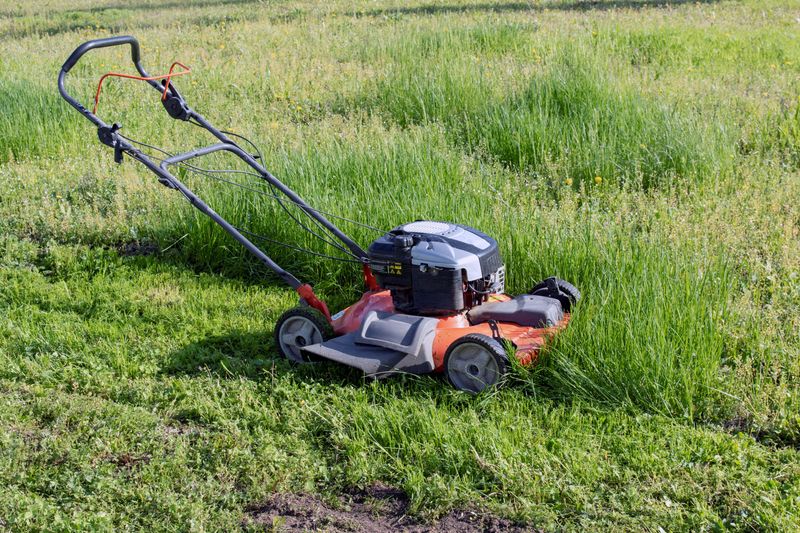
Getting back to a normal mowing height after a full month without cutting is one of the trickier parts of No Mow May that does not always get discussed.
Cool-season turfgrasses in Pennsylvania can reach considerable heights by the end of May, and cutting them back to a standard lawn height all at once puts real stress on the plants.
The general recommendation from turfgrass professionals is to avoid removing more than one-third of the grass blade in a single mowing session, and a lawn that has grown for four or five weeks will likely require several gradual cuts to return to a manageable height.
If a homeowner cuts tall grass down to two or three inches in one pass, the mower removes most of the green leaf tissue that the plant has been using to produce energy.
This can leave the lawn looking brown and stressed for a period of time afterward.
The grass is not beyond recovery, but it may take a few weeks to bounce back fully, especially if the weather turns hot and dry in early June, which is not uncommon in parts of Pennsylvania.
Mowing tall grass also tends to leave more clippings on the surface than a regular mow would. Those clippings can mat together and block light from reaching the grass below if they are not managed properly.
Using a mulching mower or raking up heavy clumps can help the lawn recover more smoothly after a long break from mowing. Taking the return to regular mowing slowly is the most practical approach.
6. Weeds May Become More Noticeable By The End Of May
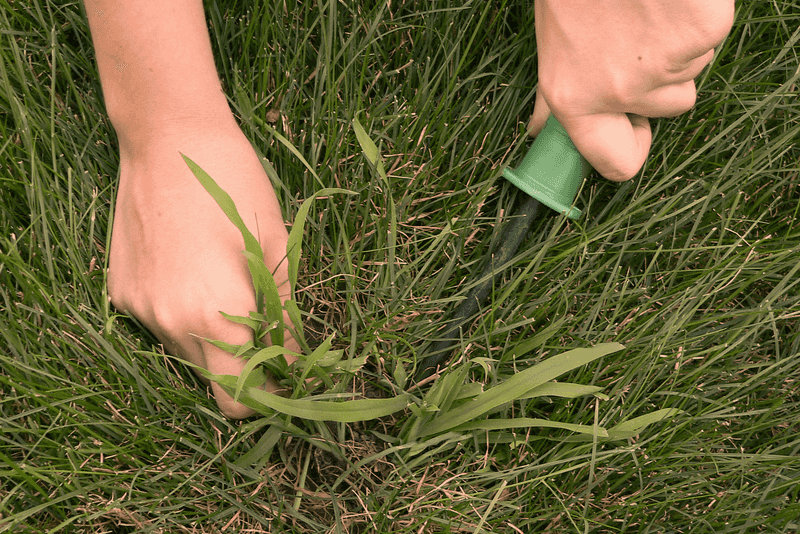
Skipping the mower for a month gives beneficial plants more room to grow, but it gives opportunistic ones the same advantage.
By the end of May, Pennsylvania lawns that have gone without mowing may show a noticeable increase in weed visibility.
Some of these plants were already present in the lawn but were kept low by regular cutting. Others may be seedlings that germinated in May and are now tall enough to stand out clearly among the grass.
Annual weeds like crabgrass typically begin germinating in Pennsylvania when soil temperatures reach a consistent threshold in spring, which often falls in May depending on the region and the year.
Letting grass grow tall does not directly cause crabgrass to appear, but it can make it harder to spot early and address before it becomes well established.
Perennial weeds like thistle, plantain, and wild garlic can also become quite visible when they are not being regularly cut back.
Some weeds that grow quickly in May can begin setting seed by the time the lawn is finally mowed again, which means the no-mow period may contribute to a larger weed seed bank in the soil for following seasons.
This is not a reason to avoid No Mow May entirely, but it is a practical consideration worth thinking through.
Homeowners who already deal with significant weed pressure in their Pennsylvania lawn may want to scout the yard carefully during the month and think about how they will manage things once mowing resumes.
7. Mowing Less May Work Better Than No Mow May
For many Pennsylvania homeowners, the idea of going a full month without mowing does not fit comfortably with the reality of their lawn, their neighborhood, or their spring schedule.
A middle-ground approach that reduces mowing frequency rather than eliminating it entirely can deliver some of the same benefits with fewer of the drawbacks.
Cutting every two to three weeks instead of every week allows lawn flowers more time to bloom between mowings while keeping the yard at a height that is easier to manage and less likely to stress the grass on the return cut.
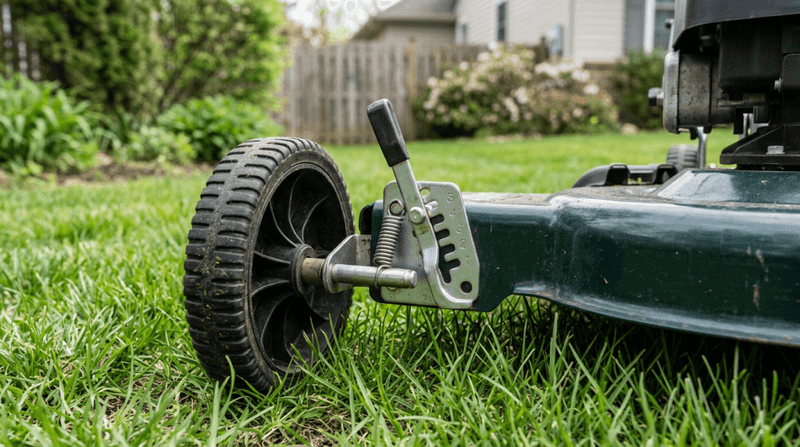
Another option that some homeowners find useful is raising the mowing height for the entire month rather than stopping altogether.
Setting the deck to four or four and a half inches instead of the usual two and a half or three inches gives clover and other low-growing plants more opportunity to flower while keeping the lawn looking reasonably tidy.
This approach tends to be less jarring for neighbors and less stressful for the turfgrass itself.
Leaving a designated unmown section of the yard, such as a corner near a garden bed or along a fence line, is another way to support blooming plants without committing the entire lawn to a no-mow experiment.
Pennsylvania yards vary widely in size, sun exposure, grass type, and existing plant diversity, so the approach that works best will differ from one property to the next.
Thinking about what the lawn already contains and what the homeowner wants to achieve makes it easier to choose a strategy that actually fits.