Many Pennsylvanians Regret Planting These Trendy Perennials
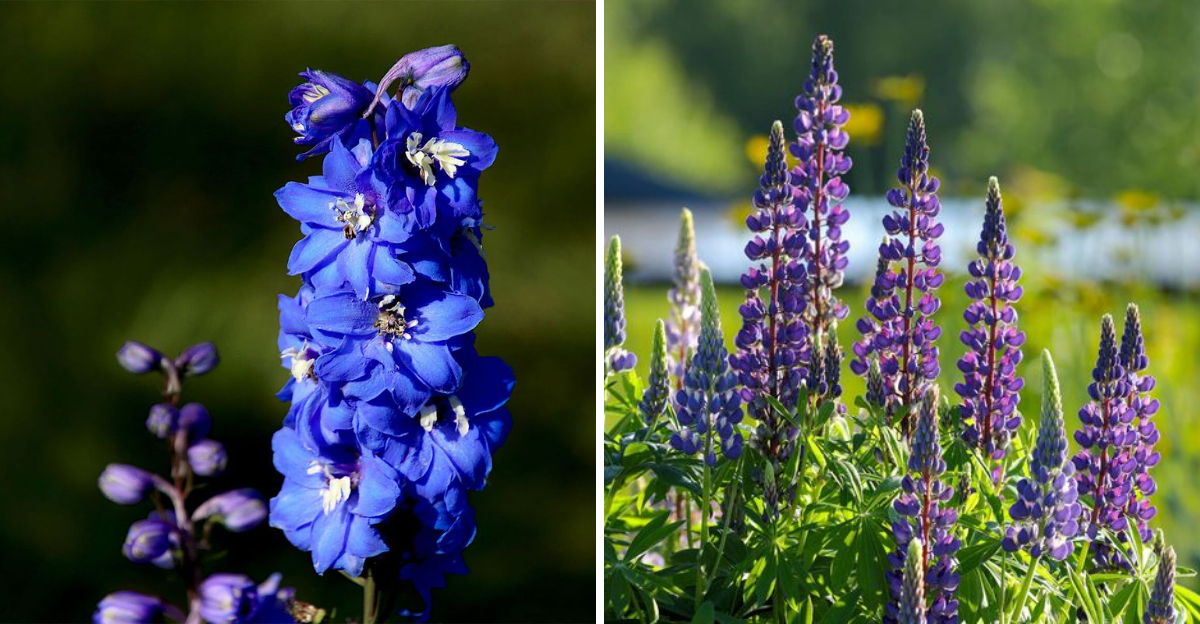
Trends hit the gardening world just as hard as they hit fashion, and Pennsylvania nurseries know exactly how to capitalize on whatever’s having a moment.
A plant gets featured in a magazine, shows up on a few popular gardening accounts, and suddenly it’s everywhere – flying off the shelves, showing up in every new garden bed, and earning a reputation built almost entirely on aesthetics and buzz rather than actual performance.
The problem surfaces about a season or two in. Some of these trendy perennials spread far more aggressively than anyone warned you about.
Others look stunning in the nursery photo but turn out to be genuinely difficult to manage in Pennsylvania’s specific climate. A few of them self-seed so enthusiastically that removing them becomes a multi-year project nobody signed up for.
The gardeners who planted these based on looks alone have learned some expensive and time-consuming lessons. Knowing what they know before you buy saves a lot of future frustration.
1. Delphiniums
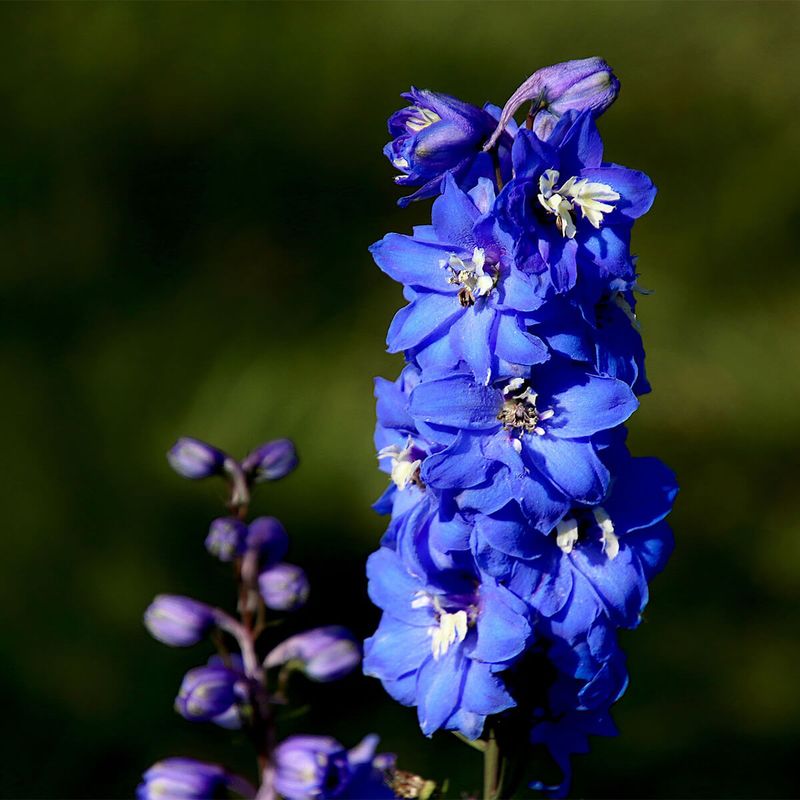
Few flowers turn heads quite like a tall, blooming delphinium. Those towering spikes of blue, purple, and white look straight out of an English countryside painting. But in Pennsylvania, growing them is a whole different story.
Pennsylvania summers are humid, and delphiniums absolutely hate that. The moisture in the air invites fungal diseases like powdery mildew and crown rot almost immediately.
Gardeners across the state find themselves spraying, pruning, and babying these plants just to keep them alive through July.
Staking is another big chore. Delphiniums can grow four to six feet tall, and without support, one summer rainstorm can flatten them completely.
You will need sturdy stakes and garden ties just to keep them upright. Even then, strong Pennsylvania winds can snap the stems.
Slugs and aphids also love delphiniums, adding more pest pressure to an already demanding plant. Many Pennsylvania gardeners start the season excited and end it exhausted.
If you love the look, consider growing them in containers where drainage is easier to control. Otherwise, a lower-maintenance option like salvia or baptisia gives you similar color without all the frustration.
2. Lavender (English Types)
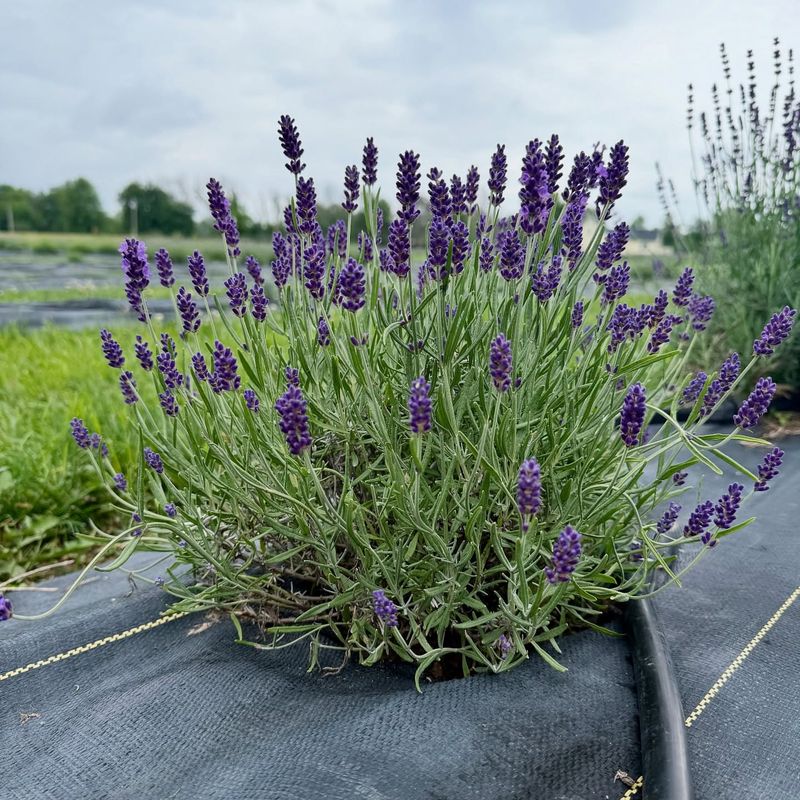
Lavender looks dreamy in photos, smells amazing, and seems like the perfect addition to any garden. That is exactly why so many Pennsylvania homeowners rush to plant it every spring. Unfortunately, the results are often disappointing.
English lavender needs well-drained, slightly sandy soil to thrive. Pennsylvania, however, is famous for its heavy clay soil, especially in areas like the Piedmont and parts of central PA.
That clay holds water like a sponge, and lavender roots simply cannot handle sitting in moisture. Root rot sets in fast, and by the following spring, many plants do not come back.
Winter is another challenge. English lavender is cold-hardy in theory, but wet winters in Pennsylvania are brutal for it.
Repeated freeze-thaw cycles combined with soggy soil weaken the roots and often finish off plants that were already struggling.
Gardeners who insist on growing lavender should build raised beds with amended, gritty soil and choose varieties like Hidcote or Munstead. Full sun and excellent airflow are non-negotiable.
Your Pennsylvania Garden Changes Every Week. Your Plan Should Too.
Gardening in Pennsylvania changes quickly throughout the season. Every Friday you’ll receive a simple weekly plan showing exactly what to plant, prune, fertilize, harvest, and protect so you never miss the right timing.
Even with all that effort, success is not guaranteed in many parts of the state. For a lower-stress fragrant plant, Russian sage or catmint may be better choices for Pennsylvania yards.
3. Coreopsis (Short-Lived Varieties)
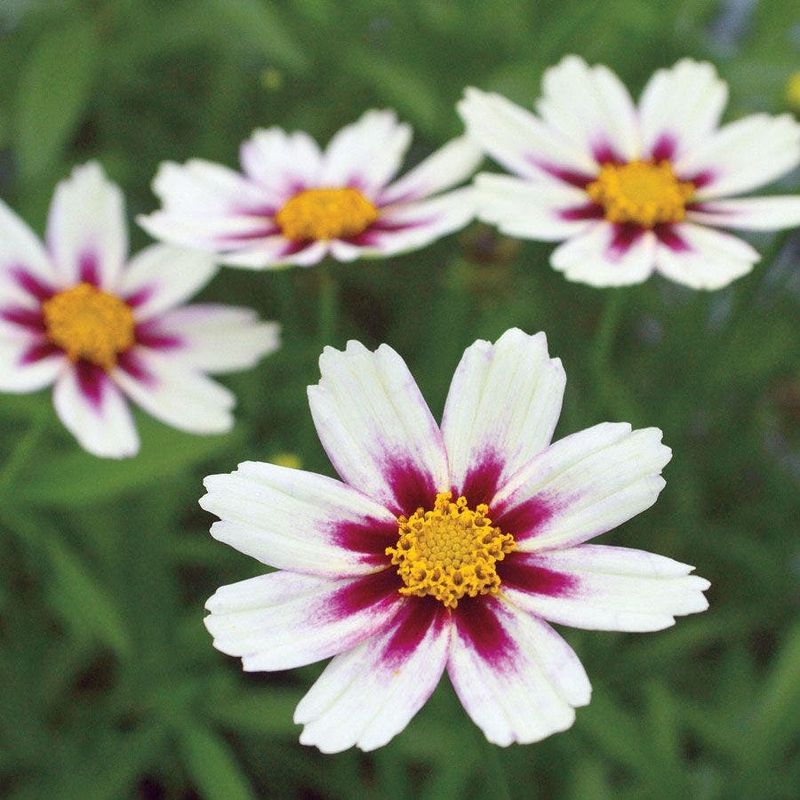
Walk into any Pennsylvania garden center in May and you will spot coreopsis everywhere. The cheerful yellow and pink blooms are hard to resist.
Gardeners grab them expecting years of carefree color, but many short-lived varieties have other plans.
Some coreopsis varieties, especially the fancy hybrid types with doubled petals or unusual colors, act more like short-lived perennials or even biennials. They may look stunning in year one, fade in year two, and disappear entirely by year three.
That means repeated trips back to the nursery and replanting costs adding up fast. Poor drainage also speeds up the decline. Pennsylvania soils that stay wet after heavy rain are tough on coreopsis roots.
The plants may yellow, thin out, and stop blooming well before their time. Dividing them every couple of years can help, but it adds more work to your gardening schedule.
Stick with reliable, species-type coreopsis like Coreopsis verticillata, which tends to be much more durable in Pennsylvania conditions. Moonbeam is a classic that holds up better than many newer hybrids.
Always check the plant tag carefully before buying, because not all coreopsis varieties are built to last in the Keystone State’s variable climate.
4. Shasta Daisies
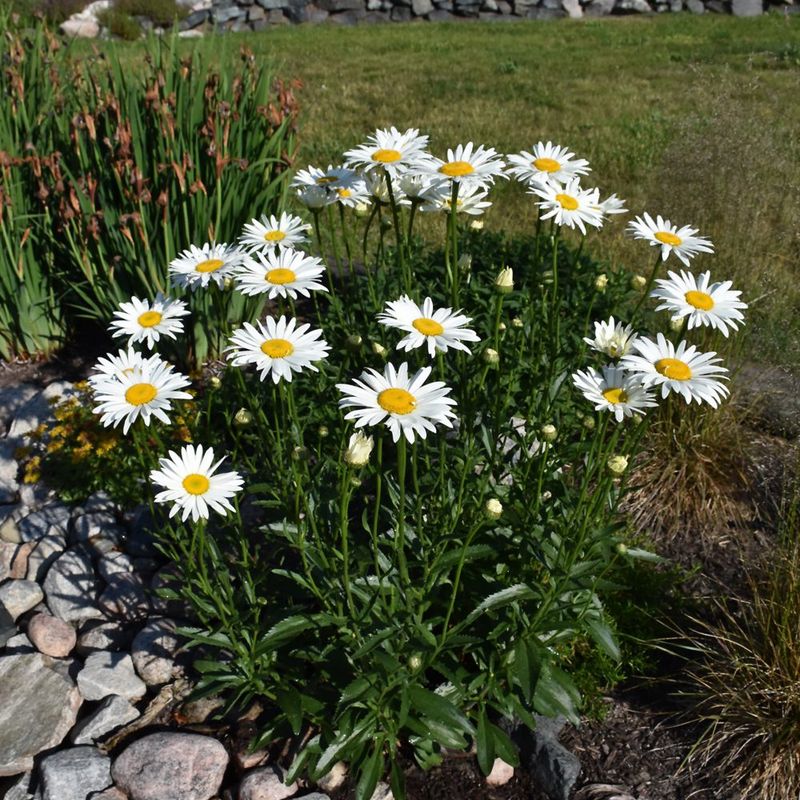
Shasta daisies are a classic garden favorite, and it is easy to see why. Those crisp white petals around a sunny yellow center look fresh and cheerful from June through August.
But after a season or two in a Pennsylvania yard, many gardeners start to see the problems pile up.
Flopping is the most common complaint. Shasta daisy stems can get leggy and weak, especially in rich soil or partial shade.
One heavy rain and the whole clump tips over, smothering nearby plants and looking messy. Staking helps but adds extra work every single season.
Overcrowding is another issue that sneaks up fast. Shasta daisies spread quickly, and within two to three years, the center of the clump starts to look dry and woody while the outer edges keep growing.
At that point, the whole plant needs to be dug up and divided. Skip that step and the blooms get smaller and fewer every year.
Dividing every two years keeps them healthier, but that is a lot of maintenance for a plant that is supposed to be easy. If you are up for the work, plant them in full sun with good drainage.
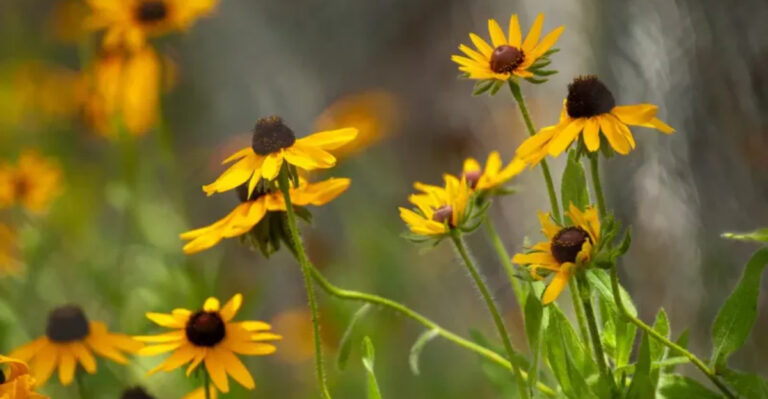
Otherwise, look at rudbeckia or echinacea for similar cheerful blooms with far less fuss in Pennsylvania gardens.
5. Bee Balm (Monarda)
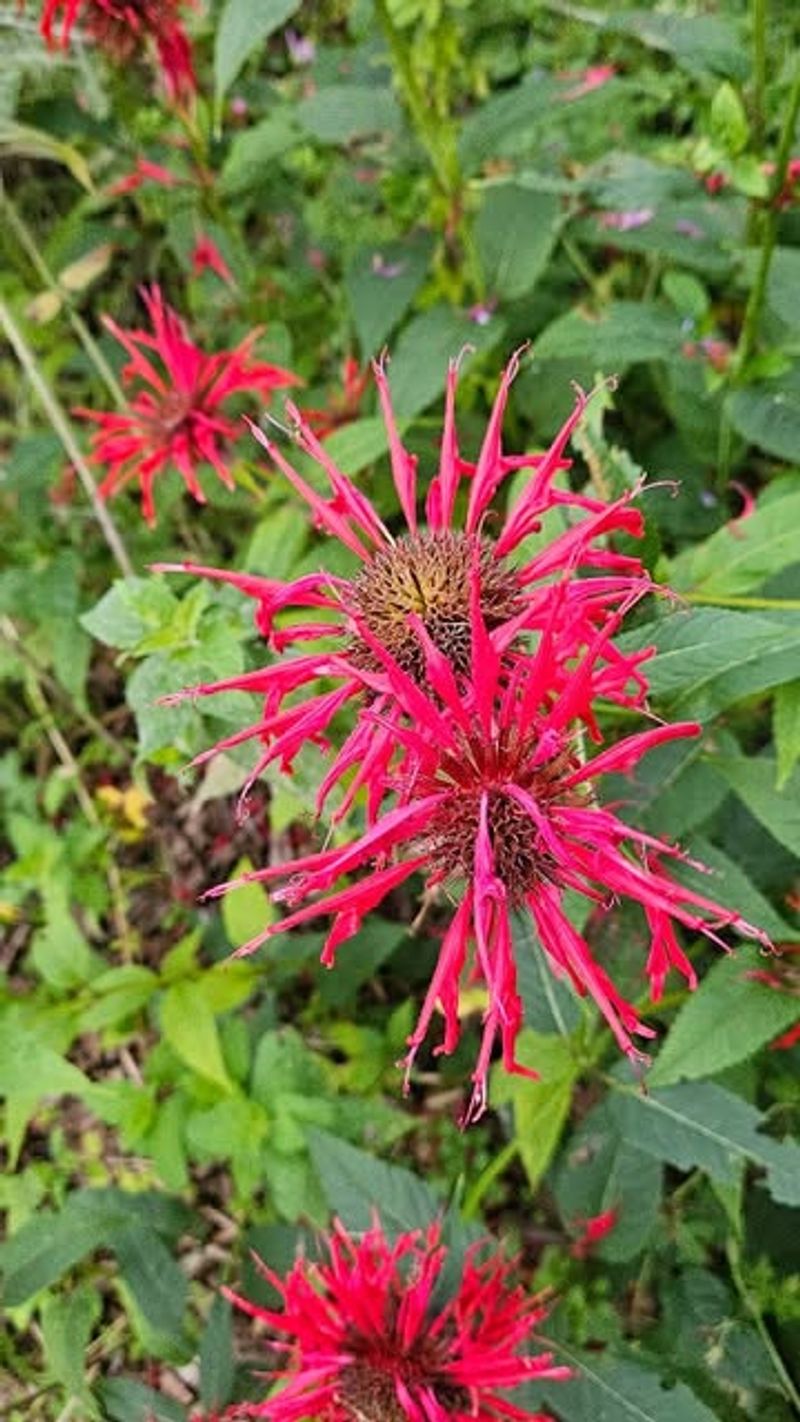
Bee balm is one of those plants that sounds perfect on paper. It attracts bees, butterflies, and hummingbirds.
The blooms are bold and colorful. It is native to North America. So why do so many Pennsylvania gardeners end up frustrated with it?
Powdery mildew is the big culprit. Pennsylvania summers are warm and humid, and bee balm is extremely susceptible to this fungal disease.
By late July, the leaves are often covered in a chalky white coating that looks terrible. The plant keeps blooming, but the foliage becomes an eyesore for the rest of the season.
Bee balm also spreads aggressively through underground rhizomes. What starts as one tidy clump can take over a whole garden bed within a few years.
Keeping it contained requires regular digging and dividing, which is more work than most people sign up for.
Mildew-resistant varieties like Jacob Cline, Raspberry Wine, and Colrain Red are much better choices for Pennsylvania conditions. Planting in full sun with good air circulation also helps slow the spread of mildew.
Thinning the clump in spring improves airflow too. With the right variety and placement, bee balm can still be a rewarding plant for Pennsylvania pollinator gardens.
6. Russian Sage (Perovskia Atriplicifolia)
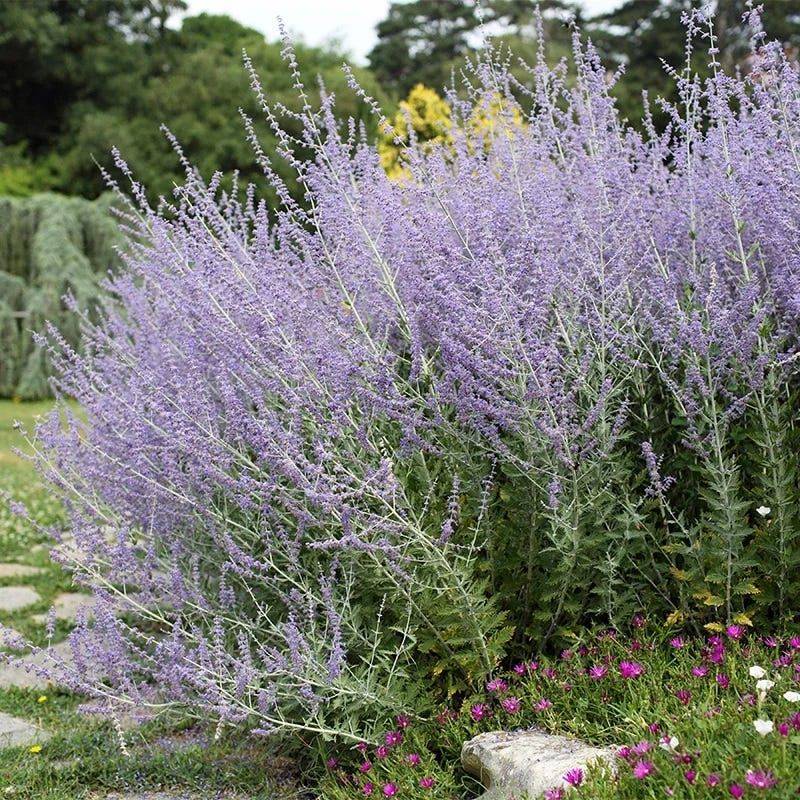
Russian sage has become a go-to recommendation for sunny borders, and its airy purple blooms and silver stems really are stunning. Garden magazines love it.
But in many Pennsylvania yards, it ends up being a floppy, struggling mess that leaves gardeners scratching their heads.
The number one problem is drainage. Russian sage demands fast-draining soil and absolutely cannot handle wet feet.
Pennsylvania clay soil is the opposite of what this plant needs. When roots sit in moisture, the plant weakens, and you start to see stem rot and overall decline within a season or two.
Flopping is the other major complaint. Without excellent sun exposure and lean soil, Russian sage grows too fast and too soft.
The stems get long and flop outward, leaving an open, messy center. Cutting it back hard in spring helps, but many gardeners do not realize that until after the plant has already sprawled all over its neighbors.
If your Pennsylvania garden has sandy or amended soil with great drainage, Russian sage can absolutely thrive. Pair it with a gravel mulch to keep moisture away from the crown.
In the right spot, it is drought-tolerant, deer-resistant, and nearly carefree. The key is matching it to the right conditions before you plant, not after.
7. Yarrow (Achillea Millefolium)
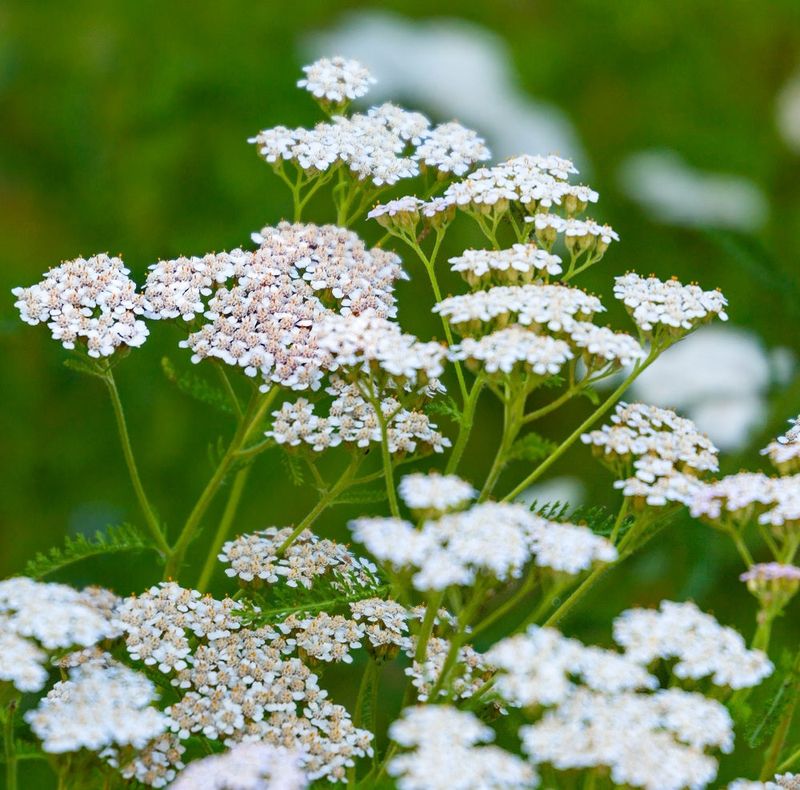
Yarrow gets marketed as one of the toughest, most carefree perennials you can grow. And in the right conditions, that reputation is well-earned.
But Pennsylvania gardeners with heavy, poorly drained soil often find that yarrow is not quite the tough cookie it is cracked up to be.
Standing water after a rainstorm is yarrow’s worst enemy. The roots are prone to rot in compacted or clay-heavy soil, and once rot sets in, recovery is unlikely.
Many Pennsylvania homeowners plant yarrow expecting a set-it-and-forget-it experience, only to find the clumps thinning and browning out by midsummer.
Spreading is another surprise. Yarrow can travel through the garden by both underground runners and self-seeding.
In the wrong spot, it pops up in places you never intended, crowding out other plants and becoming a weeding chore. The colorful hybrid varieties tend to be less aggressive, but they are also shorter-lived and more prone to decline.
To grow yarrow successfully in Pennsylvania, choose a spot with full sun and amend the soil with coarse sand or gravel to improve drainage. Avoid over-fertilizing, which causes weak, floppy growth.
Dividing clumps every two to three years keeps the plants vigorous and better-looking. With the right setup, yarrow can still earn its tough reputation in your garden.
8. Lupines
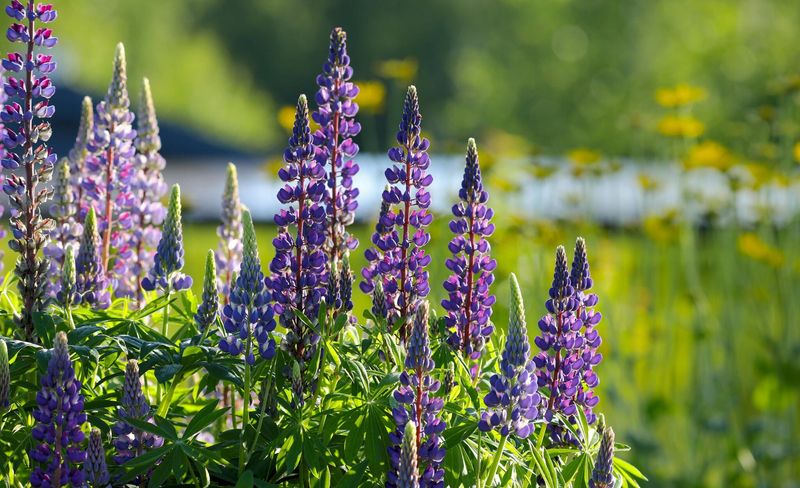
Lupines are absolutely gorgeous. Those tall, colorful spikes packed with blooms in purple, pink, yellow, and red look like something from a fairy tale.
It is no wonder Pennsylvania gardeners keep trying to grow them, despite a pretty frustrating track record in much of the state.
The core problem is that lupines are picky about their conditions. They prefer cool temperatures, slightly acidic soil, and excellent drainage.
Pennsylvania summers heat up quickly, and many parts of the state have alkaline or clay-heavy soil that lupines simply do not tolerate well. Plants may bloom beautifully in their first year but then fade out and fail to return the following spring.
Lupines also have a short blooming window, usually just a few weeks in late spring. After that, the foliage can look ragged and tired through the rest of summer.
For the amount of effort it takes to keep them going in Pennsylvania, many gardeners feel the payoff is not worth it.
Cooler parts of Pennsylvania, like the Pocono Mountains or higher elevations, give lupines a better shot at success. Amending soil to improve drainage and lower the pH can also help.
Starting from seed rather than transplants sometimes produces stronger, more adapted plants. Still, managing expectations before planting is smart advice for any Pennsylvania gardener eyeing these beauties.
9. Balloon Flower (Platycodon Grandiflorus)
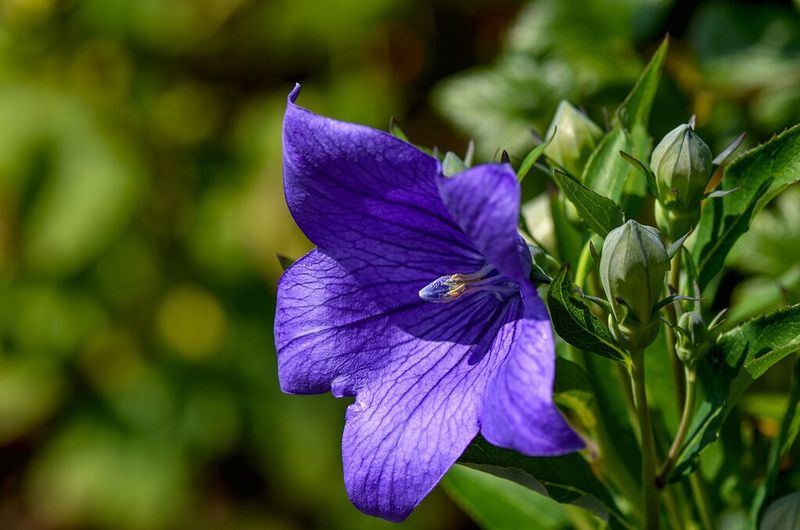
Balloon flowers get their fun name from the puffy, balloon-shaped buds that pop open into star-shaped blooms. Kids love them.
Gardeners love the low-key charm. But once you plant them in a Pennsylvania yard, a few quirks start to show up that can make this plant more trouble than expected.
The biggest issue is how late they emerge in spring. Balloon flowers are notoriously slow to push up through the soil, sometimes not showing any growth until late May or even June.
That makes them incredibly easy to accidentally dig up or damage while doing spring cleanup. Many Pennsylvania gardeners have unknowingly destroyed an entire clump thinking the spot was empty.
Poor drainage is another challenge. Balloon flowers need well-drained soil to do their best, and Pennsylvania’s clay-heavy ground can cause root problems, especially in wet springs.
Plants in soggy spots may bloom poorly or not at all, and they can decline after just a couple of seasons.
Marking the location of your balloon flowers clearly in fall is the simplest way to protect them. A small stake or garden marker saves a lot of heartbreak come spring.
For soil improvement, mixing in compost and coarse grit before planting makes a big difference. Placed in the right spot with good drainage, balloon flowers can be a delightful and unique addition to Pennsylvania perennial beds.