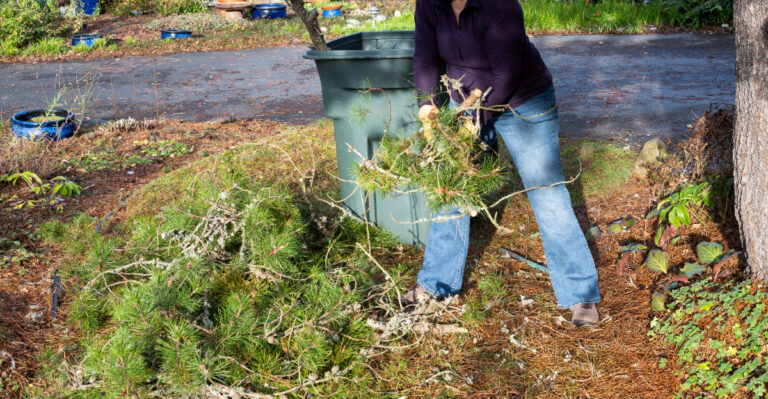
7 Plants You Should Divide In Oregon Before May Ends
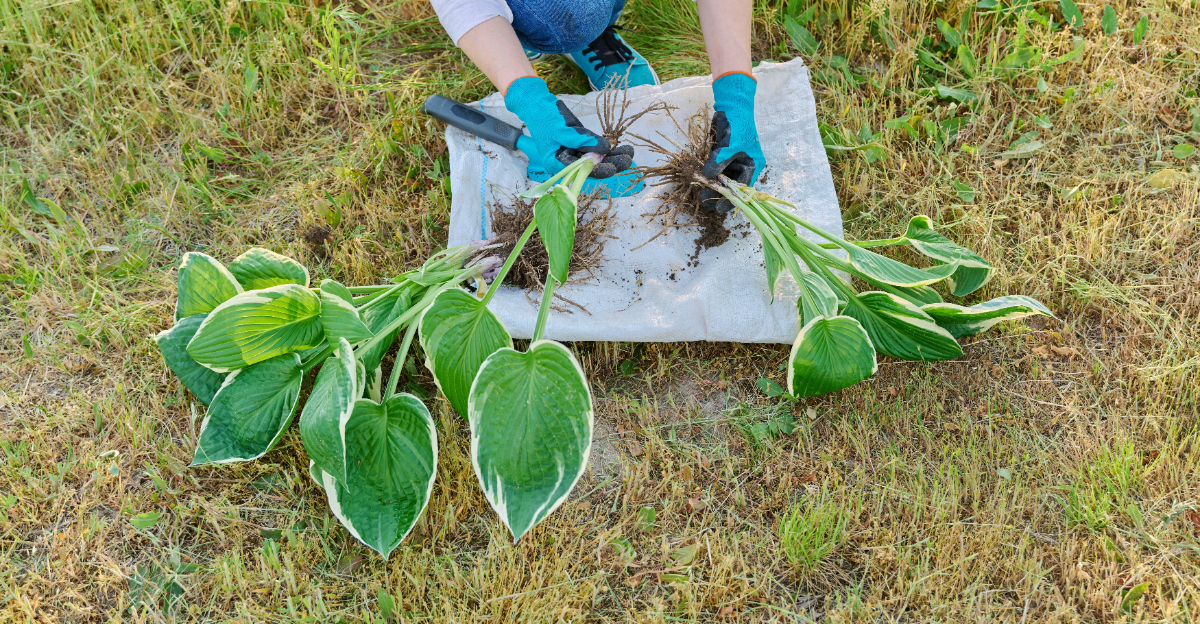
By late spring, Oregon gardens are doing that magical “everything is suddenly huge” thing. One week your perennials look polite, and the next they’re elbowing each other like they heard there’s a sale on sunshine.
That’s your cue to grab a spade, stretch your back, and start dividing the plants that have outgrown their manners before May slips away.
Dividing plants now gives crowded roots room to breathe, helps older clumps perk back up, and turns one hardworking plant into several freebies. Garden math, but the fun kind.
Oregon’s spring moisture can also help fresh divisions settle in before summer heat starts bossing everyone around. Hostas, daylilies, ornamental grasses, and other clump-forming favorites often do better with a little reset before the season gets too busy.
Just don’t wait until they’re blooming their hearts out or wilting in warmer weather. A quick divide now can mean fuller beds, healthier plants, and a garden that looks like you planned it that way.
1. Daylilies
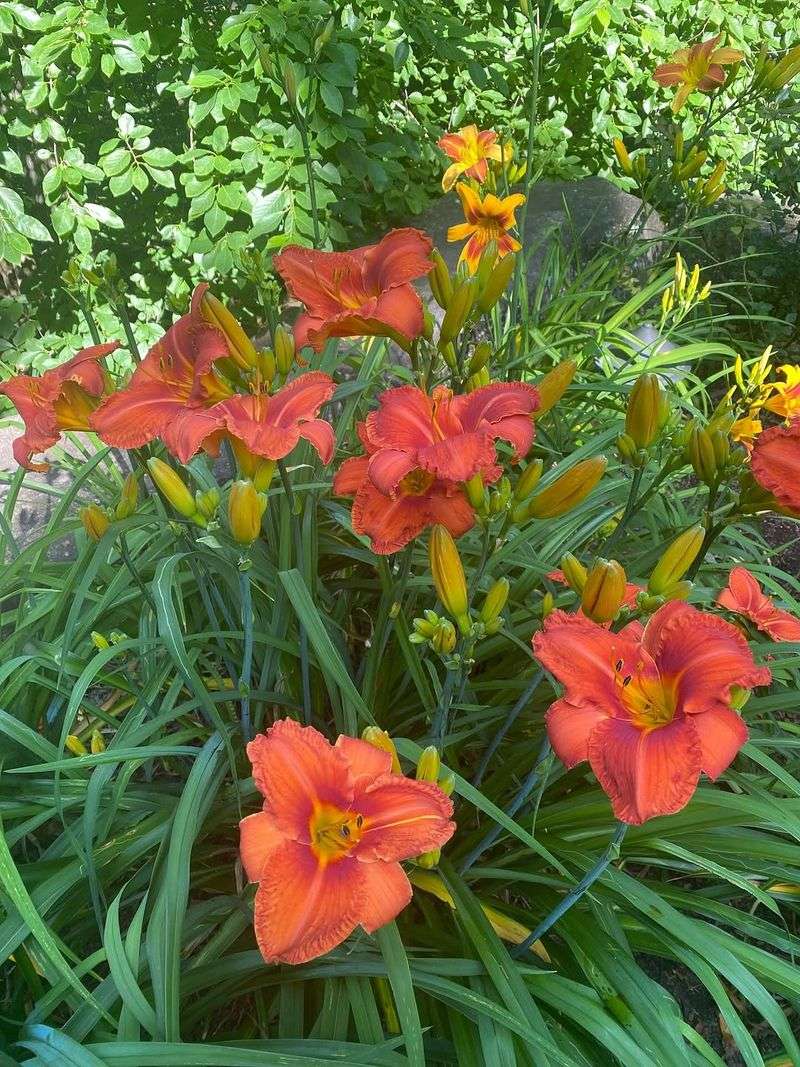
Daylilies are tough, cheerful plants that reward Oregon gardeners with waves of color every summer. They spread quickly, though, and a clump that has been growing for several years can become so thick that the blooms get smaller and fewer each season.
Dividing daylilies before the end of May gives the new divisions plenty of time to establish strong roots before the summer heat arrives. Start by digging around the outside of the clump with a spade, then lift the whole root mass out of the ground.
You may need a fork or even two forks placed back to back to pull the roots apart.
Each division should have a good fan of leaves and a healthy set of roots attached. Trim the leaves down to about six inches tall after dividing.
This helps the plant focus its energy on growing new roots rather than supporting a lot of foliage.
Oregon’s spring soil is usually moist and easy to work with, which makes the whole process much smoother. Replant your divisions in a sunny spot with well-draining soil.
With just a little care, your newly divided daylilies will reward you with a full and colorful bloom later in the summer.
2. Shasta Daisies
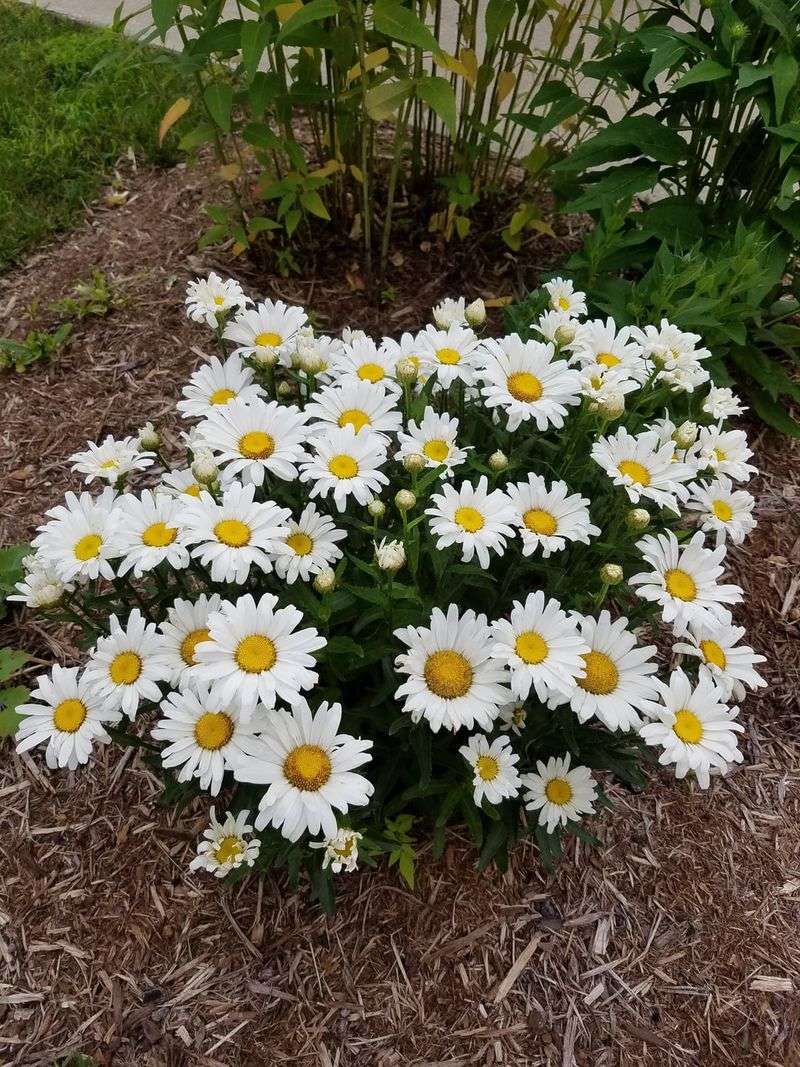
There is something wonderfully cheerful about a patch of Shasta daisies in full bloom. Their bright white petals and sunny yellow centers light up any Oregon garden from early summer through fall.
But here is the thing about Shasta daisies: they grow fast and spread wide.
After just two or three years, a single plant can turn into a crowded mat of stems that produces fewer and smaller flowers. Dividing them in spring, before May ends, is one of the easiest ways to bring back that full, showy bloom.
The plants are just waking up at this time of year, and the cooler Oregon temperatures make it much less stressful for the roots.
Lift the clump with a garden fork and pull it apart into smaller sections by hand or with a spade. Toss out any old, woody growth from the center and keep only the young, green outer sections for replanting.
Your Oregon Garden Changes Every Week. Your Plan Should Too.
Gardening in Oregon changes quickly throughout the season. Every Friday you’ll receive a simple weekly plan showing exactly what to plant, prune, fertilize, harvest, and protect so you never miss the right timing.
Space your new divisions about twelve to eighteen inches apart so they have room to fill in by summer. Water them regularly for the first few weeks.
Shasta daisies are not picky plants, and they bounce back quickly after being divided. You will be amazed at how much better they bloom when they have fresh space to grow.
3. Hostas
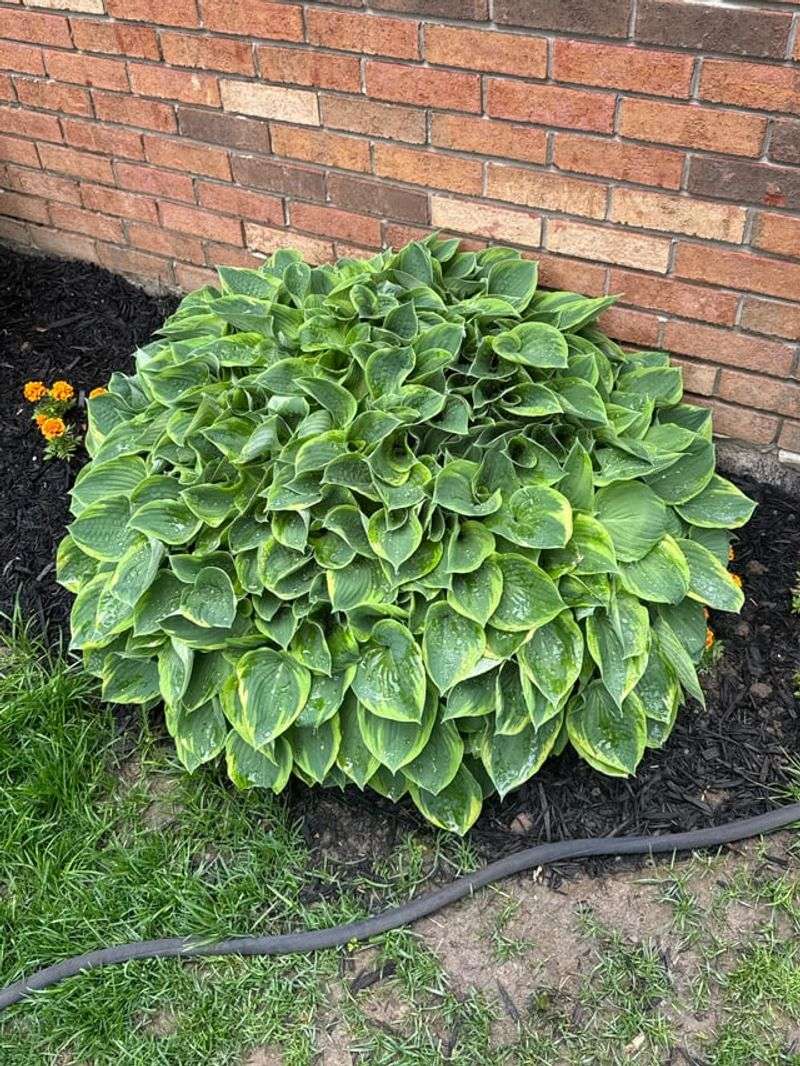
Few plants are as loyal to the Pacific Northwest garden as hostas. These leafy, shade-loving plants can grow in Oregon yards for years without much fuss.
But over time, a single clump can get so large that the center stops producing strong, healthy leaves.
That is your sign to divide. The best time is in early spring when the new shoots, called “noses,” are just poking up from the ground.
At that stage, the roots are easy to see and separate without causing much harm to the plant.
Use a sharp spade or garden fork to lift the whole clump out of the ground. Then cut it into sections, making sure each piece has at least two or three healthy shoots attached.
Replant the divisions right away so the roots do not dry out.
Oregon’s mild and rainy spring weather makes it perfect for helping newly divided hostas settle in. Water them well after planting and keep them in a shaded or partly shaded spot.
Within a few weeks, you will notice fresh new growth. Dividing hostas every three to five years keeps them vigorous, full, and looking their absolute best all season long.
4. Hardy Geraniums
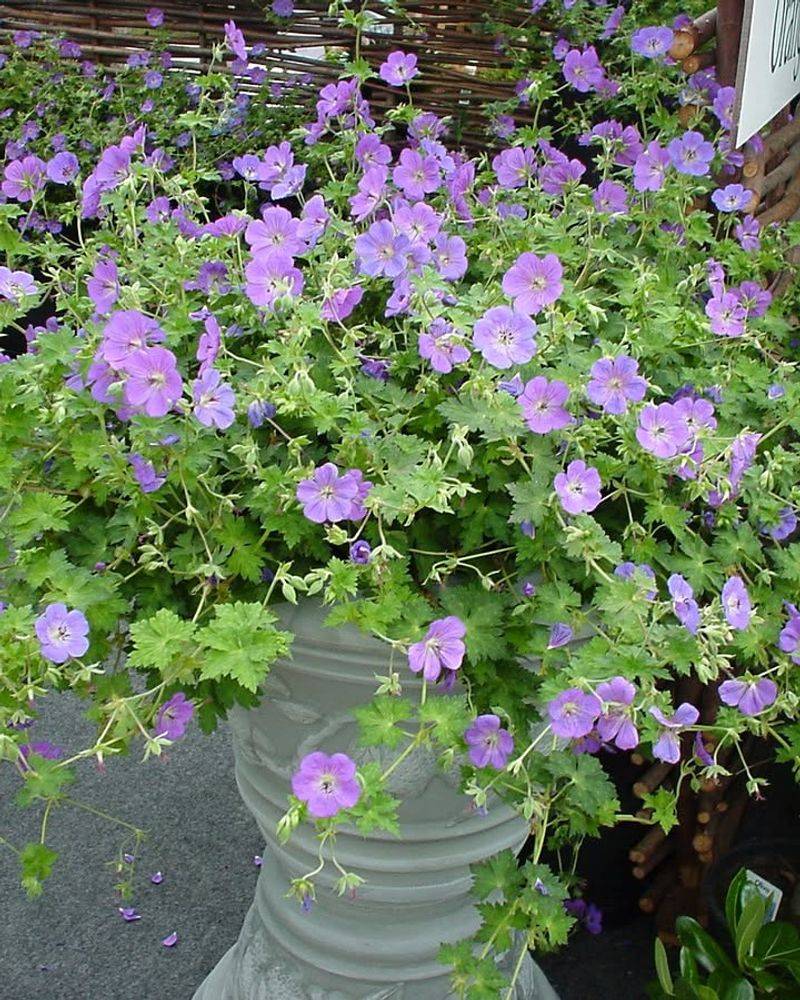
Hardy geraniums, also called cranesbills, are one of those plants that make gardening feel easy. They spread reliably, cover the ground beautifully, and bloom in shades of purple, pink, and blue that look stunning in any Oregon yard.
Over time, though, they can spread a little too enthusiastically.
Dividing hardy geraniums in spring is a great way to keep them tidy and share the extras with neighbors or friends. These plants have fibrous root systems that are fairly easy to work with.
Use a hand trowel or small spade to lift sections from the edge of the clump.
Each division only needs a small handful of roots and a few stems to grow into a full plant by summer. Plant the divisions in a spot that gets partial to full sun, which suits most Oregon growing conditions perfectly.
Water them in well and they will take off quickly.
One fun fact: hardy geraniums are not the same as the common potted geraniums you see in hanging baskets. These are true perennials that come back every year without any fuss.
Dividing them every few years keeps the clumps from getting too thick and encourages more blooms. It is one of the most satisfying spring garden tasks you can do.
5. Bee Balm
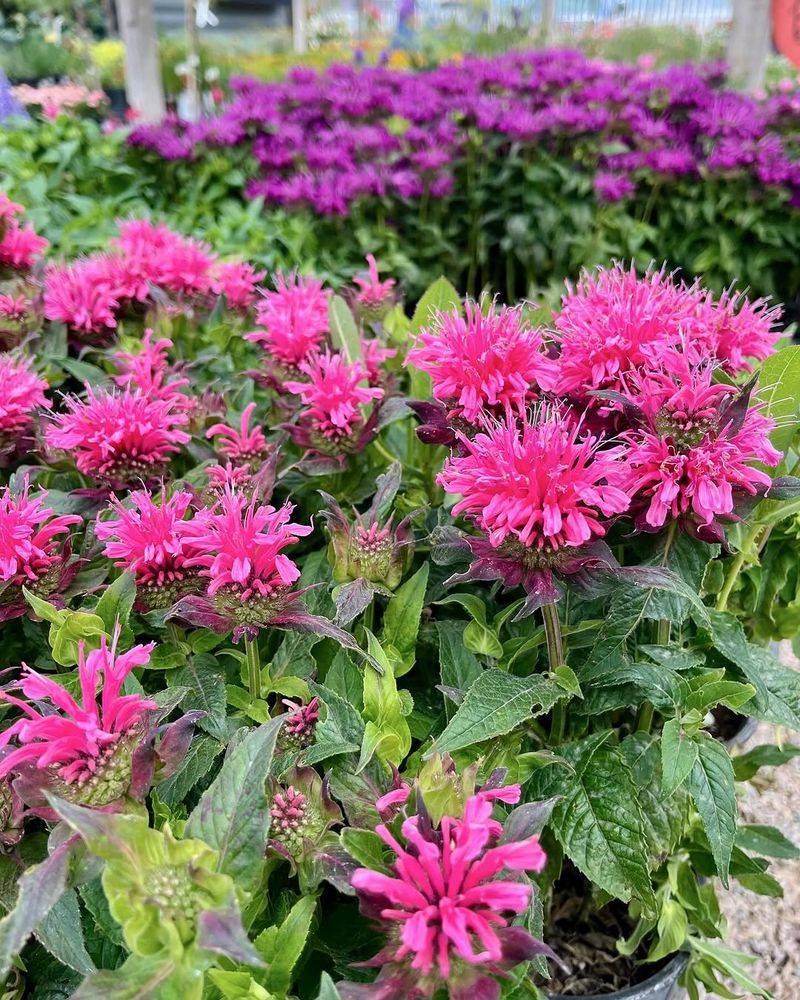
Bee balm is a wildly popular plant among Oregon gardeners who love attracting pollinators. Hummingbirds, bees, and butterflies absolutely flock to its shaggy, colorful blooms.
But bee balm is also a spreader, and it can take over a garden bed faster than you might expect.
Dividing bee balm every two to three years keeps it from crowding out its neighbors and actually improves its health. One common problem with older, undivided clumps is powdery mildew, a fungal issue that thrives when plants are too dense.
Dividing and thinning the clumps improves air circulation and reduces that problem significantly.
Spring is the ideal time to divide bee balm in Oregon, right when you see the new stems pushing up from the ground. Dig up the clump and pull it apart into smaller sections, each with several healthy stems and roots.
Replant them with more space between each division.
Bee balm does best in moist, well-drained soil and full to partial sun, conditions that are easy to find across much of Oregon. After dividing, give your plants a good drink of water and a light layer of compost.
They will settle in quickly and reward you with a spectacular show of color when summer arrives.
6. Astilbe
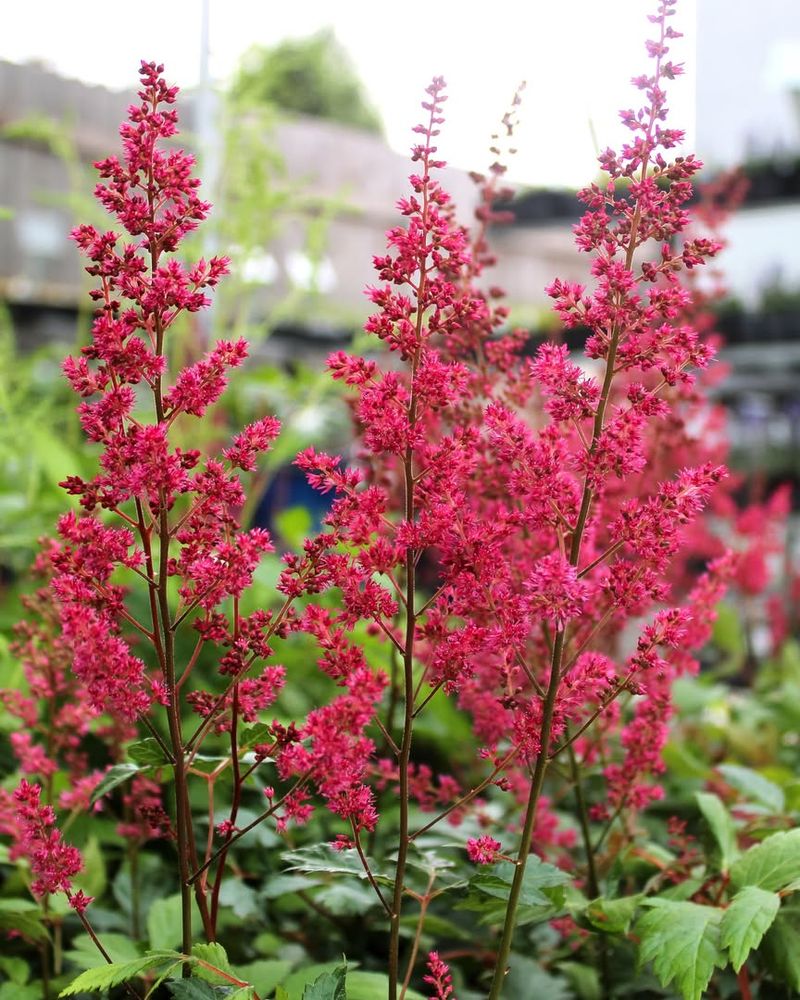
Walk through any shaded Oregon garden in summer and you will likely spot astilbe. Its feathery, plume-like flowers in shades of pink, red, white, and purple are genuinely eye-catching.
Astilbe is a go-to plant for spots that do not get much direct sun, and it thrives in Oregon’s naturally moist growing conditions.
Like many perennials, astilbe becomes less productive over time when it is not divided. The clumps get woody in the center, and the flower plumes start to look sparse and weak.
Dividing before May ends gives the new sections a full growing season to establish themselves before winter.
Astilbe roots are tough and fibrous, so you may need a sharp spade or even an axe to cut through large clumps. Make sure each division has a good portion of roots and at least one or two healthy crowns attached.
Replant the divisions in a shaded or partly shaded spot with rich, moist soil.
Adding compost to the planting hole gives astilbe a great head start. Keep the soil consistently moist, especially during the first few weeks after dividing.
Oregon’s spring rainfall often helps with this naturally. Once established, your new astilbe plants will grow into lush, full clumps that bloom beautifully year after year.
7. Ornamental Grasses
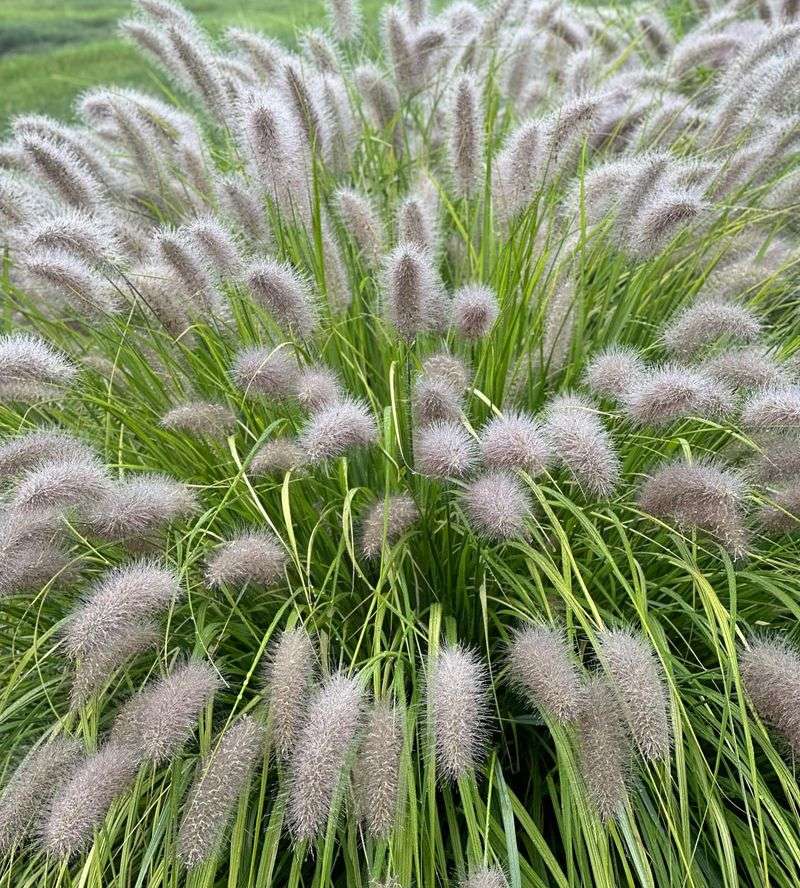
Ornamental grasses bring movement, texture, and year-round interest to Oregon gardens. Varieties like Karl Foerster feather reed grass and blue oat grass are especially popular here.
They look stunning swaying in the breeze and hold their structure even through the wet Oregon winters.
Most ornamental grasses need dividing every three to four years to stay healthy. Without division, the center of the clump can hollow out and look ragged.
Dividing in early spring, just as new growth starts to emerge from the base, is the best approach.
Start by cutting the grass back to about four to six inches above the ground. Then use a sharp spade or even a reciprocating saw to cut through the tough root mass.
Ornamental grass roots can be surprisingly dense and hard, so do not be surprised if it takes some effort.
Each division should be a solid chunk of roots with visible new green shoots. Replant the divisions at the same depth they were growing before.
Water them thoroughly after planting and keep the soil moist until you see steady new growth.
Oregon’s mild spring climate is perfect for helping newly divided grasses get established. Within a few weeks, you will see fresh blades shooting up, and by summer, your ornamental grasses will look full, healthy, and ready to shine all season long.