Plant These 14 Flowers In Oregon This May For A Summer Full Of Blooms
May is when Oregon gardeners can finally stop staring at empty flower beds like they owe us money.
The season has warmed up just enough to get serious, and the garden center is suddenly packed with blooms whispering, “Take me home.” Dangerous? Yes. Worth it? Obviously.
This is a sweet spot for planting flowers that will carry the show through summer, especially the ones that grow fast, bloom generously, and don’t need a personal assistant to look good.
Zinnias bring the confetti, cosmos add the airy charm, marigolds handle the sunny cheer, and dahlias show up like they were born for drama.
Add in petunias, salvias, snapdragons, and other reliable bloom machines, and your yard can go from “nice little garden” to “wait, did a florist move in?” before long.
So grab a trowel, make some room, and give May the assignment it deserves: turning your Oregon garden into a summer-long flower party.
1. Zinnias
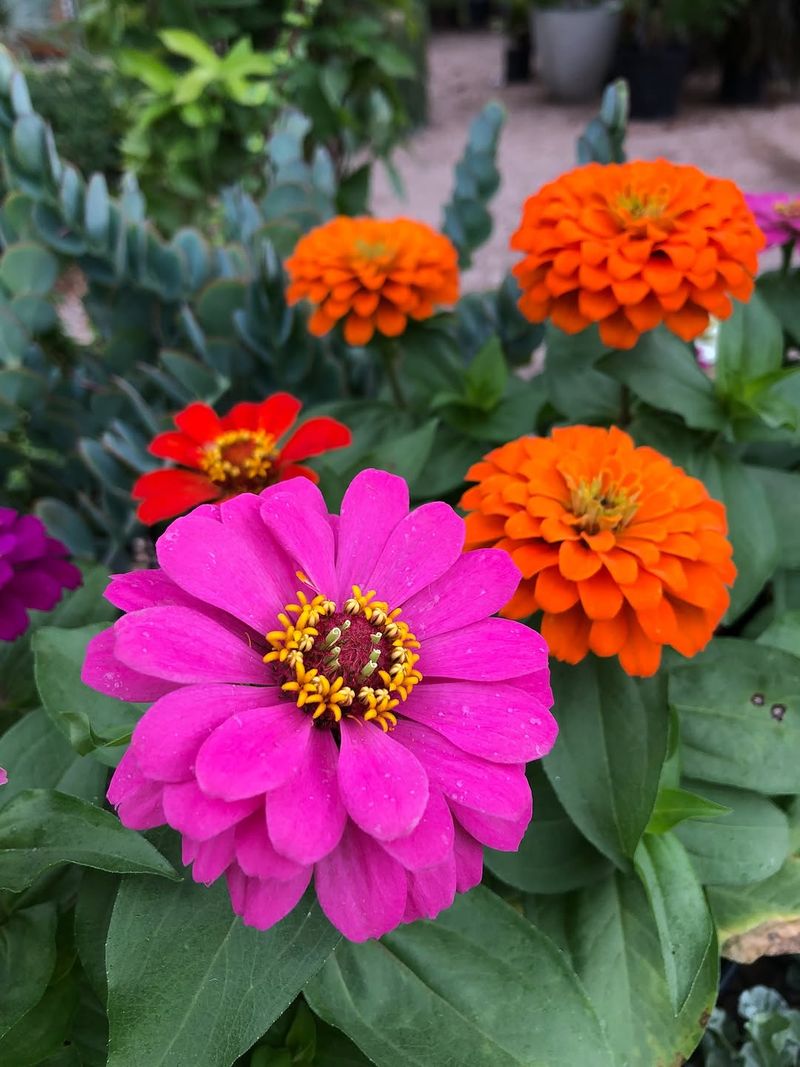
Few flowers bring as much cheerful color to an Oregon garden as zinnias. These bold, bright blooms come in nearly every shade imaginable, from deep red to soft lavender.
Plant them in May when the soil has warmed up, and they will reward you with flowers from summer straight through to fall.
Zinnias love full sun, so pick a spot that gets at least six hours of direct light each day. They are surprisingly tough and can handle Oregon’s warm summer stretches without much fuss.
Water them at the base of the plant rather than from above to keep the leaves dry and healthy.
One of the best things about zinnias is how low-maintenance they are. Once they get going, they pretty much take care of themselves.
The more you cut the blooms, the more flowers the plant produces, making them a great choice for people who love fresh-cut bouquets. Kids enjoy growing them too, since they sprout quickly and show results fast.
If you want a summer garden in Oregon that looks like a painting, zinnias are a must-have addition to your planting list.
2. Cosmos
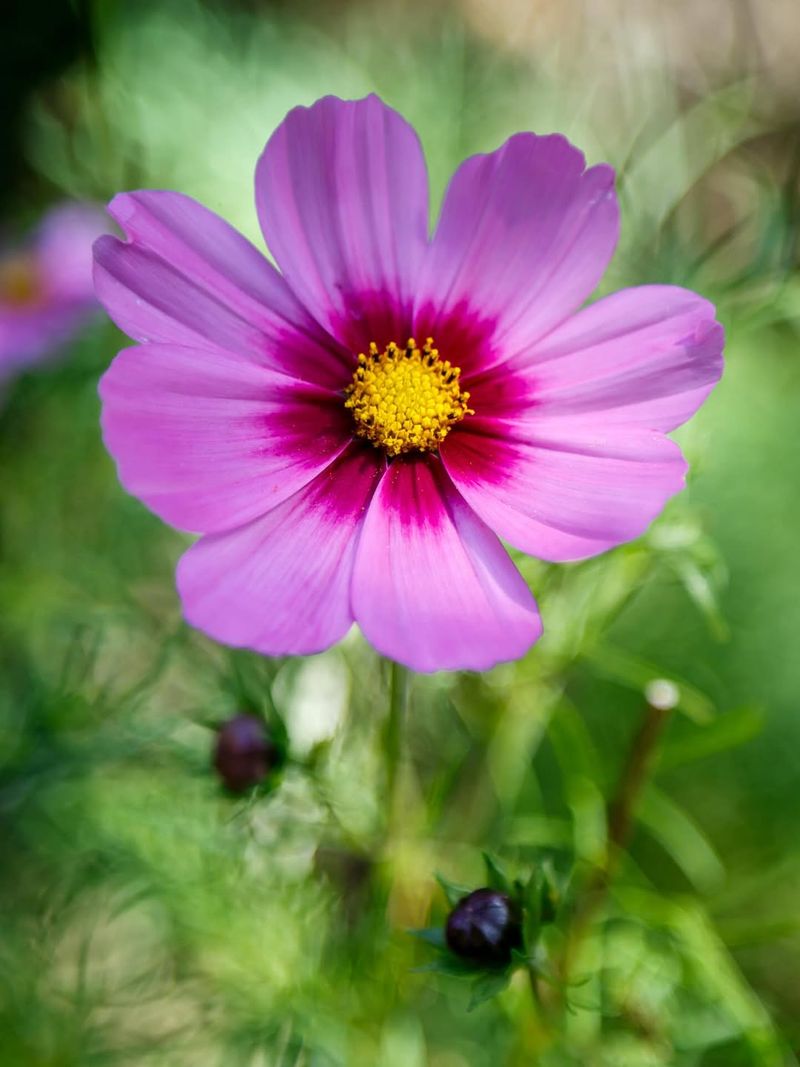
There is something almost magical about cosmos flowers. Their feathery leaves and daisy-like blooms sway in the breeze like little dancers, adding a soft and airy feel to any Oregon garden.
They come in shades of pink, white, red, and burgundy, and they bloom generously from summer all the way to the first frost.
Plant cosmos seeds directly in the ground in May. They actually prefer poor to average soil, so you do not need to spend a lot of time or money on fancy fertilizers.
Too much fertilizer can make the plants grow tall and leafy without producing many flowers, so keep it simple.
Cosmos are incredibly easy to grow, which makes them a wonderful choice for beginner gardeners across Oregon. They self-seed readily, meaning you may find new plants popping up on their own next year.
They also attract butterflies and bees, helping to support local pollinators throughout the season. Tall varieties can reach up to four feet, so plant them toward the back of your garden bed for a dramatic backdrop.
Your Oregon Garden Changes Every Week. Your Plan Should Too.
Gardening in Oregon changes quickly throughout the season. Every Friday you’ll receive a simple weekly plan showing exactly what to plant, prune, fertilize, harvest, and protect so you never miss the right timing.
Short varieties work well along borders and pathways, adding color without taking up too much space.
3. Marigolds
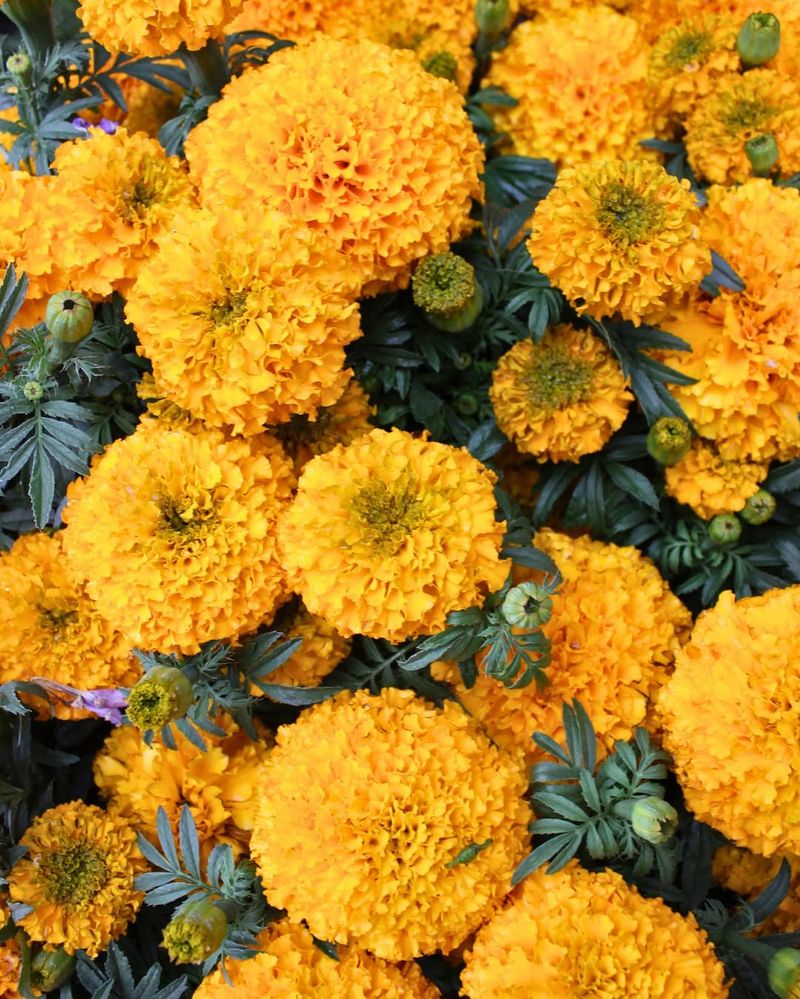
Marigolds have been a garden favorite for generations, and for good reason. These sunny, cheerful flowers are nearly impossible to mess up, making them ideal for Oregon gardeners of all experience levels.
Plant them in May and enjoy their bold orange and yellow blooms all the way through summer and into fall.
Beyond their good looks, marigolds are also incredibly useful. They are known to repel certain garden pests, including aphids and whiteflies, which makes them a smart companion plant for vegetables and herbs.
Many Oregon gardeners tuck marigolds around their tomato plants for this very reason.
Marigolds thrive in full sun and well-drained soil. Water them regularly but avoid overwatering, as soggy roots can cause problems.
Deadheading, which means removing spent blooms, encourages the plant to keep producing new flowers throughout the season. French marigolds tend to be more compact and bushy, while African marigolds grow taller and produce larger blooms.
Both varieties do well in Oregon’s summer climate. Whether you line them along a walkway or tuck them into containers on a porch, marigolds bring reliable color and a pleasant, earthy fragrance to any outdoor space.
4. Sunflowers
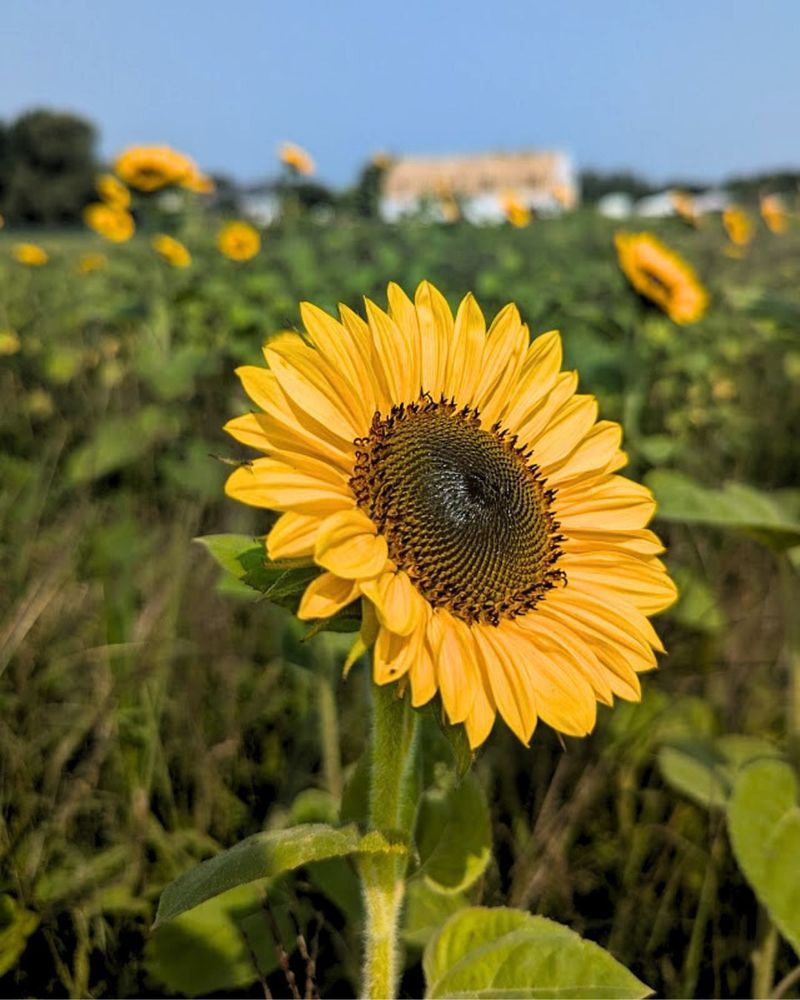
Nothing says summer quite like a row of tall, golden sunflowers stretching toward the sky. In Oregon, May is the sweet spot for planting sunflower seeds directly into the ground.
The soil is warm enough for germination, and the long summer days give these sun-loving giants plenty of energy to grow tall and strong.
Sunflowers are incredibly fast growers. Some varieties can shoot up to ten feet or more in just a few months.
If you have kids, sunflowers are a fantastic gardening project because the results are dramatic and exciting. Smaller varieties like Teddy Bear or Dwarf Sunspot work well in containers or small garden spaces around Oregon homes.
Plant sunflowers in a spot with full sun and make sure the soil drains well. They do not like sitting in wet conditions for too long.
Once established, sunflowers are fairly drought-tolerant, which is helpful during Oregon’s drier summer months. At the end of the season, leave the seed heads on the plant and watch birds flock to your garden for a natural feast.
Sunflowers also make gorgeous, long-lasting cut flowers that brighten up any indoor space throughout the summer.
5. Nasturtiums
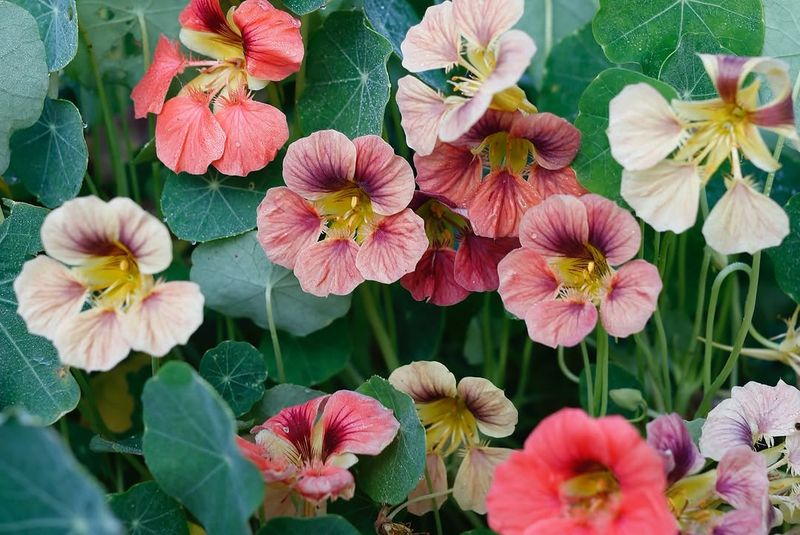
Nasturtiums are one of the most underrated flowers you can plant in Oregon this May. These vibrant, round-leaved plants produce trumpet-shaped blooms in fiery shades of orange, red, and yellow.
They are incredibly easy to grow from seed and can thrive even in poor soil conditions, which takes a lot of the pressure off new gardeners.
Here is a fun fact: nasturtiums are completely edible. Both the flowers and the leaves have a peppery flavor that works beautifully in salads, sandwiches, and as a garnish on summer dishes.
They add a pop of color to your plate just as easily as they do to your garden beds.
Plant nasturtium seeds directly in the ground after the last frost in Oregon, which typically passes by mid-May in most regions. They prefer full sun but can tolerate partial shade.
Avoid fertilizing them heavily since rich soil encourages leafy growth over flowers. Nasturtiums also act as a trap crop, luring aphids away from your more prized plants.
Trailing varieties look stunning cascading over the edges of raised beds or hanging baskets. These flowers are a win in every sense of the word.
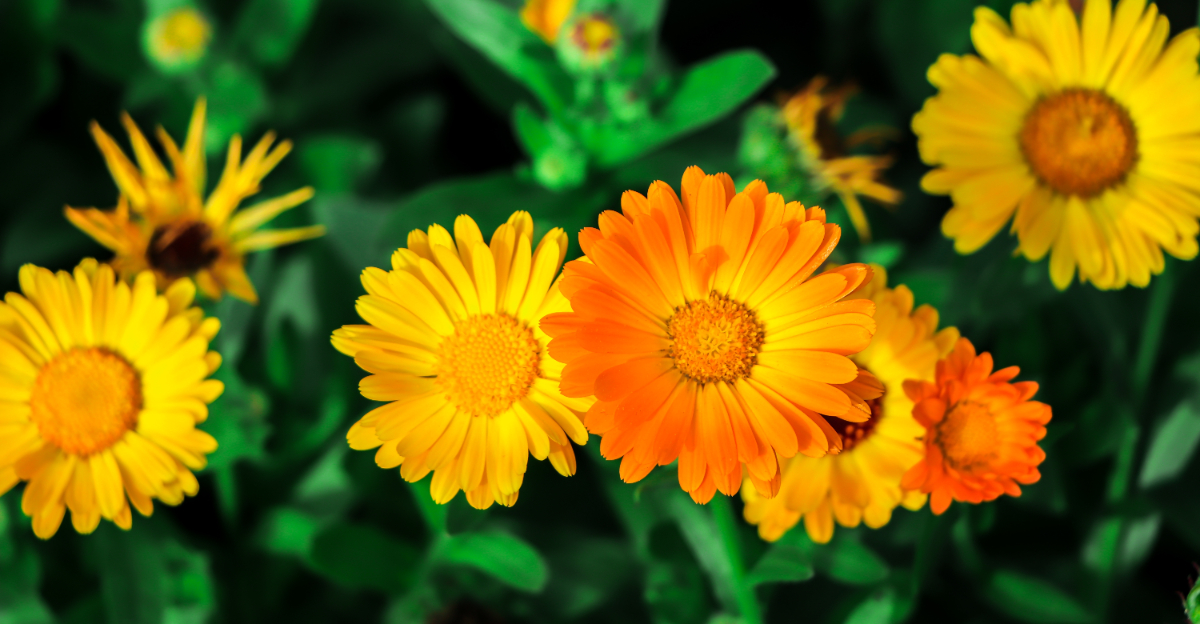
6. Calendula
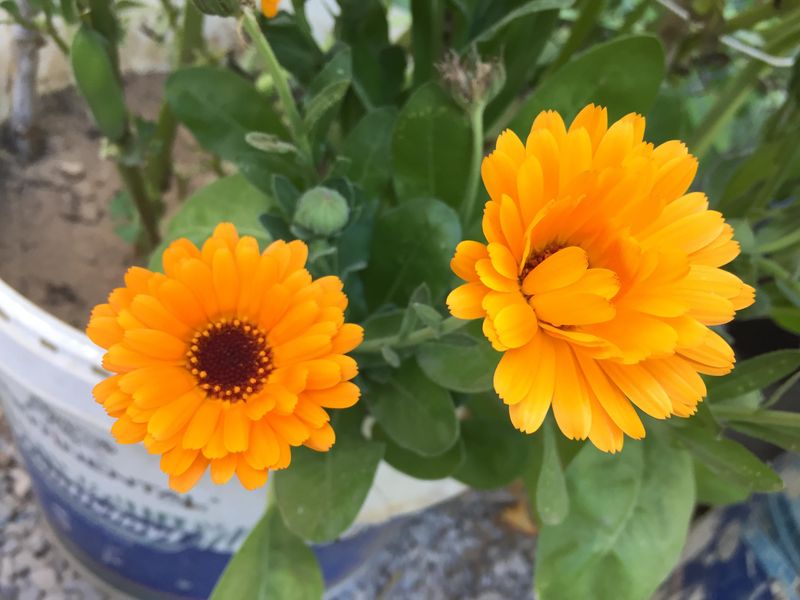
Calendula, sometimes called pot marigold, is one of the most cheerful and hardworking flowers you can grow in Oregon. Its warm orange and yellow blooms have been used for centuries in herbal remedies, skin care, and cooking.
Planting it in May gives it time to establish before the heat of summer kicks in fully.
Oregon’s mild spring weather is actually ideal for calendula. It prefers cooler temperatures and will bloom beautifully through late spring and early summer.
As temperatures rise, it may slow down a bit, but a good trim and some water will encourage a second flush of blooms when the weather cools again in early fall.
Calendula is a magnet for beneficial insects like bees and hoverflies, which help pollinate your entire garden. It is also known to repel certain harmful insects, making it a smart addition near vegetable beds.
The flowers are edible and have a slightly tangy flavor, often used to add color to soups, salads, and herbal teas. Deadhead regularly to keep the blooms coming.
Calendula is also easy to grow from seed, and once established, it may self-seed and return to your Oregon garden year after year.
7. Sweet Alyssum
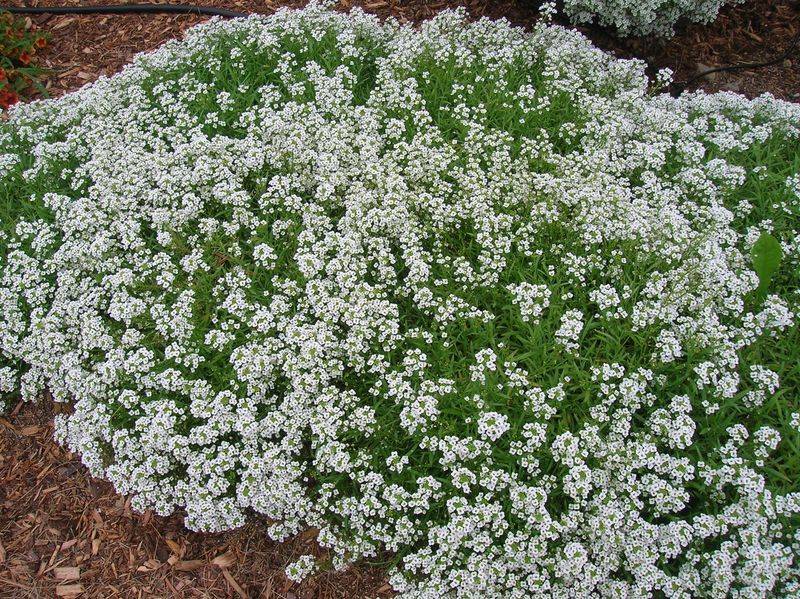
Sweet alyssum is one of those quiet garden heroes that does not demand attention but always earns it. Its tiny, clustered blooms in white, pink, or purple carpet the ground like a soft floral blanket.
It has a light honey-like fragrance that drifts through the garden on warm Oregon summer evenings.
This low-growing flower is perfect for filling in gaps between taller plants or spilling over the edges of containers and window boxes. It grows quickly from seed and can handle light frost, making May planting in Oregon an easy and safe bet.
Expect blooms within just a few weeks of sowing.
Sweet alyssum thrives in full sun to partial shade, which makes it flexible enough to fit into many different garden situations. It does best with consistent moisture but is fairly forgiving if you miss a watering here and there.
One of its greatest talents is attracting beneficial insects, particularly parasitic wasps that prey on common garden pests. If the plant gets leggy or stops blooming in midsummer, give it a light trim and it will bounce back with fresh flowers.
For Oregon gardeners looking for easy, fragrant ground cover, sweet alyssum is an excellent choice.
8. Snapdragons
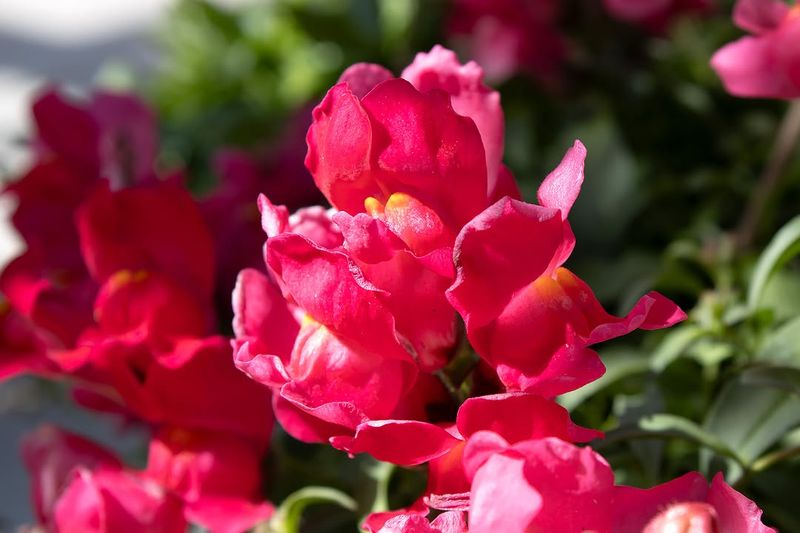
Snapdragons have a playful charm that makes them stand out in any Oregon garden. Squeeze the sides of a snapdragon bloom and it opens and closes like a little mouth, a trick that has delighted kids and adults for generations.
Beyond the fun factor, these flowers are genuinely stunning, with tall spikes packed with blooms in almost every color of the rainbow.
May is a great time to plant snapdragons in Oregon because they love cooler weather. They will bloom enthusiastically in late spring and early summer, then may slow down during the hottest weeks.
When temperatures drop again in late summer and fall, they often bounce back with a second round of beautiful blooms.
Plant snapdragons in a spot with full sun and well-drained soil. They are available in tall, medium, and dwarf varieties, so you can find the right fit for any garden size or style.
Taller types make excellent cut flowers and add vertical interest to garden beds. Deadhead regularly to encourage continuous flowering.
Snapdragons are also a favorite of hummingbirds, which adds an extra layer of excitement to your Oregon garden throughout the summer season. They are well worth planting this May.
9. Petunias
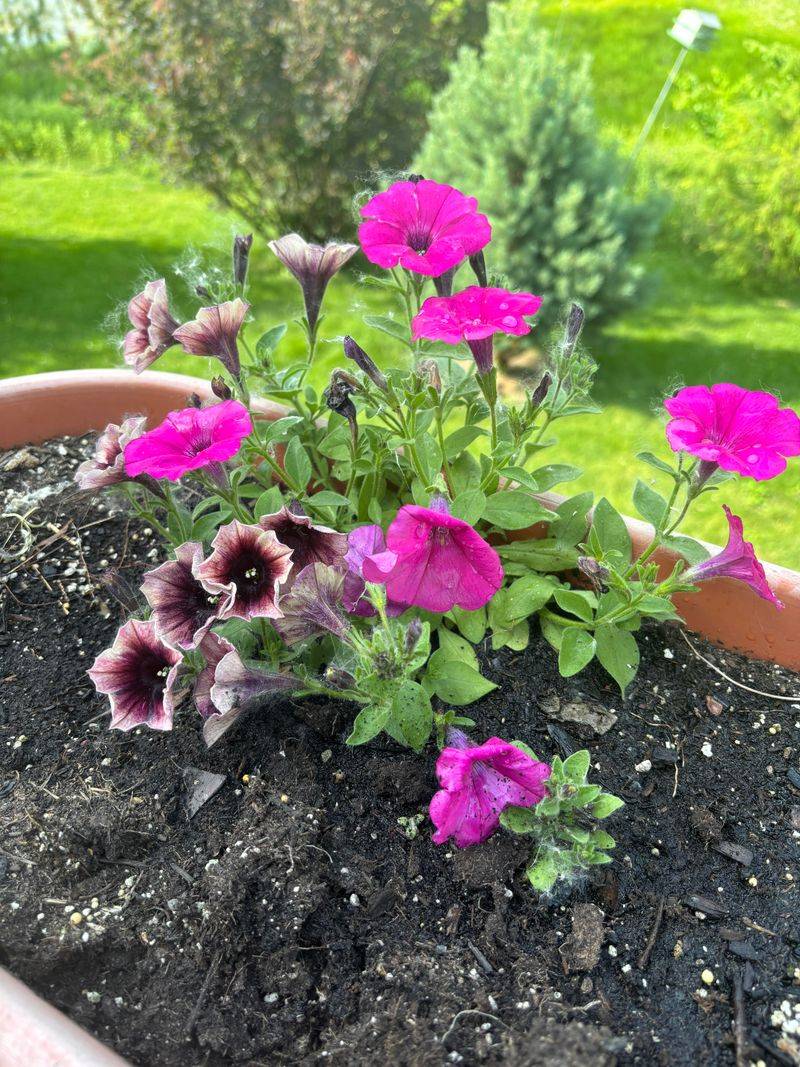
Walk through any neighborhood in Oregon during summer and you are almost guaranteed to spot petunias spilling out of window boxes, hanging baskets, and garden borders. These crowd-pleasing flowers are beloved for good reason.
They bloom in a massive range of colors, from deep purple to bright white, and they keep going all season long with minimal fuss.
Plant petunias in May once the risk of frost has passed in your part of Oregon. They love full sun and warm conditions, so pick the sunniest spot you have.
In containers, make sure there is good drainage so roots stay healthy. Water them regularly during dry stretches, especially in hanging baskets that tend to dry out quickly.
Petunias come in spreading and mounding varieties. Spreading types like Wave petunias are fantastic for filling large areas or cascading over walls.
Mounding types work well in containers and traditional garden beds. Fertilize every couple of weeks with a balanced fertilizer to keep the blooms coming strong.
Pinch back leggy stems to encourage bushy, full growth. Petunias are one of those reliable flowers that consistently deliver big color payoff for a relatively small investment of time and money throughout the Oregon summer.
10. Salvia
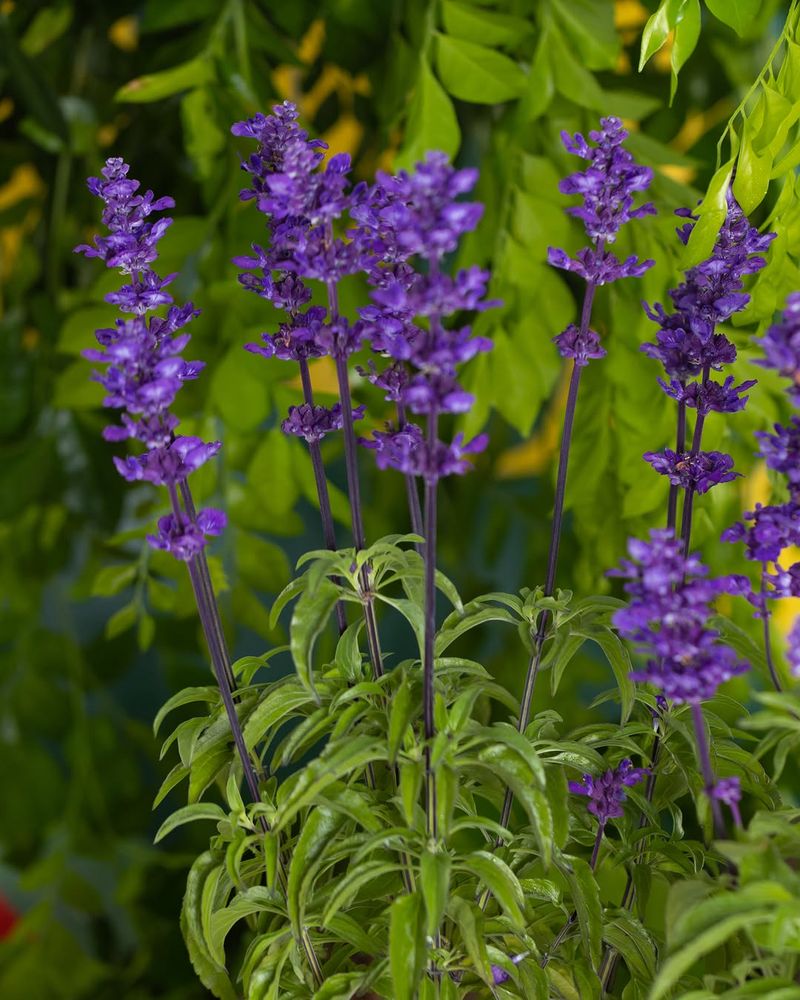
Salvia is one of the most striking flowers you can add to your Oregon garden this May. Its tall spikes of tubular blooms, most commonly in shades of red, purple, and blue, create bold vertical accents that draw the eye and attract pollinators from across the yard.
Hummingbirds in particular cannot resist salvia, making it a must-plant for wildlife lovers.
There are many types of salvia suited to Oregon gardens. Annual varieties like Salvia splendens bloom quickly and produce nonstop color all summer.
Perennial types like Salvia nemorosa are cold-hardy and will come back each year, making them a long-term investment in your garden’s beauty. Planting a mix of both gives you the best of both worlds.
Salvia does best in full sun with well-drained soil. It is quite drought-tolerant once established, which is helpful during Oregon’s drier summer months.
Deadhead spent blooms to keep new flowers coming throughout the season. Salvia is also resistant to deer, a big bonus for gardeners in rural and suburban areas of Oregon where deer can be a real challenge.
With its bold colors, easy care, and wildlife appeal, salvia earns its place on any Oregon gardener’s May planting list without question.
11. Dahlias
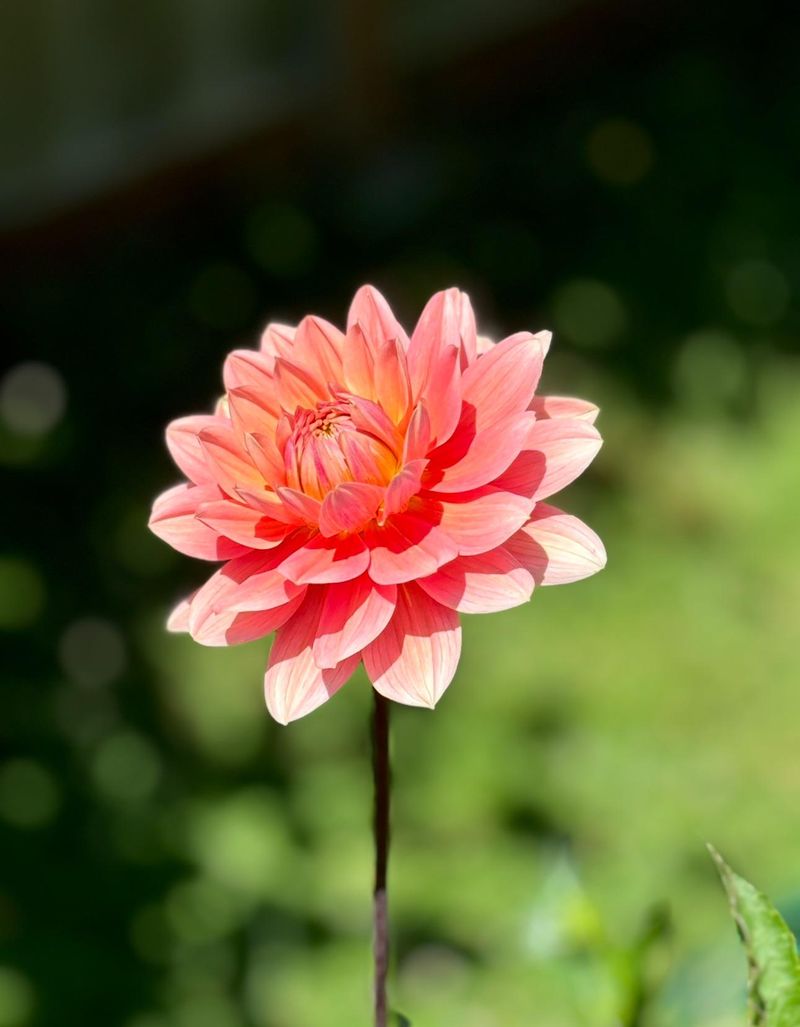
Dahlias are the showstoppers of the summer garden world. With blooms that range from dinner-plate size to small pompons, and colors spanning every shade imaginable, these flowers create a truly jaw-dropping display.
Oregon’s climate is wonderfully suited to dahlias, and May is the ideal month to get the tubers in the ground.
Plant dahlia tubers in a sunny spot with rich, well-drained soil. Place them about six inches deep with the eye, which is the small bud on the tuber, facing upward.
Do not water heavily right after planting since tubers can rot in overly wet conditions. Wait for the first shoots to appear before watering more regularly.
Dahlias are heavy feeders, so fertilizing every few weeks with a low-nitrogen fertilizer encourages strong blooms rather than just leafy growth. Stake taller varieties early to prevent them from toppling over in Oregon’s occasional summer winds.
Pinch out the central shoot when the plant reaches about a foot tall to encourage bushier growth and more flowers. The blooms typically appear in midsummer and continue until frost.
Cut the flowers often to keep more coming. For Oregon gardeners who want serious summer drama, dahlias deliver every single time.
12. Gladiolus
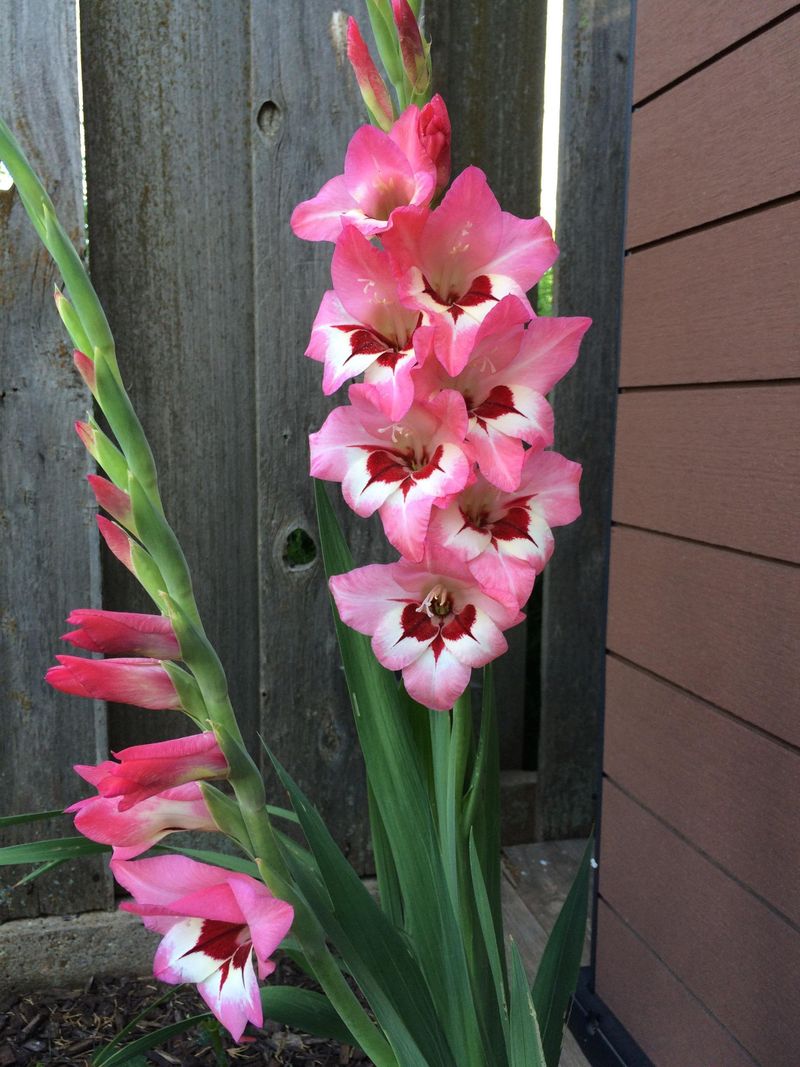
Gladiolus, often called glads, bring a sense of elegance and drama to any Oregon garden. Their tall, upright spikes are packed with trumpet-shaped blooms that open gradually from the bottom up, giving you a long-lasting floral display over several weeks.
They are also among the most popular flowers for cutting and using in indoor arrangements.
Plant gladiolus corms in May, about four to six inches deep and six inches apart. For a continuous show of blooms throughout the summer, plant a new batch every two weeks.
This staggered planting technique, called succession planting, means you will always have fresh spikes coming into bloom rather than everything flowering at once.
Gladiolus loves full sun and well-drained soil. Avoid areas that stay wet after rain since soggy conditions can cause the corms to rot.
Water consistently throughout the growing season, especially during dry Oregon summer stretches. Tall varieties need staking to prevent them from falling over in the wind.
When you cut the spikes for indoor use, leave at least four leaves on the plant so it can continue to nourish the corm underground. In colder parts of Oregon, dig up the corms in fall and store them indoors for replanting next May.
13. Coreopsis
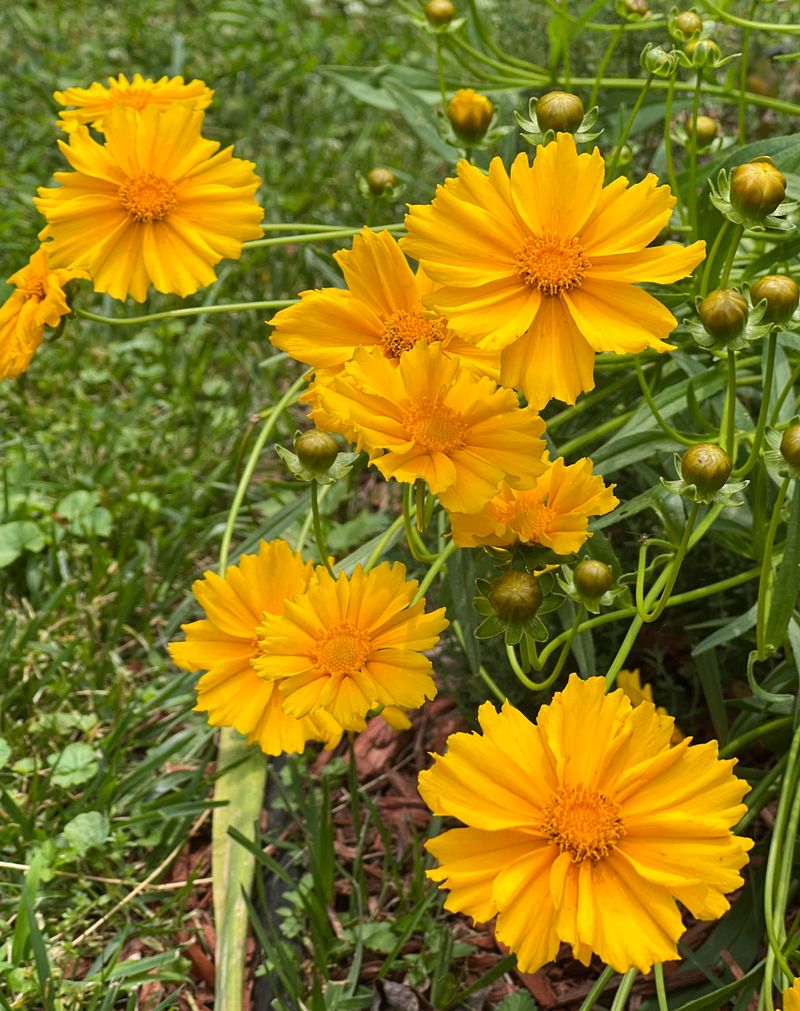
Coreopsis, also known as tickseed, is one of the most cheerful and easygoing flowers you can grow in Oregon. Its bright yellow, daisy-like blooms appear in abundance from early summer all the way through fall.
Once established, coreopsis is incredibly tough and can handle heat, drought, and poor soil without missing a beat.
Plant coreopsis in a sunny location with well-drained soil this May. It is available in both annual and perennial varieties.
Perennial types like Coreopsis verticillata come back year after year, making them a fantastic low-maintenance investment for Oregon gardens. Annual varieties bloom quickly from seed and are a great option if you want fast results this season.
Coreopsis is a pollinator magnet. Bees and butterflies flock to its open, accessible blooms throughout the summer.
It is also deer-resistant, which is a real advantage for Oregon gardeners in areas where deer roam freely. Deadhead regularly to encourage continuous blooming, or let some seed heads form at the end of the season to attract birds.
Coreopsis pairs beautifully with other summer bloomers like salvia and black-eyed Susans, creating a warm, cottage-garden look that feels right at home in any Oregon landscape. It is truly a workhorse of a flower.
14. Black-Eyed Susans
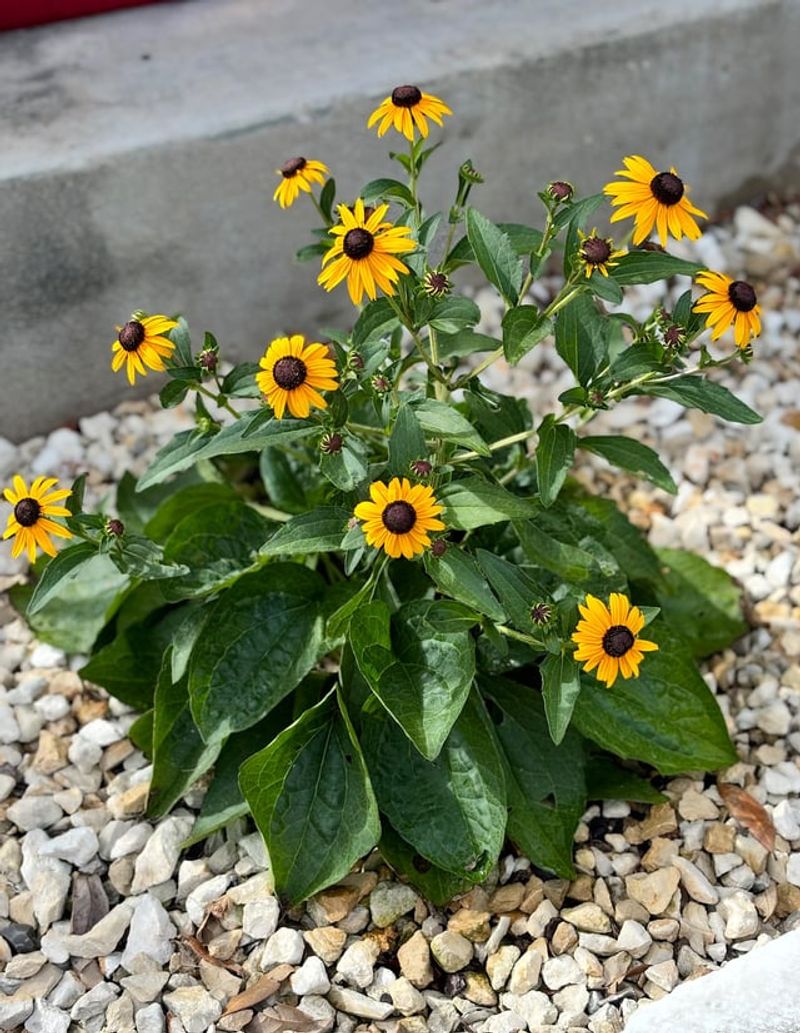
Black-eyed Susans are a beloved wildflower that looks just as beautiful in a formal garden bed as they do growing naturally along Oregon roadsides. Their golden yellow petals surrounding a rich, dark brown center create a bold and classic look that screams summer.
They are tough, reliable, and incredibly welcoming to pollinators of all kinds.
Plant black-eyed Susan seeds or transplants in May in a sunny location with average, well-drained soil. They are quite adaptable and can handle both dry spells and occasional heavy rain, which makes them well-suited to Oregon’s variable summer weather patterns.
Once established, they require very little attention to keep looking great.
These flowers are perennial in most parts of Oregon, meaning they will come back each year and even spread to fill in more space over time. They bloom from midsummer through early fall, providing long-lasting color when many other flowers begin to fade.
Black-eyed Susans also self-seed freely, so you may find new plants appearing in unexpected but welcome spots around your garden. They pair wonderfully with ornamental grasses, coneflowers, and salvia.
Cut them for indoor bouquets or leave them standing through winter to feed the birds. Either way, they are a genuine Oregon garden treasure.