The Hidden Reason Every California Backyard Needs A Sun-Drenched Sage Bush
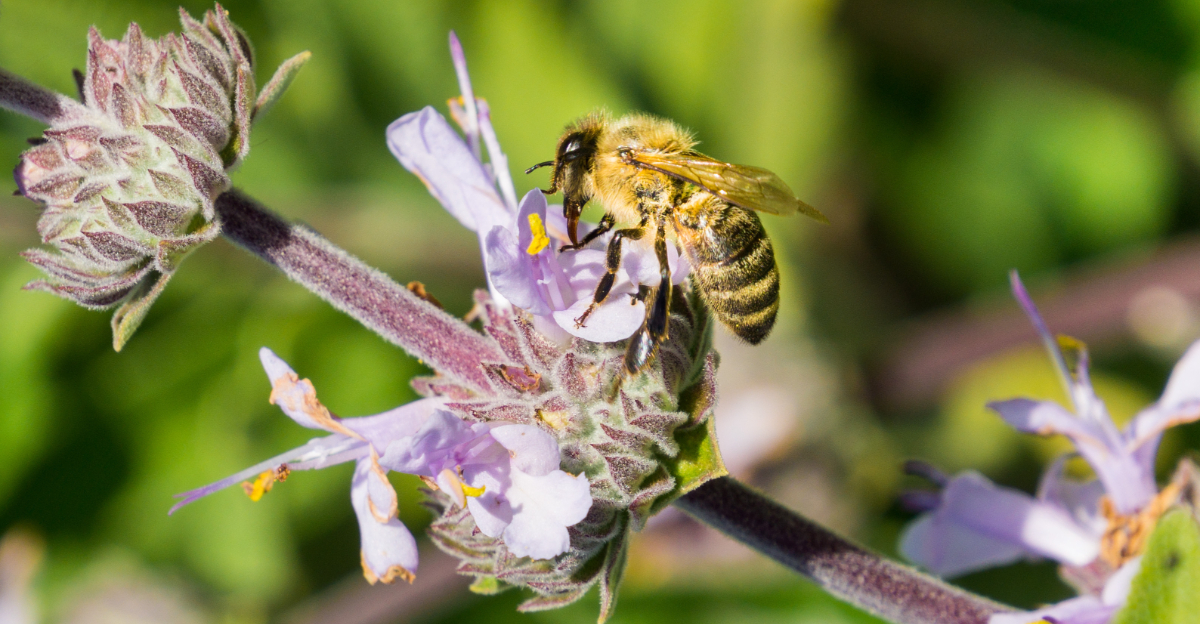
A sun-drenched sage bush is one of those backyard upgrades that looks casual but quietly does a lot of work. At first, it seems like just another pretty, silvery-green herb hanging out in the heat.
Then it starts pulling in bees, shrugging off dry spells, smelling amazing after a warm afternoon, and making the whole garden feel like it has its life together. Show-off behavior, honestly.
For California gardeners, sage is especially handy because it loves the kind of bright, dry conditions that make thirstier plants complain. Once established, it can handle lean soil, blazing sun, and less water than many ornamental favorites.
That means more texture, fragrance, and pollinator action without signing yourself up for a high-maintenance backyard diva.
The hidden reason to plant one? Sage brings beauty, usefulness, and serious drought-wise charm in one tidy package.
Give it sunshine, drainage, and a little room, and it may become the plant you wonder how you ever gardened without.
1. The Hidden Reason Is Pollinators
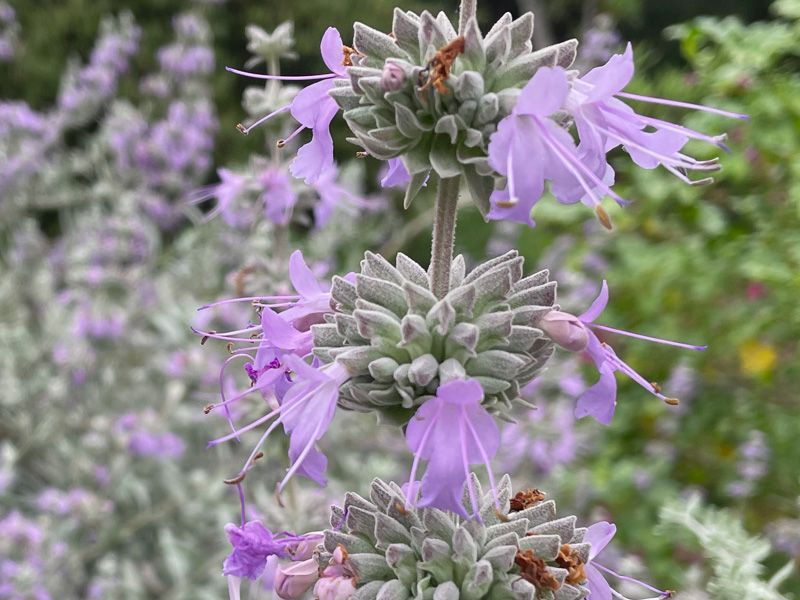
Most people grow sage for the smell or the flavor it adds to food. That is totally fair.
But here in California, sage is doing something far more important behind the scenes. The real reason every backyard needs one comes down to pollinators.
Pollinators are creatures like bees, butterflies, and hummingbirds that move pollen from flower to flower. Without them, many plants cannot grow fruit or seeds.
California’s native pollinators are struggling because so much natural land has been replaced by roads, buildings, and lawns.
A sage bush in your backyard becomes a safe haven. It gives pollinators a reliable source of nectar and pollen.
Even a single bush can make a real difference in your neighborhood. California gardeners who plant sage are quietly helping the local ecosystem stay healthy.
You do not need a big garden or a lot of money. One sunny spot and one sage bush is truly all it takes to start making a positive impact for pollinators in your California community.
2. Sage Flowers Draw Native Bees
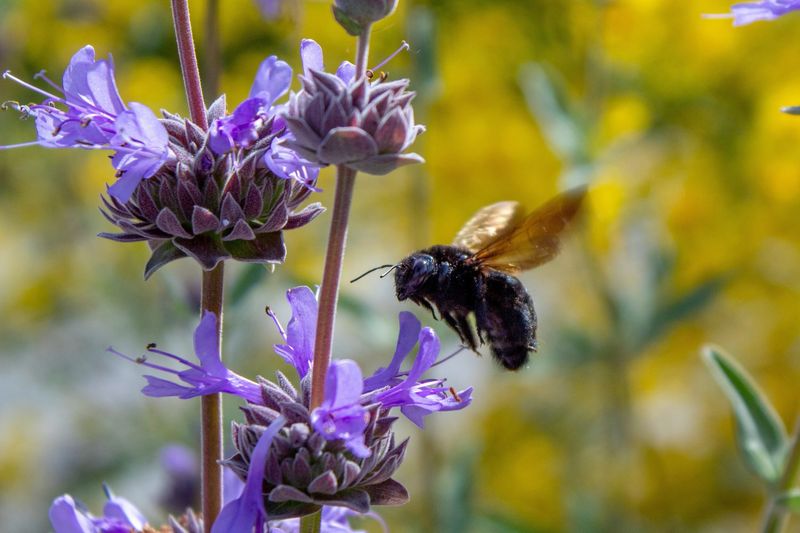
Walk past a blooming sage bush on a warm California morning and you will almost always hear it before you see it. That soft buzzing sound means native bees are already hard at work.
Sage flowers are shaped in a way that fits native bees almost perfectly, making it easy for them to reach the nectar inside.
California is home to over 1,600 species of native bees. Many of them depend on native plants like sage to survive.
Honeybees get a lot of attention, but native bees are just as important and often even better at pollinating local plants. They are also less aggressive and rarely bother people.
Planting sage in a sunny part of your California yard gives these bees a dependable food source from late winter all the way through summer. That is a long bloom window compared to many other plants.
Native bees will return to the same bush again and again once they find it. Over time, your yard becomes a trusted stop on their daily route, and your whole garden benefits from their visits.
Your California Garden Changes Every Week. Your Plan Should Too.
Gardening in California changes quickly throughout the season. Every Friday you’ll receive a simple weekly plan showing exactly what to plant, prune, fertilize, harvest, and protect so you never miss the right timing.
3. Hummingbirds Visit The Blooms
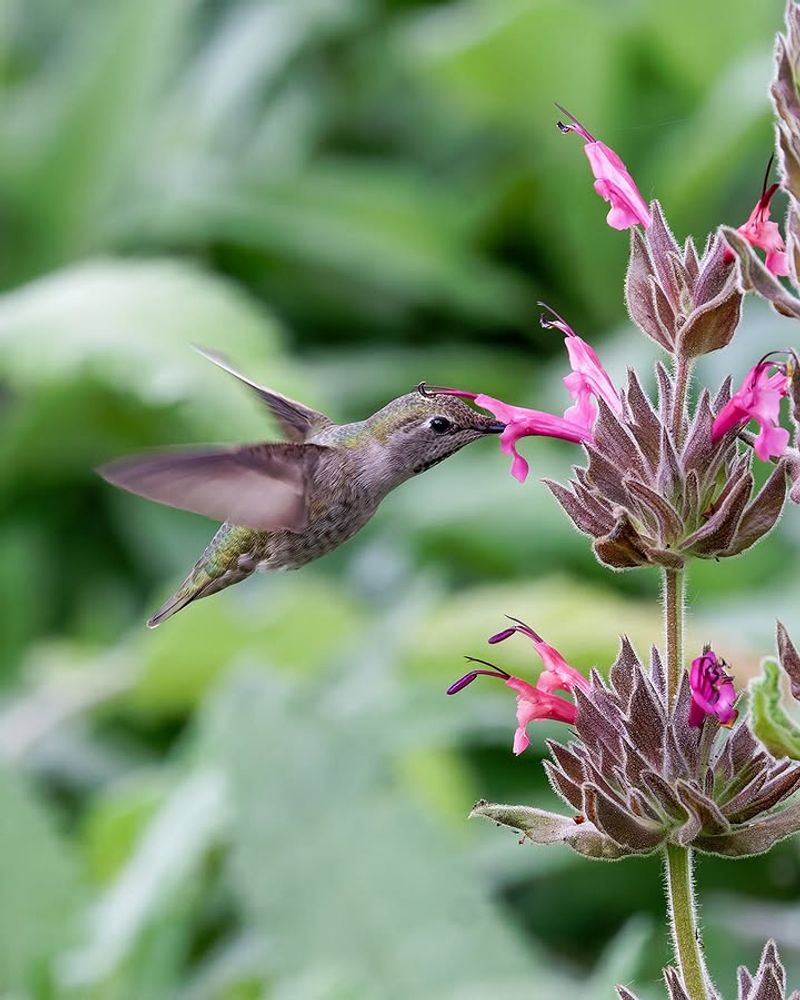
Few things are more exciting in a California backyard than a hummingbird zipping past your window. These tiny birds move so fast they almost look like flying jewels.
The good news is that sage is one of their absolute favorite plants, and planting it is one of the easiest ways to bring them close.
Anna’s hummingbird is the most common species seen year-round in California. It is drawn to tubular flowers that are rich in nectar, and many sage varieties fit that description perfectly.
Hummingbirds use their long beaks to reach deep into sage blooms and lap up the nectar with their fast-moving tongues.
What makes sage especially great for hummingbirds is that it blooms during cooler months when other flowers are not available. This gives these birds a food source when they need it most.
Placing your sage bush in a sunny, open area of your California yard makes it easier for hummingbirds to spot and approach safely. Once they discover your bush, expect repeat visits all season long.
It feels like having a tiny, wild neighbor who drops by every single day.
4. Butterflies Use It As A Stopover
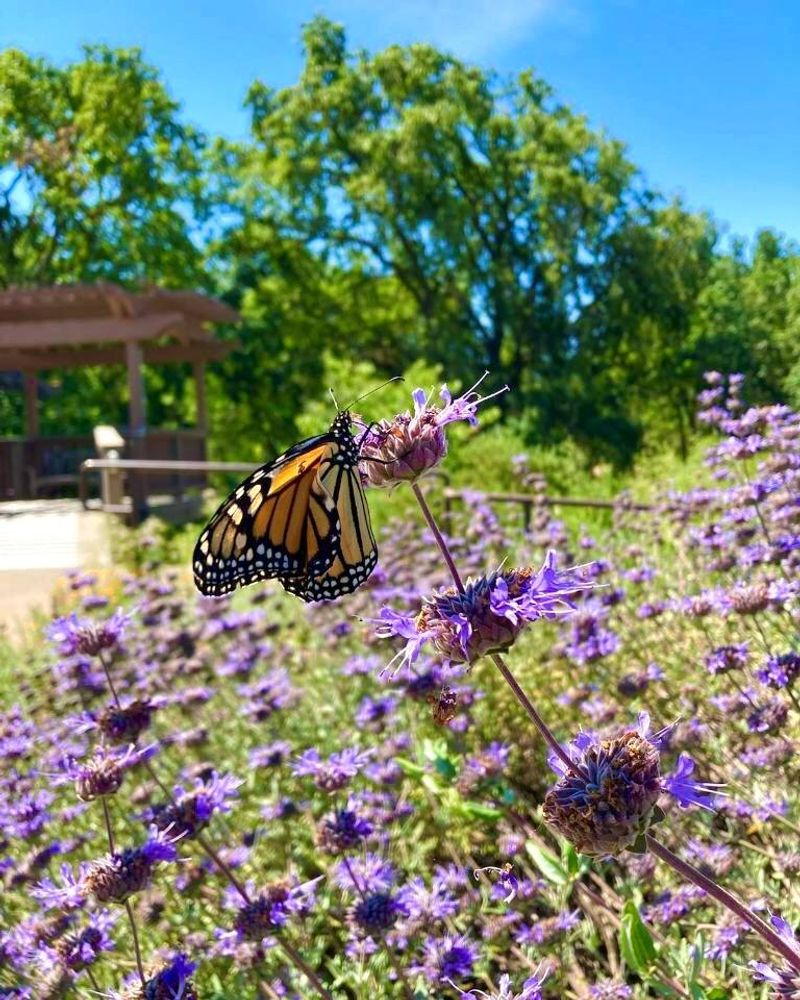
Butterflies in California have a tough job. They travel long distances searching for nectar, mates, and safe places to rest.
Many of the wild spaces they once relied on are gone. That is where your backyard sage bush steps in as a genuine lifeline.
Sage flowers offer a quick, energy-rich meal for butterflies passing through California neighborhoods. Species like the painted lady, the western tiger swallowtail, and the cabbage white are commonly spotted landing on sage blooms.
They stop, feed, and then move on, carrying pollen with them to the next plant they visit.
Some butterflies do more than just stop by. Certain species also lay eggs on or near sage plants, using the surrounding area as a nursery for their young.
A sun-drenched sage bush in your California yard can quietly support multiple generations of butterflies over a single season. You do not need a massive butterfly garden to help.
Just one well-placed, healthy sage bush in a warm, sunny corner of your yard can serve as a reliable waystation for these beautiful, fragile insects throughout the entire blooming season.
5. Sun Helps Sage Bloom More
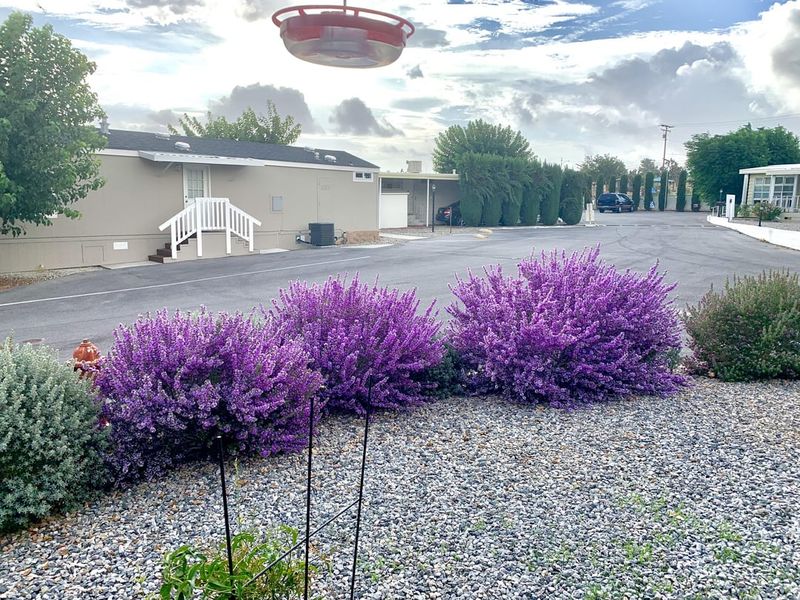
Here is something every California gardener should know: the more sun your sage gets, the more it blooms. And more blooms means more wildlife.
Sage is a plant that genuinely thrives in the kind of dry, hot, sunny conditions that California summers are famous for.
Most sage varieties need at least six hours of direct sunlight each day to perform their best. When they get it, the flower spikes grow tall, the colors deepen, and the nectar production goes up.
Bees, butterflies, and hummingbirds can actually detect nectar from a distance, so a well-fed sage bush in full sun becomes a magnet for wildlife visitors.
The good news for California homeowners is that full-sun spots are easy to find in most backyards. South-facing areas or open patches away from large shade trees are ideal.
Sage also handles drought well once it is established, which makes it a smart, water-wise choice for California yards where water conservation matters. Plant it in a sunny spot, water it lightly while it gets settled, and then step back.
The sun will do the rest, and the blooms will keep coming back stronger every year.
6. More Blooms Mean More Visitors
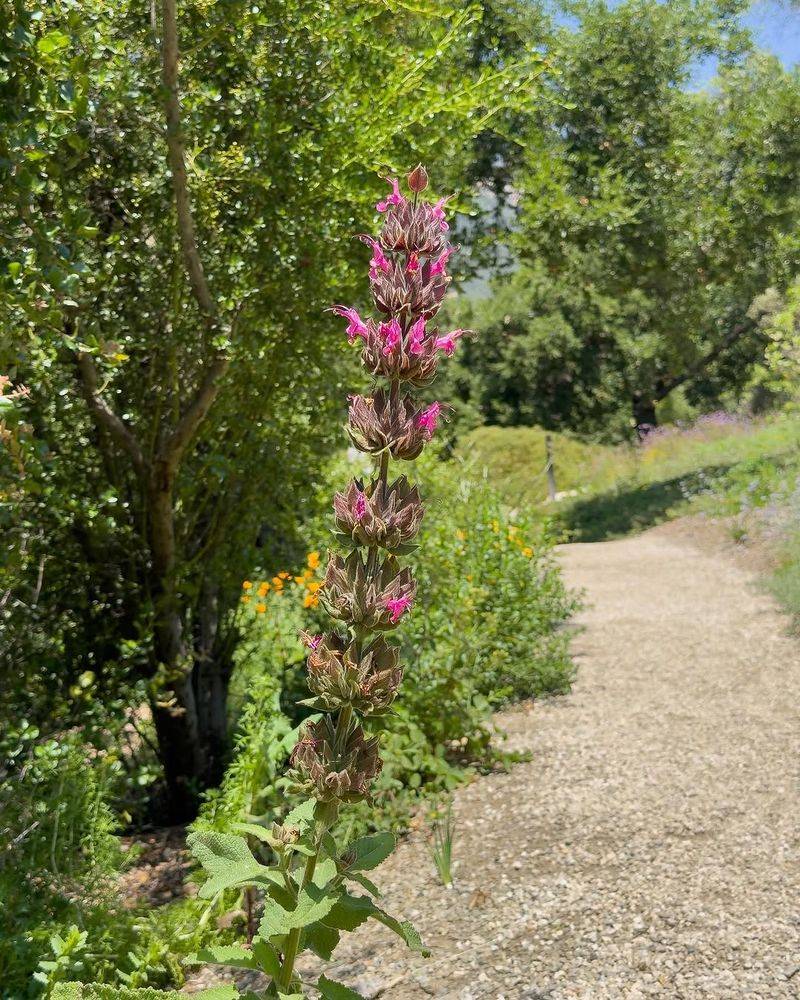
Think of your sage bush like a neighborhood cafe. The more food it serves, the more customers show up.
When sage blooms heavily, it sends out a strong scent signal and produces more nectar, which attracts a wider variety of wildlife to your California backyard.
A sage bush that gets plenty of sun and a little care can produce blooms for several months. During that time, the steady supply of nectar keeps native bees, hummingbirds, and butterflies returning regularly.
Some days you might spot three or four different species visiting the same bush within just a few minutes.
You can encourage even more blooms by doing a light trim after the first flush of flowers fades. Cutting back spent flower spikes signals the plant to push out new growth and fresh blooms.
California gardeners who do this often get two or even three rounds of flowers in a single season. More blooms create more opportunities for wildlife to visit, feed, and thrive.
Over time, your yard builds a reputation among local pollinators as a reliable food source, and the number of visitors you see each morning will keep growing season after season.
7. One Sage Bush Supports Backyard Wildlife
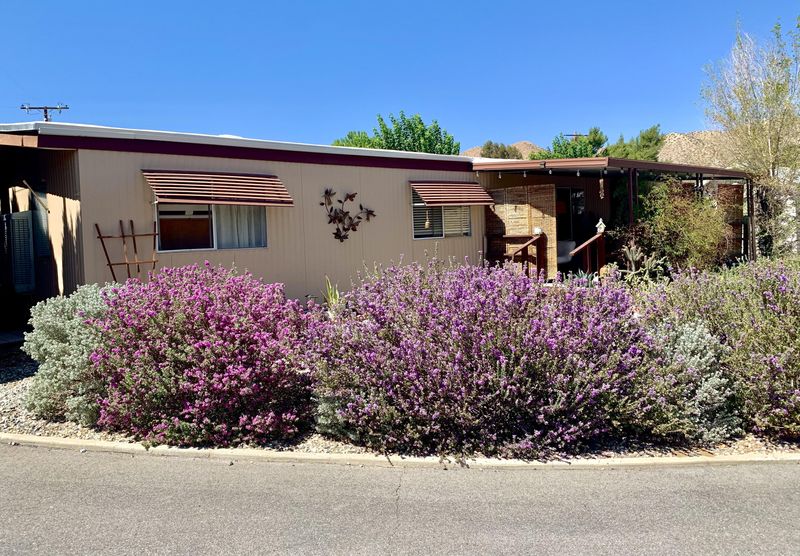
It might seem hard to believe that one plant can make a real difference. But the truth is, a single healthy sage bush in a California backyard can support a surprising web of wildlife all on its own.
Bees collect its pollen. Hummingbirds sip its nectar.
Butterflies rest on its blooms. Small birds sometimes nest in its branches.
Sage also provides shelter. Its dense, woody stems and leafy base create hiding spots for small beneficial insects that help keep garden pests under control naturally.
In California, where native habitat continues to shrink, every backyard plant that supports wildlife counts more than ever.
Starting with just one sage bush is completely enough. You do not need to redesign your whole yard or spend a lot of money.
Find a sunny corner, plant a native California sage variety like black sage or white sage, and give it time to grow. Within one season, you will likely notice more activity in your yard than ever before.
Neighbors might even start asking what your secret is. The answer is simple: one sun-drenched sage bush, planted with purpose, can quietly transform your California outdoor space into a thriving home for local wildlife.