Things You Should Never Add To Texas Clay Soil, No Matter What You Read Online
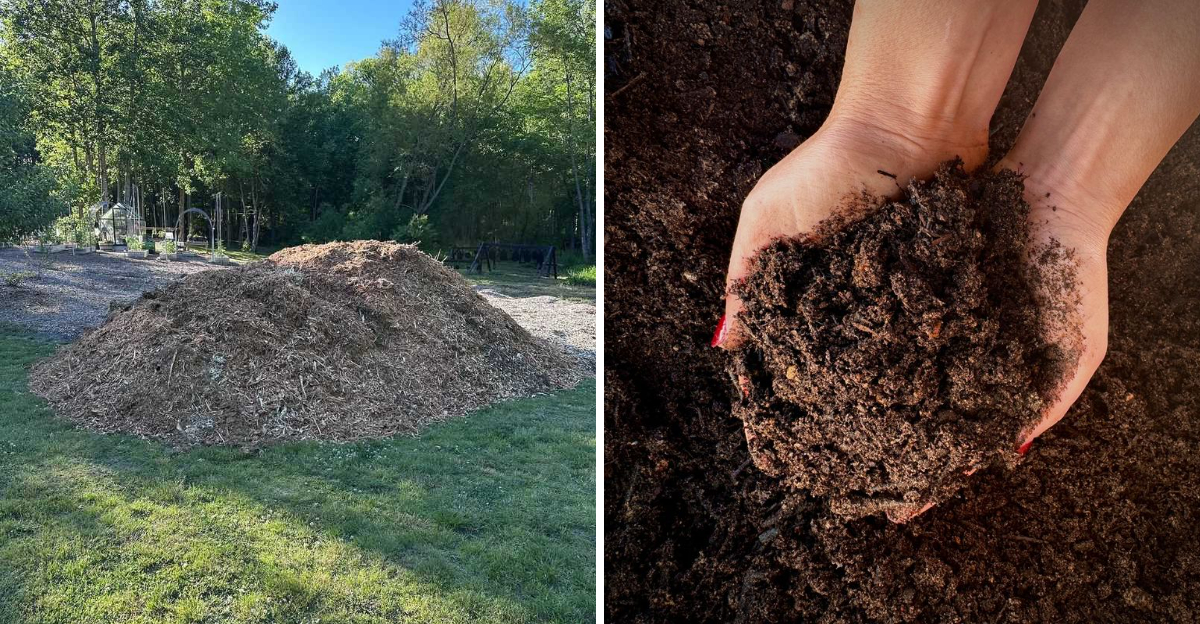
Texas clay soil has a way of inspiring some truly creative problem-solving, and not all of it works out the way people hope.
One bad growing season, a garden bed that won’t drain properly, or a vegetable patch that turns into a concrete slab every summer is enough to send most Texas gardeners down an internet rabbit hole looking for fixes.
And the internet, as usual, has plenty of opinions. The problem is that a lot of the advice floating around online about amending clay soil is either oversimplified, flat out wrong, or applies to clay soil in other regions without accounting for the specific makeup of Texas clay.
Following the wrong advice doesn’t just fail to help – it can actively make your soil situation worse in ways that take seasons to undo.
Before you add anything else to your Texas clay beds, it’s worth knowing exactly which amendments to avoid and why the popular recommendations don’t always hold up in practice.
1. Sand In Large Amounts
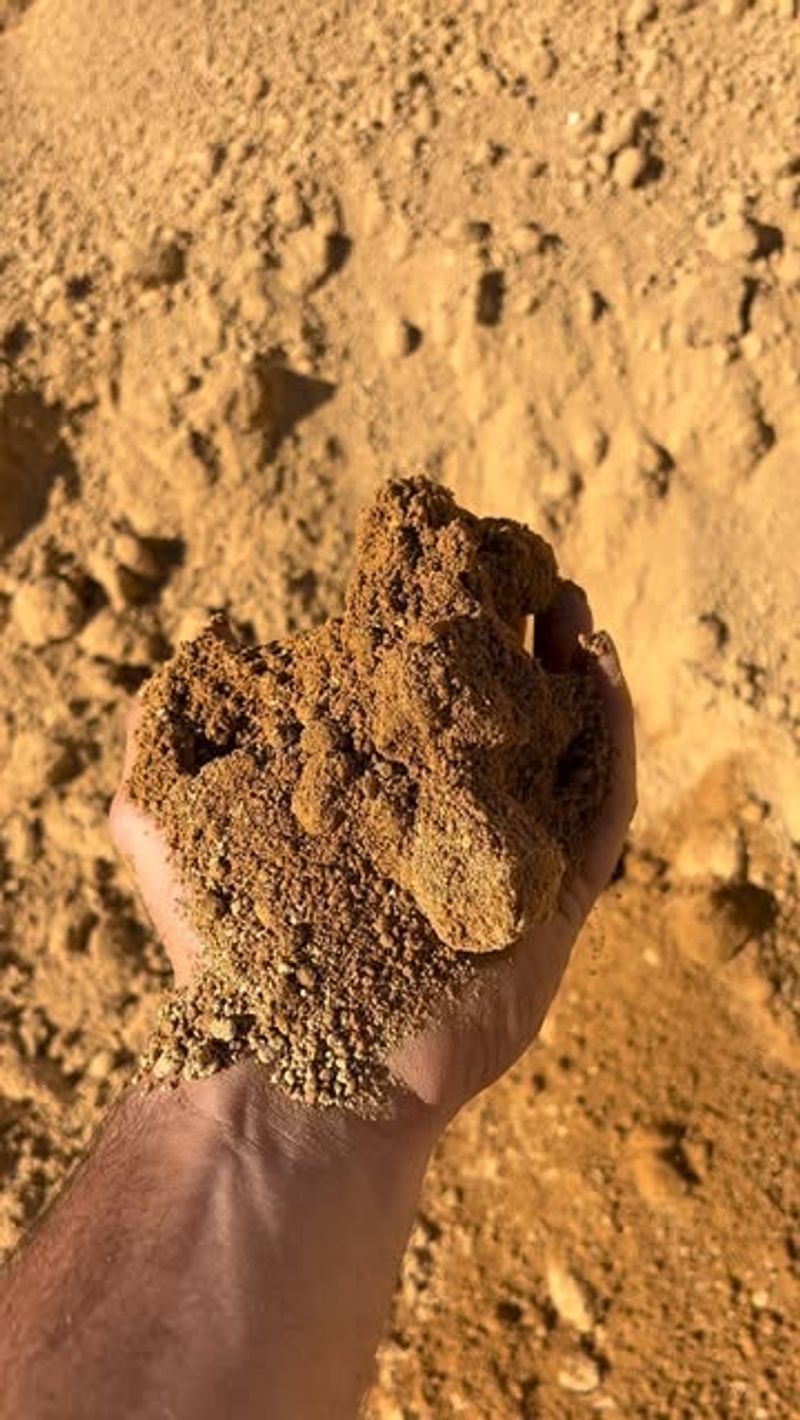
You have probably heard it a hundred times: just add sand to clay soil and it will drain better. It sounds like simple science.
Clay particles are tiny and tight, sand particles are large and loose, so mixing them together should open things up, right? Wrong.
In reality, adding sand to Texas clay soil is one of the most common and costly mistakes gardeners make here.
When you mix sand into clay, the sand particles fill the tiny spaces between clay particles instead of creating new air pockets. The result is something closer to concrete than garden soil.
Water drains even worse, roots struggle to push through, and plants end up sitting in a dense, compacted mix that can actually suffocate them over time.
To truly improve drainage with sand, you would need to add so much of it that it would no longer make sense. Experts say you would need to mix in enough sand to make up at least 50 to 70 percent of the total volume.
That means hauling in enormous amounts of material, which is expensive and physically exhausting. Most Texas gardeners add just a few bags and call it done, which is exactly the wrong amount.
Instead of sand, reach for aged compost or expanded shale, which is specifically designed for Texas clay conditions.
These amendments actually improve soil structure without creating that brick-like texture. Save the sand for the sandbox and give your Texas garden beds what they really need.
2. Pure Peat Moss In Excess
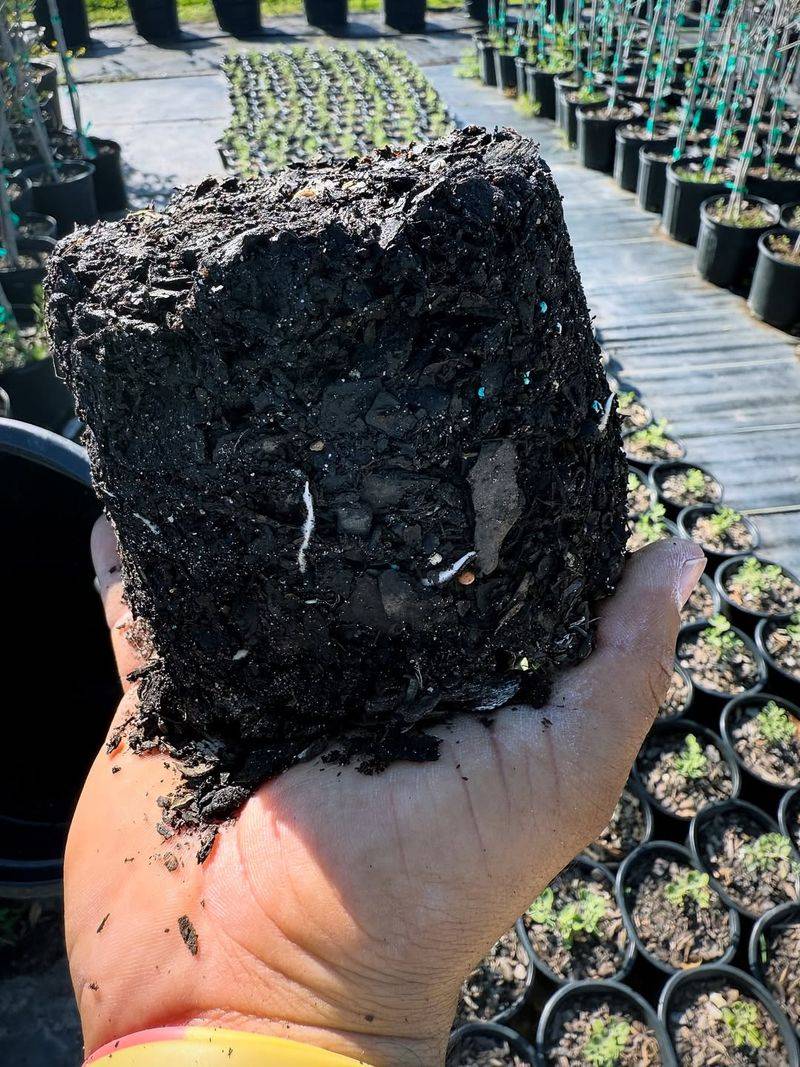
Peat moss has a solid reputation in gardening circles, and for good reason. It is lightweight, it loosens compacted soil, and it holds moisture well.
For a short time, adding it to Texas clay soil can feel like a real improvement. The problem shows up later, when things go sideways in ways most gardeners do not expect.
When peat moss dries out completely, it becomes hydrophobic. That is a fancy word for water-repelling.
Instead of soaking up rain or irrigation water, dry peat moss actually pushes water away, causing it to run off the surface. In Texas, where summers are brutally hot and dry spells are common, peat moss dries out fast.
Your Texas Garden Changes Every Week. Your Plan Should Too.
Gardening in Texas changes quickly throughout the season. Every Friday you’ll receive a simple weekly plan showing exactly what to plant, prune, fertilize, harvest, and protect so you never miss the right timing.
Once it does, it stops doing its job entirely. On top of that, peat moss is acidic. Texas soils are often already alkaline, especially in Central and West Texas.
Peat moss can lower pH slightly, but not in a reliable or lasting way. It also breaks down quickly in the heat, meaning you would need to keep reapplying it season after season just to maintain any benefit.
That gets expensive fast.
Peat moss also does nothing to feed the soil ecosystem. It has very little nutritional value for soil microbes, which are the true workers behind healthy plant growth.
For a long-term fix in Texas clay, aged compost beats peat moss every single time. It improves structure, feeds the soil, and holds up much better through the heat of a Texas summer.
3. Fresh Uncomposted Manure
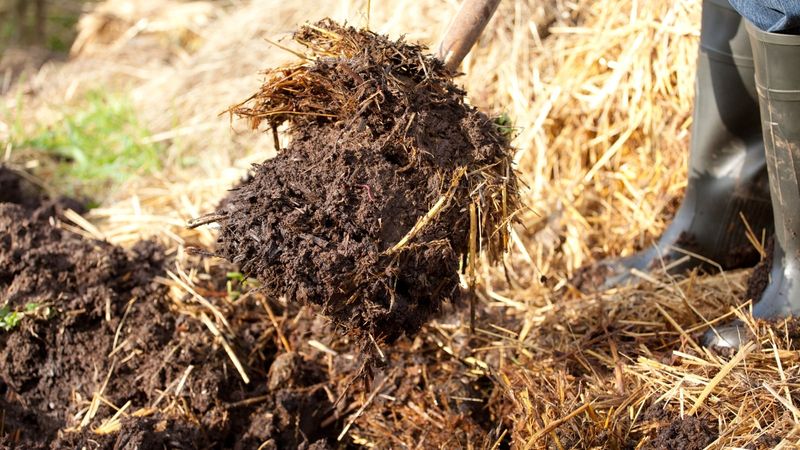
Nothing beats good compost for improving Texas clay soil, and a lot of gardeners assume that fresh manure is basically the same thing. After all, it comes from animals, it smells earthy, and it is full of nutrients. What could go wrong? Quite a lot, actually.
Fresh manure and fully composted manure are very different materials, and mixing them up can seriously harm your garden.
Fresh manure is loaded with ammonia and other compounds that have not yet broken down. When you work it directly into your soil, those raw compounds can burn plant roots.
Seedlings and young plants are especially vulnerable. You might plant a beautiful garden bed on a Saturday, add fresh manure thinking you are giving it a boost, and come back the following week to find your plants wilted and struggling.
There is also a serious safety concern. Fresh manure from animals like chickens, cows, and horses can carry harmful bacteria, including E. coli and Salmonella.
When used near edible plants in a Texas vegetable garden, those pathogens can transfer to food. This is a real health risk, not a minor inconvenience.
Beyond plant damage and safety issues, fresh manure often has a nitrogen level that is far too high for immediate use. Plants need balanced nutrition, not a nitrogen overload.
The fix is simple: only use manure that has been fully composted for at least six months. Aged manure is safe, effective, and genuinely helpful for breaking up Texas clay over time.
4. Wood Chips Mixed Directly Into Soil
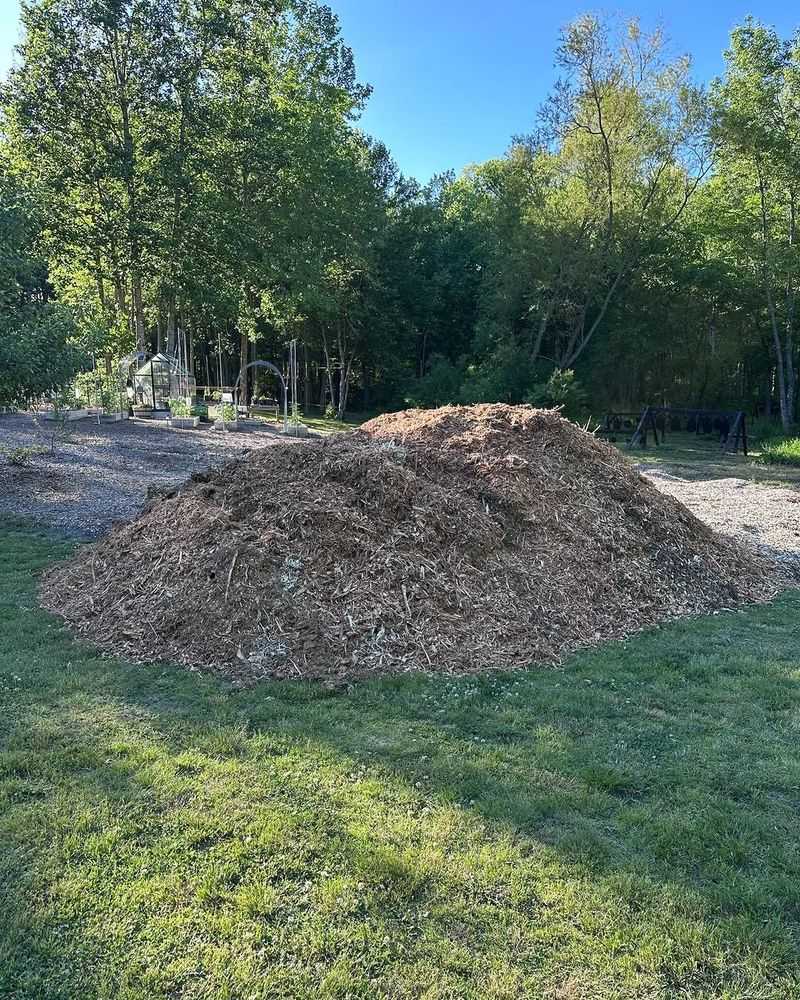
Wood chips have become wildly popular in the gardening world, and honestly, they deserve a lot of the praise they get. Used correctly, wood chips are a fantastic tool for Texas gardeners dealing with clay soil.
They suppress weeds, hold moisture, and slowly feed the soil as they break down on the surface. The key phrase there is on the surface. The moment you till them into the ground, the benefits flip into problems.
Here is what happens underground. When wood chips are buried in soil, the microbes responsible for breaking them down need nitrogen to do their work.
Since the wood itself has almost no nitrogen, those microbes pull it straight from the surrounding soil. This process is called nitrogen immobilization, and it can leave your plants starving for one of the most important nutrients they need to grow.
In Texas clay soil, which is already a challenging environment for roots, this nitrogen lockup can slow plant growth noticeably. Leaves may turn yellow, growth may stall, and the garden can look unhealthy even if you have done everything else right.
Gardeners often blame their soil or their plants when the real culprit is buried wood chips quietly stealing nutrients.
The good news is that the solution is easy. Keep wood chips on top of the soil as a mulch layer, about two to four inches deep.
Let them break down naturally over time. They will feed your soil slowly and safely without causing nitrogen problems.
In Texas heat, a good mulch layer also reduces water evaporation dramatically, which is a bonus you absolutely want.
5. Topsoil Without Testing It First
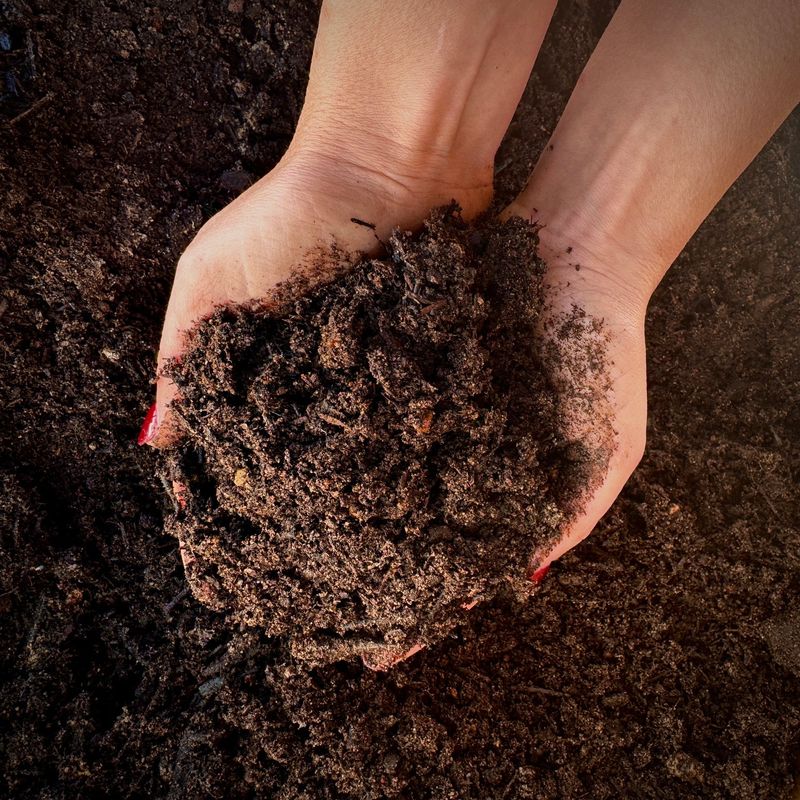
When your soil is struggling, buying a truckload of topsoil feels like a logical solution. You are essentially replacing the bad stuff with something better, right?
Not necessarily. In Texas, the topsoil market is full of products that look great in the bag but deliver very little improvement once they hit your garden beds. Some of it is barely different from the clay soil you were trying to fix in the first place.
Bagged and bulk topsoil products are not regulated the way you might expect. There is no universal standard for what topsoil must contain.
Some products are mostly clay with a little dark coloring mixed in. Others are sandy with low organic matter content.
Without testing or at least closely inspecting what you are buying, you might be spending good money on something that makes your Texas garden worse, not better.
There is also the issue of weed seeds and pathogens. Low-quality topsoil can introduce new weed species that are incredibly hard to manage once they take hold.
In a Texas climate where weeds grow aggressively, adding a new batch of weed seeds to your garden is a headache that can last for years.
Before buying any topsoil in Texas, ask the supplier for a soil analysis. Reputable suppliers will have one available.
Look for high organic matter content, balanced pH, and good drainage properties. Better yet, consider skipping bagged topsoil entirely and building your soil up with quality compost and organic matter instead. Your plants will thank you for it.
6. Gypsum Without A Soil Test
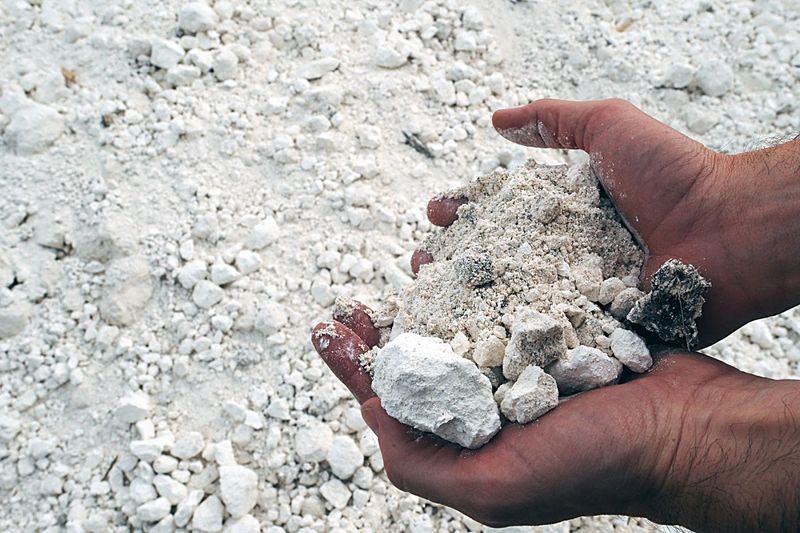
Gypsum is one of those products that gardeners swear by, and you will find it recommended constantly in online forums and gardening blogs. The idea behind it makes sense.
Gypsum adds calcium and sulfur to soil, and in certain types of clay, that calcium can help break apart tightly packed particles, improving structure and drainage. The catch is that this only works in a very specific type of soil, and most Texas soil is not that type.
Gypsum works best on sodic soils, which are soils with a high sodium content. Sodic soils are relatively rare in Texas home gardens.
Most Texas clay soil is non-sodic, which means adding gypsum will do almost nothing to improve its structure. You would essentially be spending money on a product that sits in your garden without providing any real benefit.
Some gardeners in Texas report using gypsum for years without seeing any noticeable change in their soil. That is because they never confirmed whether their soil actually needed it.
A simple soil test, available through the Texas A&M AgriLife Extension Service, can tell you exactly what your soil lacks and what it does not need. Skipping that test means guessing, and guessing with soil amendments is an expensive habit.
If your soil test does show sodium issues or confirms that gypsum would be beneficial, then by all means, use it.
But without that data, it is better to put your money toward proven amendments like compost or expanded shale, which improve Texas clay soil reliably regardless of sodium levels.
7. Chemical Soil Conditioners And Quick Fix Products
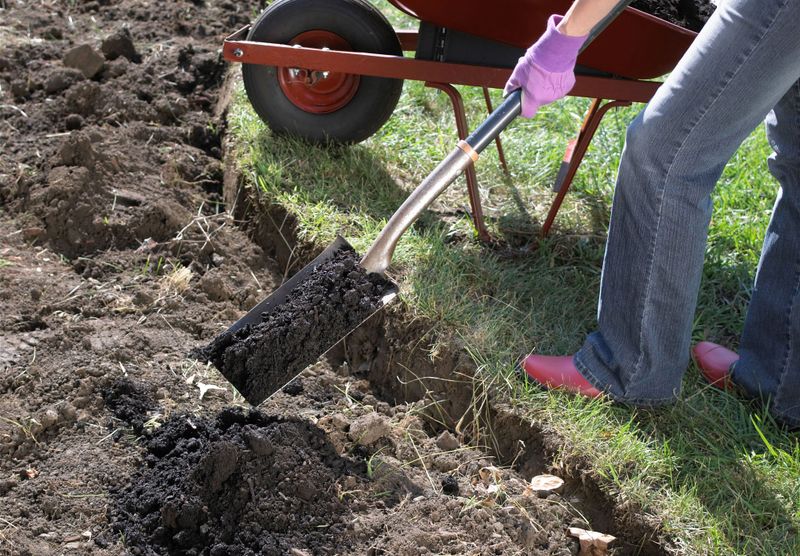
Walk through any Texas garden center in spring and you will see shelves lined with products promising to transform your clay soil fast. Bold labels claim they will loosen compaction, improve drainage, and supercharge plant growth in just one application.
These chemical soil conditioners and quick-fix products are heavily marketed, attractively packaged, and often quite expensive. They are also, in most cases, a waste of your money.
The core problem with these products is that they do not address the real reason Texas clay soil struggles. Clay soil lacks organic matter.
It needs living organisms, decomposing plant material, and biological activity to become loose, fertile, and well-draining. No synthetic chemical conditioner can replace that process.
Most of these products work temporarily at best, creating a brief surface improvement that fades within a season or two.
Some of these products can actually disrupt the soil biology that you want to encourage. Beneficial bacteria, fungi, and earthworms are the real engines of healthy soil.
Certain chemical additives interfere with their activity, leaving your soil biologically poorer than before. In Texas, where gardeners are already fighting the heat and drought, losing that underground ecosystem is a real setback.
Healthy Texas soil is built slowly and consistently with organic matter. Compost, aged mulch, cover crops, and patience are the real tools that work.
They are less exciting than a bright bottle with bold promises, but they deliver lasting results. Save the quick-fix budget for something else and invest in the long game instead. Your Texas garden will be far better for it.