8 Garden Flowers Perfects For Busy Texas Gardeners
Gardening in Texas is rewarding right up until life gets in the way, which for most people happens pretty regularly.
Work gets busy, weekends fill up, the summer heat makes spending extended time outside genuinely unpleasant, and suddenly the garden that you had great plans for in spring is running on autopilot with nobody really at the wheel.
The good news is that a beautiful flower garden in Texas doesn’t actually require that much of your time if you start with the right plants.
Some flowers are genuinely built for the hands-off approach – they establish quickly, handle drought without drama, keep blooming through the hottest stretches of summer, and don’t need constant deadheading or fertilizing to stay looking good.
For Texas gardeners who want real color and real impact without rearranging their schedule around the garden, these are exactly the flowers worth planting. Beautiful results don’t always require a big time commitment.
1. Zinnia
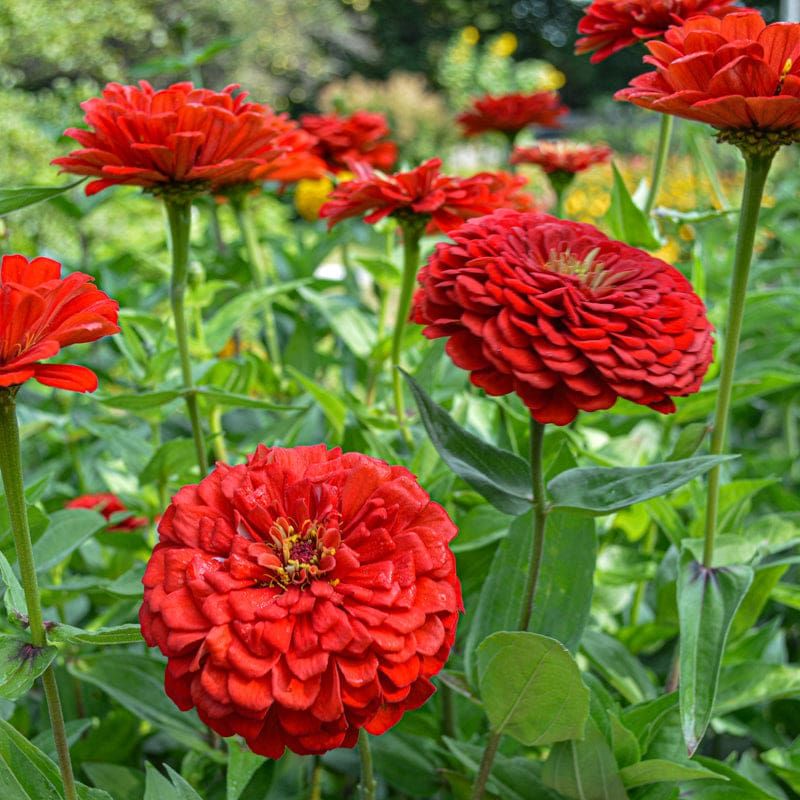
Few flowers bring as much color to a Texas garden as the zinnia. These cheerful blooms come in nearly every shade imaginable, and they absolutely love the heat.
Plant them in a sunny spot, give them a little water to get started, and they will practically take care of themselves.
Zinnias grow fast. In just a few weeks after planting seeds, you will start seeing flowers pop up.
That makes them one of the most satisfying flowers to grow, especially for gardeners who want quick results without a lot of waiting around.
One of the best things about zinnias is that the more you cut them, the more they bloom. Snipping a bouquet for your kitchen table actually encourages the plant to produce even more flowers.
Texas summers can be brutal, but zinnias thrive right through them without skipping a beat.
They also attract butterflies and bees, which makes your yard feel lively and full of energy. Zinnias are annuals, so you will replant them each season, but they sometimes reseed on their own.
For busy Texas gardeners who want bold, non-stop color with almost zero fuss, zinnias are a perfect starting point.
2. Black-Eyed Susan
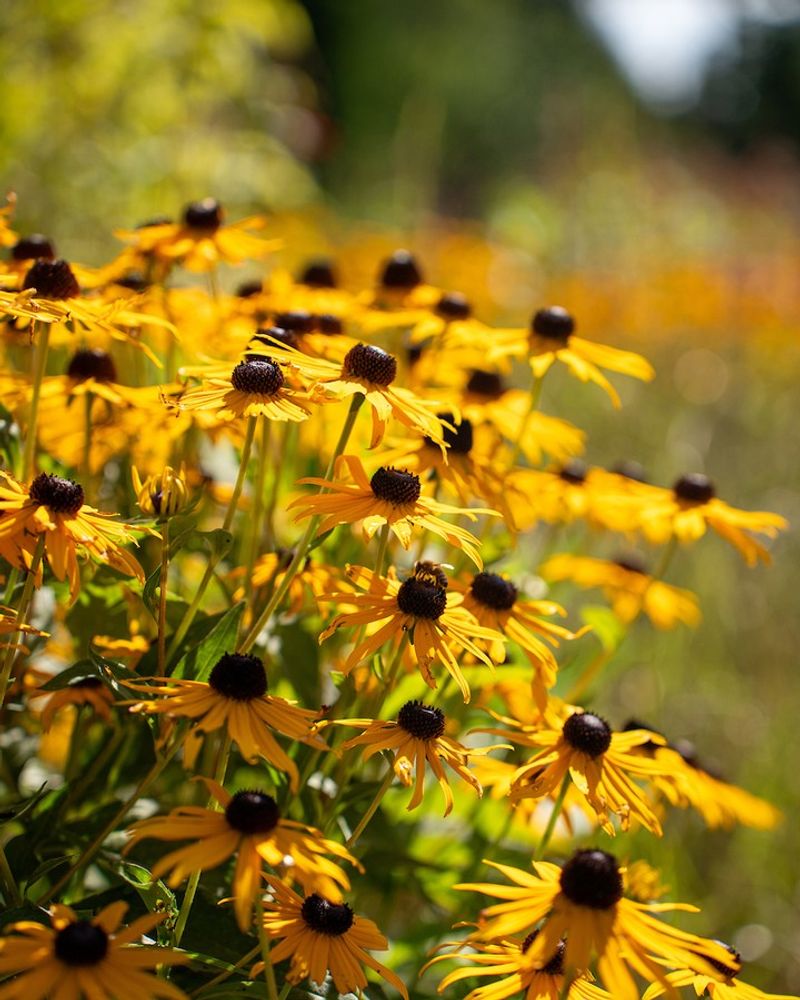
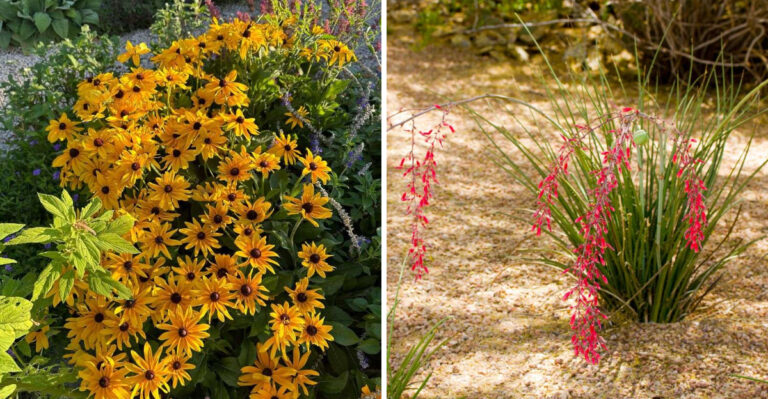
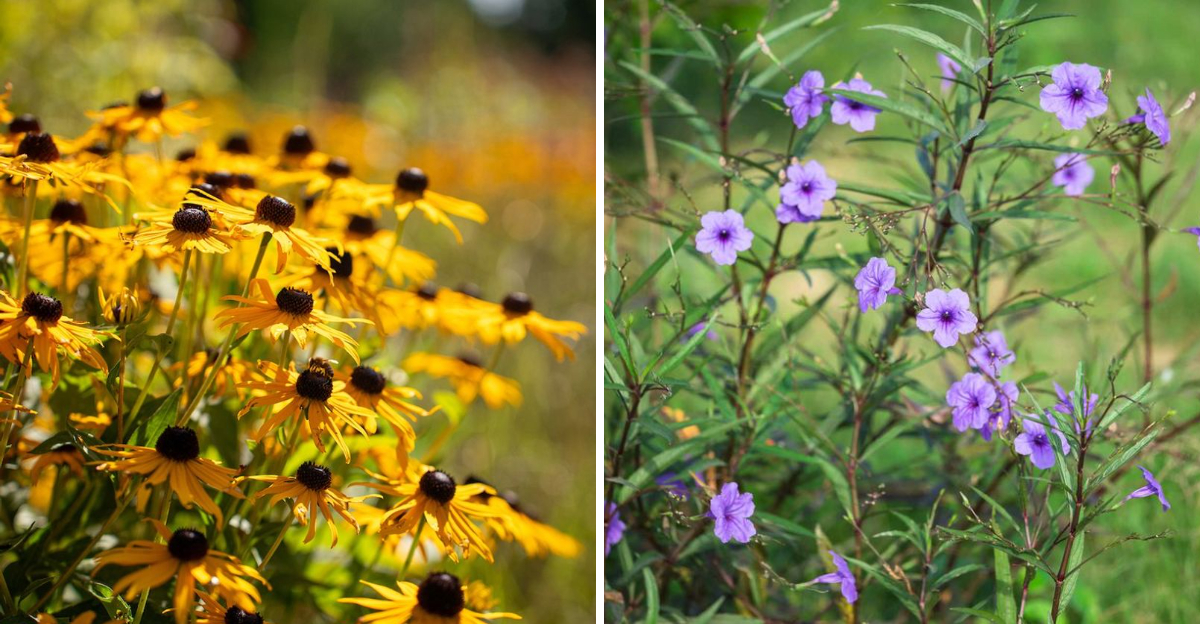
There is something wonderfully reliable about the Black-Eyed Susan. Its golden yellow petals surrounding a dark brown center have been brightening up Texas landscapes for generations.
This flower does not ask for much, and it gives back a whole lot in return. Black-Eyed Susans are tough as nails. They can handle drought, poor soil, and the kind of scorching Texas heat that sends other plants into a tailspin.
Once established, they need very little watering, which is a huge plus during those long, dry Texas summers when every drop of water counts.
What makes them even more appealing is that they come back year after year. As a perennial, this flower will show up reliably each season without you having to replant. That kind of low-maintenance loyalty is exactly what busy gardeners need.
Birds love the seed heads left behind after the blooms fade, so you are also supporting local wildlife. Black-Eyed Susans spread gradually over time, slowly filling in your garden with more and more color.
Your Texas Garden Changes Every Week. Your Plan Should Too.
Gardening in Texas changes quickly throughout the season. Every Friday you’ll receive a simple weekly plan showing exactly what to plant, prune, fertilize, harvest, and protect so you never miss the right timing.
Plant them along a fence, in a flower bed, or mixed with native grasses for a natural, effortless look that suits the Texas landscape perfectly.
3. Coreopsis
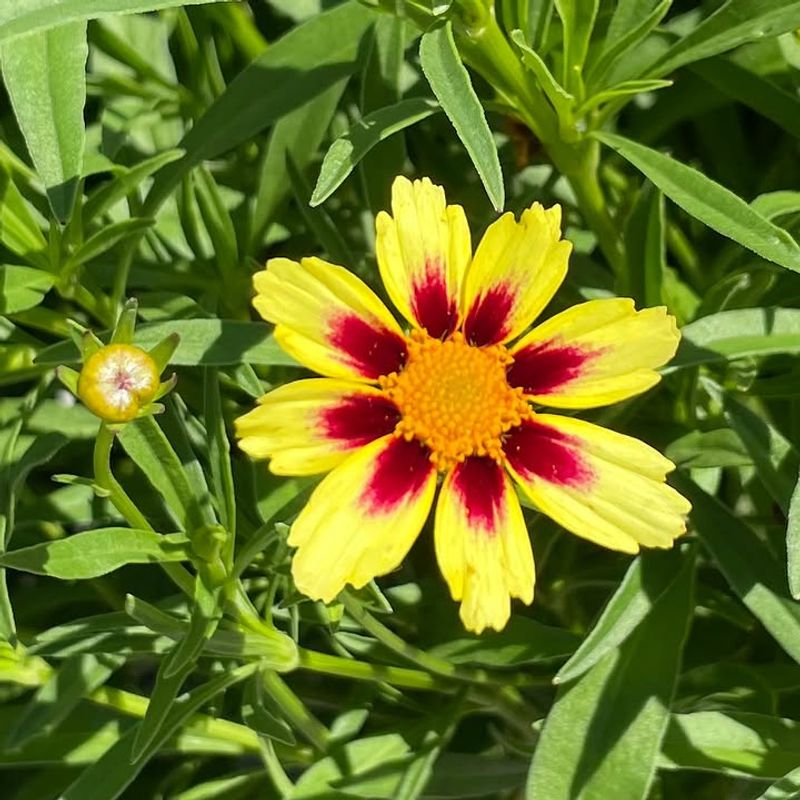
If your Texas yard has rocky, sandy, or just plain bad soil, Coreopsis might become your new best friend. Known as tickseed, this sunny little flower thrives in conditions that would make most plants give up entirely.
It is one of those rare flowers that actually performs better when you do not fuss over it too much.
Coreopsis produces a sea of bright yellow or golden blooms that last for months. It is a reliable bloomer from late spring all the way through summer, filling your garden with cheerful color during some of the hottest months of the year in Texas.
And since it reseeds itself naturally, you often get more plants the following season without doing a thing.
Watering needs are minimal once the plant gets established. A little rainfall here and there is usually enough to keep it going strong. That kind of independence is a major bonus for anyone juggling a busy schedule.
Coreopsis also attracts butterflies and songbirds, adding life and movement to your outdoor space. It looks beautiful in garden borders, along walkways, or planted in large drifts.
For a flower that works hard in tough Texas conditions while asking almost nothing in return, Coreopsis is a standout choice every time.
4. Mexican Petunia
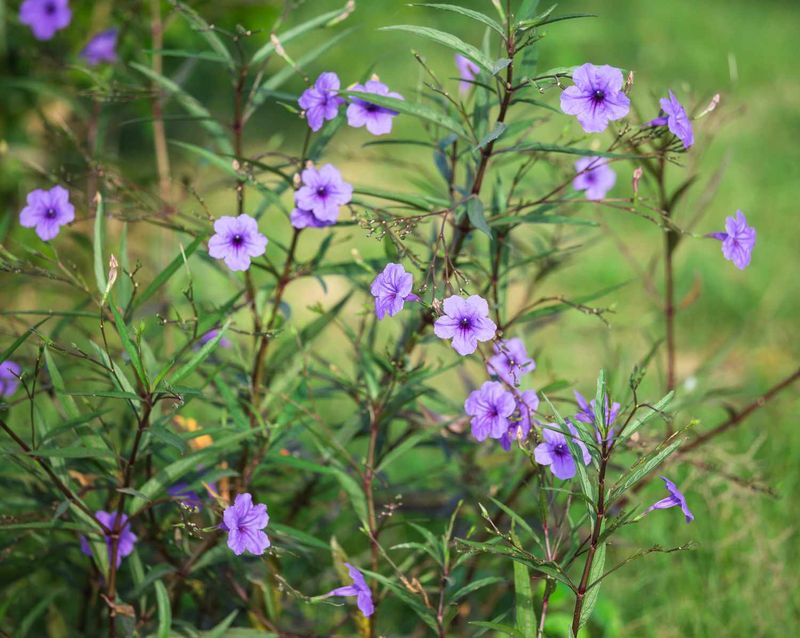
Bold, tough, and almost unstoppable, the Mexican Petunia is a flower that earns its reputation in Texas gardens. Its slender, upright stalks are topped with gorgeous purple or lavender blooms that appear even during the harshest stretches of summer heat.
Not many flowers can say that. One thing to know upfront is that Mexican Petunias spread aggressively. They send out underground runners and can take over a garden bed if left unchecked.
The smart move is to plant them in contained areas, like raised beds, bordered sections, or large pots, where their spreading habit stays under control.
When planted in the right spot, though, they are absolutely spectacular. They bloom from spring all the way through fall, providing months of color with almost no effort on your part.
Rain or shine, hot or dry, this plant keeps going. That kind of endurance is exactly what Texas summers demand.
Mexican Petunias also attract hummingbirds and butterflies, which adds an extra layer of life to your yard. They grow well in both full sun and partial shade, giving you flexibility in where you plant them.
For Texas gardeners who want a show-stopping flower that can handle the toughest conditions, this one delivers beautifully when managed with just a little care.
5. Lantana
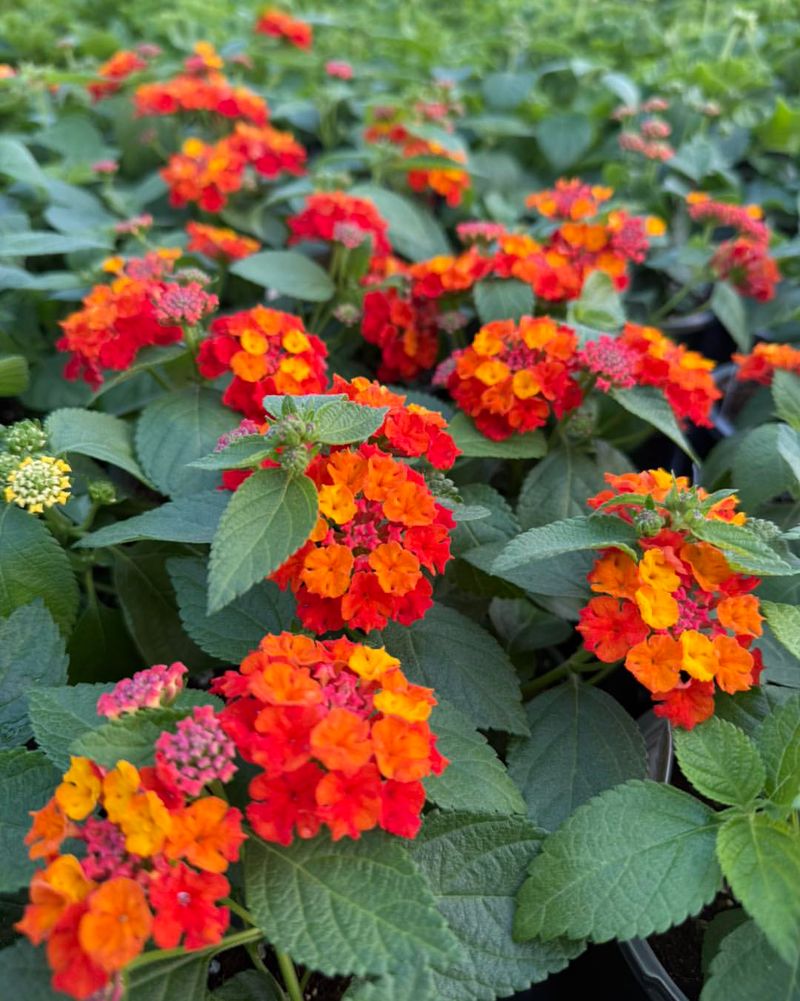
Walk through any Texas neighborhood in July and you are almost guaranteed to spot Lantana. This wildly colorful plant clusters its tiny blooms together in bright bunches of red, orange, yellow, and pink.
It looks like confetti frozen mid-air, and it loves every bit of the Texas heat. Lantana is one of the most drought-tolerant flowering plants you can grow in Texas. Once established, it barely needs watering.
In fact, overwatering is more of a problem than underwatering with this plant. Cut back on the hose and let it do its thing, because Lantana thrives on neglect.
Pollinators go absolutely wild for it. Butterflies, bees, and hummingbirds flock to Lantana throughout the blooming season, turning your yard into a buzzing, fluttering paradise. If supporting local wildlife matters to you, this plant checks that box with flying colors.
Lantana can grow as an annual or a perennial in Texas, depending on your location. In warmer parts of the state, it often comes back year after year.
It works beautifully in containers, garden beds, or as a ground cover along slopes. For busy Texas gardeners who want maximum color with minimum effort, Lantana is a standout performer that rarely disappoints.
6. Cosmos
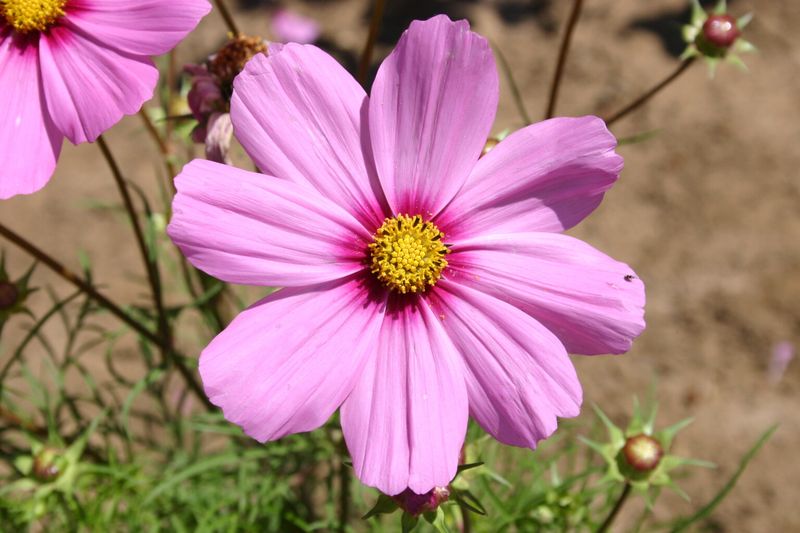
Cosmos are the kind of flowers that feel like they belong in a fairy tale. Their feathery, fern-like leaves and delicate daisy-shaped blooms sway gently in the Texas breeze, giving any garden a soft and dreamy look.
The best part? They are incredibly easy to grow from seed. Just scatter some seeds on bare soil, give them a light watering, and step back. Cosmos are not picky about soil quality and actually prefer lean, unfertilized ground.
Rich, heavily amended soil can cause them to grow too leafy and produce fewer blooms. Texas gardeners can skip the extra prep work and still get gorgeous results.
Once they start blooming, cosmos often reseed themselves without any help from you. That means you might find new plants popping up in your garden the following year at no extra cost or effort. For a busy gardener, that kind of self-sufficiency is a real gift.
Cosmos bloom from late spring through the first cool snap of fall, giving you months of soft, colorful flowers. They come in shades of pink, white, red, and purple, and they pair beautifully with other garden plants.
Butterflies love them too. Whether you are new to gardening or just short on time, cosmos make growing flowers in Texas feel simple and genuinely rewarding.
7. Purple Coneflower
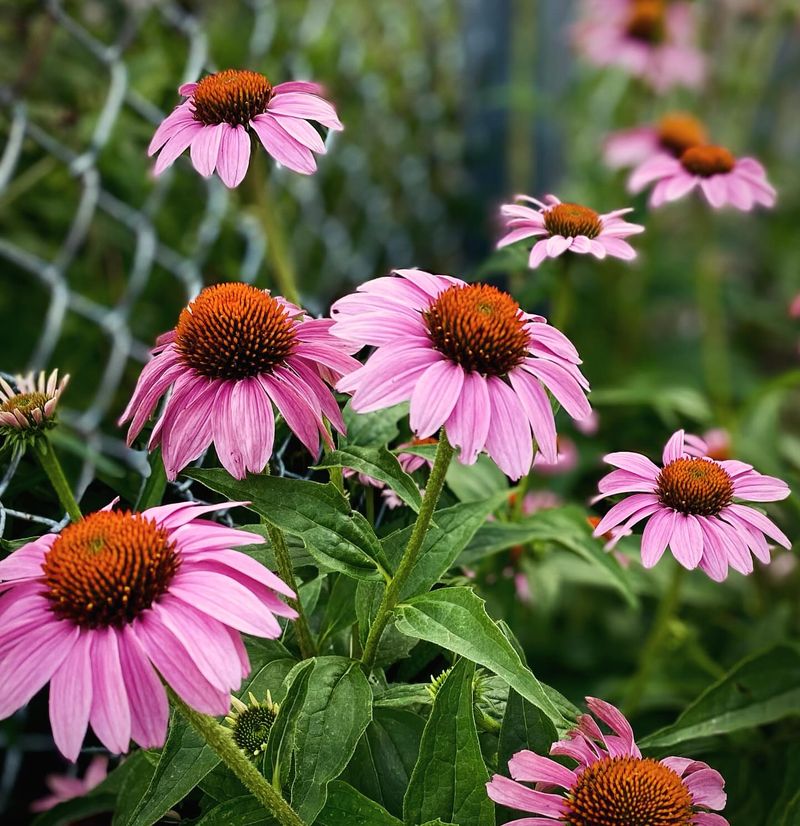
Purple Coneflower, also known as Echinacea, is a native Texas wildflower that has been growing across the plains and prairies long before anyone started planting formal gardens. That deep connection to the local land is exactly why it thrives so effortlessly in Texas yards today.
This flower is built for dry conditions. Once established, Purple Coneflower handles drought like a champ, drawing on deep roots to find moisture even during long dry spells.
You will not need to run a sprinkler every other day to keep it happy, which is a major relief during a hot Texas summer.
The blooms last for an impressively long time, often stretching from early summer well into fall. The distinctive spiky center cones and swept-back lavender petals give the plant a unique, eye-catching appearance that stands out in any garden bed.
Even after the petals fade, the seed heads stay attractive and feed local birds through the cooler months.
Purple Coneflower plays well with other native plants and can create a naturalistic, meadow-style garden that looks intentional without requiring constant upkeep. It also reseeds over time, slowly expanding your planting.
For Texas gardeners who want a low-maintenance perennial that supports wildlife, looks stunning, and feels right at home in the local climate, Purple Coneflower is a natural fit.
8. Moss Rose
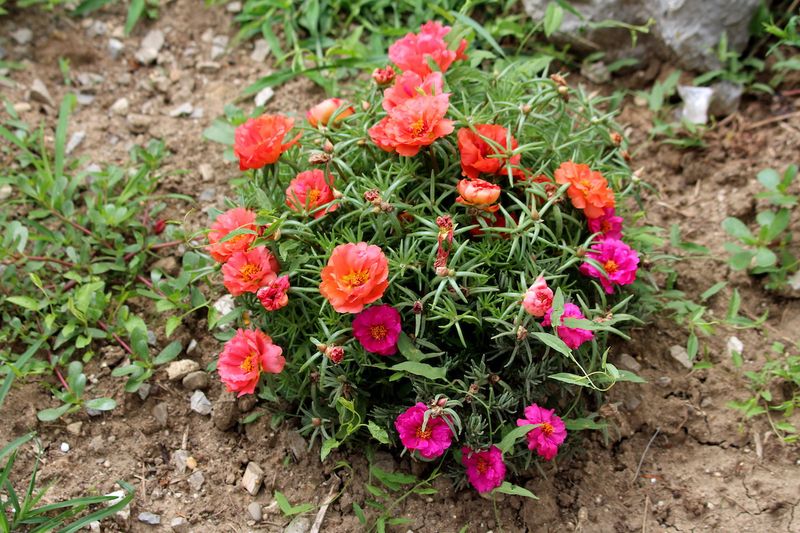
Some spots in a Texas garden seem impossible to plant. Blazing hot pavement edges, sandy strips near the driveway, rocky hillsides baking in full sun.
Most flowers would struggle there, but Moss Rose, also called Portulaca, absolutely flourishes in exactly those conditions.
Moss Rose is a low-growing, ground-hugging plant with thick, succulent-like leaves that store water. That built-in water reserve allows it to survive long stretches without rain.
In Texas, where summer heat can be relentless and rainfall unpredictable, that trait is incredibly valuable for any gardener trying to keep a yard looking colorful without constant watering.
The flowers are stunning. They come in vivid shades of pink, orange, yellow, red, and white, and they open wide in the morning sunshine before closing up in the evening.
The display they put on during the hottest part of the day is nothing short of cheerful, brightening up spots that might otherwise look bare and dry.
Planting Moss Rose is simple. Scatter seeds or drop in transplants, give them a little water to get settled, and they will handle the rest.
They also reseed themselves, so you may find new plants appearing each year on their own. For Texas gardeners dealing with tough, dry planting spots, Moss Rose is the perfect solution that brings big color with very little effort.