The Best Vegetables To Grow In Containers In Arizona Before Summer Heat Takes Over
Container gardening in Arizona can shift fast once the heat starts building, and timing plays a bigger role than most expect. Many vegetables grow well early on, then slow down or struggle if they are planted too late.
That is why more gardeners are paying attention to what actually performs before temperatures spike.
Not every vegetable is worth the effort in containers this time of year. Some handle the transition better and keep producing while others fade out quickly.
Choosing the right ones early makes the whole setup easier to manage.
Space is not the issue here, it is about picking vegetables that match the season and container conditions. With the right start, containers can stay productive without constant fixes or stress.
1. Bush Beans Grow Fast Before Heat Peaks
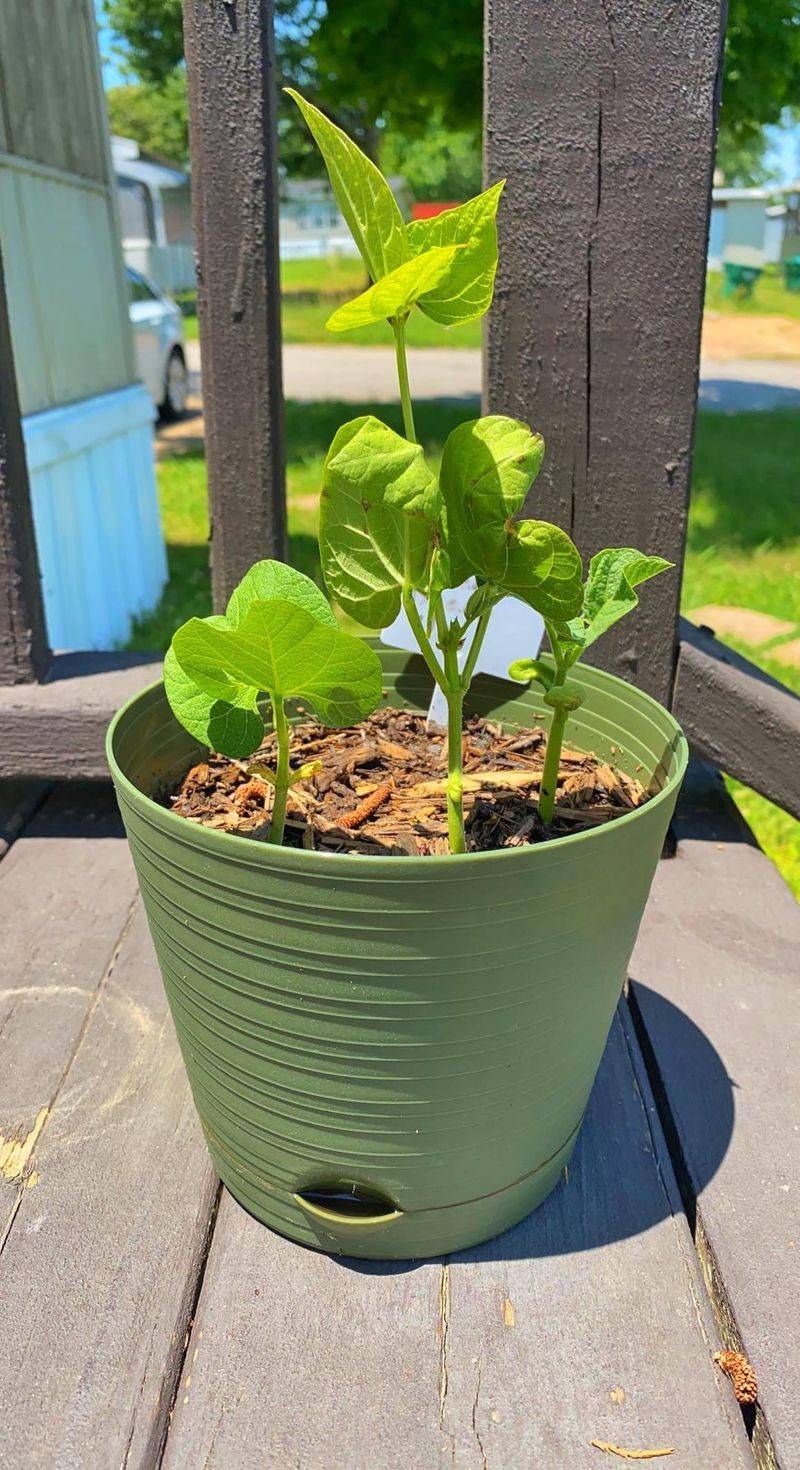
Few vegetables reward impatient gardeners quite like bush beans. Plant them in Arizona between late February and early April, and you can expect pods ready to pick in as little as 50 to 60 days.
That tight window matters a lot when summer heat is closing in fast.
Choose a container at least 12 inches deep and fill it with loose, well-draining potting mix. Bush beans do not love heavy clay or soggy soil, so drainage holes are non-negotiable.
Water consistently but avoid letting roots sit in standing water.
Unlike pole beans, bush varieties stay compact and do not need a trellis, which makes them genuinely easy to manage on a patio or balcony. Varieties like Provider and Contender handle warm conditions better than most.
Once Arizona temperatures push past 90 degrees regularly, bean plants tend to drop their flowers rather than set new pods.
Harvest frequently once pods reach finger length because leaving mature beans on the plant signals it to slow production. A single container can produce a surprising amount of beans if you stay on top of picking.
Getting seeds in the ground early gives you the best shot at a full harvest before heat shuts things down.
A light layer of mulch on top of the soil helps hold moisture and keeps roots cooler as temperatures start to climb.
2. Cucumbers Produce Quickly With Simple Support
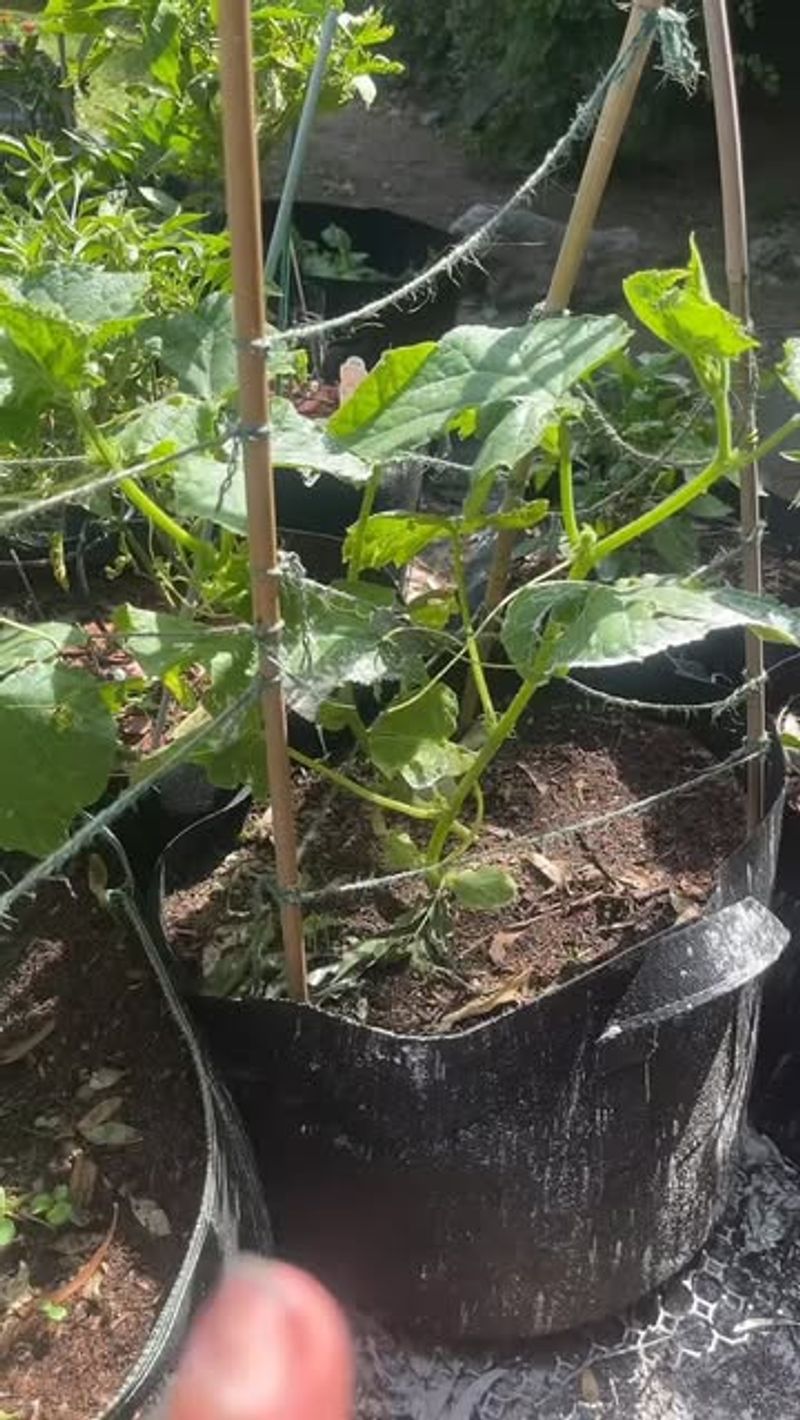
Cucumbers are thirsty, fast-growing plants that can go from seed to harvest in about 55 days under good conditions. In Arizona, that speed is exactly what you want because the window between comfortable spring temperatures and brutal summer heat is shorter than most gardeners expect.
Plant seeds directly into a 5-gallon container or larger in late February through March. Cucumbers send down deep roots, so a shallow pot will limit production noticeably.
A simple stake or small trellis keeps vines off the ground and improves air circulation around the leaves.
Water is critical here. Arizona’s dry air pulls moisture out of containers faster than in more humid climates, so check soil daily once temperatures start climbing.
Inconsistent watering leads to bitter fruit and stunted growth, so keeping moisture levels steady matters more than almost anything else.
Bush cucumber varieties like Spacemaster or Bush Pickle work particularly well in containers because their compact vines stay manageable. Standard slicing varieties can work too, but they need more room to spread.
Your Arizona Garden Changes Every Week. Your Plan Should Too.
Gardening in Arizona changes quickly throughout the season. Every Friday you’ll receive a simple weekly plan showing exactly what to plant, prune, fertilize, harvest, and protect so you never miss the right timing.
Once daytime temperatures in Arizona consistently hit the mid-90s, cucumber plants tend to struggle with heat stress even with regular watering. Getting an early start in late winter gives these plants the best possible chance to produce before conditions turn unfavorable.
Feeding with a balanced liquid fertilizer every couple of weeks can help support steady growth and better fruit production during that short spring window.
3. Zucchini Grows Well In Containers Early In The Season
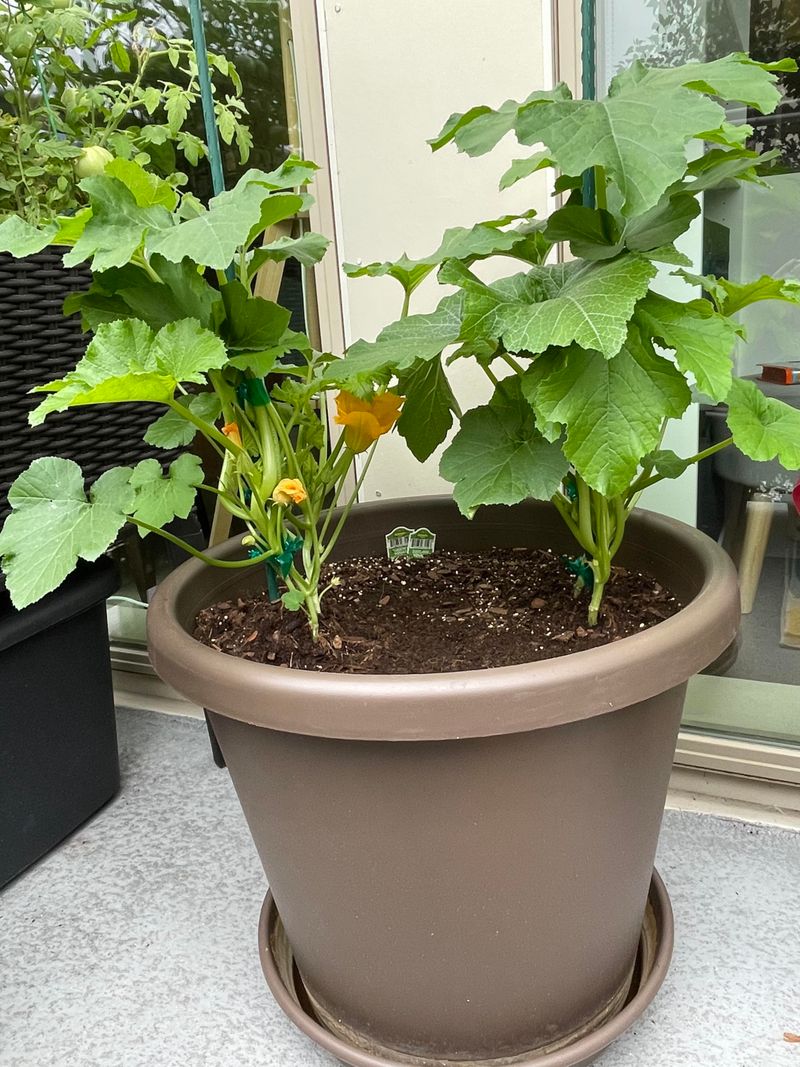
Zucchini has a reputation for being unstoppable, and in Arizona’s spring conditions, that reputation holds up. A single healthy plant in a large container can produce more squash than one household needs if you start it at the right time and give it enough room to grow.
Container size is the biggest factor with zucchini. Go with at least a 10-gallon pot, and bigger is better.
Roots need space to spread, and a cramped container produces a stressed plant that fruits poorly. Fill it with rich potting mix and mix in some slow-release fertilizer at planting time.
Plant seeds or transplants in Arizona between late February and early April. Zucchini grows fast once established, often producing its first fruits within 50 days of germination.
Hand pollinate flowers if you notice bees are not visiting regularly, which can happen early in the season before pollinator populations build up.
Keep soil consistently moist because zucchini wilts quickly in dry heat, and once it stresses badly it rarely bounces back to full productivity. Morning sun with some afternoon shade becomes more valuable as temperatures climb into the 90s.
Harvest zucchini while fruits are still small because large ones become seedy and the plant puts less energy into producing new ones. Early planting in Arizona is the real key to success here.
Watch for powdery mildew as temperatures rise, since improving airflow around the plant and avoiding overhead watering can help prevent issues before they spread.
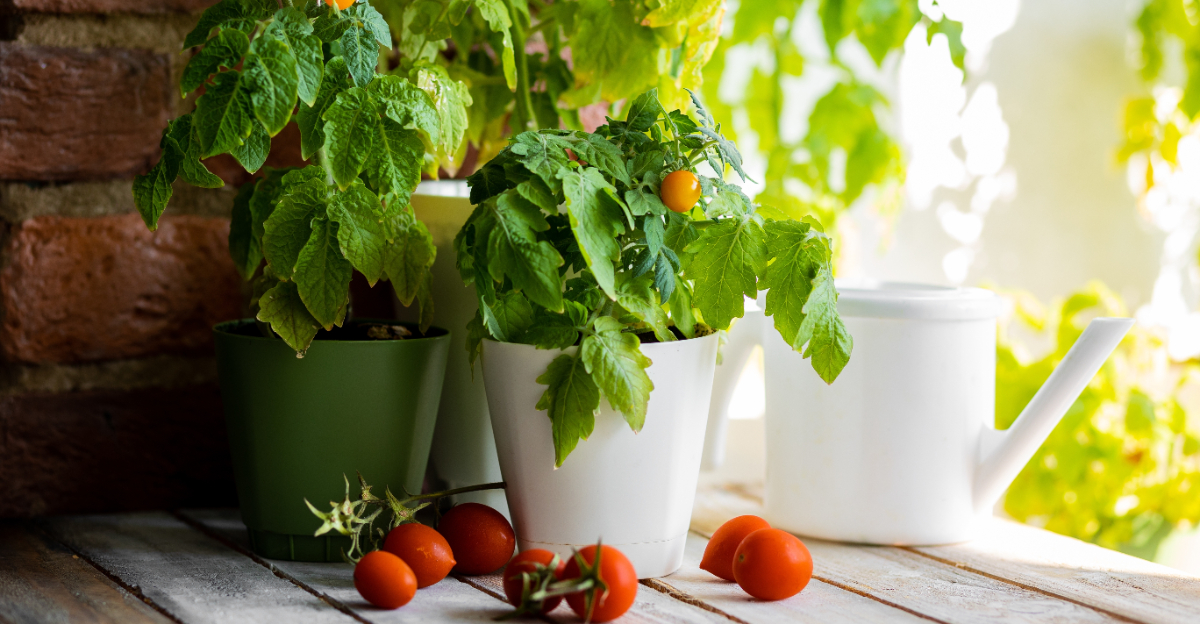
4. Cherry Tomatoes Set Fruit Before Extreme Heat Hits
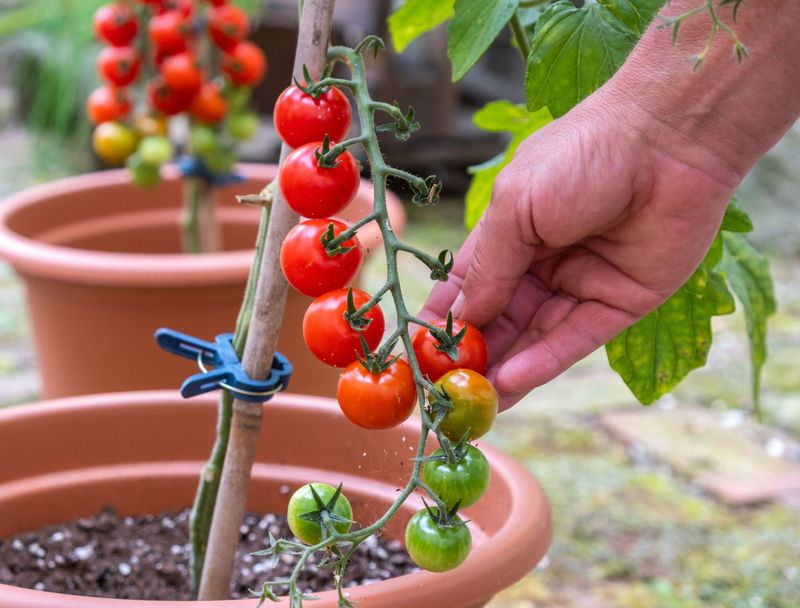
Cherry tomatoes are the smart choice for Arizona container gardeners because they set fruit faster than larger varieties and handle warm temperatures better than most.
Planting transplants in late January or February gives plants time to establish and start producing before extreme heat arrives.
Standard large tomatoes often struggle in Arizona once temperatures pass 95 degrees because blossoms drop without setting fruit. Cherry varieties like Sweet 100, Sun Gold, and Juliet are noticeably more heat-tolerant and can continue producing even when conditions get uncomfortable.
That tolerance makes a real difference in a state where summer arrives aggressively.
Use a container that holds at least 5 gallons, though 10 gallons gives roots more room and leads to a more productive plant. Tomatoes are heavy feeders, so fertilizing every two weeks with a balanced liquid fertilizer keeps plants producing once they hit their stride.
Water management in Arizona requires attention because containers dry out fast on hot days. Mulching the top of the soil with a thin layer of straw or shredded bark helps retain moisture and keeps roots cooler.
Once summer heat becomes relentless, move containers to a spot with afternoon shade to extend the productive season. Cherry tomatoes planted early in Arizona can produce abundantly through late spring and even into early summer with the right care.
5. Peppers Establish Early And Keep Producing In Heat
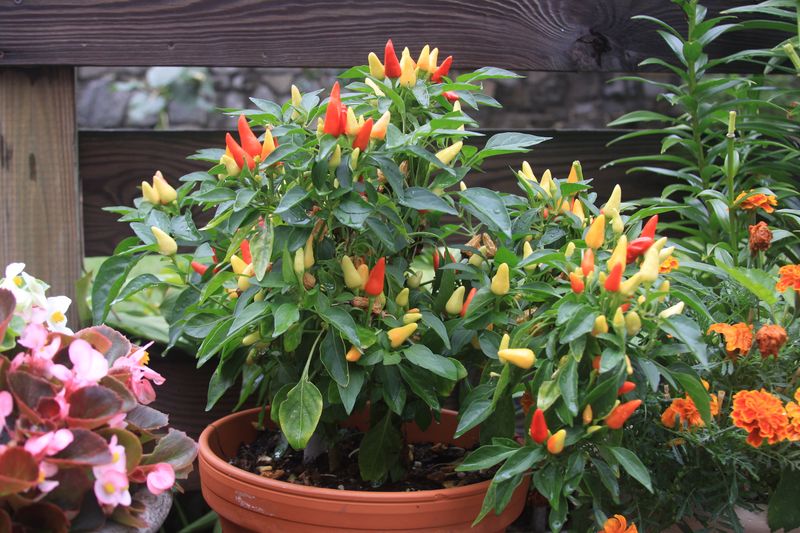
Peppers might be the most Arizona-friendly vegetable on this list. Unlike tomatoes, established pepper plants can handle serious heat and often bounce back to heavy production once temperatures drop in fall.
Starting them early in spring gives them the root system they need to survive summer and reward you twice.
Plant transplants in Arizona between late January and March for the best results. Peppers started from seed indoors 8 to 10 weeks before transplanting tend to establish faster and produce earlier than direct-seeded plants.
Both sweet and hot varieties perform well in containers, so choose based on what your kitchen actually uses.
A 5-gallon container works for a single plant, but a 10-gallon pot produces noticeably better results by giving roots more room to spread. Peppers prefer consistently moist soil but are more drought-tolerant than tomatoes or cucumbers once established.
Still, in Arizona’s dry air, daily watering during peak summer months is often necessary.
Jalapeños, bell peppers, and banana peppers are all solid container choices. Mulching the soil surface reduces moisture loss significantly, which matters when Arizona temperatures climb past 105 degrees.
Afternoon shade extends plant health during the hottest months. Peppers rarely need replacing each season in Arizona because established plants often survive summer with basic care and return to strong production when cooler fall weather arrives.
6. Basil Thrives In Warm Weather And Grows Easily In Pots
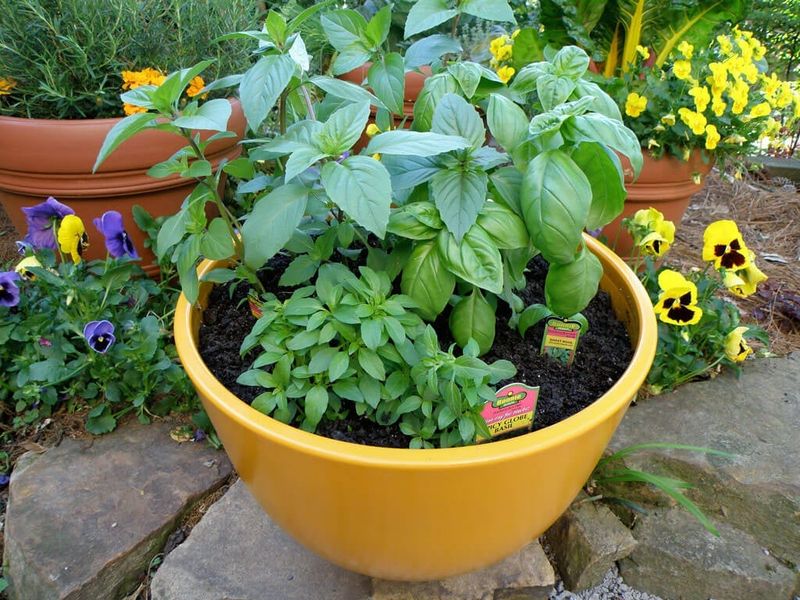
Basil and Arizona spring weather are practically made for each other. Warm soil, plenty of sun, and low humidity create conditions that basil genuinely loves, and a single pot can supply more fresh leaves than most home cooks can use through the entire spring season.
Start basil after the last frost risk passes, which in most parts of Arizona means late February or early March. Seeds germinate quickly in warm soil, often within a week.
Transplants work just as well if you want to skip the germination stage and get straight to harvesting.
Use a pot at least 8 inches deep with good drainage. Basil roots do not like sitting in wet soil, and overwatering is the most common reason container basil underperforms.
Water when the top inch of soil feels dry and always water at the base rather than overhead to reduce fungal issues.
Pinch off flower buds as soon as they appear because once basil bolts, leaf production drops and the flavor turns noticeably bitter. Regular harvesting from the top of the plant actually encourages bushier growth and more leaves over time.
Genovese and Italian large-leaf varieties are reliable performers in Arizona. Once summer heat becomes extreme, basil may bolt faster than you can manage, so enjoy the spring harvest while temperatures stay in a comfortable range for both you and the plant.
7. Swiss Chard Handles Heat Better Than Most Greens
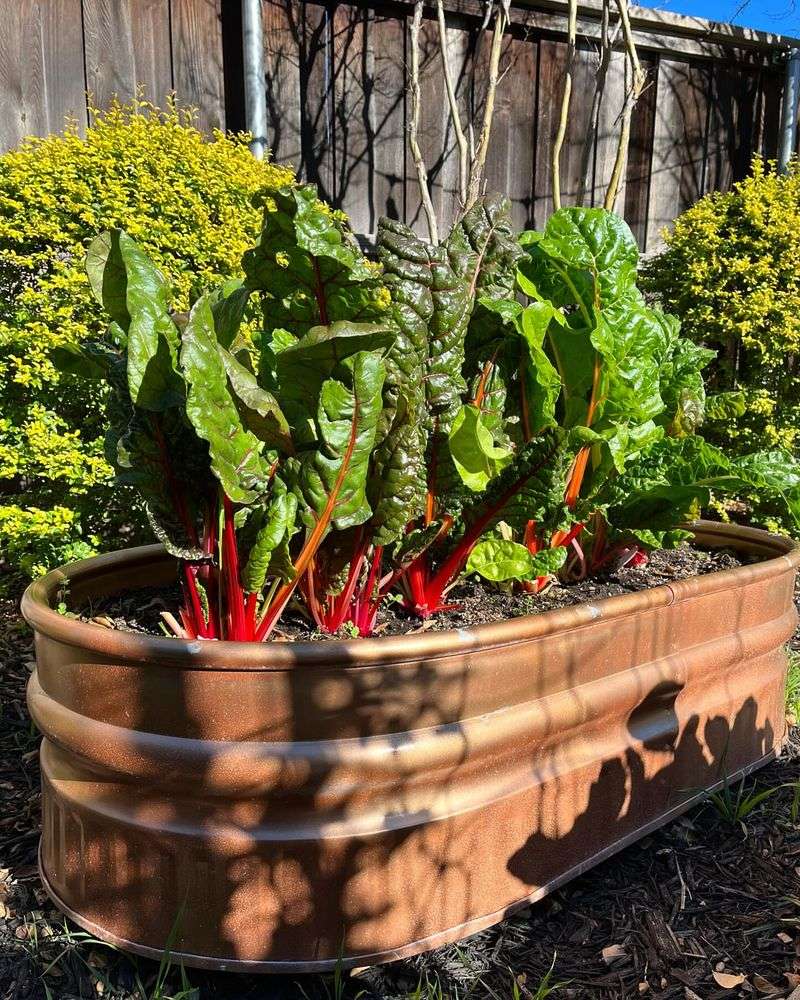
Most leafy greens tap out when Arizona heat arrives, but Swiss chard plays by different rules. Spinach bolts in warm weather, lettuce turns bitter fast, and kale struggles once temperatures consistently hit the 90s.
Swiss chard keeps going longer than any of them, making it a smart choice for Arizona container gardeners.
Plant chard seeds or transplants from late January through March in Arizona. It grows steadily in cool weather and tolerates warmth far better than most greens you might consider.
Bright Lights and Rainbow Chard varieties add color to a patio while also being genuinely productive plants.
A container at least 12 inches deep gives roots enough room to develop properly. Chard grows tall, so a wider pot also helps with stability on windy spring days, which Arizona gardeners know can be a real issue.
Well-draining potting mix and consistent moisture keep plants healthy and productive.
Harvest outer leaves regularly and leave the center of the plant intact so it keeps producing new growth. A single plant harvested this way can supply fresh greens for weeks.
Once Arizona summer heat becomes relentless, chard will eventually slow down and foliage quality declines, but it outlasts most other greens by a significant margin. For gardeners who want fresh greens as long as possible before summer shuts things down, Swiss chard is genuinely one of the best options available.
8. Green Onions Grow Quickly And Handle Warm Conditions
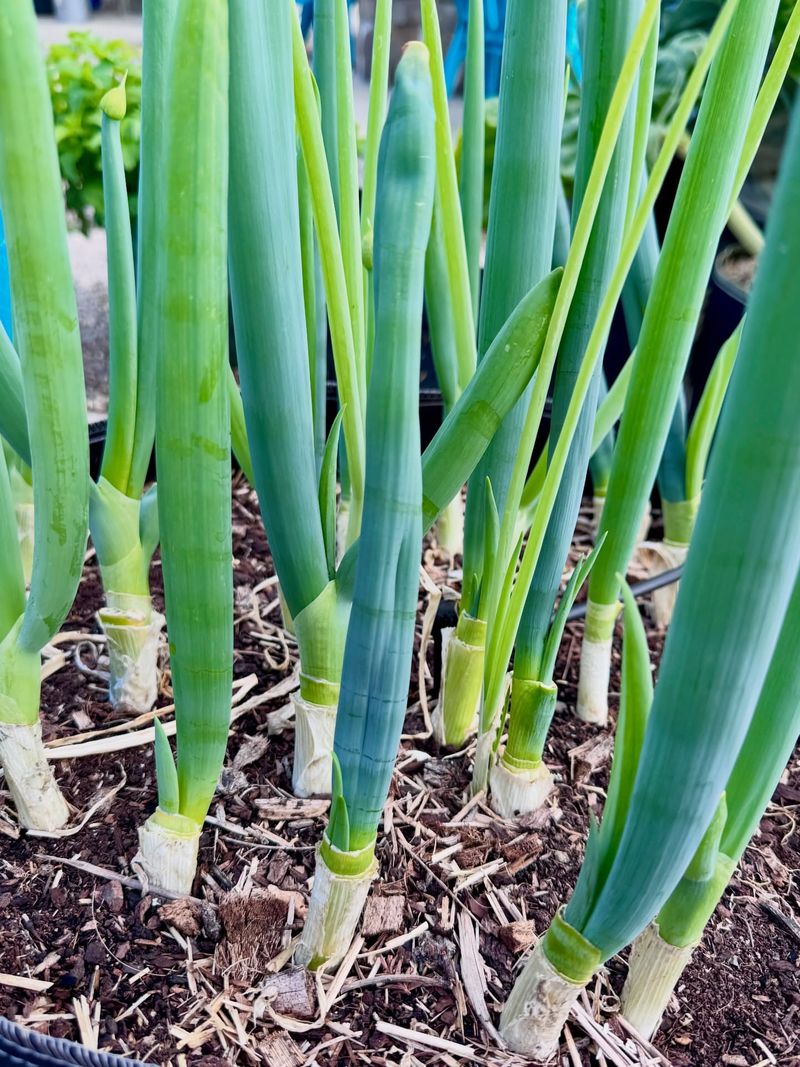
Green onions might be the easiest container vegetable an Arizona gardener can grow before summer arrives. They need minimal space, almost no maintenance, and can be ready to harvest in as little as three to four weeks when started from transplants or sets.
Plant seeds or small onion sets in January through March across most of Arizona. A rectangular planter box works well because you can fit a dozen plants in a relatively small footprint.
Spacing plants about two inches apart gives each one enough room without wasting container space that could be used productively.
Green onions prefer loose, well-draining soil and consistent moisture but are forgiving compared to most vegetables.
They tolerate a wider range of temperatures than many other crops, which means they keep producing even as spring temperatures in Arizona start climbing toward uncomfortable levels for other plants.
Harvest by snipping leaves from the top or pulling whole plants when they reach the thickness you prefer. If you leave roots intact after cutting the tops, many varieties will regrow and give you a second or even third harvest from the same plant.
Keeping a container of green onions near the kitchen door means fresh herbs are always within reach without a trip to the grocery store.
For beginning Arizona container gardeners looking for a quick win before summer heat rolls in, green onions deliver reliable results with almost no effort.